Cold Extrusion Coupler: High-Strength Rebar Connection Solutions for Modern Construction

All Categories

Get a Free Quote

Our representative will contact you soon.
Email
Name
Company Name
Message
0/1000

cold extrusion coupler

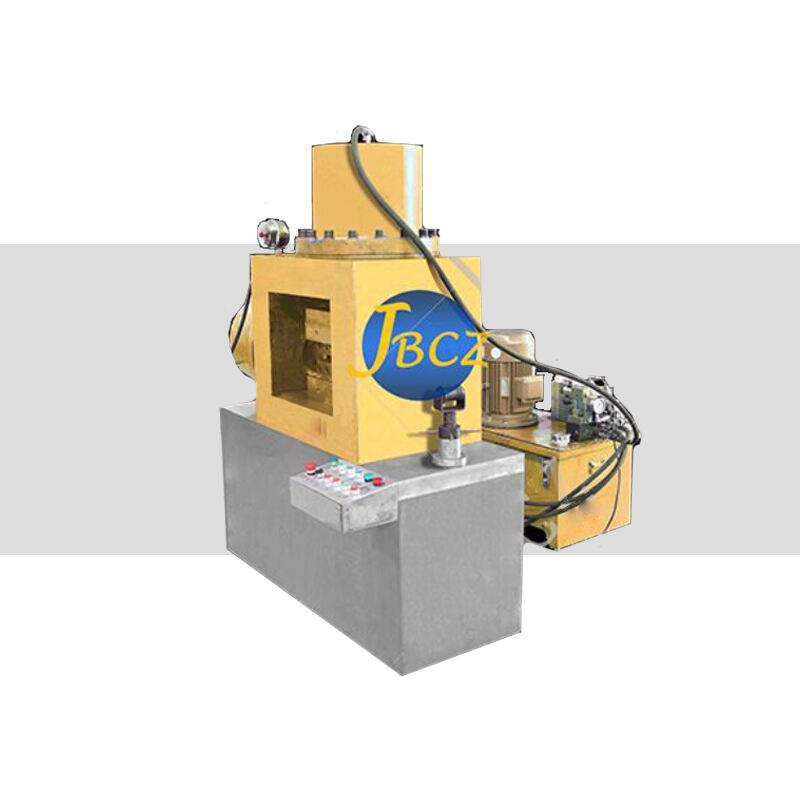
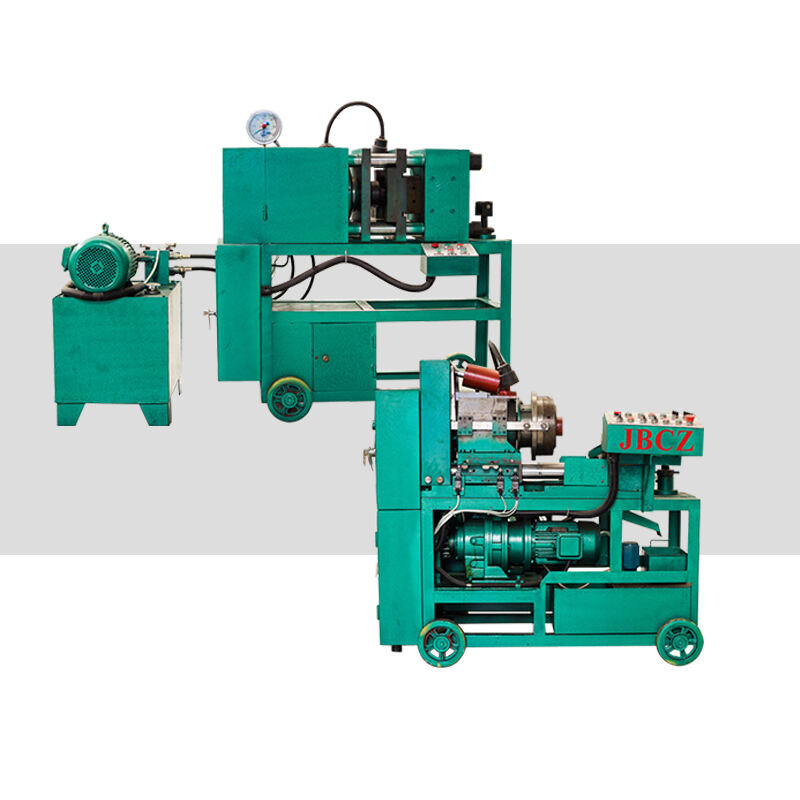
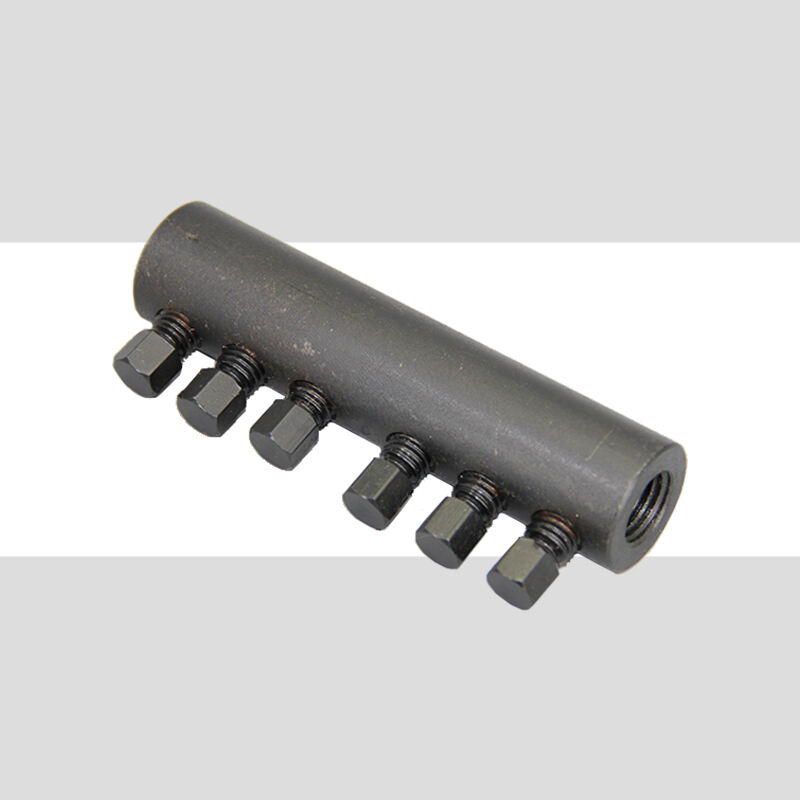
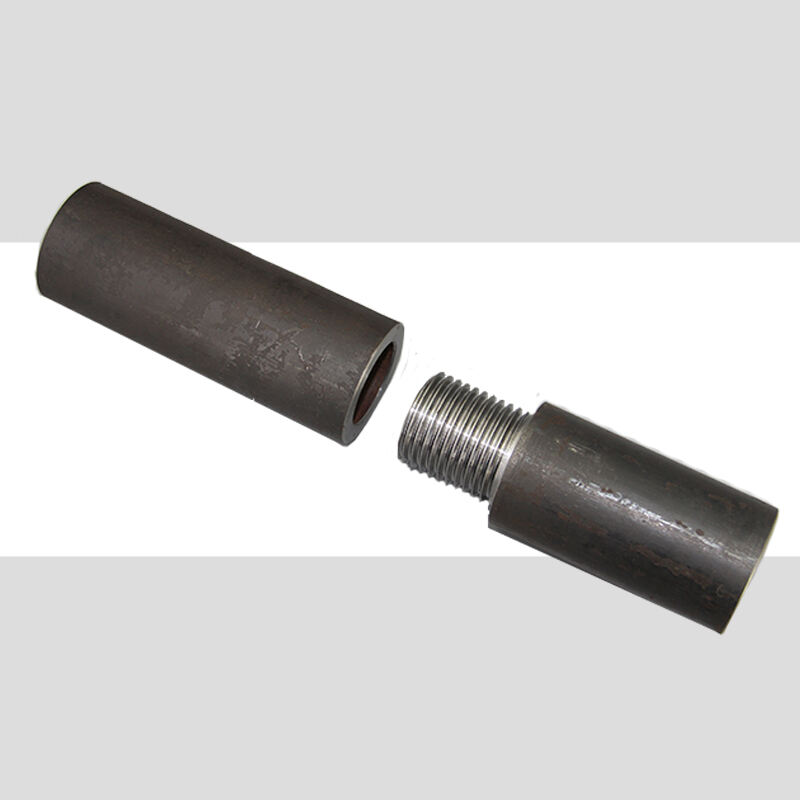
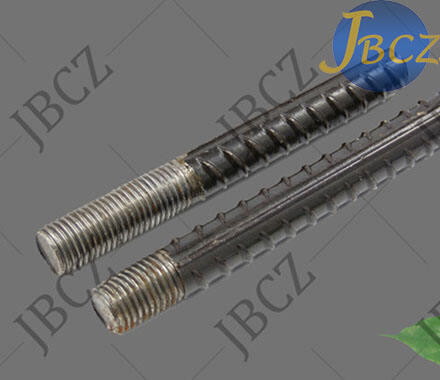
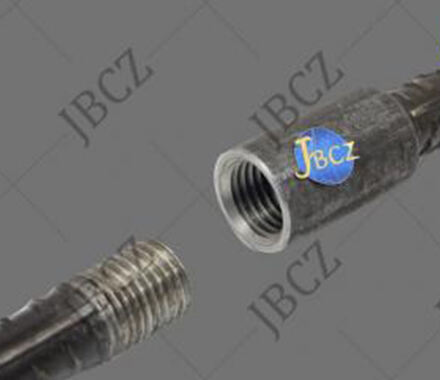
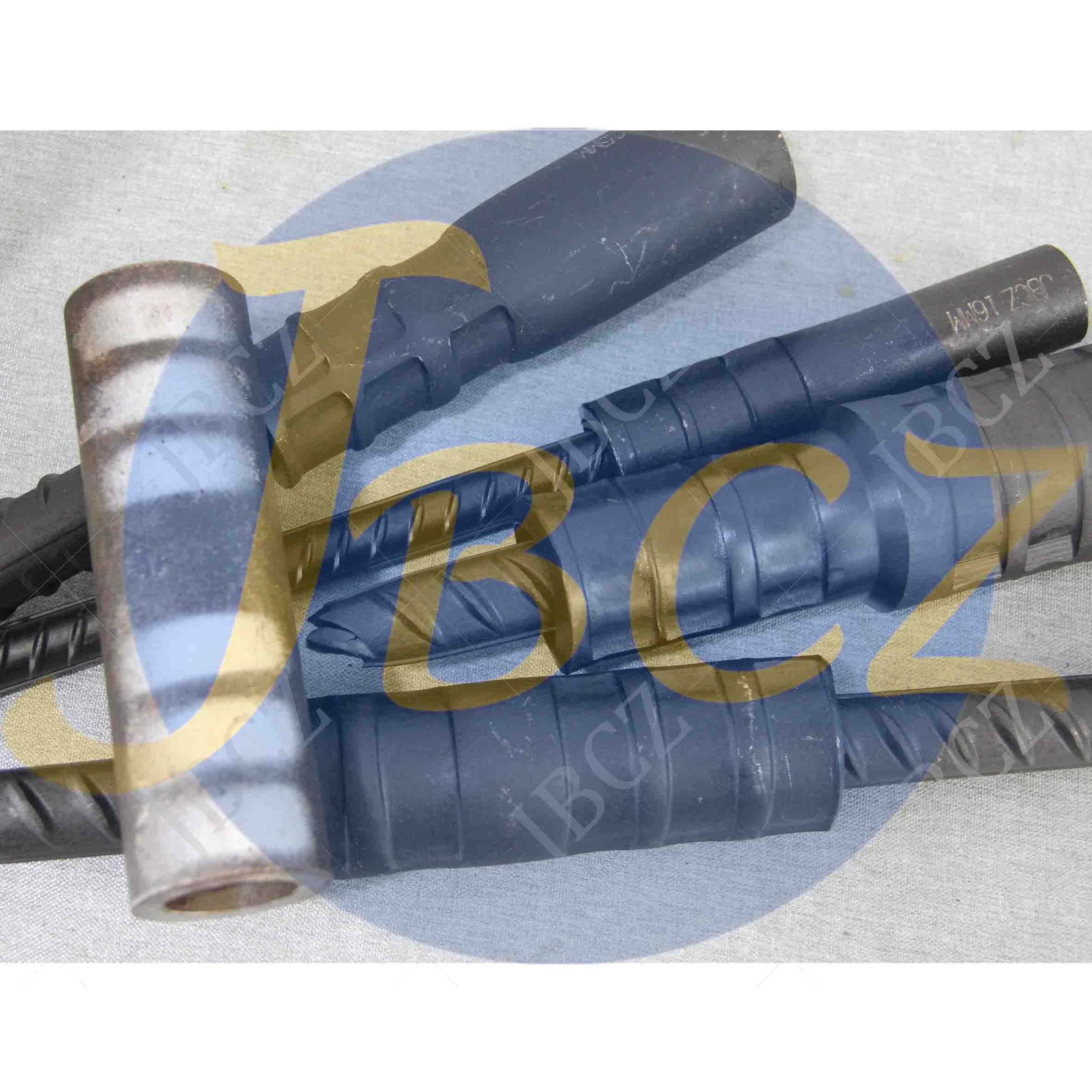
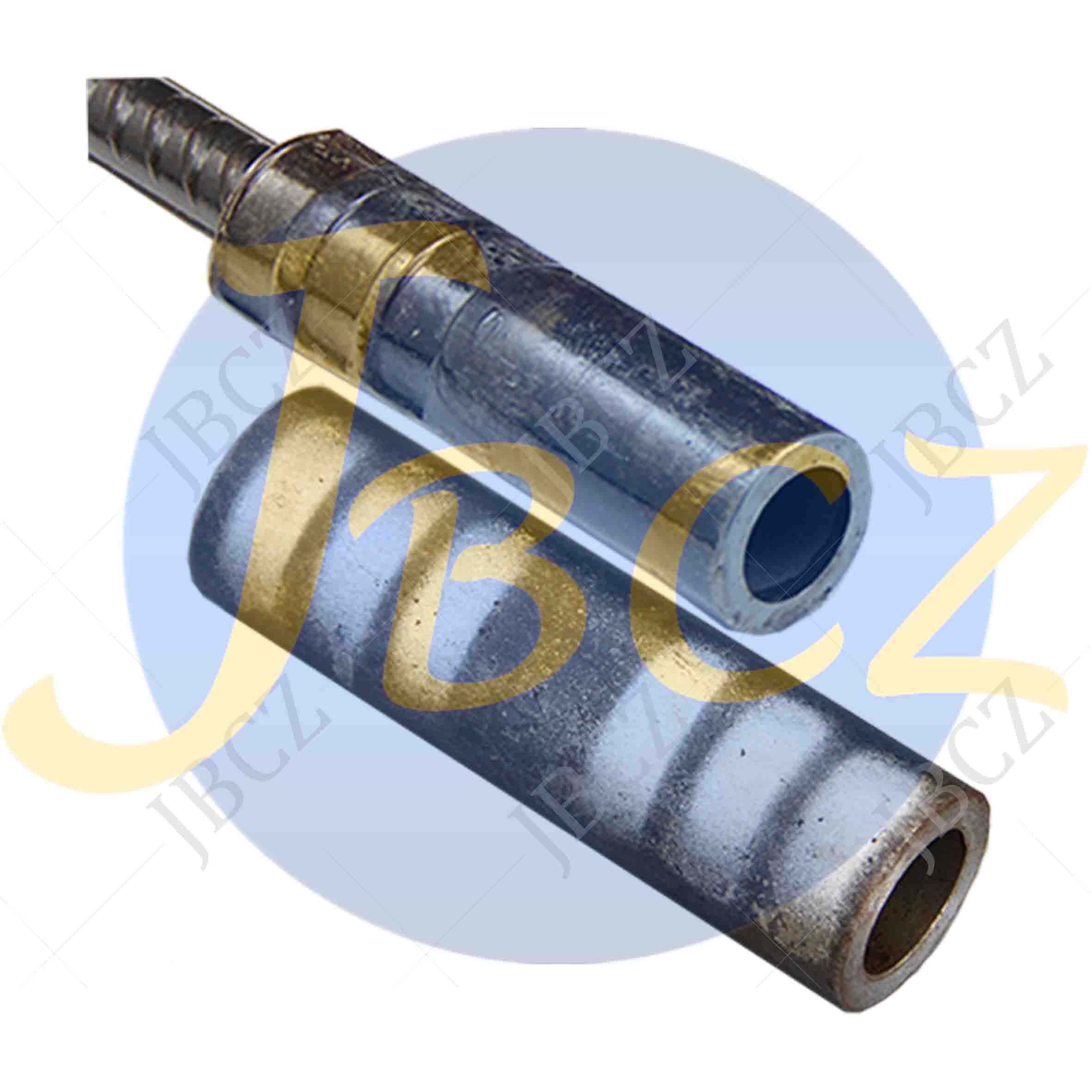
The cold extrusion coupler represents a revolutionary advancement in reinforcement bar connection technology, serving as a crucial mechanical fastening solution in modern construction projects. This specialized device creates permanent, high-strength joints between steel reinforcement bars through a sophisticated cold-working process that eliminates the need for threading or welding. The fundamental operation involves inserting two rebar ends into opposite sides of a steel sleeve, then applying tremendous hydraulic pressure through precision dies that deform the sleeve inward. This compression creates an interlocking mechanical bond that effectively transfers loads between connected bars while maintaining structural integrity throughout the joint. The technological foundation of the cold extrusion coupler relies on controlled plastic deformation at ambient temperatures, which preserves the metallurgical properties of both the reinforcement steel and the coupling sleeve. Unlike traditional connection methods, this process generates no heat, produces no sparks, and requires no skilled welders on site. The coupler itself consists of a high-grade steel sleeve manufactured to precise dimensional tolerances, ensuring consistent performance across thousands of connections. Engineers specify cold extrusion couplers for applications ranging from high-rise residential towers to commercial complexes, bridge construction, seismic retrofitting projects, and infrastructure development. The system accommodates various reinforcement bar diameters, typically ranging from 16mm to 40mm, making it adaptable to diverse structural requirements. Installation occurs through specialized hydraulic equipment that delivers calibrated pressure, creating visible indentations on the sleeve exterior that serve as quality control indicators. This connection method has gained widespread acceptance in regions with stringent seismic codes because the joint often exceeds the tensile strength of the parent reinforcement bar itself. The cold extrusion coupler eliminates common concerns associated with threaded connections, such as cross-threading, incomplete engagement, or corrosion within thread valleys. Construction teams appreciate the speed of installation, which significantly reduces labor costs and project timelines while delivering superior structural performance that meets or exceeds international building standards.

New Product Releases

The cold extrusion coupler delivers substantial practical benefits that directly impact project efficiency, cost management, and structural reliability. First and foremost, this connection system dramatically accelerates construction schedules by enabling rapid bar joining without time-consuming preparation steps. Workers simply insert rebars into the sleeve and activate the hydraulic press, completing each connection in approximately 30 to 45 seconds. This speed advantage multiplies across hundreds or thousands of connections, potentially saving weeks on large-scale projects. The elimination of threading operations removes an entire workflow step, along with the specialized threading equipment, maintenance requirements, and skilled operators traditionally needed. From a financial perspective, projects experience reduced labor expenses because installation requires minimal training and fewer workers can accomplish more connections per shift. The cold extrusion coupler creates exceptionally strong joints that typically achieve 100 percent or greater of the rebar's characteristic tensile strength, providing engineers with confidence in structural calculations and safety margins. This reliability stems from the complete circumferential contact between the deformed sleeve and rebar surface, distributing stress evenly rather than concentrating it at specific points. Construction sites benefit from enhanced safety conditions since the process generates no flames, sparks, or hazardous fumes that could endanger workers or ignite flammable materials. The ambient temperature process means installation can proceed in weather conditions that would halt welding operations, maintaining productivity during cold seasons or in confined spaces with ventilation limitations. Quality assurance becomes straightforward because the visible indentation pattern on completed couplers provides immediate verification that proper pressure was applied. Project managers gain scheduling flexibility since connections can occur at ground level before hoisting assemblies into position, or in-place at any height without the logistical complications of moving welding equipment and gas cylinders. The cold extrusion coupler accommodates bars with surface rust or minor contamination that would compromise welded or threaded connections, reducing material waste and preparation time. Long-term durability proves exceptional because the compression process work-hardens the interface zone, and the tight metal-to-metal contact resists moisture penetration that causes corrosion. Structures connected with these couplers demonstrate superior performance during seismic events, with joints maintaining integrity through repeated loading cycles that would fatigue alternative connection types. Environmental considerations favor this technology since it consumes no fuel, produces no toxic emissions, and generates minimal waste material. The versatility of the cold extrusion coupler extends to repair and retrofitting applications where existing structures require reinforcement upgrades without disrupting occupied spaces through welding operations. Budget predictability improves because the consumable costs per connection remain consistent, unlike welding where electrode consumption and operator skill levels create cost variability.

Latest News

What is a Reducing Coupler and How is it Used in Plumbing Systems?

10

Jul

What is a Reducing Coupler and How is it Used in Plumbing Systems?

View More
Advantages of Reducing coupler in Renewable Energy Storage Systems

10

Jul

Advantages of Reducing coupler in Renewable Energy Storage Systems

View More
JBCZ has received the certification of UK CARES

10

Jul

JBCZ has received the certification of UK CARES

View More
Right Hand Coupler: Enhancing Efficiency and Precision in Mechanical Systems

10

Jul

Right Hand Coupler: Enhancing Efficiency and Precision in Mechanical Systems

View More

Get a Free Quote

Our representative will contact you soon.
Email
Name
Company Name
Message
0/1000

cold extrusion coupler

Unmatched Installation Speed and Operational Efficiency

Unmatched Installation Speed and Operational Efficiency

The cold extrusion coupler transforms reinforcement connection workflows through exceptional installation velocity that fundamentally alters project economics and timeline management. Traditional joining methods burden construction schedules with extensive preparation phases including bar end preparation, threading operations, thread inspection, and careful alignment procedures that consume valuable labor hours. The cold extrusion coupler eliminates these bottlenecks entirely, reducing the connection process to three simple actions: insert the first rebar into one sleeve end, insert the second rebar into the opposite end, and activate the hydraulic press. The specialized pressing equipment applies calibrated force through precision dies that compress the sleeve inward simultaneously from multiple radial directions, creating the permanent mechanical interlock in mere seconds. This remarkable simplicity means construction crews accomplish 60 to 80 connections per hour per operator, compared to 15 to 25 connections hourly with threaded systems or even fewer with welding methods. The productivity multiplication becomes especially significant on projects requiring thousands of connections, where the time savings translate directly into earlier project completion and reduced overhead costs. Contractors discover additional efficiency advantages through simplified logistics since the cold extrusion coupler system requires only the sleeves, rebars, and hydraulic equipment rather than the complex inventory of threading dies, cutting fluids, welding machines, electrodes, gas cylinders, and associated safety equipment. Site organization improves because connection stations occupy minimal space and can be relocated quickly as work progresses vertically or horizontally through the structure. The rapid installation capability enables construction managers to compress critical path activities, potentially recovering schedule delays from earlier phases or weather interruptions. Quality consistency remains uniform across all connections regardless of operator experience because the hydraulic equipment delivers precisely controlled force, removing the human variability factor that affects welded or manually tightened threaded connections. Training requirements decrease substantially since workers achieve competency after brief instruction periods rather than the extensive apprenticeships required for certified welders. The cold extrusion coupler proves particularly valuable in fast-track construction programs where accelerated schedules demand maximum daily productivity without compromising structural integrity or safety standards. Projects experience fewer workflow interruptions since installation proceeds independently of electrical power availability in remote areas, and the absence of consumable welding materials eliminates supply chain dependencies that could halt progress.
Superior Structural Performance and Reliability

Superior Structural Performance and Reliability

The cold extrusion coupler establishes new benchmarks for connection strength and long-term structural reliability through its unique mechanical interlocking mechanism that outperforms conventional joining technologies. The cold-working process creates an interference fit between the deformed sleeve and rebar surfaces that achieves complete load transfer without relying on friction alone or localized stress concentrations. Independent testing laboratories consistently verify that properly installed cold extrusion couplers develop tensile capacities exceeding the guaranteed yield strength of the parent reinforcement bars, meaning structural failure would occur in the bar itself rather than at the connection point. This performance characteristic provides structural engineers with the confidence to design complex structures where connection integrity directly influences overall building safety and load-carrying capacity. The circumferential compression applied during installation work-hardens both the sleeve material and the rebar surface layer, actually increasing the local material strength at the joint interface. Unlike threaded connections where the reduced cross-section at thread roots creates potential failure planes, the cold extrusion coupler maintains the full bar diameter throughout the connection zone. The mechanical bond proves immune to loosening from vibration, thermal cycling, or repeated loading patterns that can compromise threaded fasteners over decades of service life. Seismic performance testing demonstrates exceptional ductility as the coupler joint undergoes multiple high-stress load reversals without degradation, maintaining structural integrity through earthquake simulations that replicate worst-case scenarios. The absence of heat during installation preserves the carefully controlled metallurgical properties established during rebar manufacturing, whereas welding creates heat-affected zones with altered grain structures and potentially reduced strength or ductility. Corrosion resistance proves superior because the tight metal-to-metal compression eliminates the microscopic gaps where moisture and oxygen would initiate oxidation, and the work-hardened surface layer exhibits greater resistance to chemical attack. Long-term durability studies of structures connected with cold extrusion couplers show no deterioration in joint performance even after decades of exposure to aggressive environments including marine conditions, chemical plants, and freeze-thaw cycling. The consistent quality of machine-applied force eliminates the inspector concerns associated with welder qualification, electrode selection, welding sequence, and visual defect detection that introduce uncertainty into welded connection assessment. Engineers designing critical structures such as hospitals, emergency response facilities, nuclear containment buildings, and essential infrastructure specify cold extrusion couplers specifically for their proven reliability under extreme loading conditions. The connection system accommodates various bar grades and sizes within a single coupling family, providing design flexibility without requiring extensive testing programs for each combination.
Enhanced Safety Standards and Environmental Responsibility

Enhanced Safety Standards and Environmental Responsibility

The cold extrusion coupler revolutionizes construction site safety protocols while simultaneously advancing environmental sustainability objectives through its flame-free, emission-free installation process. Traditional welding operations introduce multiple hazard categories including fire risks from open flames and sparks, toxic fume exposure requiring respiratory protection, intense ultraviolet radiation necessitating eye protection and skin coverage, electrical shock dangers from high-amperage equipment, and burns from hot metal surfaces. The cold extrusion coupler eliminates every one of these hazards by operating entirely through mechanical compression at ambient temperature, fundamentally transforming the risk profile of reinforcement connection activities. Construction site managers document fewer safety incidents, reduced workers compensation claims, and lower insurance premiums attributable to the safer work environment created by adopting this technology. Workers appreciate the absence of heavy protective equipment requirements, operating in normal work clothing rather than specialized fire-resistant coveralls, welding helmets, and respirators that reduce comfort and mobility. The installation process produces no sparks that could ignite flammable materials, construction debris, or vapors present in renovation environments or industrial facilities, permitting connection work in locations where hot work permits would be denied or require expensive fire watch personnel. Confined space operations become dramatically safer since the cold extrusion coupler generates no fumes requiring forced ventilation or atmospheric monitoring, and workers avoid the claustrophobic stress of wearing respirators in tight quarters. The equipment operates on standard hydraulic power without exposed electrical components, eliminating shock hazards in wet conditions or near grounded metal structures. From an environmental perspective, the cold extrusion coupler process consumes no fossil fuels, produces zero greenhouse gas emissions, and generates no toxic byproducts requiring special disposal procedures. The complete absence of welding slag, electrode stubs, and grinding dust reduces construction waste streams while eliminating respiratory hazards from airborne particulates. Noise pollution decreases substantially compared to impact wrenches or grinding operations, benefiting both workers and neighboring properties where construction occurs near occupied buildings, schools, or hospitals. The cold working process requires no consumable materials beyond the reusable sleeves, contrasting sharply with welding electrodes and shielding gases that represent both ongoing costs and environmental burdens through manufacturing and transportation impacts. Energy consumption per connection proves minimal since hydraulic systems operate efficiently and the brief pressing cycle demands power only during actual compression seconds. Organizations pursuing green building certifications and sustainable construction practices recognize the cold extrusion coupler as a responsible technology choice that aligns with environmental commitments without compromising structural performance or project economics. The absence of special waste handling requirements simplifies site management and reduces disposal costs associated with hazardous material documentation and specialized hauling services.