European Standard Rebar Coupler - High-Performance Reinforcement Connection Solutions for Modern Construction

All Categories

Get a Free Quote

Our representative will contact you soon.
Email
Name
Company Name
Message
0/1000

european standard rebar coupler

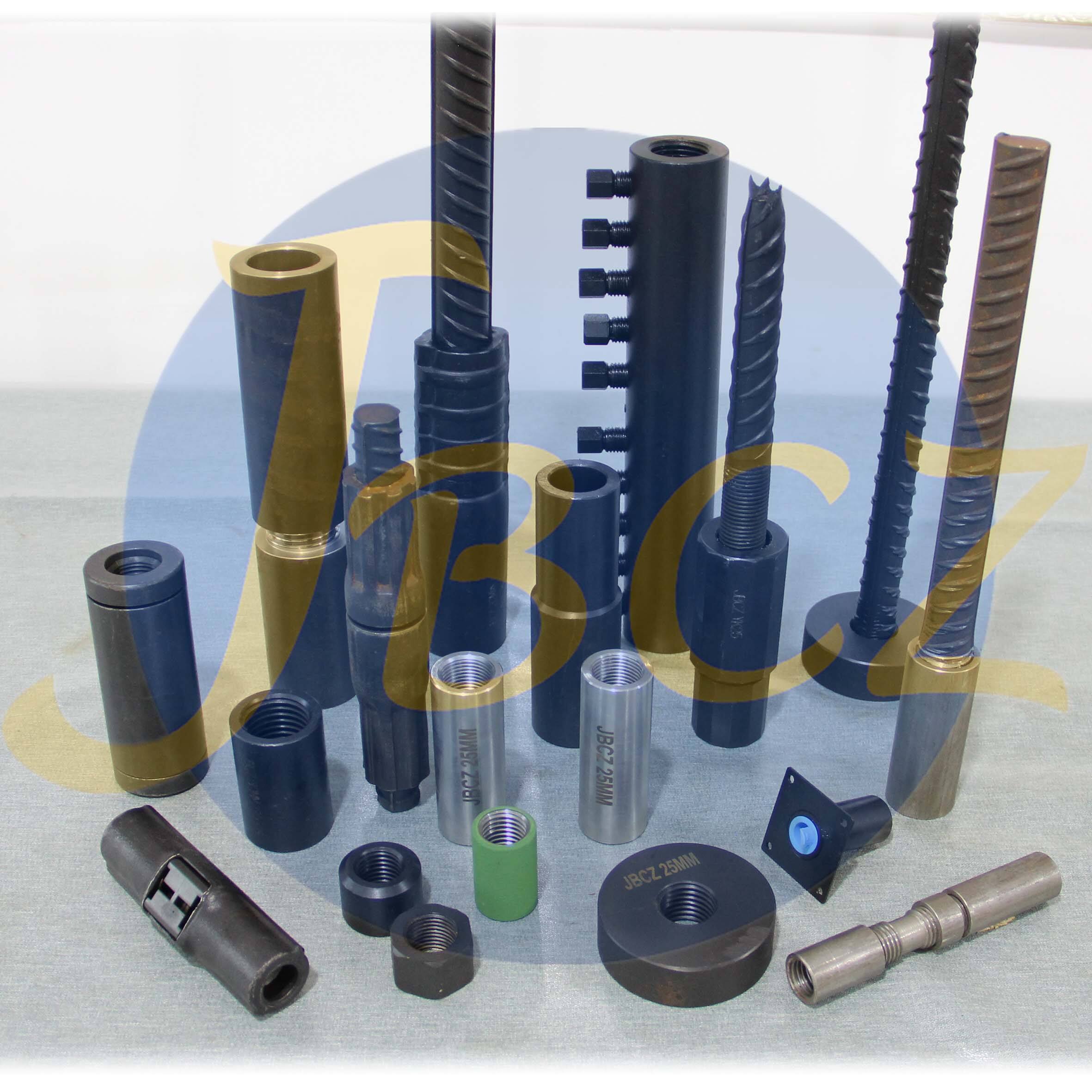
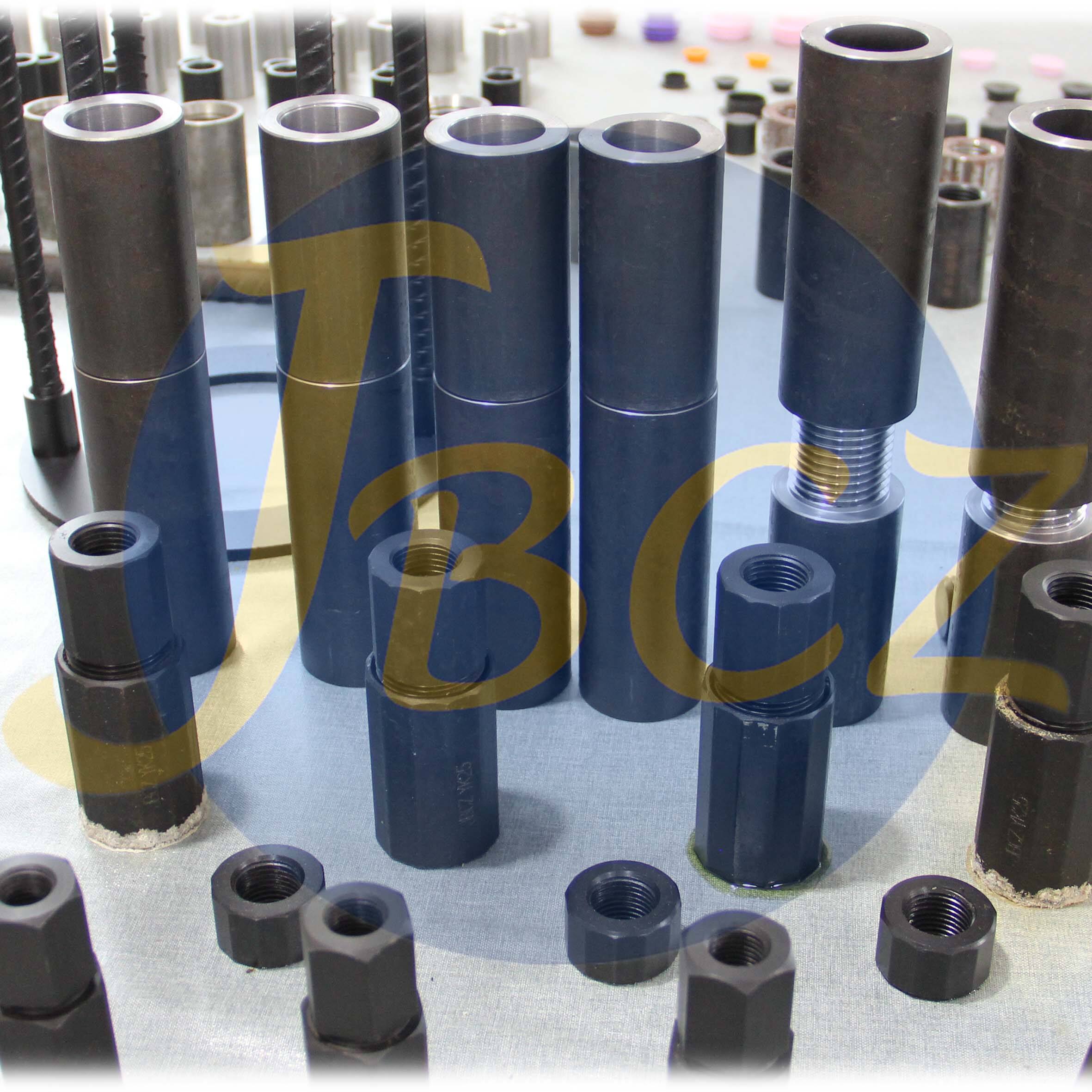
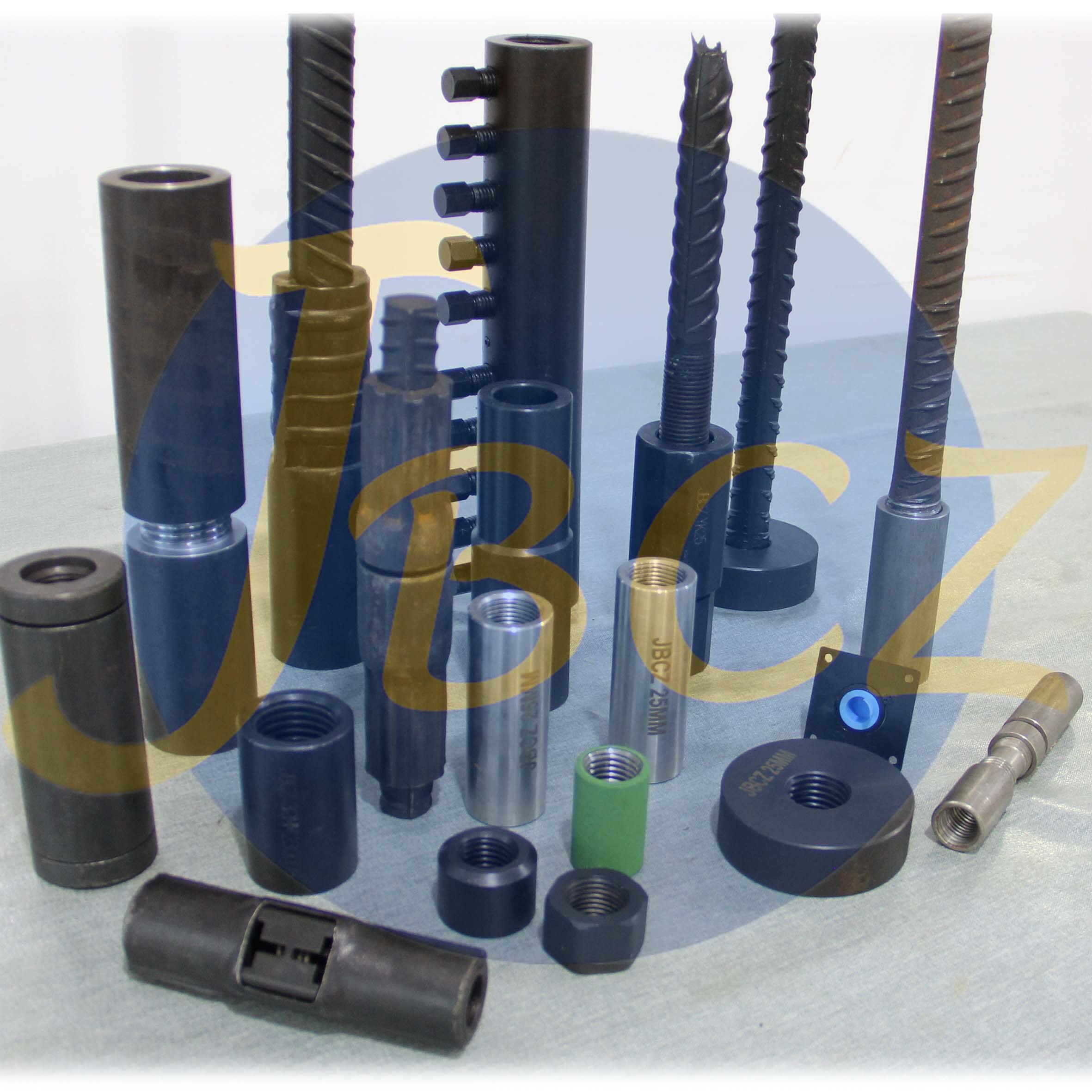
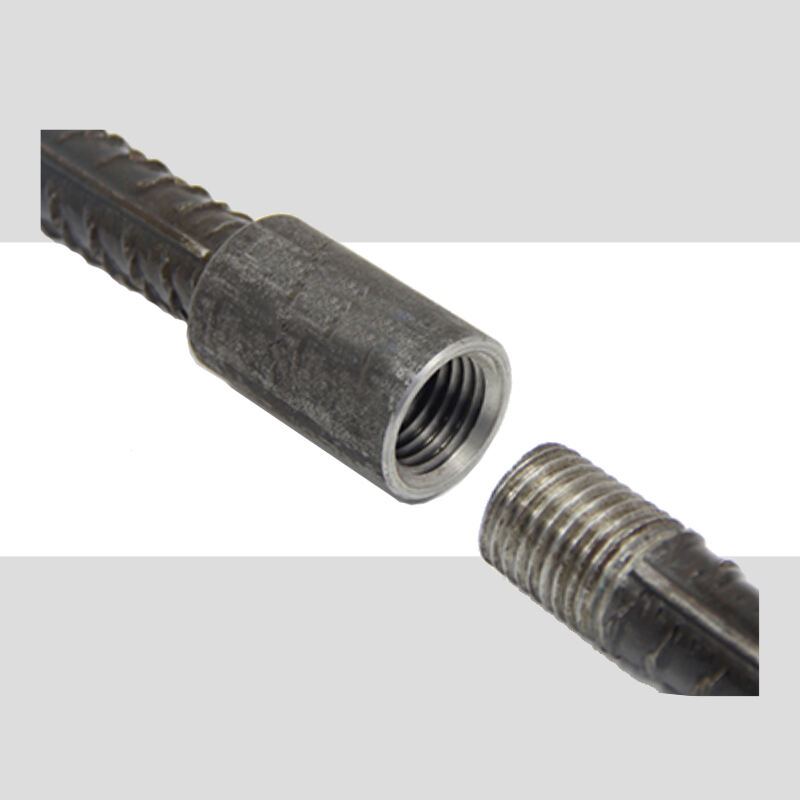
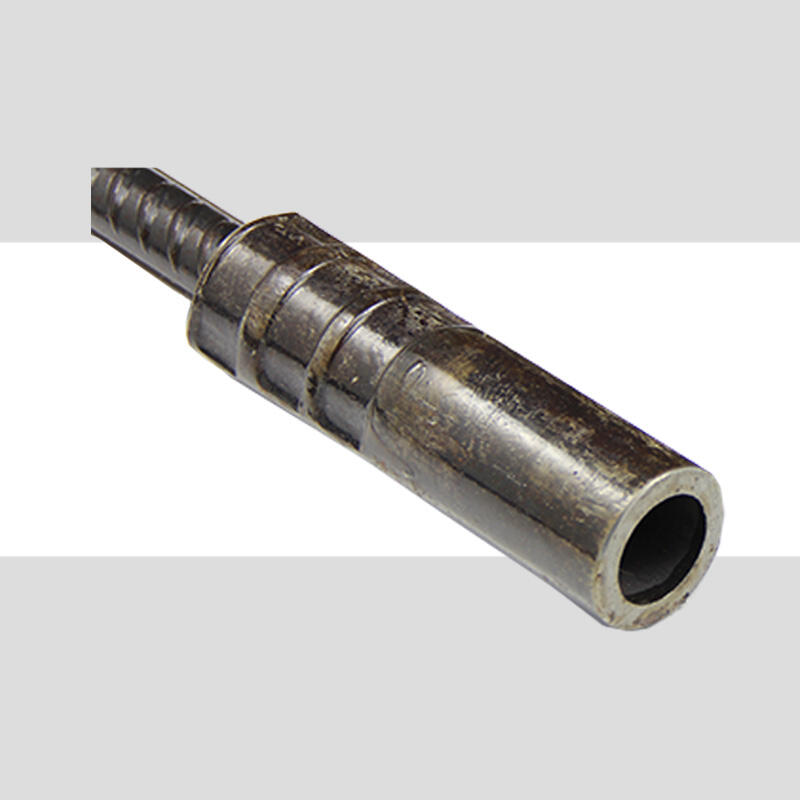
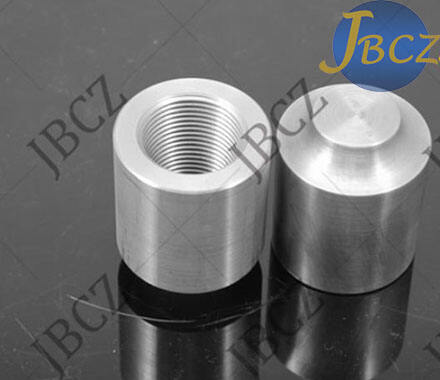
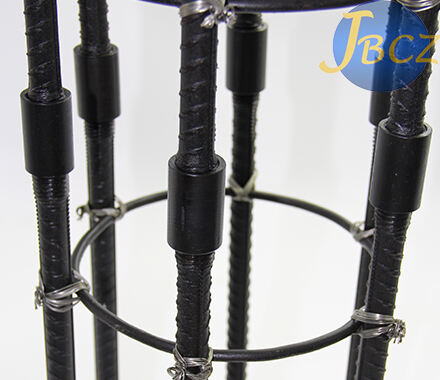
The european standard rebar coupler represents a cutting-edge mechanical splicing solution designed to join reinforcing steel bars in concrete construction projects across Europe and internationally. This precision-engineered component serves as a critical connector that maintains structural integrity while simplifying the reinforcement assembly process. The primary function of the european standard rebar coupler is to create a permanent, reliable connection between two reinforcement bars, effectively replacing traditional lap splicing methods that consume excessive materials and labor. These couplers work by threading onto the prepared ends of reinforcing bars, creating a mechanically strong joint that meets or exceeds the tensile strength of the parent bars themselves. The technological features of the european standard rebar coupler include precision-machined internal threading, high-grade steel construction, and compliance with EN 1992 Eurocode standards. The manufacturing process ensures dimensional accuracy and consistent performance across all units. These couplers typically feature a cylindrical body with internal threads that accommodate standard reinforcement bar sizes ranging from 12mm to 40mm in diameter. The connection mechanism relies on cold-forging technology and heat treatment processes that enhance the coupler's mechanical properties. Applications for the european standard rebar coupler span numerous construction sectors including high-rise buildings, bridge infrastructure, tunnel construction, foundation systems, seismic-resistant structures, and precast concrete elements. The european standard rebar coupler proves particularly valuable in congested reinforcement areas where traditional lap splicing becomes impractical. Construction projects benefit from reduced concrete cover requirements and improved worksite safety. The coupler system accommodates various connection configurations including coaxial joining, position fixing, and transition between different bar diameters. The european standard rebar coupler has become an essential component in modern construction methodology, enabling engineers and contractors to achieve superior structural performance while optimizing material usage and construction efficiency throughout the building process.

New Product Recommendations

The european standard rebar coupler delivers substantial practical benefits that directly impact project outcomes and bottom-line results for contractors, engineers, and building owners. First and foremost, these couplers dramatically reduce material waste by eliminating the need for overlapping reinforcement bars. Traditional lap splicing typically requires 40 to 60 times the bar diameter in overlap length, which translates to significant steel consumption. By using the european standard rebar coupler, projects save up to 40 percent of reinforcement steel, leading to immediate cost reductions and environmental benefits through decreased material production and transportation. Installation speed represents another major advantage, as workers can complete connections in minutes rather than hours. The straightforward threading process requires minimal training, and teams can quickly become proficient in coupler installation. This efficiency accelerates construction schedules, allowing projects to meet tight deadlines and reduce labor costs substantially. The european standard rebar coupler also enhances structural performance by providing connections that achieve 100 percent of the parent bar's tensile strength and often exceed it. This reliability gives engineers confidence in their structural calculations and eliminates concerns about connection failure under stress. Quality control becomes simpler because each european standard rebar coupler undergoes rigorous factory testing before delivery, ensuring consistent performance across thousands of units. Site inspections focus on proper installation rather than complex reinforcement detailing. The couplers perform exceptionally well in seismic zones where ductility and energy dissipation matter critically. Safety improvements on construction sites deserve special mention, as the european standard rebar coupler reduces the number of protruding bars that create hazards for workers. Cleaner work areas with fewer congested reinforcement zones mean fewer accidents and improved site organization. Space savings in congested areas allow contractors to work more efficiently, particularly in columns, beams, and walls where multiple reinforcement layers converge. The european standard rebar coupler accommodates tight spacing requirements that would be impossible with traditional methods. Concrete placement becomes easier because the couplers create less obstruction to flow, resulting in better consolidation and fewer voids. This improved concrete quality enhances durability and extends structure lifespan. Projects in urban environments benefit from reduced material deliveries and storage requirements, as less reinforcement steel needs to be transported and stockpiled on limited site areas. The european standard rebar coupler system supports sustainable construction practices by minimizing waste, reducing carbon footprint, and enabling more efficient resource utilization throughout the construction lifecycle.

Practical Tips

The indispensable role of rebar couplers in offshore wind farms and marine structures

10

Jul

The indispensable role of rebar couplers in offshore wind farms and marine structures

View More
Six ways to regulate rebar splices

10

Jul

Six ways to regulate rebar splices

View More
Take a look at the rebar coupler

10

Jul

Take a look at the rebar coupler

View More
JBCZ has received the certification of UK CARES

10

Jul

JBCZ has received the certification of UK CARES

View More

Get a Free Quote

Our representative will contact you soon.
Email
Name
Company Name
Message
0/1000

european standard rebar coupler

Superior Load Transfer and Structural Integrity

Superior Load Transfer and Structural Integrity

The european standard rebar coupler excels in its fundamental purpose of transferring loads between reinforcement bars with exceptional reliability and structural integrity. This mechanical connection system employs precision engineering principles that ensure force transmission occurs smoothly and efficiently across the joined bars. The coupler's internal threading mechanism creates multiple contact points along the bar surface, distributing stresses evenly and preventing localized failure points that could compromise structural performance. Testing protocols for the european standard rebar coupler include tensile strength verification, fatigue resistance evaluation, and ductility assessment under both static and dynamic loading conditions. Results consistently demonstrate that properly installed couplers achieve tensile strength values equal to or greater than the specified minimum tensile strength of the reinforcing bars themselves. This performance level means engineers can design with full confidence, knowing that connections will not represent weak points in the reinforcement system. The load transfer mechanism within the european standard rebar coupler relies on thread engagement that creates mechanical interlocking between the coupler body and the deformed ribs of the reinforcement bars. This positive engagement prevents slippage under service loads and ultimate limit states. The coupler's material composition, typically high-strength steel alloy, ensures that the connector body maintains its integrity even when subjected to extreme forces during seismic events or accidental loading scenarios. Manufacturing quality control processes guarantee dimensional accuracy, with thread pitch, major diameter, and minor diameter specifications held to tight tolerances measured in hundredths of millimeters. This precision ensures that every european standard rebar coupler performs identically, eliminating variability that could affect structural calculations. The heat treatment process applied during manufacturing enhances the steel's mechanical properties, increasing hardness while maintaining sufficient ductility to accommodate bar deformations during loading. Field performance data collected from thousands of installations worldwide confirms the long-term reliability of the european standard rebar coupler in diverse environmental conditions, from arctic temperatures to tropical humidity. Corrosion protection measures, including protective coatings or galvanization options, extend service life in aggressive exposure conditions. The connection's behavior under cyclic loading has been extensively studied, revealing excellent fatigue resistance that makes the european standard rebar coupler ideal for structures subject to repeated loading patterns such as bridges and parking structures.
Installation Efficiency and Quality Assurance

Installation Efficiency and Quality Assurance

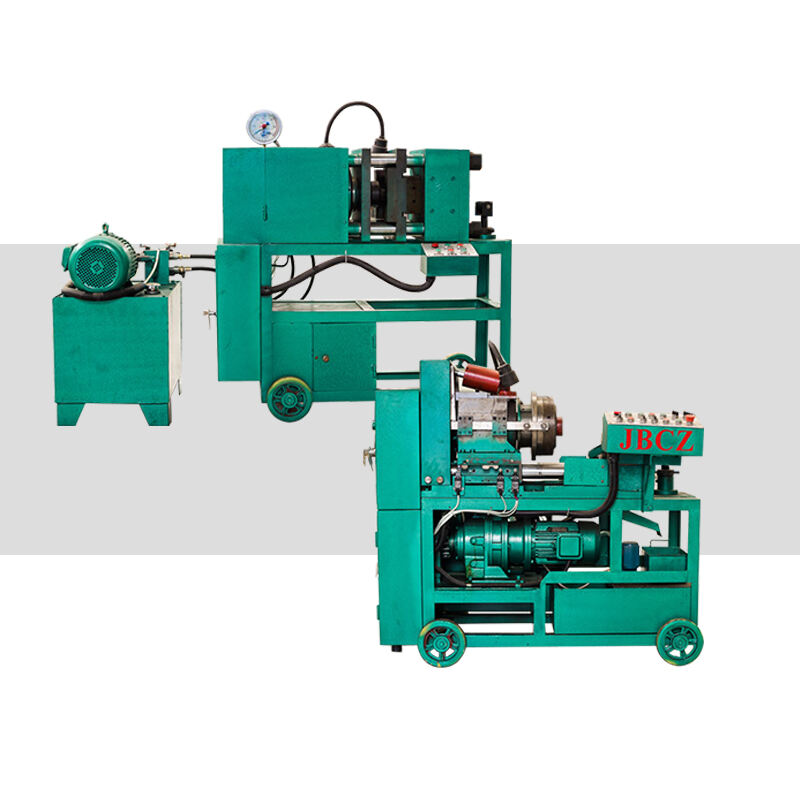
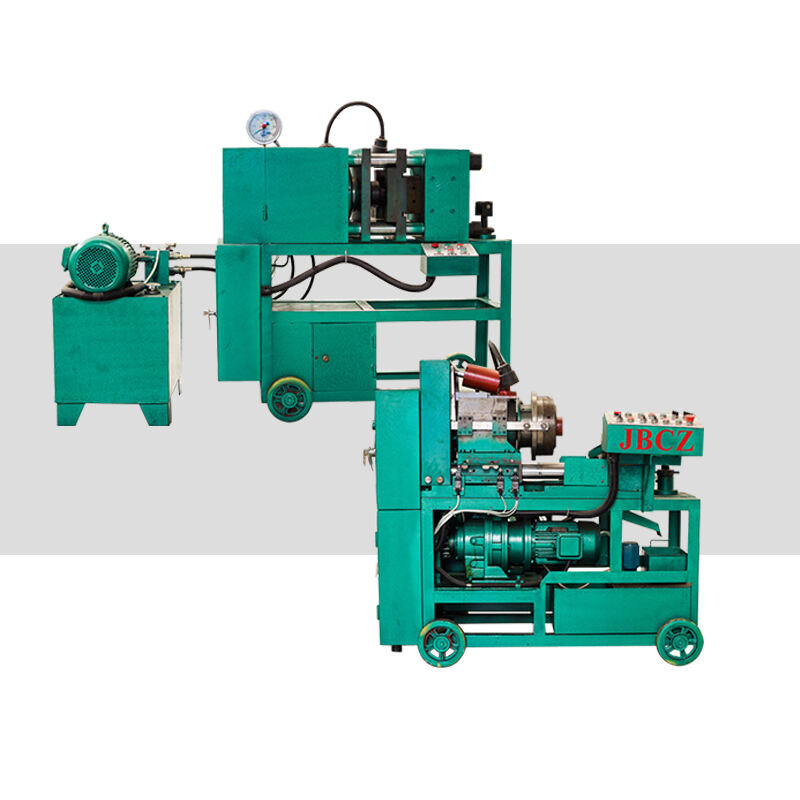
The european standard rebar coupler revolutionizes reinforcement installation through its streamlined connection process that combines speed, simplicity, and verifiable quality assurance. Unlike traditional lap splicing methods that require careful positioning, wire tying, and inspection of overlap lengths, the coupler system employs a straightforward threading procedure that workers can master quickly with minimal training investment. The installation process begins with preparing the reinforcement bar ends using either threading equipment or pre-threaded bars delivered to site. Threading machines designed specifically for the european standard rebar coupler ensure consistent thread quality that matches the coupler's internal dimensions perfectly. Portable threading equipment allows on-site preparation when needed, providing flexibility for field adjustments and modifications. The actual connection procedure involves simply screwing the coupler onto one prepared bar end until it reaches the mid-point, then threading the second bar into the opposite end until the connection tightens completely. Visual inspection marks on the coupler body provide immediate confirmation of proper installation depth, eliminating guesswork and reducing inspection time substantially. Torque wrenches can verify that connections achieve specified tightness levels when project specifications require documented verification. This straightforward process enables installation rates of hundreds of connections per day with small crews, dramatically accelerating reinforcement assembly compared to conventional methods. The european standard rebar coupler system includes comprehensive quality documentation that provides traceability for every component. Manufacturers supply test certificates confirming that production batches meet all specified mechanical properties and dimensional requirements. This factory testing regime removes quality uncertainty from the construction site, allowing inspectors to focus verification efforts on installation workmanship rather than material properties. The reduced complexity of reinforcement detailing when using the european standard rebar coupler minimizes errors during both design and construction phases. Shop drawings become clearer and easier to interpret, reducing the likelihood of fabrication mistakes that could delay projects or require costly corrections. Site supervision requirements decrease because the installation process offers fewer opportunities for error compared to complex lap splice configurations. Training programs for installation crews typically require only a few hours to cover all necessary procedures, safety protocols, and quality checkpoints. Workers appreciate the ergonomic advantages of handling shorter bar lengths rather than long pieces that require multiple workers to position safely. The european standard rebar coupler enables just-in-time delivery strategies that reduce site congestion and material handling, as shorter bars take up less storage space and transport more efficiently.
Versatility Across Construction Applications

Versatility Across Construction Applications

The european standard rebar coupler demonstrates remarkable versatility that makes it the preferred connection solution across an extensive range of construction applications and project types. This adaptability stems from the system's ability to accommodate various bar sizes, connection orientations, and structural requirements while maintaining consistent performance characteristics. In high-rise building construction, the european standard rebar coupler proves invaluable for vertical reinforcement continuity in columns and shear walls where lap splicing becomes impractical due to congestion and space limitations. The coupler system allows construction to proceed floor by floor with clean working platforms, as bars terminate at slab levels rather than projecting upward through multiple stories. This approach improves safety, reduces material handling, and enables formwork installation to proceed more efficiently. Bridge construction projects benefit enormously from the european standard rebar coupler's ability to create reliable connections in pier columns, deck slabs, and bent caps where reinforcement density challenges traditional methods. The couplers' proven performance under dynamic loading makes them ideal for structures subject to traffic vibrations and wind-induced movements. Seismic design applications leverage the ductility characteristics of properly installed european standard rebar coupler connections, which have been validated through extensive testing programs simulating earthquake loading conditions. The couplers accommodate the plastic hinge formations necessary for energy dissipation while maintaining reinforcement continuity throughout the structure. Tunnel construction utilizes the european standard rebar coupler for connecting precast segments and cast-in-place linings where rapid installation and reliable performance in confined spaces provide critical advantages. Foundation systems, including pile caps, raft foundations, and deep basements, employ these couplers to manage the complex reinforcement arrangements required for heavy load transfer. The european standard rebar coupler facilitates connections between different bar diameters through transition couplers, enabling engineers to optimize reinforcement design by using appropriate bar sizes in different structural zones. Renovation and retrofit projects particularly value the coupler system's ability to connect new reinforcement to existing structures without extensive demolition or complicated anchorage details. The european standard rebar coupler accommodates position couplers that allow bars to be joined even when perfect alignment proves difficult in field conditions. Nuclear facilities, water treatment plants, and industrial structures specify these couplers for their reliability in critical applications where structural failure consequences would be severe. The system's compatibility with epoxy-coated bars, stainless steel reinforcement, and other specialty materials extends its application range to corrosive environments and specialized exposure conditions. Prefabrication yards utilize the european standard rebar coupler extensively in producing precast elements, as the couplers enable efficient connection between factory-made components and site-cast concrete.