American Standard Rebar Coupler: High-Strength Mechanical Splicing Solutions for Modern Construction

All Categories

Get a Free Quote

Our representative will contact you soon.
Email
Name
Company Name
Message
0/1000

american standard rebar coupler

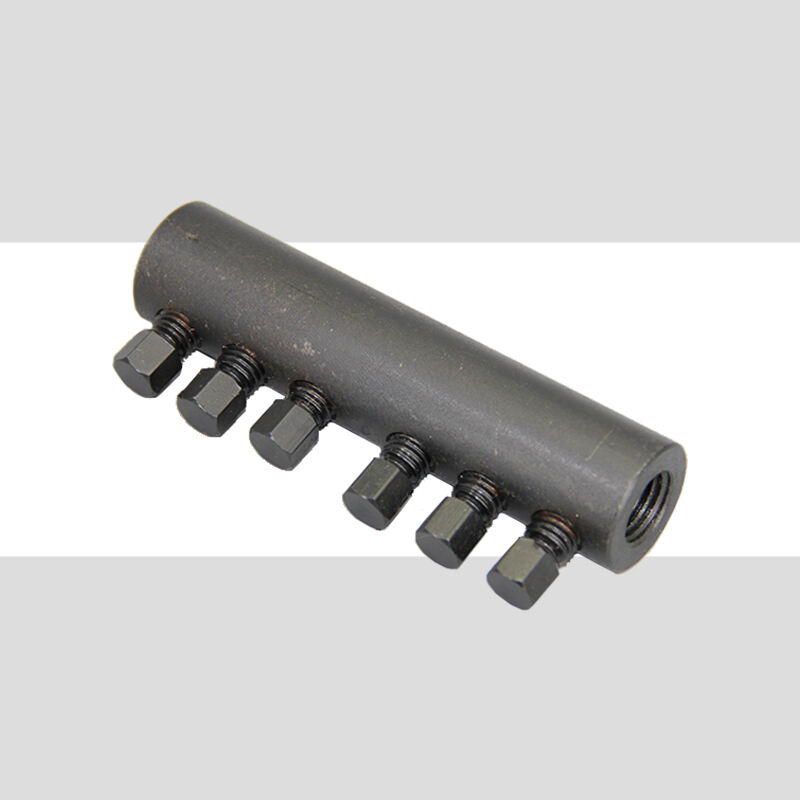
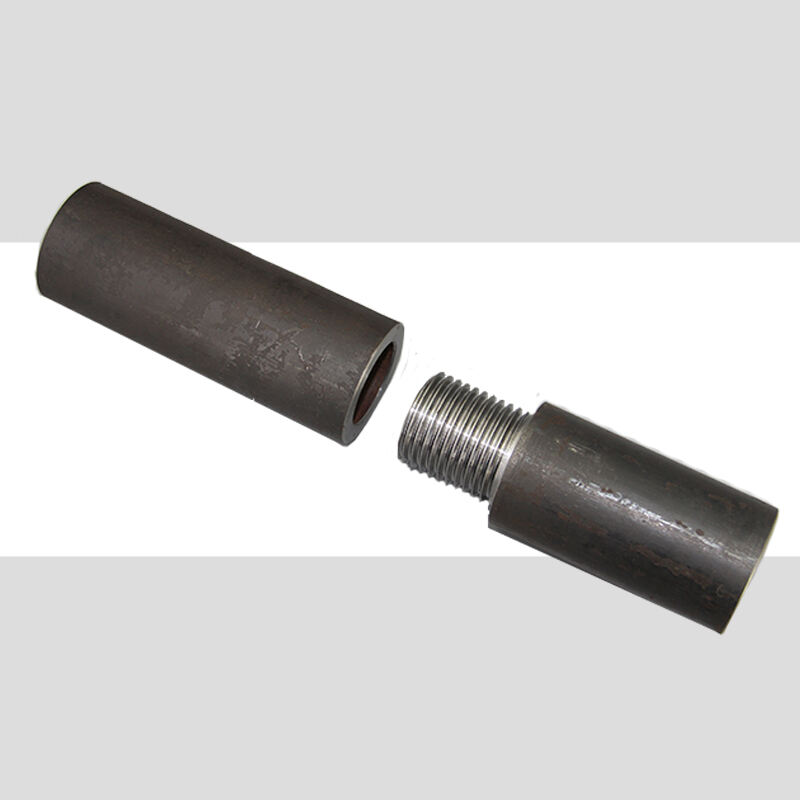
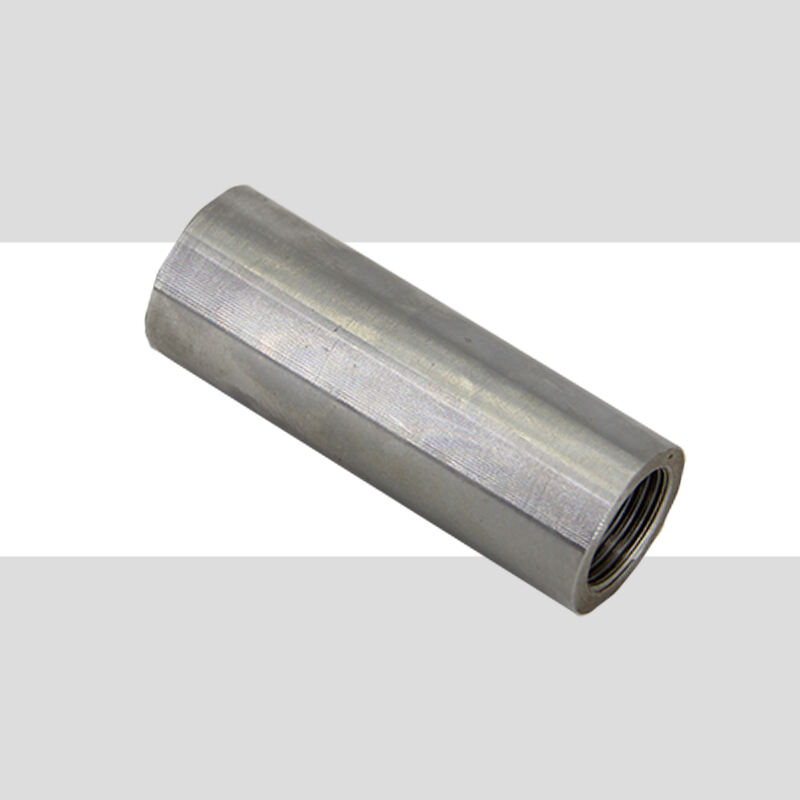
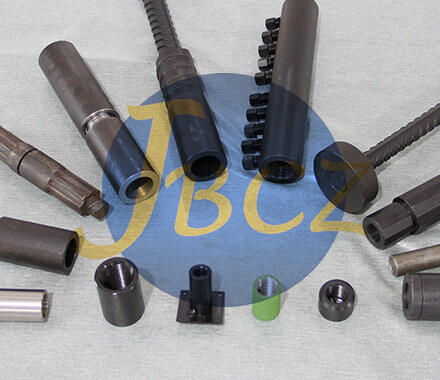
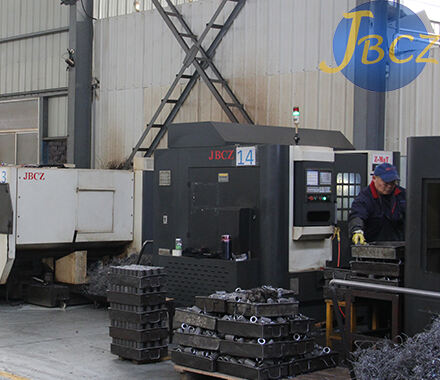
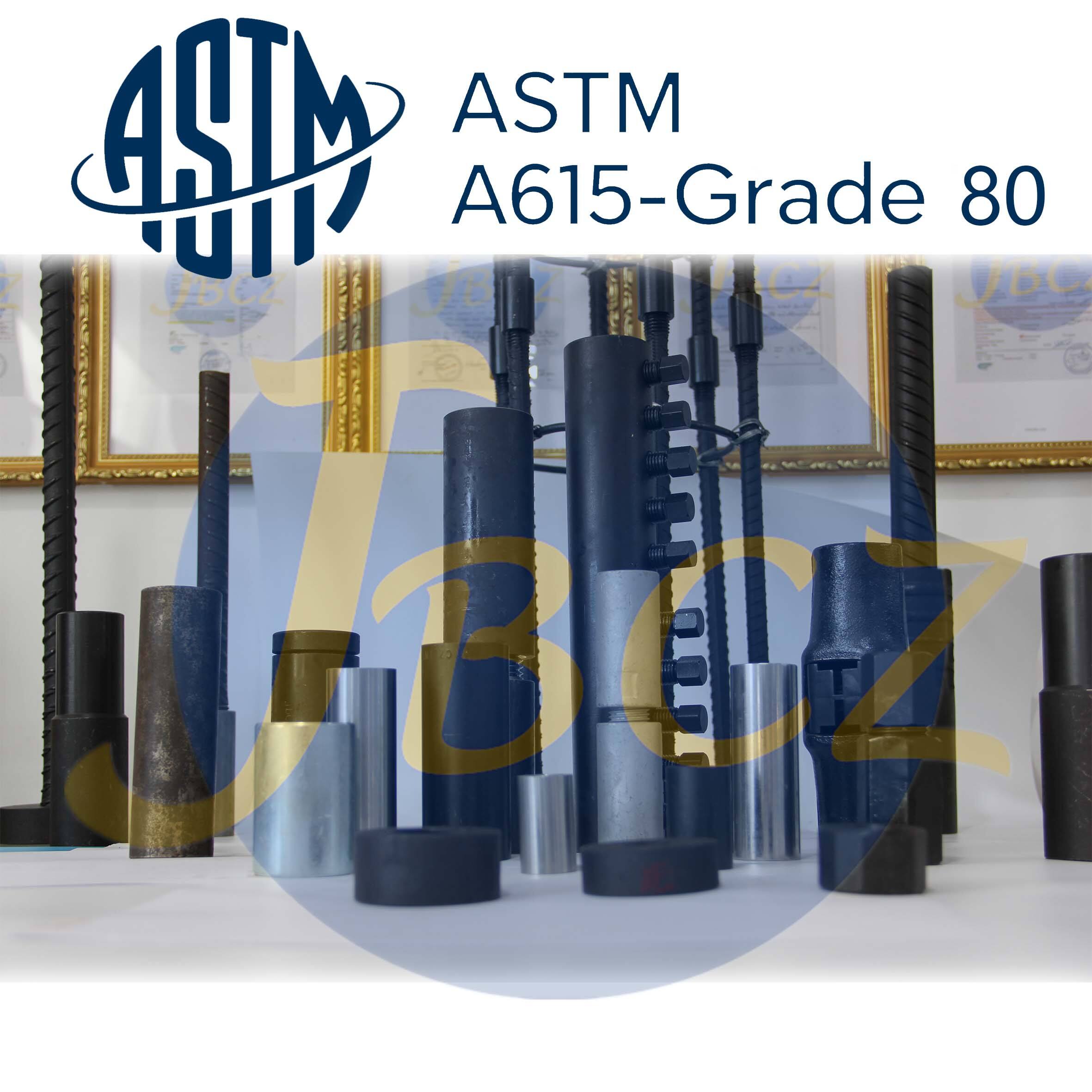
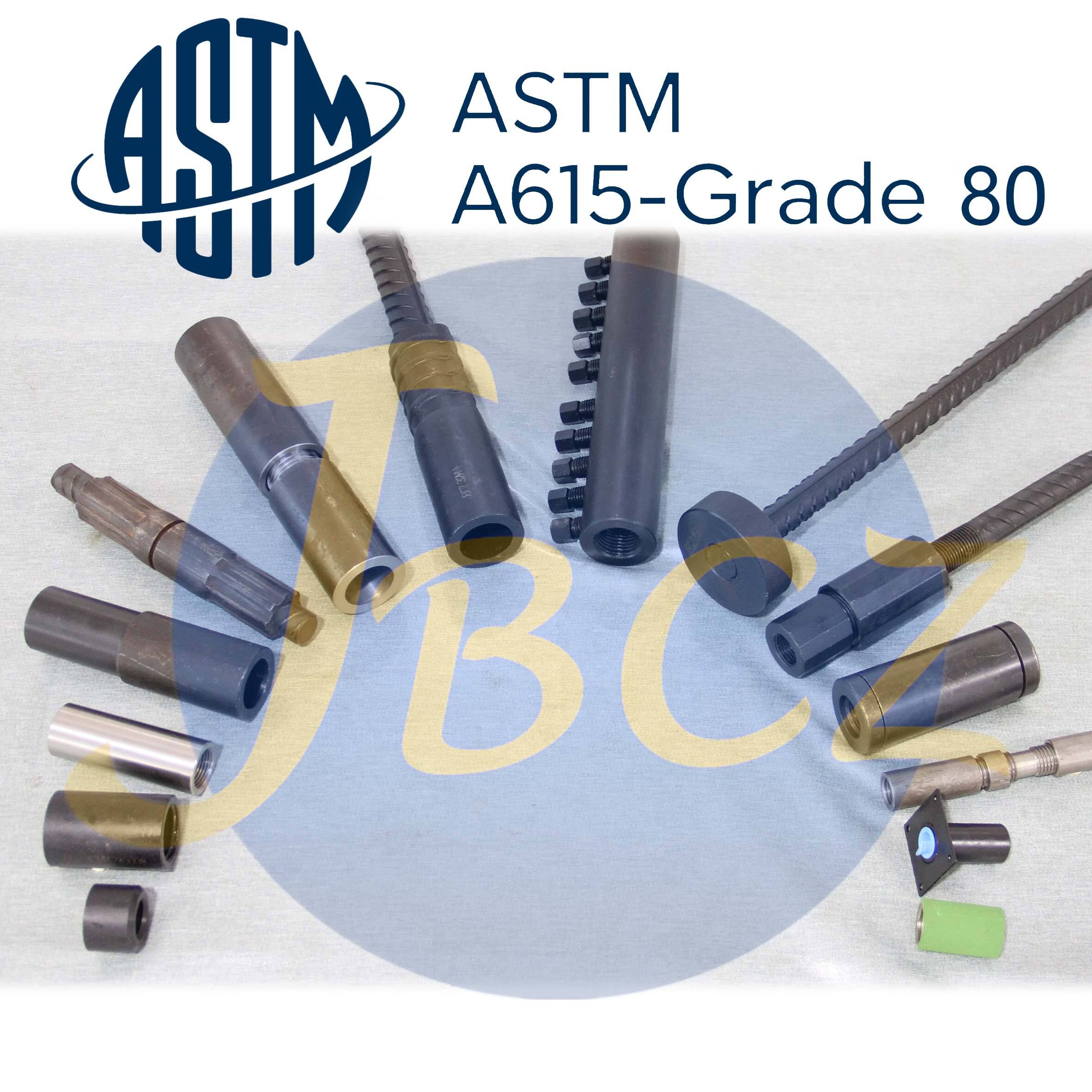
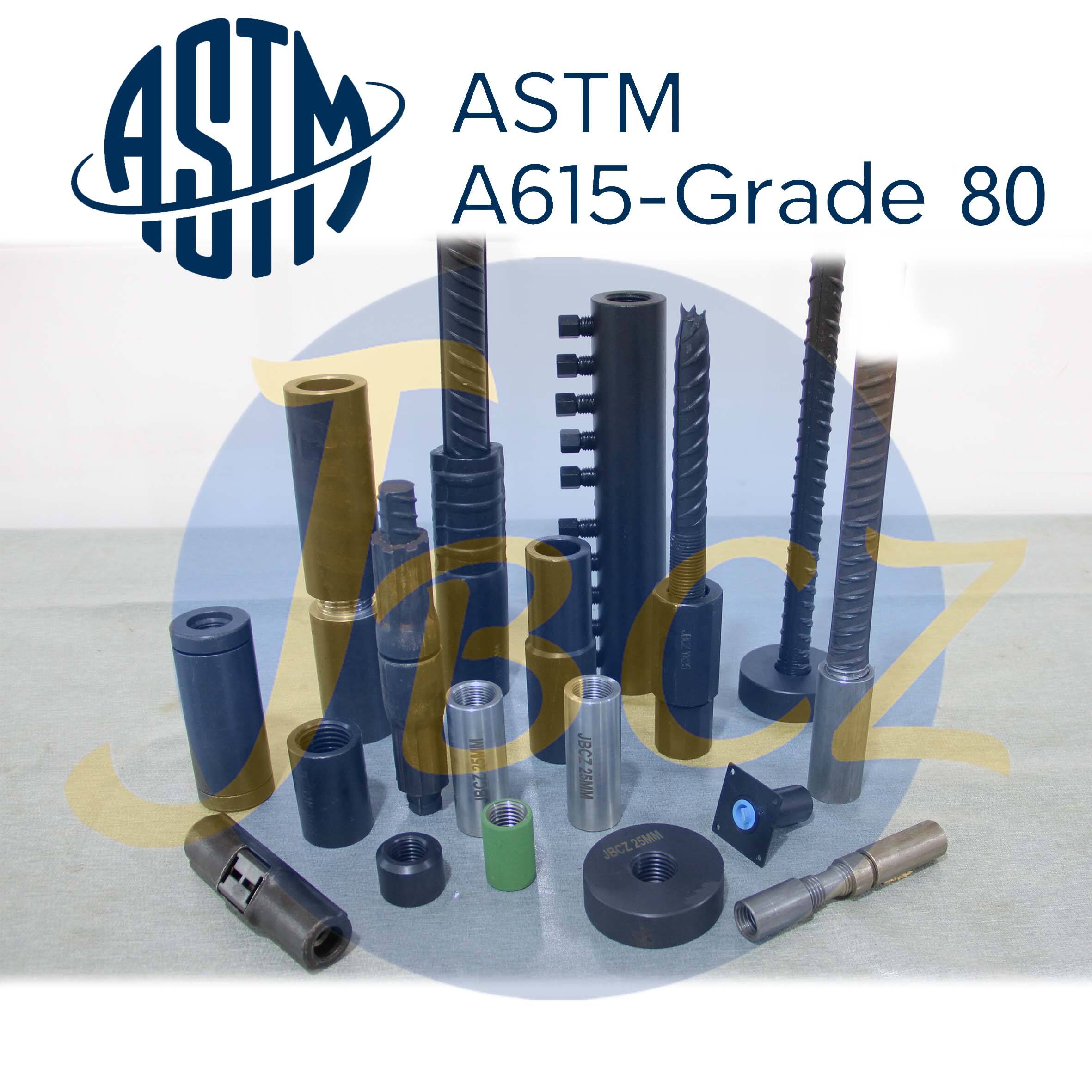
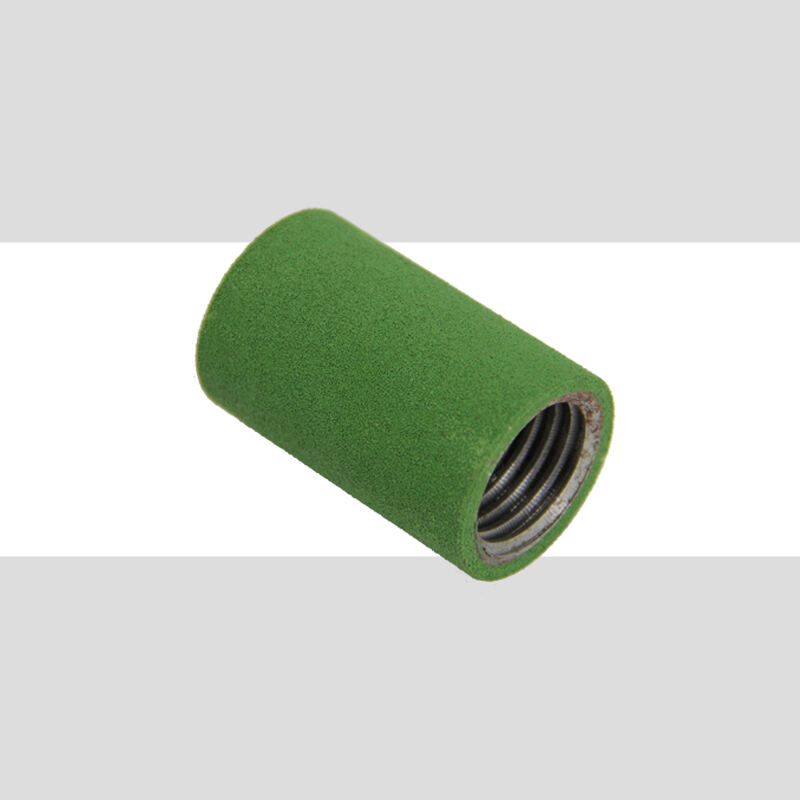
The american standard rebar coupler represents a sophisticated mechanical splicing solution engineered to join reinforcing steel bars in concrete construction projects. This essential component serves as a connecting device that creates permanent, high-strength joints between individual rebar sections, eliminating the need for traditional lap splicing methods. The american standard rebar coupler functions by threading onto the ends of prepared reinforcing bars, creating a secure mechanical interlock that transfers tensile and compression forces efficiently across the connection point. Manufactured according to rigorous specifications and industry standards prevalent in North American construction practices, these couplers accommodate various rebar diameters ranging from smaller gauge reinforcements to heavy structural bars. The technological features of the american standard rebar coupler include precision-machined threading systems, high-grade alloy steel construction, and engineered tolerances that ensure consistent performance under extreme loading conditions. These devices utilize cold-forging manufacturing processes that enhance material properties and create superior thread profiles capable of withstanding the demanding stress cycles encountered in seismic zones and high-rise construction. Applications for the american standard rebar coupler span across diverse construction sectors including commercial buildings, residential towers, bridge infrastructure, parking structures, industrial facilities, and transportation networks. The coupler proves particularly valuable in situations where continuous reinforcement is required but transportation or handling limitations prevent the use of full-length bars. Construction teams deploy these couplers in column-to-column connections, foundation-to-superstructure transitions, precast concrete assembly, and renovation projects where existing reinforcement requires extension. The american standard rebar coupler addresses critical construction challenges by reducing steel consumption, minimizing congestion in heavily reinforced sections, and accelerating installation schedules. This mechanical splicing technology supports modern construction methodologies that prioritize efficiency, structural integrity, and compliance with building codes governing reinforced concrete design and execution.

New Products

The american standard rebar coupler delivers substantial practical benefits that directly impact project timelines, budgets, and structural performance. First and foremost, these couplers significantly reduce the amount of steel required on construction sites by eliminating overlapping lap splices that traditionally consume considerable additional material. This reduction translates into immediate cost savings on steel procurement while also decreasing transportation expenses and site storage requirements. Installation speed represents another compelling advantage, as trained workers can connect bars in minutes rather than spending extensive time arranging complex lap splice configurations with multiple ties. This efficiency becomes especially valuable when working on tight construction schedules where delays cascade into costly project overruns. The american standard rebar coupler provides superior joint strength that often exceeds the tensile capacity of the parent reinforcing bar itself, ensuring that connections never become the weak point in the structural system. This reliability gives engineers and contractors confidence that the reinforced concrete elements will perform as designed under all anticipated loading scenarios including wind, seismic activity, and operational stresses. Space optimization emerges as a particularly important benefit in heavily reinforced concrete sections where traditional lap splices create congestion that complicates concrete placement and increases the risk of voids or honeycombing. By using the american standard rebar coupler, construction teams can maintain proper bar spacing and ensure adequate concrete coverage around all reinforcement. Quality control becomes more manageable because coupler installation can be visually inspected and torque-tested to verify proper engagement, unlike lap splices where confirming adequate overlap and tie spacing requires careful measurement. The environmental advantages deserve recognition as well, since reduced steel consumption directly correlates with lower carbon emissions associated with steel production and transportation. Projects pursuing green building certifications find these material savings contribute positively toward sustainability goals. Worker safety improves because handling shorter bar sections reduces the physical strain and site hazards associated with maneuvering long, heavy reinforcing bars in congested work areas. The american standard rebar coupler also facilitates construction sequencing flexibility, allowing teams to complete foundation work and subsequently connect upper-level reinforcement without having embedded starter bars projecting from completed concrete pours. This capability proves especially beneficial in precast construction where individual elements manufactured off-site require field assembly into integrated structural systems. Long-term durability ensures that connections maintain their integrity throughout the service life of the structure, resisting corrosion and fatigue under decades of environmental exposure and operational loading cycles.

Latest News

How Rebar Couplers Strengthen Concrete Structures: Innovation and Benefits

10

Jul

How Rebar Couplers Strengthen Concrete Structures: Innovation and Benefits

View More
Features of rebar splices and precautions for their use

10

Jul

Features of rebar splices and precautions for their use

View More
JBCZ has received the certification of UK CARES

10

Jul

JBCZ has received the certification of UK CARES

View More
Right Hand Coupler: Enhancing Efficiency and Precision in Mechanical Systems

10

Jul

Right Hand Coupler: Enhancing Efficiency and Precision in Mechanical Systems

View More

Get a Free Quote

Our representative will contact you soon.
Email
Name
Company Name
Message
0/1000

american standard rebar coupler

Exceptional Load Transfer Capacity and Structural Reliability

Exceptional Load Transfer Capacity and Structural Reliability

The american standard rebar coupler distinguishes itself through engineered load transfer mechanisms that ensure complete structural integrity at every connection point throughout reinforced concrete assemblies. Unlike conventional lap splicing techniques that rely on bond stress development over extended lengths, the american standard rebar coupler creates direct mechanical engagement through precision threading that positively locks bars together. This mechanical interlock eliminates any possibility of slippage or bond failure that can occur with lapped connections when concrete quality varies or when bars experience dynamic loading. The threading geometry incorporates carefully calculated pitch dimensions and root diameters that distribute stresses uniformly across multiple thread engagement surfaces, preventing stress concentrations that could initiate fatigue cracks. Metallurgical properties of the coupler material receive equal attention during manufacturing, with alloy compositions selected specifically for their combination of tensile strength, ductility, and toughness. Heat treatment processes optimize the microstructure to achieve consistent mechanical properties throughout the coupler body, ensuring predictable performance regardless of installation orientation or loading direction. Testing protocols for the american standard rebar coupler exceed basic industry requirements, with manufacturers conducting both static tension tests and cyclic loading simulations that replicate seismic conditions. These rigorous qualification procedures verify that couplers maintain full bar capacity even after thousands of loading cycles, providing absolute assurance for structures in earthquake-prone regions. The importance of this reliability cannot be overstated when considering life-safety implications in hospitals, schools, residential towers, and critical infrastructure where structural failure would have catastrophic consequences. Engineers value the ability to specify the american standard rebar coupler with complete confidence that analytical assumptions about reinforcement continuity will be realized in the completed structure. Construction inspection becomes straightforward because properly installed couplers exhibit visible confirmation of full thread engagement, and torque verification provides quantitative validation of installation quality. This transparency supports quality assurance programs and satisfies building department requirements for special inspection of structural connections. The value proposition extends beyond initial construction into the operational lifespan of buildings and infrastructure, as the permanent mechanical connection maintains its capacity without degradation even as the surrounding concrete experiences minor cracking or environmental exposure.
Streamlined Installation Process and Labor Efficiency

Streamlined Installation Process and Labor Efficiency

The american standard rebar coupler revolutionizes reinforcement assembly through an installation methodology that dramatically simplifies field operations compared to traditional connection techniques. Workers can master the coupling installation procedure through focused training sessions that cover bar preparation, threading verification, and torque application, quickly developing the competency needed for consistent, high-quality installations. The process begins with preparing rebar ends using portable threading equipment that cuts precise thread profiles matching the coupler specifications, an operation that skilled technicians complete in moments. Once threading is complete, the american standard rebar coupler threads onto the prepared bar end, rotating smoothly as the precision-machined threads engage progressively. Visual indicators or marks on the coupler body provide clear confirmation that the bar has advanced to the required depth, eliminating guesswork and reducing the potential for incomplete engagement. When connecting to a second bar, alignment becomes intuitive because the threaded connection naturally guides bars into proper orientation, unlike lap splices that require careful positioning and multiple wire ties. Torque wrenches calibrated to manufacturer specifications complete the installation by tightening the coupler to a predetermined value that ensures adequate clamping force without over-stressing threads. This quantifiable installation parameter creates accountability and documentation opportunities that satisfy quality control requirements. The speed advantage becomes especially apparent in vertical applications such as columns and shear walls, where the american standard rebar coupler allows construction to proceed floor-by-floor without delays associated with projecting starter bars or complex lap arrangements. Productivity measurements on actual construction projects demonstrate that crews using couplers complete reinforcement installation in substantially less time compared to equivalent lap-spliced configurations, translating directly into reduced labor costs. Flexibility in construction sequencing represents another dimension of value, as the american standard rebar coupler enables just-in-time delivery of reinforcement materials rather than requiring extensive advance placement of continuous bars. This capability reduces site congestion and minimizes the risk of damage to installed reinforcement before concrete placement. Worker satisfaction improves because the coupling system eliminates the physically demanding task of manipulating long, heavy bars in tight spaces, reducing fatigue and lowering injury risk. The ergonomic benefits contribute to better overall project safety records while maintaining high installation quality standards throughout the construction duration.
Versatile Application Range and Design Flexibility

Versatile Application Range and Design Flexibility

The american standard rebar coupler provides exceptional adaptability across diverse construction scenarios, making it an invaluable solution for projects with varying structural requirements and site constraints. This versatility begins with the comprehensive size range available, as manufacturers produce couplers compatible with reinforcing bar diameters from modest sizes used in residential construction through heavy bars specified in major infrastructure projects. Each size variant maintains consistent performance characteristics and installation procedures, allowing construction teams to standardize their connection approach across all bar sizes within a project. The american standard rebar coupler proves particularly advantageous in renovation and adaptive reuse projects where existing structures require strengthening or modification. Engineers can specify couplers to extend reinforcement from existing concrete elements without the demolition and reconstruction that alternative connection methods might necessitate, preserving valuable existing construction while achieving required structural upgrades. Precast concrete fabrication benefits enormously from coupler technology, as individual panels, beams, columns, and other elements manufactured in controlled factory environments can incorporate embedded couplers that facilitate rapid field assembly. This capability accelerates construction schedules for buildings utilizing precast systems while ensuring connections achieve the same structural capacity as monolithic cast-in-place construction. Projects in remote locations or sites with access restrictions find the american standard rebar coupler especially valuable because transporting shorter bar sections presents far fewer logistical challenges than delivering full-length reinforcement. This transportation advantage reduces costs and expands the feasibility of construction in areas with limited road infrastructure or weight restrictions. Design professionals appreciate the flexibility couplers provide during construction document development, as the ability to specify mechanical connections at strategic locations creates opportunities for construction staging that might otherwise prove impractical. Seismic design applications represent a critical use case where the american standard rebar coupler delivers proven performance, with testing documentation confirming that properly installed couplers maintain ductility and energy dissipation characteristics essential for earthquake-resistant structures. Building departments in high-seismic regions routinely approve coupler specifications based on this extensive performance validation. The compatibility between the american standard rebar coupler and various concrete mix designs, placement methods, and curing procedures ensures successful integration regardless of project-specific material selections. This universal applicability eliminates concerns about special concrete requirements or placement restrictions that might complicate construction coordination. Long-span structures, transfer beams, and other specialty applications benefit from the congestion relief that couplers provide, allowing designers to specify adequate reinforcement quantities without creating impossible-to-construct bar arrangements that compromise concrete consolidation.