EPD Certified Rebar Coupler - Sustainable High-Strength Reinforcement Connection Solution

All Categories

Get a Free Quote

Our representative will contact you soon.
Email
Name
Company Name
Message
0/1000

epd certified rebar coupler

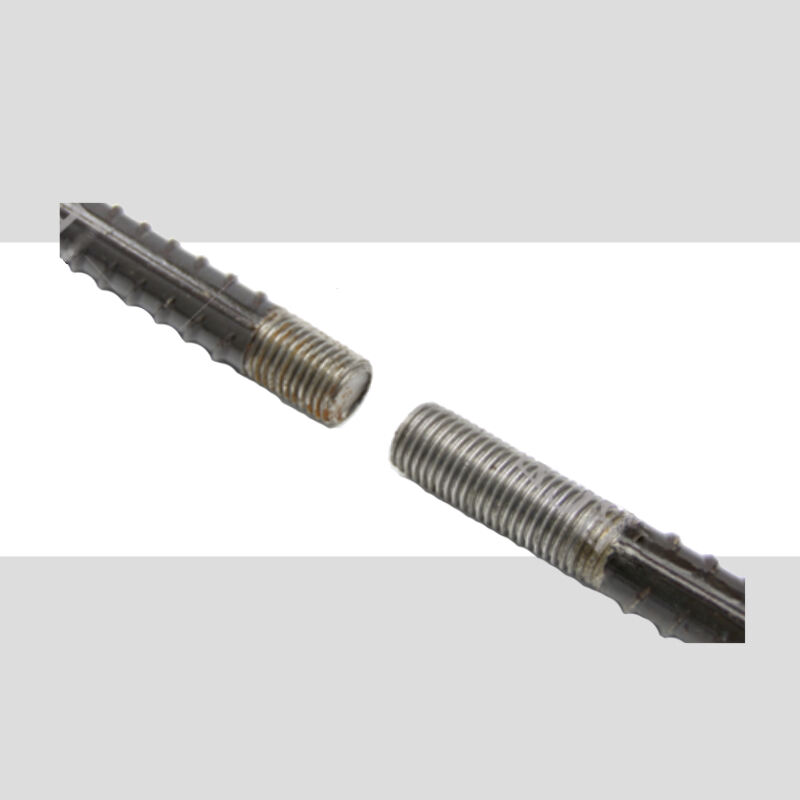
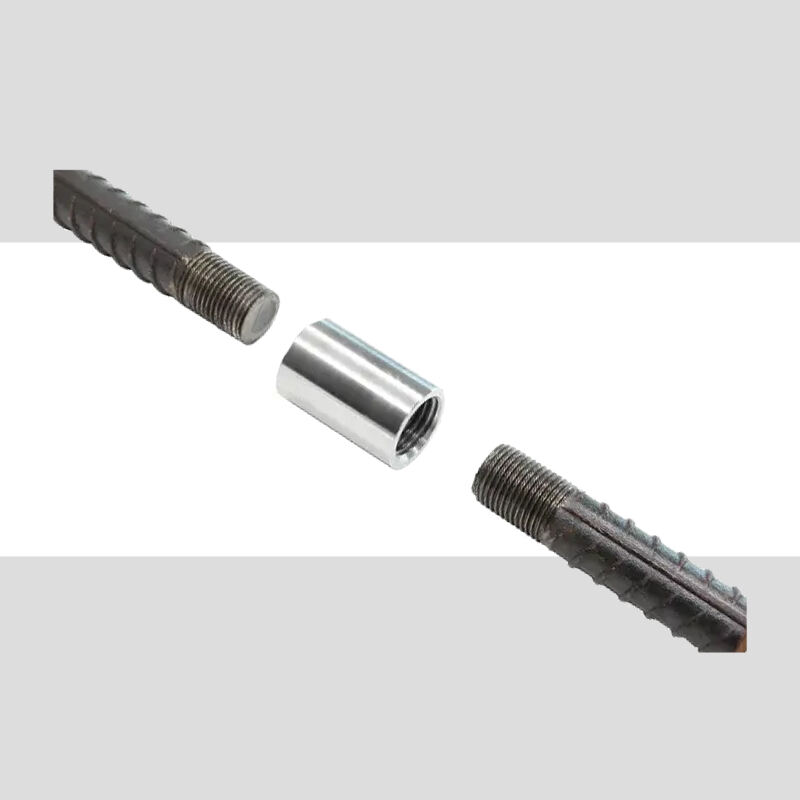
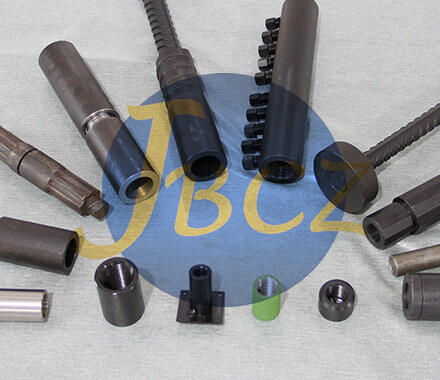
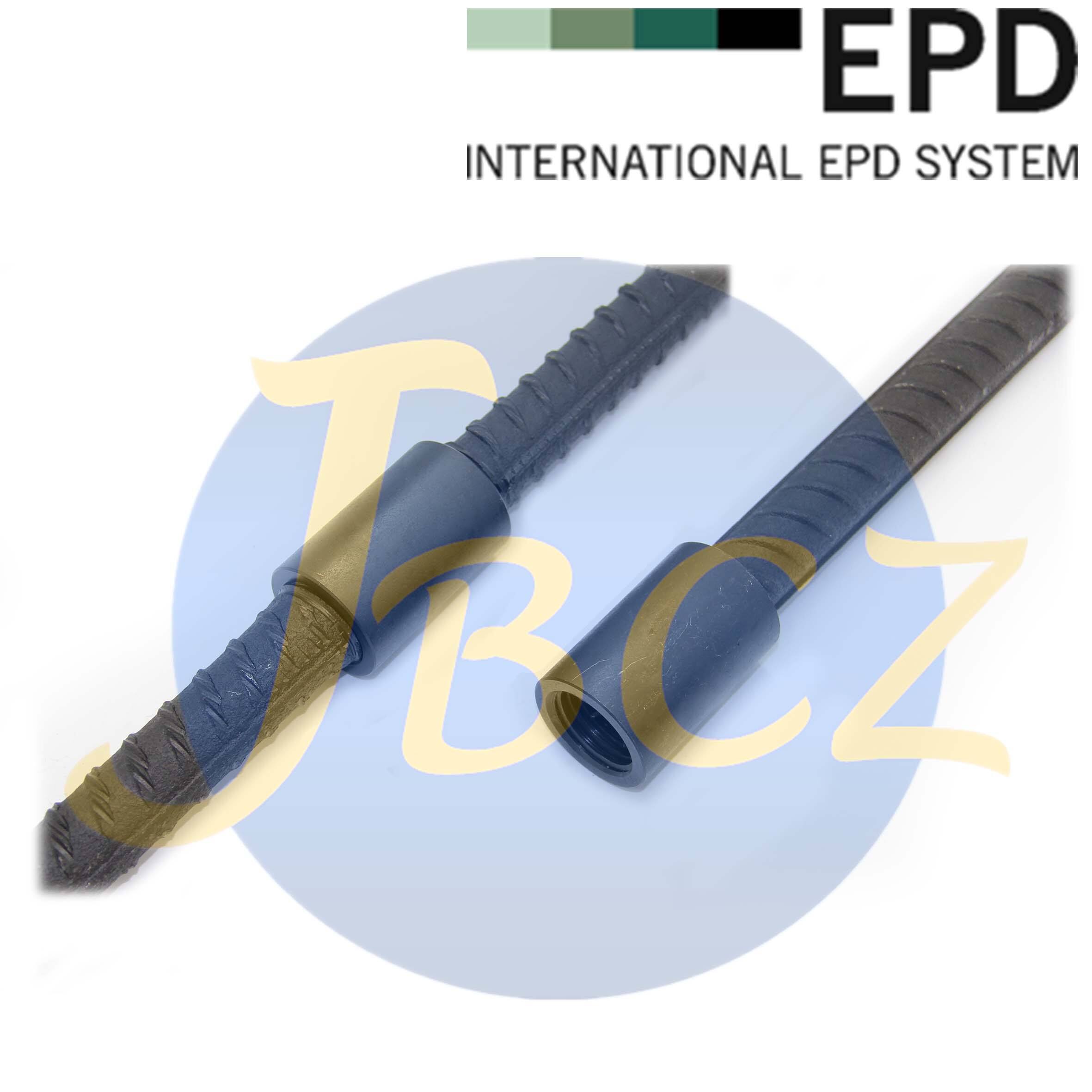
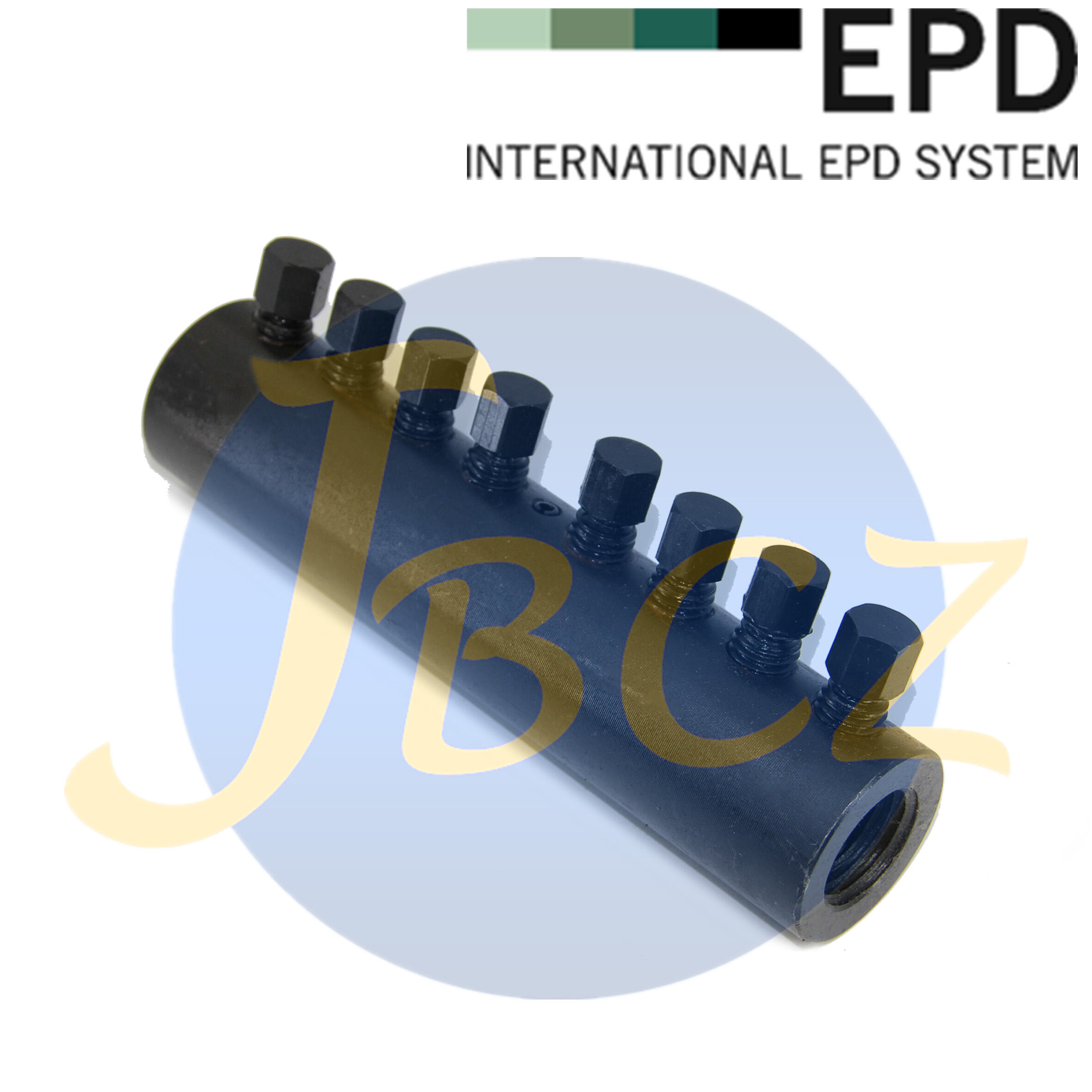
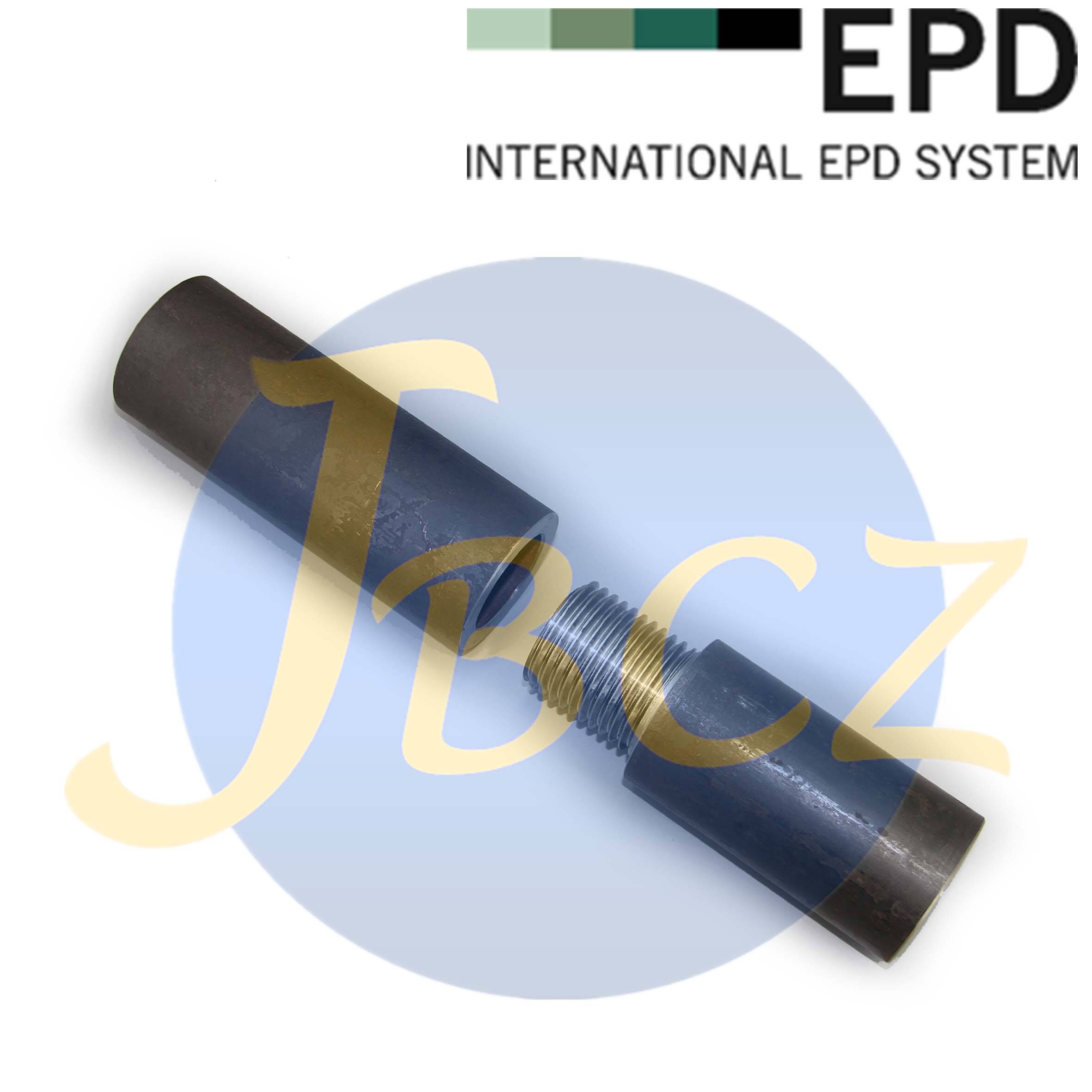
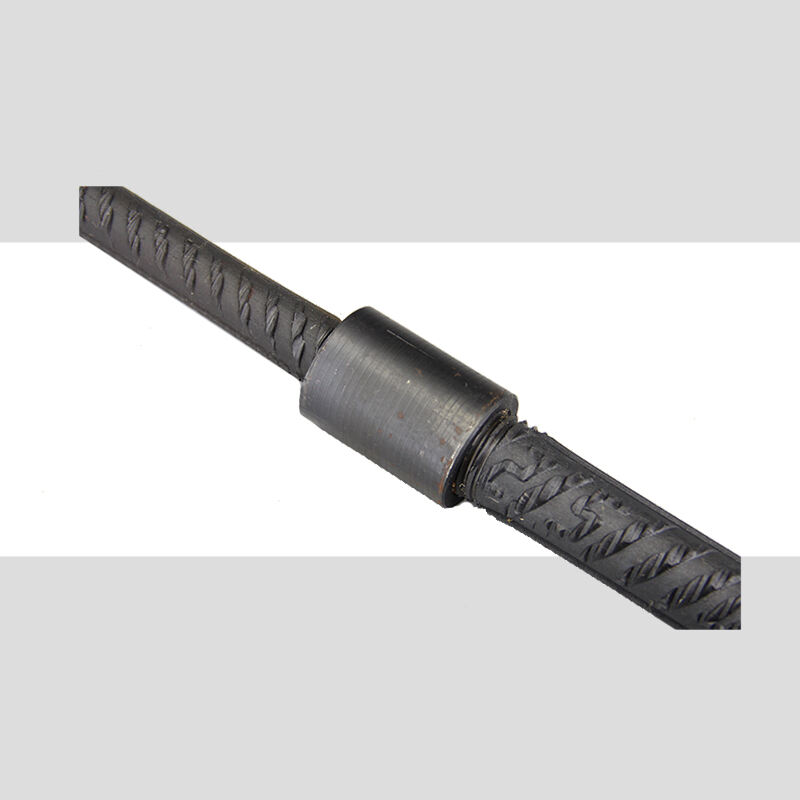
The epd certified rebar coupler represents a significant advancement in modern construction technology, offering a reliable mechanical solution for connecting reinforcement bars in concrete structures. An Environmental Product Declaration (EPD) certification demonstrates that this rebar coupler meets rigorous international standards for environmental transparency and sustainability, making it an ideal choice for green building projects and environmentally conscious construction companies. This innovative connecting device serves as a superior alternative to traditional lap splicing methods, providing enhanced structural integrity while reducing material consumption and labor costs. The epd certified rebar coupler functions by creating a secure mechanical connection between two reinforcement bars, effectively transferring tensile and compressive forces across the joint without compromising the overall strength of the reinforced concrete structure. The technological features of this coupling system include precision-engineered threading mechanisms, high-grade steel construction, and advanced manufacturing processes that ensure consistent quality and performance. These couplers accommodate various rebar diameters and can be utilized in both horizontal and vertical applications, making them versatile solutions for diverse construction scenarios. The applications of the epd certified rebar coupler span across multiple construction sectors, including high-rise buildings, bridges, tunnels, infrastructure projects, seismic-resistant structures, and residential developments. Their EPD certification provides documented proof of environmental performance throughout the product lifecycle, from raw material extraction through manufacturing, distribution, and eventual end-of-life considerations. Construction professionals increasingly prefer these certified couplers because they contribute toward achieving green building certifications such as LEED, BREEAM, and other sustainability frameworks. The transparent environmental data provided through EPD certification allows architects, engineers, and contractors to make informed decisions that align with project sustainability goals while maintaining structural excellence and construction efficiency.

New Product Releases

Choosing an epd certified rebar coupler delivers numerous practical benefits that directly impact your construction project's success, budget, and environmental footprint. First and foremost, these couplers significantly reduce material waste by eliminating the need for overlapping reinforcement bars, which traditionally require 40 to 60 times the bar diameter in lap length. This material savings translates directly into cost reductions, allowing you to allocate resources more efficiently across your project. The installation process becomes remarkably faster and simpler compared to conventional methods, reducing labor hours and accelerating construction schedules. Workers can quickly connect rebar sections without requiring extensive specialized training, though proper installation procedures should always be followed to ensure optimal performance. The mechanical connection created by the epd certified rebar coupler provides superior strength and reliability compared to lap splicing or welding alternatives. Load transfer occurs efficiently through the coupler mechanism, maintaining the full tensile strength of the connected reinforcement bars without creating weak points in the concrete structure. This strength advantage becomes particularly important in high-stress applications such as earthquake-resistant buildings, heavy-load foundations, and critical infrastructure projects where structural failure could have serious consequences. The EPD certification itself offers substantial advantages for projects pursuing sustainability credentials. You gain access to verified environmental data that clearly documents the product's carbon footprint, resource consumption, and ecological impact throughout its lifecycle. This transparency supports your green building certification applications and demonstrates your commitment to responsible construction practices to clients, stakeholders, and regulatory authorities. Space constraints in congested reinforcement areas become easier to manage because couplers require minimal clearance compared to overlapping bars. This advantage proves especially valuable in heavily reinforced sections such as beam-column joints, thick slabs, and transfer structures where maintaining proper concrete cover and achieving adequate consolidation can be challenging. Quality control improves substantially because each coupler connection can be individually inspected and verified, unlike lap splices buried within concrete where visual confirmation becomes impossible after placement. The standardized nature of mechanical couplers ensures consistent performance across all connections, reducing variability that sometimes occurs with manual tying or welding operations. Long-term durability remains excellent because high-quality materials and corrosion-resistant treatments protect the couplers throughout the structure's service life, maintaining structural integrity for decades without degradation or maintenance requirements.

Latest News

The indispensable role of rebar couplers in offshore wind farms and marine structures

10

Jul

The indispensable role of rebar couplers in offshore wind farms and marine structures

View More
Features of rebar splices and precautions for their use

10

Jul

Features of rebar splices and precautions for their use

View More
Six ways to regulate rebar splices

10

Jul

Six ways to regulate rebar splices

View More
JBCZ has received the certification of UK CARES

10

Jul

JBCZ has received the certification of UK CARES

View More

Get a Free Quote

Our representative will contact you soon.
Email
Name
Company Name
Message
0/1000

epd certified rebar coupler

Environmental Transparency Through EPD Certification

Environmental Transparency Through EPD Certification

The Environmental Product Declaration certification represents a game-changing feature that sets this rebar coupler apart from conventional connection solutions in today's construction marketplace. An EPD functions as an independently verified document that presents comprehensive environmental performance data based on lifecycle assessment methodology, following strict international standards such as ISO 14025 and EN 15804. This certification process involves rigorous third-party verification, ensuring that all environmental claims are accurate, transparent, and scientifically substantiated rather than merely marketing assertions. For the epd certified rebar coupler, this means you receive detailed quantitative information about embodied carbon, energy consumption during manufacturing, raw material sourcing impacts, transportation effects, and end-of-life considerations. This level of transparency empowers project teams to make data-driven decisions that align with sustainability objectives while maintaining construction quality and structural performance standards. The EPD certification becomes particularly valuable when pursuing green building certifications such as LEED v4, which awards points for using products with published environmental declarations. Architects and engineers can include the epd certified rebar coupler in their specifications with confidence, knowing that documented environmental data supports credit applications for materials and resources categories. Building owners increasingly demand this level of environmental accountability as corporate sustainability commitments intensify and stakeholder expectations evolve. The certification also facilitates whole-building lifecycle assessments, allowing design teams to accurately calculate and compare the environmental footprint of different structural systems and material choices. Beyond certification benefits, the EPD process itself drives continuous improvement in manufacturing practices. Companies producing epd certified rebar couplers must regularly measure and report their environmental performance, creating incentives to optimize processes, reduce waste, improve energy efficiency, and minimize ecological impacts. This commitment to transparency and improvement extends throughout the supply chain, encouraging responsible sourcing of raw materials and fostering partnerships with environmentally conscious suppliers. The standardized format of EPD documentation enables easy comparison between different products, helping procurement teams identify the most environmentally responsible options for their specific project requirements without sacrificing technical performance or cost-effectiveness.
Superior Structural Performance and Load Transfer Efficiency

Superior Structural Performance and Load Transfer Efficiency

The mechanical connection technology embodied in the epd certified rebar coupler delivers exceptional structural performance that consistently meets or exceeds the most demanding engineering requirements for reinforced concrete construction. These couplers achieve full-strength connections, meaning they can transfer 100 percent of the rated tensile strength of the connected reinforcement bars without creating weak points or stress concentrations that could compromise structural integrity. This performance level results from precision engineering and manufacturing processes that ensure tight tolerances, optimal thread engagement, and secure mechanical interlocking between the coupler body and rebar ends. Advanced finite element analysis and extensive physical testing validate the load transfer mechanisms, confirming that forces flow smoothly through the connection under both static and dynamic loading conditions. The superior performance becomes especially critical in seismic zones where structures must withstand cyclic loading, energy dissipation demands, and potential ductility requirements that challenge conventional connection methods. The epd certified rebar coupler maintains consistent behavior through multiple load cycles without degradation, fatigue, or performance reduction that might occur with welded connections or inadequately designed mechanical systems. Installation quality directly influences connection performance, and these couplers feature design characteristics that promote proper installation even under challenging field conditions. Visual inspection capabilities allow quality control personnel to verify thread engagement, confirm proper seating, and detect any installation anomalies before concrete placement, significantly reducing the risk of hidden defects that could affect long-term structural performance. The standardized manufacturing process ensures that every coupler meets identical specifications, eliminating the variability associated with site-performed operations such as lap tying or field welding where worker skill levels, environmental conditions, and time pressures can affect connection quality. Testing protocols for the epd certified rebar coupler typically include tensile strength verification, fatigue resistance evaluation, cyclic loading performance assessment, and ductility measurements that comprehensively characterize mechanical behavior under diverse conditions. These rigorous testing regimes provide engineers with confidence that specified connections will perform as designed throughout the structure's service life, supporting accurate structural analysis and reliable safety factors that protect building occupants and infrastructure users.
Construction Efficiency and Practical Installation Benefits

Construction Efficiency and Practical Installation Benefits

The practical advantages of using an epd certified rebar coupler extend far beyond technical specifications, delivering tangible benefits that improve construction efficiency, reduce project costs, and simplify site operations in ways that directly impact your bottom line and schedule. Installation speed represents one of the most immediately noticeable advantages, as workers can complete mechanical coupler connections in a fraction of the time required for lap splicing or welding alternatives. The straightforward connection process typically involves preparing rebar ends through threading or positioning, engaging the coupler, and tightening to specified torque levels using standard tools available on most construction sites. This simplicity reduces the specialized labor requirements and allows general ironworkers to complete connections efficiently without extensive additional training or certification programs. The time savings multiply across large projects with thousands of rebar connections, potentially reducing construction schedules by weeks or months while maintaining full structural performance. Space efficiency emerges as another critical practical benefit, particularly in congested reinforcement zones where overlapping lap splices consume valuable space and complicate concrete placement operations. The epd certified rebar coupler occupies minimal radial space around the connection point, allowing tighter rebar spacing when required by design and improving concrete flow around reinforcement during placement. This space efficiency proves invaluable in beam-column joints, heavily reinforced transfer structures, and other congested areas where maintaining adequate concrete cover and achieving proper consolidation challenges construction teams. Material optimization through elimination of lap lengths reduces rebar consumption substantially, with savings often reaching 15 to 25 percent of total reinforcement quantities depending on project characteristics and structural design requirements. These material reductions translate directly into cost savings, reduced transportation impacts, and decreased handling requirements that streamline logistics and site operations. Quality assurance becomes more straightforward and reliable because each coupler connection represents a discrete, inspectable item that can be individually verified before concrete placement. Visual inspection protocols allow supervisors to confirm proper installation, detect any anomalies, and ensure compliance with specifications without relying on assumptions about hidden lap splice adequacy. This inspection capability supports robust quality management systems and provides documentation trails that satisfy increasingly stringent regulatory requirements and professional liability considerations.