British Standard Rebar Coupler: High-Performance Mechanical Reinforcement Connection Solutions

All Categories

Get a Free Quote

Our representative will contact you soon.
Email
Name
Company Name
Message
0/1000

british standard rebar coupler

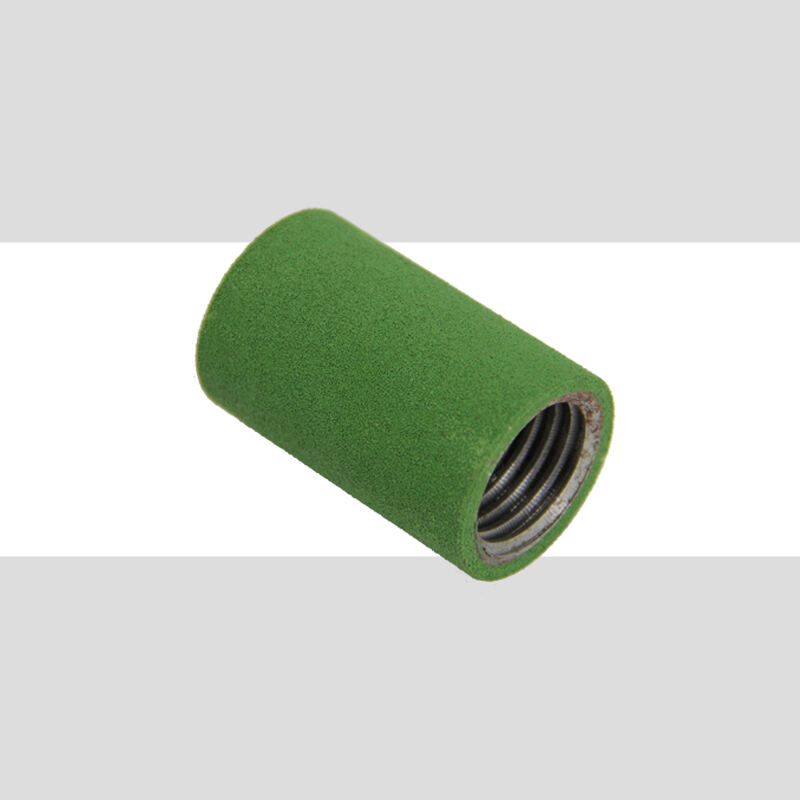
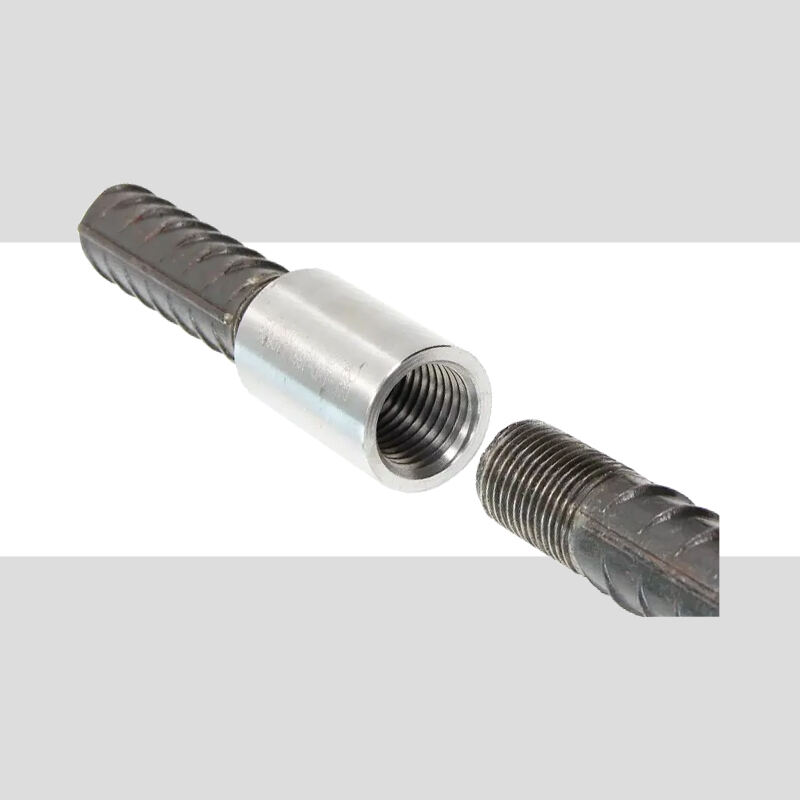
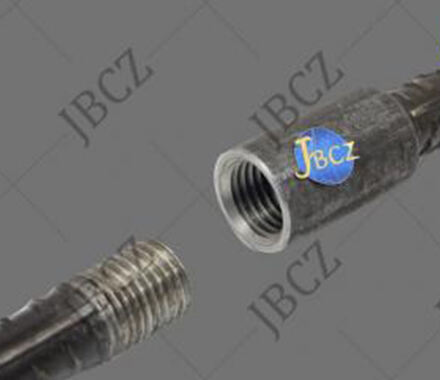
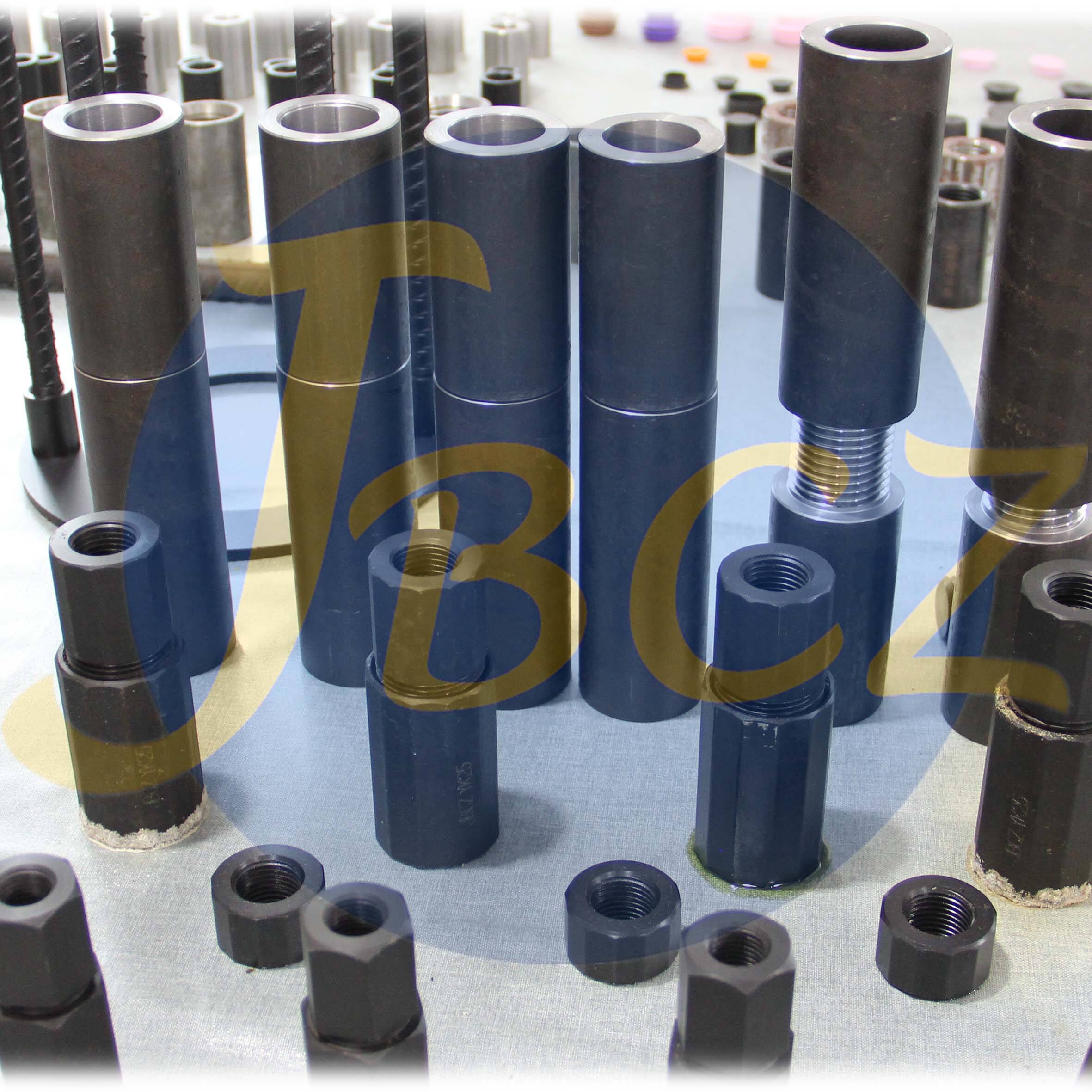
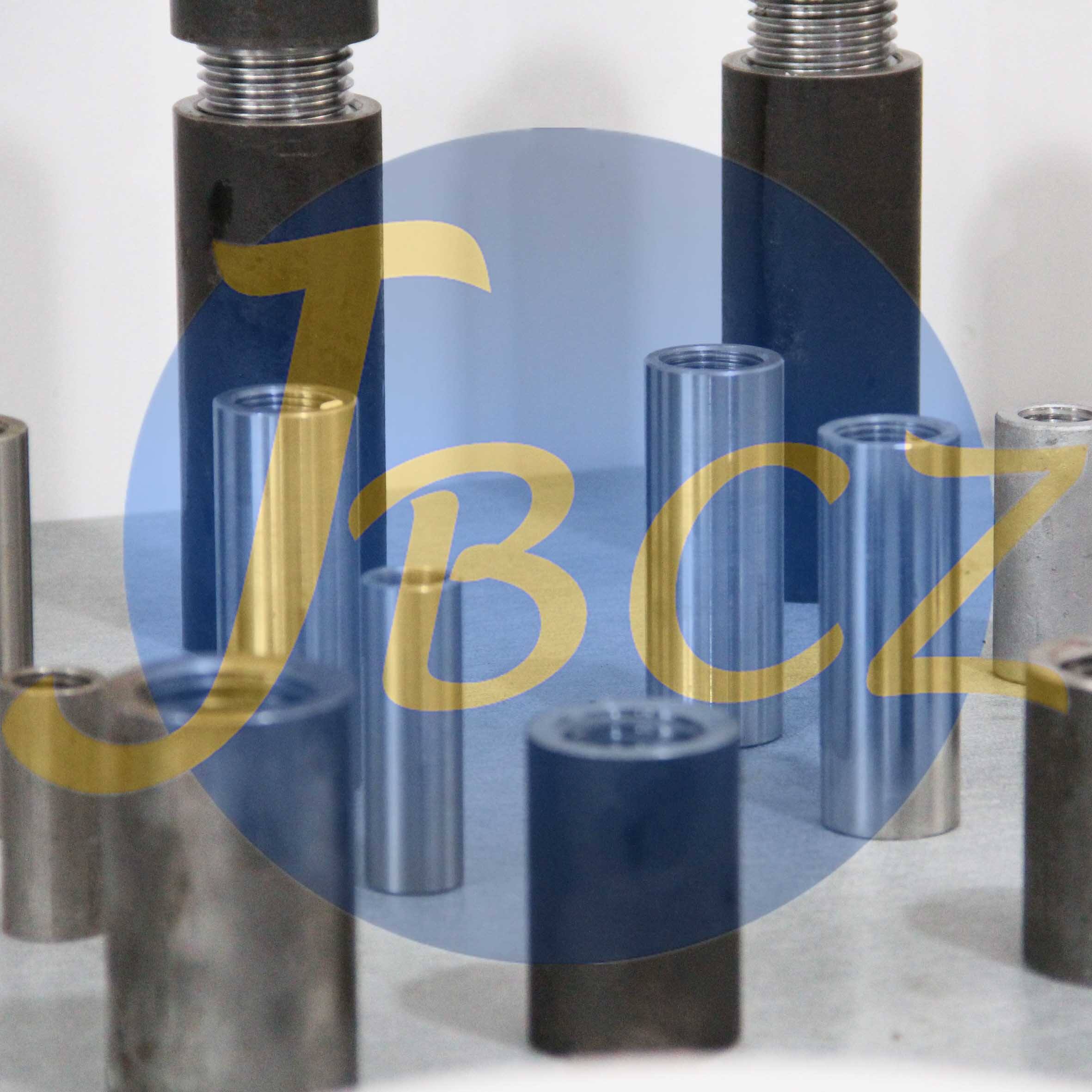
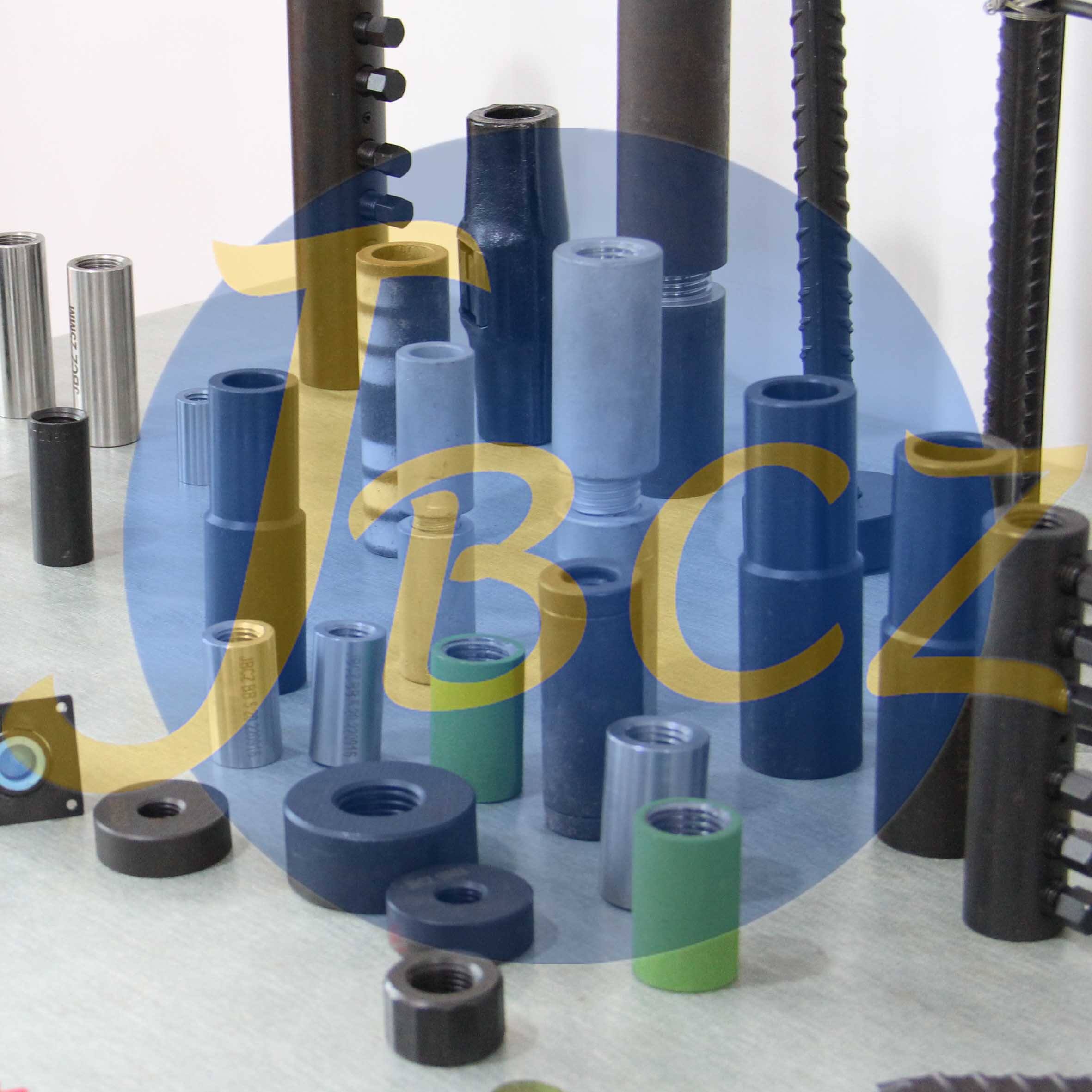
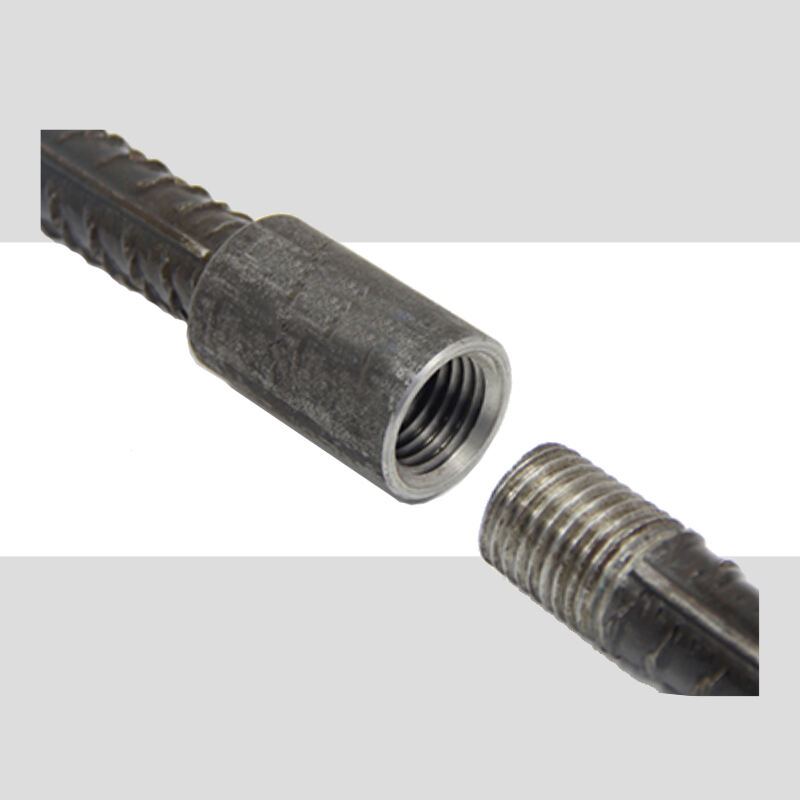
The british standard rebar coupler represents a critical mechanical connection system designed specifically for joining reinforcing steel bars in concrete construction projects. This precision-engineered component serves as an alternative to traditional lap splicing methods, providing a reliable and efficient means of connecting rebars end-to-end. The british standard rebar coupler operates by threading onto prepared rebar ends or using mechanical gripping mechanisms to create a permanent connection that maintains the structural integrity of reinforced concrete elements. These couplers are manufactured according to stringent British Standards specifications, ensuring consistency, quality, and compliance with industry requirements. The primary function of the british standard rebar coupler is to transfer tensile and compression forces between connected rebars, enabling continuous load paths throughout concrete structures. This mechanical splicing technology eliminates the need for overlapping bars, thereby reducing steel consumption and congestion within formwork. The british standard rebar coupler features robust construction using high-grade steel alloys that provide exceptional strength characteristics matching or exceeding the parent rebar capacity. Technological features include precision threading systems, advanced metallurgical properties, and corrosion-resistant surface treatments that extend service life in challenging environments. Applications span across diverse construction sectors including high-rise buildings, bridges, tunnels, infrastructure projects, industrial facilities, and residential developments. The british standard rebar coupler proves particularly valuable in situations where space constraints prevent adequate lap lengths, when connecting rebars of different diameters, or where construction phasing requires planned connection points. Installation typically involves preparing rebar ends through cutting and threading processes, followed by simple hand or power tool tightening to achieve specified torque values. Quality assurance protocols ensure each british standard rebar coupler meets rigorous performance criteria through comprehensive testing procedures including tensile strength verification, fatigue resistance evaluation, and dimensional accuracy checks. This connection technology supports sustainable construction practices by optimizing material usage and reducing waste generation on construction sites.

New Product Releases

Choosing the british standard rebar coupler delivers substantial practical benefits that directly impact project efficiency, cost management, and structural performance. First and foremost, these couplers significantly reduce steel consumption by eliminating traditional overlap requirements. Conventional lap splicing demands that rebars overlap by specific lengths, often consuming 30 to 60 times the bar diameter in additional steel. The british standard rebar coupler removes this wasteful practice, allowing direct end-to-end connections that save material costs while reducing the overall weight of reinforcement within structures. This material efficiency translates into lower transportation expenses, reduced handling requirements, and decreased environmental impact through diminished steel production demands. Installation speed represents another compelling advantage, as connecting rebars with the british standard rebar coupler requires considerably less time than tying and positioning overlapping bars. Skilled workers can complete connections rapidly using straightforward procedures, accelerating construction schedules and reducing labour costs. The simplified installation process also minimizes the risk of errors during assembly, ensuring consistent quality throughout the project. Space optimization emerges as a crucial benefit in congested reinforcement areas where multiple bars converge. The british standard rebar coupler creates neat, compact connections that prevent the bulky clustering associated with lap splices. This advantage proves especially valuable in columns, beams, and walls with dense reinforcement patterns, allowing easier concrete placement and improved consolidation around steel elements. The resulting concrete structures exhibit superior quality with fewer voids and better durability characteristics. Structural performance benefits include reliable load transfer capabilities that meet or exceed the strength of parent rebars. The british standard rebar coupler undergoes rigorous testing to ensure connections develop full bar capacity under tension, compression, and cyclic loading conditions. This performance reliability gives engineers confidence when designing critical structural elements, knowing connections will perform as specified throughout the structure's service life. Flexibility in construction sequencing represents another practical advantage, as the british standard rebar coupler facilitates planned connections between construction phases. When projects proceed in stages, couplers enable clean handover points where new reinforcement connects seamlessly to existing work. This capability supports modern construction methodologies including prefabrication, modular construction, and phased development strategies. Quality control becomes more manageable with the british standard rebar coupler compared to traditional methods. Visual inspection easily verifies proper installation, and torque measurements provide quantifiable confirmation of connection integrity. This transparency in quality assurance reduces uncertainty and supports comprehensive documentation requirements. Finally, these couplers offer versatility in connecting rebars of different sizes and grades, providing designers with greater flexibility in optimizing reinforcement layouts and addressing unique structural challenges across diverse construction applications.

Tips And Tricks

How Rebar Couplers Strengthen Concrete Structures: Innovation and Benefits

10

Jul

How Rebar Couplers Strengthen Concrete Structures: Innovation and Benefits

View More
Advantages of Reducing coupler in Renewable Energy Storage Systems

10

Jul

Advantages of Reducing coupler in Renewable Energy Storage Systems

View More
JBCZ has received the certification of UK CARES

10

Jul

JBCZ has received the certification of UK CARES

View More
Right Hand Coupler: Enhancing Efficiency and Precision in Mechanical Systems

10

Jul

Right Hand Coupler: Enhancing Efficiency and Precision in Mechanical Systems

View More

Get a Free Quote

Our representative will contact you soon.
Email
Name
Company Name
Message
0/1000

british standard rebar coupler

Superior Load Transfer Capability and Structural Reliability

Superior Load Transfer Capability and Structural Reliability

The british standard rebar coupler excels in its fundamental purpose of transferring forces between connected reinforcing bars, delivering structural reliability that meets the most demanding engineering requirements. This load transfer capability represents the cornerstone value proposition for construction professionals who prioritize safety, performance, and regulatory compliance. Engineering analysis and extensive testing demonstrate that the british standard rebar coupler achieves full bar capacity under various loading conditions, including monotonic tension, compression, and cyclic fatigue scenarios. The connection develops the complete yield strength and ultimate tensile strength of the parent rebar, ensuring no weak points exist within the reinforcement system. This performance characteristic proves essential in seismic zones and structures subjected to dynamic loads where connection integrity directly influences overall structural resilience. The mechanical interlock or threaded engagement mechanism within the british standard rebar coupler creates a positive connection that maintains its integrity throughout the structure's design life. Unlike welded connections that may suffer from heat-affected zone weaknesses or adhesive bonds susceptible to environmental degradation, the mechanical nature of the british standard rebar coupler provides predictable, verifiable performance. Quality manufacturing processes ensure dimensional accuracy and material properties remain consistent across production batches, giving specifiers confidence in uniform performance across entire projects. Testing protocols for the british standard rebar coupler include verification procedures that simulate real-world conditions, subjecting samples to loads exceeding typical service requirements. These rigorous evaluations confirm that connections withstand not only static loads but also the repetitive stress cycles encountered during earthquakes, wind events, and operational vibrations. The british standard rebar coupler maintains its load transfer capability even when subjected to environmental factors including temperature fluctuations, moisture exposure, and aggressive chemical conditions found in marine environments or industrial facilities. Installation quality directly influences connection performance, and the british standard rebar coupler design incorporates features that facilitate proper assembly. Clear visual indicators, torque specifications, and inspection criteria enable construction teams to verify correct installation before concrete placement. This verification capability reduces uncertainty and provides documented evidence of quality compliance. For structural engineers, the reliable performance of the british standard rebar coupler simplifies design calculations and reduces the need for conservative over-design. Connections can be specified with confidence, knowing tested performance characteristics match design assumptions. This reliability extends project value by optimizing material usage while maintaining safety margins that satisfy building codes and client expectations for long-term structural performance.
Enhanced Construction Efficiency and Installation Simplicity

Enhanced Construction Efficiency and Installation Simplicity

The british standard rebar coupler transforms reinforcement installation from a labour-intensive, time-consuming process into a streamlined operation that accelerates project timelines and reduces workforce requirements. This efficiency advantage delivers tangible economic benefits while improving site safety and quality control. Traditional lap splicing methods require workers to position long overlapping bars within congested formwork, manipulate heavy reinforcement bundles, and secure multiple tie points to maintain alignment during concrete placement. The british standard rebar coupler eliminates these challenges by enabling quick end-to-end connections that require minimal space and handling. Installation crews work more productively, completing connections in minutes rather than the extended periods needed for conventional methods. This time saving multiplies across large projects containing thousands of connections, compressing construction schedules and reducing financing costs associated with extended project durations. The straightforward installation procedure for the british standard rebar coupler requires only basic training, allowing construction teams to achieve proficiency quickly. Workers prepare rebar ends according to manufacturer specifications, position the coupler, and tighten to prescribed torque values using standard tools. This simplicity reduces the skill level required compared to specialized techniques like welding, expanding the available labour pool and reducing dependency on scarce specialist trades. Site logistics benefit substantially from the compact nature of the british standard rebar coupler, as shorter bar lengths can be transported, stored, and handled more easily than the extended sections required for lap splicing. Delivery trucks carry more pieces per load, storage areas accommodate greater quantities in confined spaces, and crane lifts move reinforcement with improved efficiency. These logistical advantages reduce transportation costs, minimize site congestion, and improve material flow throughout construction operations. Safety improvements represent an often-overlooked advantage of the british standard rebar coupler installation process. Handling shorter, lighter rebar sections reduces physical strain on workers and decreases the risk of musculoskeletal injuries common in reinforcement installation. The elimination of protruding lap splice bars reduces trip hazards and puncture risks on active construction sites. Cleaner, more organized reinforcement layouts improve visibility and access, contributing to overall site safety culture. Quality consistency improves with the british standard rebar coupler because the mechanical connection method produces uniform results independent of individual worker variation. Unlike tied lap splices where connection quality depends on tie wire technique and spacing decisions, the british standard rebar coupler delivers standardized performance when installed according to specifications. This consistency supports comprehensive quality management systems and reduces the inspection burden on project supervision teams.
Space Optimization and Design Flexibility Benefits

Space Optimization and Design Flexibility Benefits

The british standard rebar coupler provides architects and engineers with unprecedented freedom to optimize reinforcement layouts, overcome spatial constraints, and implement innovative structural solutions that would prove impractical with conventional connection methods. This design flexibility translates into architectural possibilities, structural efficiency, and construction problem-solving capabilities that expand the boundaries of feasible projects. Congested reinforcement zones represent one of the most challenging aspects of concrete construction, particularly in columns, beam-column joints, and transfer structures where multiple reinforcement layers converge. Traditional lap splices exacerbate congestion by adding overlapping bar lengths that obstruct concrete flow and complicate placement procedures. The british standard rebar coupler addresses this challenge by creating compact connections that occupy minimal space, allowing reinforcement to pass through congested areas without excessive buildup. This space efficiency enables designers to maintain optimal bar spacing for concrete consolidation while accommodating the reinforcement quantities required for structural performance. The resulting structures exhibit superior concrete quality with improved durability characteristics stemming from complete concrete encasement of steel elements. Connecting rebars of different diameters or grades becomes straightforward with appropriately specified british standard rebar coupler systems, offering designers flexibility to optimize reinforcement throughout structures. Column reinforcement might transition from larger bars in lower stories to smaller sections in upper levels, efficiently matching steel quantities to decreasing load demands. The british standard rebar coupler facilitates these transitions without complicated details or field modifications, supporting economical design solutions that minimize material consumption. Prefabrication and modular construction strategies benefit enormously from the british standard rebar coupler capability to create planned connection points between factory-produced elements and site-cast components. Reinforcement cages manufactured off-site arrive with couplers installed, ready for immediate connection to adjoining elements. This approach combines the quality control advantages of factory production with the flexibility of site assembly, accelerating construction while maintaining high standards. The british standard rebar coupler enables construction sequencing strategies that would prove impossible with conventional methods, including vertical construction joints in walls and slabs where reinforcement must continue across pour boundaries. Couplers installed at the end of one concrete placement provide connection points for subsequent phases, ensuring structural continuity without complicated starter bar arrangements. This capability supports fast-track construction methodologies and accommodates project phasing requirements driven by funding availability or staged occupancy plans. Renovation and strengthening projects particularly benefit from the british standard rebar coupler ability to connect new reinforcement to existing structures. Core drilling exposes existing rebars, couplers attach to prepared ends, and new reinforcement connects seamlessly to extend or strengthen original structural elements. This connection capability makes structural modifications feasible without extensive demolition or complicated supplementary support systems.