AFCAB Certified Rebar Coupler - High-Strength Mechanical Splicing Solution for Modern Construction

All Categories

Get a Free Quote

Our representative will contact you soon.
Email
Name
Company Name
Message
0/1000

afcab certified rebar coupler

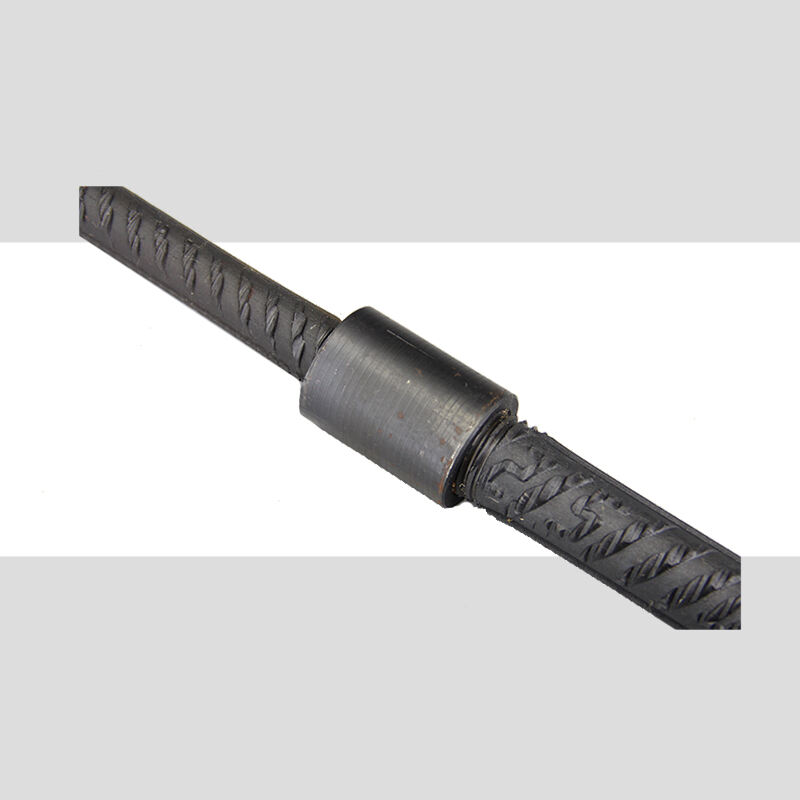
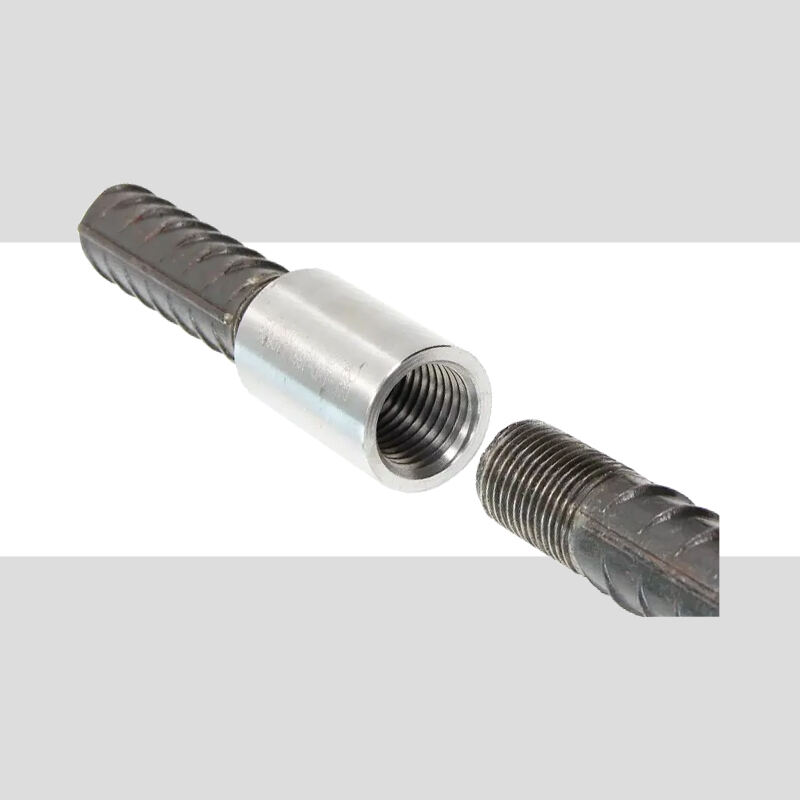
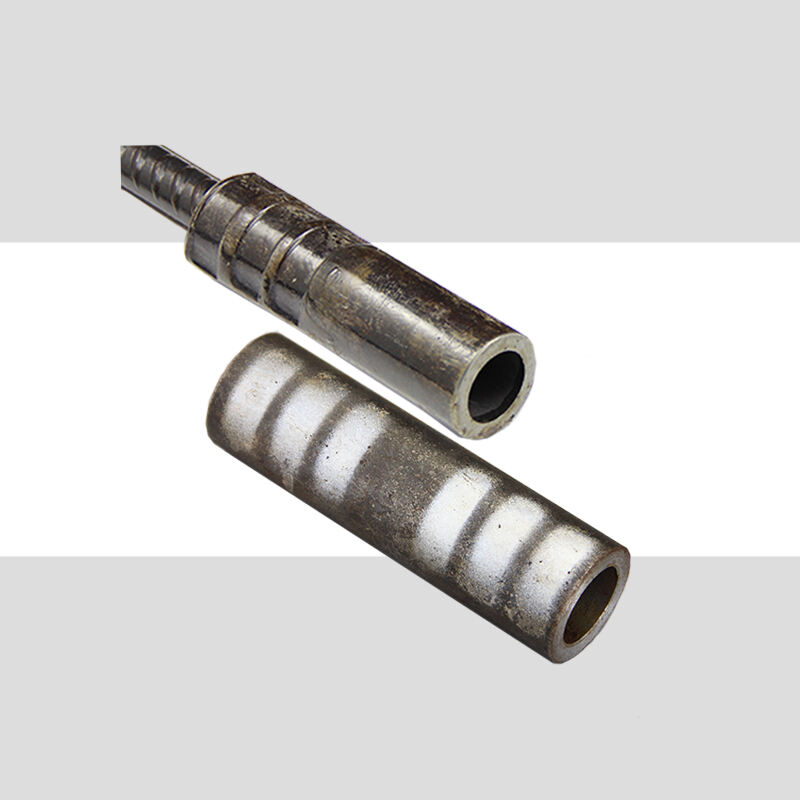
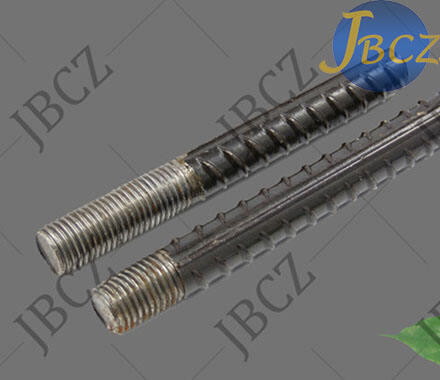
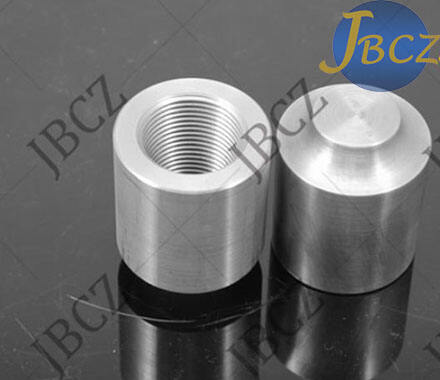
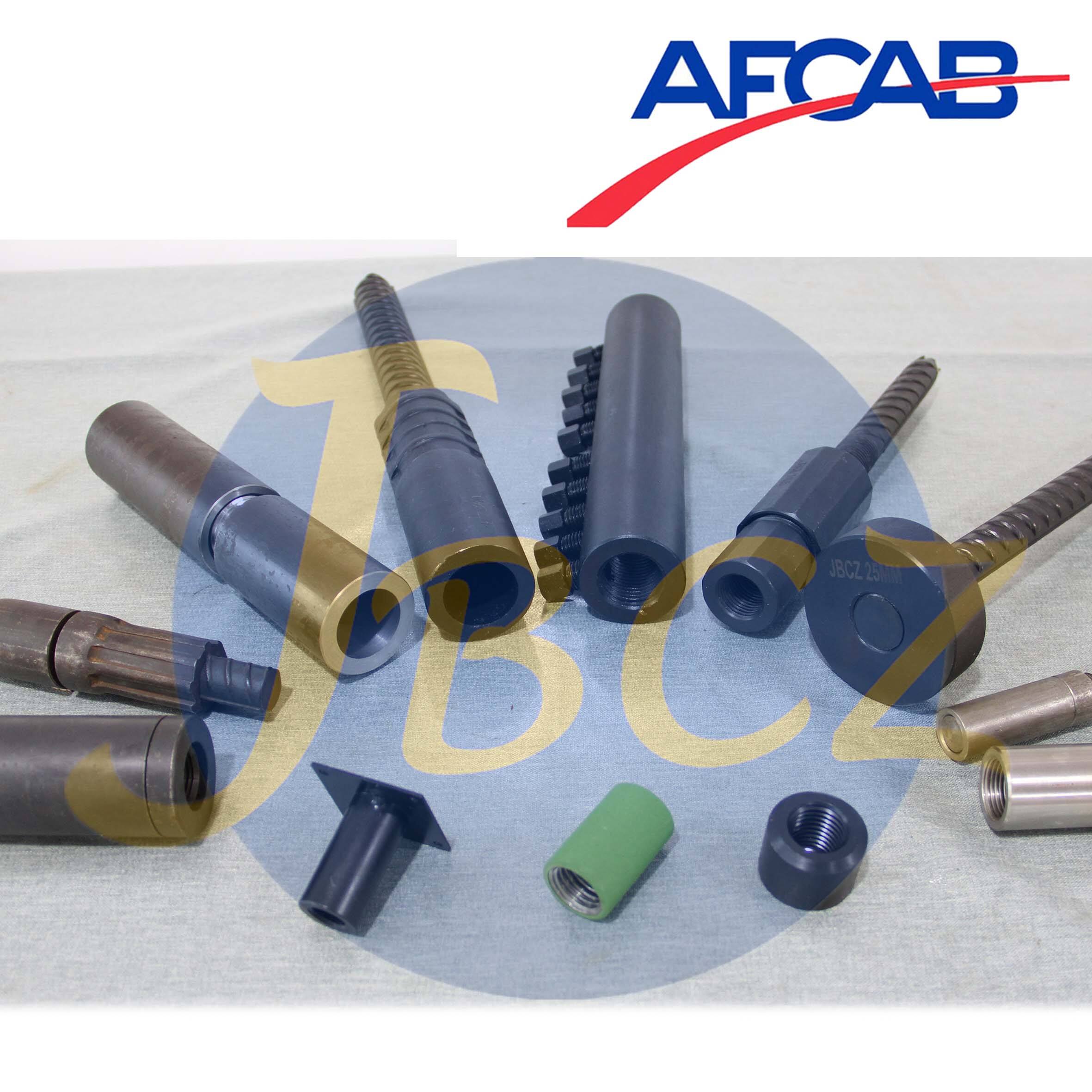
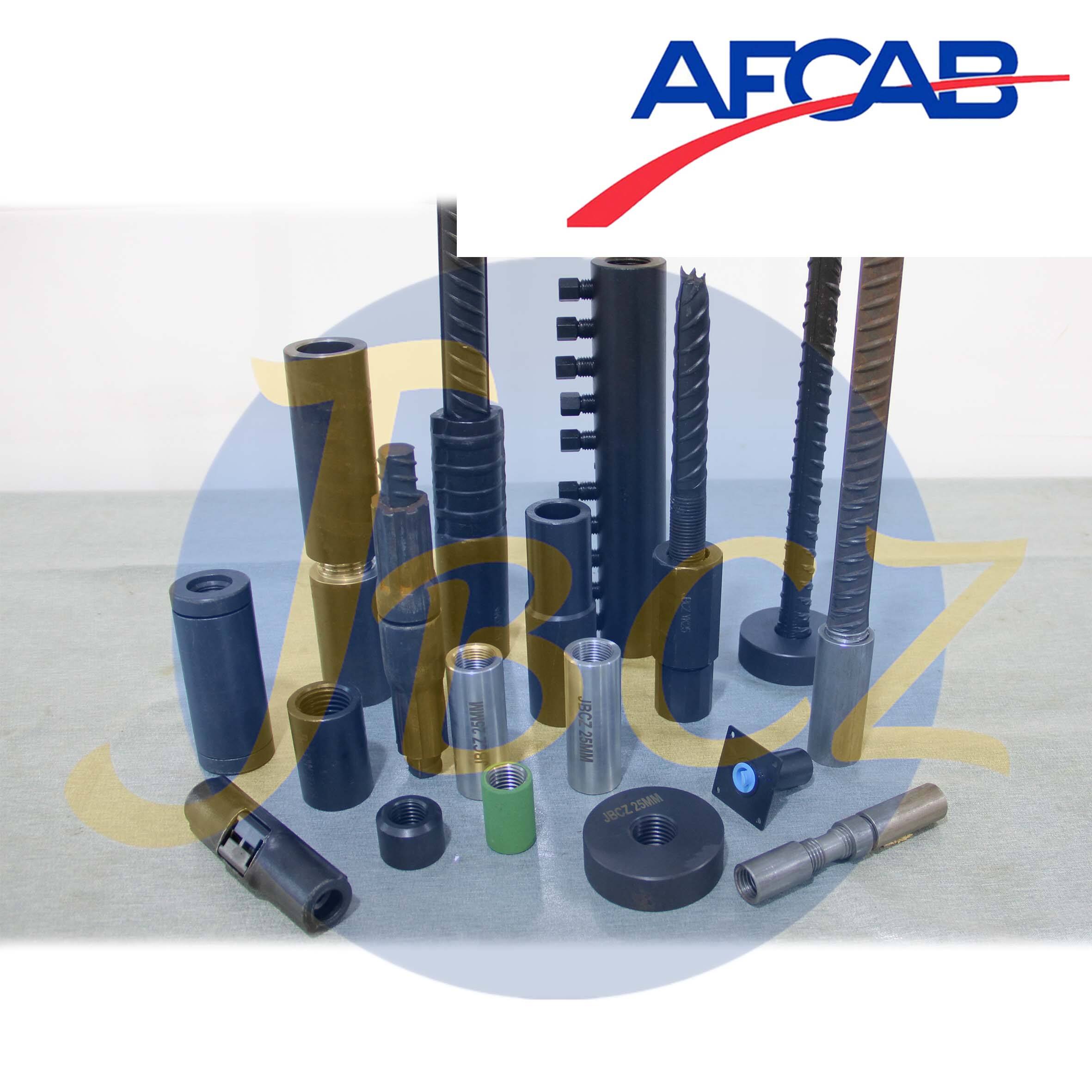
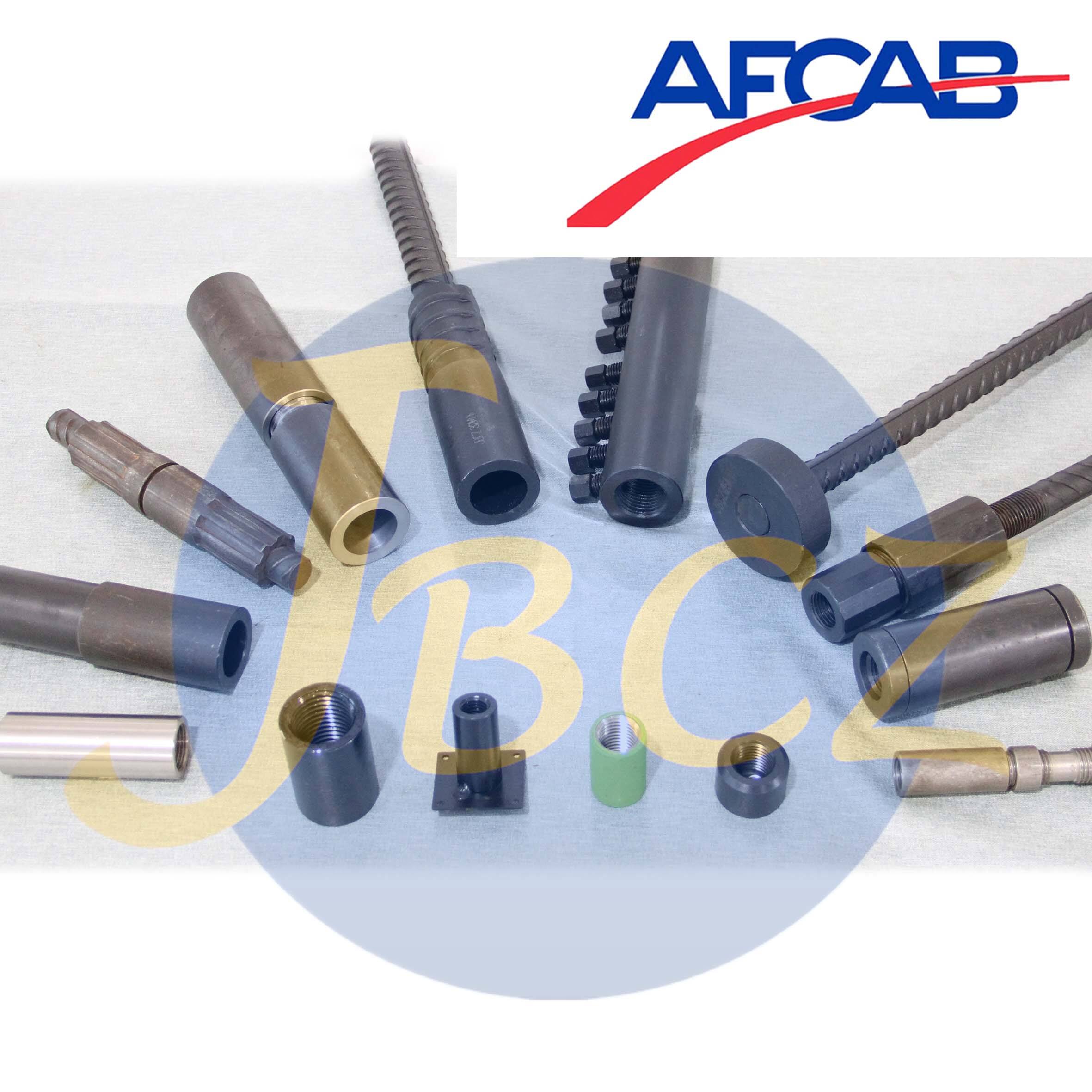
The afcab certified rebar coupler represents a revolutionary advancement in construction reinforcement technology, designed to join steel reinforcement bars efficiently and reliably in concrete structures. This mechanical splicing device has earned its afcab certification through rigorous testing and quality control procedures, ensuring it meets the highest international standards for structural integrity and performance. The primary function of the afcab certified rebar coupler is to create seamless connections between reinforcement bars without the need for traditional lap splicing methods, which consume excessive material and labor resources. This innovative coupling system features precision-engineered threading mechanisms that lock rebar sections together, creating joints that match or exceed the tensile strength of the parent bars themselves. The technological features of the afcab certified rebar coupler include cold-forging manufacturing processes that enhance material density, corrosion-resistant surface treatments that extend service life in harsh environments, and universal compatibility with various rebar diameters ranging from 16mm to 40mm. The coupler system incorporates advanced metallurgical compositions that maintain ductility while maximizing load-bearing capacity, making it suitable for seismic zones where structural flexibility is paramount. Applications for the afcab certified rebar coupler span across multiple construction sectors including high-rise buildings, bridge infrastructure, underground tunnels, commercial complexes, residential towers, and industrial facilities. The device proves particularly valuable in projects where space constraints prevent adequate lap splicing, where rebar continuation is required across construction joints, or where material optimization directly impacts project budgets. Engineers and contractors worldwide specify the afcab certified rebar coupler for critical load-bearing applications because the certification guarantees consistent quality, traceable manufacturing standards, and documented performance data that satisfy building code requirements across different jurisdictions. The installation process requires trained technicians who follow standardized procedures, ensuring every connection achieves the specified torque values and alignment tolerances necessary for optimal structural performance throughout the building lifecycle.

Popular Products

Choosing the afcab certified rebar coupler delivers substantial practical benefits that directly impact your construction project's timeline, budget, and structural quality. The most immediate advantage comes from dramatic material savings, as traditional lap splicing requires overlapping bars by 40 to 60 times the bar diameter, essentially wasting expensive steel that the afcab certified rebar coupler eliminates entirely by creating direct connections that use zero additional length. This material efficiency translates into reduced transportation costs, lower storage requirements on site, and simplified logistics management throughout your project duration. Labor productivity increases significantly because skilled workers can install the afcab certified rebar coupler in minutes compared to the hours required for tying and positioning overlapping bars, allowing your crews to complete reinforcement work faster and move on to subsequent construction phases without delays. The speed advantage becomes especially critical in fast-track projects where schedule compression directly affects your return on investment and market entry timing. Quality assurance becomes measurably simpler with the afcab certified rebar coupler because every connection undergoes torque verification using calibrated wrenches, providing documentary evidence that each joint meets engineering specifications, whereas lap splices rely on visual inspection and worker skill variations that introduce uncertainty into structural reliability. Safety improvements manifest on your job site because reduced rebar congestion around joints creates clearer working areas, minimizes trip hazards, and allows better concrete flow during placement, reducing the risk of honeycombing or incomplete consolidation that compromises structural integrity. The afcab certified rebar coupler enables design flexibility that gives your engineers freedom to optimize reinforcement layouts without constraint from lap splice dimensional requirements, potentially allowing smaller structural members, reduced floor-to-floor heights, and more usable space in finished buildings that enhance project value. Environmental responsibility becomes tangible through reduced steel consumption, which lowers the carbon footprint associated with material production and transportation, helping your project achieve green building certifications and meet corporate sustainability commitments. Cost predictability improves because the afcab certified rebar coupler price remains stable and quantifiable during budgeting, unlike labor costs for lap splicing that fluctuate with market conditions and worker availability. Long-term structural performance gains confidence through the certification process that validates fatigue resistance, corrosion protection, and load transfer capabilities across thousands of test cycles, giving building owners assurance that their investment maintains integrity throughout its designed service life without hidden weaknesses that might emerge years after construction completion.

Practical Tips

What is a Reducing Coupler and How is it Used in Plumbing Systems?

10

Jul

What is a Reducing Coupler and How is it Used in Plumbing Systems?

View More
The indispensable role of rebar couplers in offshore wind farms and marine structures

10

Jul

The indispensable role of rebar couplers in offshore wind farms and marine structures

View More
Six ways to regulate rebar splices

10

Jul

Six ways to regulate rebar splices

View More
Right Hand Coupler: Enhancing Efficiency and Precision in Mechanical Systems

10

Jul

Right Hand Coupler: Enhancing Efficiency and Precision in Mechanical Systems

View More

Get a Free Quote

Our representative will contact you soon.
Email
Name
Company Name
Message
0/1000

afcab certified rebar coupler

Superior Structural Integrity Through Certified Performance Standards

Superior Structural Integrity Through Certified Performance Standards

The afcab certified rebar coupler achieves its reputation for exceptional structural integrity through comprehensive certification testing that validates performance under extreme conditions representative of real-world structural demands. This certification process subjects sample couplers to tensile testing that applies progressive loads until failure, demonstrating that properly installed connections consistently achieve strength values exceeding 110 percent of the nominal bar capacity, meaning the joined section actually outperforms continuous rebar in controlled laboratory conditions. The afcab certification requirements include fatigue testing across two million load cycles that simulate decades of service under dynamic conditions such as traffic vibrations on bridges or wind loading on tall buildings, proving the coupler maintains its mechanical properties without degradation over time. Corrosion resistance testing exposes the afcab certified rebar coupler to accelerated environmental conditions including salt spray, humidity variations, and chemical exposure that replicate coastal environments, industrial atmospheres, and underground installations, confirming that protective coatings and material selections prevent deterioration that could compromise connection strength. Seismic performance validation through cyclic loading tests demonstrates that the afcab certified rebar coupler accommodates the repeated stress reversals characteristic of earthquake forces without brittle failure, maintaining ductility that allows energy dissipation and prevents sudden structural collapse. The certification documentation provides engineers with reliable design parameters including precise tensile capacity values, elastic modulus measurements, and elongation characteristics that enable accurate structural calculations and code compliance verification. Manufacturing quality control integrated into the afcab certification requires batch testing, dimensional verification, and material traceability that ensure every coupler delivered to your project site meets identical specifications regardless of production date or facility location. This consistency eliminates the performance variability inherent in site-dependent processes like lap splicing where execution quality depends on worker skill, supervisor oversight, and environmental conditions during installation. The afcab certified rebar coupler gives structural engineers confidence to specify optimized reinforcement designs knowing that connection capacity forms a reliable constant rather than a variable requiring conservative safety factors that increase material consumption unnecessarily. Building officials and inspection authorities recognize afcab certification as evidence of compliance with structural codes, streamlining approval processes and reducing documentation burdens during permit reviews and construction inspections.
Installation Efficiency That Accelerates Project Schedules

Installation Efficiency That Accelerates Project Schedules

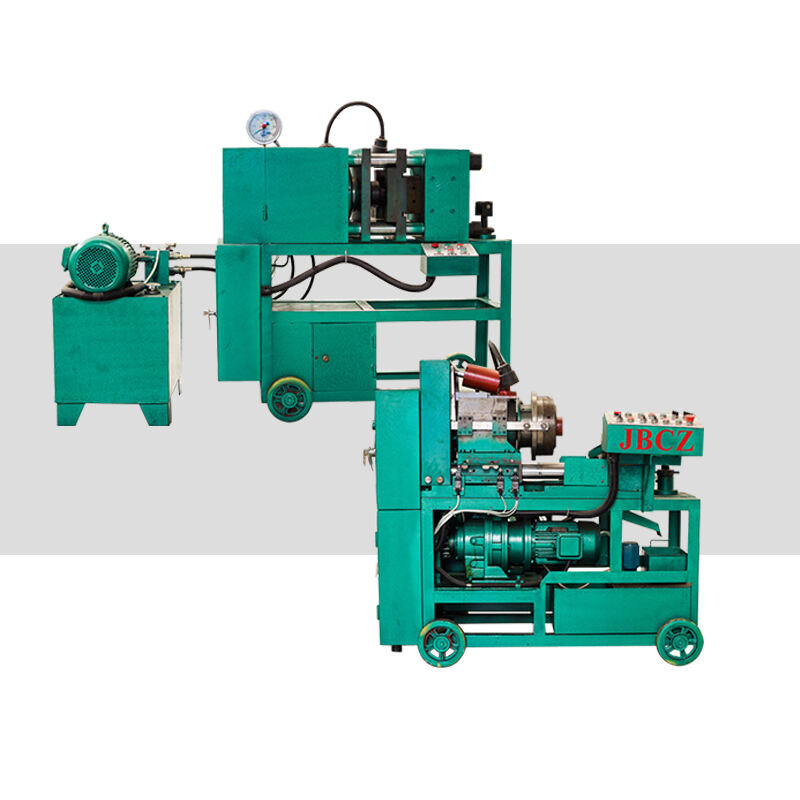
The afcab certified rebar coupler revolutionizes reinforcement installation through a streamlined process that reduces labor requirements while improving connection quality consistency across your entire project. Installation begins with rebar end preparation using portable threading machines that cut precise threads onto bar ends in approximately 30 seconds per connection, creating mechanical interlocks that eliminate dependence on worker technique variations that affect lap splice reliability. The threading process occurs during fabrication or on-site as needed, providing flexibility to adapt to design changes or unforeseen conditions without material waste or schedule disruptions. Actual coupling installation requires technicians to simply thread prepared bars into opposite ends of the afcab certified rebar coupler, then tighten the assembly using calibrated torque wrenches that indicate proper installation through audible clicks or visual gauges, creating fool-proof quality verification that requires minimal training compared to complex tying patterns for overlapped bars. The speed advantage becomes multiplicative in congested reinforcement areas such as beam-column joints where traditional lap splices create chaotic steel tangles that impede worker movement, slow installation progress, and obstruct concrete placement, whereas the afcab certified rebar coupler produces clean, compact connections that maintain clear working zones throughout construction sequences. Vertical construction scenarios particularly benefit from installation efficiency because tower cranes can lift longer pre-assembled rebar cages when lap splice extensions do not add unusable length, reducing crane cycles, improving lifting safety, and accelerating the critical path activities that determine overall project duration. Prefabrication opportunities expand dramatically with the afcab certified rebar coupler because fabrication shops can produce complete rebar assemblies with threaded ends, ship them to sites as ready-to-install components, then connect sections using couplers during erection, transforming reinforcement installation from a labor-intensive field activity into an efficient assembly process similar to structural steel construction. Weather independence improves because coupler installation proceeds effectively in conditions that compromise lap splice quality, such as high winds that displace tied bars or precipitation that creates slippery surfaces and reduced worker dexterity. Quality documentation becomes automatic as installation crews record torque values and coupler serial numbers for each connection, creating digital records that satisfy quality management systems and provide forensic data if questions arise during occupancy. The learning curve for training new workers shortens considerably because the afcab certified rebar coupler installation follows mechanical procedures with clear success criteria rather than requiring the experiential judgment needed to evaluate lap splice adequacy, allowing contractors to onboard labor resources quickly during peak activity periods without quality compromises.
Economic Value Through Lifecycle Cost Optimization

Economic Value Through Lifecycle Cost Optimization

The afcab certified rebar coupler delivers compelling economic advantages that extend beyond initial material costs to encompass total ownership value across design, construction, and operational phases of building lifecycles. Material cost analysis reveals that while individual couplers carry unit prices higher than equivalent steel weight, the elimination of lap splice overlap lengths reduces total rebar tonnage by 15 to 25 percent in typical projects, creating net material savings that improve project budgets while simultaneously reducing procurement complexity and inventory management expenses. Transportation economics favor the afcab certified rebar coupler because reduced steel quantities mean fewer truckloads, lower freight expenses, and decreased fuel consumption that benefits both project costs and environmental footprints, particularly significant for remote sites where logistics expenses constitute substantial budget portions. On-site storage requirements diminish because compact coupler packaging occupies minimal space compared to the extensive laydown areas needed for long lap splice lengths, reducing site rental costs and improving site organization that enhances safety and workflow efficiency. Labor cost advantages emerge from productivity improvements as smaller crews complete reinforcement installation faster, reducing payroll expenses while freeing skilled workers for other critical activities that keep projects moving through completion milestones. The afcab certified rebar coupler enables construction methodology innovations such as precast concrete systems where rebar connections occur during assembly rather than requiring cast-in-place overlap zones, potentially transforming project delivery approaches that reduce overall construction duration and associated overhead costs including site supervision, temporary facilities, and financing carrying charges. Design optimization opportunities create value through structural efficiency as engineers specify reinforcement layouts based purely on structural requirements rather than accommodating lap splice geometric constraints, potentially reducing member sizes, lowering concrete volumes, and decreasing foundation loads that cascade into savings throughout structural systems. Risk mitigation contributes economic value because consistent connection quality reduces the probability of structural deficiencies that could trigger costly repairs, construction delays, or liability claims that impact project profitability and company reputation. Long-term building operational costs benefit from the afcab certified rebar coupler durability because corrosion-resistant connections maintain structural capacity throughout design life without maintenance interventions, eliminating expenses associated with reinforcement deterioration that affects conventionally spliced structures in aggressive environments. Asset value preservation occurs because buildings with certified mechanical connections provide owners with documented structural integrity that supports property valuations, facilitates financing arrangements, and simplifies due diligence processes during sale transactions. The certification traceability creates audit trails that satisfy insurance underwriters and risk managers seeking evidence of construction quality, potentially reducing insurance premiums and improving coverage terms that affect ownership economics over decades of building operation.