CE Certified Rebar Coupler - Premium Quality Mechanical Splicing Solutions for Construction

All Categories

Get a Free Quote

Our representative will contact you soon.
Email
Name
Company Name
Message
0/1000

ce certified rebar coupler

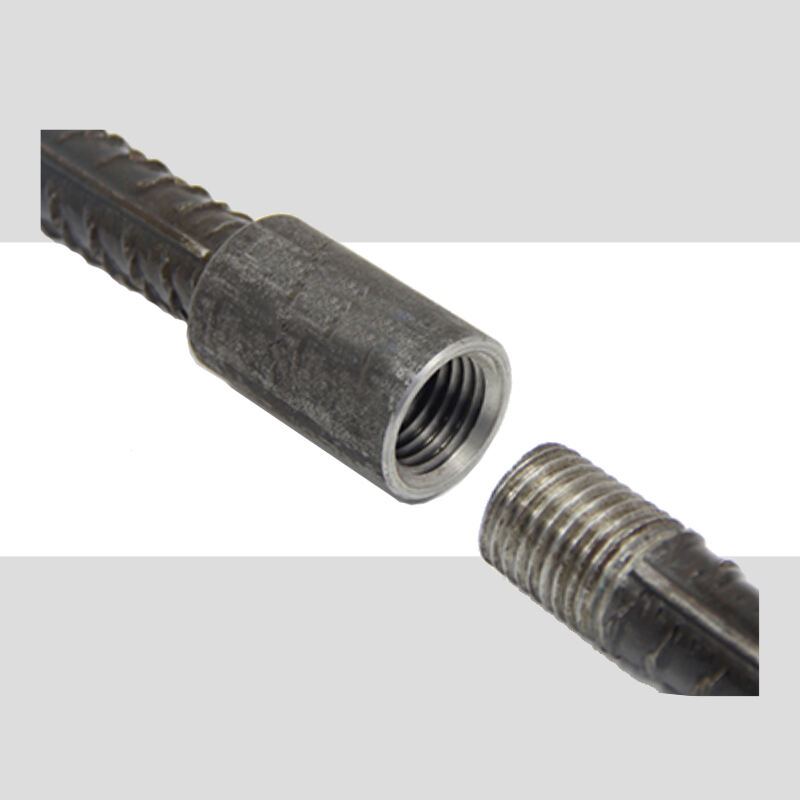
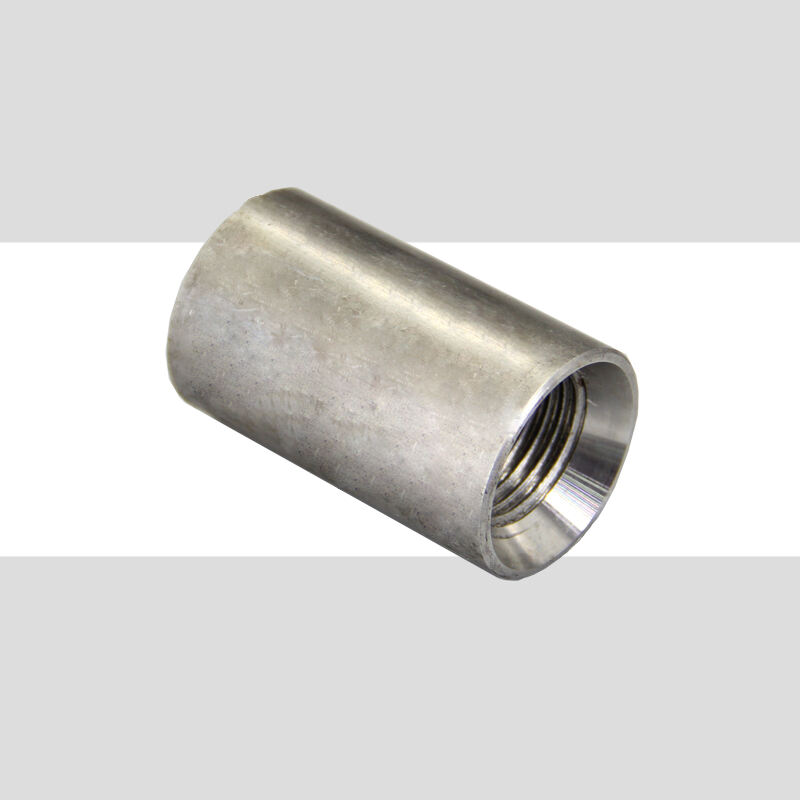
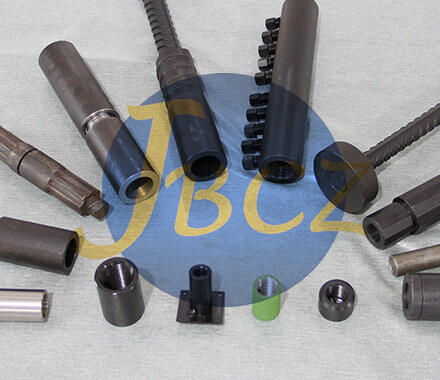
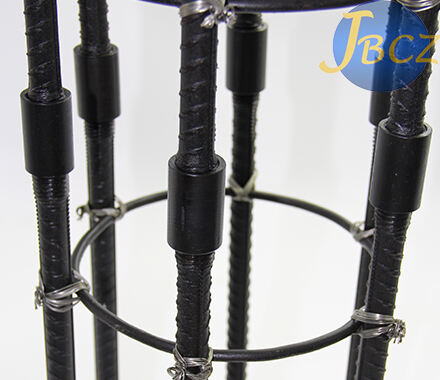
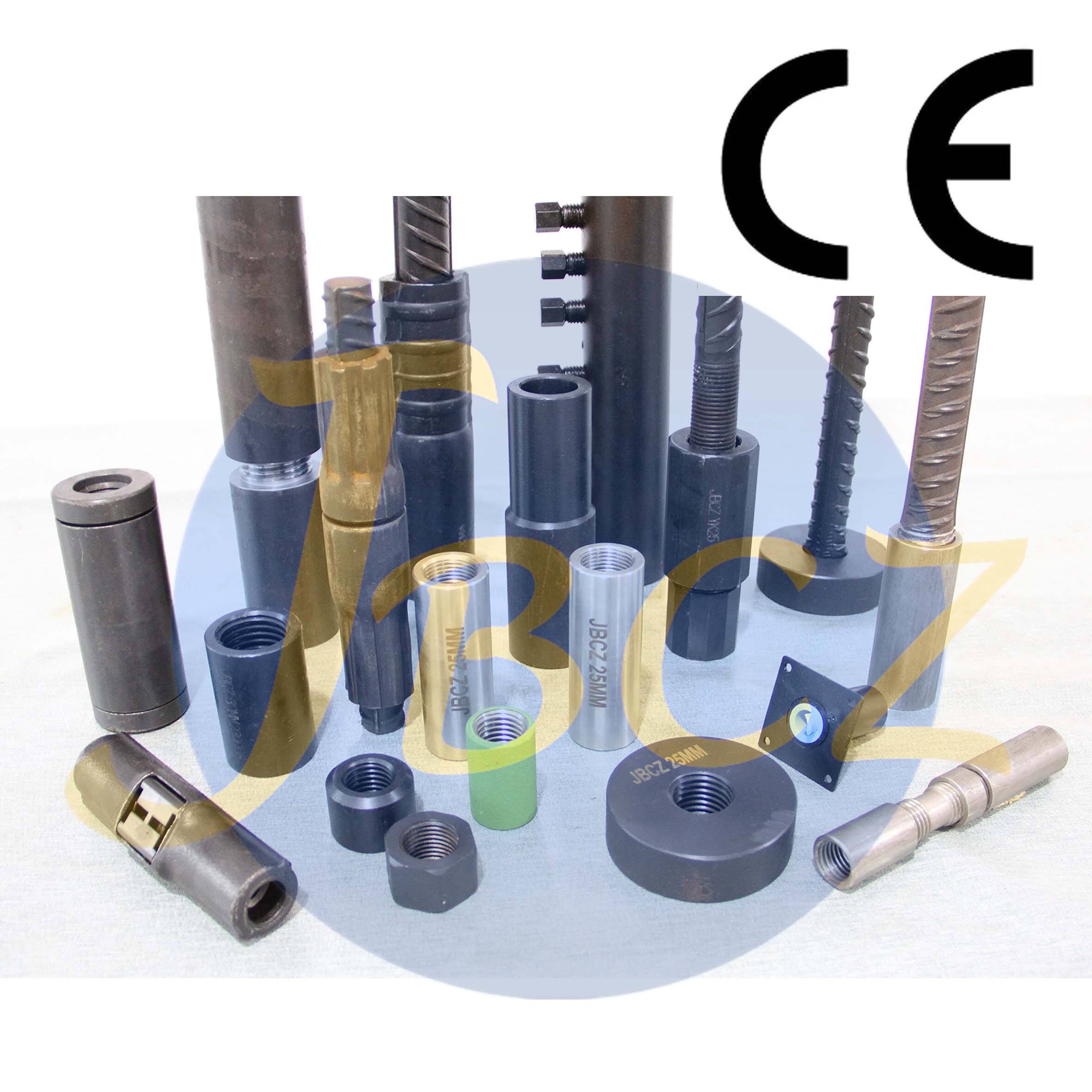
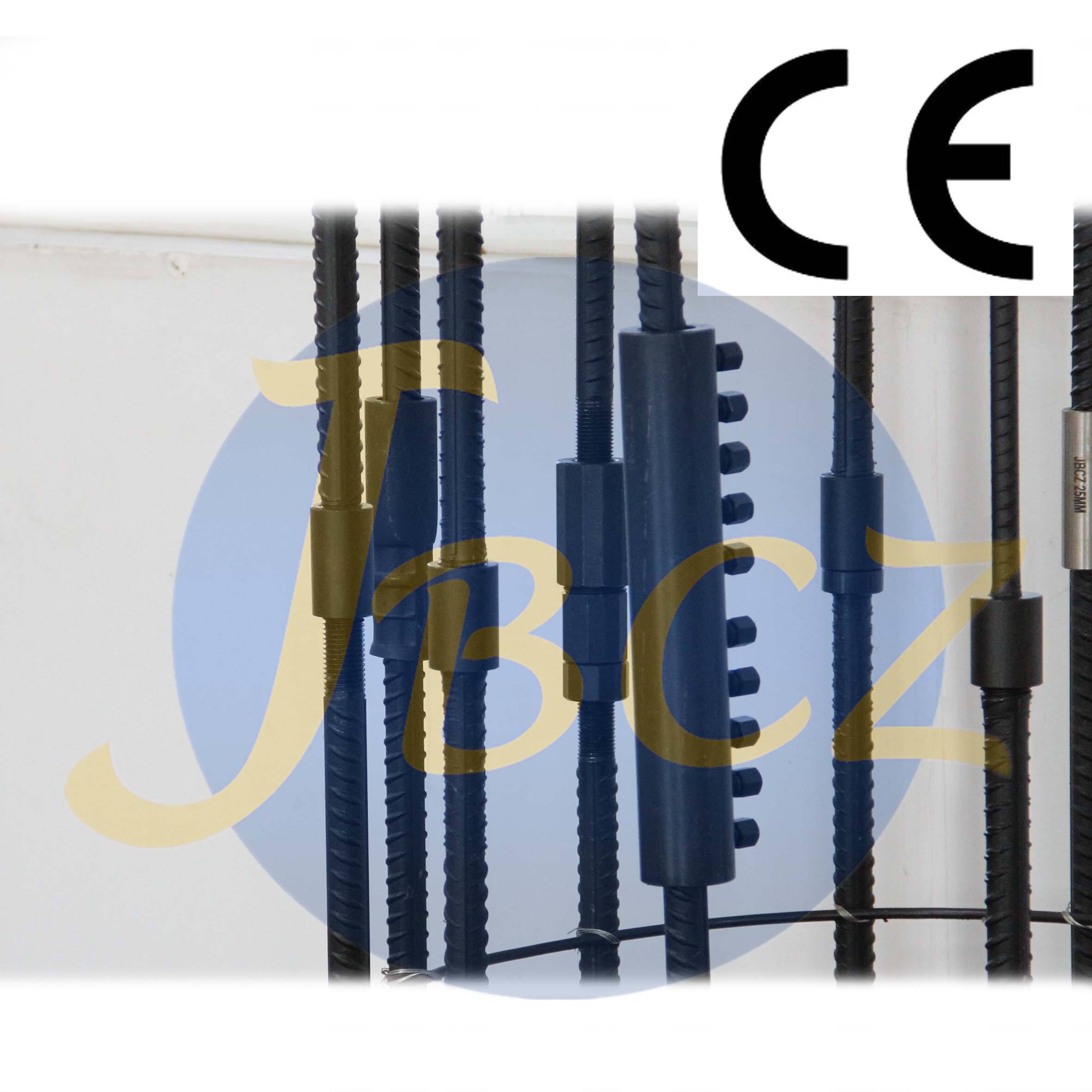
The ce certified rebar coupler represents a revolutionary advancement in modern construction technology, offering engineers and contractors a reliable mechanical connection system for reinforcing steel bars. This innovative component has earned CE certification, demonstrating its compliance with rigorous European safety and quality standards, making it a trusted choice for construction projects worldwide. A rebar coupler serves as a mechanical splice that joins two reinforcement bars together, eliminating the need for traditional lap splicing methods that consume excessive material and labor. The ce certified rebar coupler functions by creating a secure, load-bearing connection that maintains the structural integrity of reinforced concrete elements. Its technological features include precision-engineered threading systems, high-grade steel construction, and advanced manufacturing processes that ensure consistent performance across diverse applications. The coupling mechanism works through either parallel threaded connections, taper threaded systems, or grout-filled sleeve designs, depending on the specific model and project requirements. These couplers undergo extensive testing procedures to verify their tensile strength, fatigue resistance, and durability under extreme conditions. The CE certification mark guarantees that each ce certified rebar coupler meets stringent European Union directives regarding construction products, providing assurance of quality, safety, and reliability. Applications for these mechanical connectors span across numerous construction sectors, including high-rise buildings, bridges, tunnels, dams, nuclear facilities, seismic-resistant structures, and infrastructure projects. The ce certified rebar coupler proves particularly valuable in situations where space constraints prevent adequate lap length, where connecting bars of different diameters becomes necessary, or where construction sequencing requires prefabricated cage assembly. Engineers specify these couplers in projects demanding superior structural performance, reduced congestion at connection points, and enhanced construction speed. The technology accommodates various rebar sizes, typically ranging from 12mm to 40mm in diameter, with some specialized systems handling even larger reinforcement bars for heavy-duty applications.

Popular Products

Choosing a ce certified rebar coupler delivers substantial practical benefits that directly impact project outcomes, cost efficiency, and construction quality. The certification provides immediate assurance that the product has undergone independent verification by notified bodies, confirming compliance with essential health, safety, and environmental protection requirements. This eliminates guesswork and reduces liability concerns for contractors and engineers who specify these components. One major advantage involves significant material savings, as the ce certified rebar coupler eliminates the need for long lap splices that waste considerable amounts of reinforcement steel. Traditional lapping typically requires overlap lengths of 40 to 60 times the bar diameter, whereas mechanical couplers create connections in a compact space, reducing steel consumption by up to 40 percent in congested areas. Labor efficiency improves dramatically because workers can quickly install couplers without the time-consuming tasks of tying overlapping bars or maintaining precise positioning during concrete placement. Installation speed increases by approximately 50 percent compared to conventional methods, accelerating project schedules and reducing labor costs. The ce certified rebar coupler provides superior structural performance by transferring the full tensile strength of connected reinforcement bars without relying on bond development through concrete. This mechanical advantage proves essential in high-stress zones where structural demands exceed what lapped connections can reliably deliver. Quality control becomes more manageable because the standardized installation process reduces human error and produces consistent, verifiable connections throughout the structure. Construction sites benefit from reduced congestion at connection points, allowing easier placement of concrete and better consolidation around reinforcement, which eliminates voids and ensures optimal structural integrity. The certification documentation simplifies regulatory approval processes, as building authorities recognize CE-marked products as meeting established technical standards. Projects gain flexibility in construction sequencing, permitting prefabrication of reinforcement cages off-site in controlled environments, then transporting and connecting them efficiently at the construction location. Environmental benefits emerge from reduced material waste, lower transportation costs for materials, and decreased carbon footprint associated with steel production. The ce certified rebar coupler accommodates various connection scenarios, including joining bars of different diameters, connecting new construction to existing structures, and facilitating repairs or structural modifications. Long-term durability ensures that connections maintain their integrity throughout the service life of the structure, resisting corrosion, fatigue, and environmental degradation. Economic advantages extend beyond initial cost savings to encompass reduced maintenance requirements, enhanced structural longevity, and improved overall value for building owners and operators.

Latest News

How Rebar Couplers Strengthen Concrete Structures: Innovation and Benefits

10

Jul

How Rebar Couplers Strengthen Concrete Structures: Innovation and Benefits

View More
Features of rebar splices and precautions for their use

10

Jul

Features of rebar splices and precautions for their use

View More
Take a look at the rebar coupler

10

Jul

Take a look at the rebar coupler

View More
Right Hand Coupler: Enhancing Efficiency and Precision in Mechanical Systems

10

Jul

Right Hand Coupler: Enhancing Efficiency and Precision in Mechanical Systems

View More

Get a Free Quote

Our representative will contact you soon.
Email
Name
Company Name
Message
0/1000

ce certified rebar coupler

CE Certification Excellence and Quality Assurance

CE Certification Excellence and Quality Assurance

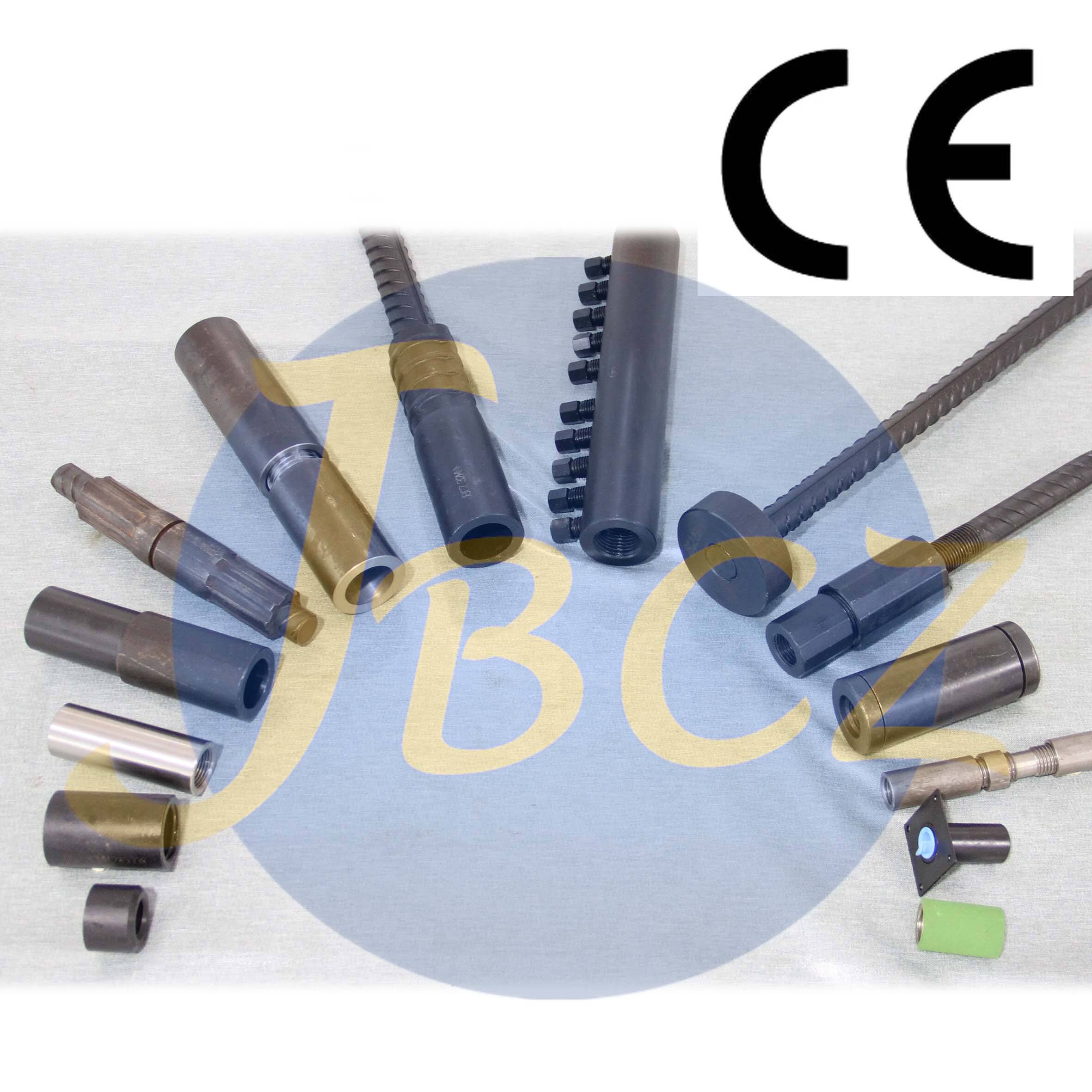
The CE certification distinguishes the ce certified rebar coupler as a product that has successfully navigated comprehensive conformity assessment procedures mandated by European Union regulations. This certification mark represents far more than a simple label; it embodies a thorough evaluation process conducted by independent notified bodies that verify compliance with the Construction Products Regulation. The assessment examines manufacturing processes, quality management systems, product testing protocols, and documentation practices to ensure consistent production of couplers that meet declared performance characteristics. For construction professionals, this certification provides invaluable peace of mind, knowing that every ce certified rebar coupler has been manufactured under rigorous quality control measures and subjected to standardized testing procedures. The certification process requires manufacturers to maintain detailed technical documentation, including design calculations, material specifications, production records, and test results that demonstrate compliance with relevant harmonized standards. Independent surveillance audits occur regularly to verify ongoing conformity, ensuring that quality standards remain consistent throughout the product lifecycle. This level of oversight eliminates concerns about substandard products entering the supply chain and protects contractors from liability issues associated with component failure. The ce certified rebar coupler must demonstrate specific performance criteria, including tensile strength equivalent to or exceeding the parent reinforcement bar, adequate fatigue resistance for cyclic loading conditions, and durability under environmental exposure. Testing protocols simulate real-world conditions, subjecting couplers to extreme tensile forces, repeated loading cycles, and accelerated aging processes to verify long-term reliability. Documentation accompanying CE-certified products includes declarations of performance that specify exact technical characteristics, allowing engineers to incorporate accurate data into structural calculations and design specifications. Building authorities worldwide recognize CE certification as evidence of quality and safety, streamlining approval processes and reducing administrative burdens for project teams. The certification creates market confidence, distinguishing premium products from uncertified alternatives that may lack proper testing or quality assurance. For international projects, the ce certified rebar coupler facilitates cross-border trade and simplifies compliance with varying national regulations, as many countries accept CE marking as proof of conformity with essential requirements. The investment in certified products ultimately protects project stakeholders by reducing risks associated with structural failures, warranty claims, and costly remediation work resulting from defective components.
Advanced Engineering and Superior Load Transfer Technology

Advanced Engineering and Superior Load Transfer Technology

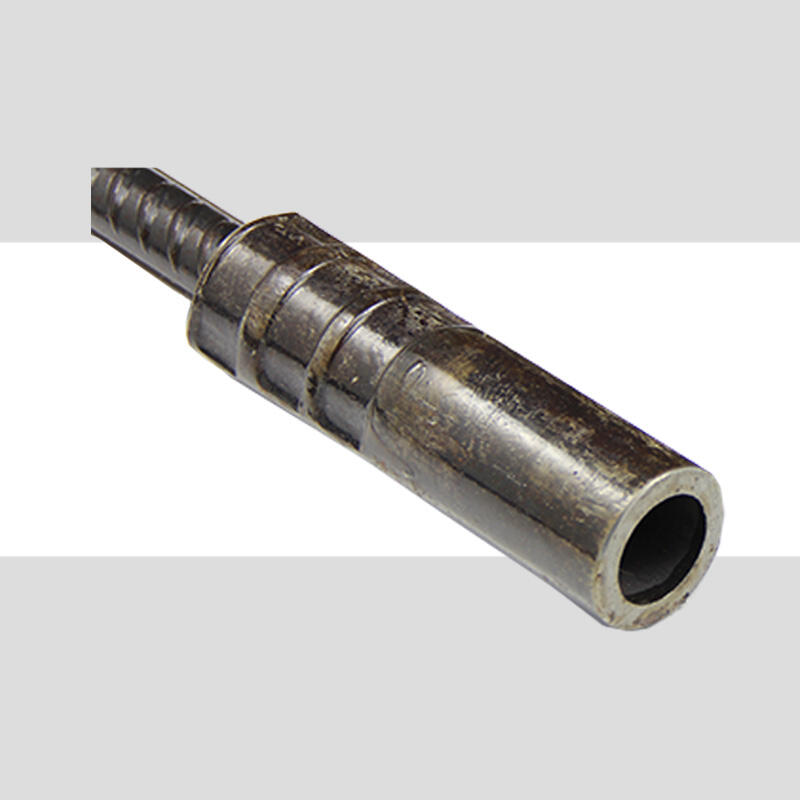
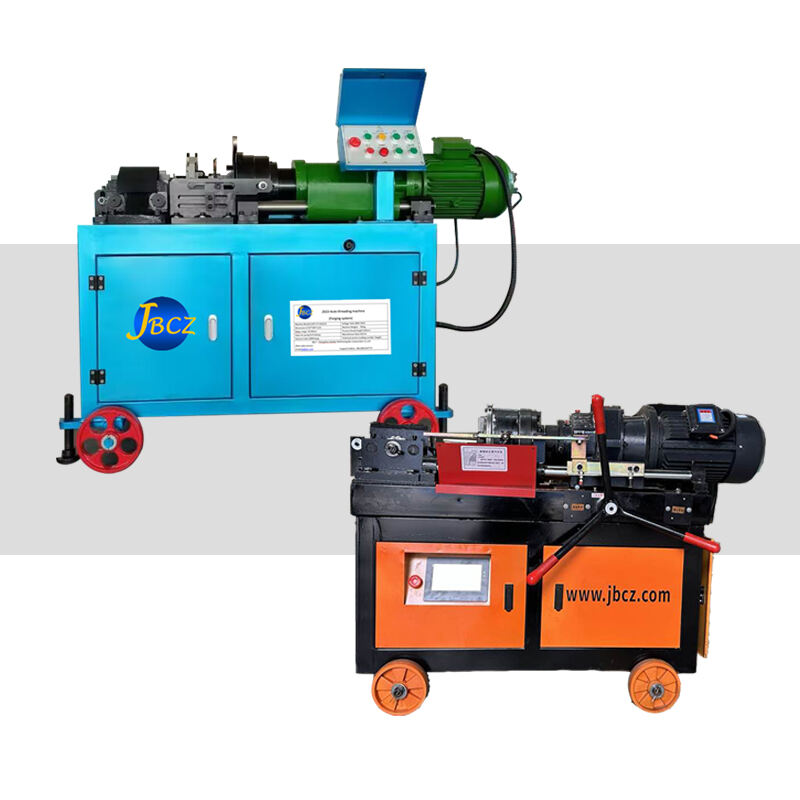
The engineering sophistication behind the ce certified rebar coupler reflects decades of research and development focused on creating mechanical connections that match or exceed the performance of continuous reinforcement bars. The load transfer mechanism employed by these couplers represents a fundamental improvement over traditional lap splicing, which relies on concrete bond strength and requires significant overlap lengths to develop adequate force transfer. In contrast, the ce certified rebar coupler creates a direct mechanical connection that transfers tensile, compressive, and in some designs, moment forces through precision-engineered components rather than depending on concrete properties. Threading technology forms the foundation of many coupler systems, utilizing either parallel threads or taper threads machined to exacting tolerances that ensure proper engagement and load distribution. Parallel threaded systems feature consistent thread profiles along the entire length, allowing for adjustable positioning and simplified installation procedures that accommodate field conditions and construction tolerances. Taper threaded designs incorporate gradually changing thread diameters that create wedging action during installation, generating superior grip and load transfer characteristics ideal for high-capacity applications. Manufacturing precision ensures that thread profiles maintain dimensional accuracy within micrometers, preventing stress concentrations that could compromise connection strength. Material selection plays a crucial role in coupler performance, with high-grade alloy steels providing the necessary strength, ductility, and toughness to withstand extreme loading conditions without failure. Heat treatment processes enhance material properties, creating optimal hardness profiles that resist thread stripping while maintaining sufficient ductility to accommodate structural movements. The ce certified rebar coupler undergoes finite element analysis during design phases, allowing engineers to optimize geometry, minimize stress concentrations, and predict performance under complex loading scenarios. Installation systems vary by manufacturer but generally involve either threading the reinforcement bar ends directly, threading after bar installation using specialized equipment, or utilizing swaging techniques that mechanically compress sleeves onto bar surfaces. Quality control during installation ensures proper torque application, thread engagement length, and alignment, with many systems incorporating visual indicators or torque-limiting devices that confirm correct assembly. The resulting connection develops the full yield strength and ultimate tensile capacity of the reinforcement bars, satisfying code requirements for Type 1 or Type 2 mechanical splices depending on performance characteristics. Fatigue testing demonstrates that properly installed couplers withstand millions of loading cycles without degradation, making them suitable for structures subjected to dynamic loads such as bridges, cranes, and seismic-resistant buildings.
Versatile Applications and Construction Efficiency Benefits

Versatile Applications and Construction Efficiency Benefits

The ce certified rebar coupler transforms construction methodologies by enabling innovative approaches to reinforcement placement, project sequencing, and structural solutions that traditional methods cannot achieve. Versatility stands as a defining characteristic, with these mechanical connectors accommodating diverse project types, structural configurations, and construction challenges across residential, commercial, industrial, and infrastructure sectors. High-rise construction particularly benefits from coupler technology, where vertical reinforcement continuity through multiple floors requires reliable connections at designated splice locations, typically at mid-story positions where structural demands allow interruption of continuous bars. The ce certified rebar coupler eliminates congestion problems common at floor levels where traditional lap splices create dense rebar clusters that impede concrete flow and compromise structural integrity. Bridge construction leverages coupler advantages when connecting precast elements, splicing bars in pier columns, or accommodating construction joints in continuous spans where seamless load transfer proves essential. Tunnel and underground projects utilize couplers extensively for connecting reinforcement in segmental linings, facilitating sequential excavation and support installation while maintaining structural continuity. Seismic retrofit applications rely on these mechanical connections to integrate new reinforcement with existing structures, creating reliable load paths that enhance earthquake resistance without extensive demolition. Prefabrication strategies become practical when using the ce certified rebar coupler, allowing fabrication of reinforcement cages in controlled factory environments where quality control, worker safety, and production efficiency exceed site conditions. Transportable cage sections connect rapidly at the construction site, reducing on-site labor requirements and accelerating construction schedules significantly. Restricted access situations where physical space limitations prevent adequate lap lengths find solutions through compact couplers that create full-strength connections in minimal distances. Connecting bars of different diameters, which traditional lapping cannot effectively achieve, becomes straightforward with transition couplers designed specifically for dissimilar bar sizes. Repair and strengthening projects employ couplers to integrate supplemental reinforcement with existing bars, providing structural enhancement without compromising original construction. The ce certified rebar coupler supports sustainable construction practices by reducing material waste, lowering embodied carbon through decreased steel consumption, and improving construction efficiency that reduces project duration and associated environmental impacts. Installation simplicity means that workers with basic training can achieve consistent, reliable connections, reducing dependency on highly specialized labor and improving project flexibility. Documentation and traceability features inherent in certified products provide audit trails that satisfy quality assurance requirements for critical structures, demonstrating compliance with specifications and building codes. Economic advantages accumulate across multiple project phases, from reduced material procurement costs and lower transportation expenses to decreased labor hours and accelerated construction timelines that reduce financing costs and enable earlier project completion.