Taper Threaded Coupler: High-Strength Rebar Connection Solution for Modern Construction

All Categories

Get a Free Quote

Our representative will contact you soon.
Email
Name
Company Name
Message
0/1000

taper threaded coupler

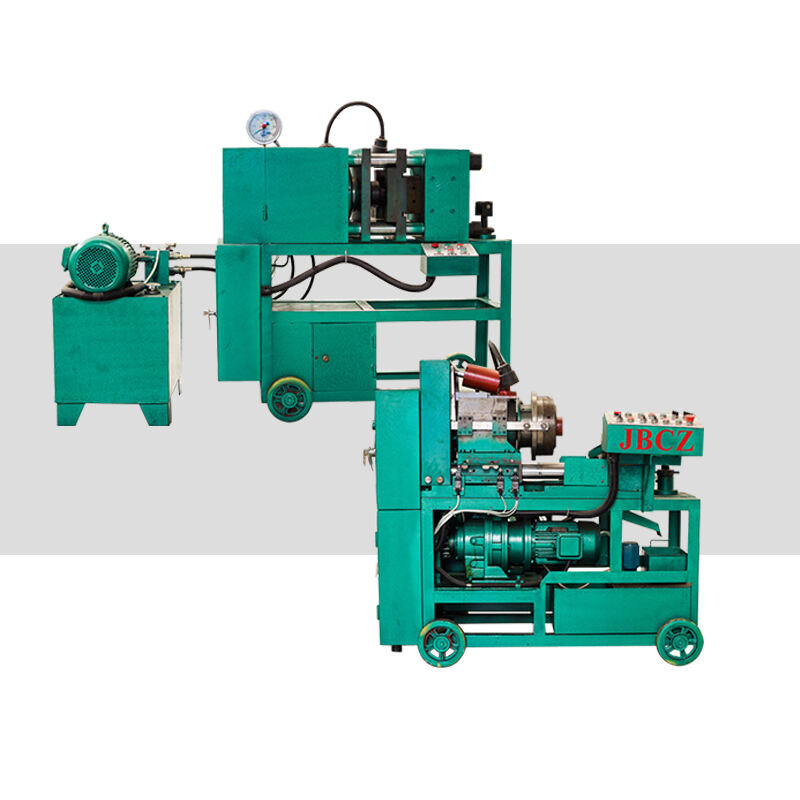
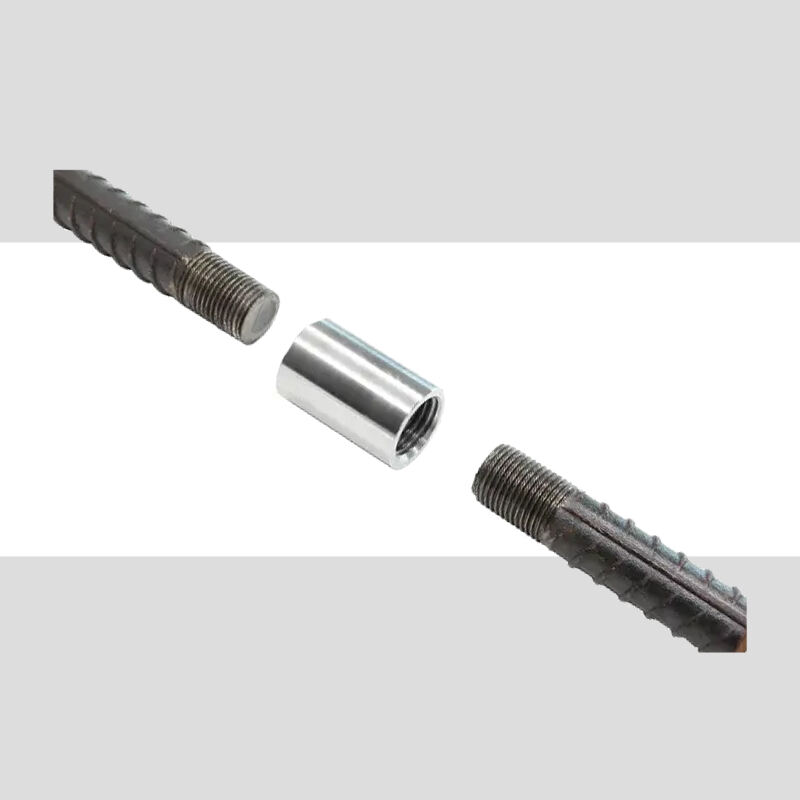
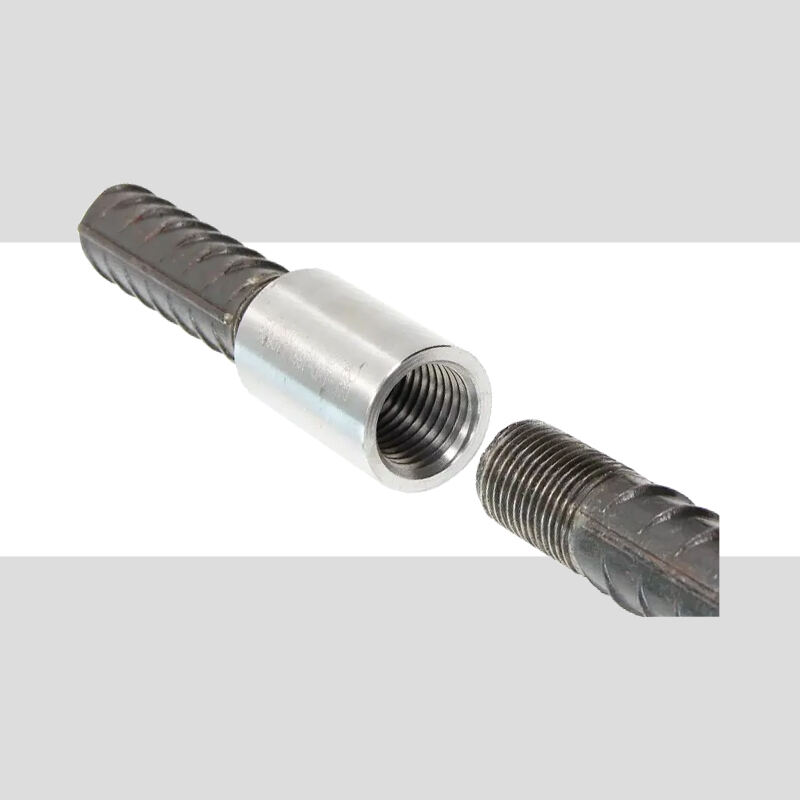
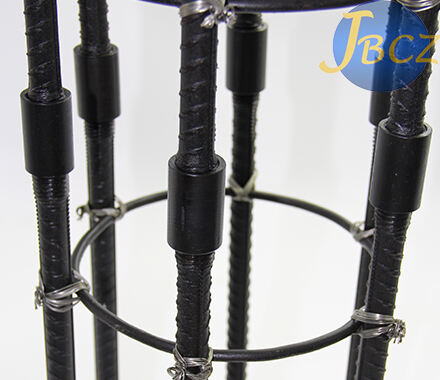
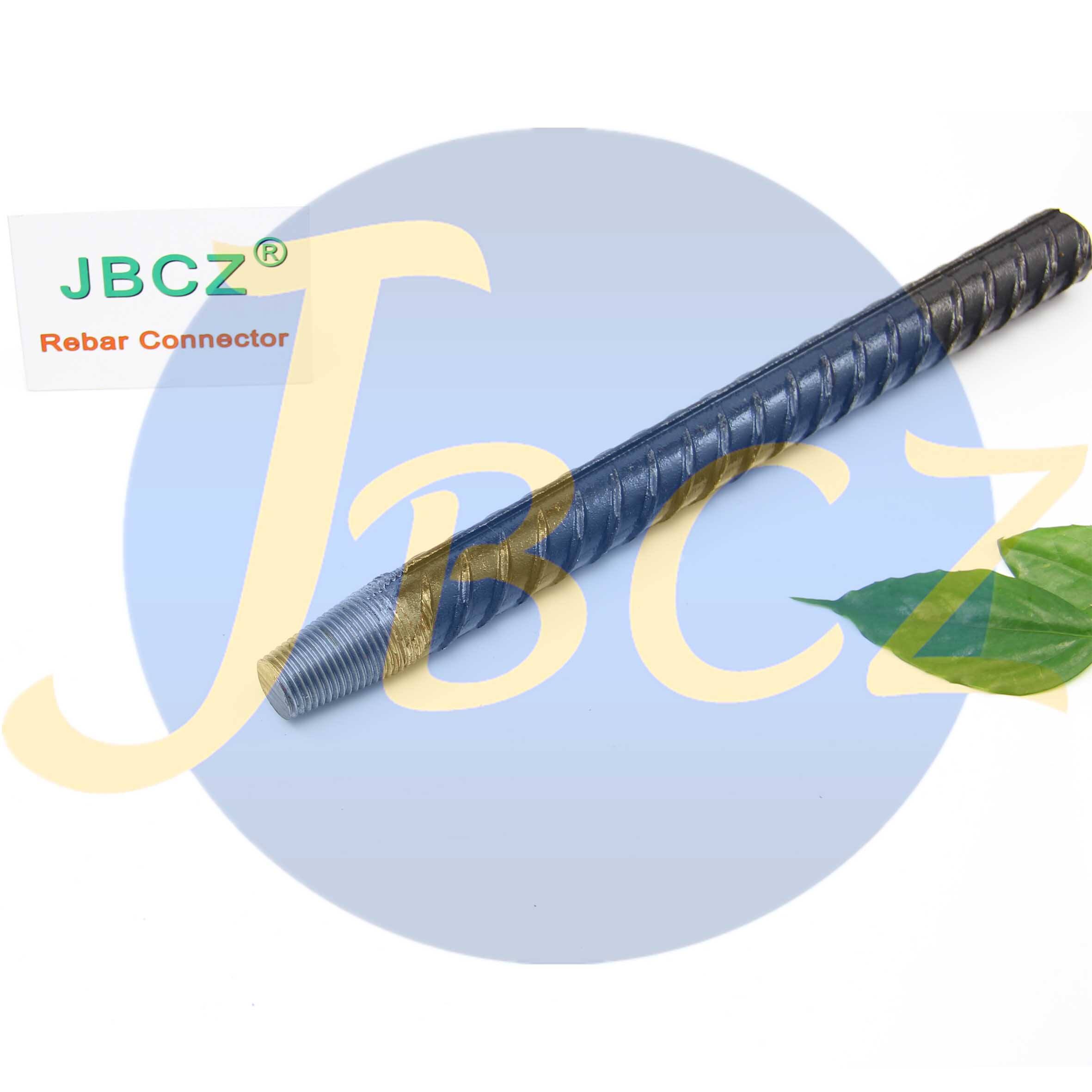
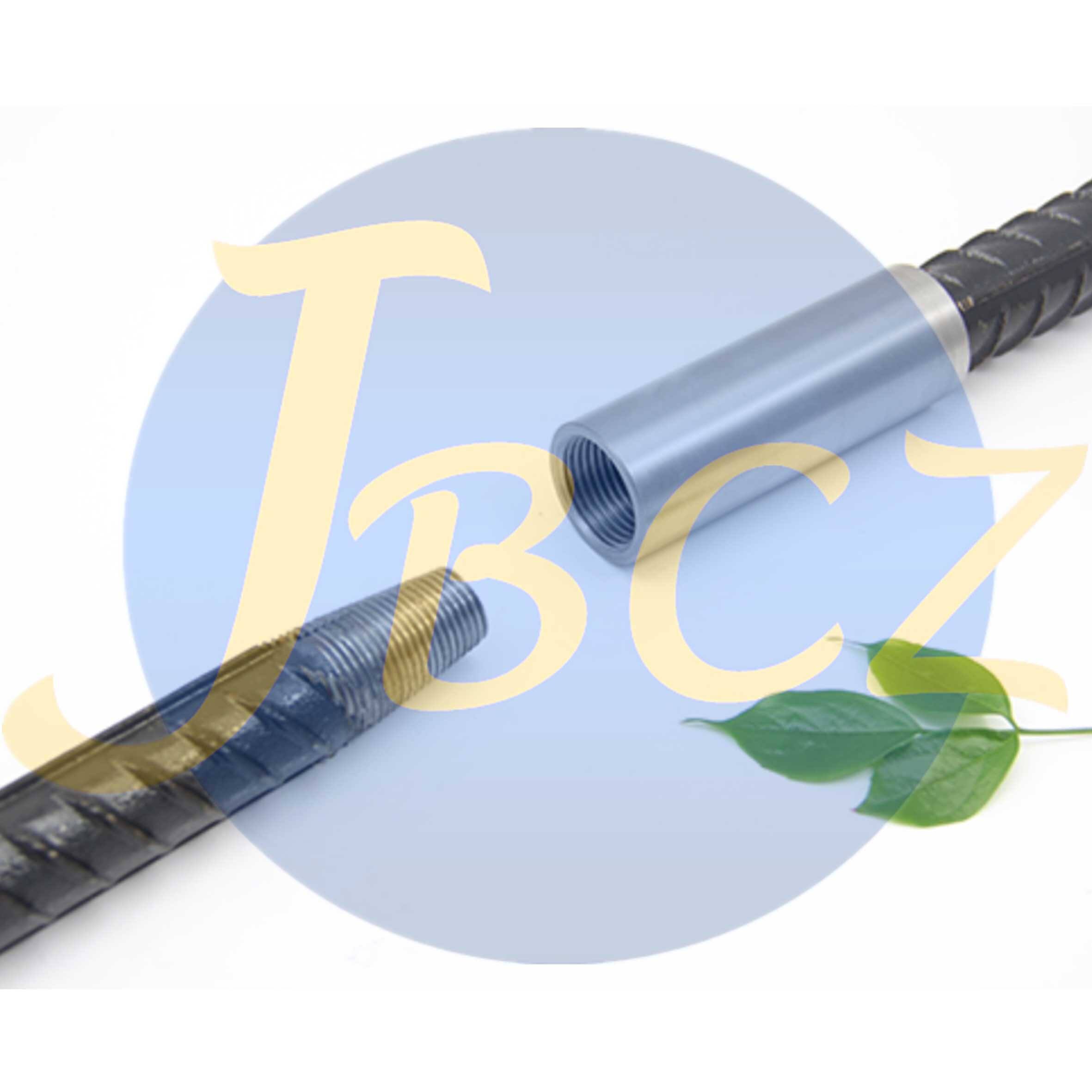
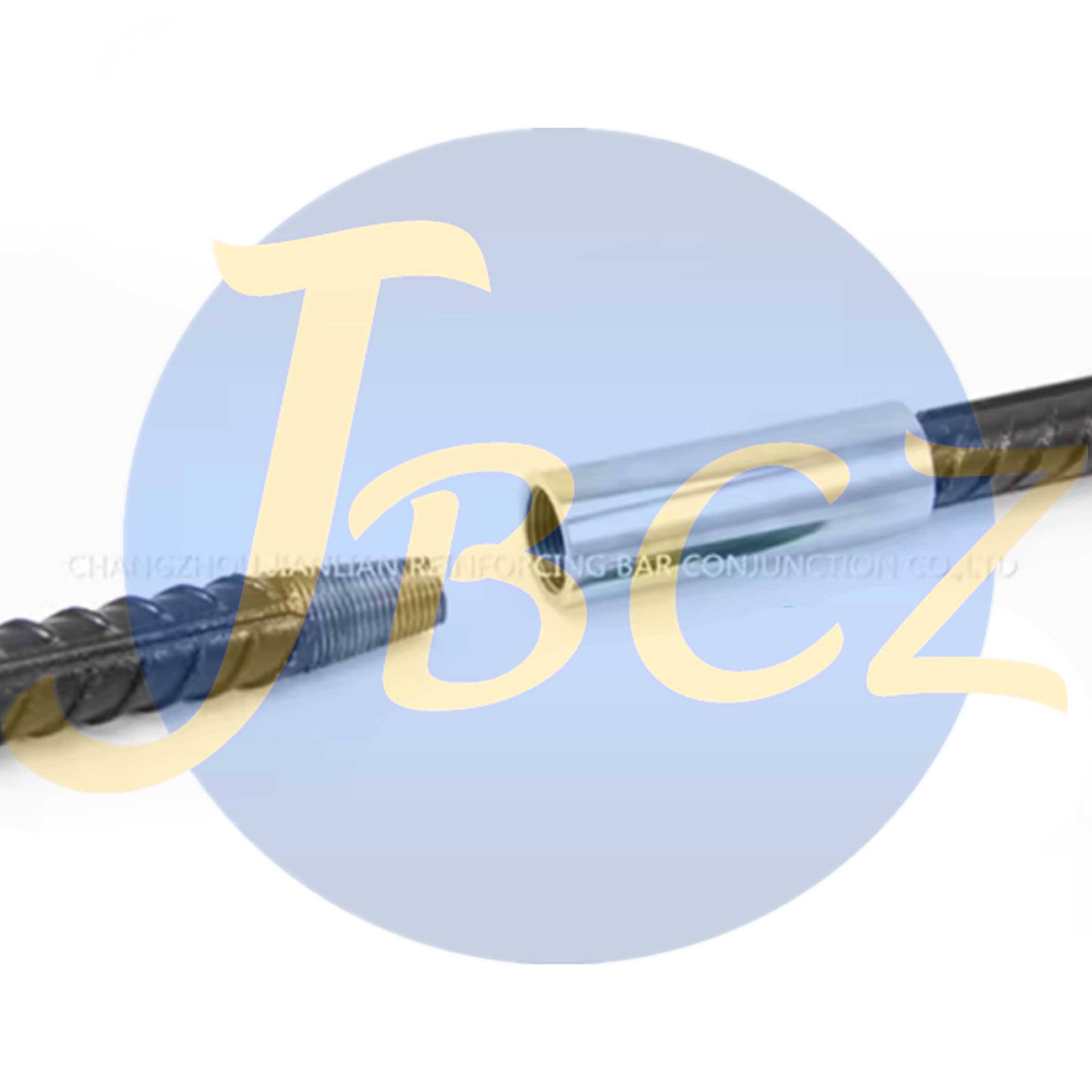
The taper threaded coupler represents an essential mechanical connection component designed specifically for joining reinforcing steel bars in concrete construction projects. This precision-engineered device features internal threads with a tapered profile that creates an exceptionally strong and reliable joint between two rebar sections. The taper threaded coupler operates by threading onto specially prepared rebar ends that have been machined with matching tapered threads, forming a mechanical splice that transfers loads efficiently from one bar to another. The main function of this coupling system involves providing structural continuity in reinforced concrete frameworks where standard rebar lengths prove insufficient or where construction joints require robust connections. The technological features of the taper threaded coupler include precision-manufactured internal threading that matches the tapered profile of prepared rebar ends, high-grade steel construction that ensures durability and load-bearing capacity, and a design that maintains the full tensile strength of connected reinforcement bars. The taper angle typically ranges between specific engineering tolerances to guarantee optimal thread engagement and stress distribution across the joint. Manufacturing processes involve advanced machining techniques, heat treatment for enhanced mechanical properties, and rigorous quality control measures to ensure each coupler meets international construction standards. Applications for the taper threaded coupler span numerous construction scenarios including high-rise buildings, bridge construction, underground structures, tunnel projects, industrial facilities, and seismic-resistant structures. These couplers prove particularly valuable in situations where welding or lapping reinforcement bars becomes impractical, unsafe, or economically inefficient. The construction industry relies on taper threaded couplers for vertical reinforcement connections in tall structures, horizontal beam extensions, foundation work, and precast concrete element assembly. The system accommodates various rebar diameters, typically ranging from smaller sizes to large-diameter bars used in heavy construction. Installation requires specialized threading equipment to prepare rebar ends with matching tapered threads, ensuring proper fit and performance. The taper threaded coupler system offers significant advantages over traditional connection methods, including reduced congestion at connection points, improved construction speed, enhanced quality control, and reliable performance under various loading conditions including tension, compression, and cyclic stress scenarios.

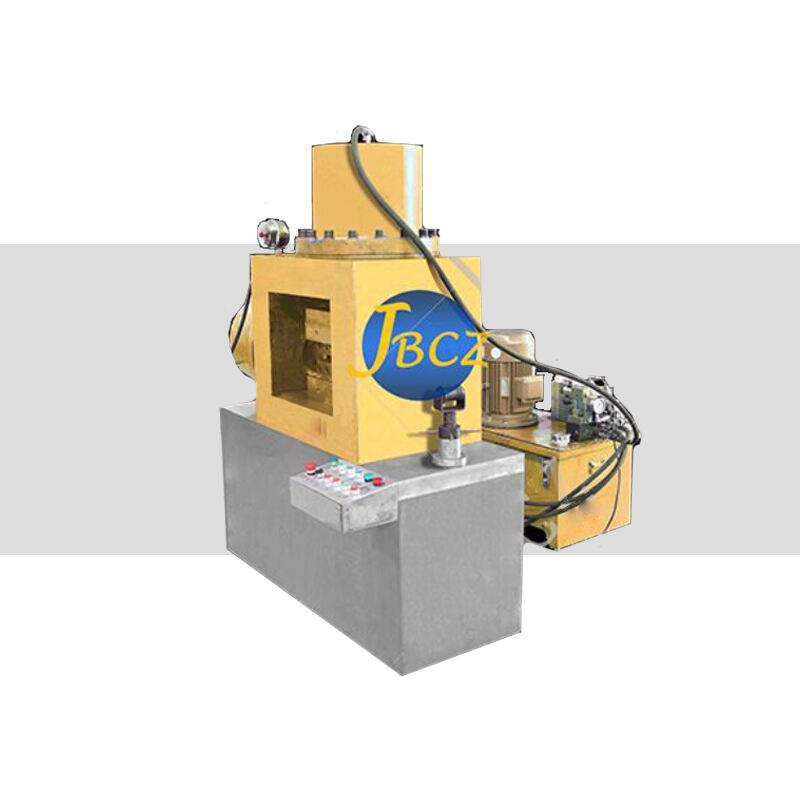
New Product Recommendations

The taper threaded coupler delivers numerous practical benefits that directly impact construction efficiency, structural integrity, and project economics. First and foremost, this connection system provides exceptional strength that matches or exceeds the tensile capacity of the connected reinforcement bars themselves. When properly installed, the joint created by a taper threaded coupler can achieve full-strength performance, meaning the connection will not become the weak point in the reinforced concrete structure. This reliability gives engineers and contractors confidence in their structural designs and eliminates concerns about connection failure under normal and extreme loading conditions. The installation process offers significant time savings compared to traditional lapping methods, where reinforcement bars must overlap considerably, requiring additional material and labor for tying. With taper threaded couplers, workers can quickly thread prepared rebar ends into the coupling sleeve, creating a secure connection in minutes rather than the extended time required for lapping and tying operations. This speed advantage translates directly into reduced labor costs and faster project completion schedules. Another substantial benefit involves material economy, as the coupler eliminates the need for lengthy overlap zones that consume additional reinforcement steel. In large projects, this material savings can amount to significant cost reductions while maintaining or improving structural performance. The system also reduces congestion within concrete formwork, particularly at critical connection points such as beam-column joints or wall connections. Traditional lapping creates dense clusters of overlapping bars that complicate concrete placement and can lead to voids or poor consolidation. Taper threaded couplers create clean, compact connections that allow concrete to flow freely around reinforcement, ensuring proper coverage and bonding. This improved concrete placement results in higher quality finished structures with fewer defects. The couplers also facilitate construction logistics by allowing contractors to work with standard-length rebar sections rather than ordering custom lengths or dealing with transportation challenges associated with extra-long bars. Safety improves on construction sites because workers avoid hazards associated with handling extremely long or heavy reinforcement sections. The mechanical connection created by taper threaded couplers performs reliably in various environmental conditions, including seismic zones where structures must withstand cyclic loading and potential earthquake forces. Testing has demonstrated that properly installed taper threaded couplers maintain their integrity through repeated stress cycles, providing crucial ductility and energy dissipation capabilities. Quality control becomes more manageable because each connection point can be inspected and verified independently, unlike lapped connections where internal tie wire and overlap adequacy remain hidden within concrete. Contractors can document installation torque values and perform visual inspections to ensure every coupler meets specification requirements before concrete placement.

Practical Tips

Features of rebar splices and precautions for their use

10

Jul

Features of rebar splices and precautions for their use

View More
Six ways to regulate rebar splices

10

Jul

Six ways to regulate rebar splices

View More
Take a look at the rebar coupler

10

Jul

Take a look at the rebar coupler

View More
JBCZ has received the certification of UK CARES

10

Jul

JBCZ has received the certification of UK CARES

View More

Get a Free Quote

Our representative will contact you soon.
Email
Name
Company Name
Message
0/1000

taper threaded coupler

Superior Load Transfer and Structural Performance

Superior Load Transfer and Structural Performance

The taper threaded coupler distinguishes itself through exceptional load transfer characteristics that stem from its precisely engineered tapered thread design. Unlike parallel threaded connections that concentrate stress at specific points, the tapered configuration distributes forces gradually along the entire threaded engagement length. This graduated stress distribution prevents stress concentration points that could lead to premature failure or progressive damage under cyclic loading conditions. The taper angle has been optimized through extensive engineering analysis and physical testing to achieve ideal load sharing among thread roots and flanks throughout the connection. When reinforcement bars experience tensile forces during concrete loading, the taper threaded coupler transmits these forces efficiently from one bar through the coupling sleeve to the connecting bar without significant stress elevation at the joint. This seamless load transfer maintains structural continuity as if the reinforcement were a single continuous element. The mechanical advantage of the tapered thread form also creates a wedging effect during tightening, which generates increased contact pressure between mating threads as installation torque increases. This pressure enhances the friction grip and mechanical interlock between components, contributing to joint stability and resistance to loosening under vibration or dynamic loads. Metallurgical properties of the coupler material complement the geometric design, with high-grade steel providing adequate yield strength, ultimate tensile capacity, and ductility to accommodate the demanding stress states present in reinforced concrete structures. Heat treatment processes applied during manufacturing optimize the microstructure for balanced strength and toughness, preventing brittle failure modes while maintaining adequate hardness for thread durability. The full-strength performance capability means structural engineers can design reinforced concrete elements without applying reduction factors for connection capacity, simplifying calculations and permitting optimal material utilization. Testing protocols verify that taper threaded couplers meet or exceed requirements specified in international standards, including static tensile tests, fatigue performance evaluation, and seismic simulation testing. Field performance data accumulated over decades of use in countless construction projects worldwide confirms the reliability and durability of properly installed taper threaded coupler connections, even in harsh environmental conditions and demanding structural applications.
Streamlined Installation Process and Construction Efficiency

Streamlined Installation Process and Construction Efficiency

The installation methodology for taper threaded couplers has been refined to maximize construction productivity while maintaining rigorous quality standards. Preparation begins with cutting reinforcement bars to required lengths using standard cutting equipment, followed by thread machining operations that create the tapered thread profile on bar ends. Modern threading machines designed specifically for this application can process rebar quickly with minimal operator training, and portable units allow on-site threading when project logistics favor decentralized preparation. The threading operation removes a controlled amount of material to form threads that precisely match the internal thread profile of the coupler, ensuring proper fit and engagement. Thread geometry tolerances are maintained within strict limits to guarantee consistent performance across all connections, and thread gauges allow quality verification before installation. Once rebar ends have been prepared, actual coupling installation proceeds rapidly, with workers simply threading the coupler onto one prepared bar end until approximately half the coupler length has engaged, then threading the connecting bar into the opposite end of the coupler. Tightening continues until bars bottom out inside the coupler or until specified torque values are achieved, depending on the particular system specifications. This straightforward process eliminates the need for specialized skills beyond basic mechanical aptitude and the ability to operate threading equipment and torque wrenches. Installation can proceed in any weather conditions without concerns about moisture, temperature, or environmental factors that affect welded connections. The compact connection geometry permits installation in confined spaces and congested reinforcement layouts where alternative methods would prove impractical. Progress rates significantly exceed those achievable with lapped connections, particularly for large-diameter bars where lap lengths become substantial. A skilled installation crew can complete numerous connections per hour, maintaining steady workflow and preventing reinforcement placement from becoming a project bottleneck. Quality documentation is straightforward, with installation records capturing bar identification, coupler serial numbers when applicable, threading gauge results, and final torque readings. This traceability provides project stakeholders with confidence in connection integrity and facilitates compliance verification for building inspections and regulatory approvals. The elimination of hot work permits associated with welding removes administrative burdles and allows installation to proceed without fire watch requirements or special safety precautions beyond standard construction site protocols.
Versatile Application Range and Adaptability

Versatile Application Range and Adaptability

The taper threaded coupler system demonstrates remarkable versatility across diverse construction scenarios and structural applications, making it an invaluable solution for modern building practices. Vertical applications represent perhaps the most common use case, with couplers facilitating column reinforcement continuity in multi-story buildings where single-piece reinforcement bars cannot practically extend through multiple floors. High-rise construction particularly benefits from this capability, as columns may extend hundreds of feet vertically, requiring numerous splices throughout their height. The taper threaded coupler allows contractors to work with manageable reinforcement lengths, typically corresponding to single floor heights, while maintaining full structural continuity through mechanical connections at each floor level. Horizontal applications include beam reinforcement extensions, where structural spans exceed available rebar lengths, and slab reinforcement connections in large floor plates or bridge decks. Foundation work utilizes couplers to connect pile cage reinforcement or to splice dowels projecting from completed foundation elements with column starter bars. Precast concrete construction relies heavily on mechanical splicing systems to connect reinforcement between precast elements and cast-in-place sections, creating composite structural systems that combine the quality control advantages of precasting with the continuity of monolithic construction. The taper threaded coupler accommodates various rebar grades and specifications, functioning effectively with different steel compositions and mechanical properties common in international construction markets. Size ranges typically span from modest diameters suitable for residential construction through heavy sections required for infrastructure projects, bridges, and industrial facilities. Special applications include seismic retrofit projects where existing structures receive reinforcement upgrades to improve earthquake resistance, with couplers connecting new reinforcement to embedded bars in existing concrete. Nuclear facilities, power plants, and other critical infrastructure projects specify taper threaded couplers for their reliability and quality assurance capabilities. Marine structures, water treatment facilities, and other environments with corrosion concerns can utilize couplers manufactured from corrosion-resistant materials or with protective coatings that extend service life in aggressive conditions. Tunnel construction employs these couplers for segmental lining connections and for joining reinforcement in cast-in-place tunnel sections. The adaptability extends to repair and renovation scenarios where damaged reinforcement requires replacement or where structural modifications necessitate new connections to existing reinforcement systems.