Thread Cutting Machine: Precision Threading Solutions for Modern Manufacturing

All Categories

Get a Free Quote

Our representative will contact you soon.
Email
Name
Company Name
Message
0/1000

thread cutting machine

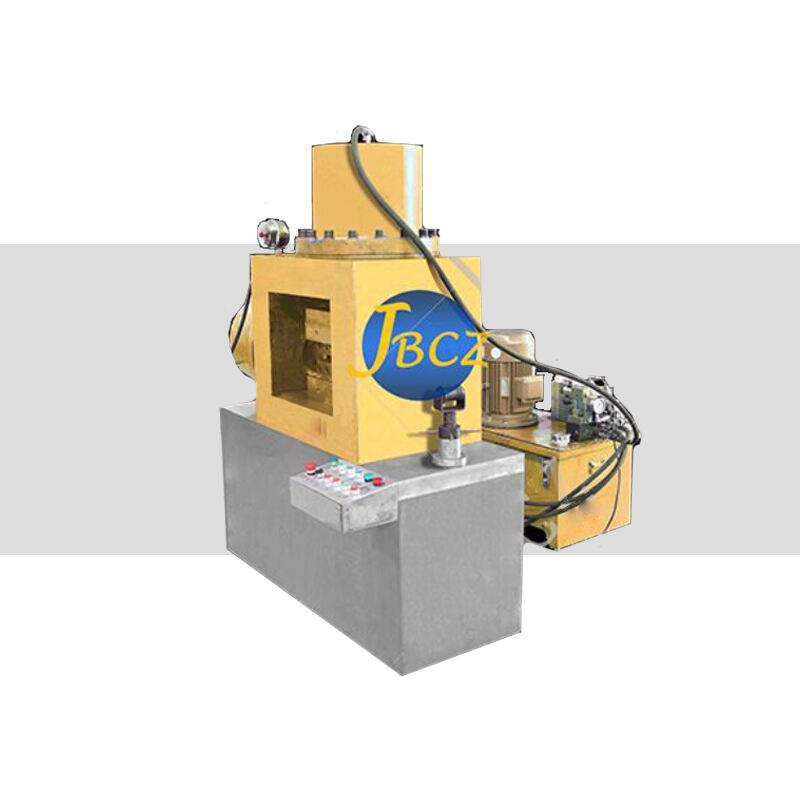
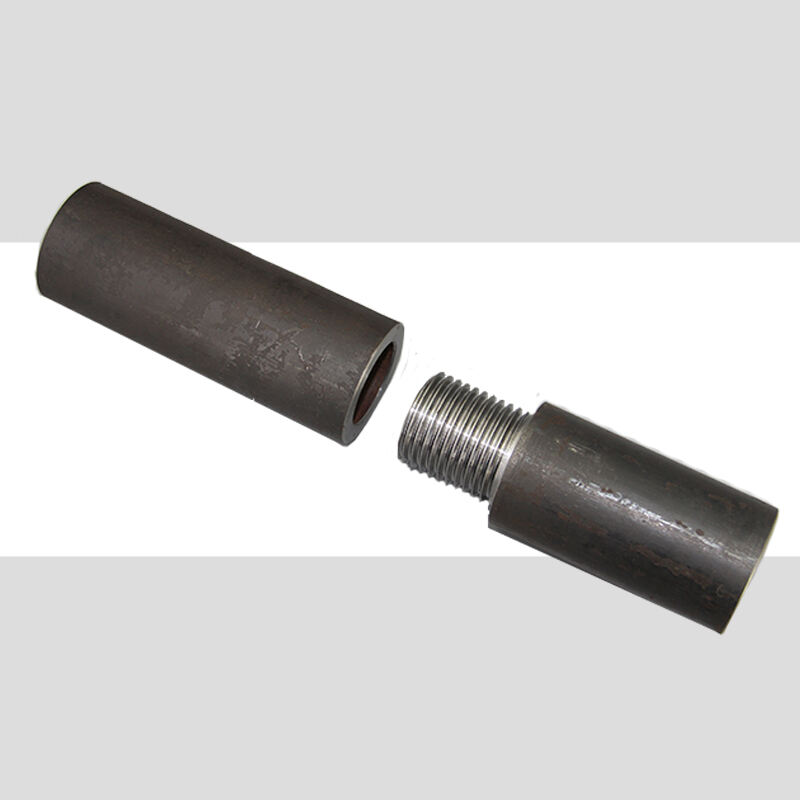
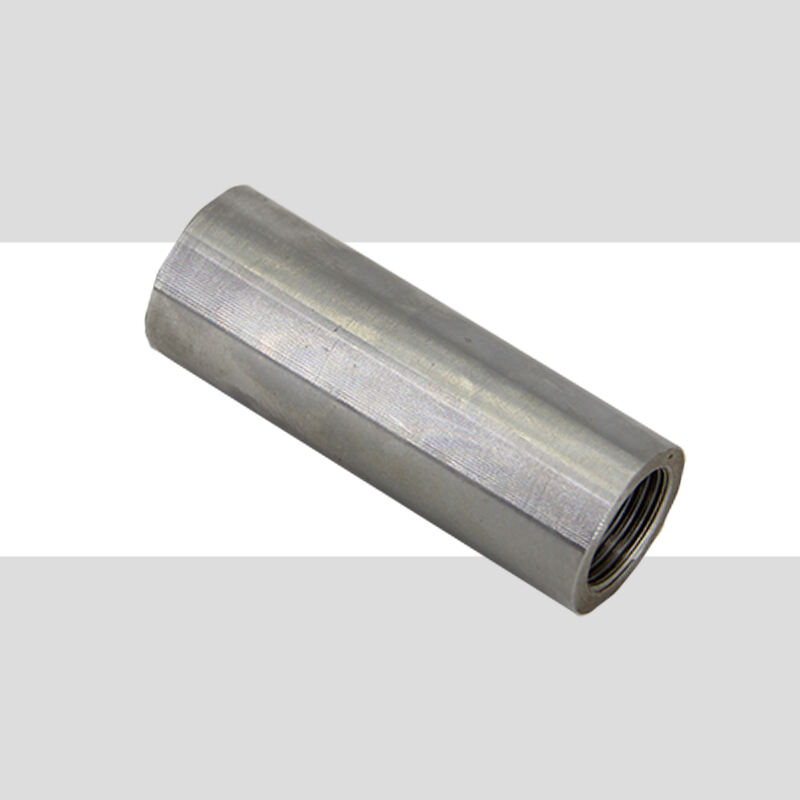
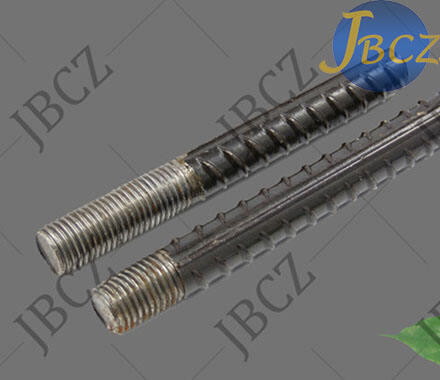
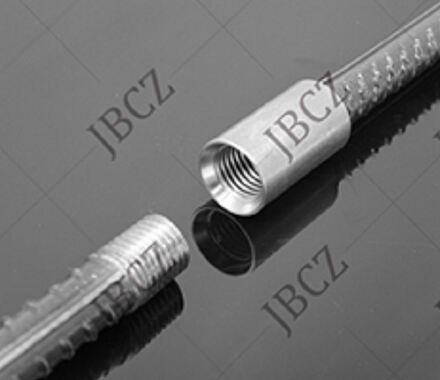
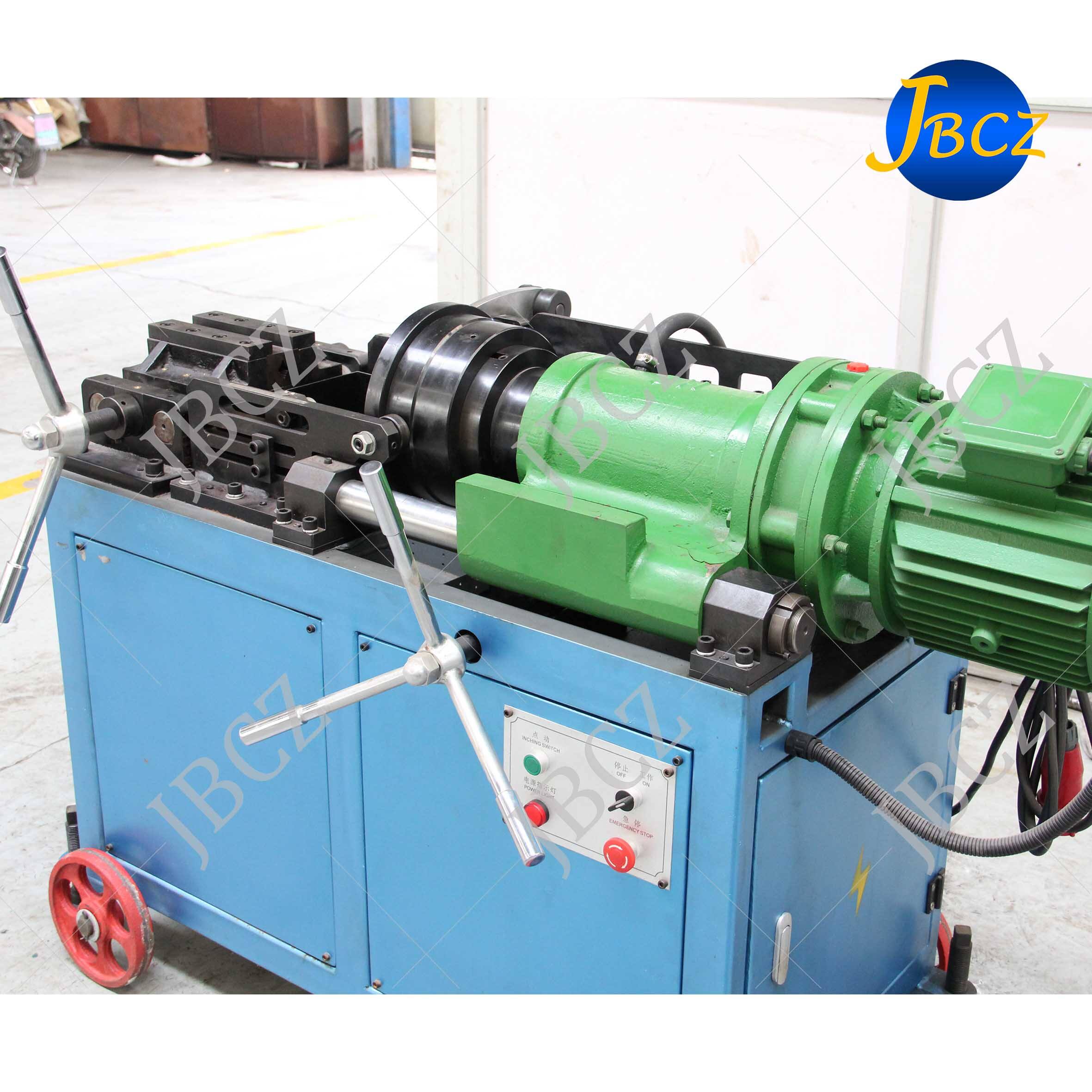
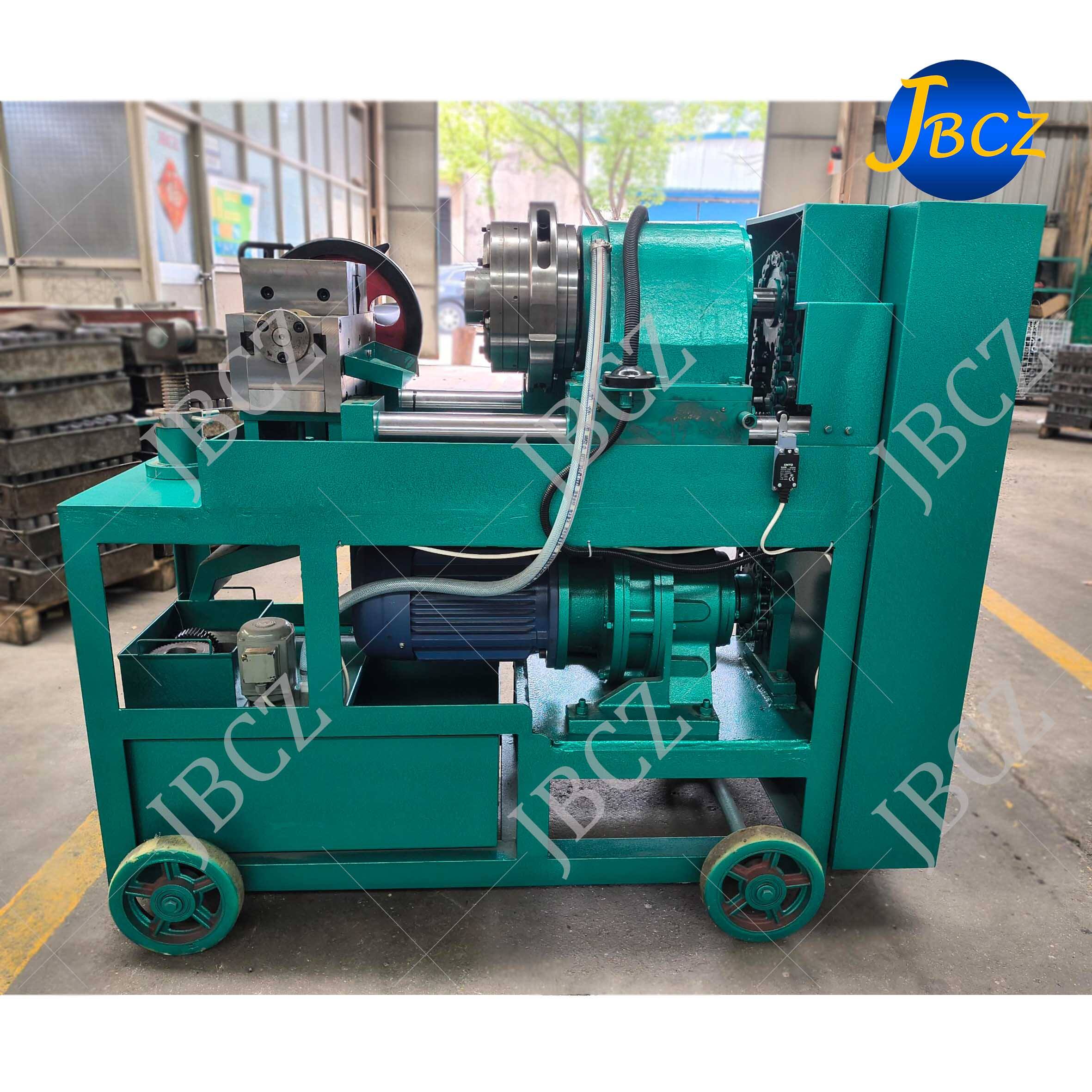
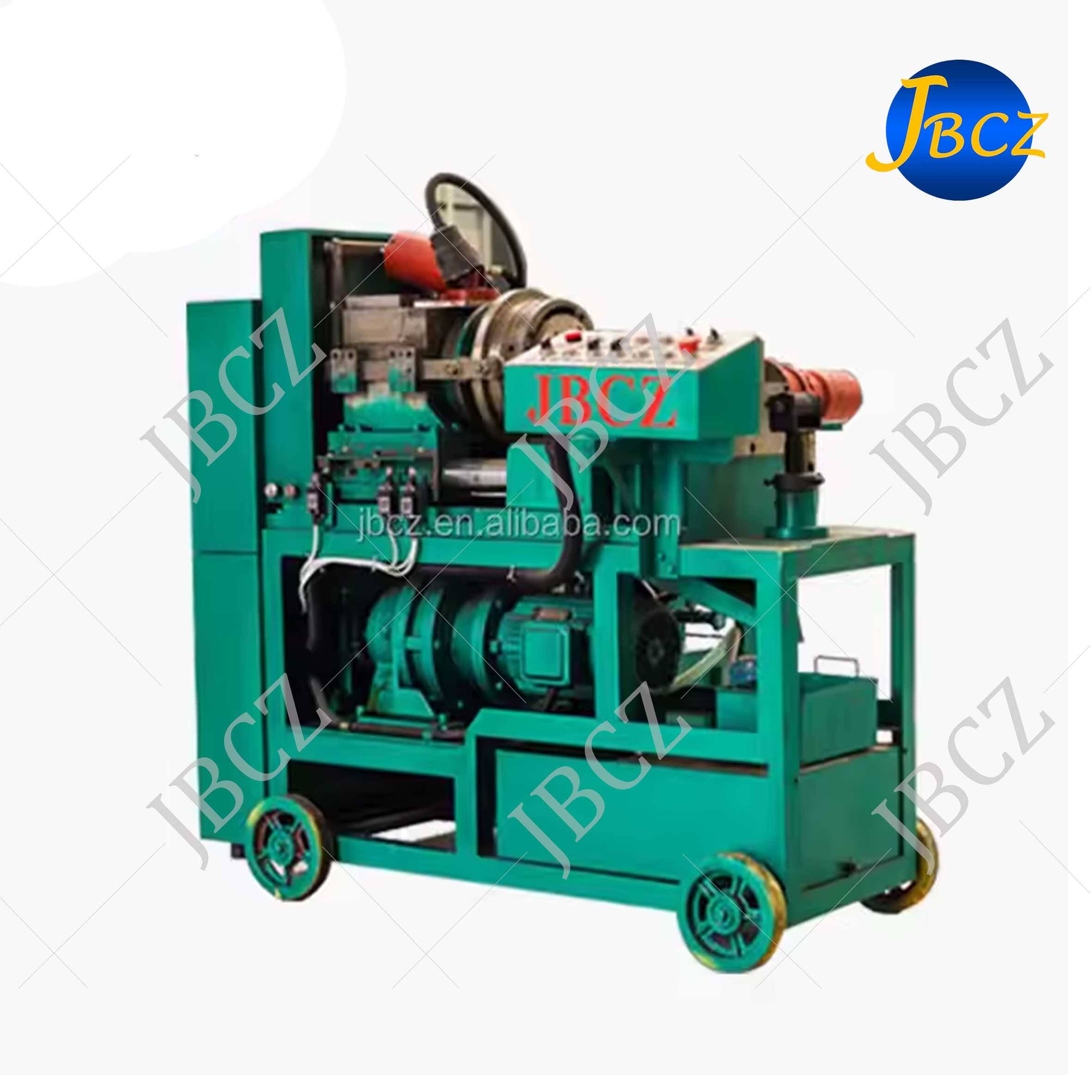
A thread cutting machine represents an essential piece of industrial equipment designed to create precise external and internal threads on various workpieces with remarkable accuracy and efficiency. This specialized machinery operates through advanced mechanical processes that form helical ridges on cylindrical surfaces, transforming plain metal rods, pipes, and components into threaded fasteners and connectors. Modern thread cutting machines incorporate sophisticated engineering principles to deliver consistent results across diverse manufacturing applications. The primary function of a thread cutting machine revolves around generating standardized or custom thread profiles that meet international specifications including metric, unified, and specialized thread forms. These machines accommodate different materials ranging from soft metals like aluminum and brass to hardened steel alloys, providing manufacturers with versatile production capabilities. The technological features integrated into contemporary thread cutting machines include programmable control systems, automated feeding mechanisms, precision tool positioning, and real-time monitoring capabilities that ensure optimal performance throughout production cycles. Advanced models feature digital interfaces that allow operators to input exact specifications, adjusting parameters such as thread pitch, depth, diameter, and lead angles with exceptional precision. The cutting tools employed in these machines utilize carbide inserts or high-speed steel bits engineered to maintain sharpness and dimensional accuracy even during extended production runs. Applications for thread cutting machines span numerous industries including automotive manufacturing, aerospace engineering, construction hardware production, plumbing fixture fabrication, and general machinery assembly. These machines prove invaluable in creating threaded components for bolts, screws, studs, pipe fittings, valve bodies, and countless other products requiring reliable mechanical connections. The versatility of thread cutting machines enables both high-volume production environments and custom fabrication shops to achieve consistent quality standards while maintaining cost-effective operations that support competitive market positioning.

New Product Releases

Investing in a thread cutting machine delivers substantial benefits that directly impact your production efficiency and bottom line profitability. First and foremost, these machines dramatically reduce labor costs by automating what would otherwise require skilled manual work, allowing a single operator to manage multiple production tasks simultaneously. This automation translates to faster turnaround times, enabling your facility to complete orders ahead of schedule and take on additional projects that boost revenue streams. The precision offered by modern thread cutting machines eliminates the inconsistencies associated with manual threading methods, ensuring every piece meets exact specifications without requiring extensive quality control interventions. This consistency reduces material waste significantly, as fewer parts get rejected due to dimensional errors or improper thread formation. Your business saves money on raw materials while simultaneously building a reputation for reliable quality that attracts repeat customers and premium contracts. The versatility these machines provide cannot be overstated, as they handle various thread types and sizes through simple adjustments rather than requiring completely different equipment for each specification. This flexibility means you can expand your service offerings without massive capital investments, responding quickly to changing market demands and customer requirements. Maintenance requirements remain minimal compared to older threading technologies, with robust construction ensuring years of dependable operation that maximizes your return on investment. The user-friendly controls found on contemporary thread cutting machines reduce training time for new operators, allowing your workforce to become productive quickly without extensive specialized education. Safety features built into these systems protect workers from common hazards associated with metal cutting operations, reducing workplace injuries and the associated costs of accidents and downtime. Energy efficiency represents another practical advantage, as modern designs consume less power while delivering superior performance compared to legacy equipment. The compact footprint of many thread cutting machines makes them suitable for facilities with limited floor space, allowing you to maintain production capacity without requiring expensive facility expansions. Digital monitoring systems provide real-time feedback on tool wear and performance metrics, enabling predictive maintenance schedules that prevent unexpected breakdowns during critical production periods. These machines integrate seamlessly with existing manufacturing workflows, supporting both standalone operation and coordinated production line configurations that optimize overall facility output.

Latest News

What is a Reducing Coupler and How is it Used in Plumbing Systems?

10

Jul

What is a Reducing Coupler and How is it Used in Plumbing Systems?

View More
Ensuring Structural Integrity: The Role of Rebar Couplers in Concrete Joints

10

Jul

Ensuring Structural Integrity: The Role of Rebar Couplers in Concrete Joints

View More
Features of rebar splices and precautions for their use

10

Jul

Features of rebar splices and precautions for their use

View More
Six ways to regulate rebar splices

10

Jul

Six ways to regulate rebar splices

View More

Get a Free Quote

Our representative will contact you soon.
Email
Name
Company Name
Message
0/1000

thread cutting machine

Unmatched Precision Engineering for Superior Thread Quality

Unmatched Precision Engineering for Superior Thread Quality

The thread cutting machine distinguishes itself through extraordinary precision capabilities that fundamentally transform manufacturing operations and product quality standards. At the core of this precision lies sophisticated measuring systems that continuously monitor cutting depth, tool position, and workpiece alignment throughout every operation cycle. These monitoring systems utilize advanced sensor technology that detects variations measured in micrometers, automatically compensating for any deviations before they affect the finished product. This level of accuracy proves especially critical when producing threads for applications demanding perfect fitment, such as aerospace components where safety depends on absolute dimensional correctness. The rigid construction of quality thread cutting machines provides the stable platform necessary for maintaining these tight tolerances even during high-speed operations. Heavy-duty frames manufactured from cast iron or welded steel structures absorb vibrations that would otherwise compromise thread quality, ensuring smooth cutting action that produces clean, precise helical formations. The spindle assemblies in premium thread cutting machines feature precision bearings that eliminate runout and wobble, contributing directly to thread concentricity that meets or exceeds international standards. Temperature compensation systems account for thermal expansion that occurs during extended production runs, adjusting machine parameters automatically to maintain consistent dimensions regardless of ambient conditions or operational heat generation. Tool holding systems employ advanced clamping mechanisms that secure cutting implements with exceptional rigidity, preventing tool deflection that could introduce errors into thread geometry. Programmable controllers allow operators to store hundreds of different thread specifications, recalling exact settings instantly when switching between production jobs. This eliminates the trial-and-error approach often necessary with manual setups, reducing setup time while guaranteeing first-piece accuracy that prevents costly material waste. The precision delivered by thread cutting machines extends product lifespan by creating threads that distribute stress evenly during assembly and use, reducing the likelihood of premature failure in critical applications. Quality threads produced by these machines exhibit superior surface finishes that enhance corrosion resistance and improve assembly characteristics, allowing threaded connections to achieve proper torque values without galling or cross-threading issues.
Revolutionary Productivity Enhancement Through Intelligent Automation

Revolutionary Productivity Enhancement Through Intelligent Automation

Modern thread cutting machines revolutionize manufacturing productivity through comprehensive automation features that eliminate bottlenecks and maximize operational efficiency. Automated feeding systems continuously supply workpieces to the cutting zone without manual intervention, maintaining consistent production flow that dramatically increases output compared to traditional methods. These feeding mechanisms incorporate sensors that verify proper workpiece positioning before initiating cutting cycles, preventing errors that would result in scrapped parts and wasted materials. Automatic tool changers integrated into advanced thread cutting machines enable seamless transitions between different threading operations, accommodating varied thread profiles within single production runs without requiring operator intervention for tool swaps. This capability proves particularly valuable when manufacturing complex components requiring multiple thread types or when producing mixed batches that include different product specifications. Intelligent control systems analyze cutting conditions in real time, automatically adjusting feed rates and cutting speeds to optimize tool life while maintaining production speed. These adaptive controls respond to variations in material hardness or workpiece geometry, ensuring consistent results even when processing materials with inconsistent properties. Bar feeding attachments extend unattended operation periods by providing continuous material supply that allows the thread cutting machine to run through breaks and shift changes, effectively creating round-the-clock production capabilities with minimal supervision. Automatic chip removal systems prevent the accumulation of metal debris that could interfere with cutting operations or damage finished threads, maintaining clean working conditions that support both quality and safety objectives. Production counters and batch tracking features provide managers with accurate data regarding output rates and machine utilization, supporting informed decisions about scheduling and capacity planning. Remote monitoring capabilities available on networked thread cutting machines allow supervisors to track performance metrics from anywhere in the facility or even off-site, receiving instant alerts about potential issues before they escalate into production-stopping problems. The automation inherent in thread cutting machines reduces physical demands on operators, creating more ergonomic work environments that improve job satisfaction while reducing fatigue-related errors. Quick-change fixturing systems minimize the time required to switch between different workpiece sizes or configurations, supporting flexible manufacturing approaches that respond rapidly to changing production requirements without sacrificing efficiency.
Exceptional Versatility Across Materials and Applications

Exceptional Versatility Across Materials and Applications

The thread cutting machine demonstrates remarkable versatility that positions it as an indispensable asset across diverse manufacturing sectors and application requirements. This adaptability begins with the ability to process an extensive range of materials including aluminum alloys, brass, bronze, various steel grades from mild to hardened varieties, stainless steel, titanium, and even specialized alloys used in demanding applications. Each material presents unique cutting challenges related to hardness, ductility, and thermal properties, yet thread cutting machines accommodate these differences through adjustable parameters and appropriate tooling selections. The capability to create different thread forms represents another dimension of versatility, as these machines produce metric threads conforming to ISO standards, unified threads following American specifications, British Standard Whitworth threads, pipe threads including NPT and BSPT configurations, and custom thread profiles designed for specialized applications. This comprehensive thread-forming capability eliminates the need for multiple dedicated machines, reducing capital equipment costs while simplifying inventory management and operator training requirements. Thread cutting machines handle workpieces spanning dramatic size ranges, from miniature precision threads measuring mere millimeters in diameter to large-diameter threads exceeding several inches, providing manufacturing flexibility that supports diverse product portfolios. The machines accommodate various workpiece geometries including solid round stock, hollow tubes and pipes, square or hexagonal bar stock when equipped with appropriate fixtures, and even irregularly shaped components requiring threaded features. Adjustable cutting speeds and feed rates allow operators to optimize performance for specific combinations of material and thread specifications, balancing production speed against tool life and surface finish requirements. Some thread cutting machines offer both external and internal threading capabilities within a single setup, dramatically reducing handling time and improving concentricity between internal and external threaded features on the same component. The ability to perform thread repair operations adds another valuable dimension to these machines, as they can chase damaged threads back to specification, salvaging expensive components that would otherwise require complete replacement. Modular tooling systems expand versatility further by allowing quick changes between different thread cutting methods including single-point cutting, die head threading, and form threading approaches, each offering specific advantages for particular applications. This exceptional versatility means that investing in a quality thread cutting machine provides long-term value that adapts to evolving production requirements, protecting your capital investment against obsolescence while supporting business growth into new markets and product categories.