Transition Rebar Coupler Solutions - Efficient Connections for Different Diameter Reinforcement Bars

All Categories

Get a Free Quote

Our representative will contact you soon.
Email
Name
Company Name
Message
0/1000

transition rebar coupler

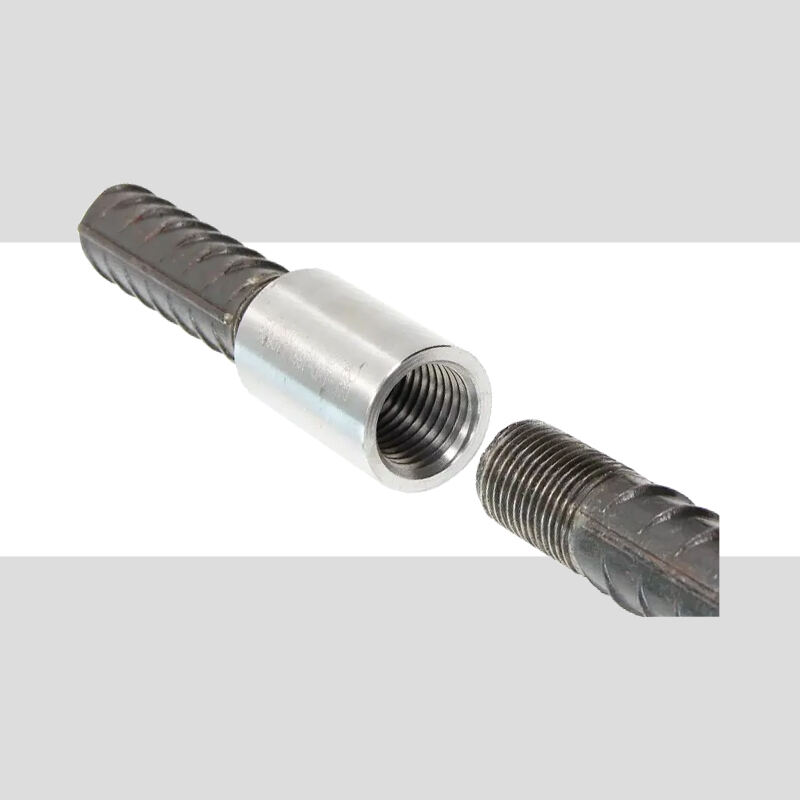
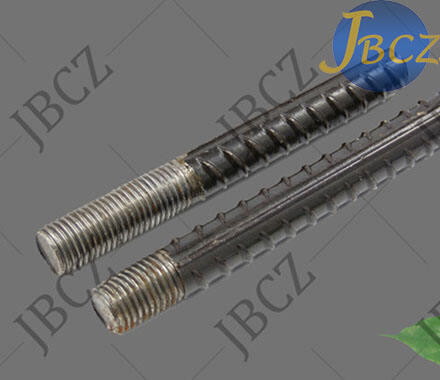
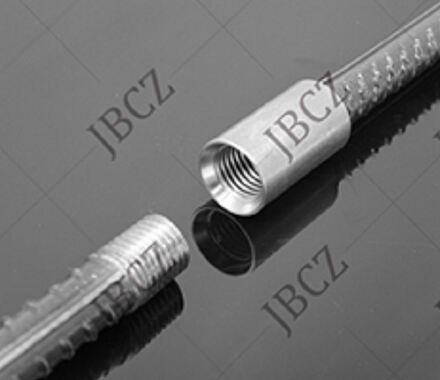
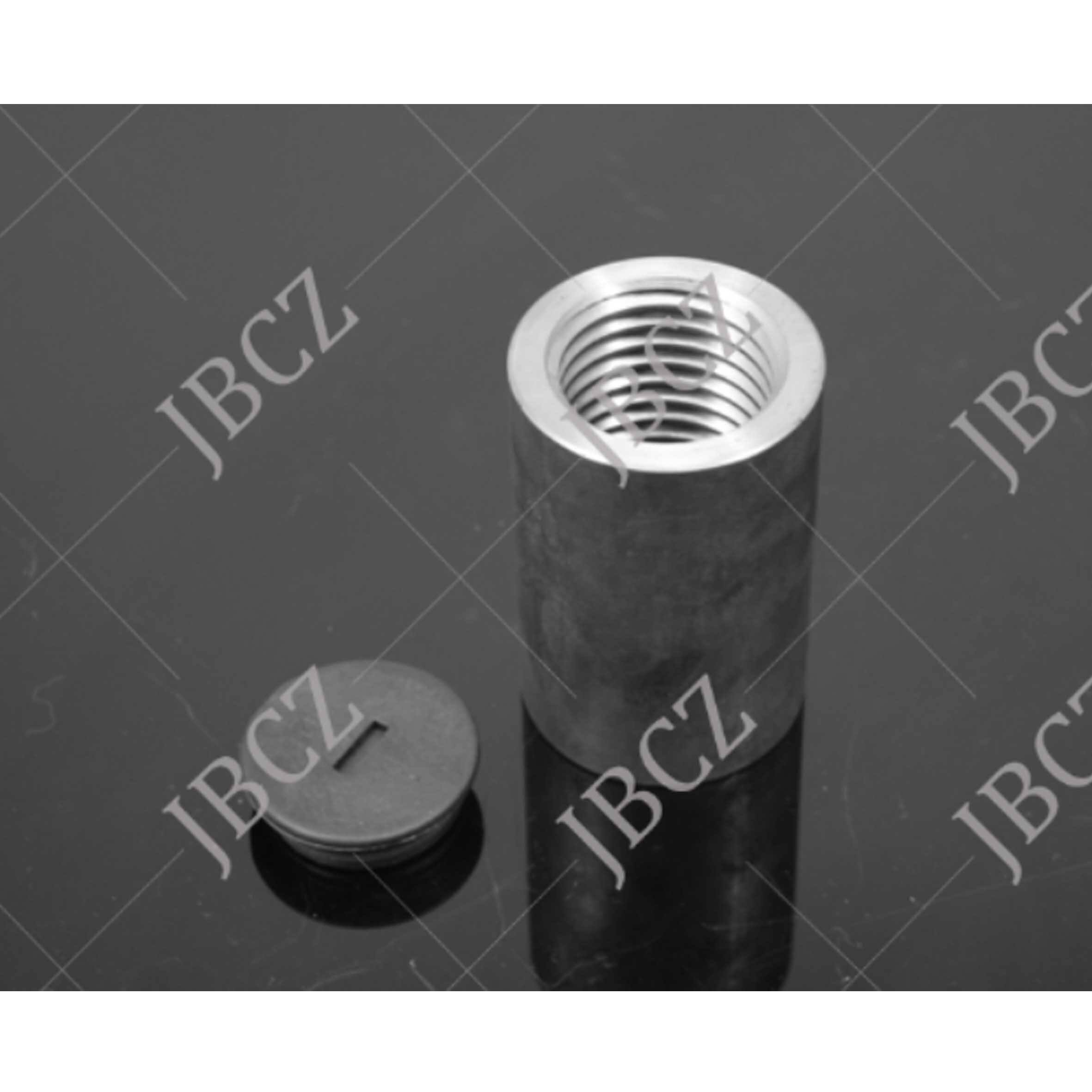
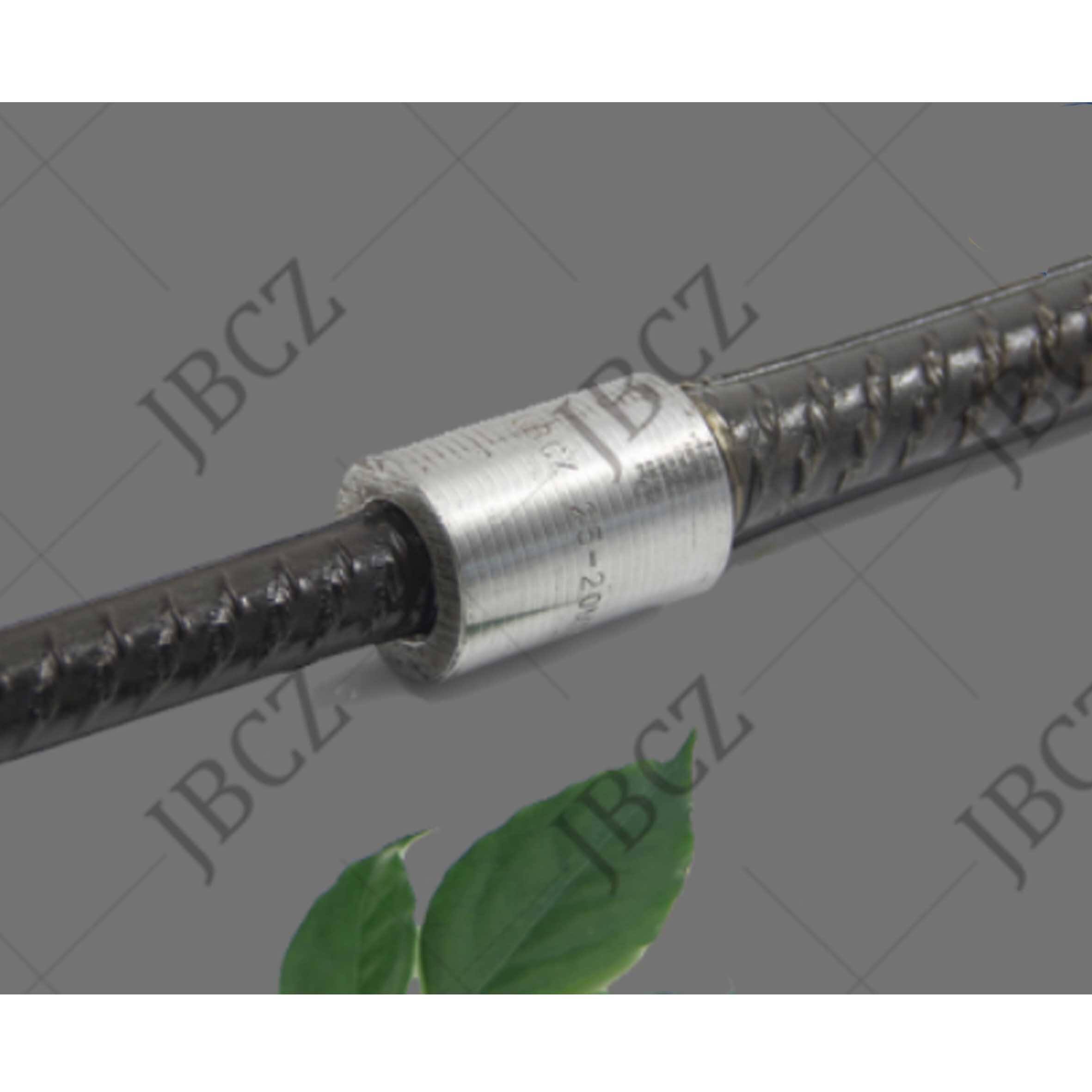
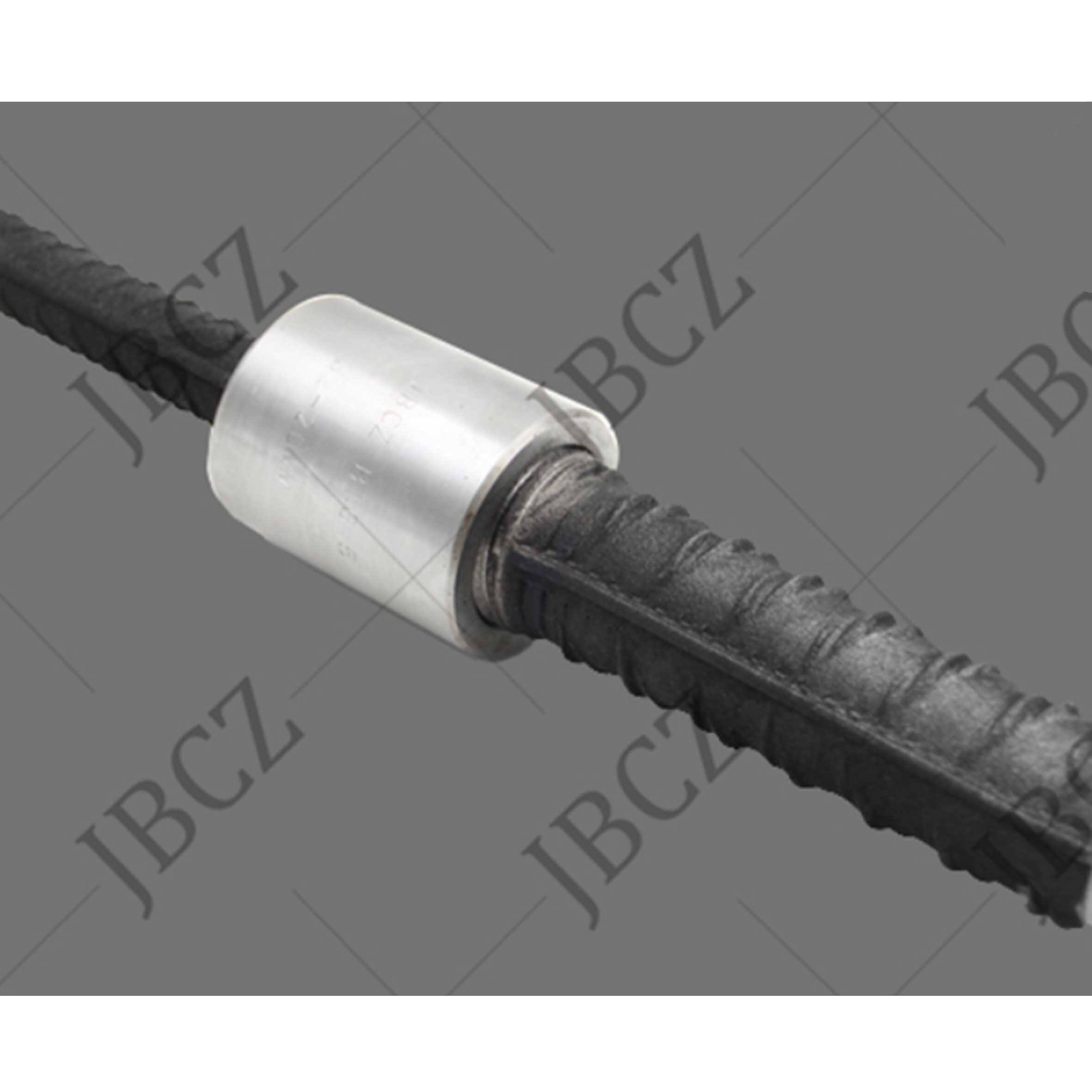
The transition rebar coupler represents a specialized mechanical connection solution designed to join reinforcing bars of different sizes or types within concrete structures. This innovative connector serves as a crucial component in modern construction projects where varying rebar diameters must be securely linked together. The transition rebar coupler eliminates the need for traditional lap splicing methods when connecting dissimilar steel reinforcement bars, providing engineers and contractors with a reliable alternative that maintains structural integrity while optimizing material usage. The primary function of the transition rebar coupler involves creating a strong, permanent connection between rebars of unequal dimensions, typically ranging from small diameter bars to larger ones. This mechanical splicing device ensures load transfer efficiency across the joint, maintaining the tensile strength required for reinforced concrete applications. The technological features of the transition rebar coupler include precision-machined threading systems that accommodate different bar sizes within a single coupling unit. Advanced manufacturing processes ensure that these couplers meet rigorous quality standards and deliver consistent performance under various loading conditions. The design incorporates tapered internal threading or specialized gripping mechanisms that secure each rebar end firmly, preventing slippage or separation during concrete pouring and throughout the structure's service life. Applications for the transition rebar coupler span numerous construction scenarios, including high-rise buildings where column reinforcement changes diameter between floors, bridge construction requiring connections between different rebar grades, seismic retrofitting projects, and renovation work where new reinforcement must join existing bars of different specifications. The transition rebar coupler proves particularly valuable in situations where space constraints prevent traditional overlapping methods or where construction schedules demand faster installation processes. These couplers facilitate compliance with building codes while providing engineers with greater design flexibility when specifying reinforcement configurations for complex structural elements.

New Products

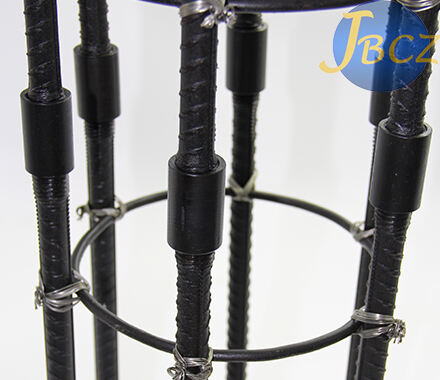
The transition rebar coupler delivers substantial practical benefits that directly impact project outcomes and cost efficiency for construction professionals. First and foremost, this connection system saves considerable time during installation compared to conventional lap splicing techniques. Workers can quickly thread or insert rebars into the coupler without extensive preparation, reducing labor hours and accelerating construction schedules. This speed advantage becomes especially significant on large-scale projects where hundreds or thousands of connections are required. The transition rebar coupler also generates immediate cost savings by eliminating the need for excessive overlap lengths traditionally required when joining rebars of different sizes. Material costs decrease because contractors purchase only the necessary rebar lengths rather than adding extra meters for lap zones. This efficiency in material usage translates directly to reduced steel consumption and lower transportation expenses. Space optimization represents another major advantage, particularly in congested reinforcement areas where multiple bars converge. The compact profile of the transition rebar coupler allows engineers to design tighter reinforcement layouts without sacrificing structural performance, which proves especially valuable in columns, beam-column joints, and foundation connections where space is limited. Quality assurance improves significantly because the transition rebar coupler provides a factory-manufactured connection with predictable mechanical properties. Unlike site-dependent lap splices that rely heavily on worker skill and concrete quality, these couplers undergo rigorous testing and certification processes before reaching construction sites. This reliability gives engineers confidence in connection performance and simplifies inspection procedures. The transition rebar coupler enhances workplace safety by reducing the complexity of rebar installation tasks. Workers handle shorter, more manageable bar lengths rather than struggling with long overlapping sections, decreasing the risk of handling injuries and improving overall site safety metrics. Environmental benefits emerge from reduced steel consumption and waste generation, supporting sustainable construction practices and helping projects achieve green building certifications. The versatility of the transition rebar coupler accommodates various construction methodologies, including prefabrication strategies where reinforcement cages are assembled off-site with precise coupler placements. This flexibility supports modern construction trends toward modular building systems and improved quality control through factory production. Projects experiencing design changes or encountering unexpected field conditions benefit from the adaptability that transition rebar couplers provide, allowing adjustments without major rework or delays.

Tips And Tricks

What is a Reducing Coupler and How is it Used in Plumbing Systems?

10

Jul

What is a Reducing Coupler and How is it Used in Plumbing Systems?

View More
Ensuring Structural Integrity: The Role of Rebar Couplers in Concrete Joints

10

Jul

Ensuring Structural Integrity: The Role of Rebar Couplers in Concrete Joints

View More
Take a look at the rebar coupler

10

Jul

Take a look at the rebar coupler

View More
JBCZ has received the certification of UK CARES

10

Jul

JBCZ has received the certification of UK CARES

View More

Get a Free Quote

Our representative will contact you soon.
Email
Name
Company Name
Message
0/1000

transition rebar coupler

Superior Load Transfer Capability Across Different Rebar Sizes

Superior Load Transfer Capability Across Different Rebar Sizes

The transition rebar coupler excels in its fundamental purpose of transferring loads effectively between reinforcing bars of unequal diameters, a critical requirement for structural safety and performance. This capability stems from sophisticated engineering that accounts for the mechanical properties of different bar sizes and ensures that the connection does not become a weak point in the reinforcement system. When designing reinforced concrete structures, engineers must ensure continuous load paths through the reinforcement network, and the transition rebar coupler makes this possible even when bar sizes change. The internal mechanisms of the transition rebar coupler utilize precisely calculated thread profiles or mechanical gripping systems that engage each bar size appropriately, distributing stresses evenly across the connection zone. This design prevents stress concentrations that could lead to premature failure under tension, compression, or cyclic loading conditions. Testing protocols for quality transition rebar couplers include tension tests that verify the connection achieves at least the specified tensile strength of the smaller connected bar, ensuring that the joint performs as required under maximum loading scenarios. The geometry of the coupler body accounts for the different bar diameters, transitioning smoothly between sizes to facilitate efficient stress flow. This thoughtful design eliminates sudden changes in cross-sectional area that could create failure points. Construction projects benefit immensely from this reliable load transfer capability because it allows structural engineers to optimize reinforcement layouts without concern about connection integrity. In high-rise construction, for example, column reinforcement often steps down in diameter as loads decrease at higher floors, and the transition rebar coupler facilitates these size changes at floor levels where connections naturally occur. The coupler's load transfer efficiency maintains structural continuity through these transitions, preserving the building's ability to resist gravitational and lateral forces. Seismic design considerations also highlight the importance of dependable load transfer across rebar connections, as earthquakes subject structures to reversed cyclic loading that tests every joint repeatedly. The transition rebar coupler demonstrates excellent performance under these demanding conditions when properly specified and installed, providing engineers with confidence in their seismic reinforcement designs.
Simplified Installation Process That Reduces Labor Requirements

Simplified Installation Process That Reduces Labor Requirements

The transition rebar coupler transforms the traditionally labor-intensive process of connecting different-sized rebars into a streamlined operation that construction crews can execute quickly and consistently. This simplification addresses one of the construction industry's most pressing challenges: skilled labor shortages and the need to maximize productivity from available workers. Traditional methods for joining rebars of different diameters typically involve complex lap splice configurations that require careful planning, precise placement, and substantial tying work to secure overlapping bars in proper positions. Workers must measure overlap lengths accurately, maintain correct bar spacing, and ensure adequate concrete cover around the congested splice zone. These requirements demand significant time and attention to detail, increasing the likelihood of errors that could compromise structural integrity. The transition rebar coupler eliminates these complications through a straightforward installation procedure that typically involves threading prepared bar ends into the coupler body or using mechanical gripping systems that secure bars without threading. Many transition rebar coupler designs allow for quick visual inspection to verify proper engagement, giving supervisors confidence that connections meet specifications without extensive testing. Training requirements diminish substantially because workers learn a simple, repeatable process rather than mastering variable lap splice configurations for different bar size combinations. This ease of training proves particularly valuable for projects in regions with limited access to highly specialized reinforcement workers or when construction schedules require rapid workforce expansion. The time savings achieved through simplified installation compound across large projects, potentially reducing construction duration by weeks or months. This schedule compression delivers financial benefits through earlier project completion, reduced financing costs, and faster return on investment for developers. Contractor companies gain competitive advantages by leveraging transition rebar couplers to bid more aggressively on timeline-sensitive projects, knowing they can meet demanding schedules without compromising quality. The installation simplicity also reduces the cognitive load on construction crews, allowing supervisors to focus on other critical tasks rather than constantly monitoring complex rebar connections. Quality control becomes more straightforward because inspection checklists simplify to verifying coupler type, proper bar insertion depth, and secure locking mechanisms rather than measuring multiple overlap dimensions and tie spacing requirements.
Enhanced Structural Design Flexibility for Complex Projects

Enhanced Structural Design Flexibility for Complex Projects

The transition rebar coupler unlocks significant design flexibility for structural engineers, enabling innovative reinforcement solutions that would be impractical or impossible using conventional connection methods. This flexibility represents a paradigm shift in how engineers approach reinforcement detailing, particularly for complex projects with challenging geometric constraints or performance requirements. Traditional lap splicing imposes substantial limitations on design options because the required overlap lengths for different bar size combinations consume considerable space and create congestion in critical structural zones. These congestion issues become especially problematic in beam-column joints, foundation-to-column connections, and other transition areas where multiple reinforcement systems converge. The physical space occupied by overlapping bars of different diameters often forces engineers to compromise their ideal reinforcement layouts, potentially leading to suboptimal structural performance or requiring costly increases in member dimensions to accommodate the necessary bar arrangements. The transition rebar coupler eliminates these space constraints by providing compact connections that occupy minimal volume compared to lap splices, effectively liberating engineers to specify reinforcement configurations based purely on structural requirements rather than connection geometry limitations. This freedom enables optimization strategies that improve structural efficiency, reduce material quantities, and enhance building performance under various loading scenarios. For example, engineers can design columns with precisely calibrated reinforcement reductions at each floor level, matching steel quantities exactly to calculated force demands rather than maintaining larger bars higher than necessary due to connection difficulties. The ability to connect different rebar grades through transition rebar couplers adds another dimension of design flexibility, allowing engineers to specify higher-strength steel where performance demands justify the premium cost while using standard grades elsewhere. This selective upgrading strategy optimizes project economics without sacrificing structural adequacy. Renovation and retrofit projects benefit enormously from the design flexibility that transition rebar couplers provide, as these situations frequently require connecting new reinforcement to existing bars of unknown or different specifications. The coupler accommodates these challenging connection scenarios, enabling structural upgrades that extend building service life or adapt structures for new uses. Prefabrication strategies also leverage the design flexibility of transition rebar couplers, as reinforcement cages can be manufactured with integrated couplers positioned precisely for field connections, supporting modular construction approaches that improve quality while reducing on-site labor requirements.