Comprehensive Safety Enhancement and Regulatory Compliance Benefits
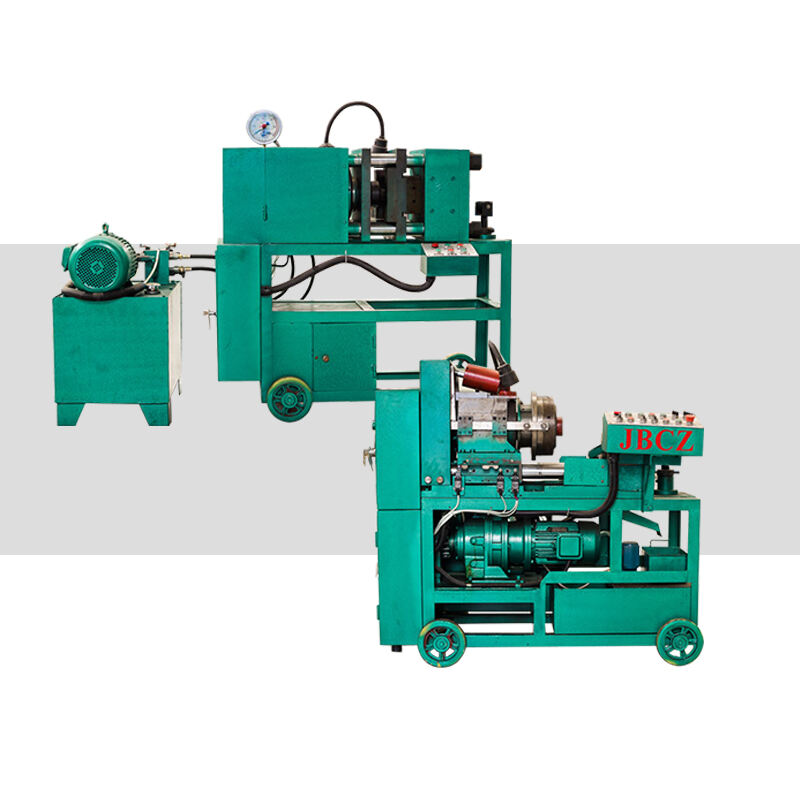
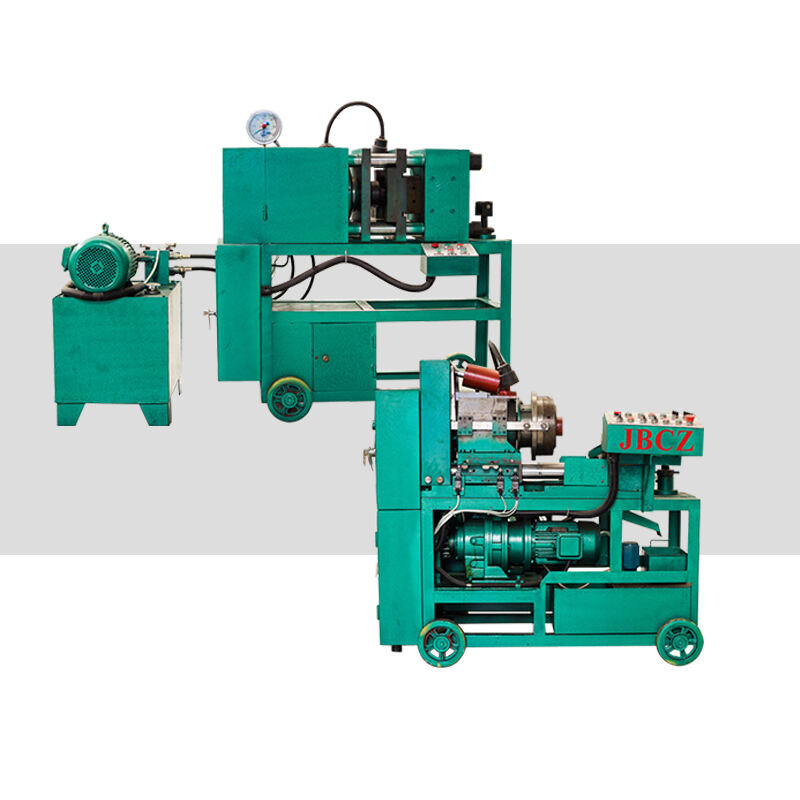
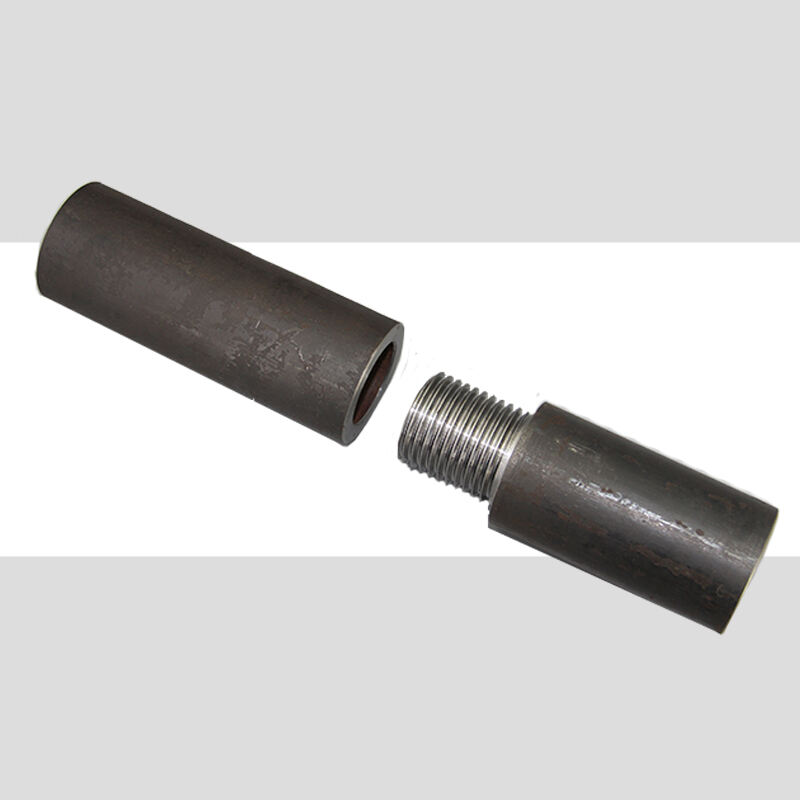
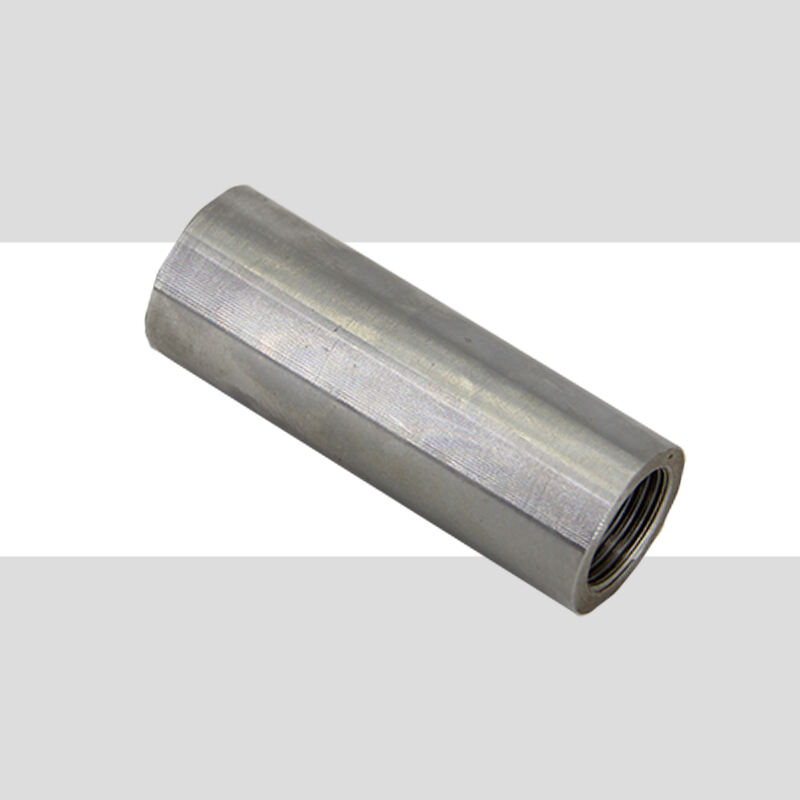
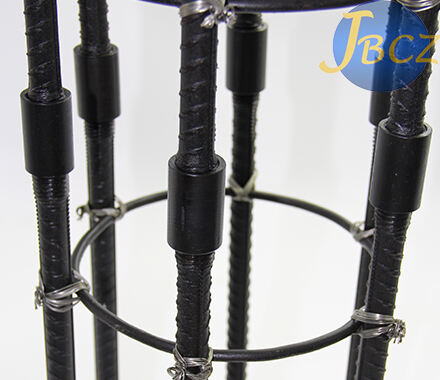
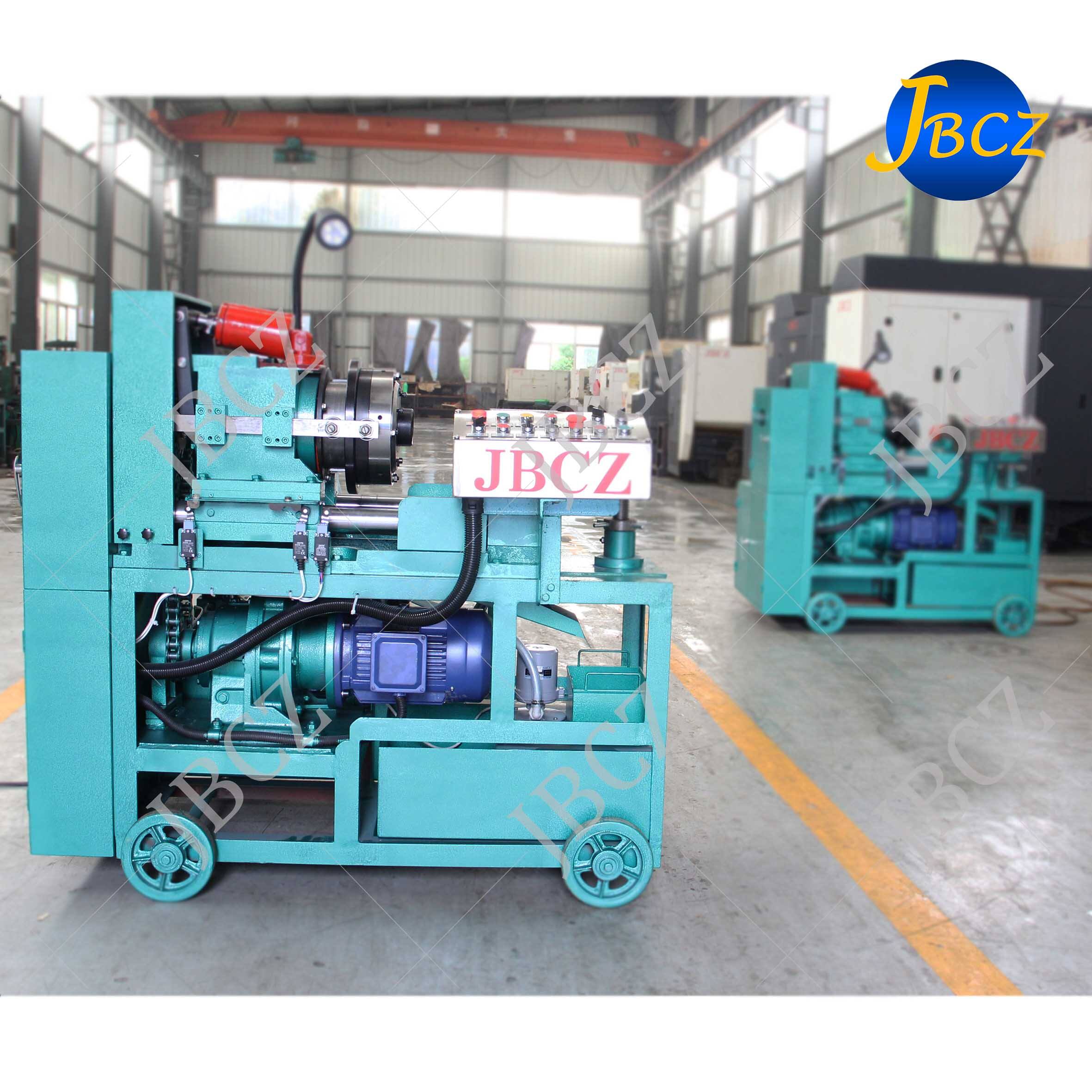
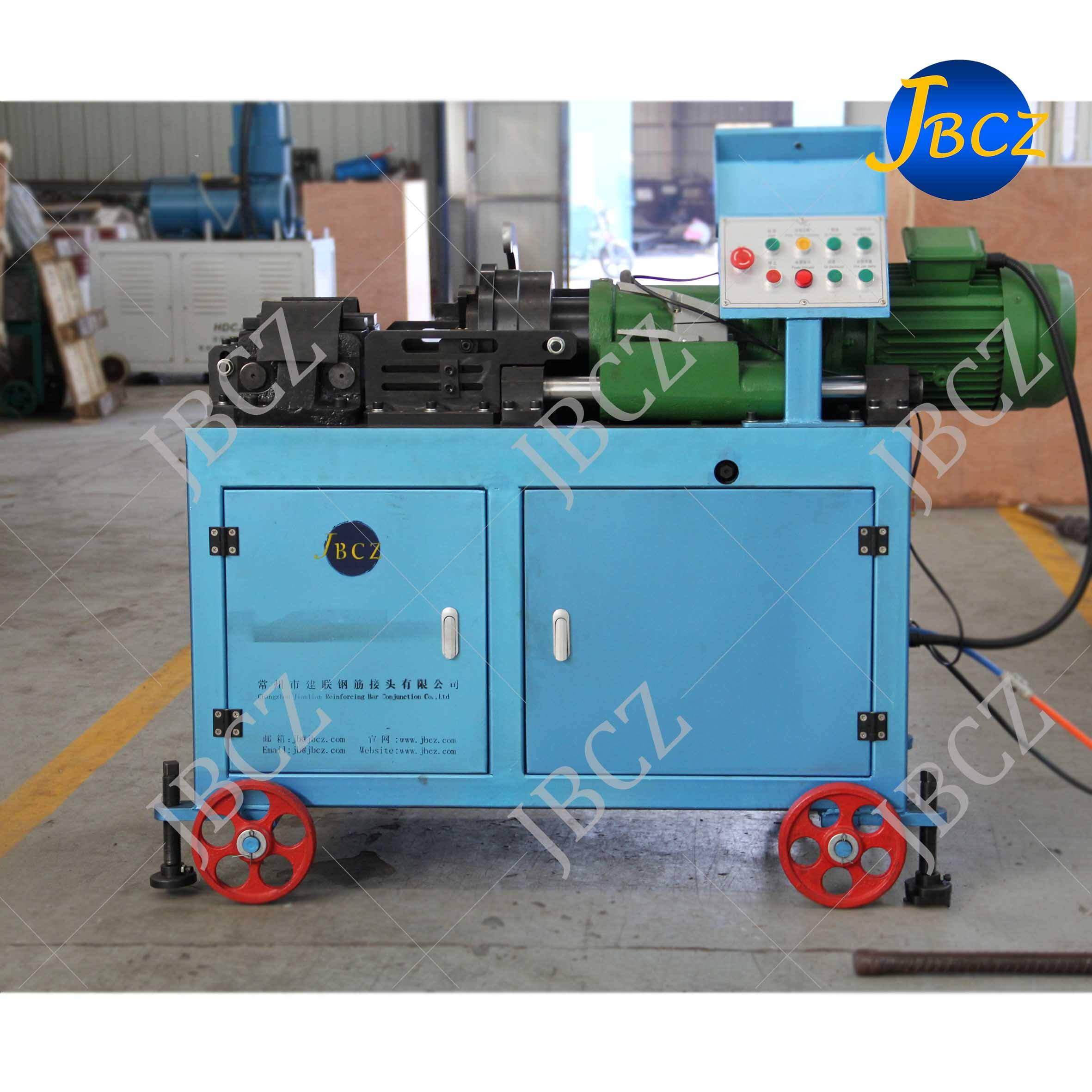
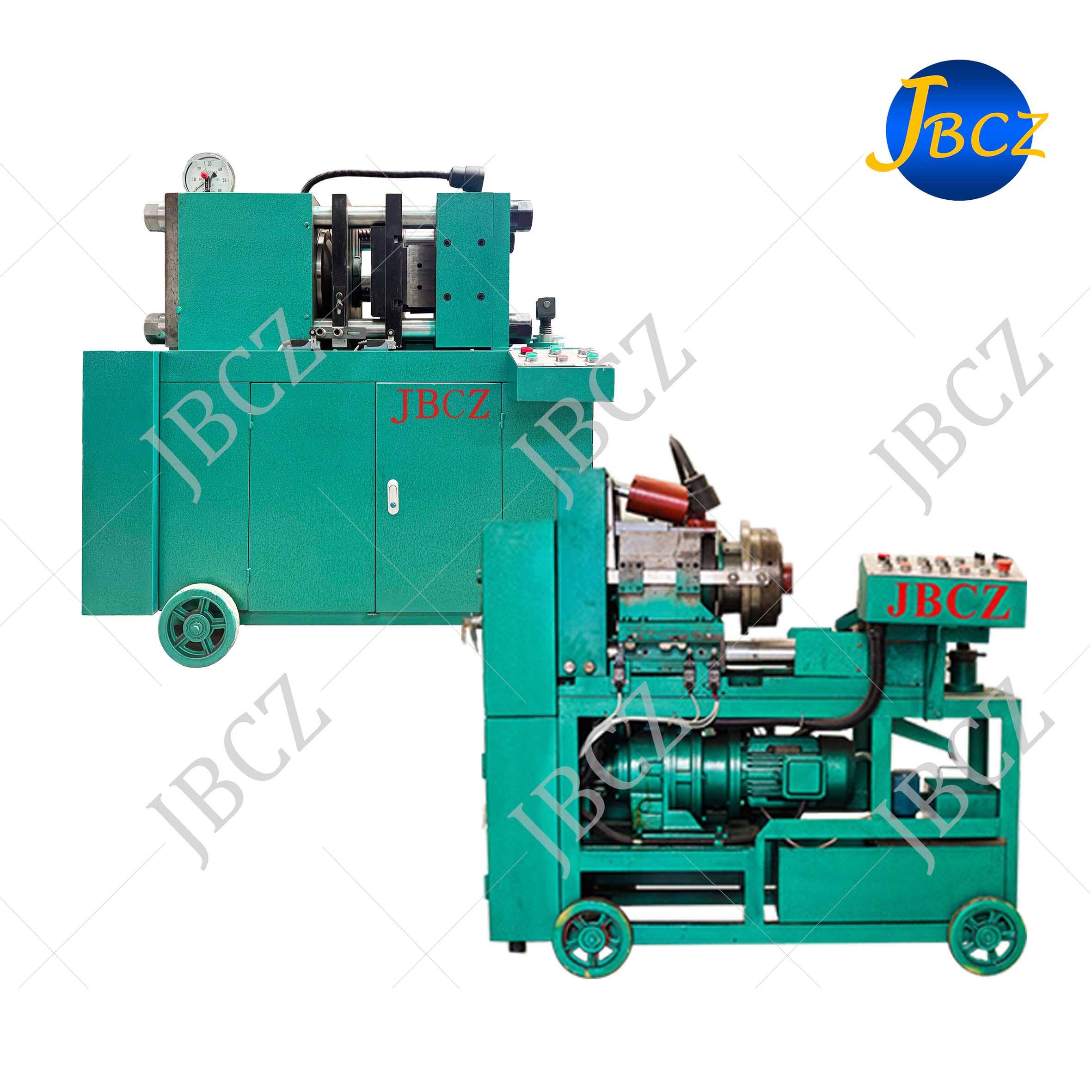
The safety advantages inherent in the rebar upset forging parallel thread machine extend throughout the construction value chain, from manufacturing facilities through final structure occupancy, creating compelling value for all stakeholders. Within rebar processing facilities, the machine's automated operation removes workers from direct involvement with hazardous heating and forging processes. Traditional heating methods often expose workers to burn risks, while manual forging operations involve heavy impacts and pinch points. The enclosed heating chamber and automated forging mechanism of modern machines eliminate these exposure risks, containing heat and mechanical forces within safety-engineered enclosures. Emergency stop systems, safety interlocks preventing operation with guards open, and automated fault detection systems that halt processing when abnormal conditions occur all contribute to creating an inherently safer manufacturing environment. Regulatory compliance benefits prove increasingly important as workplace safety standards evolve globally. Equipment meeting international safety certifications demonstrates commitment to worker protection while satisfying insurance requirements and regulatory inspections. Many jurisdictions now mandate specific safety features on industrial machinery, and purchasing equipment designed with these requirements ensures ongoing compliance without expensive retrofitting. The safety advantages extend dramatically to construction sites where threaded connections fundamentally change how reinforcement installation occurs. Traditional lap splicing requires workers to manually tie numerous wire bindings while working within confined spaces among densely packed rebars, creating ergonomic stress, repetitive motion injuries, and entanglement hazards. Threaded connections eliminate this manual tying entirely, as workers simply align pre-threaded bars and rotate coupling sleeves using basic tools. This simplified assembly process reduces physical strain, minimizes time spent in awkward positions, and eliminates sharp wire ends that frequently cause lacerations. The reduction in site congestion when using threaded connections provides additional safety benefits by improving visibility and mobility for workers navigating around reinforcement. With rebars connected at precise points rather than overlapped extensively, pathways remain clearer and fall hazards decrease. The ability to prefabricate entire rebar assemblies off-site in controlled environments further removes workers from hazardous on-site activities, particularly important when reinforcement installation occurs at heights or in confined spaces. Quality assurance documentation produced by the machine creates traceability that supports structural safety throughout building lifecycles. Each processed rebar can be tracked with production data confirming specifications were met, providing evidence for building inspectors and creating permanent records for structure owners. This documentation proves invaluable should questions arise about structural integrity years after construction. The ultimate safety benefit manifests in the completed structure's performance, where superior connection strength and consistency ensure the building will protect occupants during extreme events including earthquakes, hurricanes, and other disasters where structural integrity becomes life-critical.