Upsetting Coupler: High-Performance Rebar Connection Solution for Modern Construction

All Categories

Get a Free Quote

Our representative will contact you soon.
Email
Name
Company Name
Message
0/1000

upsetting coupler

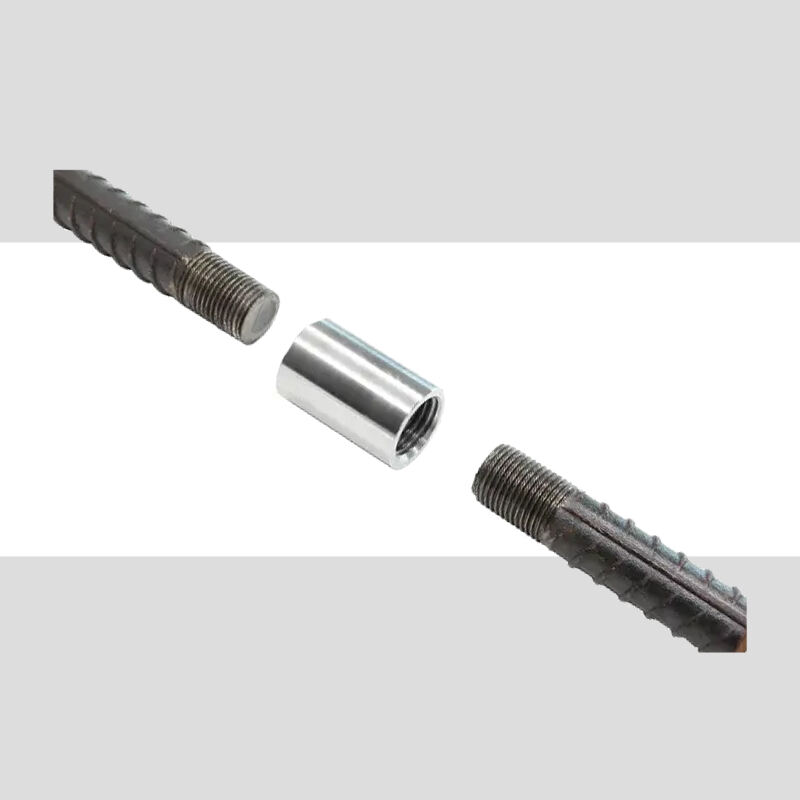
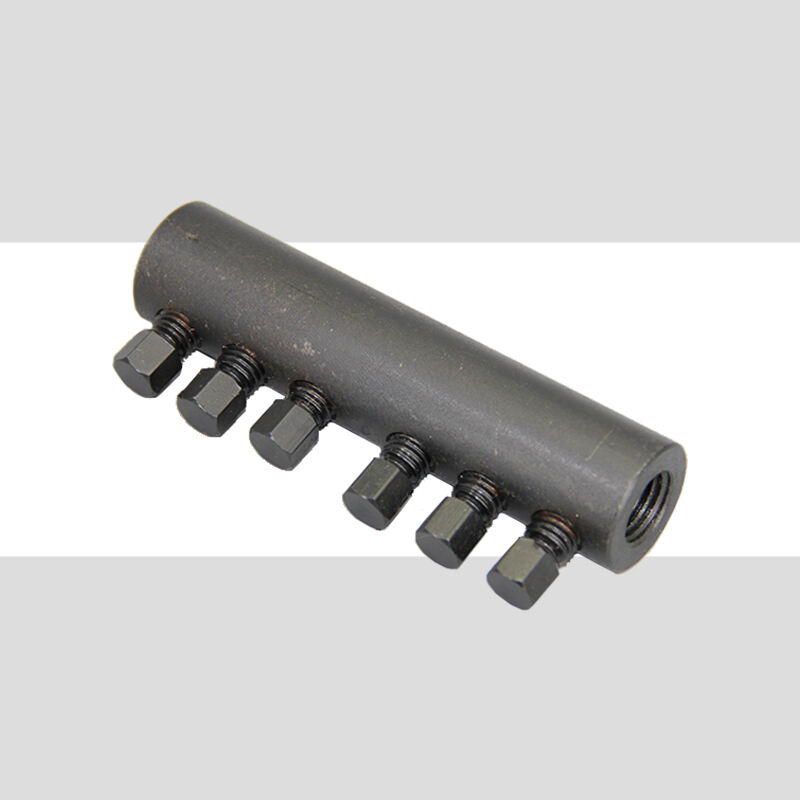
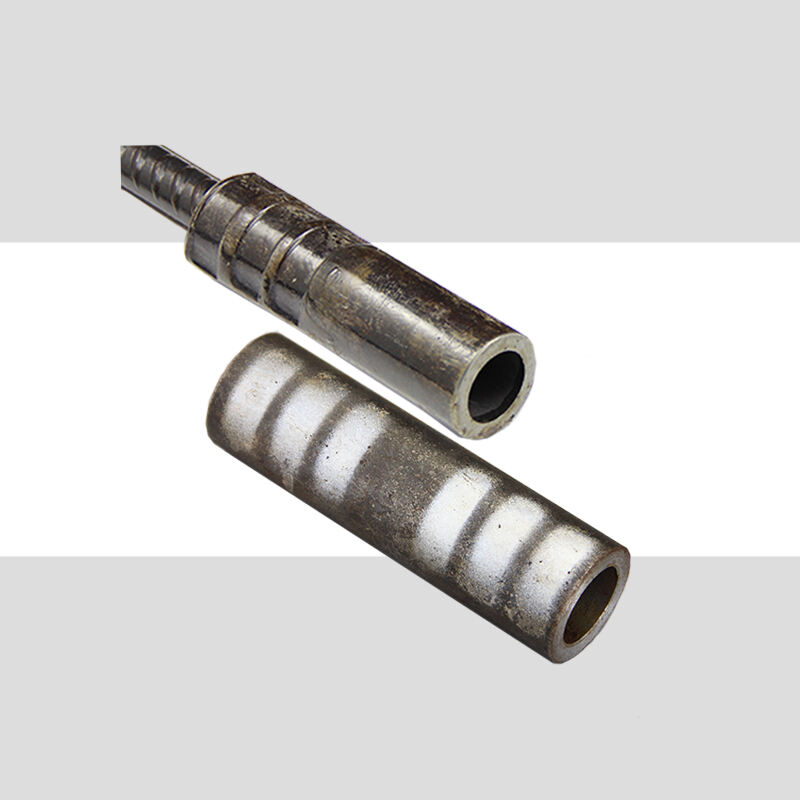
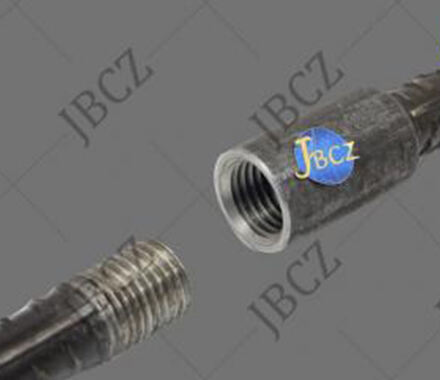
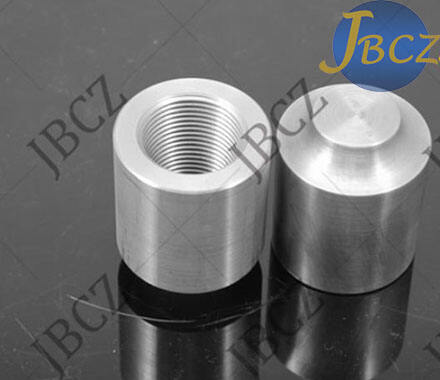
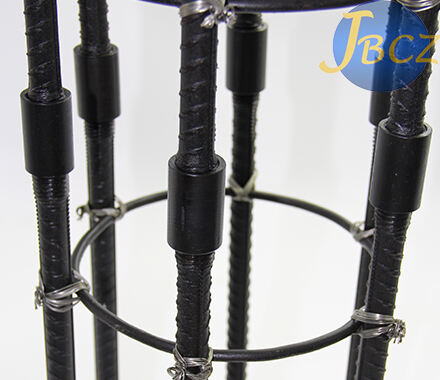
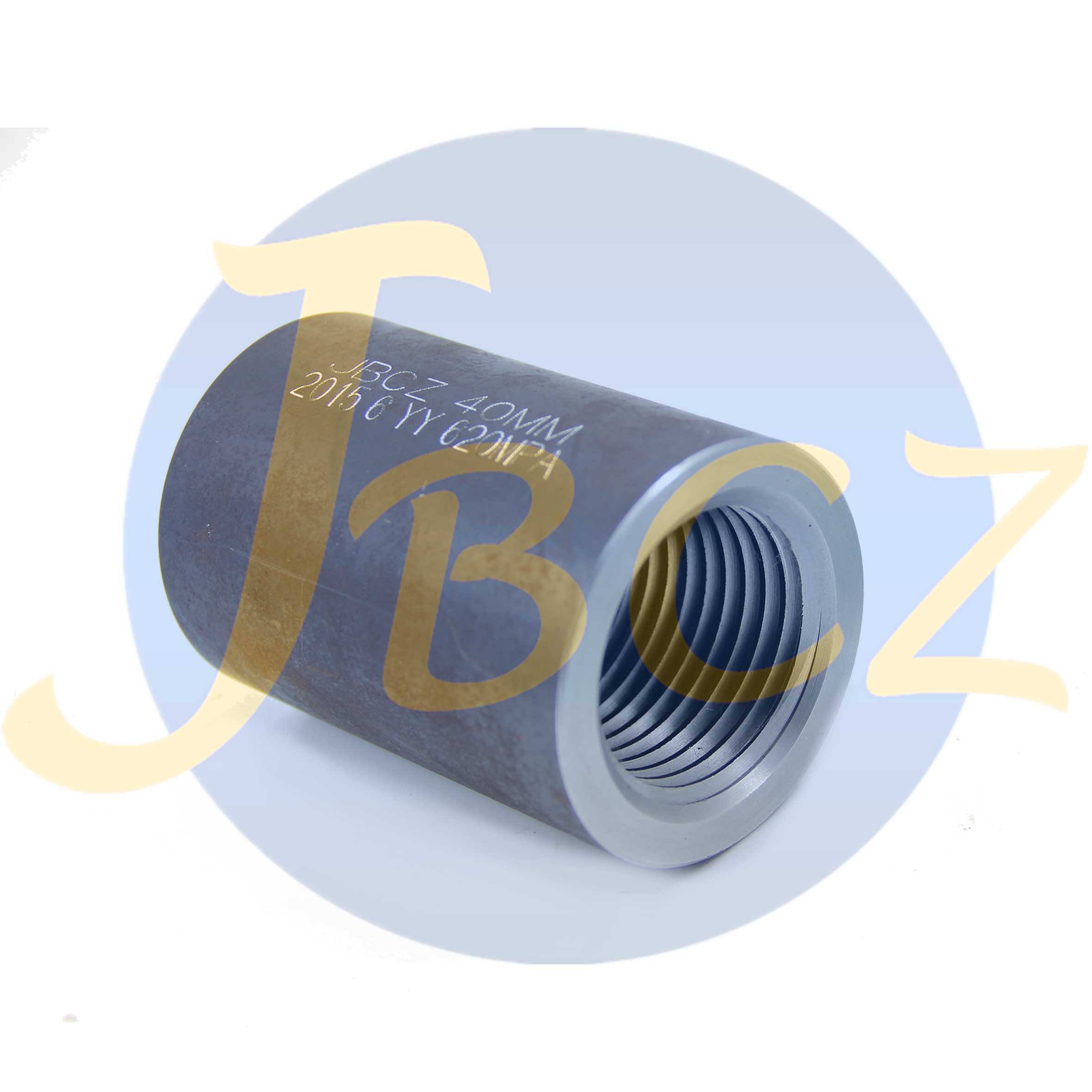
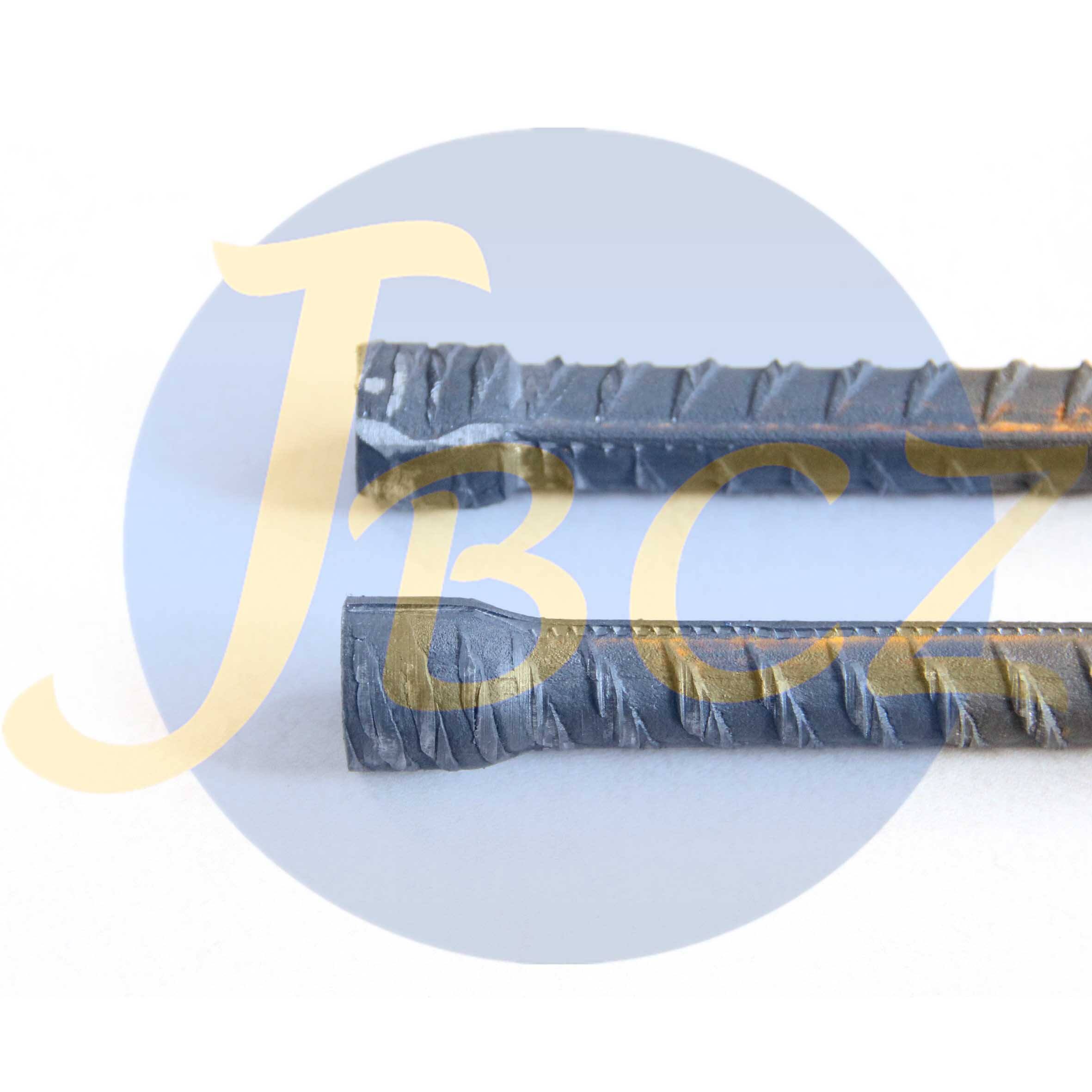
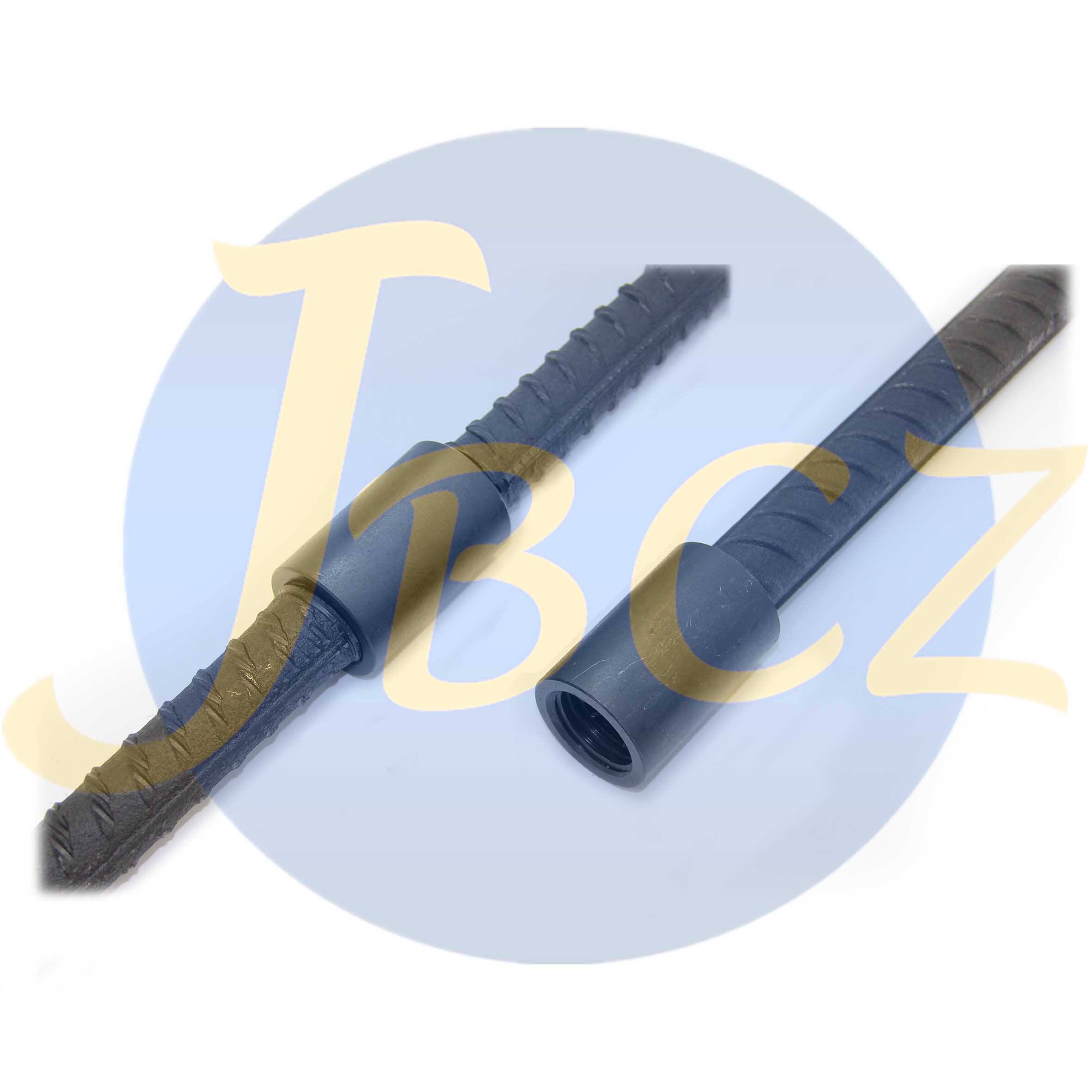
The upsetting coupler represents a sophisticated mechanical connection system designed specifically for joining reinforcing steel bars in concrete construction projects. This specialized coupling device creates permanent connections between rebar segments through a cold forging process that reshapes the bar ends to form secure mechanical interlocks. The upsetting coupler functions by compressing and enlarging the diameter of rebar ends, allowing them to fit precisely within the coupler sleeve where they are permanently locked together. This technology serves as a critical component in modern construction, enabling builders to extend reinforcement bars beyond their standard manufactured lengths while maintaining structural integrity. The main functions of an upsetting coupler include transferring tensile and compressive forces between connected bars, eliminating the need for traditional lap splicing methods, and providing consistent load transfer across joints. Technological features distinguish this coupling system from conventional alternatives through its ability to achieve full tensile strength of the parent bar, its compact design that minimizes concrete cover requirements, and its reliable performance under seismic conditions. The manufacturing process involves precision engineering to ensure dimensional accuracy and material compatibility with various steel grades. Applications for the upsetting coupler span numerous construction sectors including high-rise buildings, bridges, tunnels, nuclear facilities, marine structures, and infrastructure projects where structural reliability is paramount. The system proves particularly valuable in congested reinforcement areas where traditional lapping becomes impractical or impossible. Construction teams utilize upsetting couplers in both precast and cast-in-place concrete applications, finding them especially beneficial when working with large diameter bars exceeding 20mm. The technology accommodates different bar sizes and grades, offering flexibility for diverse project specifications while ensuring compliance with international construction standards and building codes.

Popular Products

The upsetting coupler delivers substantial practical benefits that directly impact project efficiency and construction quality for contractors and developers. First and foremost, this connection method saves considerable time on construction sites by eliminating the lengthy overlapping sections required in traditional lap splicing. Workers can quickly connect bars without complex preparation procedures, reducing labor hours and accelerating project timelines. The space-saving characteristic proves invaluable in tight working environments where every centimeter matters. Unlike lap splices that require extended lengths of overlapping steel, the compact design of the coupler occupies minimal space, freeing up room for concrete placement and reducing congestion in heavily reinforced areas. This efficiency translates directly into cost savings through reduced steel consumption, as projects require less total reinforcement material compared to traditional methods. The financial advantages extend beyond material costs to include lower transportation expenses since shorter bar lengths are easier and cheaper to ship to project sites. Quality assurance becomes more straightforward with upsetting couplers because each connection undergoes factory-controlled manufacturing processes that ensure consistent performance. Site conditions and worker skill variations that often affect traditional splicing quality become less critical factors, resulting in more reliable structural connections throughout the project. The mechanical connection achieves full strength capacity immediately upon installation, unlike welded connections that may develop weaknesses from heat-affected zones or improper technique. Projects benefit from enhanced structural performance, particularly in earthquake-prone regions where the ductility and strength of connections determine building survival during seismic events. Environmental considerations favor the upsetting coupler through reduced material waste and lower carbon footprint associated with manufacturing and transporting less steel. Installation safety improves significantly since workers avoid hazards associated with welding operations, including fire risks, toxic fumes, and burns. The versatility of this coupling system accommodates various bar orientations and positions, providing flexibility for complex architectural designs and challenging construction geometries. Maintenance requirements remain minimal throughout the structure's service life, as the mechanical connection maintains integrity without deterioration from corrosion at the joint interface when properly installed. Projects requiring future modifications or extensions benefit from the reversible nature of some coupler designs, allowing for adaptation without destroying existing reinforcement. The system supports faster construction schedules, enabling developers to bring projects to market sooner and begin generating returns on investment ahead of traditional timelines.

Latest News

How Rebar Couplers Strengthen Concrete Structures: Innovation and Benefits

10

Jul

How Rebar Couplers Strengthen Concrete Structures: Innovation and Benefits

View More
Advantages of Reducing coupler in Renewable Energy Storage Systems

10

Jul

Advantages of Reducing coupler in Renewable Energy Storage Systems

View More
The indispensable role of rebar couplers in offshore wind farms and marine structures

10

Jul

The indispensable role of rebar couplers in offshore wind farms and marine structures

View More
Take a look at the rebar coupler

10

Jul

Take a look at the rebar coupler

View More

Get a Free Quote

Our representative will contact you soon.
Email
Name
Company Name
Message
0/1000

upsetting coupler

Superior Structural Performance and Load Transfer Capacity

Superior Structural Performance and Load Transfer Capacity

The upsetting coupler stands out in the construction industry for its exceptional ability to transfer structural loads between connected reinforcing bars with uncompromising efficiency and reliability. This superior performance stems from the fundamental design principle that creates an enlarged bar end fitting perfectly within the coupler sleeve, establishing a mechanical interlock that matches or exceeds the tensile strength of the base reinforcing steel. Engineering tests consistently demonstrate that properly installed upsetting couplers achieve 100 percent of the parent bar's ultimate tensile strength, ensuring no weak points exist in the reinforcement system. This full strength capacity proves critical in structural applications where every connection point must perform reliably under extreme loading conditions including wind forces, seismic activity, and heavy live loads. The load transfer mechanism operates through direct bearing contact rather than relying solely on friction or adhesive bonding, providing a more predictable and dependable force transmission pathway. Structural engineers appreciate this characteristic because it simplifies design calculations and provides confidence in connection performance throughout the building's service life. The technology accommodates both tension and compression forces equally well, making it suitable for various structural elements including columns experiencing combined loading, beams under flexural stress, and foundation components subjected to complex force combinations. Quality control during manufacturing ensures dimensional precision that eliminates gaps or misalignments that could compromise load transfer efficiency. The coupler design distributes stresses uniformly across the connection zone, preventing stress concentrations that might initiate fatigue cracks or premature failures. This stress distribution characteristic becomes particularly valuable in dynamic loading situations where repeated load cycles could degrade inferior connection systems. Projects in seismically active regions rely heavily on the ductility provided by upsetting couplers, as the connections maintain integrity while allowing necessary deformation during earthquake events. The mechanical interlock resists pullout forces more effectively than alternative systems, providing additional safety margins in extreme scenarios. Construction teams working on critical infrastructure such as hospitals, emergency response facilities, and nuclear containment structures specify upsetting couplers precisely because structural failure consequences demand the highest reliability standards. The performance consistency across different installation conditions gives project managers confidence that every connection throughout the structure meets design specifications regardless of location or accessibility challenges during construction.
Installation Efficiency and Construction Site Productivity Enhancement

Installation Efficiency and Construction Site Productivity Enhancement

The remarkable installation efficiency of the upsetting coupler transforms construction site operations by dramatically reducing the time and labor requirements associated with reinforcing bar connections. Traditional reinforcement splicing methods demand extensive preparation including cleaning bar ends, positioning overlapping lengths, and securing numerous tie wires to maintain alignment during concrete placement. The upsetting coupler eliminates these time-consuming steps through a streamlined connection process that workers can complete in minutes rather than hours. Site crews quickly learn the straightforward installation procedure, reducing training time and allowing new workers to achieve productivity levels rapidly. The simplicity of the connection method minimizes the potential for installation errors that might compromise structural performance or require costly remediation work. Construction schedules benefit significantly from the speed advantages, enabling projects to progress through reinforcement phases faster and reach subsequent construction milestones ahead of conventional timelines. Productivity gains multiply across large projects where thousands of connections accumulate into substantial time savings that can advance completion dates by weeks or months. The compact nature of the coupler allows workers to complete installations in confined spaces where traditional lap splicing would prove extremely difficult or impossible. Congested reinforcement cages in heavily loaded columns or complex joint regions become manageable installation environments rather than frustrating bottlenecks that slow project progress. Material handling efficiency improves substantially since shorter bar lengths are lighter and easier for workers to position accurately, reducing physical strain and workplace injury risks. Transportation logistics become simpler as standard length bars fit more readily into delivery trucks and require less specialized handling equipment on site. Storage requirements at construction sites decrease when projects utilize standard bar lengths connected with couplers rather than ordering custom extra-long bars that consume valuable staging areas. The installation process generates minimal noise and no sparks or fumes, allowing work to proceed in occupied buildings or sensitive environments where welding operations would be prohibited. Quality assurance inspections proceed more quickly because inspectors can visually verify proper coupler installation and seating without requiring destructive testing or complex evaluation procedures. The system supports parallel work sequences where different crews can simultaneously install reinforcement in separate areas without coordination conflicts that arise with lap splicing in congested zones. Construction managers appreciate the predictability that installation efficiency provides for resource planning and schedule development, knowing that reinforcement connections will not create unexpected delays or require additional labor allocations.
Economic Value and Long-Term Cost Effectiveness

Economic Value and Long-Term Cost Effectiveness

The economic advantages of implementing upsetting couplers extend far beyond initial material costs to encompass comprehensive project savings and long-term value creation that savvy developers and contractors increasingly recognize. Material efficiency represents the most immediately apparent economic benefit, as the elimination of lap splice lengths reduces total steel requirements by fifteen to thirty percent depending on bar sizes and project specifications. This reduction in raw material consumption translates directly into lower procurement costs, particularly significant in large projects where reinforcing steel represents a major budget component. Transportation expenses decrease proportionally with reduced material volumes, lowering freight charges and minimizing the number of delivery trips required to supply project sites. The smaller material footprint contributes to reduced storage requirements and improved site logistics, freeing valuable space for other construction activities and equipment positioning. Labor cost savings emerge from the dramatically reduced installation time, allowing crews to complete reinforcement work faster and move to subsequent tasks sooner. Projects can maintain smaller crew sizes while achieving target productivity levels, reducing payroll expenses and associated labor burdens throughout the construction duration. The elimination of specialized welding equipment and certified welders removes significant cost factors from project budgets while avoiding the safety risks and insurance implications associated with hot work operations. Energy consumption decreases substantially without the electrical demands of welding equipment or the fuel requirements for cutting and preparing overlapped reinforcement sections. Quality assurance costs diminish because the factory-controlled manufacturing process ensures consistent coupler performance, reducing the need for extensive field testing and inspection protocols. The risk mitigation value of reliable connections prevents costly structural repairs or reinforcement work that might otherwise result from inadequate lap splices or failed welded connections. Projects benefit from improved concrete placement efficiency since the absence of congested lap zones allows better consolidation and reduces the likelihood of honeycombing or voids that require expensive remediation. Schedule acceleration enabled by faster installation translates into earlier project completion and revenue generation for developers, improving return on investment calculations significantly. Financing costs decrease when construction periods shorten, as developers pay interest on construction loans for fewer months before projects become operational and revenue-producing. The durability and maintenance-free performance of properly installed upsetting couplers eliminates long-term monitoring and repair expenses that might be necessary with inferior connection systems. Building owners realize lifecycle cost advantages through structural reliability that prevents premature deterioration or performance degradation requiring intervention. The system's adaptability to various bar sizes and project requirements reduces inventory complexity and procurement challenges, streamlining supply chain management and avoiding costly delays from material shortages or specification mismatches.