Rebar Upset Forging Machine - High-Performance Steel Bar Processing Equipment for Superior Structural Connections

All Categories

Get a Free Quote

Our representative will contact you soon.
Email
Name
Company Name
Message
0/1000

rebar upset forging machine

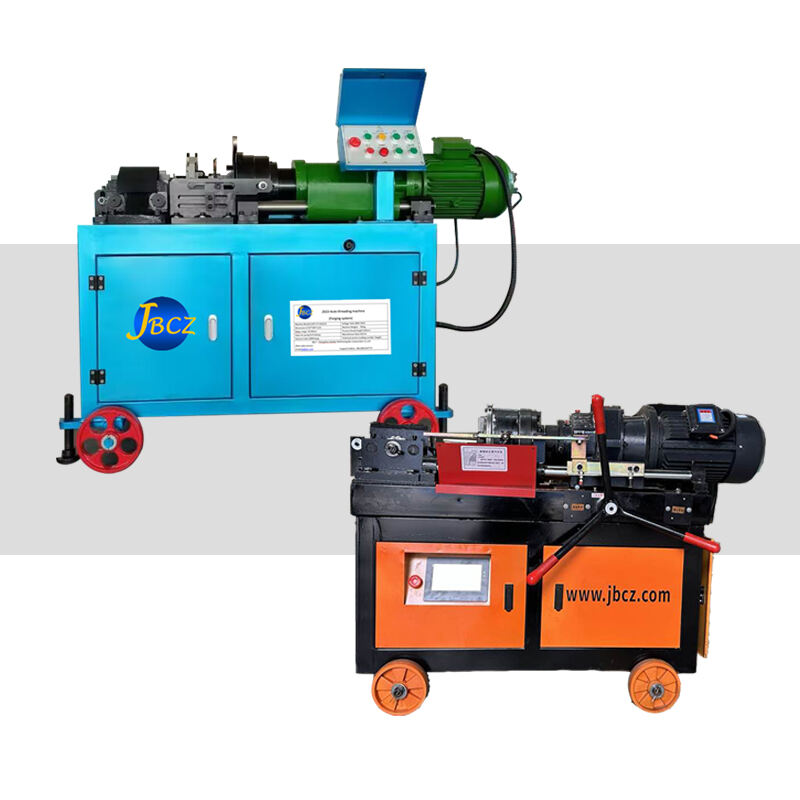
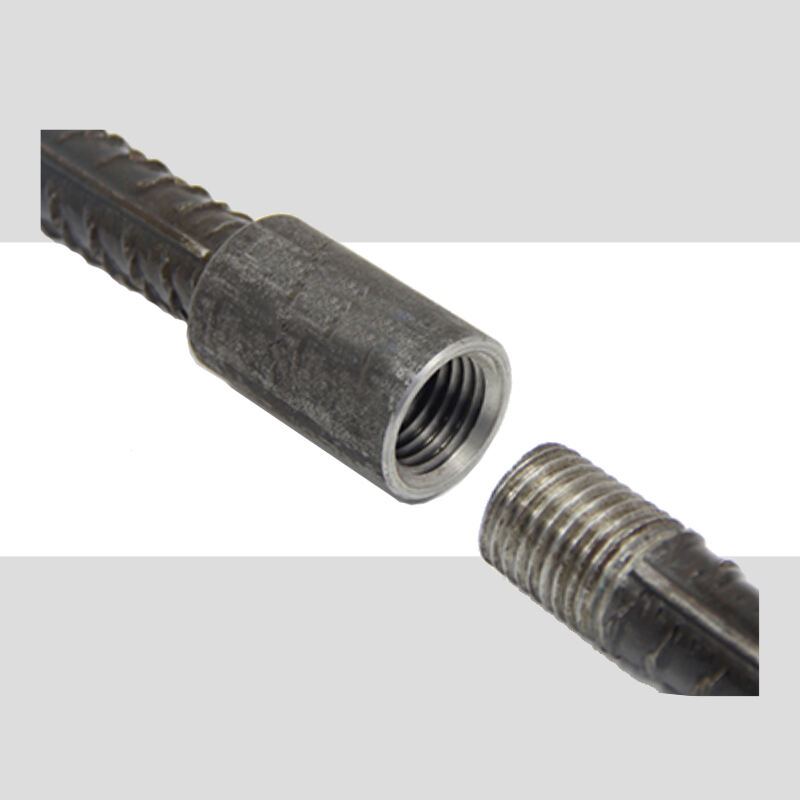
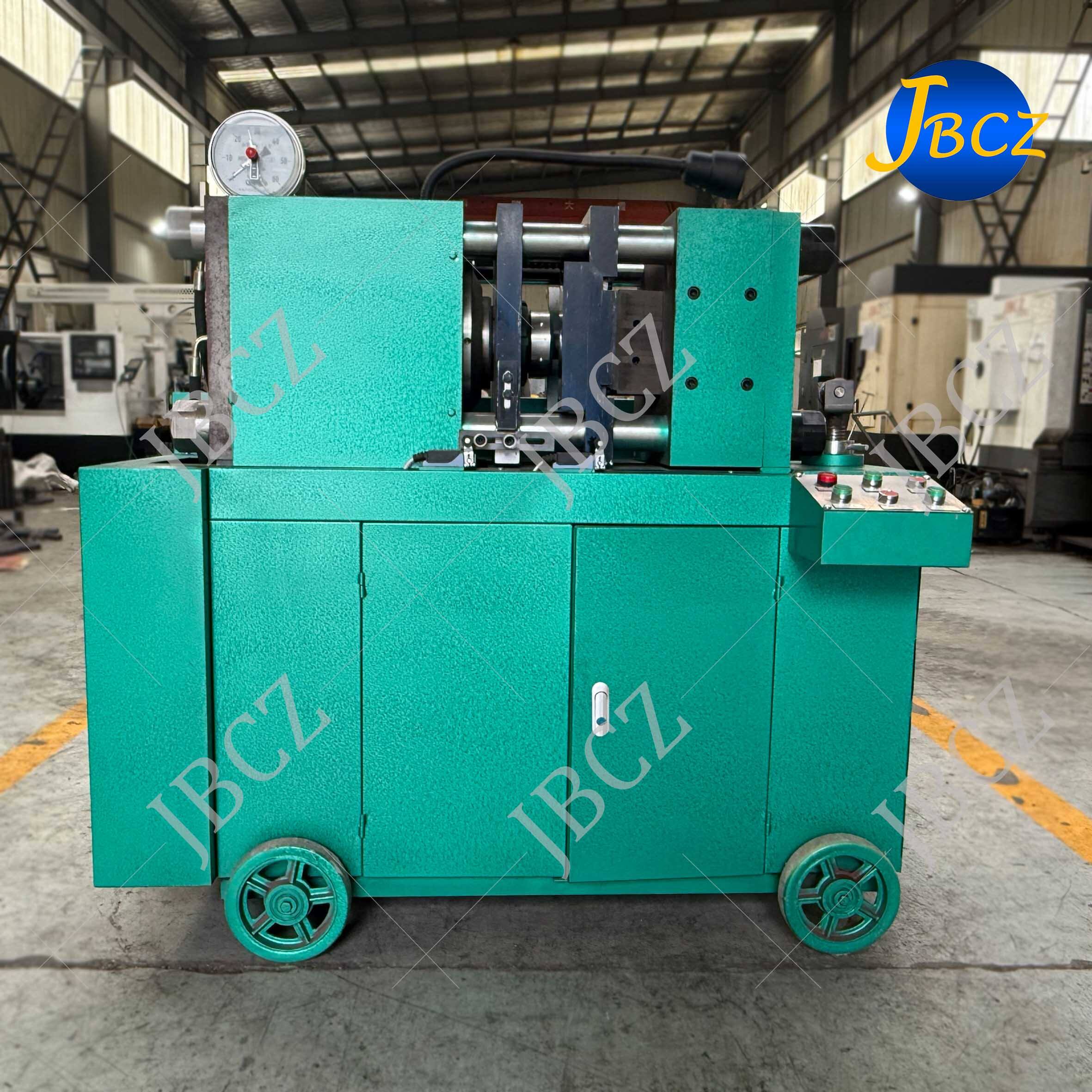
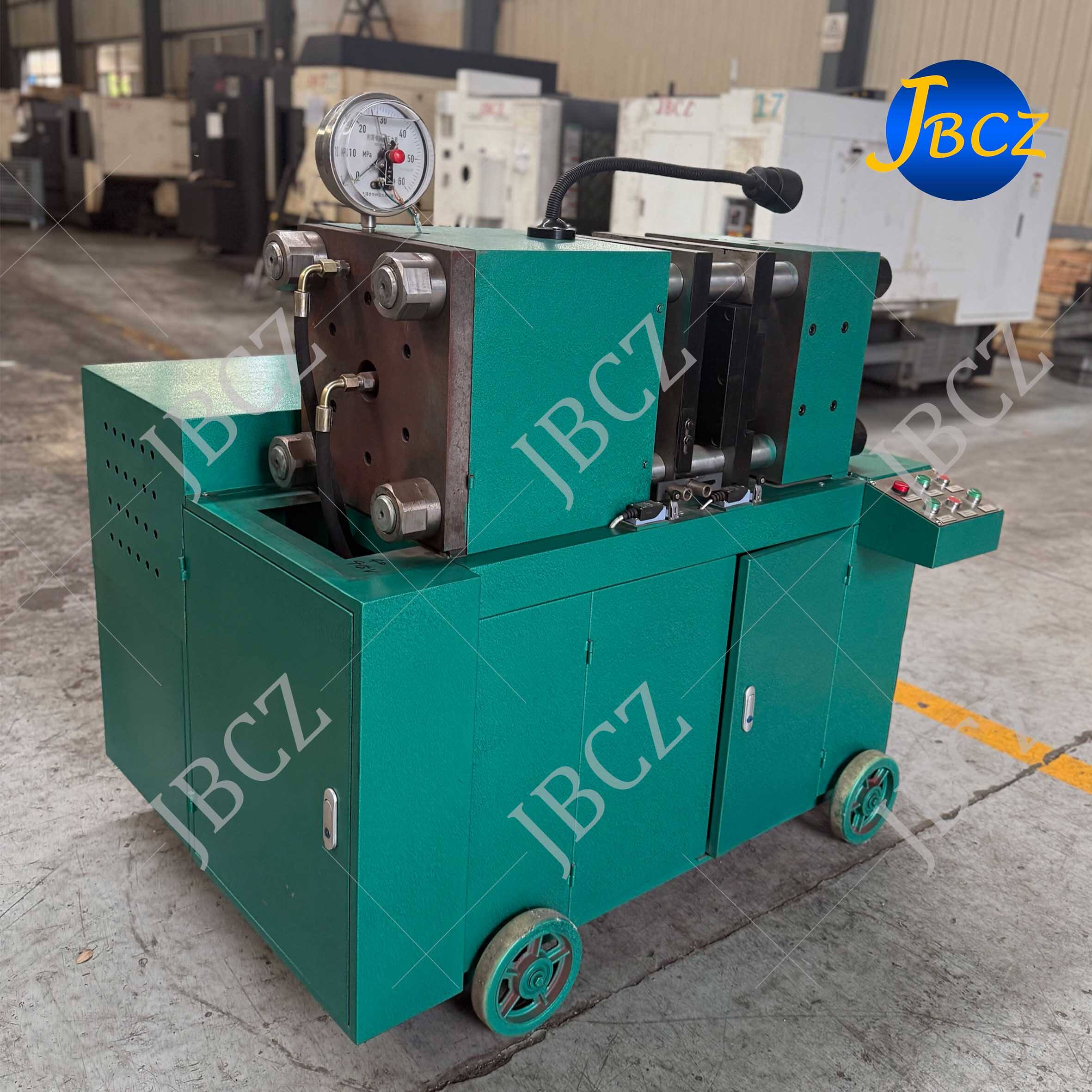
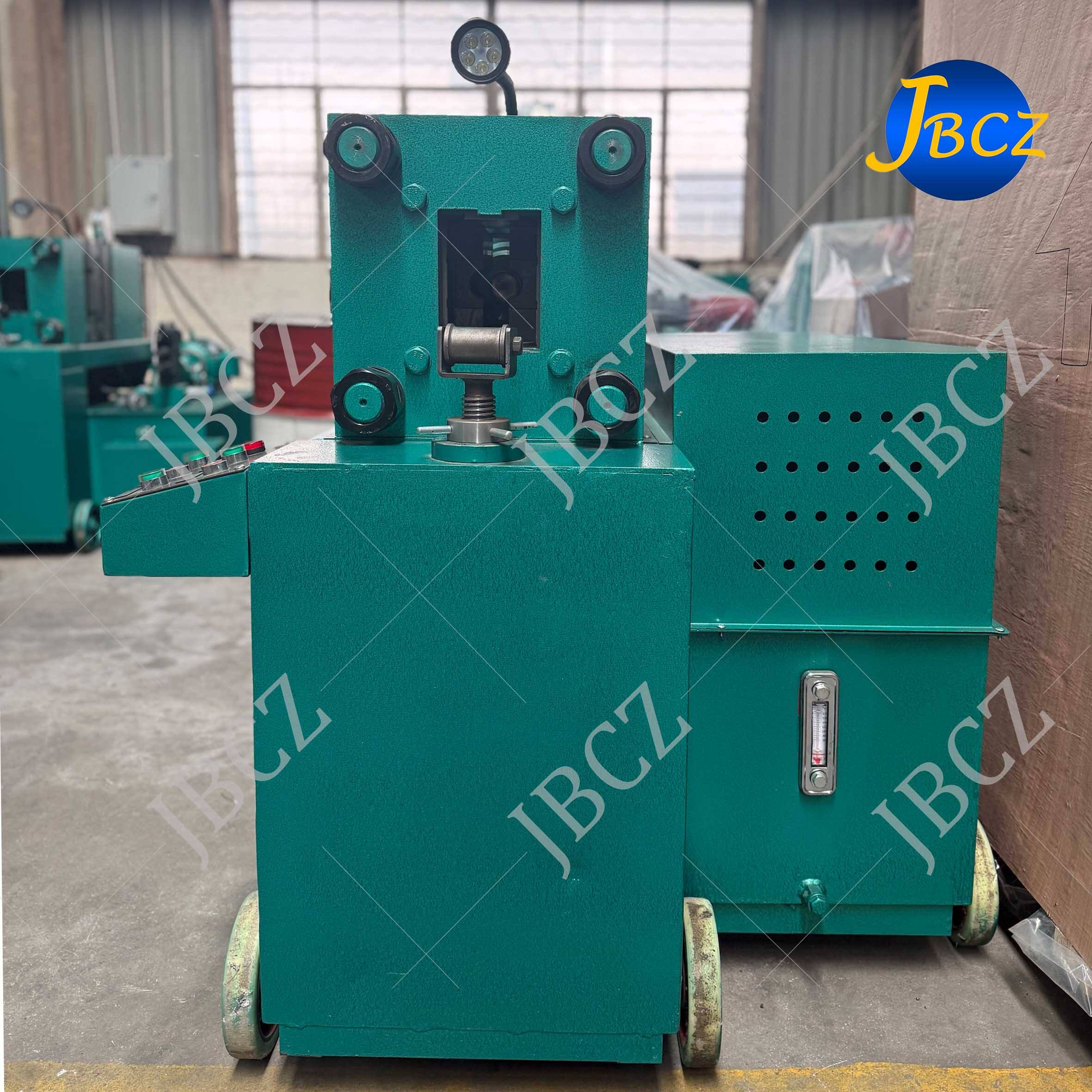
The rebar upset forging machine represents a specialized piece of industrial equipment designed specifically for the metalworking and construction industries. This sophisticated machinery performs the critical function of thickening and strengthening the ends of steel reinforcement bars through a controlled forging process. The primary purpose of this equipment is to create enlarged sections at the terminations of rebars, which significantly enhances their load-bearing capacity and connection strength in concrete structures. The rebar upset forging machine operates through a precise heating and forging mechanism that applies tremendous pressure to the bar ends, redistributing the metal material to form bulbous terminations without compromising the structural integrity of the steel. This process involves carefully controlled temperature regulation, typically heating the rebar ends to optimal forging temperatures before applying hydraulic or mechanical pressure to reshape the material. Modern rebar upset forging machines incorporate advanced technological features including programmable logic controllers, automated feeding systems, and precision temperature monitoring sensors that ensure consistent quality across production runs. The equipment accommodates various rebar diameters ranging from smaller residential construction sizes to heavy-duty industrial specifications, making it versatile for different project requirements. The forging process completed by this machinery is essential for creating mechanical connections in reinforced concrete construction, particularly in high-rise buildings, bridges, and infrastructure projects where reliable rebar connections are critical for structural safety. The machine typically consists of several key components including the heating chamber, forging die assembly, hydraulic power system, control interface, and cooling mechanism. Production efficiency is a hallmark of these machines, with capabilities to process multiple bars per minute depending on the model and specifications, significantly accelerating construction timelines while maintaining stringent quality standards that meet international building codes and engineering specifications.

New Product Releases

Investing in a rebar upset forging machine delivers substantial practical benefits that directly impact your bottom line and project success rates. First and foremost, this equipment dramatically reduces labor costs by automating a process that would otherwise require multiple skilled workers and extensive manual effort. The machine completes in minutes what manual methods would take hours to achieve, multiplying your productivity exponentially. You will experience consistent quality across every single piece produced, eliminating the human error factor that often leads to rejected materials and costly rework. The precision engineering built into the rebar upset forging machine ensures that every forged end meets exact specifications, which translates to passing inspections on the first attempt and avoiding expensive project delays. Energy efficiency is another compelling advantage, as modern machines optimize power consumption during the heating and forging cycles, reducing your operational expenses compared to older methods or equipment. The durability of these machines means you are making a long-term investment that will serve your business for years with minimal maintenance requirements, protecting your capital expenditure. Safety improvements cannot be overstated, as the automated operation keeps workers at a safe distance from high temperatures and crushing forces, reducing workplace accidents and the associated costs of injuries and insurance claims. The versatility of handling multiple rebar sizes with quick die changes means you can serve diverse project requirements without purchasing separate equipment for each specification, maximizing your equipment utilization rates. Speed of operation directly accelerates your project timelines, allowing you to take on more contracts and increase revenue potential without proportionally increasing overhead costs. The compact footprint of most models means you can integrate this technology into existing facilities without extensive renovations or additional real estate investments. Quality connections produced by the rebar upset forging machine result in stronger concrete structures, enhancing your reputation for delivering superior construction work that stands the test of time. The machine operates with minimal consumables beyond standard maintenance items, keeping ongoing operational costs predictable and manageable. Training requirements are straightforward, enabling your team to become proficient operators quickly without extensive specialized education. The return on investment typically materializes within the first year of operation for businesses with regular rebar processing needs, making this a financially sound decision that strengthens your competitive position in the marketplace.

Tips And Tricks

How Rebar Couplers Strengthen Concrete Structures: Innovation and Benefits

10

Jul

How Rebar Couplers Strengthen Concrete Structures: Innovation and Benefits

View More
What is a Reducing Coupler and How is it Used in Plumbing Systems?

10

Jul

What is a Reducing Coupler and How is it Used in Plumbing Systems?

View More
Ensuring Structural Integrity: The Role of Rebar Couplers in Concrete Joints

10

Jul

Ensuring Structural Integrity: The Role of Rebar Couplers in Concrete Joints

View More
Six ways to regulate rebar splices

10

Jul

Six ways to regulate rebar splices

View More

Get a Free Quote

Our representative will contact you soon.
Email
Name
Company Name
Message
0/1000

rebar upset forging machine

Superior Connection Strength and Structural Integrity

Superior Connection Strength and Structural Integrity

The rebar upset forging machine creates connections that fundamentally transform how steel reinforcement performs within concrete structures, delivering unmatched strength characteristics that conventional methods simply cannot achieve. When rebars are joined using upset forged ends, the enlarged terminations create a mechanical interlock that distributes tensile forces across a significantly larger surface area compared to standard straight bar connections or threaded couplers. This distribution of stress prevents the concentration of forces at single points, which is the primary cause of connection failure in reinforced concrete under extreme loads. The forging process work-hardens the steel at the connection point, actually increasing the material strength beyond the original bar specifications through controlled plastic deformation of the metal crystals. Engineering tests consistently demonstrate that properly forged upset ends can achieve connection strengths exceeding 100 percent of the parent bar capacity, meaning the connection is stronger than the bar itself, which represents the gold standard in structural connections. This superior performance becomes critically important in seismic zones where structures must withstand dynamic loading and cyclic stresses that would compromise weaker connection types. The rebar upset forging machine produces these high-strength connections with remarkable consistency, eliminating the variability inherent in field-welded connections or mechanical splices that depend heavily on installer skill levels. For construction projects where structural failure is simply not an option, such as nuclear facilities, hospitals, and critical infrastructure, the reliability of upset forged connections provides engineers and owners with confidence that cannot be quantified but is absolutely essential. The physical metallurgy behind the process ensures that no heat-affected zones weaken the surrounding material, unlike welding which creates brittle zones susceptible to cracking under stress. The cold-worked material at the forged end exhibits improved fatigue resistance, extending the service life of structures subjected to repeated loading cycles such as bridges and industrial platforms. From a practical standpoint, these superior connections mean fewer bars are needed to achieve design strength requirements, reducing material costs while simultaneously improving structural performance. Building inspectors and structural engineers readily approve upset forged connections because the quality is verifiable through visual inspection and the process is backed by decades of proven field performance and extensive laboratory testing data that confirms reliability across diverse applications and environmental conditions.
Exceptional Production Efficiency and Cost-Effectiveness

Exceptional Production Efficiency and Cost-Effectiveness

The economic advantages of implementing a rebar upset forging machine into your operations extend far beyond the initial equipment purchase, creating a cascade of cost savings and efficiency improvements that accumulate throughout the lifetime of the machinery. Production rates achievable with modern forging equipment are extraordinary, with high-capacity models processing up to several hundred bars per hour depending on diameter and forging specifications, which translates to completing in a single shift what manual methods would require weeks to accomplish. This acceleration of production timelines enables contractors to compress construction schedules, reducing financing costs, minimizing weather-related delays, and allowing earlier occupancy or revenue generation from completed structures. The labor efficiency gained is transformative, as a single operator can oversee the rebar upset forging machine while it continuously processes materials, freeing skilled workers to focus on other critical tasks that require human judgment and expertise rather than repetitive physical work. Energy consumption per forged piece is optimized through efficient heating systems that minimize thermal losses and hydraulic systems that recover energy during the compression cycle, resulting in operational costs that are fractional compared to alternative connection methods when calculated on a per-unit basis. Material waste is virtually eliminated because the forging process redistributes existing steel rather than removing material through cutting or machining, and the precision of the operation means rejected pieces due to quality issues are rare occurrences rather than expected losses. The consistency of output from the rebar upset forging machine reduces inspection time and costs because every piece meets specifications, eliminating the extensive testing protocols required when connection quality is variable or questionable. Maintenance requirements for quality machinery are predictable and manageable, with routine servicing easily scheduled during non-production hours to avoid operational disruptions, and the robust construction of industrial forging equipment means major repairs or component replacements are infrequent events spread across many years of service. The versatility to handle multiple projects with different specifications using the same equipment maximizes utilization rates and return on investment, avoiding the capital waste of specialized tools that sit idle between specific project types. From a competitive bidding perspective, the cost savings enabled by efficient rebar processing allow contractors to submit more aggressive proposals while maintaining healthy profit margins, winning more contracts and growing market share within the construction sector. The speed and reliability of the rebar upset forging machine also reduce the working capital tied up in work-in-progress inventory, as materials can be processed just-in-time for installation rather than requiring large stockpiles of pre-prepared components.
Advanced Technology Integration and Operational Safety

Advanced Technology Integration and Operational Safety

Modern rebar upset forging machines incorporate sophisticated technological systems that elevate operational safety, quality control, and user experience to levels that previous generations of equipment could never achieve. Programmable logic controllers serve as the intelligent brain of these machines, managing every aspect of the forging cycle with precision timing that optimizes results while protecting both the equipment and operators from potential hazards. These control systems monitor critical parameters including heating temperatures, forging pressures, cycle timing, and material positioning, automatically adjusting operations in real-time to compensate for variations in material properties or environmental conditions that could affect outcomes. Touchscreen interfaces provide operators with intuitive control over machine functions, displaying clear visual feedback about process status, production counts, and diagnostic information that simplifies training and reduces the learning curve for new personnel. Safety interlocks and emergency stop systems are integrated throughout the rebar upset forging machine design, ensuring that access doors cannot be opened during operation, hands cannot reach danger zones while equipment is energized, and any abnormal condition triggers immediate shutdown to prevent injury or damage. The enclosed design of modern forging equipment contains heat, noise, and any material particles within the machine envelope, creating a cleaner and more comfortable working environment compared to open forging operations that expose workers to harsh conditions throughout their shifts. Temperature monitoring systems use infrared sensors and thermocouples to verify that rebar ends reach optimal forging temperatures without overheating, which could compromise material properties, and these systems maintain detailed logs for quality documentation and traceability requirements. Automated feeding systems reduce manual handling of heavy steel bars, eliminating the ergonomic strain and injury risks associated with repeatedly lifting and positioning materials, while also increasing throughput by maintaining continuous operation without fatigue-related slowdowns. Hydraulic systems employ proportional valves and pressure transducers that deliver exactly the required forging force with smooth application and release, preventing shock loads that could damage equipment or create inconsistent results. Diagnostic capabilities built into control systems provide predictive maintenance alerts, notifying operators when components are approaching service intervals or showing signs of wear before failures occur, minimizing unexpected downtime and extending equipment lifespan. The integration of quality verification systems, including dimensional sensors that measure forged end geometry, ensures that every piece meets specifications before leaving the machine, catching any anomalies immediately rather than discovering problems during installation when corrections are exponentially more expensive. Remote monitoring capabilities available on advanced models allow supervisors and maintenance personnel to observe machine performance from central locations, optimizing resource allocation across multiple production sites and enabling rapid response to any issues that arise during operation.