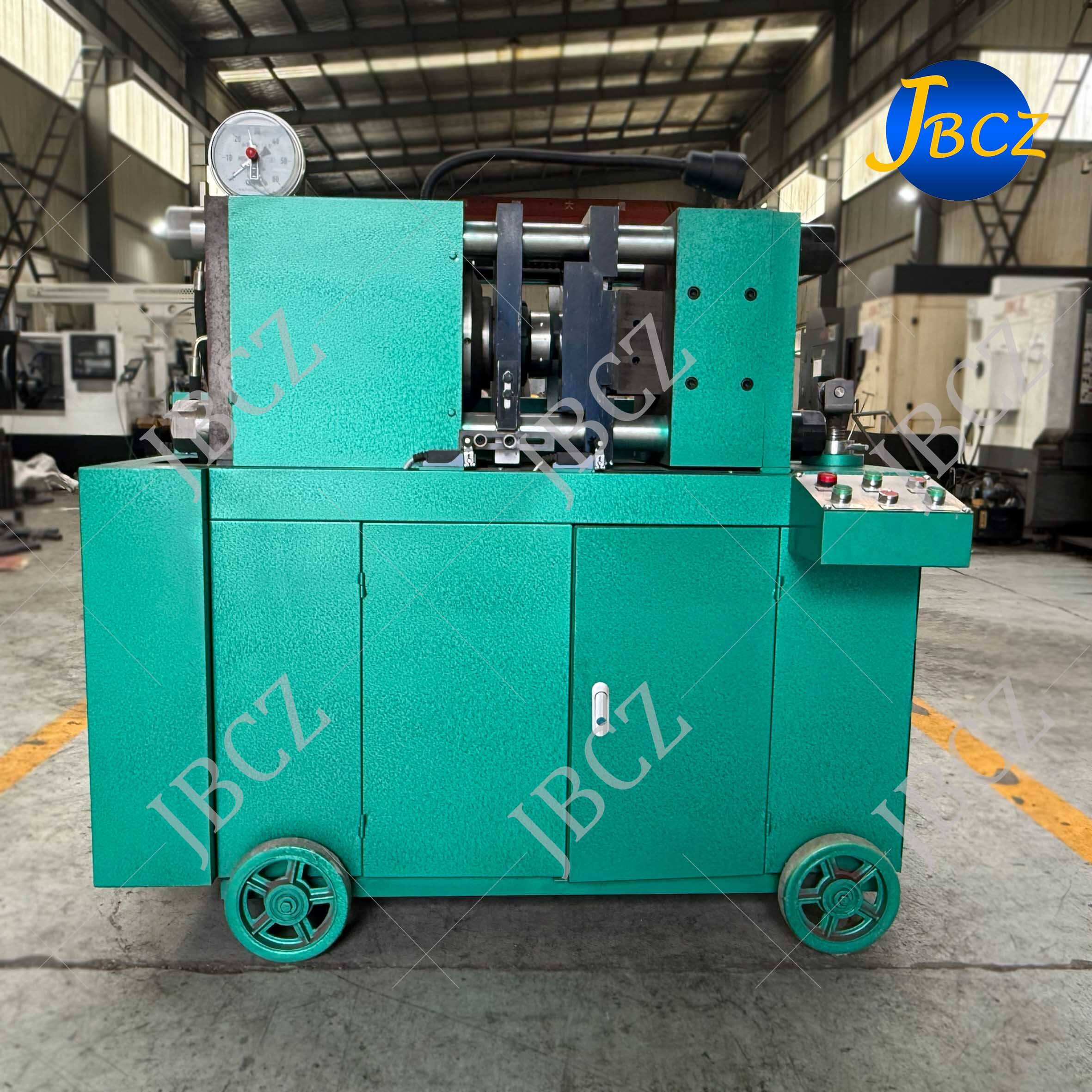
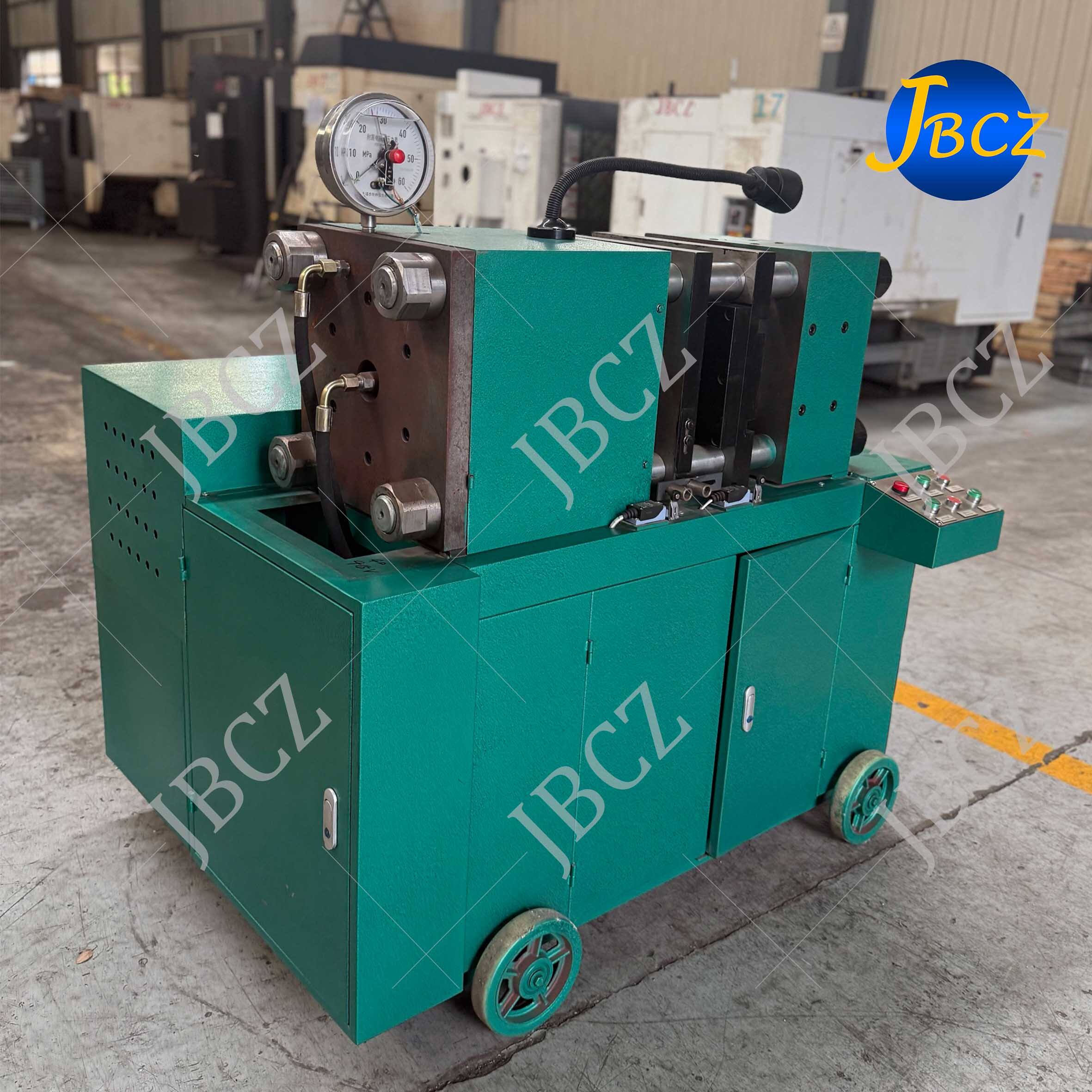
automatic upset forging machine
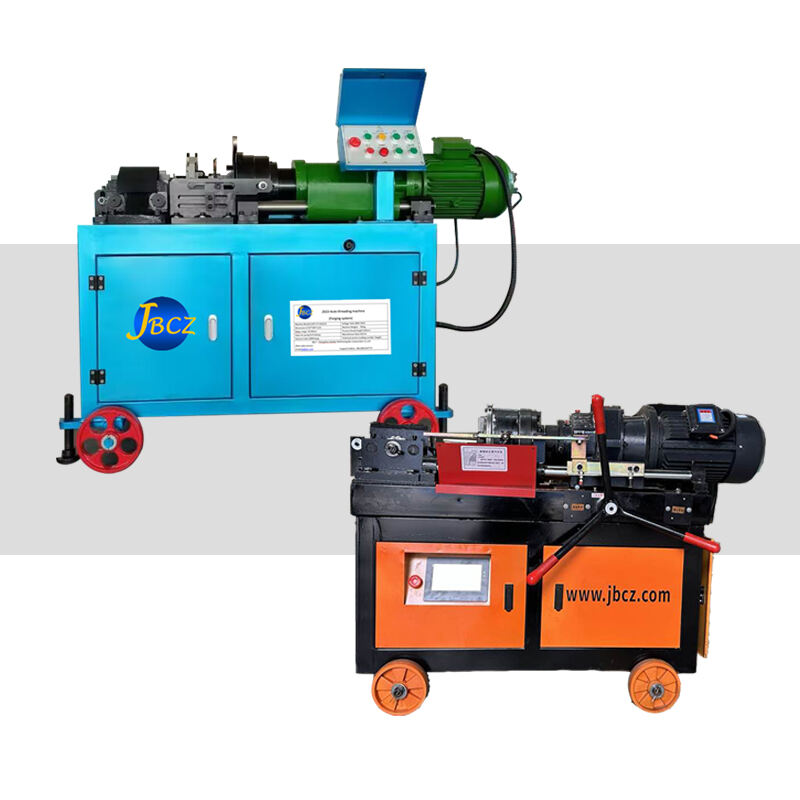
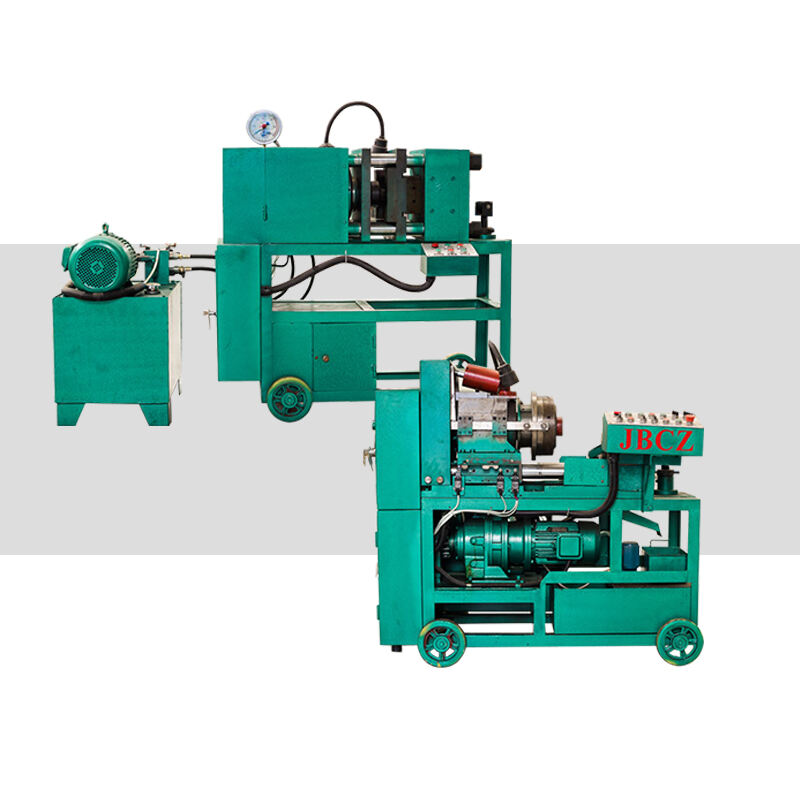
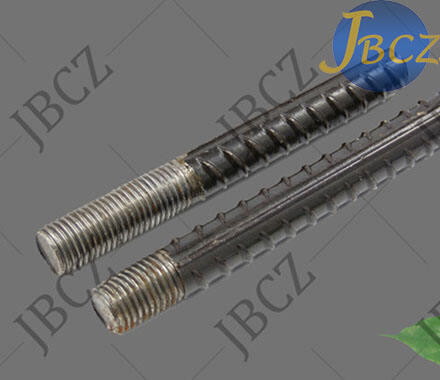
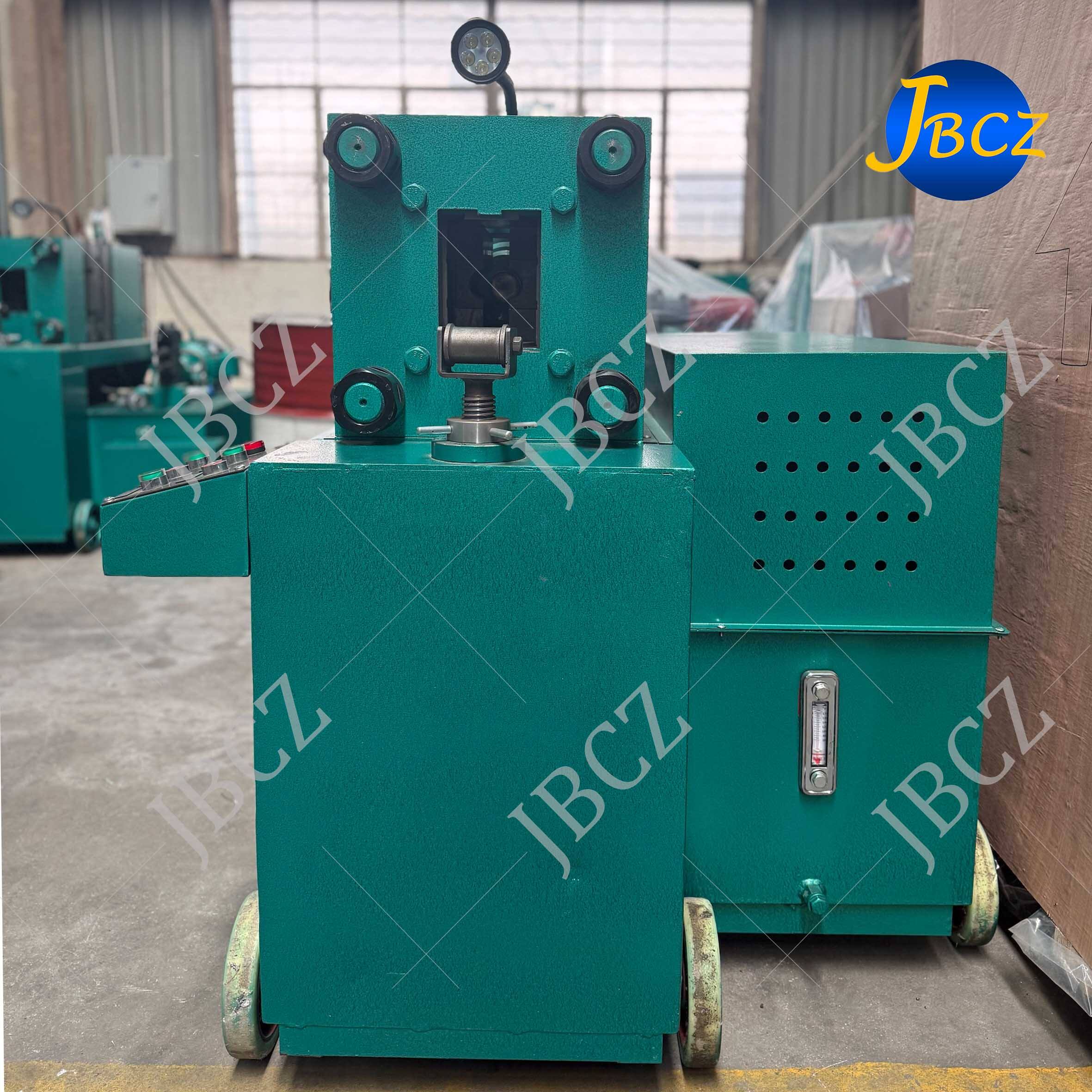
The automatic upset forging machine represents a revolutionary advancement in metal forming technology, designed to streamline the process of creating stronger, more durable metal components through precision upset forging operations. This sophisticated equipment automates the traditional forging process, where metal stock is compressed and enlarged at specific points to enhance structural integrity and material properties. The automatic upset forging machine excels in producing components with increased cross-sectional areas at designated positions, making it indispensable for manufacturing fasteners, bolts, valves, and various automotive parts. Its main functions encompass automated feeding systems, programmable heating mechanisms, precision die control, and synchronized ejection processes that work harmoniously to deliver consistent results. The technological features of this equipment include advanced servo motor controls, intelligent temperature monitoring systems, hydraulic pressure regulation, and computerized process management that ensures optimal forging conditions throughout production cycles. Modern automatic upset forging machines incorporate touchscreen interfaces for intuitive operation, real-time data analytics for quality assurance, and safety mechanisms that protect operators while maintaining high productivity levels. The applications span multiple industries including automotive manufacturing, aerospace engineering, construction hardware production, agricultural equipment fabrication, and railway component creation. These machines handle various materials such as carbon steel, alloy steel, stainless steel, aluminum, and copper alloys with remarkable versatility. The equipment accommodates different workpiece dimensions and can perform hot forging, warm forging, or cold forging operations depending on material requirements and desired outcomes. With its ability to execute complex forming operations automatically, this machine significantly reduces manual labor requirements while improving production efficiency and product quality standards across diverse manufacturing environments.