Reducing Rebar Coupler Solutions: Efficient Reinforcement Connection for Modern Construction

All Categories

Get a Free Quote

Our representative will contact you soon.
Email
Name
Company Name
Message
0/1000

reducing rebar coupler

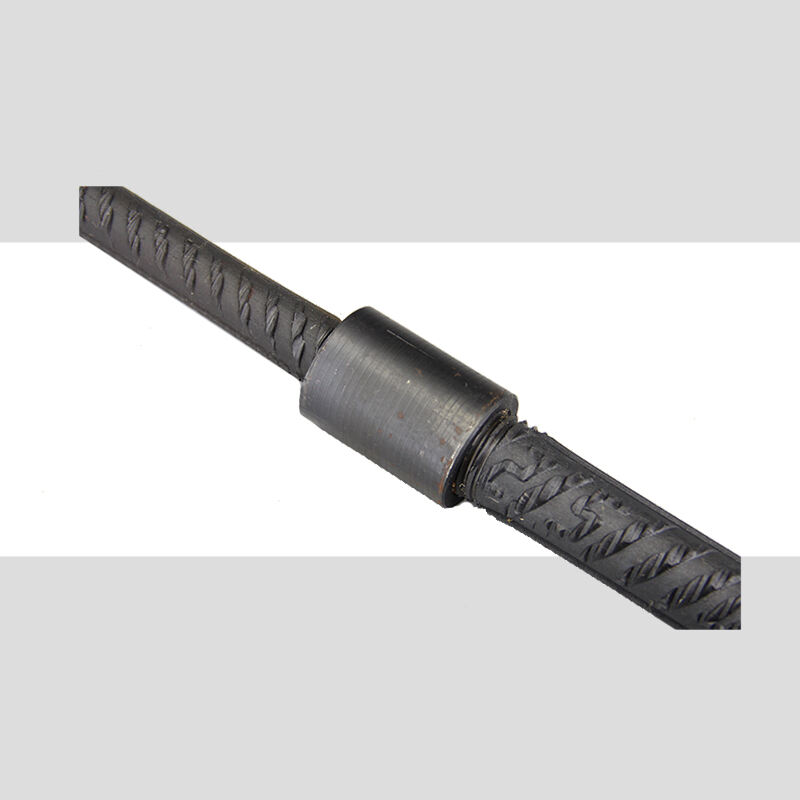
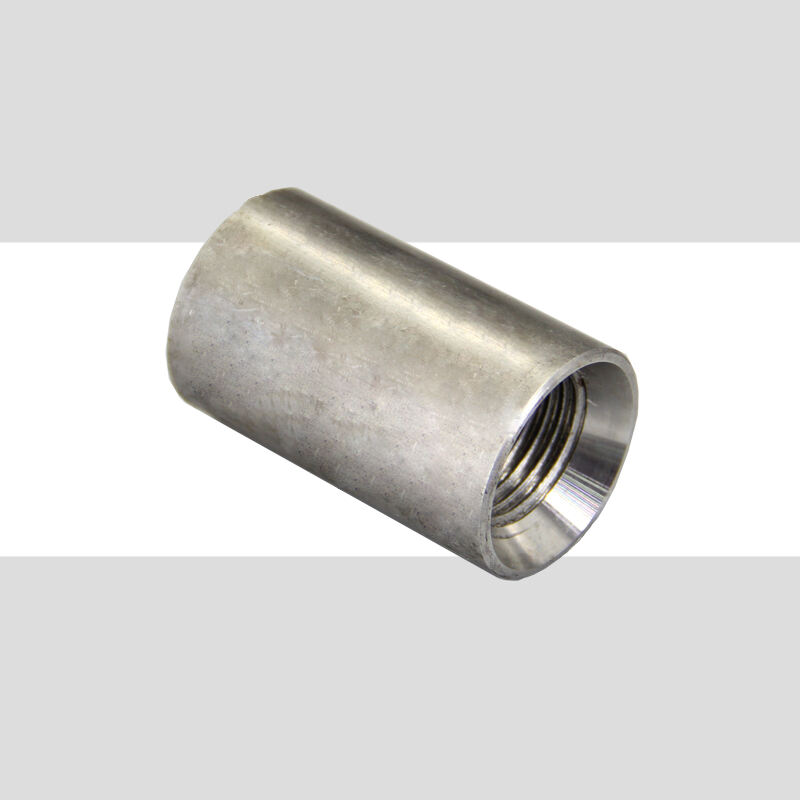
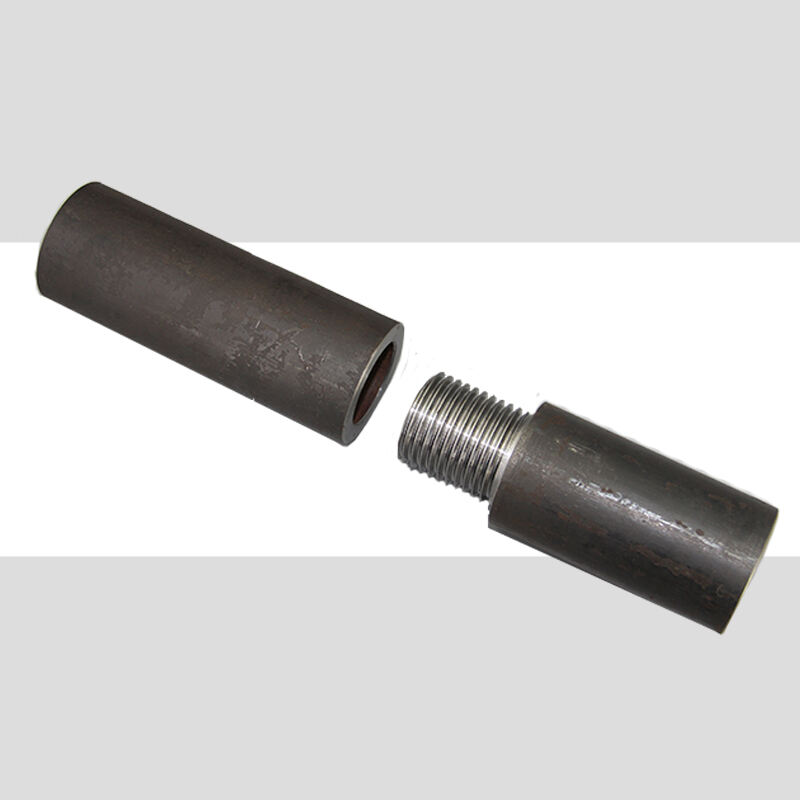
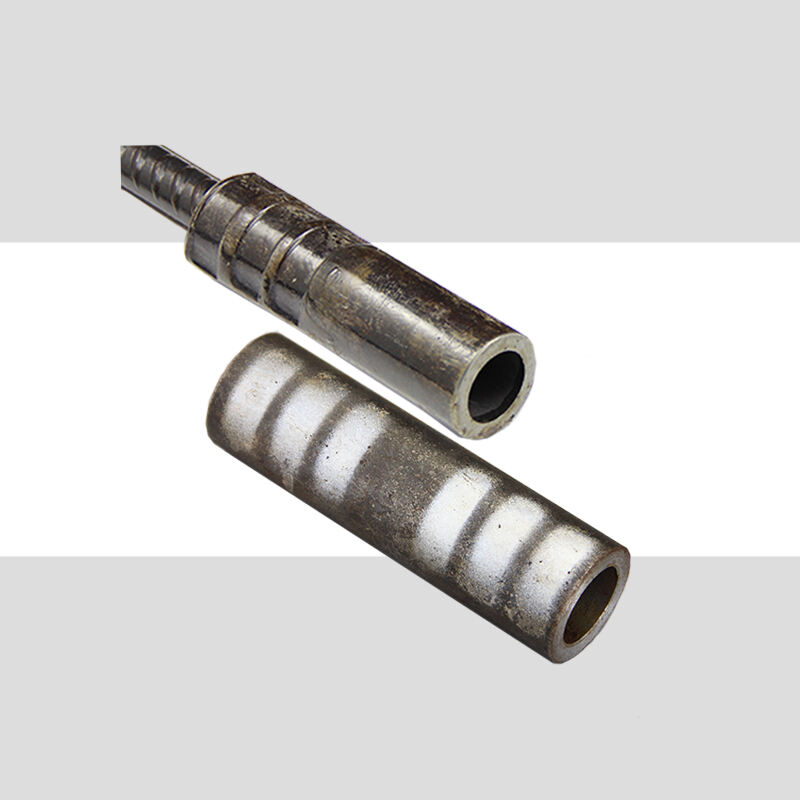
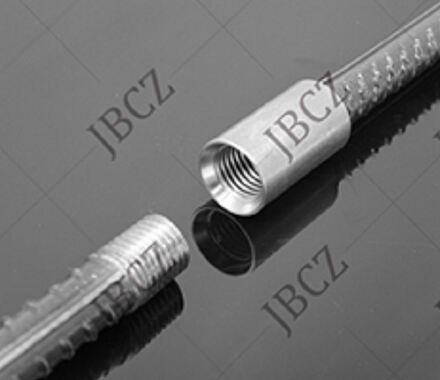
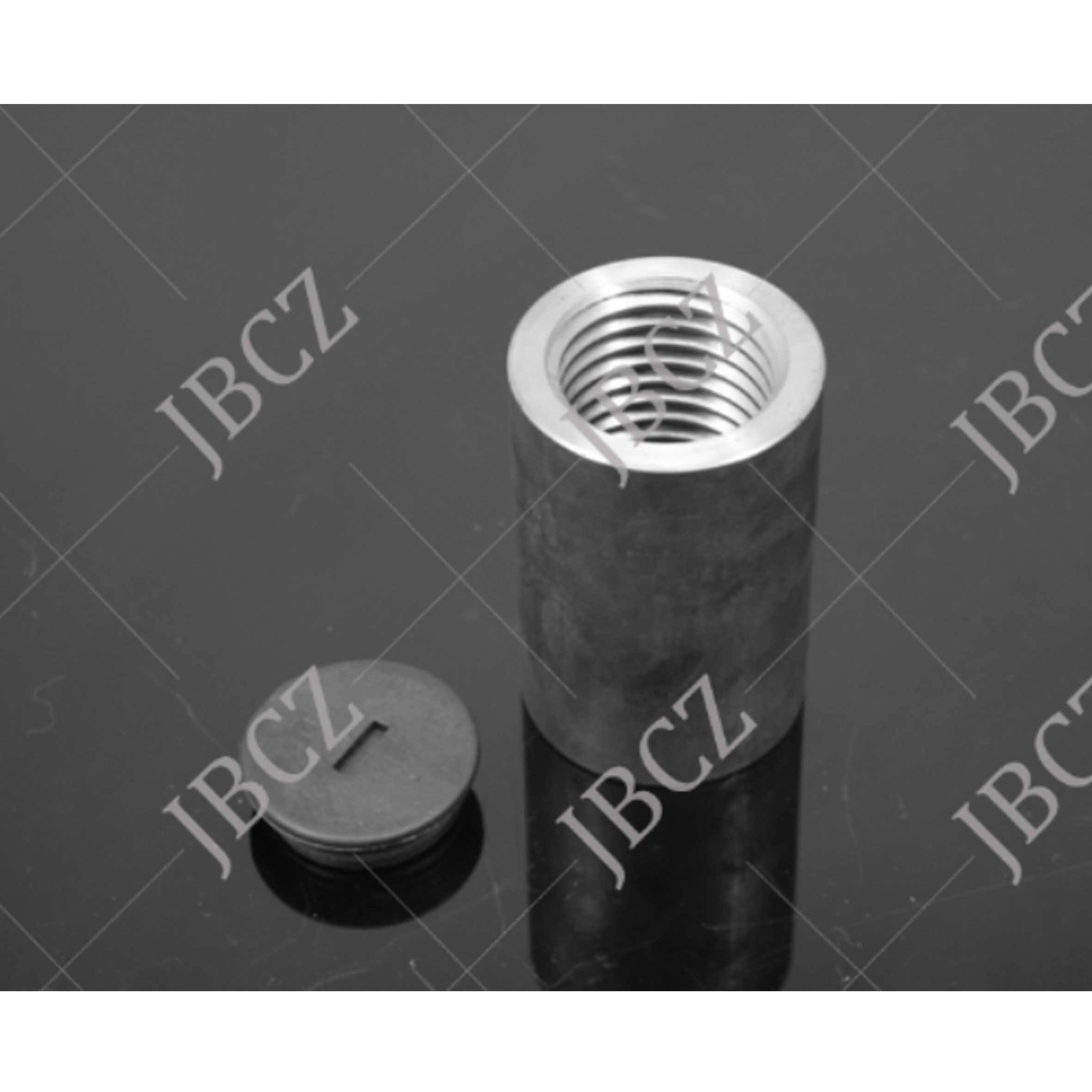
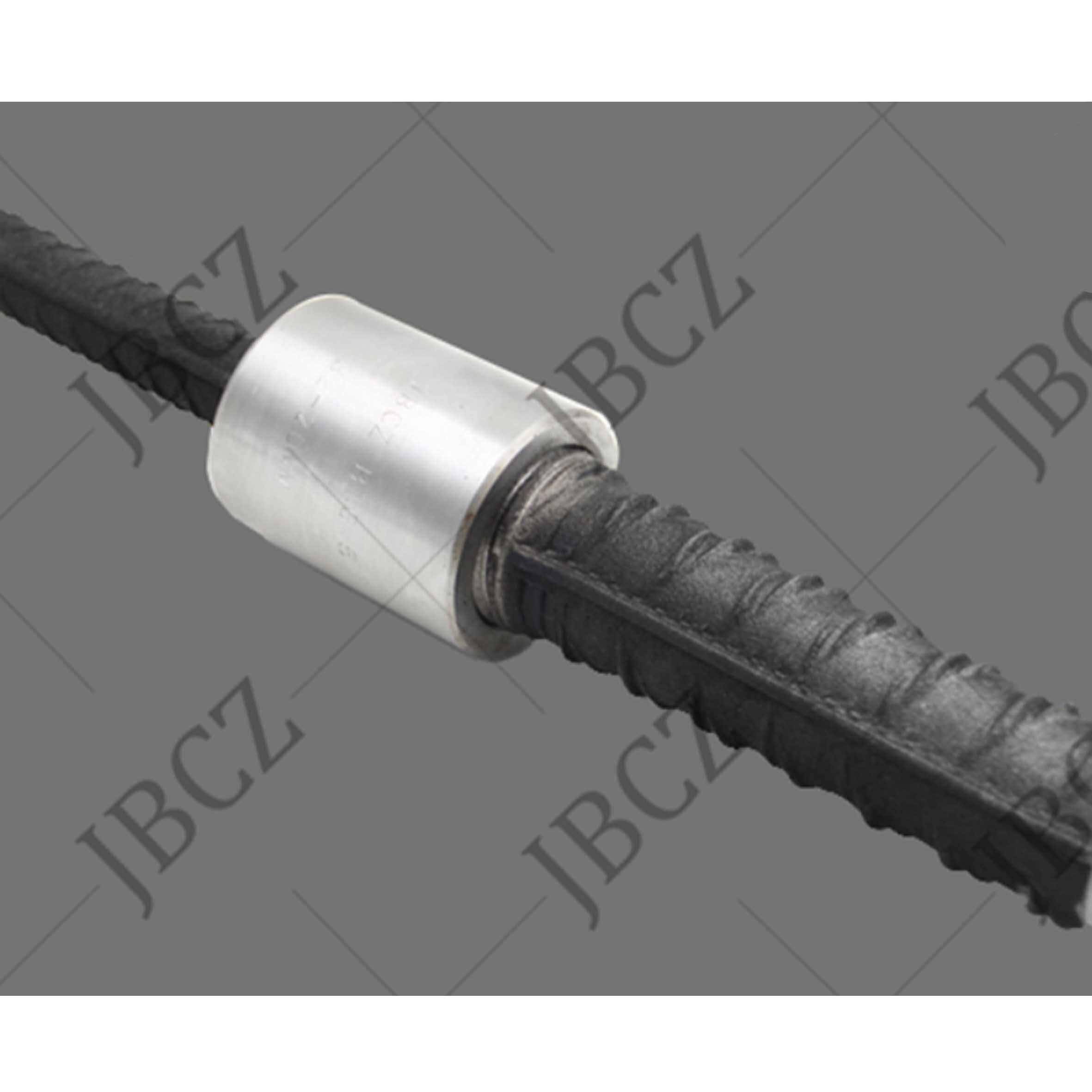
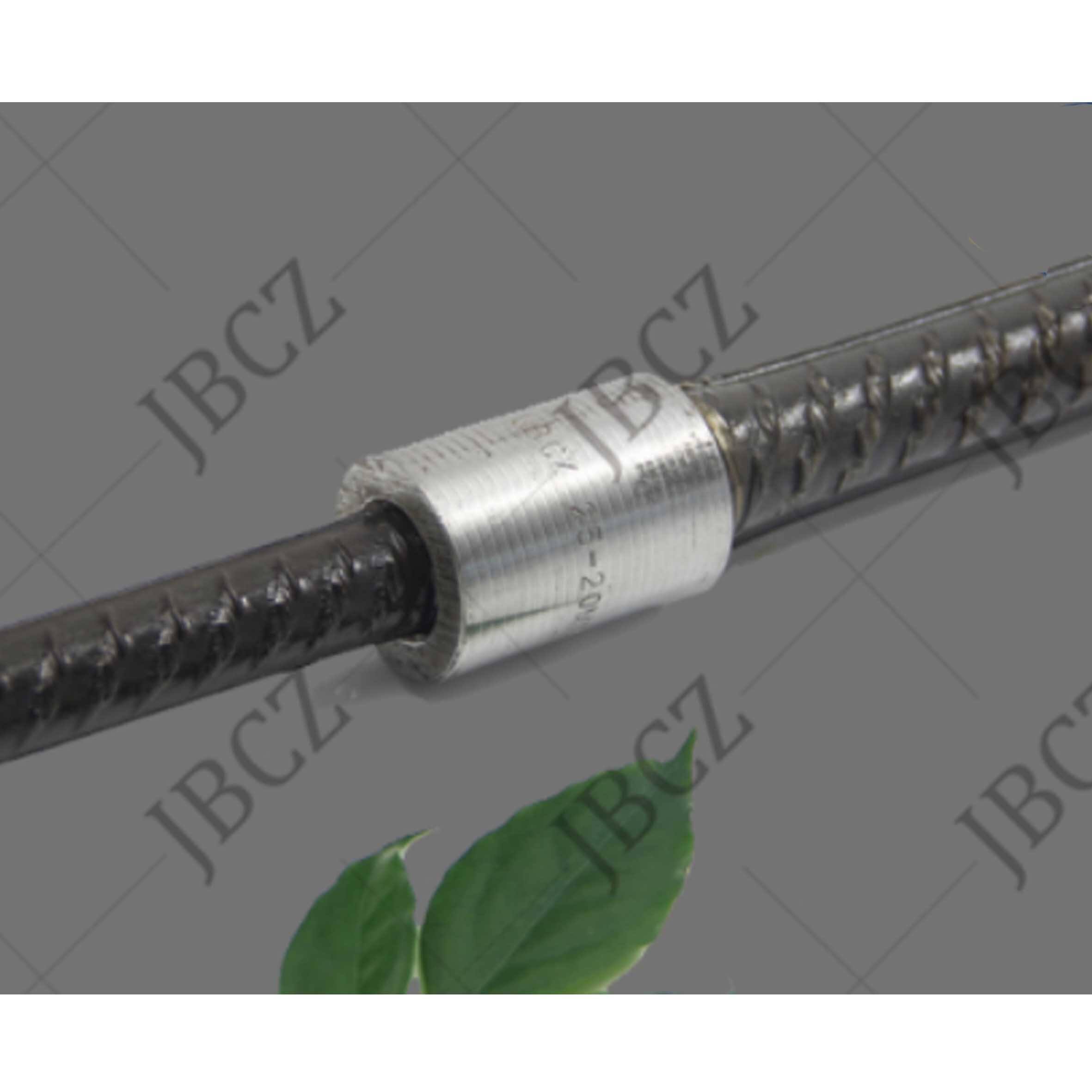
The reducing rebar coupler represents an innovative solution in modern construction, designed specifically to connect reinforcing bars of different diameters seamlessly. This mechanical splicing device eliminates the need for traditional lapping methods, providing a reliable and efficient connection between rebars of varying sizes. The reducing rebar coupler functions as a transitional connector, enabling construction professionals to join bars ranging from smaller to larger diameters without compromising structural integrity. Its primary purpose is to transfer tensile and compressive forces between dissimilar rebar sizes, ensuring continuous load distribution throughout the concrete structure. The technological features of the reducing rebar coupler include precision-engineered threading systems that accommodate different bar diameters within a single unit. Manufactured from high-grade steel alloys, these couplers undergo rigorous quality control processes to meet international construction standards. The internal threading mechanism is designed with specific pitch patterns that ensure maximum grip and load transfer efficiency. Advanced manufacturing techniques guarantee dimensional accuracy, preventing any misalignment during installation. The reducing rebar coupler finds extensive applications across various construction projects, including high-rise buildings, bridge construction, infrastructure development, and seismic-resistant structures. These couplers prove particularly valuable when transitioning between different structural elements that require varying reinforcement sizes. In foundation work, they facilitate connections between column rebars and footing reinforcements. For bridge construction, reducing rebar couplers enable smooth transitions in pier and deck reinforcement systems. The versatility of the reducing rebar coupler makes it indispensable in renovation projects where existing structures with different rebar specifications need integration with new construction elements. This connection solution supports sustainable construction practices by reducing material waste and optimizing rebar utilization across projects of varying complexity and scale.

New Product Releases

The reducing rebar coupler delivers substantial benefits that directly impact project efficiency and cost-effectiveness. First and foremost, this connection system saves significant time during construction phases. Workers can quickly install these couplers without requiring extensive training or specialized skills, which accelerates project timelines considerably. The installation process involves simple threading operations that eliminate the complexity associated with traditional overlapping methods. This straightforward approach means your construction teams can complete more connections per day, boosting overall productivity. Material savings represent another compelling advantage. Traditional lapping methods require substantial overlap lengths, often consuming thirty to forty diameters of extra rebar material. The reducing rebar coupler eliminates this waste entirely, allowing you to purchase less reinforcing steel while maintaining structural performance. This reduction in material usage translates directly to lower procurement costs and decreased transportation expenses. Your project budget benefits immediately from these savings, making the reducing rebar coupler an economically sound choice. Space optimization within concrete elements becomes remarkably easier. In congested reinforcement zones where multiple bars converge, the compact design of reducing rebar couplers prevents overcrowding. This feature proves especially valuable in beam-column joints, foundation connections, and areas with complex reinforcement layouts. The reduced congestion facilitates better concrete flow during pouring operations, resulting in superior structural quality and fewer voids. Quality control becomes more manageable and reliable. Each reducing rebar coupler undergoes factory testing and certification, providing consistent performance characteristics. Unlike site-dependent lapping quality, which varies based on worker skill and supervision, couplers deliver predictable strength values. This consistency gives structural engineers greater confidence in design calculations and safety margins. The mechanical connection created by reducing rebar couplers often exceeds the tensile strength of the parent rebar itself, providing exceptional structural reliability. Environmental benefits deserve recognition as well. Reduced material consumption means lower carbon footprint from steel production and transportation. Construction sites generate less scrap material, minimizing waste disposal requirements. These ecological advantages align with modern sustainable building practices and green construction certifications. Project flexibility increases substantially. Design modifications during construction become easier to accommodate when using reducing rebar couplers. If specifications change or adjustments become necessary, workers can quickly adapt reinforcement configurations without extensive rework. This adaptability reduces costly delays and maintains project momentum even when facing unforeseen challenges or design revisions during the construction process.

Practical Tips

Ensuring Structural Integrity: The Role of Rebar Couplers in Concrete Joints

10

Jul

Ensuring Structural Integrity: The Role of Rebar Couplers in Concrete Joints

View More
Take a look at the rebar coupler

10

Jul

Take a look at the rebar coupler

View More
JBCZ has received the certification of UK CARES

10

Jul

JBCZ has received the certification of UK CARES

View More
Right Hand Coupler: Enhancing Efficiency and Precision in Mechanical Systems

10

Jul

Right Hand Coupler: Enhancing Efficiency and Precision in Mechanical Systems

View More

Get a Free Quote

Our representative will contact you soon.
Email
Name
Company Name
Message
0/1000

reducing rebar coupler

Superior Load Transfer Capability Across Different Diameter Rebars

Superior Load Transfer Capability Across Different Diameter Rebars

The reducing rebar coupler excels in its fundamental purpose of transferring structural loads between reinforcing bars of dissimilar diameters, a critical requirement in complex construction applications. This capability stems from sophisticated engineering that addresses the inherent challenges of connecting bars with different cross-sectional areas. The internal threading system features graduated pitch designs that accommodate size transitions while maintaining full tensile strength capacity. When forces act upon the reinforcement system, the reducing rebar coupler distributes stresses evenly across the threaded engagement zones, preventing stress concentrations that could compromise structural integrity. Engineering tests consistently demonstrate that properly installed reducing rebar couplers achieve load transfer efficiency exceeding one hundred percent of the smaller bar's capacity, often reaching one hundred ten to one hundred twenty percent. This performance margin provides engineers with confidence when designing critical structural elements. The metallurgical properties of the coupler material play a vital role in this performance. Manufacturers select steel grades with yield strengths that match or exceed the connected rebars, ensuring the coupler itself never becomes the weak link in the reinforcement chain. Heat treatment processes optimize the material's ductility and toughness, allowing the reducing rebar coupler to accommodate both static and dynamic loading conditions without brittle failure. In seismic applications, this ductility proves particularly valuable as the connection must absorb and dissipate energy during earthquake events. The geometry of the reducing rebar coupler contributes significantly to its load transfer effectiveness. The transition zone between different diameter threads incorporates carefully calculated taper angles that minimize stress risers. Finite element analysis guides these design decisions, ensuring optimal stress distribution patterns under various loading scenarios. The length of thread engagement for each bar size receives precise calculation to guarantee adequate contact area for full strength development. Quality assurance protocols verify these dimensions during manufacturing, with tolerance specifications measured in hundredths of millimeters. Real-world applications confirm the theoretical performance predictions. Reducing rebar couplers have successfully served in numerous landmark structures subjected to extreme loading conditions, including skyscrapers in typhoon-prone regions and bridges in high-seismic zones. Post-construction monitoring and periodic inspections reveal no degradation in connection performance, validating the long-term reliability of these mechanical splices. For construction professionals, this superior load transfer capability means designing with confidence, knowing that diameter transitions will not compromise structural safety or performance expectations throughout the building's service life.
Streamlined Installation Process That Reduces Labor Costs and Construction Time

Streamlined Installation Process That Reduces Labor Costs and Construction Time

The installation methodology for reducing rebar couplers has been refined to maximize efficiency while minimizing the skill level required from workers, delivering tangible economic benefits to construction projects. Unlike complex welding procedures or meticulous lapping arrangements that demand experienced craftsmen, reducing rebar coupler installation follows a straightforward mechanical process accessible to general construction labor. The procedure begins with preparing the rebar ends, which involves cutting bars to precise lengths and threading the ends using portable threading machines. These threading machines have become increasingly sophisticated, offering automated feed systems and quality verification features that ensure consistent thread profiles. Workers can thread multiple bars simultaneously while other team members proceed with coupler installation, creating an efficient workflow that keeps pace with construction schedules. The actual coupling operation requires minimal time investment. Workers simply hand-thread the coupler onto the first rebar until achieving the specified engagement depth, then connect the second bar from the opposite end. Visual indicators or witness marks on many reducing rebar coupler designs provide clear confirmation of proper installation depth, eliminating guesswork and reducing inspection time. Torque wrenches may be employed for final tightening in critical applications, though many installations achieve adequate performance through hand-tightening alone. This simplicity translates directly into labor cost savings. Time studies comparing traditional lapping methods against reducing rebar coupler installation consistently show fifty to seventy percent time reduction per connection. When multiplied across thousands of connections in a typical mid-rise building project, these savings accumulate to weeks of compressed schedule duration. Shorter construction timelines mean reduced overhead costs, earlier revenue generation for commercial projects, and decreased financing charges. The learning curve for workers proves remarkably shallow. Most construction personnel become proficient in reducing rebar coupler installation after brief training sessions lasting just a few hours. This rapid skill acquisition contrasts sharply with welding certification requirements or the experience needed to properly execute code-compliant lapping. Project managers can confidently assign coupler installation tasks to available crew members without concerns about specialized labor shortages or scheduling conflicts. Weather independence represents an often-overlooked installation advantage. Traditional lap splices require careful attention to concrete placement around overlapped bars, with weather conditions affecting workability and consolidation. Reducing rebar couplers create defined connection points that remain unaffected by temperature, humidity, or precipitation during installation. This reliability allows construction to proceed on schedule regardless of meteorological challenges, avoiding costly weather-related delays that plague many construction projects and maintaining consistent progress toward completion milestones.
Enhanced Structural Performance in Congested Reinforcement Zones

Enhanced Structural Performance in Congested Reinforcement Zones

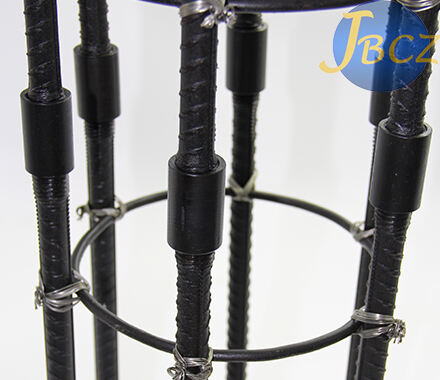
Construction projects frequently encounter situations where reinforcement requirements create crowded steel arrangements, particularly in beam-column joints, foundation pile caps, and transfer girders. The reducing rebar coupler addresses these congestion challenges through its compact design profile, delivering structural benefits that extend beyond simple space savings. Traditional reinforcement transitions using lapped splices consume substantial linear space, often requiring thirty-five to fifty diameters of overlap length depending on concrete strength and bar size. This extensive overlap creates zones where rebar density increases dramatically, potentially impeding concrete flow and compromising consolidation quality. The reducing rebar coupler eliminates these extended overlap zones, replacing them with a compact mechanical connection that typically measures only five to eight bar diameters in length. This dramatic space reduction allows engineers to optimize reinforcement layouts without sacrificing structural capacity. The practical implications for concrete placement quality cannot be overstated. When reinforcement congestion reaches excessive levels, concrete cannot flow properly around individual bars, creating voids, honeycomb defects, and weak planes within the structural element. These defects compromise both strength and durability, potentially requiring expensive remediation or even structural replacement in severe cases. By minimizing congestion through compact connections, reducing rebar couplers facilitate superior concrete consolidation, resulting in dense, homogeneous structural elements that perform as designed throughout their service life. Vibrator access improves significantly in less congested reinforcement arrangements, allowing proper compaction throughout the entire concrete pour. This thorough consolidation proves especially critical in high-performance concrete applications where achieving design strength depends on eliminating entrapped air and ensuring complete aggregate integration. The flexibility in reinforcement arrangement that reducing rebar couplers provide enables engineers to solve complex detailing challenges. When structural members of different sizes intersect, such as a smaller upper-floor column connecting to a larger lower-floor column, the diameter transition must occur within a confined zone. Reducing rebar couplers facilitate this transition efficiently, maintaining continuity of vertical reinforcement while accommodating the size change within available space constraints. Similarly, in foundation systems where pile rebars must connect to pile cap reinforcement of different diameters, these couplers provide elegant solutions that respect both structural requirements and constructability limitations. Inspection and quality verification become more straightforward in less congested reinforcement zones. Inspectors can visually verify reducing rebar coupler installation and confirm proper positioning of all reinforcement elements without the visual confusion created by overlapping bars. This enhanced inspection capability supports better quality control outcomes and provides documentation for regulatory compliance. The combination of space efficiency, improved concrete quality, and enhanced structural performance makes reducing rebar couplers invaluable tools for addressing the increasingly complex reinforcement challenges encountered in modern construction projects demanding both strength and constructability.