Bolt Rebar Coupler: High-Performance Mechanical Connection System for Reinforced Concrete Construction

All Categories

Get a Free Quote

Our representative will contact you soon.
Email
Name
Company Name
Message
0/1000

bolt rebar coupler

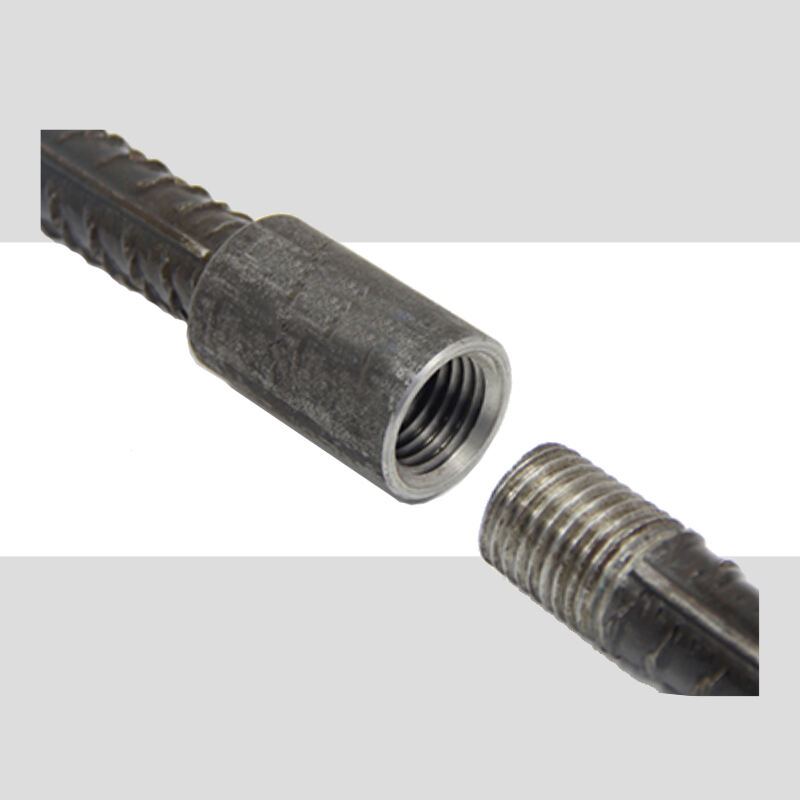
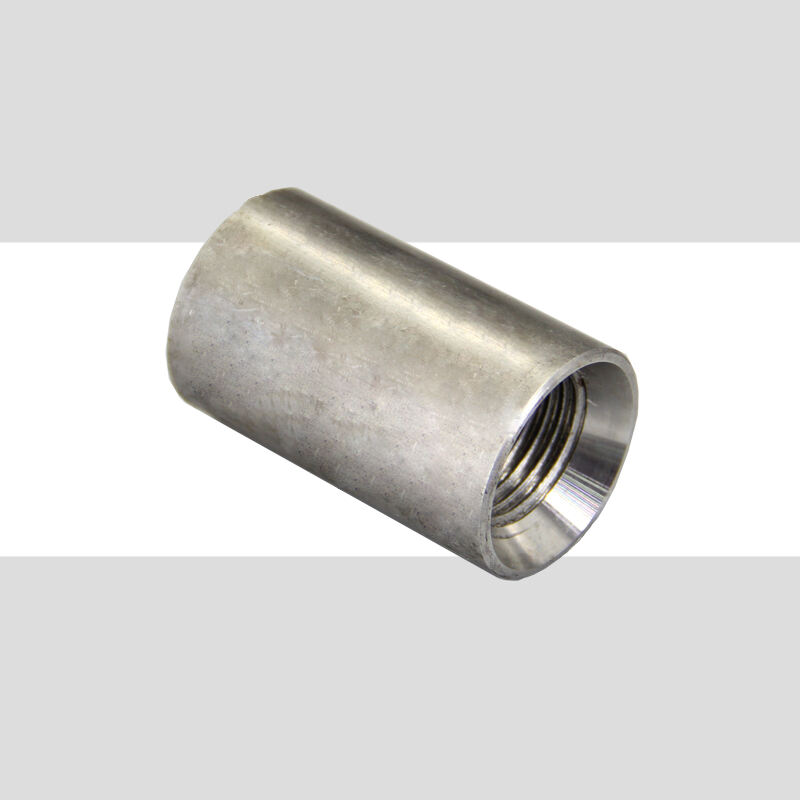
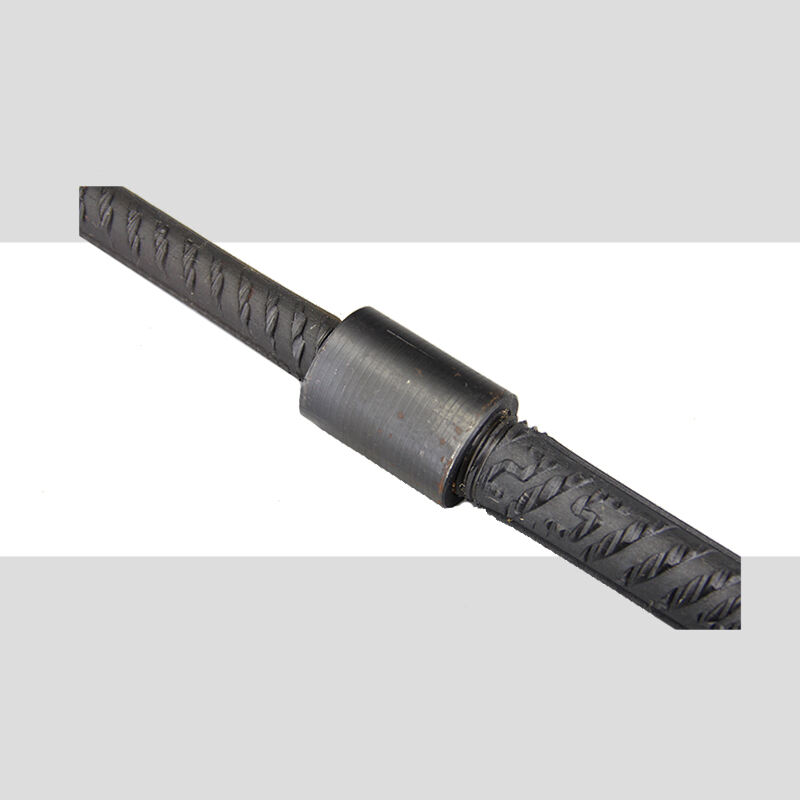
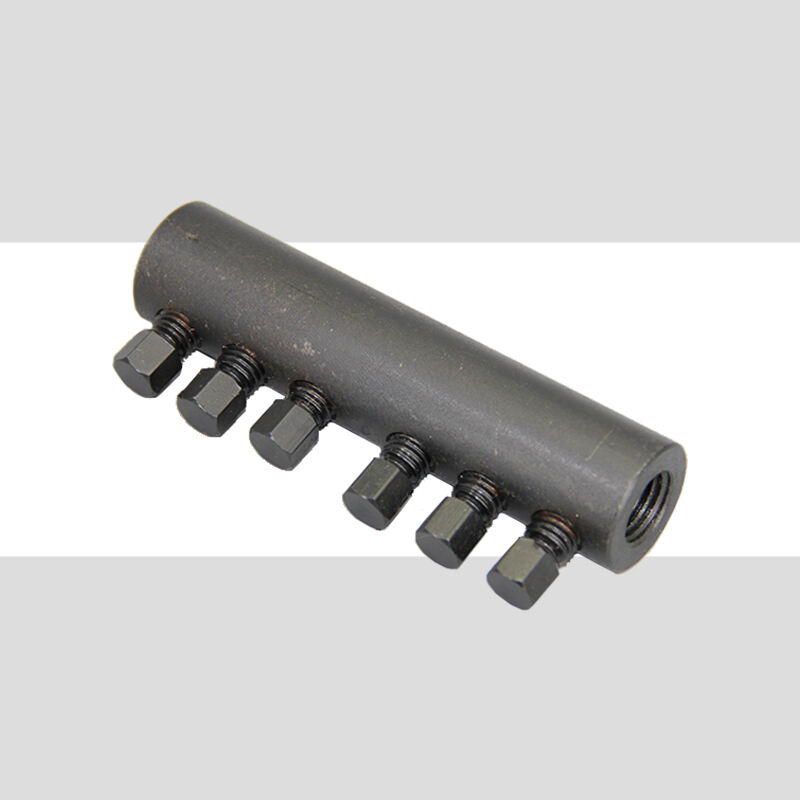
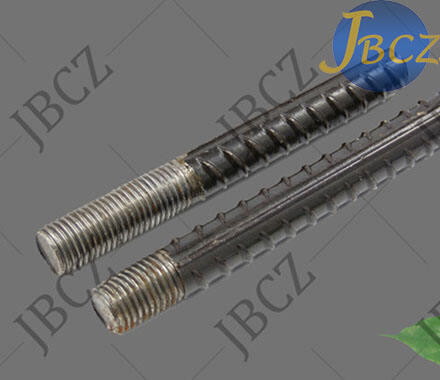
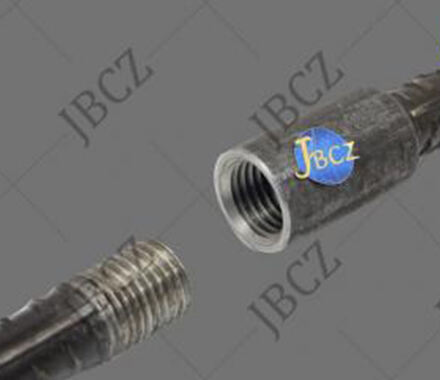
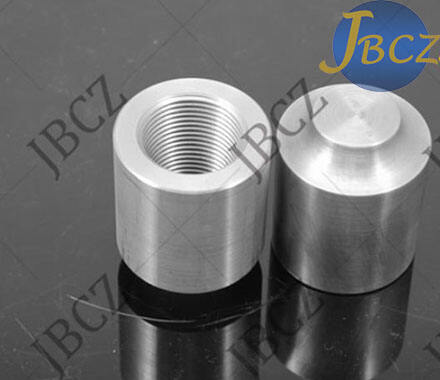
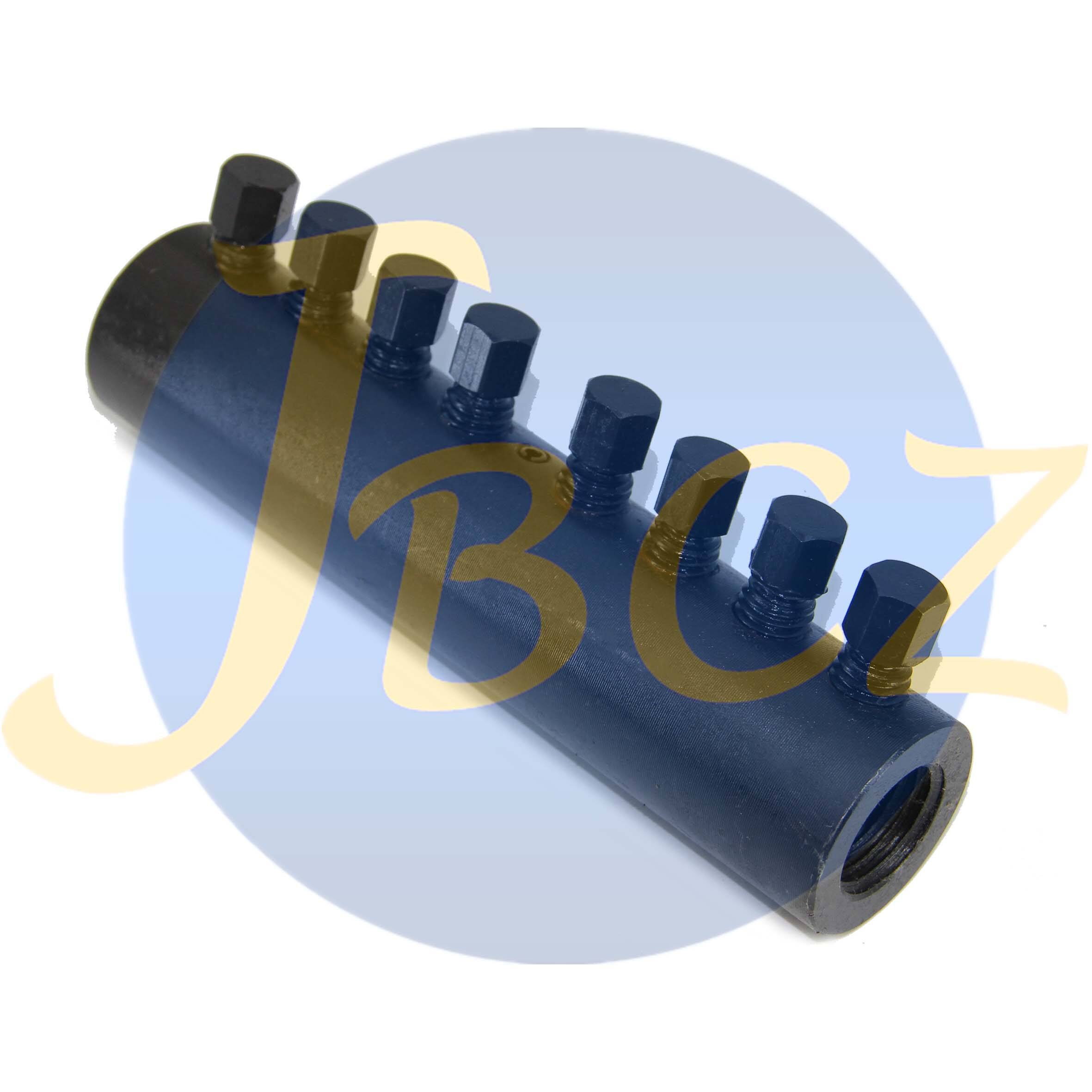
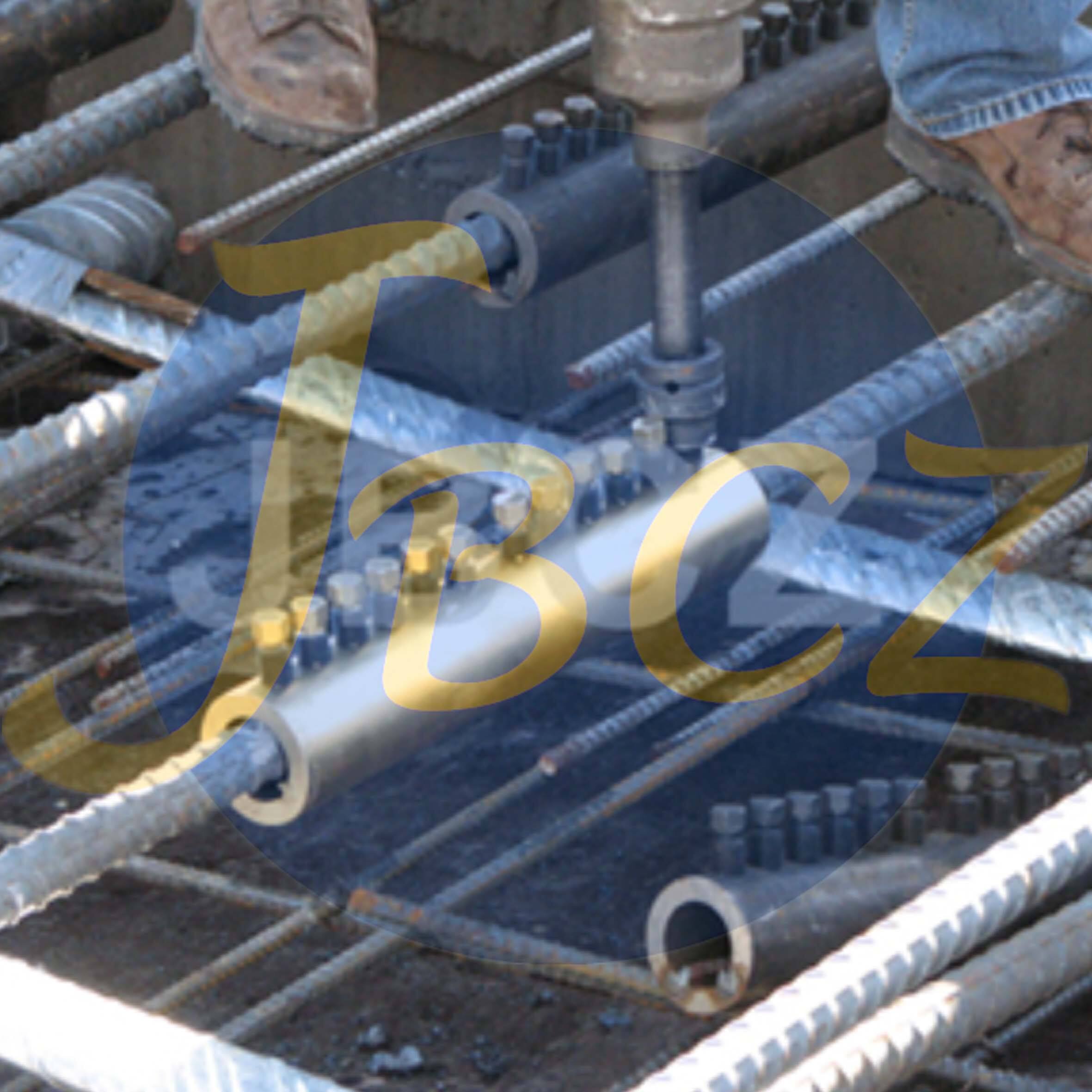
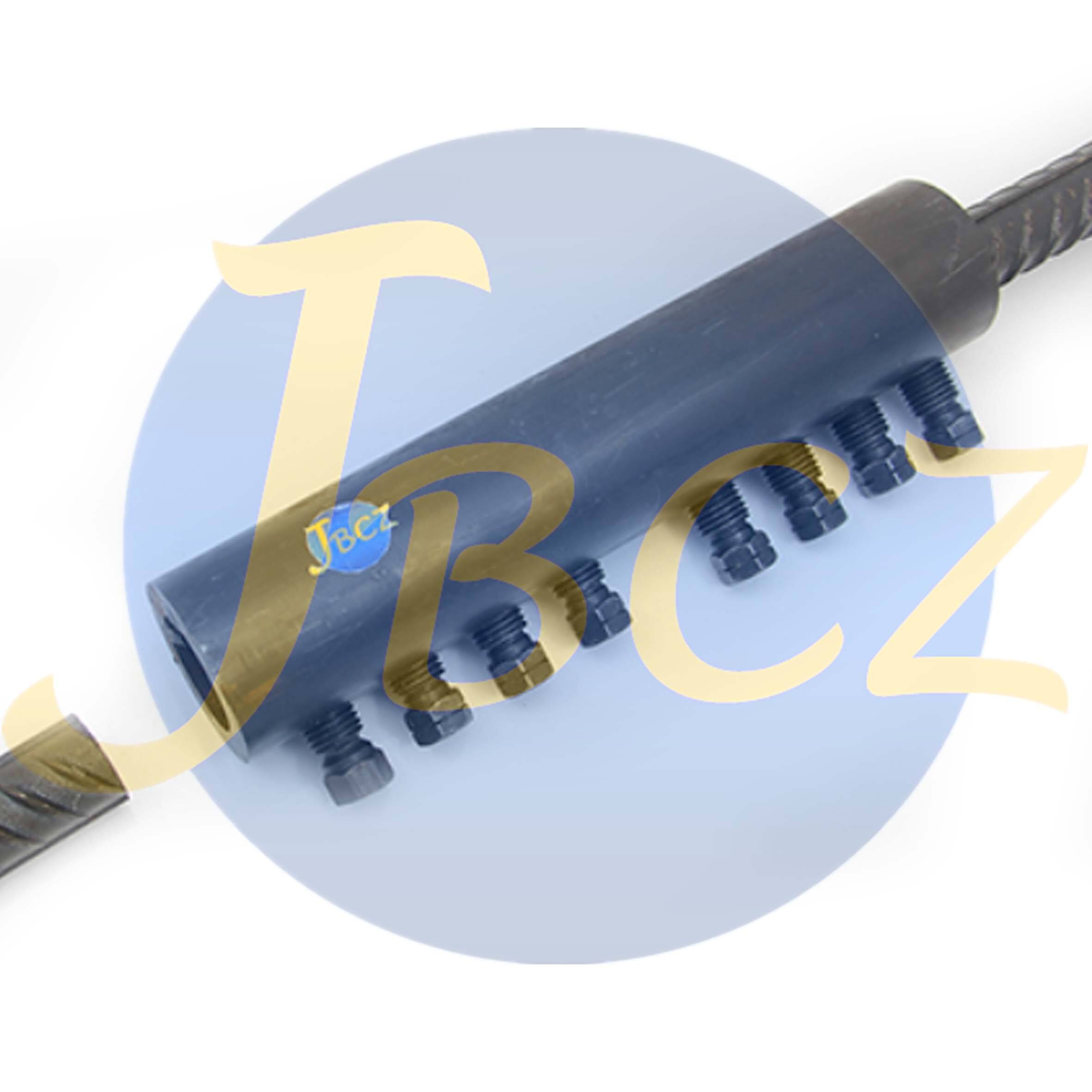
The bolt rebar coupler represents an innovative mechanical connection system designed to join reinforcing steel bars in concrete construction projects. This specialized coupling device provides a reliable alternative to traditional lap splicing and welding methods, offering construction professionals a faster and more efficient way to connect rebars of various diameters. The bolt rebar coupler consists of a cylindrical steel sleeve with internal threading and high-strength bolts that secure the reinforcing bars firmly in place. When two rebar ends are inserted into opposite sides of the coupler, the bolts are tightened to create a rigid connection that can withstand tremendous tensile and compressive forces. The main function of this coupling system is to transfer loads seamlessly between connected rebars while maintaining the structural integrity of reinforced concrete elements. The technological features of the bolt rebar coupler include precision-engineered internal threads that match perfectly with the rebar surface, ensuring maximum contact area and load distribution. The coupler body is manufactured from high-grade carbon steel or alloy steel, heat-treated to achieve superior mechanical properties that meet or exceed international construction standards. The bolt mechanism utilizes specially designed fasteners with anti-loosening features, preventing connection failure due to vibration or dynamic loading conditions. Applications for the bolt rebar coupler span across various construction sectors, including high-rise buildings, bridges, tunnels, dams, and industrial facilities. This connection method proves particularly valuable in projects where welding is prohibited due to fire hazards or where lap splicing would consume excessive amounts of reinforcing steel. The bolt rebar coupler enables construction teams to work more efficiently in confined spaces and allows for easier quality control compared to traditional connection methods. The system accommodates rebars ranging from small diameters to large structural bars, making it versatile enough for diverse project requirements and structural engineering specifications.

New Product Recommendations

The bolt rebar coupler delivers numerous practical benefits that directly impact construction efficiency and project economics. First and foremost, this connection system dramatically reduces installation time compared to conventional methods. Workers can complete a secure rebar connection in minutes rather than the hours required for proper lap splicing or the setup time needed for welding operations. This time savings translates directly into reduced labor costs and accelerated project schedules, allowing construction teams to meet tight deadlines without compromising quality. The straightforward installation process requires minimal specialized training, meaning that general construction workers can quickly learn to install these couplers correctly. This accessibility reduces dependency on highly specialized welders and eliminates the need for expensive welding equipment and associated safety measures. From a material efficiency standpoint, the bolt rebar coupler eliminates the need for overlapping rebar lengths, reducing steel consumption by up to thirty percent in many applications. This material savings results in lower transportation costs, reduced storage requirements on site, and decreased overall project expenses. The connection quality remains consistent regardless of weather conditions, unlike welding which can be compromised by rain, wind, or extreme temperatures. Construction can proceed without weather-related delays, maintaining productivity throughout different seasons. The mechanical connection created by the bolt rebar coupler provides exceptional strength characteristics, often exceeding the tensile capacity of the parent rebar itself. This superior performance ensures structural safety and gives engineers confidence in designing optimized reinforcement layouts. Quality assurance becomes simpler because visual inspection can verify proper installation, whereas welded connections may require costly non-destructive testing to confirm integrity. The coupler system also offers remarkable flexibility for design modifications during construction. If structural changes become necessary, workers can easily disconnect and reconnect rebars without material waste or extensive rework. This adaptability proves invaluable when coordinating with other building systems or accommodating unforeseen site conditions. Environmental benefits include elimination of welding fumes and sparks, creating safer working conditions and reducing fire risks on construction sites. The bolt rebar coupler contributes to sustainable construction practices by minimizing material waste and energy consumption associated with welding processes. Projects pursuing green building certifications find that these couplers support their environmental objectives while delivering superior technical performance. The long-term durability of bolt rebar coupler connections ensures that structures maintain their designed strength throughout their service life, with the corrosion-resistant coating on premium couplers providing additional protection in aggressive environments.

Latest News

What is a Reducing Coupler and How is it Used in Plumbing Systems?

10

Jul

What is a Reducing Coupler and How is it Used in Plumbing Systems?

View More
Advantages of Reducing coupler in Renewable Energy Storage Systems

10

Jul

Advantages of Reducing coupler in Renewable Energy Storage Systems

View More
The indispensable role of rebar couplers in offshore wind farms and marine structures

10

Jul

The indispensable role of rebar couplers in offshore wind farms and marine structures

View More
Right Hand Coupler: Enhancing Efficiency and Precision in Mechanical Systems

10

Jul

Right Hand Coupler: Enhancing Efficiency and Precision in Mechanical Systems

View More

Get a Free Quote

Our representative will contact you soon.
Email
Name
Company Name
Message
0/1000

bolt rebar coupler

Superior Load Transfer Capability and Structural Performance

Superior Load Transfer Capability and Structural Performance

The bolt rebar coupler excels in its fundamental purpose of transferring loads between connected reinforcing bars with exceptional efficiency and reliability. This mechanical connection system achieves load transfer through a combination of friction, mechanical interlock, and compression forces generated by the tightened bolts. When properly installed, the bolt rebar coupler creates a connection that can develop the full tensile strength of the reinforcing bar, often reaching or exceeding one hundred ten percent of the rebar's specified yield strength. This performance characteristic makes it possible for structural engineers to design connections with complete confidence, knowing that the coupled joint will not become the weak point in the reinforcement system. The internal geometry of the coupler sleeve features precisely machined threads or gripping surfaces that engage with the rebar deformations, creating multiple load paths that distribute stresses uniformly across the connection zone. This multi-point contact ensures that stress concentrations are minimized, reducing the likelihood of fatigue failure under cyclic loading conditions common in structures subjected to wind, seismic activity, or traffic vibrations. Extensive testing conducted according to international standards such as ACI 318, BS 8110, and various ISO specifications has demonstrated that bolt rebar coupler connections maintain their performance characteristics even under extreme loading scenarios. The connection exhibits ductile behavior, allowing for controlled deformation before ultimate failure, which provides critical warning signs and energy absorption capacity during seismic events. This ductility makes the bolt rebar coupler particularly suitable for earthquake-resistant construction where structural elements must exhibit plastic hinge behavior without premature connection failure. The coupler design accommodates slight misalignments between connecting rebars, a practical consideration given the realities of construction tolerances and field conditions. This forgiveness in alignment requirements reduces installation rejection rates and minimizes costly corrections during construction. The robust mechanical connection remains stable throughout the concrete curing process, eliminating concerns about joint movement during concrete placement and vibration. Quality control testing of bolt rebar coupler installations can be performed quickly using torque verification methods, providing immediate confirmation of proper installation without waiting for laboratory test results.
Cost-Effective Solution for Modern Construction Economics

Cost-Effective Solution for Modern Construction Economics

The economic advantages of the bolt rebar coupler extend far beyond the initial purchase price, delivering substantial cost savings throughout the entire construction process and building lifecycle. When evaluating the total cost of ownership, construction professionals discover that this coupling system offers compelling financial benefits compared to traditional connection methods. The reduction in steel consumption alone generates significant material cost savings, particularly in large-scale projects where thousands of connections may be required. By eliminating lap splice lengths that can extend forty to sixty times the rebar diameter, the bolt rebar coupler minimizes the amount of reinforcing steel needed to achieve the designed structural capacity. This material efficiency reduces procurement costs, decreases transportation expenses for delivering steel to the site, and minimizes storage space requirements in often-congested construction areas. Labor productivity improvements contribute substantially to overall project savings. Installation crews can complete connections rapidly without specialized equipment, allowing work to progress at a pace that keeps other construction activities on schedule. The elimination of welding operations removes the need for certified welders, welding machines, power generators, gas cylinders, and associated consumables. These equipment savings free up capital for other project needs while reducing ongoing maintenance and inspection costs for welding apparatus. The bolt rebar coupler also eliminates expenses related to welding safety measures, including fire watches, spark shields, ventilation equipment, and special insurance provisions often required for hot work operations. Projects benefit from reduced indirect costs associated with construction delays. Since bolt rebar coupler installation can proceed in virtually any weather condition and does not require electrical power or gas supplies, construction schedules remain stable and predictable. This reliability prevents costly schedule compression measures and helps avoid penalty clauses for late project completion. The consistent quality of mechanical connections reduces the risk of structural deficiencies that could lead to expensive remediation work or legal disputes. From a long-term financial perspective, structures built with bolt rebar coupler connections require less maintenance and exhibit greater durability, reducing lifecycle costs for building owners. The corrosion resistance provided by protective coatings on quality couplers extends the service life of reinforcement systems, particularly in harsh environments such as coastal areas, industrial facilities, or structures exposed to de-icing chemicals. This longevity translates into lower repair and replacement costs over the building's operational lifetime, enhancing the return on investment for property owners and developers.

Versatile Application Range and Technical Adaptability

Versatile Application Range and Technical Adaptability

The bolt rebar coupler demonstrates remarkable versatility across diverse construction applications, accommodating various project types, structural requirements, and site conditions with equal effectiveness. This adaptability makes it an invaluable tool for modern construction professionals facing increasingly complex and demanding project specifications. The coupling system successfully connects rebars ranging from small diameters used in residential construction to large structural bars employed in heavy civil engineering projects such as dams, nuclear facilities, and major infrastructure works. Manufacturers produce bolt rebar couplers in standardized sizes that cover the complete spectrum of commonly used reinforcing bar diameters, ensuring availability for virtually any project requirement. The system accommodates connections between bars of equal diameter as well as transition couplers designed to join rebars of different sizes, providing engineers with flexibility in optimizing reinforcement layouts and managing material inventory. Special configurations address unique structural situations, including position couplers for connecting rebars at angles, weldable couplers for hybrid connection systems, and extended-length versions for special clearance requirements. The bolt rebar coupler performs exceptionally well in challenging construction environments where traditional methods face limitations. In underwater construction or structures requiring watertight concrete placement, these mechanical connections eliminate the quality concerns associated with attempting to weld in damp conditions. High-rise construction benefits tremendously from the lightweight nature of the coupler system, as workers can easily transport and install units at elevation without heavy lifting equipment. Prefabrication applications leverage the ease of connection and disconnection, allowing reinforcement cages to be partially assembled off-site, transported efficiently, and completed in final position. Renovation and retrofit projects find the bolt rebar coupler indispensable for connecting new reinforcement to existing structures, enabling seamless integration without damaging surrounding concrete through extensive chipping or heat application. The system proves particularly valuable in congested reinforcement zones where spatial constraints make lap splicing impractical and welding difficult to execute properly. Seismic retrofitting projects rely on these couplers to enhance structural capacity while minimizing disruption to occupied buildings. The technical standards compliance of quality bolt rebar coupler systems ensures acceptance across international markets and regulatory jurisdictions, simplifying specification and approval processes for multinational projects and developers working in multiple regions.