Screw Rebar Coupler Solutions: High-Strength Mechanical Splicing for Construction Projects

All Categories

Get a Free Quote

Our representative will contact you soon.
Email
Name
Company Name
Message
0/1000

screw rebar coupler

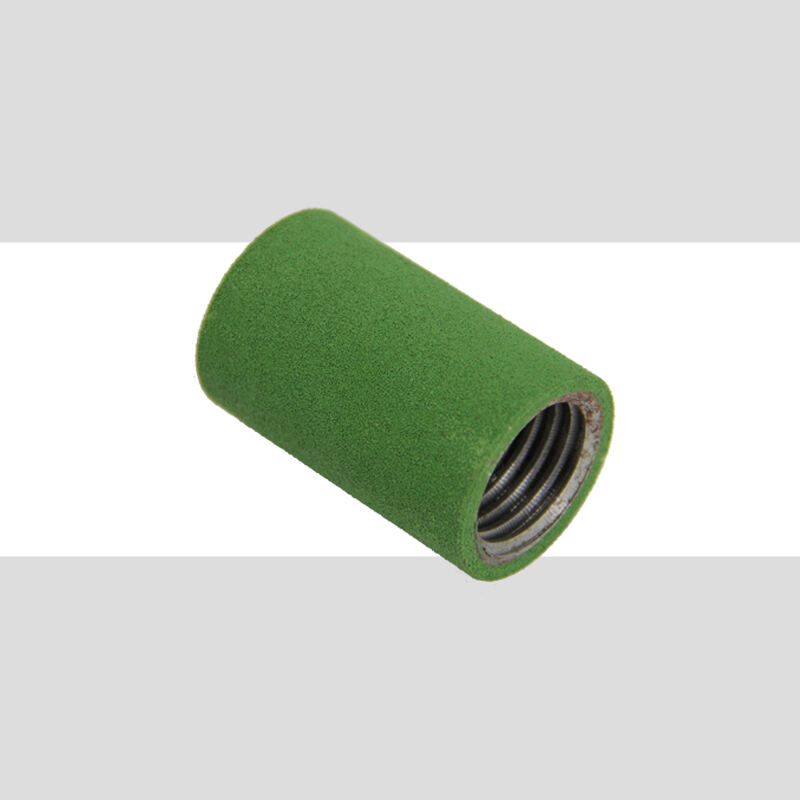
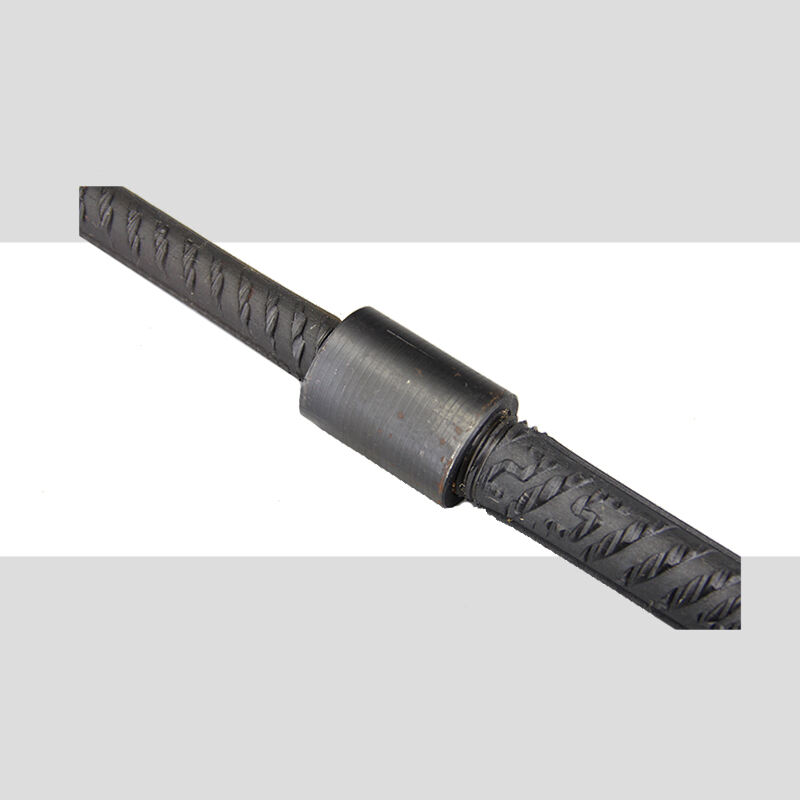
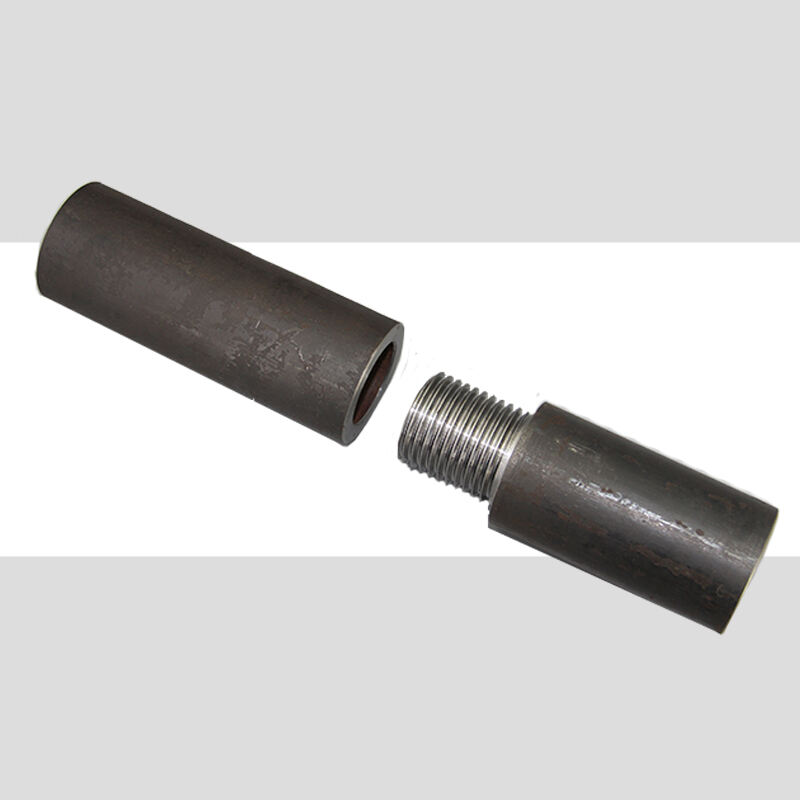
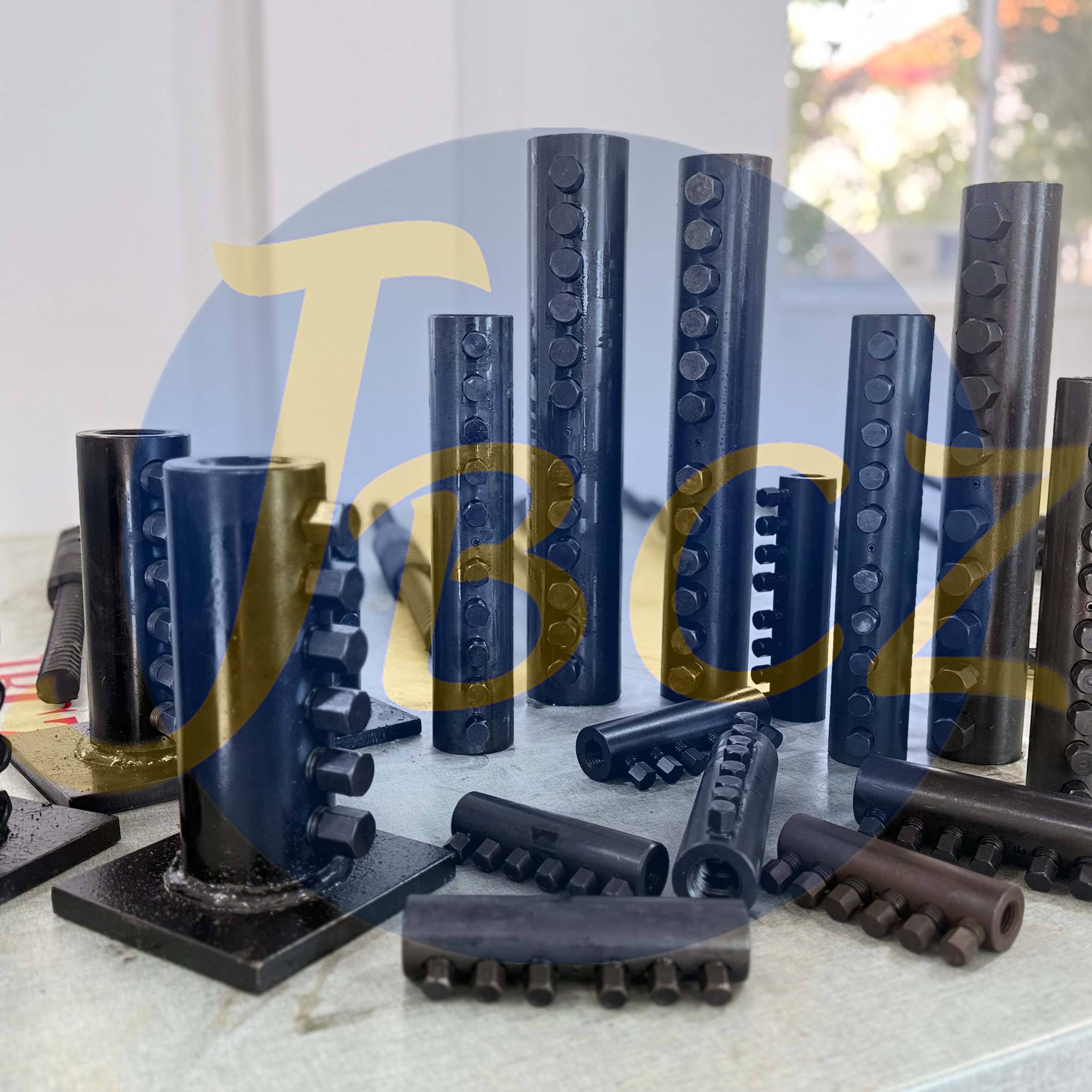
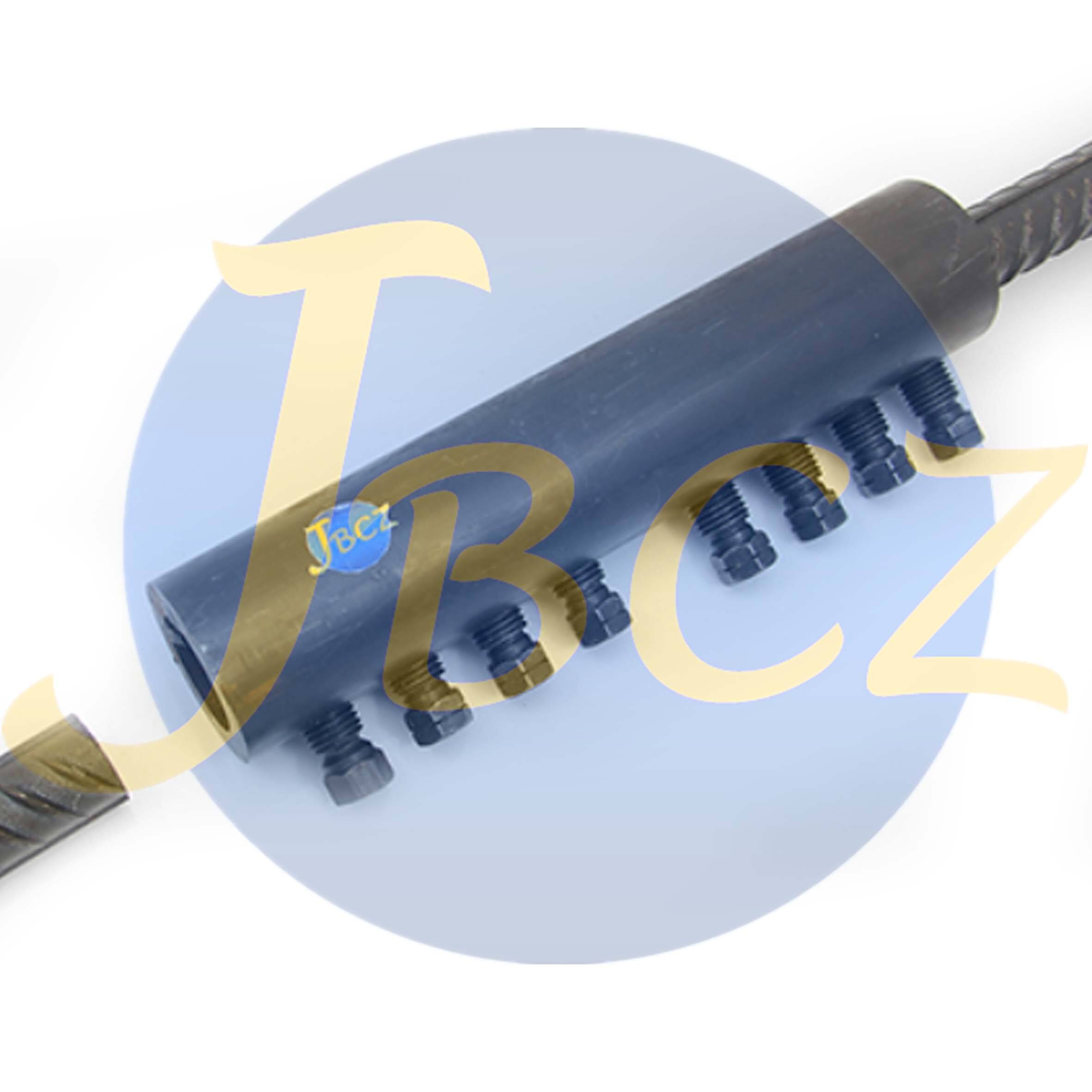
A screw rebar coupler represents an innovative mechanical splicing solution designed to connect reinforcing steel bars in concrete construction projects. This essential component serves as a joining mechanism that threads onto the ends of two rebar sections, creating a continuous reinforcement path without the need for traditional lap splicing methods. The screw rebar coupler functions through precision-engineered threading systems that grip the steel bars firmly, ensuring structural integrity throughout the concrete structure. These couplers are manufactured from high-grade steel materials that meet international standards for tensile strength and durability. The technological features of the screw rebar coupler include precision-cut internal threads that accommodate various rebar diameters, typically ranging from 16mm to 40mm or larger. The threading mechanism allows for quick installation on-site, with workers simply rotating the coupler onto prepared rebar ends. Advanced manufacturing processes ensure consistent thread quality, enabling reliable connections that can withstand significant loads and stresses. The coupler design incorporates specific tolerances that account for field conditions while maintaining connection strength. Applications for the screw rebar coupler span numerous construction sectors, including high-rise buildings, bridges, tunnels, infrastructure projects, and precast concrete manufacturing. These devices prove particularly valuable in situations where traditional lap splicing becomes impractical due to congestion, space limitations, or structural requirements. Construction teams utilize screw rebar couplers in column-to-column connections, beam continuity applications, and foundation work where maintaining reinforcement continuity is critical. The coupler system accommodates both horizontal and vertical rebar installations, making it versatile for diverse project requirements. Engineers specify screw rebar couplers when projects demand reliable connections that transfer full tensile strength between reinforcing bars while optimizing material usage and construction efficiency.

New Product Releases

The screw rebar coupler delivers substantial cost savings for construction projects by eliminating the need for extended lap lengths that consume additional reinforcing steel. Traditional lap splicing requires overlapping bars by 40 to 60 times the bar diameter, which translates to significant material waste and increased project expenses. By using couplers, projects reduce steel consumption by up to 35 percent in connection zones, directly lowering material costs while maintaining structural performance. Installation speed represents another major benefit, as trained workers can connect rebar sections in minutes rather than the time-consuming process of positioning and tying overlapping bars. This efficiency accelerates construction schedules, allowing teams to complete reinforcement work faster and move to subsequent building phases sooner. The time savings become particularly valuable in fast-track projects where schedule compression delivers financial advantages. Quality control improves dramatically with screw rebar couplers because each connection follows a standardized installation procedure that produces consistent results. Unlike lap splices that depend on worker skill and positioning accuracy, couplers provide predictable performance that engineers can confidently specify in structural calculations. The mechanical connection ensures full tensile strength transfer between bars, meeting or exceeding the yield strength of the parent reinforcement. This reliability gives structural engineers greater confidence in design assumptions and reduces uncertainty in critical connection zones. Space optimization in congested reinforcement areas becomes possible because couplers eliminate bulky lap splice zones where multiple bars overlap. This clearance allows concrete to flow freely around reinforcement, reducing the risk of honeycombing and ensuring proper consolidation. In heavily reinforced sections like beam-column joints or wall intersections, the compact nature of couplers prevents reinforcement congestion that could compromise concrete placement quality. Worker safety improves as construction teams handle shorter, more manageable rebar lengths instead of long, heavy bars that create handling hazards. Shorter bars are easier to transport, position, and secure, reducing the physical strain on workers and minimizing the risk of injuries from awkward lifting or positioning. Environmental benefits emerge from reduced material consumption and transportation requirements, as projects use less steel overall and ship smaller bar lengths to construction sites. The coupler system supports sustainable building practices by optimizing resource utilization without compromising structural integrity. Project flexibility increases because teams can connect precast elements efficiently or adjust rebar configurations during construction when field conditions differ from original plans, providing adaptability that traditional methods cannot match.

Tips And Tricks

How Rebar Couplers Strengthen Concrete Structures: Innovation and Benefits

10

Jul

How Rebar Couplers Strengthen Concrete Structures: Innovation and Benefits

View More
What is a Reducing Coupler and How is it Used in Plumbing Systems?

10

Jul

What is a Reducing Coupler and How is it Used in Plumbing Systems?

View More
Ensuring Structural Integrity: The Role of Rebar Couplers in Concrete Joints

10

Jul

Ensuring Structural Integrity: The Role of Rebar Couplers in Concrete Joints

View More
Six ways to regulate rebar splices

10

Jul

Six ways to regulate rebar splices

View More

Get a Free Quote

Our representative will contact you soon.
Email
Name
Company Name
Message
0/1000

screw rebar coupler

Superior Load Transfer Capability Ensures Structural Integrity

Superior Load Transfer Capability Ensures Structural Integrity

The screw rebar coupler excels in transferring loads between connected reinforcing bars through its precisely engineered threading system that creates a mechanical interlock of exceptional strength. This load transfer capability represents the fundamental value proposition that makes couplers indispensable in modern construction. The internal threading pattern is manufactured to exacting tolerances, ensuring that when the coupler is installed onto prepared rebar ends, the threads engage fully along the entire connection length. This complete engagement distributes tensile forces uniformly across the threaded interface rather than concentrating stresses at specific points. Engineering tests consistently demonstrate that properly installed screw rebar couplers achieve tensile strength equal to or exceeding the guaranteed yield strength of the parent reinforcement bar. This performance characteristic allows structural engineers to design connections with confidence, knowing that the coupler will not represent a weak point in the reinforcement system. The mechanical advantage of threaded connections lies in the large surface area contact between the coupler and rebar, which spreads forces over numerous thread peaks and valleys. This distribution mechanism prevents premature failure and ensures that if overload occurs, the rebar itself will yield before the connection fails. Quality assurance protocols during manufacturing include dimensional verification, thread profile inspection, and material testing to confirm that each coupler meets specification requirements. The steel alloys used in coupler production are selected for their combination of strength, ductility, and weldability, ensuring compatibility with standard reinforcing bar materials. Heat treatment processes may be applied to optimize the mechanical properties, creating a hardness profile that resists thread stripping while maintaining sufficient toughness to prevent brittle fracture. Installation quality directly affects load transfer performance, which is why the screw rebar coupler system includes specific preparation requirements for rebar ends. Workers must cut bars squarely and thread them accurately to ensure proper engagement when the coupler is installed. Torque specifications guide installers to tighten couplers adequately without over-stressing the connection, and inspection procedures verify that threads are fully engaged on both sides. The reliability of load transfer makes screw rebar couplers suitable for seismic applications where connections must maintain integrity during cyclic loading and large deformations. Testing under simulated earthquake conditions shows that couplers perform predictably, absorbing energy while maintaining connection strength throughout multiple loading cycles.
Streamlined Installation Process Accelerates Construction Schedules

Streamlined Installation Process Accelerates Construction Schedules

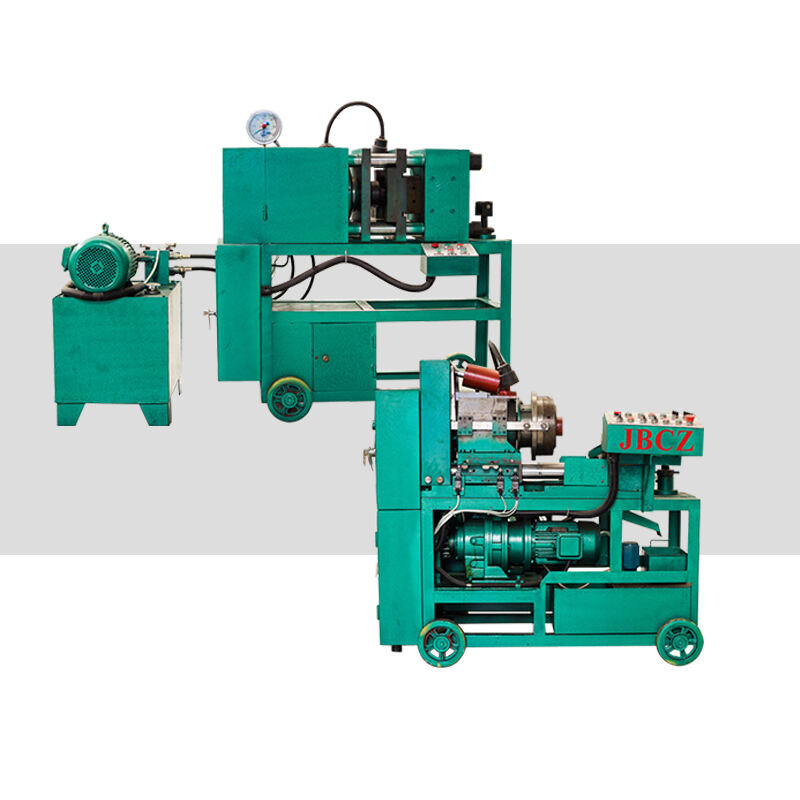
The installation methodology for screw rebar couplers is designed for efficiency, allowing construction teams to complete reinforcement connections rapidly while maintaining quality standards that ensure structural performance. This streamlined process begins with rebar preparation, where workers cut bars to specified lengths using standard cutting equipment. The cut ends must be square and clean, which modern cutting tools achieve easily with proper maintenance and operator technique. After cutting, the rebar ends receive threading through portable threading machines that can operate directly at the construction site or in prefabrication yards. These threading machines are compact, electrically or hydraulically powered units that clamp onto the rebar and cut threads to precise dimensions matching the coupler specifications. The threading operation takes only minutes per bar end, and workers can prepare multiple bars in assembly-line fashion to maintain workflow efficiency. Once threads are cut, installers inspect them visually to confirm proper profile and depth before proceeding to coupler installation. The actual connection process involves threading the coupler onto one prepared rebar end until it reaches approximately the midpoint of the coupler length. Workers then align the second rebar with the exposed coupler threads and rotate either the bar or the coupler to thread the second bar into position. The entire connection procedure typically requires less than five minutes per joint, representing a dramatic time saving compared to traditional lap splicing methods that involve measuring overlap lengths, positioning multiple bars, and securing them with tie wire. Training requirements for crews installing screw rebar couplers are straightforward, with most workers achieving proficiency after brief instruction and supervised practice. This accessibility means that projects can deploy coupler technology without extensive retraining programs or specialized labor requirements. Quality control during installation involves checking thread engagement on both sides of each coupler, which inspectors accomplish through visual verification that the coupler has advanced fully onto both bars. Some specifications require torque verification using calibrated wrenches to confirm proper tightening, adding another layer of quality assurance. The speed advantage of screw rebar couplers compounds throughout large projects where thousands of connections are required, shaving weeks off construction schedules. This acceleration allows developers to achieve earlier project completion, reducing financing costs and enabling faster revenue generation from completed structures. The installation efficiency also reduces labor costs per connection, improving project economics while delivering superior technical performance compared to alternative splicing methods.

Versatile Application Range Addresses Diverse Construction Challenges

Versatile Application Range Addresses Diverse Construction Challenges

The screw rebar coupler demonstrates remarkable versatility across a wide spectrum of construction applications, making it a valuable solution for diverse project types and challenging installation scenarios. This adaptability stems from the fundamental simplicity of the threaded mechanical connection, which functions reliably regardless of orientation, location, or structural context. In high-rise building construction, screw rebar couplers enable efficient column reinforcement continuity between floors, eliminating the congestion that would result from lapping vertical bars through floor levels. This application is particularly valuable in tall structures where columns carry enormous loads and reinforcement ratios are high. The coupler system allows construction teams to cast one floor level with vertical bars extending only slightly above the concrete surface, then connect the next level of reinforcement using couplers after formwork is positioned. This staged approach simplifies formwork installation and reinforcement placement while ensuring full structural continuity. Bridge construction projects utilize screw rebar couplers extensively in pier-to-deck connections and span continuity applications where maintaining reinforcement integrity is critical for structural performance and longevity. The ability to prefabricate reinforcement cages with couplers already installed enables efficient assembly of complex bridge elements, reducing field labor and improving quality control. Tunnel construction presents unique challenges where screw rebar couplers provide solutions for connecting precast lining segments or creating reinforcement continuity in cast-in-place sections. The confined working spaces in tunnels make traditional lap splicing difficult and time-consuming, whereas couplers enable quick connections in tight quarters. Foundation engineering applications benefit from coupler technology when connecting pile cages to pile caps or creating continuity between foundation elements and superstructure columns. These connections must transfer significant forces reliably, and the proven load capacity of screw rebar couplers makes them ideal for these demanding applications. Precast concrete manufacturing relies heavily on coupler systems to create connection points that will join precast elements during site assembly. Manufacturers can cast couplers into precast panels, beams, or columns, providing threaded receptacles that accept threaded rebar protruding from adjacent elements. This application streamlines site assembly and creates strong connections between precast components. Seismic retrofitting projects employ screw rebar couplers to add reinforcement to existing structures, threading couplers onto newly drilled-in bars that connect to supplemental reinforcement systems. The mechanical connection provides reliable force transfer without the need for developing bars through lap lengths that might not physically fit within existing members. Industrial facility construction uses couplers in equipment foundations and heavy-duty floor slabs where high reinforcement ratios and complex detailing make traditional splicing impractical.