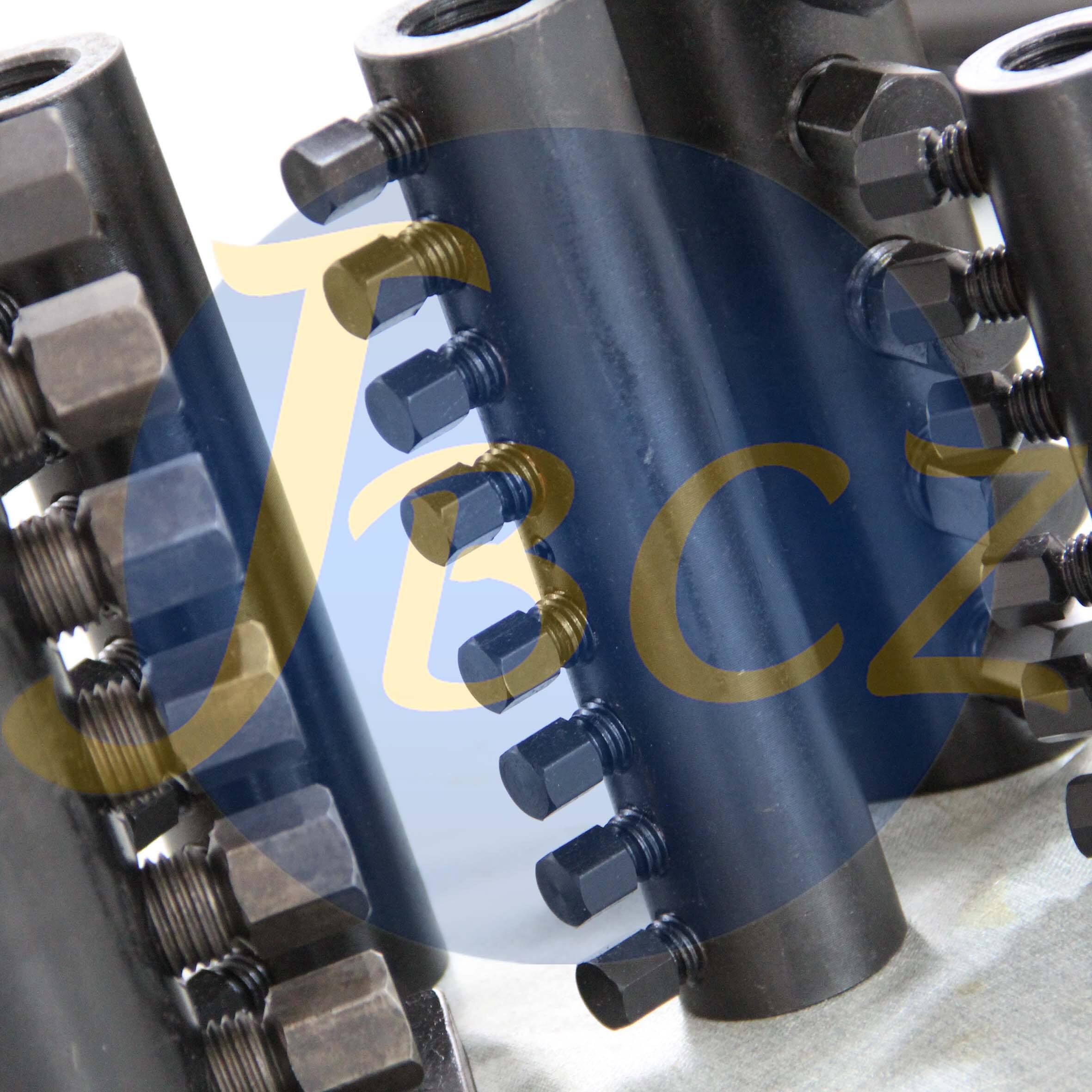
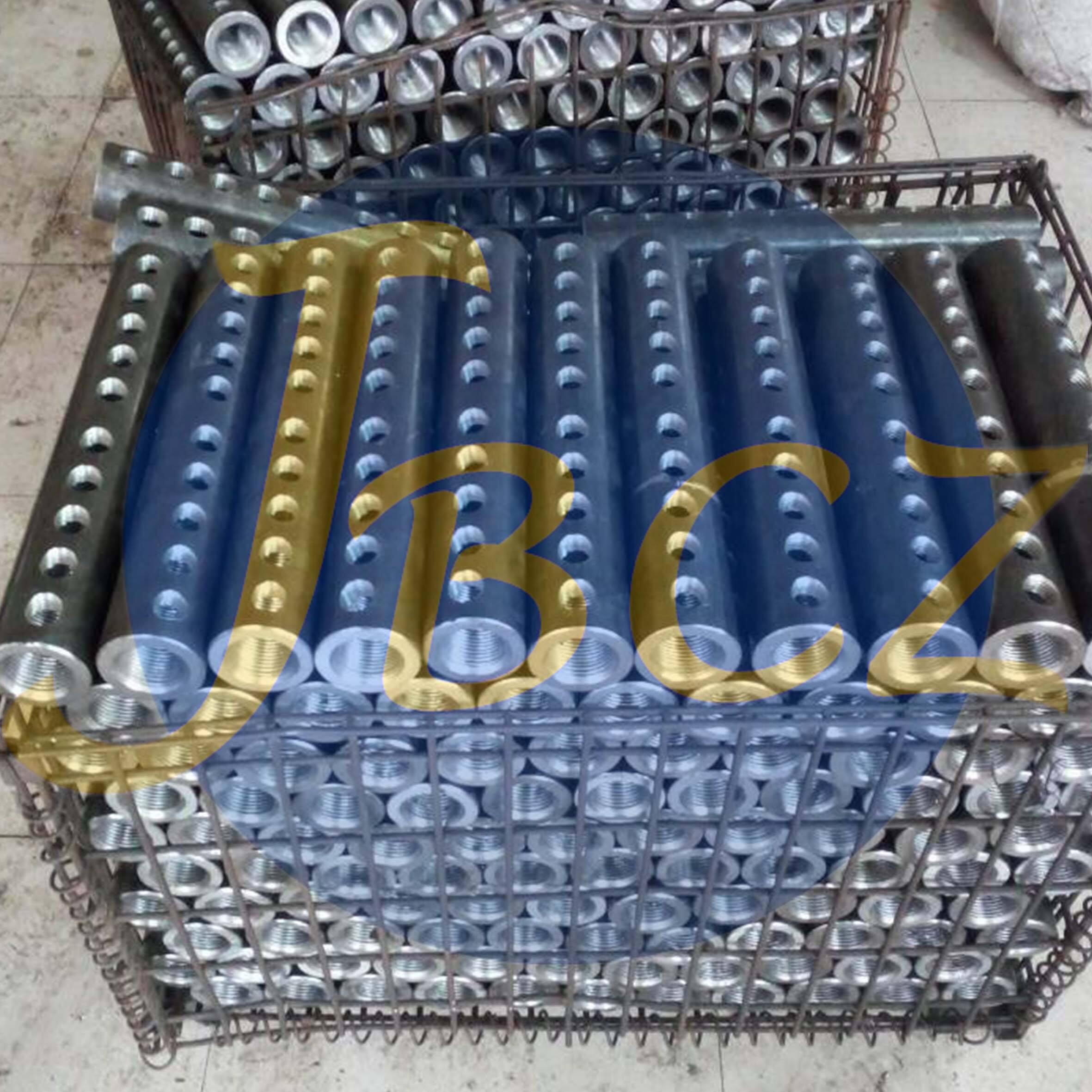
shear bolt coupler
A shear bolt coupler represents an essential mechanical safety device designed to protect expensive machinery and equipment from catastrophic damage during overload conditions. This specialized coupling mechanism connects two rotating shafts while incorporating precisely calibrated bolts that are engineered to fail at predetermined torque levels. When excessive force or unexpected obstructions occur within a mechanical system, the shear bolt coupler acts as a sacrificial component, breaking cleanly to disconnect the drive train before serious damage can propagate to motors, gearboxes, or other critical components. The fundamental design consists of two flanged hubs that align coaxially, with shear bolts passing through matching holes to transmit rotational force during normal operation. These bolts are manufactured from specific materials and dimensions calculated to fracture at exact load thresholds, making them predictable and reliable safety elements. The technological features of this coupling system include easy bolt replacement capabilities, allowing maintenance personnel to quickly restore equipment functionality after a protective shutdown event. Modern shear bolt couplers utilize advanced metallurgical processes to ensure consistent breaking characteristics across all bolts in the assembly, eliminating the risk of uneven wear or premature failure. The applications for these protective devices span numerous industries including agricultural equipment, industrial conveyors, mining machinery, processing plants, and heavy manufacturing operations. In agricultural settings, shear bolt couplers protect power take-off driven implements from damage caused by rocks, stumps, or other field obstacles. Manufacturing facilities employ these couplers on conveyor systems, packaging equipment, and material handling machinery where jamming conditions could destroy expensive drive components. The coupling design accommodates various shaft sizes and torque capacities, with bolt configurations ranging from simple two-bolt arrangements for light-duty applications to complex multi-bolt patterns for high-torque industrial machinery. Installation procedures are straightforward, requiring only basic mechanical skills and standard tools, which contributes to their widespread adoption across diverse operational environments.