Bridge Rebar Coupler Solutions - High-Performance Mechanical Splicing for Bridge Construction

All Categories

Get a Free Quote

Our representative will contact you soon.
Email
Name
Company Name
Message
0/1000

bridge rebar coupler

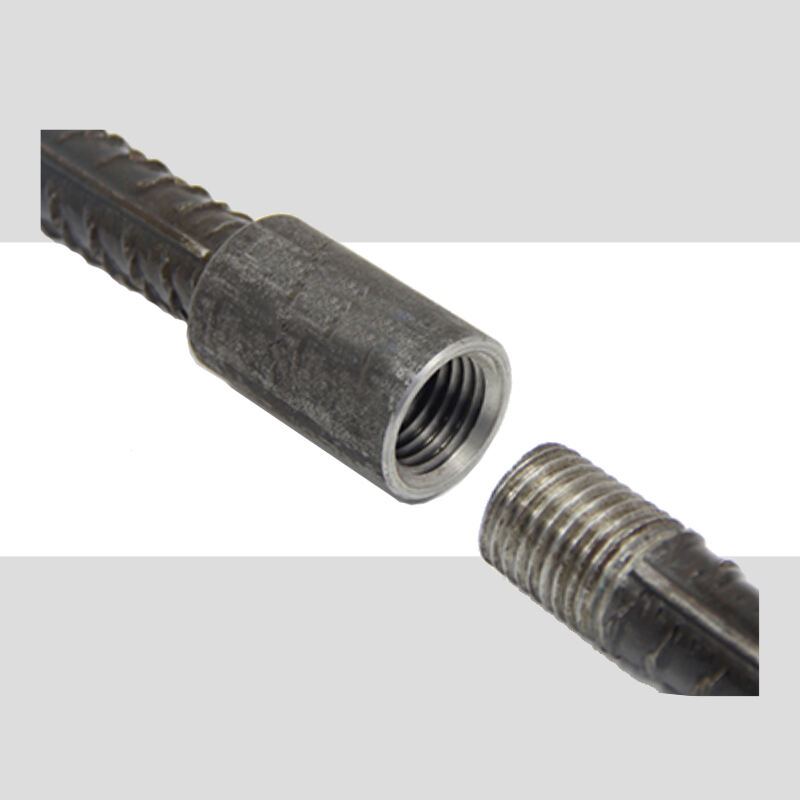
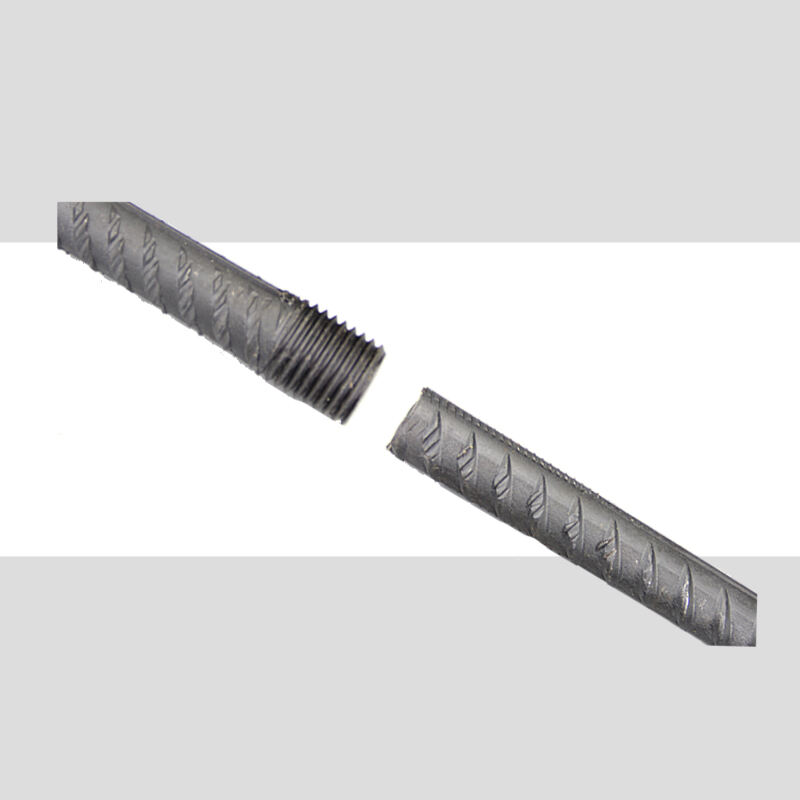
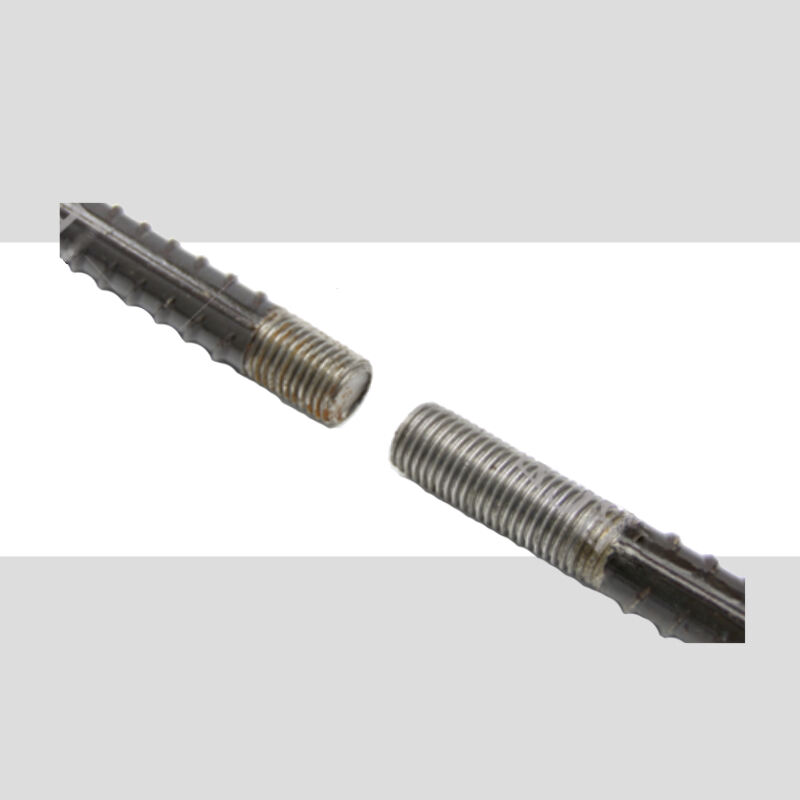
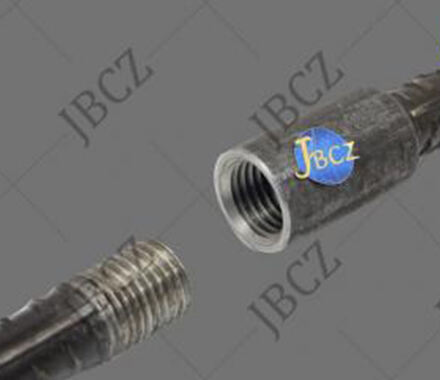
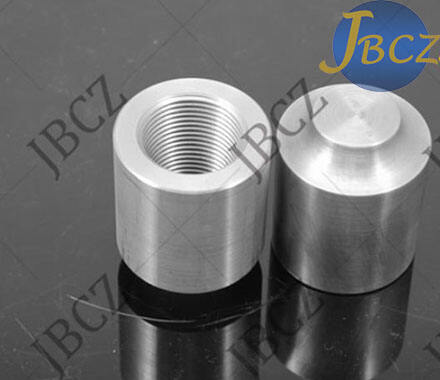
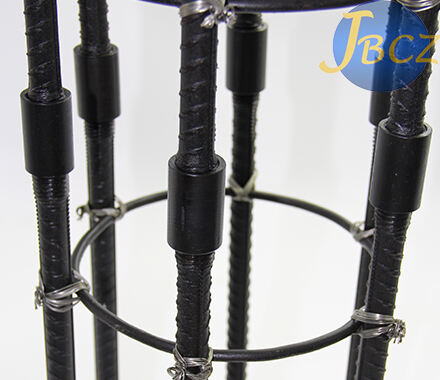
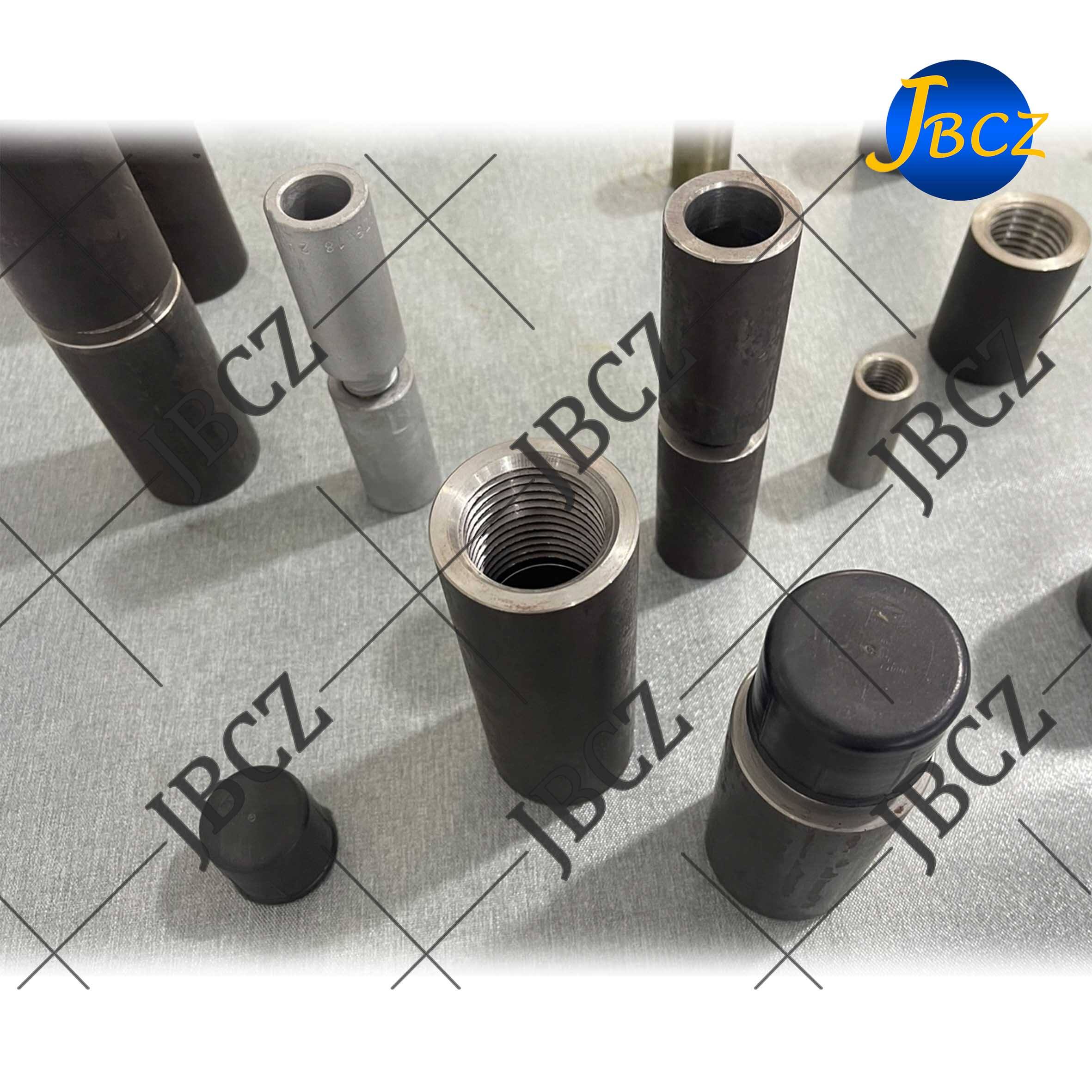
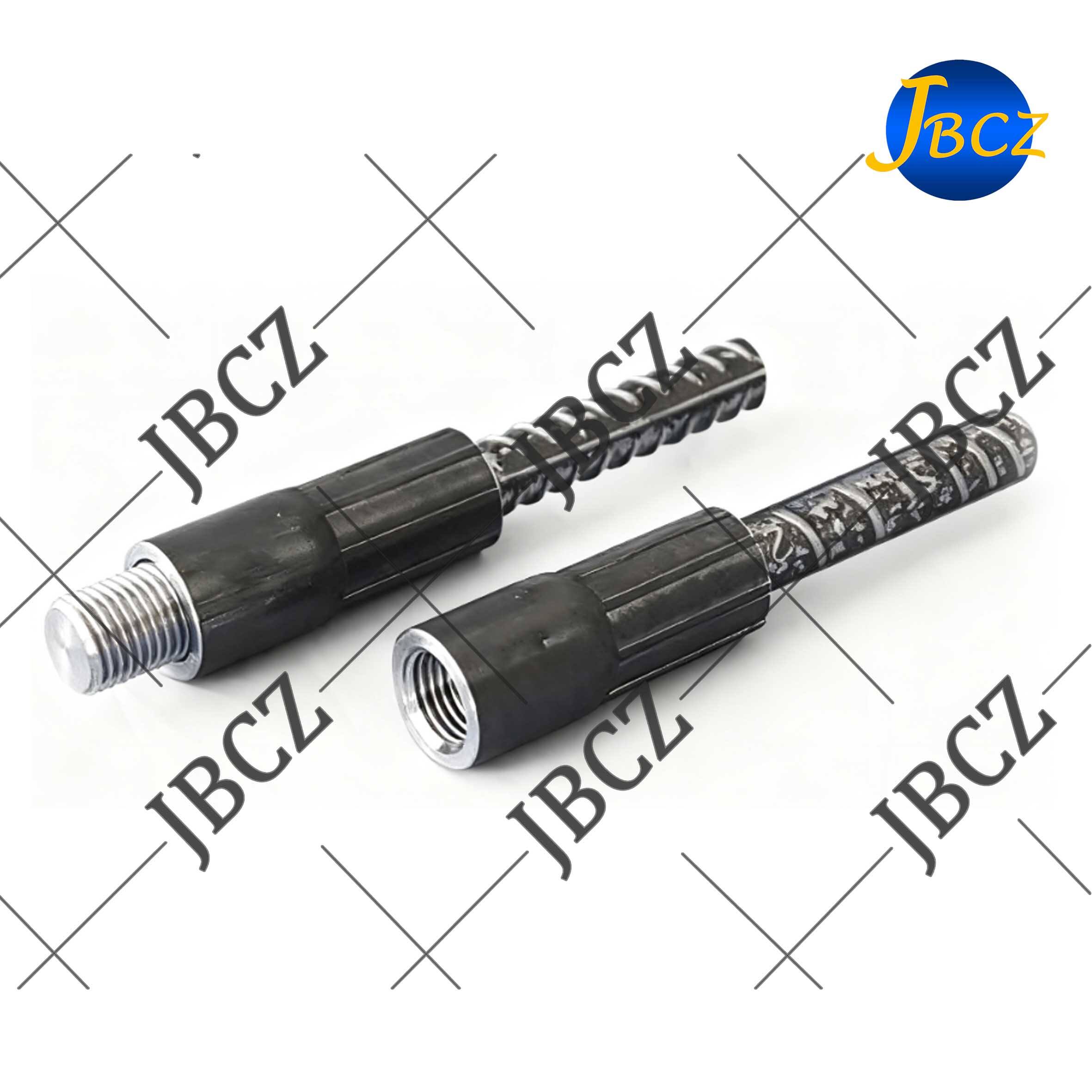
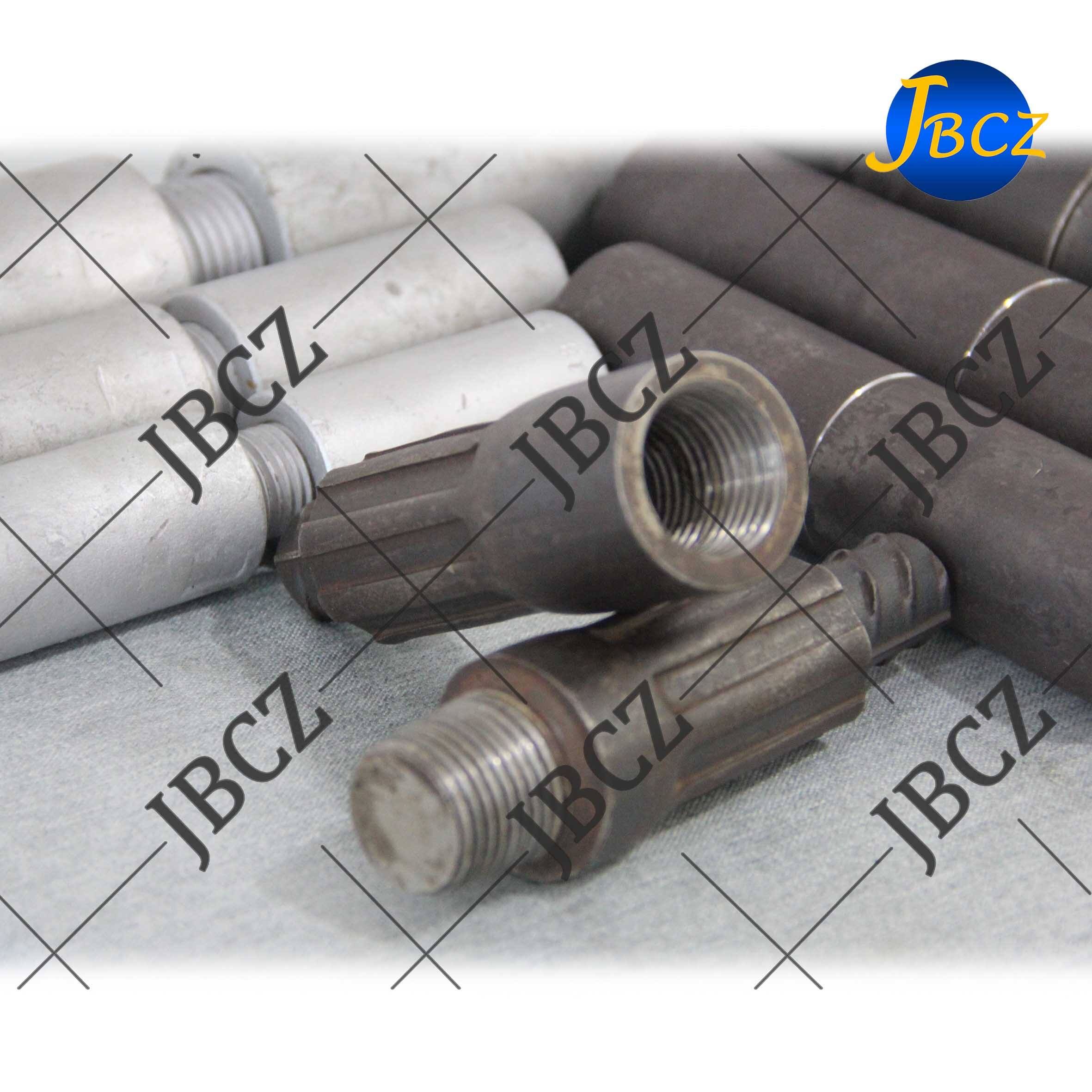
A bridge rebar coupler represents a mechanical splicing device engineered to connect reinforcing steel bars in bridge construction projects. This critical component serves as a reliable alternative to traditional lap splicing and welding methods, providing structural integrity while streamlining construction processes. The bridge rebar coupler functions by creating a robust mechanical connection between two reinforcement bars, ensuring load transfer capabilities that meet or exceed the strength of the parent rebar material. These couplers are specifically designed to withstand the demanding conditions present in bridge infrastructure, including dynamic loads, environmental stresses, and seismic activities. The technological features of bridge rebar couplers include precision-machined threading systems, high-grade steel construction, and engineered locking mechanisms that guarantee secure connections. Modern bridge rebar coupler designs incorporate cold-forging techniques and heat treatment processes to enhance durability and performance characteristics. The coupler sleeve typically features internal threading that matches the external threading cut onto the reinforcing bar ends, creating a tight mechanical interlock. Applications for bridge rebar couplers span across various bridge construction scenarios, including deck reinforcement, pier columns, foundation work, and substructure connections. These devices prove particularly valuable in situations where space constraints prevent adequate lap splicing, where congestion of reinforcement creates installation challenges, or where construction scheduling requires segmental assembly methods. Bridge rebar couplers facilitate the connection of different rebar diameters, accommodate bars with varying mechanical properties, and enable efficient construction sequencing. The versatility of these couplers extends to rehabilitation projects, seismic retrofitting applications, and precast concrete element connections. Engineers and contractors specify bridge rebar couplers when project requirements demand superior quality control, reduced construction time, and enhanced structural performance compared to conventional joining methods.

New Product Releases

Bridge rebar couplers deliver substantial time savings during construction by eliminating the lengthy processes associated with traditional lap splicing and on-site welding. Workers can complete connections in minutes rather than hours, accelerating project timelines and reducing labor costs significantly. This efficiency becomes especially valuable in large-scale bridge projects where thousands of connections are required. The space-saving benefit of using these couplers cannot be overstated, as they require minimal clearance compared to lap splices that demand overlapping lengths of 40 to 60 rebar diameters. This advantage allows designers to optimize reinforcement layouts, reduce concrete volumes, and create cleaner structural configurations. Quality control improves dramatically when using bridge rebar couplers because each connection undergoes factory testing and certification, removing the variability inherent in field welding or manual lap splice installation. Construction teams appreciate the weather-independent installation process, as couplers can be installed in conditions that would prevent welding operations or compromise lap splice integrity. The strength reliability of mechanical coupler connections provides engineers with confidence in structural performance, as these devices consistently achieve full tensile strength of the connected bars. Material waste decreases substantially because couplers eliminate the need for extended overlap lengths, reducing overall steel consumption by 15 to 30 percent in typical applications. Safety conditions on construction sites improve when workers use couplers instead of welding equipment, removing fire hazards, eliminating toxic fumes, and reducing the risk of burns or electrical accidents. The installation process requires minimal specialized training, allowing general construction crews to complete connections without certified welders, thereby reducing project costs and scheduling constraints. Bridge rebar couplers provide flexibility in construction sequencing, enabling precast element fabrication, staged construction approaches, and efficient coordination between different work crews. Environmental benefits emerge through reduced energy consumption associated with welding operations and decreased carbon emissions from optimized material usage. The long-term performance of coupler connections matches or exceeds alternative methods, with documented durability in bridges subjected to decades of service loads, temperature cycling, and environmental exposure. Cost analysis consistently demonstrates that despite higher initial unit costs, the overall project savings from reduced labor, faster completion, decreased material waste, and improved quality control make bridge rebar couplers an economically advantageous choice for contractors and project owners alike.

Practical Tips

Advantages of Reducing coupler in Renewable Energy Storage Systems

10

Jul

Advantages of Reducing coupler in Renewable Energy Storage Systems

View More
The indispensable role of rebar couplers in offshore wind farms and marine structures

10

Jul

The indispensable role of rebar couplers in offshore wind farms and marine structures

View More
Take a look at the rebar coupler

10

Jul

Take a look at the rebar coupler

View More
JBCZ has received the certification of UK CARES

10

Jul

JBCZ has received the certification of UK CARES

View More

Get a Free Quote

Our representative will contact you soon.
Email
Name
Company Name
Message
0/1000

bridge rebar coupler

Superior Structural Performance and Load Transfer Capability

Superior Structural Performance and Load Transfer Capability

The engineering excellence of bridge rebar couplers manifests through their exceptional load transfer characteristics and structural performance under demanding conditions. These mechanical splicing devices achieve full tensile strength capacity, meaning the connection can withstand forces equal to or greater than the breaking strength of the reinforcing bar itself. This performance level ensures that the coupler never becomes the weak point in the reinforcement system, providing engineers with confidence in their structural calculations and safety factors. The load transfer mechanism operates through precisely engineered thread profiles that distribute stress evenly across the connection zone, preventing stress concentrations that could lead to premature failure. Rigorous testing protocols verify that each bridge rebar coupler design meets international standards for static tension, compression, cyclic loading, and fatigue resistance. In seismic zones where bridges must withstand earthquake forces, these couplers demonstrate superior performance by maintaining ductility and energy dissipation characteristics essential for structural resilience. The cold-working process used in manufacturing creates grain structure refinement that enhances mechanical properties beyond those of standard steel components. Bridge engineers value the predictable behavior of coupler connections under various loading scenarios, including sustained dead loads, dynamic traffic impacts, thermal expansion cycles, and environmental stresses. Independent laboratory testing confirms that properly installed bridge rebar couplers maintain their structural integrity through millions of load cycles, addressing fatigue concerns critical in bridge applications. The connection remains stable under compression forces that could cause buckling in improperly designed systems, with internal bearing surfaces providing uniform load distribution. Advanced finite element analysis validates the stress distribution patterns within coupler assemblies, confirming that force transfer occurs smoothly without creating detrimental stress risers. Field performance data collected from bridges around the world demonstrates that structures incorporating these couplers continue to perform reliably decades after construction, withstanding environmental exposure, chemical attack, and mechanical wear. The metallurgical properties of coupler materials are carefully selected to match or exceed the grade specifications of connected reinforcing bars, ensuring compatibility and preventing galvanic corrosion issues. Quality assurance protocols include batch testing, material certifications, and dimensional verification that guarantee each bridge rebar coupler leaving the factory meets stringent performance criteria essential for critical infrastructure applications.
Streamlined Installation Process and Construction Efficiency

Streamlined Installation Process and Construction Efficiency

The installation methodology for bridge rebar couplers revolutionizes reinforcement connection practices by introducing systematic efficiency that traditional methods cannot match. Workers begin the process by preparing rebar ends using portable threading equipment or by receiving pre-threaded bars from the fabrication facility, eliminating the time-consuming positioning and tying required for lap splices. The threaded connection approach allows single-person installation in many situations, reducing crew size requirements and associated labor costs throughout the project. Installation teams appreciate the tactile feedback provided during coupler tightening, as the threading engagement offers clear confirmation of proper connection completion without requiring specialized inspection equipment. The speed advantage becomes particularly apparent in vertical applications such as bridge pier construction, where workers can quickly connect bars as they progress upward, maintaining continuous workflow without waiting for welding crews or dealing with extended lap lengths. Standardized installation procedures ensure consistency across different work crews and project phases, reducing the variability that often compromises quality in traditional connection methods. Training requirements for bridge rebar coupler installation are minimal compared to welding certification programs, allowing contractors to deploy existing personnel effectively after brief orientation sessions. The compact dimensions of coupler assemblies facilitate work in congested reinforcement zones where multiple bar layers intersect, situations that would create nearly impossible conditions for lap splicing or welding access. Construction scheduling benefits significantly from the parallel processing capability enabled by couplers, as fabrication shops can prepare threaded bars while site preparation continues, then rapidly assemble components when delivered. Weather independence represents a critical advantage during installation, as mechanical connections proceed reliably in cold temperatures, wind, rain, or humidity conditions that would halt welding operations or compromise lap splice effectiveness. Equipment requirements remain modest, with installation crews needing only torque wrenches and threading tools rather than expensive welding machines, power generators, gas cylinders, and safety equipment. Quality verification occurs immediately upon installation through simple visual inspection and torque confirmation, eliminating the waiting periods associated with weld inspection and potential rework cycles. The modularity of coupler systems supports design changes during construction, allowing engineers to modify reinforcement configurations with minimal disruption compared to the extensive rework required with welded or lapped connections already in place.
Economic Value and Long-Term Cost Effectiveness

Economic Value and Long-Term Cost Effectiveness

The financial advantages of bridge rebar couplers extend far beyond simple unit cost comparisons, encompassing comprehensive project economics that reveal substantial value creation across multiple dimensions. Initial analysis must consider the material savings achieved by eliminating lap splice lengths, which typically reduce steel consumption by 20 to 35 percent in bridge deck applications where reinforcement congestion is common. This material reduction translates directly to lower procurement costs, reduced transportation expenses, and decreased handling requirements throughout the supply chain. Labor cost analysis demonstrates even more dramatic savings, as installation productivity with couplers can reach five to ten times the rate achievable with traditional lap splicing, fundamentally changing project labor budgets and completion timelines. The compressed construction schedule enabled by rapid coupler installation reduces indirect project costs including supervision, equipment rental, site overhead, and financing charges that accumulate daily during extended construction periods. Contractors value the predictable installation rates that couplers provide, enabling more accurate bidding, better resource planning, and reduced contingency requirements compared to weather-dependent welding or labor-intensive lap splicing. Quality-related cost savings emerge through reduced inspection requirements, lower rejection rates, and elimination of rework associated with defective welds or improperly positioned lap splices. Insurance and bonding costs may decrease when projects specify mechanical couplers due to the enhanced quality control and reduced risk profile compared to conventional methods. The lifecycle cost perspective reveals additional value as coupler connections maintain their integrity throughout the bridge service life without the degradation sometimes observed in welded connections subjected to corrosion or fatigue loading. Maintenance cost reductions result from the superior durability of mechanical connections, which eliminate concerns about weld deterioration, hydrogen embrittlement, or heat-affected zone weakness that can necessitate expensive repairs in aging infrastructure. Project owners appreciate the value retention associated with bridges constructed using proven connection technology, as these structures command higher confidence levels during inspections and valuation assessments. The risk mitigation aspect of using certified, tested bridge rebar couplers provides economic value by reducing the probability of construction defects, structural failures, or performance issues that could generate enormous liability costs and reputation damage. Environmental compliance costs decrease when welding operations are eliminated, removing expenses related to fume extraction, fire watch personnel, hot work permits, and environmental monitoring requirements. The flexibility to modify designs during construction without major cost penalties adds option value to projects, allowing optimization as conditions change without triggering expensive change orders typical of welded reinforcement systems already in place.