Enhanced Productivity and Operational Efficiency
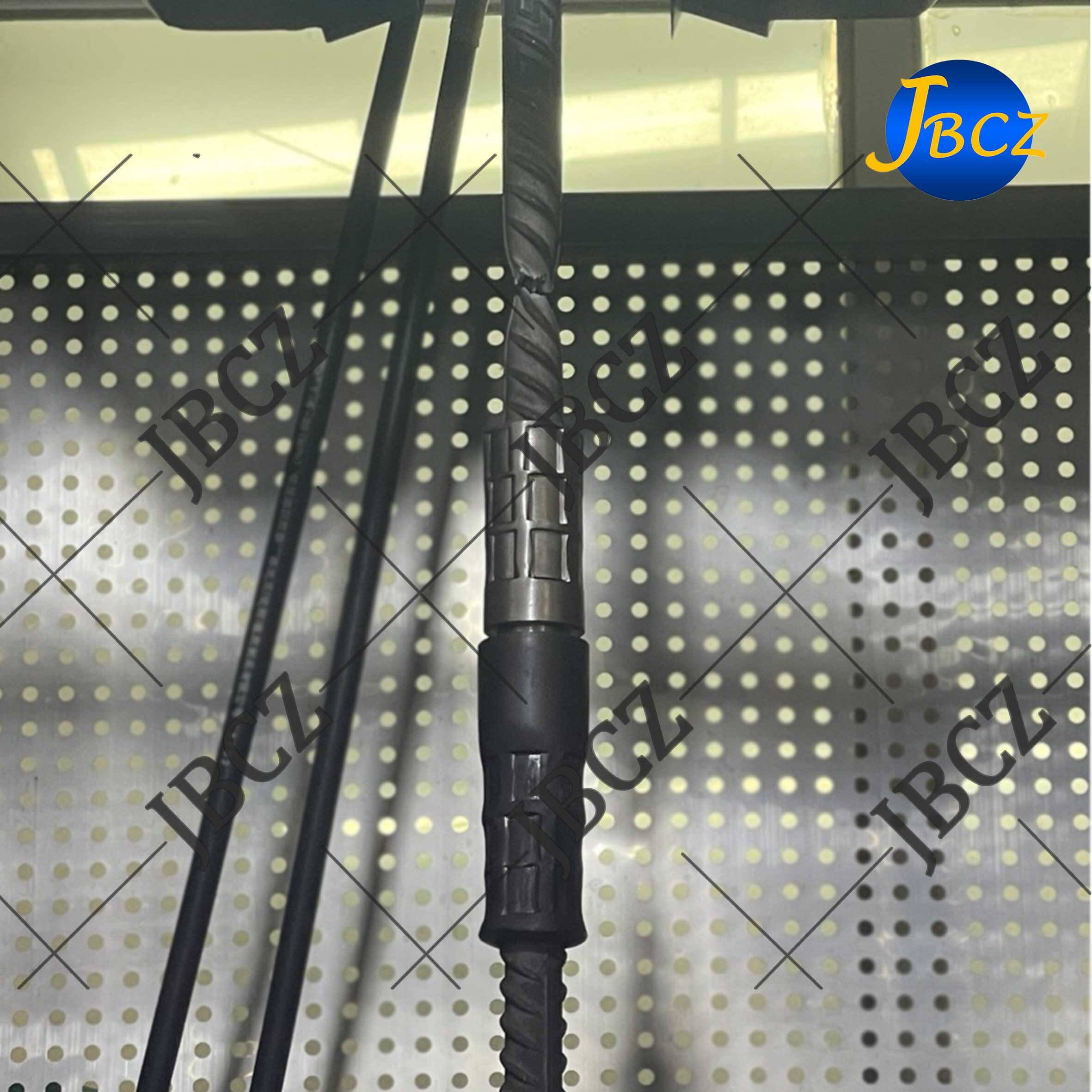
Implementing a steel rebar crimping machine transforms construction workflow by dramatically reducing the time required for each connection while simultaneously improving overall project coordination and scheduling flexibility. The actual crimping operation takes approximately five to ten seconds per connection, compared to several minutes for welding that includes setup, execution, and cooling time. This speed advantage multiplies across hundreds or thousands of connections in typical projects, potentially reducing rebar assembly schedules by sixty to seventy percent. The rapid cycle time of a steel rebar crimping machine enables smaller crews to accomplish more work, optimizing labor allocation and reducing overall project staffing requirements. Workers appreciate the reduced physical demands compared to handling welding equipment, maintaining awkward positions during weld cooling, and managing heavy welding cables across construction sites. The portability of many steel rebar crimping machine models, especially battery-powered versions, allows technicians to move freely around construction sites without dependence on electrical infrastructure or generator access. This mobility proves especially valuable in early construction phases before permanent power installation or in remote locations where electrical supply remains limited. The equipment requires no warm-up time, no consumable preparation, and no post-operation cleanup of slag or spatter, meaning workers remain productive throughout entire shifts without the interruptions inherent in welding operations. Project managers value the scheduling predictability that a steel rebar crimping machine provides, as weather conditions affecting welding operations have minimal impact on crimping productivity. Rain, wind, and humidity that would halt welding work present no obstacles to crimping operations, maintaining construction momentum and protecting critical path schedules. The simplified training requirements mean that general construction workers can operate the steel rebar crimping machine after brief instruction, providing workforce flexibility unavailable when depending on certified welders whose availability may constrain scheduling. Quality control inspections proceed rapidly since visual verification confirms proper connection execution, eliminating delays for weld inspection scheduling, radiographic testing, or waiting for test results before proceeding with subsequent construction activities.