Revolutionary Installation Efficiency That Transforms Construction Workflows
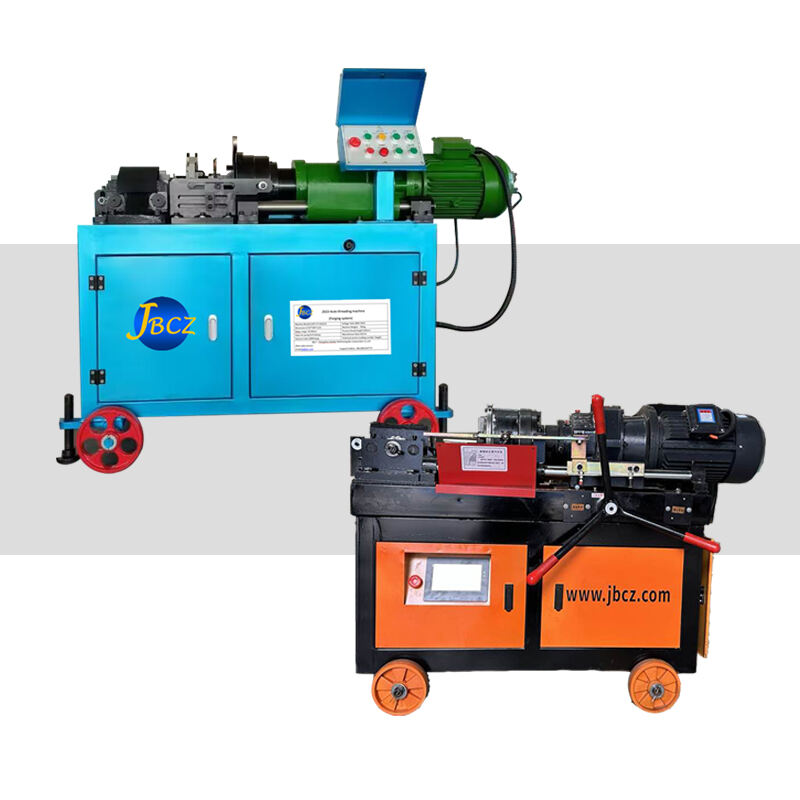
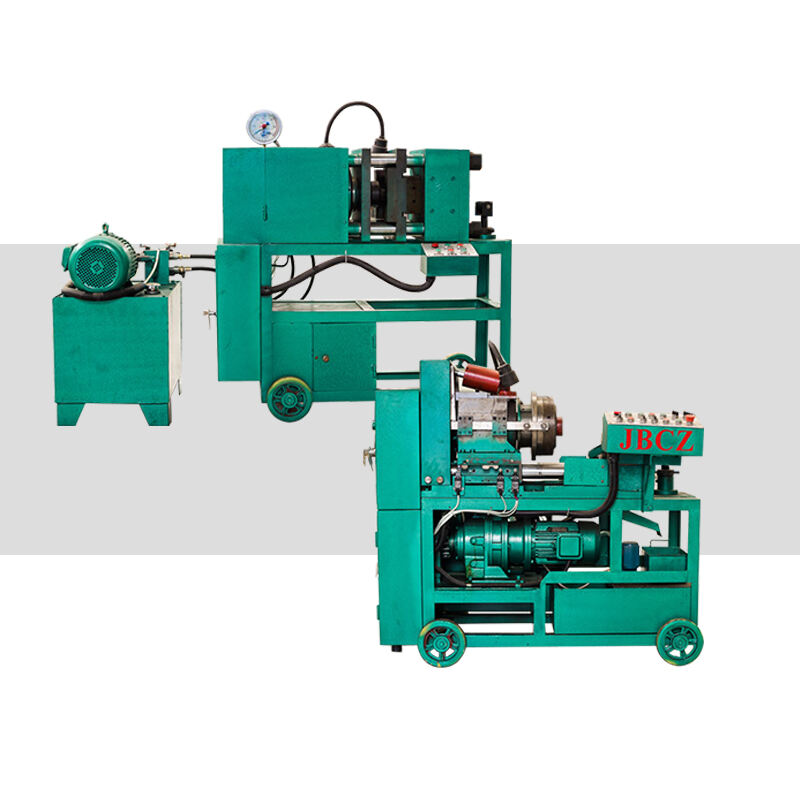
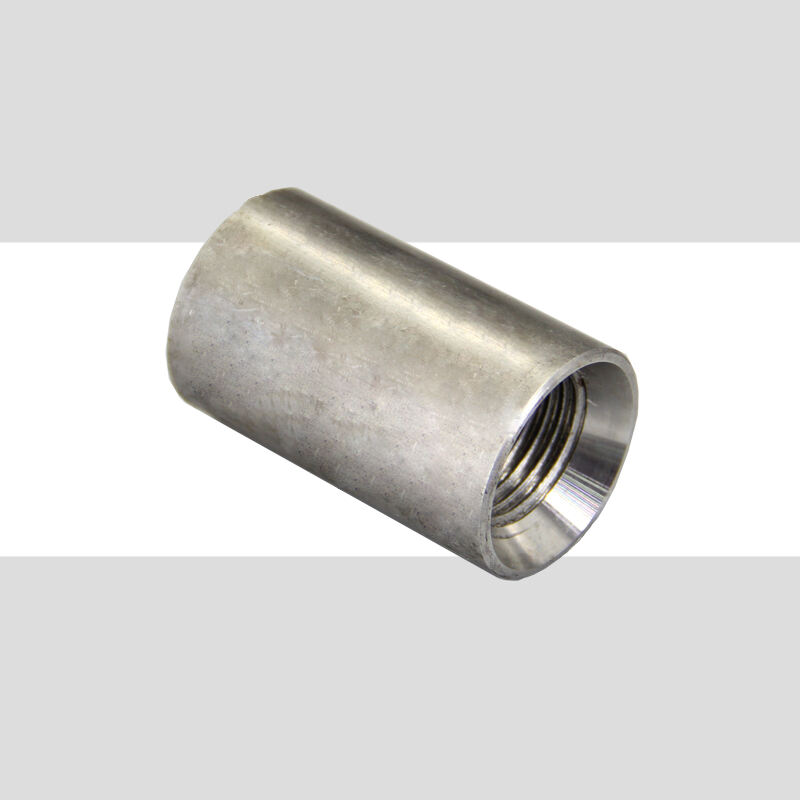
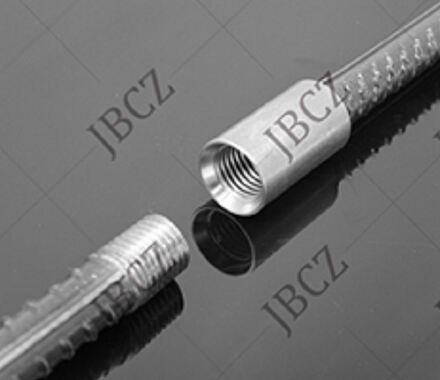
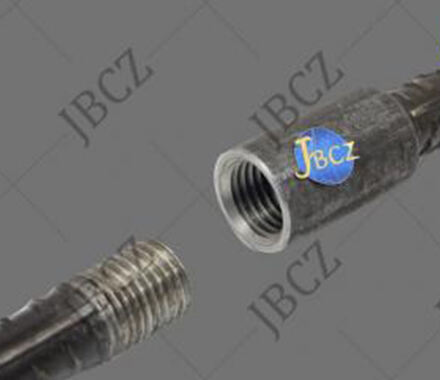
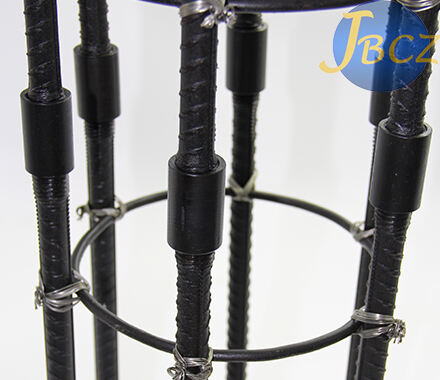
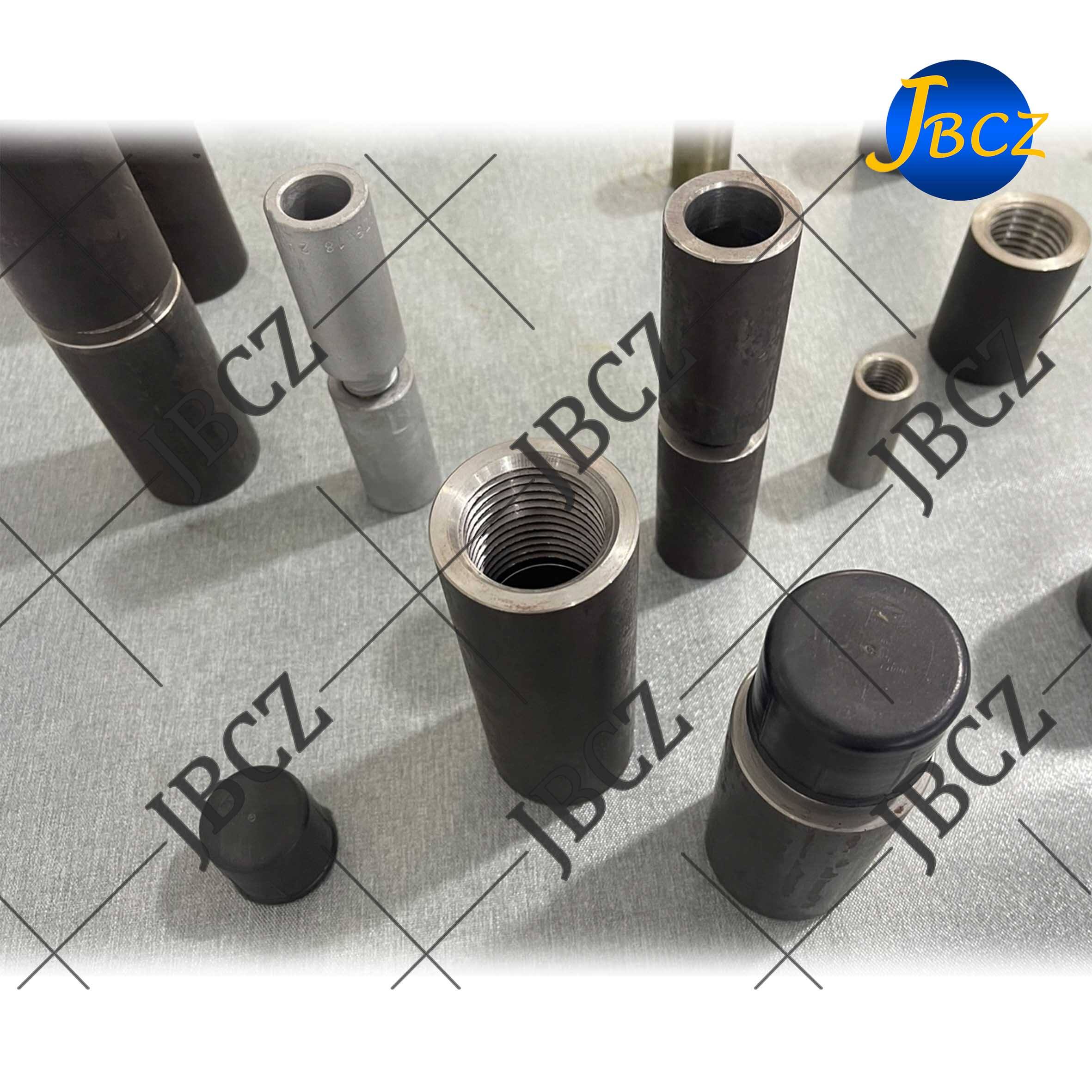
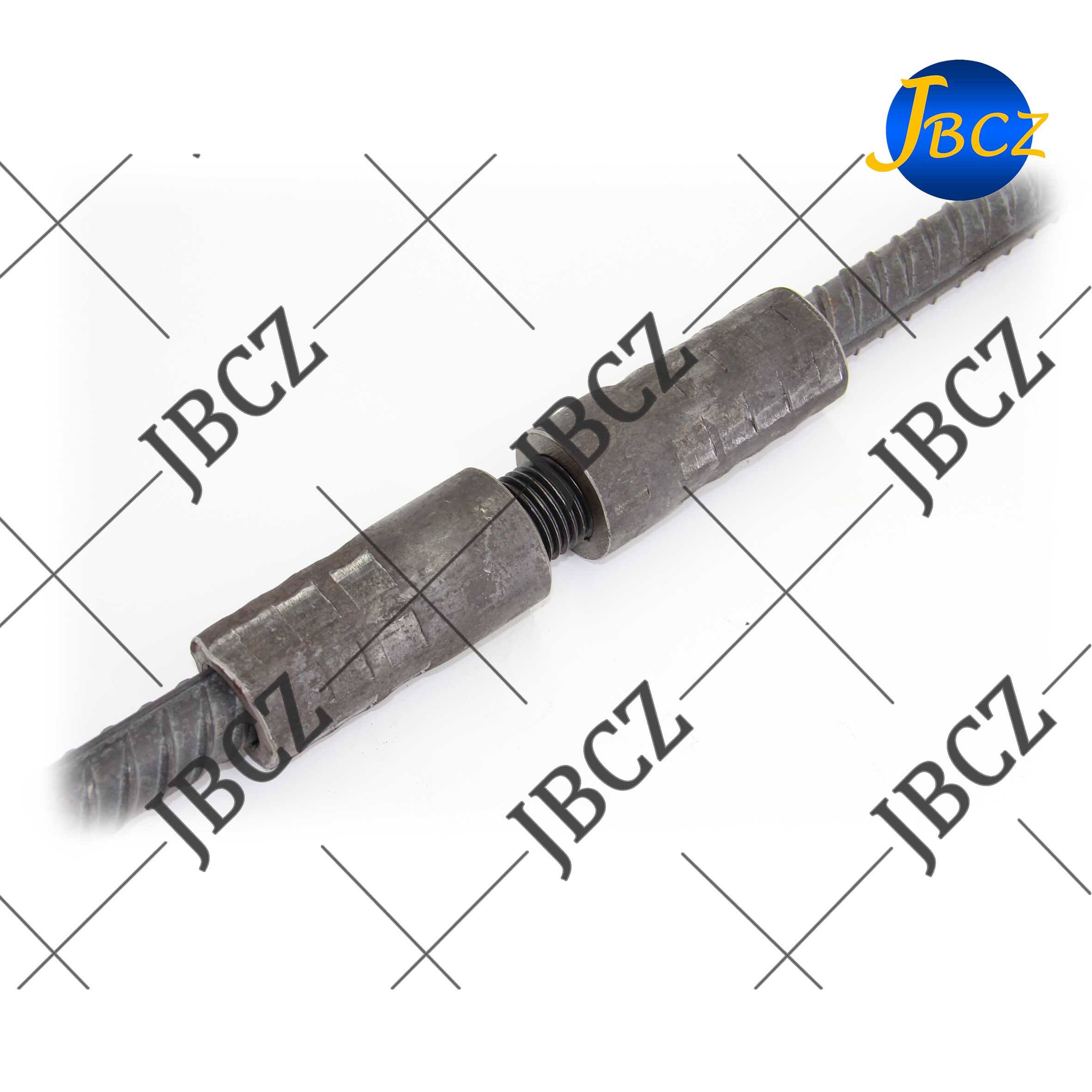
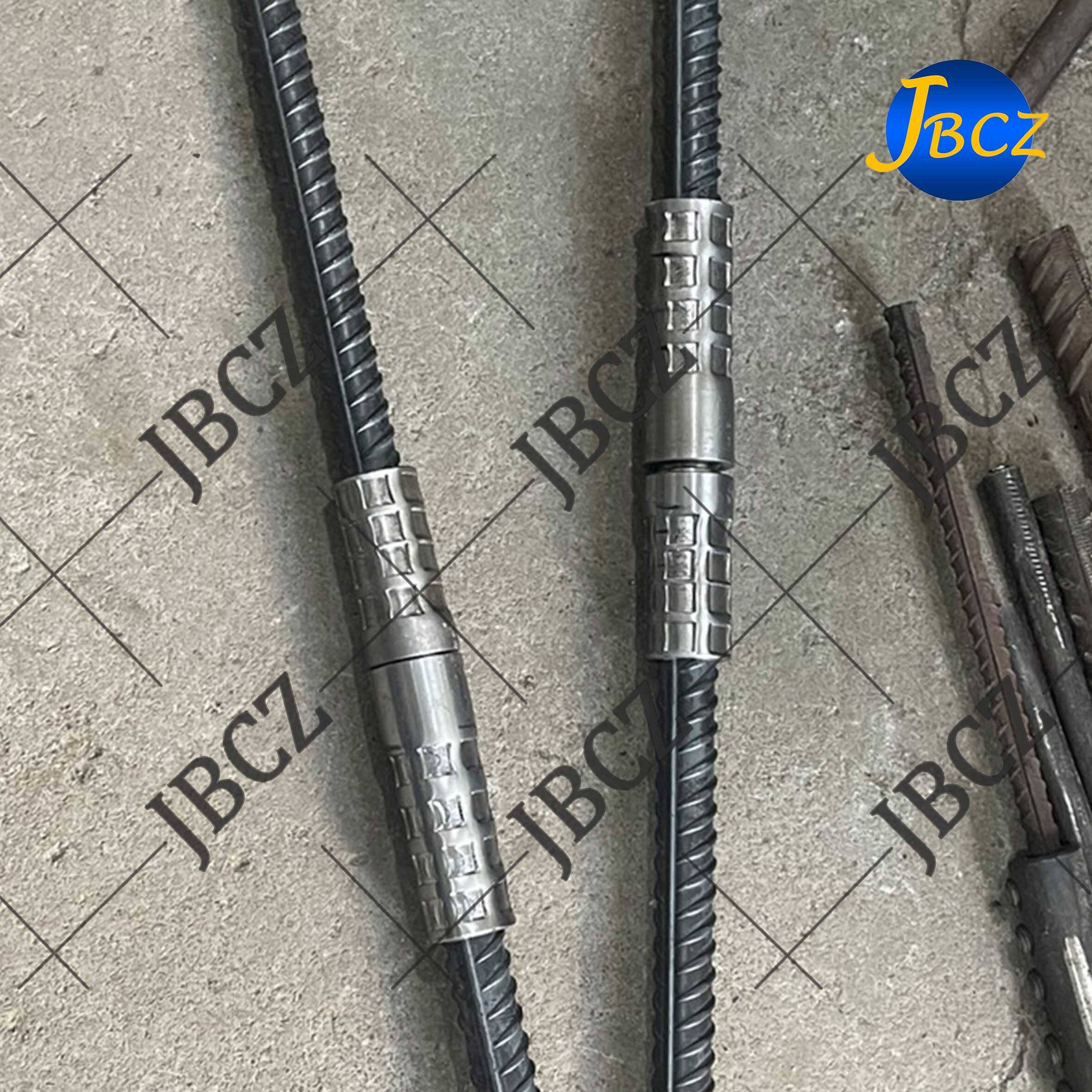
The grip rebar coupler introduces a transformative approach to rebar connection that fundamentally changes how construction teams approach reinforcement assembly. Traditional connection methods demand significant time investment, specialized equipment, and skilled technicians, creating bottlenecks that delay project progress and inflate costs. The grip rebar coupler eliminates these obstacles through an ingeniously simple mechanical system that anyone can master quickly. Workers prepare the rebar ends using standard cutting and threading equipment, ensuring clean surfaces and proper dimensional specifications. They then insert the prepared bars into opposite ends of the coupler body, where precision-engineered gripping elements await. As the coupler components tighten, these gripping mechanisms engage the rebar surface, creating multiple contact points that distribute loads evenly across the connection zone. This process typically requires only basic hand tools or simple hydraulic equipment, depending on the rebar diameter and coupler design. The entire connection sequence takes mere minutes, compared to the extensive time required for welding setup, execution, cooling, and inspection. This efficiency multiplies across projects containing thousands of connections, compressing construction schedules by weeks or months. The grip rebar coupler also eliminates weather dependencies that plague traditional methods. Welding requires dry conditions, moderate temperatures, and wind protection to achieve quality results. Rain, snow, extreme cold, or high winds force work stoppages that cascade through project timelines. The mechanical nature of grip rebar couplers removes these weather constraints, allowing continuous progress regardless of climatic conditions. This reliability proves invaluable in regions experiencing unpredictable weather or in projects facing strict completion deadlines. Additionally, the learning curve for grip rebar coupler installation remains remarkably short. New workers achieve proficiency within hours rather than the years required to develop welding expertise. This accessibility expands your available labor pool and reduces dependency on specialized subcontractors whose availability and rates may fluctuate. The system's inherent simplicity also reduces error potential, as the mechanical design provides tactile and visual feedback confirming proper assembly, giving supervisors confidence in connection quality without requiring destructive testing or sophisticated inspection equipment.