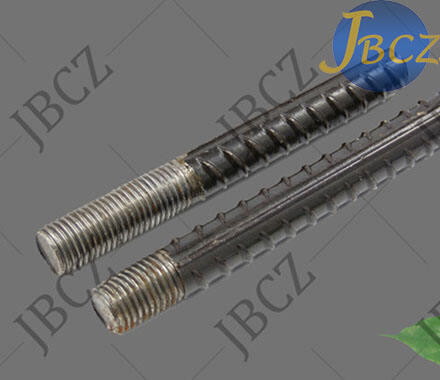
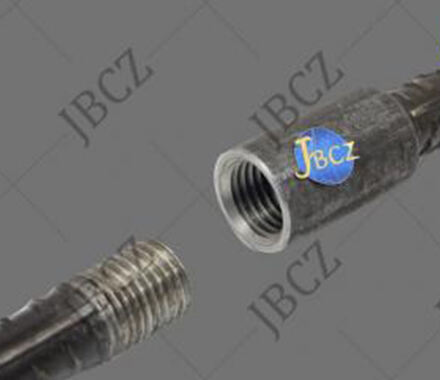
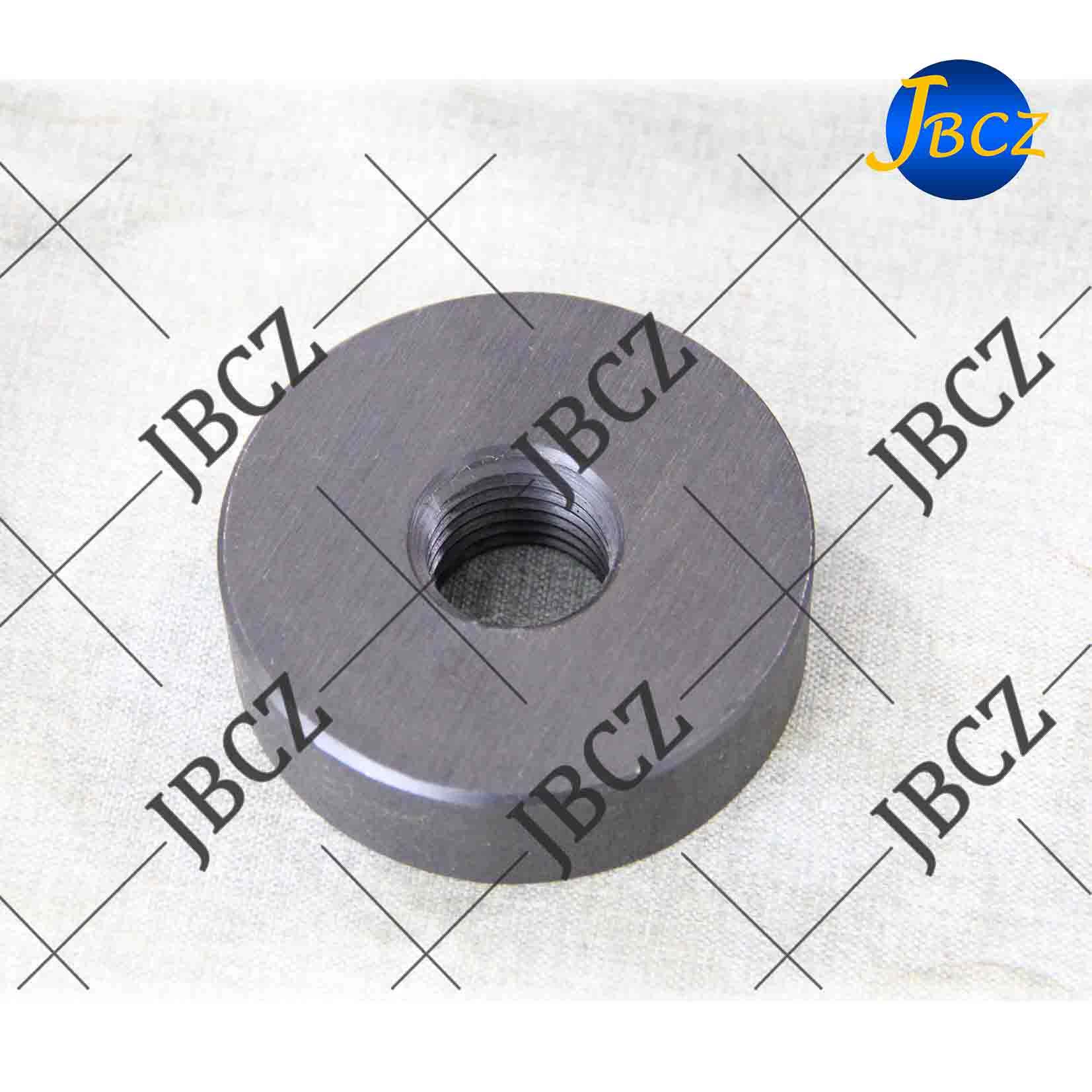
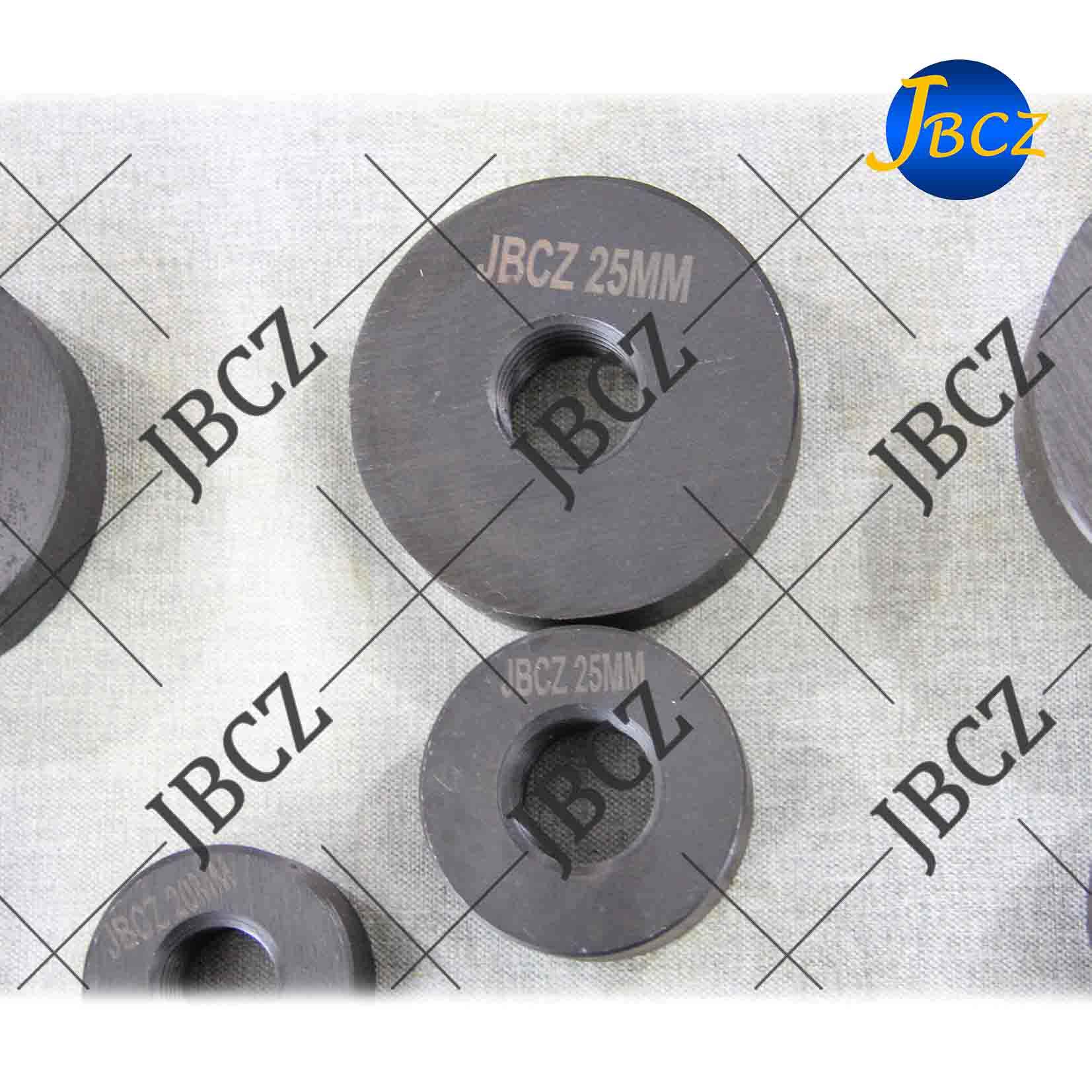
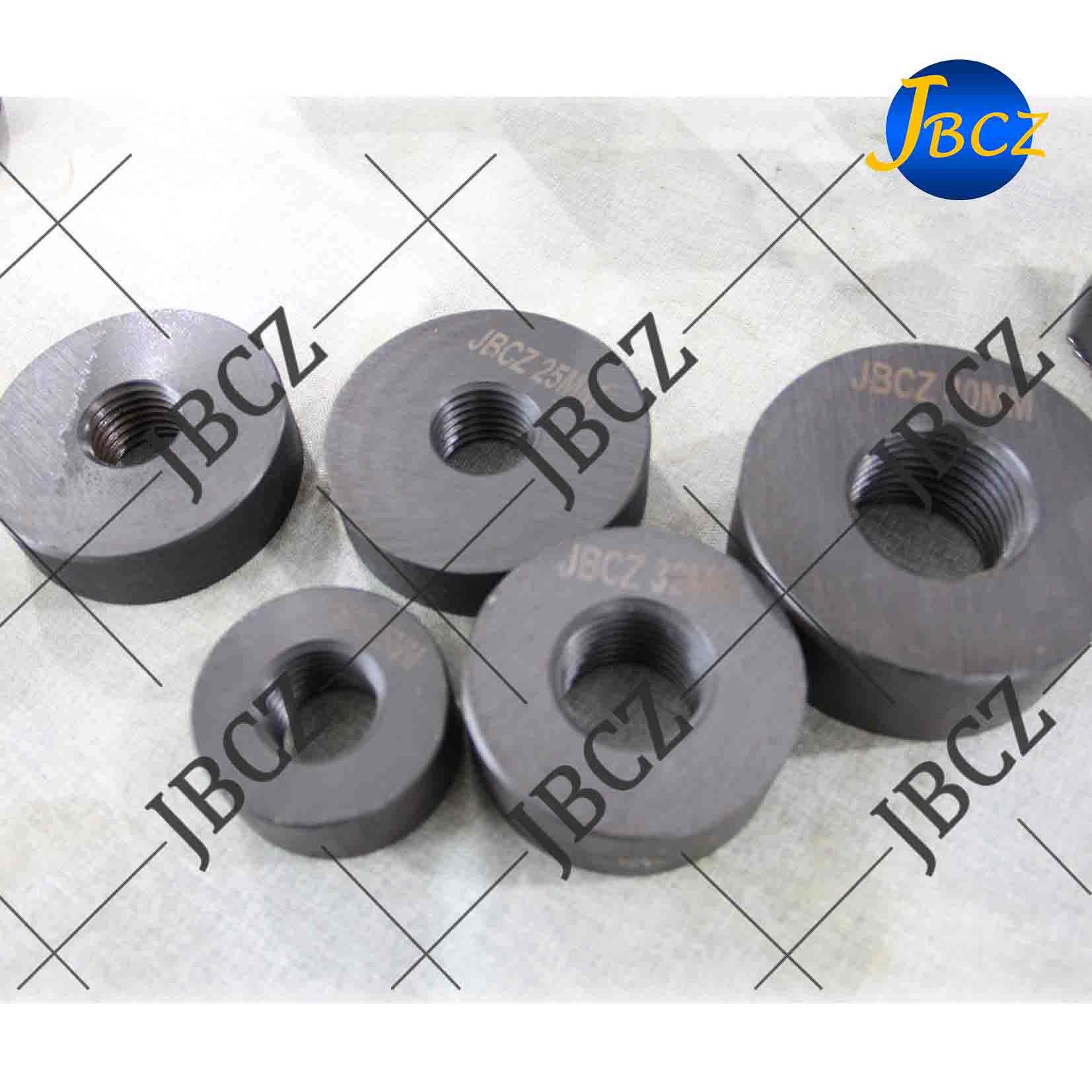
End Anchor Coupler - High Performance Anchoring Solutions for Construction Projects

All Categories

Get a Free Quote

Our representative will contact you soon.
Email
Name
Company Name
Message
0/1000

end anchor coupler

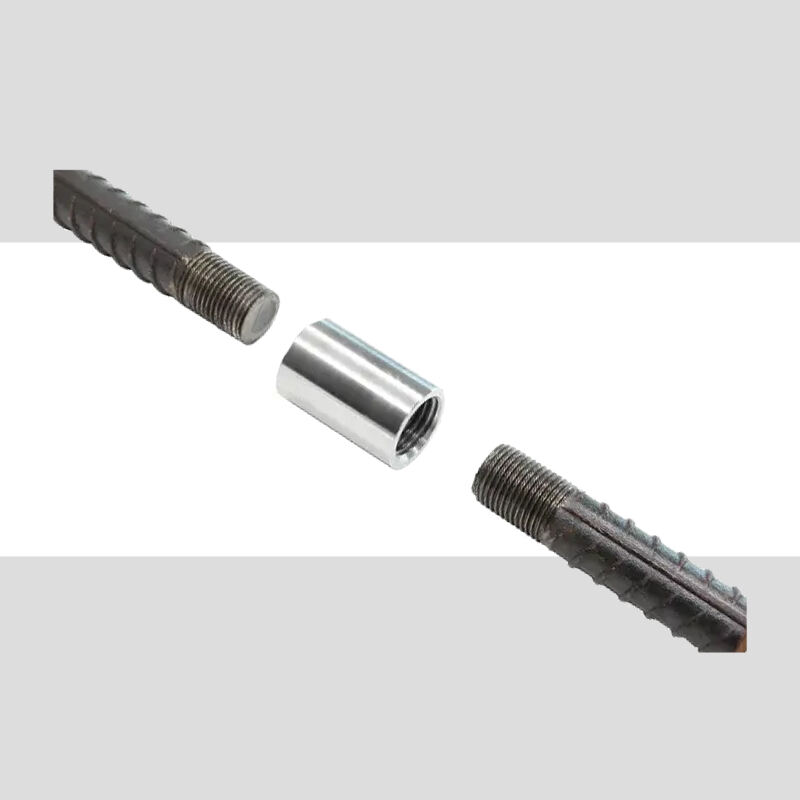
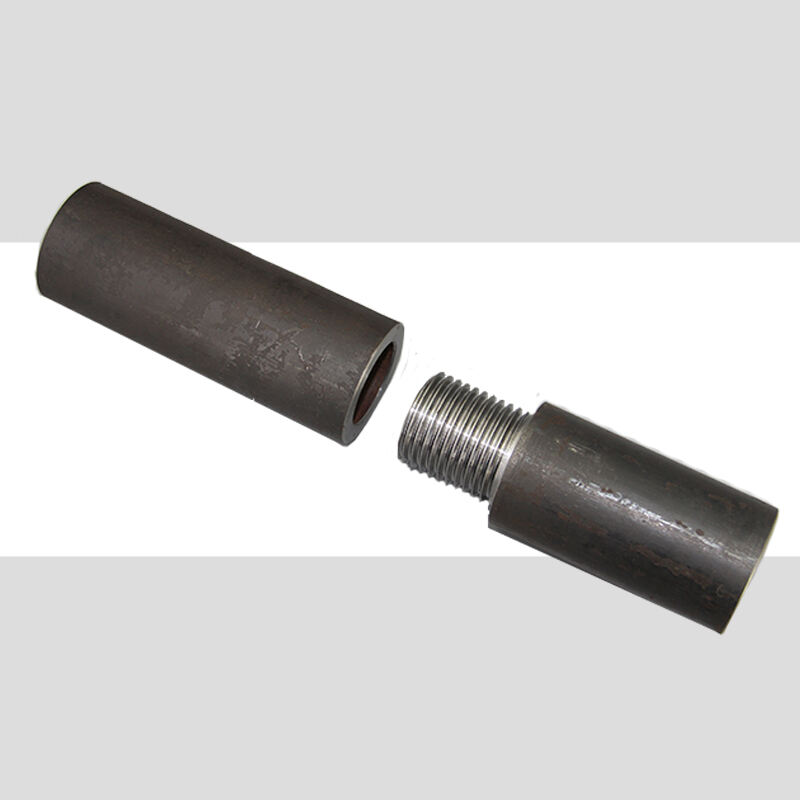
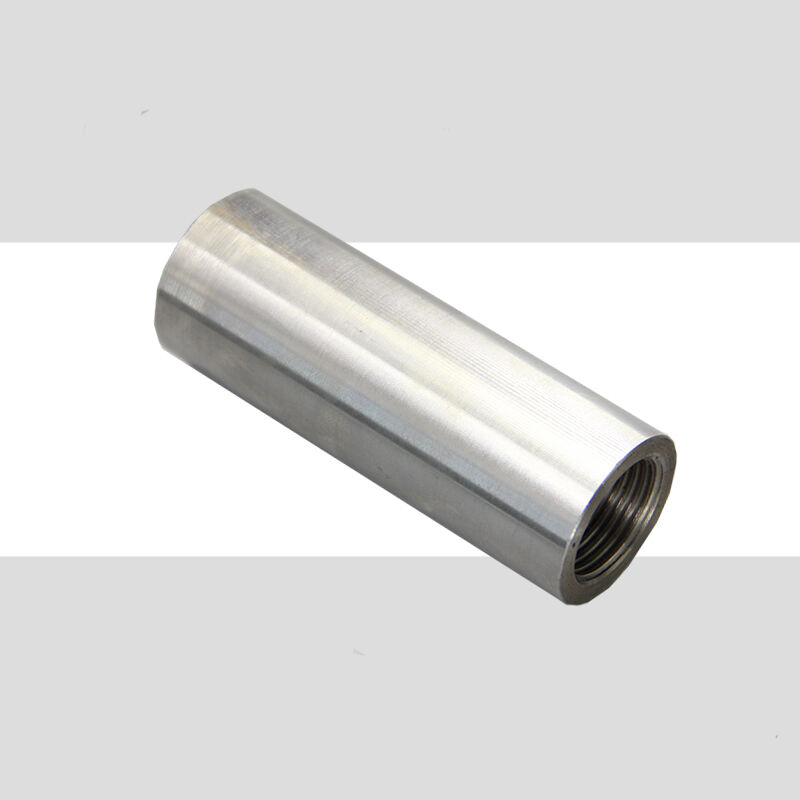
The end anchor coupler represents a critical component in construction and engineering projects, serving as a specialized connecting device designed to secure and stabilize reinforcement systems at termination points. This essential hardware element provides reliable anchoring solutions for prestressed concrete structures, post-tensioning applications, and various reinforcement configurations. The end anchor coupler functions primarily as a load-bearing connector that transfers stress forces from tensioned cables or strands to the concrete structure itself, ensuring structural integrity throughout the lifespan of the construction. Its robust design accommodates high-tension forces while maintaining precise alignment and preventing slippage or displacement under extreme loading conditions. The technological features of this coupling system include precision-engineered threading mechanisms, corrosion-resistant materials, and standardized dimensions that ensure compatibility across different reinforcement systems. Modern end anchor coupler designs incorporate advanced metallurgical compositions, typically utilizing high-grade steel alloys that deliver exceptional strength-to-weight ratios and long-term durability. The manufacturing process involves stringent quality control measures, including heat treatment protocols and surface finishing techniques that enhance performance characteristics. Applications for the end anchor coupler span numerous construction sectors, including bridge construction, high-rise building frameworks, parking structures, stadium developments, and infrastructure rehabilitation projects. In prestressed concrete applications, this component serves as the critical interface between the tensioning system and the structural concrete, enabling engineers to achieve optimal load distribution and structural performance. The versatility of the end anchor coupler extends to both new construction and retrofit scenarios, where existing structures require reinforcement upgrades or repairs. Installation procedures for these couplers demand precise positioning and torque specifications to ensure proper load transfer and structural safety, making them integral to professional construction practices worldwide.

Popular Products

The end anchor coupler delivers substantial practical benefits that directly impact project outcomes, construction efficiency, and long-term structural performance. First and foremost, this component significantly reduces installation time compared to traditional anchoring methods, allowing construction teams to complete reinforcement work faster and move forward with subsequent project phases. The straightforward connection mechanism eliminates the need for complex welding procedures or specialized on-site fabrication, which translates to lower labor costs and reduced risk of installation errors. Contractors appreciate how the standardized design simplifies workforce training requirements, enabling teams to achieve consistent results across multiple project sites without extensive specialized instruction. The reliability factor cannot be overstated, as the end anchor coupler provides predictable performance under documented load conditions, giving engineers confidence in their structural calculations and safety margins. This predictability reduces the need for over-engineering and excessive material usage, resulting in cost savings without compromising structural integrity. Another significant advantage involves maintenance considerations, as the durable construction materials resist environmental degradation, minimizing the need for periodic inspections or replacement interventions throughout the structure's service life. The corrosion-resistant properties prove particularly valuable in harsh environments, including coastal regions with salt exposure, industrial areas with chemical pollutants, or locations experiencing freeze-thaw cycles. Project managers benefit from the component's contribution to schedule adherence, as the reliable performance eliminates delays caused by anchor failures or adjustments during construction phases. The versatility of the end anchor coupler accommodates various strand configurations and load requirements, reducing inventory complexity for contractors who work on diverse project types. This adaptability means construction firms can standardize their procurement processes and maintain smaller stock quantities while still addressing different project specifications. Budget-conscious clients recognize the value proposition, as the initial investment in quality coupling components prevents costly structural repairs or reinforcement failures that could arise from inferior anchoring solutions. The ease of inspection represents another practical benefit, as the accessible design allows quality control personnel to verify proper installation without destructive testing procedures. Safety improvements extend beyond structural performance, as the simplified installation process reduces worker exposure to hazardous welding operations and complex rigging procedures, contributing to better job site safety records and lower insurance costs.

Latest News

What is a Reducing Coupler and How is it Used in Plumbing Systems?

10

Jul

What is a Reducing Coupler and How is it Used in Plumbing Systems?

View More
Advantages of Reducing coupler in Renewable Energy Storage Systems

10

Jul

Advantages of Reducing coupler in Renewable Energy Storage Systems

View More
JBCZ has received the certification of UK CARES

10

Jul

JBCZ has received the certification of UK CARES

View More
Right Hand Coupler: Enhancing Efficiency and Precision in Mechanical Systems

10

Jul

Right Hand Coupler: Enhancing Efficiency and Precision in Mechanical Systems

View More

Get a Free Quote

Our representative will contact you soon.
Email
Name
Company Name
Message
0/1000

end anchor coupler

Superior Load Distribution Technology

Superior Load Distribution Technology

The end anchor coupler incorporates sophisticated load distribution technology that fundamentally transforms how construction projects manage stress forces within reinforced concrete structures. This advanced engineering approach ensures that tensile forces from prestressed cables or strands transfer smoothly and evenly into the surrounding concrete matrix, preventing localized stress concentrations that could compromise structural integrity. The intelligent design features a graduated geometry that gradually transitions loads from the concentrated tension in the reinforcement strands to a dispersed force pattern across a broader concrete area. This progressive load spreading mechanism reduces the risk of concrete splitting or cracking at anchor points, which historically represented a common failure mode in reinforcement systems. The precision-machined internal components work in concert to grip the reinforcement strands with consistent pressure distribution, eliminating uneven loading that could cause premature strand failure or slippage under sustained tension. Engineers conducting structural analysis appreciate how this predictable load transfer behavior simplifies calculation procedures and provides reliable safety factors for critical applications. The technology behind this load distribution capability stems from extensive research into stress concentration patterns and material behavior under sustained loading conditions, resulting in an optimized shape that minimizes peak stress values while maximizing overall anchoring capacity. Construction projects utilizing this coupling system benefit from enhanced structural longevity, as the even stress distribution reduces fatigue accumulation in both the reinforcement elements and the concrete structure itself. The practical implications extend to project economics, where improved load distribution allows engineers to specify smaller safety margins without compromising structural safety, resulting in material cost reductions and lighter structural elements. This weight reduction becomes particularly valuable in high-rise construction, where cumulative weight savings across multiple floors translate to significant foundation cost reductions and improved seismic performance characteristics. The end anchor coupler's load distribution technology also accommodates dynamic loading scenarios, maintaining stable performance under variable forces such as traffic loads on bridges, wind forces on tall buildings, or seismic events in earthquake-prone regions. Quality assurance teams can verify the effectiveness of this load distribution through non-destructive testing methods, providing documented evidence of proper installation and performance characteristics that satisfy regulatory requirements and client expectations.
Rapid Installation Process with Minimal Specialized Equipment

Rapid Installation Process with Minimal Specialized Equipment

The end anchor coupler revolutionizes construction workflows through its streamlined installation process that dramatically reduces project timelines while maintaining rigorous quality standards. Unlike traditional anchoring methods requiring extensive setup procedures, specialized welding equipment, or time-consuming field fabrication, this coupling system enables rapid deployment with basic hand tools and standard construction equipment. The design philosophy prioritizes practical field conditions, recognizing that construction sites often face space constraints, weather challenges, and tight scheduling demands that complicate complex installation procedures. Workers can complete the connection sequence in a fraction of the time required by conventional approaches, allowing construction teams to anchor multiple points during a single work shift and maintain aggressive project schedules. The elimination of hot work requirements represents a substantial safety improvement, removing fire hazards associated with welding operations and simplifying permit procedures in occupied buildings or sensitive environments. This cold connection methodology also prevents heat-related distortion of reinforcement elements, ensuring precise alignment and eliminating the need for post-weld straightening or adjustment procedures. Training requirements decrease substantially, as the intuitive installation process allows workers to achieve competency quickly without extensive specialized certification programs or apprenticeship periods. The standardized connection procedure reduces variability between individual installers, promoting consistent quality across large projects involving multiple work crews or subcontractors. Project managers benefit from improved schedule predictability, as the reliable installation timeframes enable accurate critical path planning without buffer time for potential complications. The minimal equipment requirements translate to reduced mobilization costs, particularly valuable for remote project sites or locations with limited access where transporting heavy machinery presents logistical challenges. Contractors working on renovation projects appreciate how the compact tooling requirements facilitate work in confined spaces, existing structures, or areas with restricted access where traditional anchoring methods prove impractical. The speed advantage becomes particularly significant in fast-track construction projects, where compressed schedules demand efficient execution across all trade activities. Quality control procedures simplify considerably, as the straightforward installation process allows inspectors to verify proper completion through visual examination and basic torque verification, eliminating the need for radiographic testing or other time-consuming inspection methods. The end anchor coupler's rapid installation capability also provides flexibility for schedule adjustments, allowing contractors to accelerate work during favorable conditions or make up time lost to weather delays without requiring overtime premiums or additional crew mobilization.

Exceptional Durability in Challenging Environmental Conditions

Exceptional Durability in Challenging Environmental Conditions

The end anchor coupler demonstrates remarkable durability characteristics that ensure reliable long-term performance across diverse environmental conditions and exposure scenarios encountered in modern construction applications. The advanced material composition incorporates specially formulated alloy blends that resist corrosion, chemical attack, and mechanical degradation throughout extended service periods spanning decades of continuous structural loading. This exceptional longevity stems from comprehensive materials engineering that considers multiple degradation mechanisms, including electrochemical corrosion, stress corrosion cracking, hydrogen embrittlement, and fatigue accumulation under cyclic loading patterns. The protective surface treatments applied during manufacturing create multiple defense layers against environmental aggressors, with each coating system specifically selected for compatibility with anticipated exposure conditions. Construction projects in coastal environments particularly benefit from the superior corrosion resistance, as the chloride-rich atmosphere that rapidly degrades conventional steel components has minimal impact on properly specified coupling systems. The material stability extends to temperature extremes, maintaining mechanical properties and dimensional accuracy across the wide temperature ranges encountered in geographic regions experiencing both intense summer heat and severe winter cold. This thermal stability prevents the loosening or binding issues that plague connection systems fabricated from materials with mismatched thermal expansion coefficients. Industrial facilities housing chemical processes or corrosive atmospheres require anchoring solutions that withstand aggressive environmental conditions without frequent replacement interventions, making the end anchor coupler an economically sound choice for such demanding applications. The fatigue resistance characteristics prove essential in structures subjected to repetitive loading cycles, such as highway bridges carrying continuous traffic or buildings in regions experiencing frequent seismic activity. Extensive accelerated aging testing validates the long-term performance predictions, providing engineers with documented evidence supporting service life estimates that inform lifecycle cost analyses and maintenance planning. The durability attributes reduce total cost of ownership substantially, as the elimination of premature replacement needs and associated repair expenses more than offset any initial cost premium compared to less robust alternatives. Building owners and facility managers appreciate the reduced maintenance burden, as the reliable performance eliminates the need for frequent inspections, protective coating reapplication, or component replacement that disrupts building operations and incurs ongoing expenses. The environmental resistance extends beyond mere corrosion protection to include ultraviolet stability for exposed applications, preventing degradation of protective coatings or material properties in direct sunlight exposure scenarios. This comprehensive durability approach addresses the full spectrum of environmental challenges, providing construction professionals with confidence that anchoring systems will deliver consistent performance throughout the design service life regardless of exposure conditions or maintenance intervals.