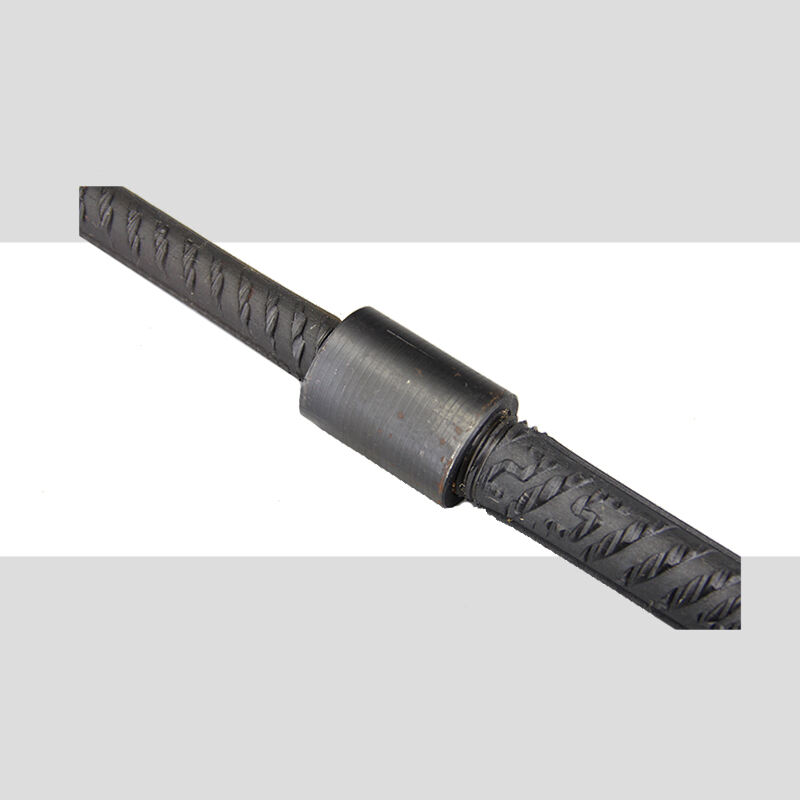
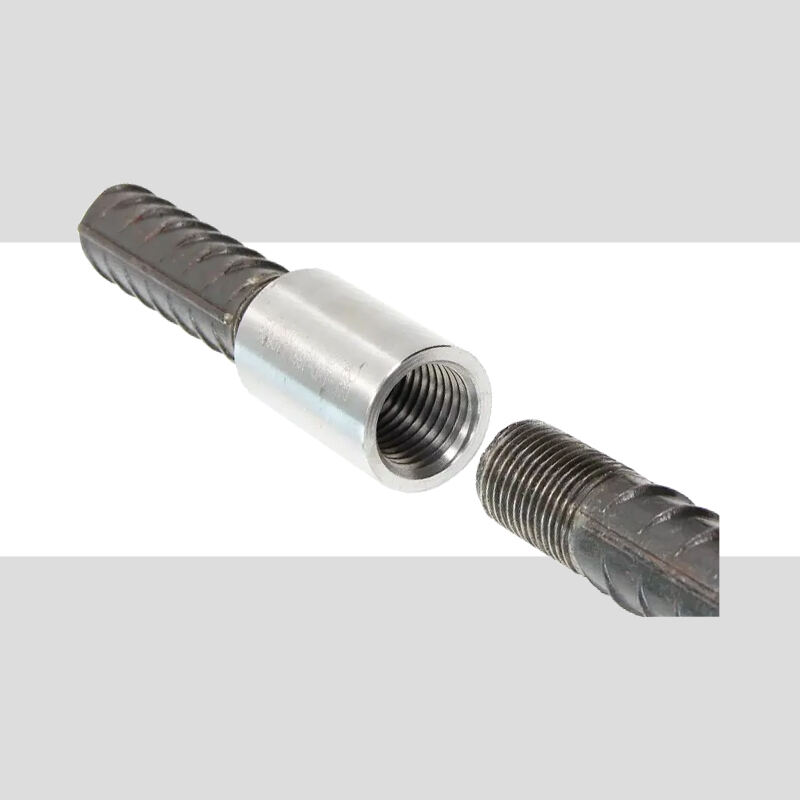
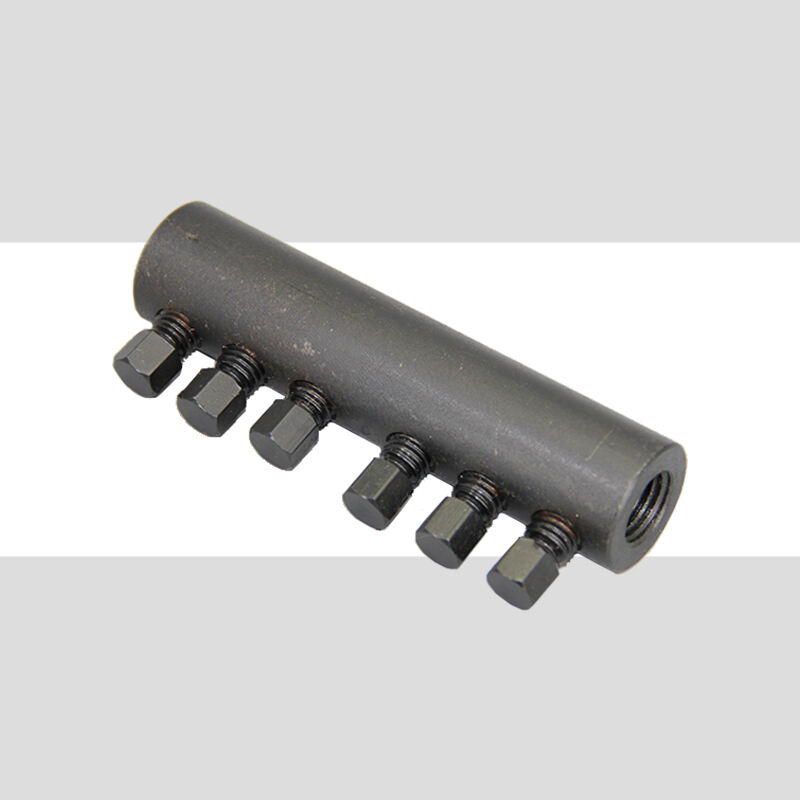
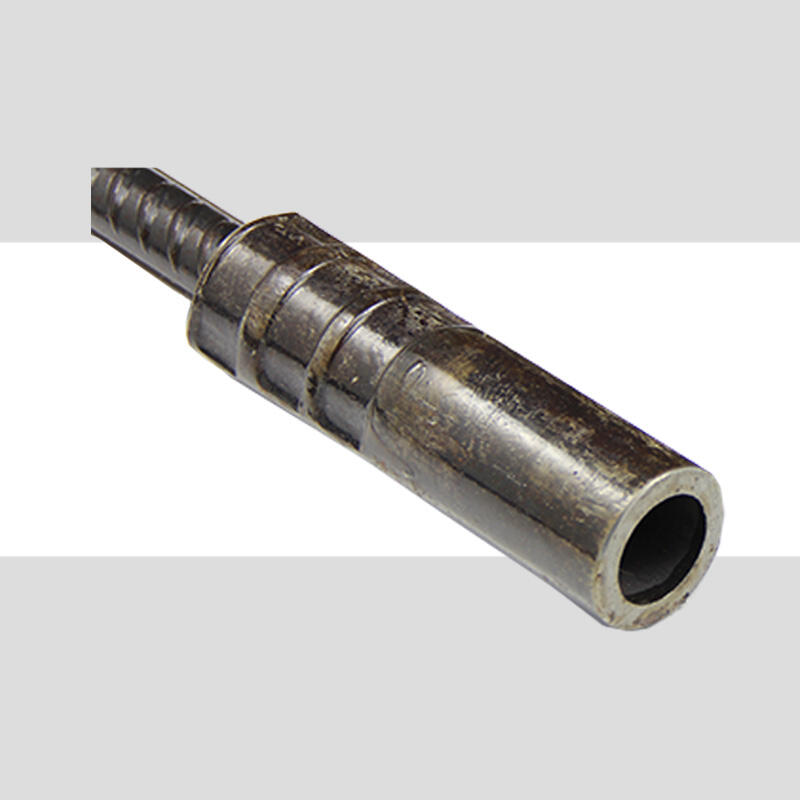
Superior Structural Performance in Demanding Applications
The structural engineering advantages of the embedded rebar coupler system extend far beyond simple convenience, delivering measurable performance benefits that enhance building safety and longevity. These mechanical connections are engineered to develop the full strength of the reinforcing bars they join, meaning the connection point does not create a weak link in the reinforcement continuity. Through rigorous testing protocols, embedded rebar coupler systems demonstrate their ability to transfer tensile forces, compressive forces, and combined loading conditions without degradation or failure at stress levels that meet or exceed the yield strength of the reinforcement steel itself. This performance consistency gives structural engineers confidence when designing buildings, bridges, and infrastructure projects that rely on these connections to maintain structural integrity under service loads and extreme events. The mechanical interlock created by threaded or grouted embedded rebar coupler designs ensures that forces transfer through positive engagement rather than depending solely on friction or bond strength, providing redundancy in the load path that enhances overall system reliability. In seismic design applications, this characteristic becomes particularly valuable because the connection must withstand repeated cycles of loading that could degrade bond-dependent connections over time. The embedded rebar coupler maintains its strength through these cyclic demands, supporting the ductility and energy dissipation characteristics that seismic-resistant structures require to protect occupants during earthquake events. For high-rise construction, where columns must transfer enormous compressive loads from upper floors down to the foundation, embedded rebar coupler systems in vertical reinforcement provide reliable force transfer without the congestion and construction complexity that traditional lap splicing would create at floor-to-floor connections. The compact nature of these connections allows designers to maintain consistent column dimensions throughout the building height, avoiding the bulky splice zones that would otherwise be necessary to accommodate overlapping reinforcement. Performance testing of embedded rebar coupler systems includes fatigue evaluation, which confirms that connections maintain their strength under repeated loading cycles that simulate decades of service life in structures subject to traffic, wind, or mechanical vibrations. This durability assurance protects your investment by ensuring that structural connections will not deteriorate or require costly repairs as the building ages. The corrosion resistance built into quality embedded rebar coupler products through protective coatings and material selection further enhances long-term performance, particularly in harsh environments like coastal areas, industrial facilities, or structures exposed to de-icing chemicals. When you specify embedded rebar coupler connections in your projects, you gain structural performance that engineers can verify through calculations and testing data, rather than relying on workmanship-dependent installation quality that varies from one crew to another.