High-Performance Rebar Couplers ASTM A615 Grade 60 - Reliable Mechanical Reinforcement Connections for Modern Construction

All Categories

Get a Free Quote

Our representative will contact you soon.
Email
Name
Company Name
Message
0/1000

rebar couplers astm a615grade 60

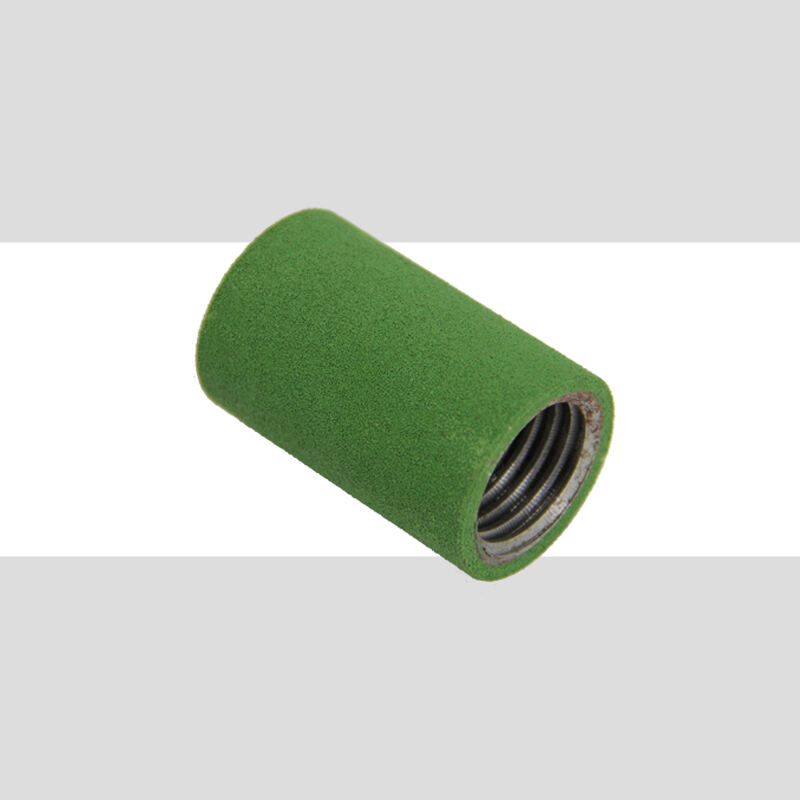
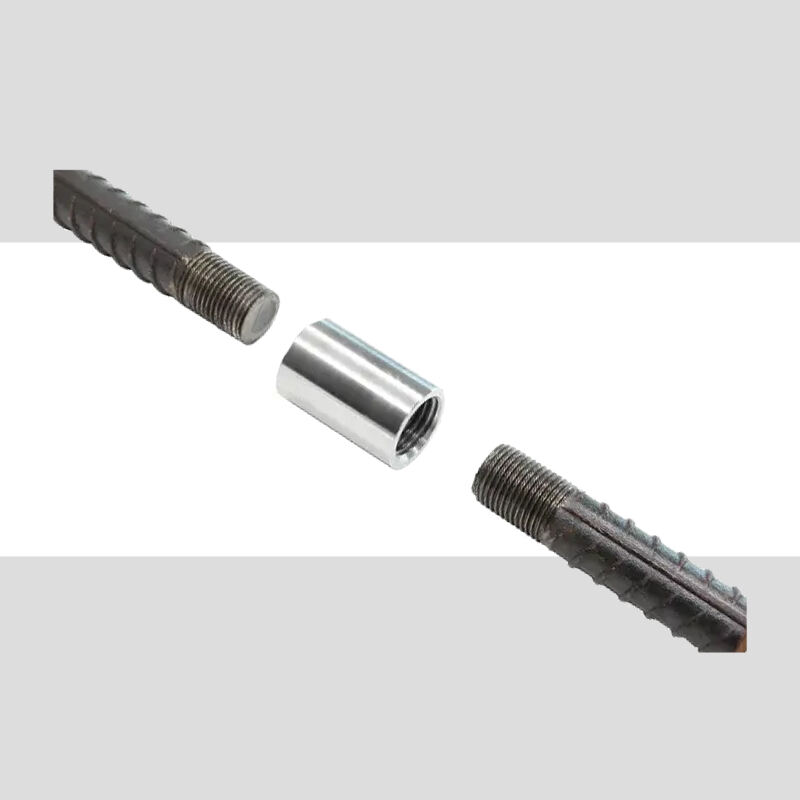
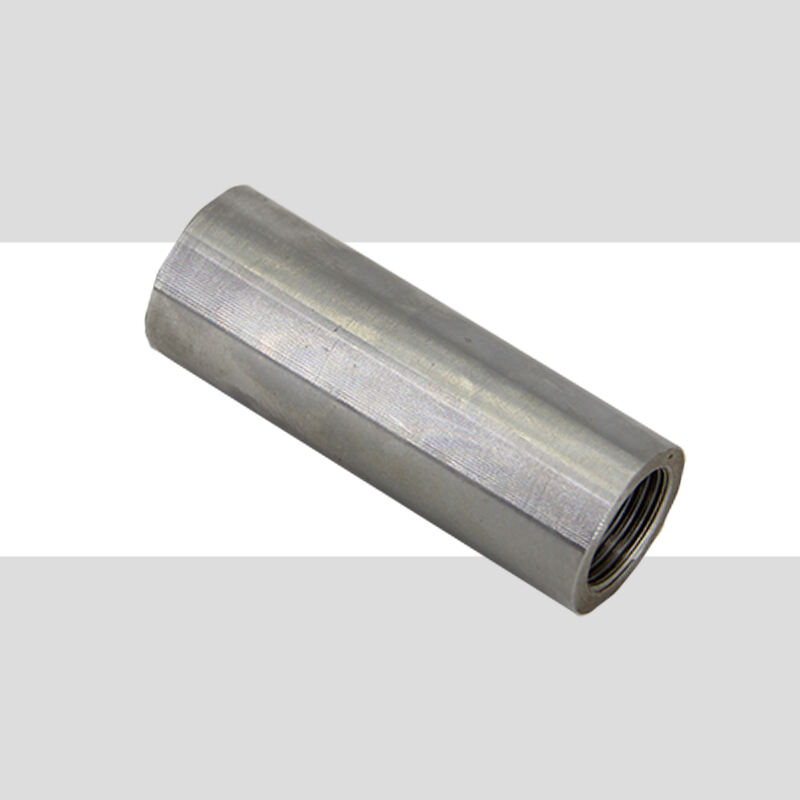
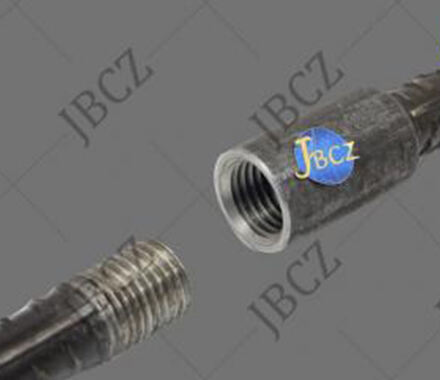
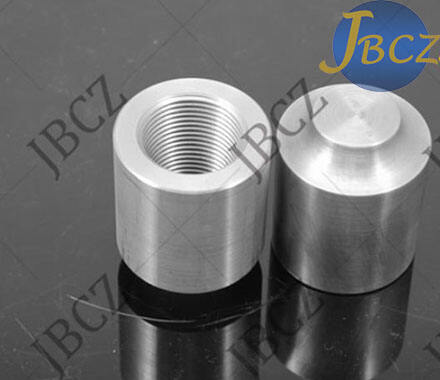
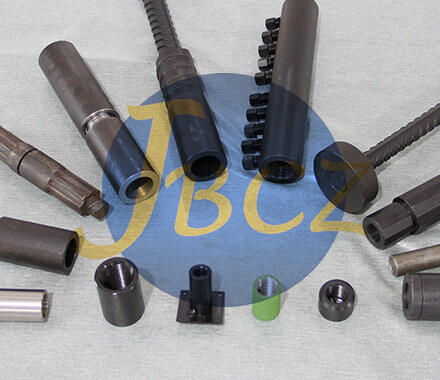
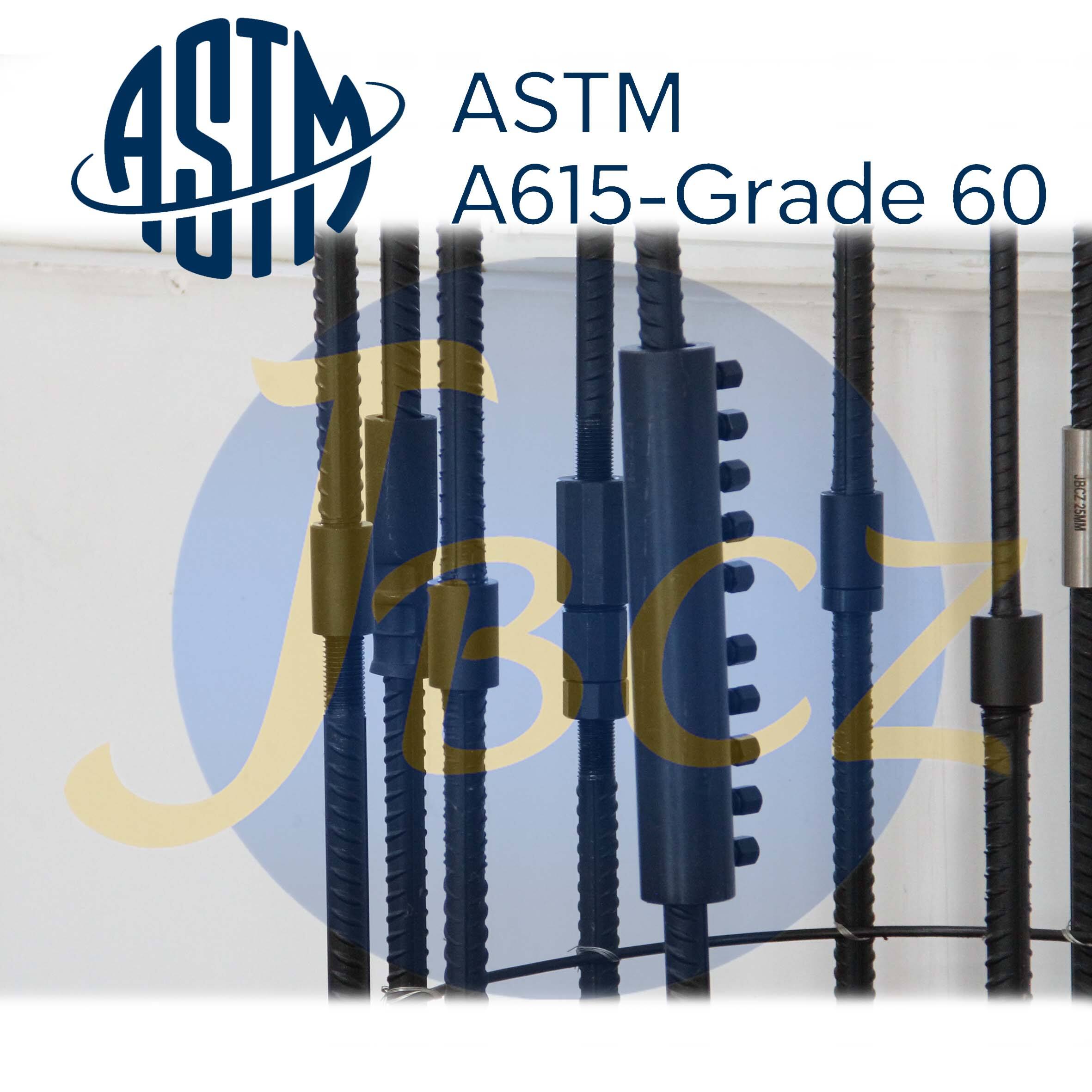
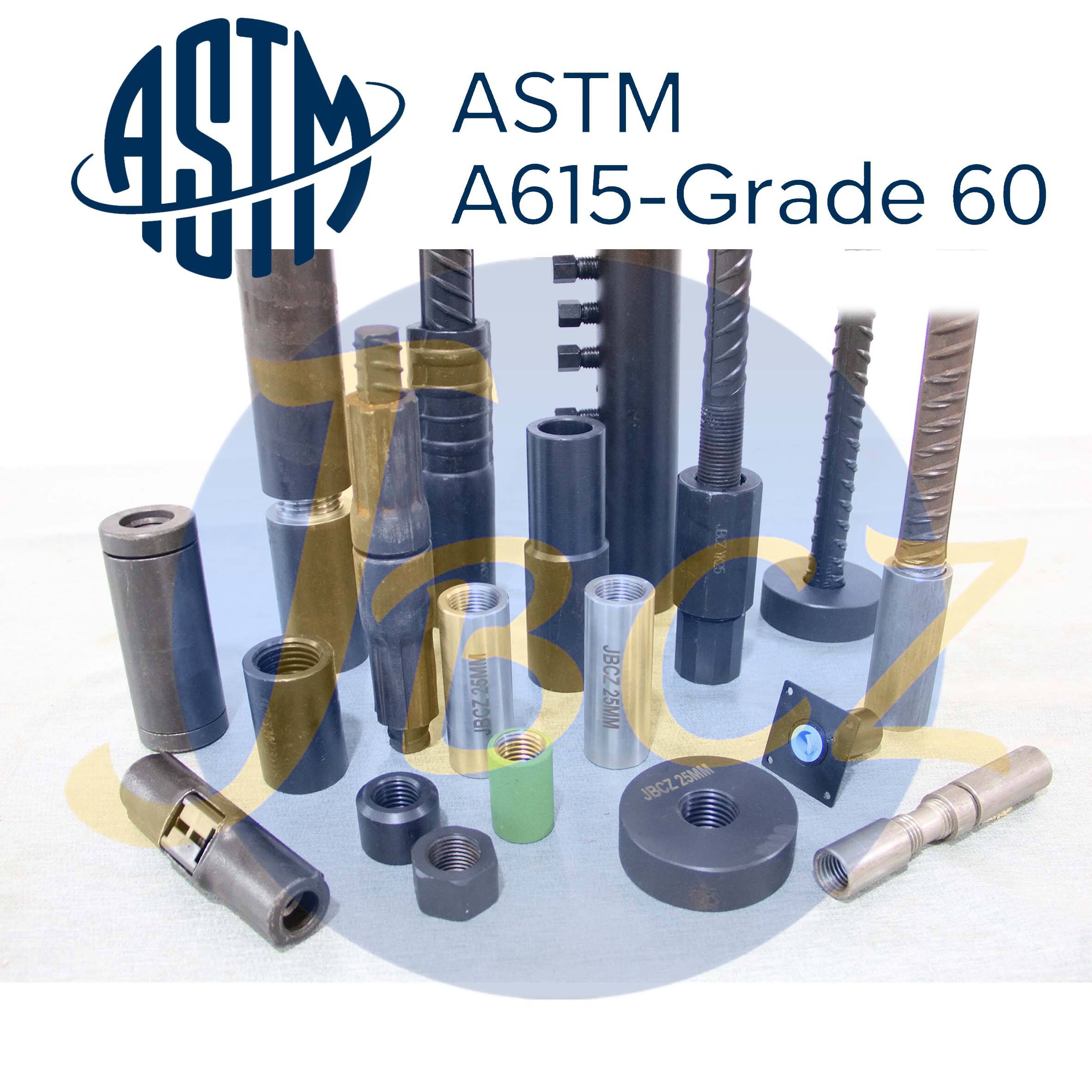
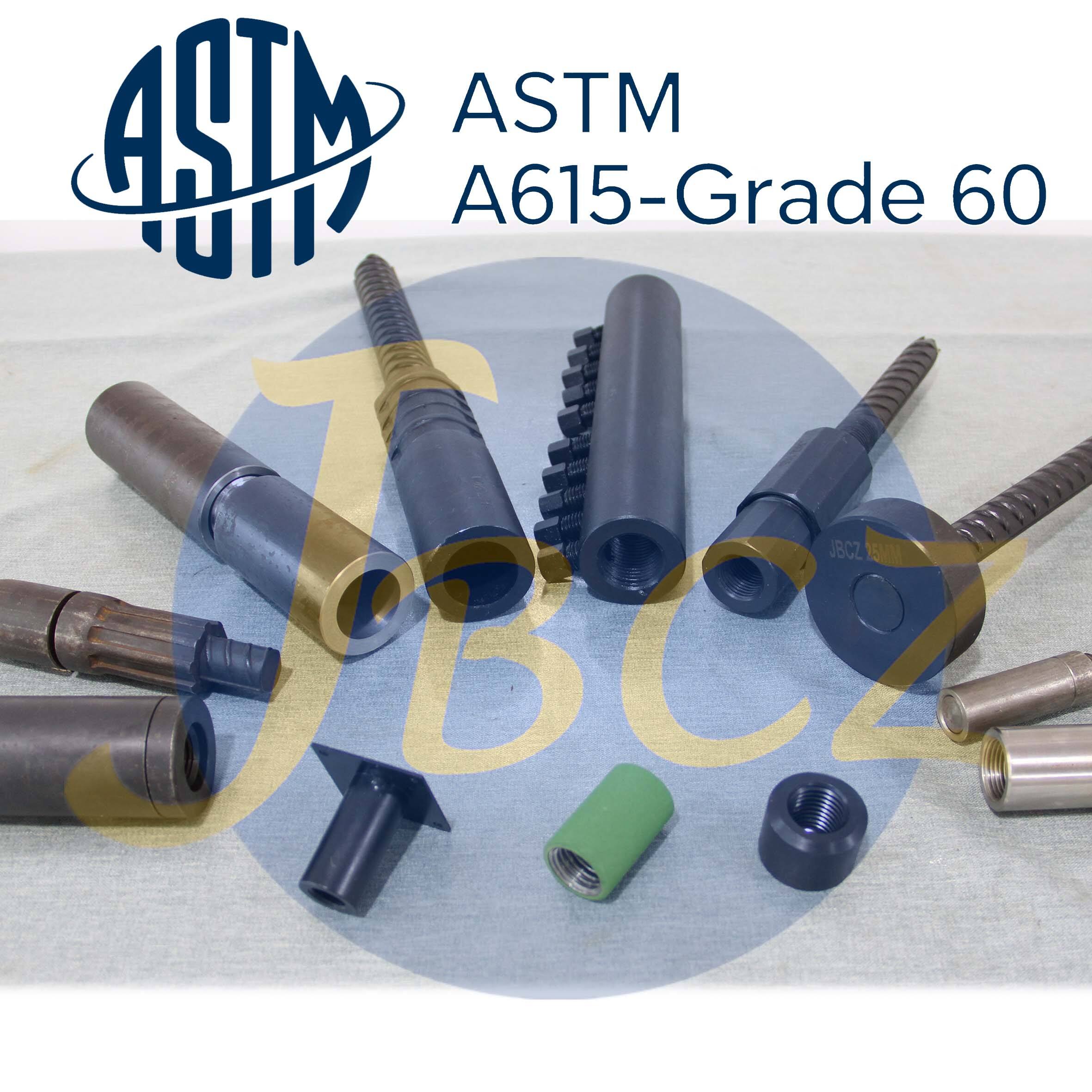
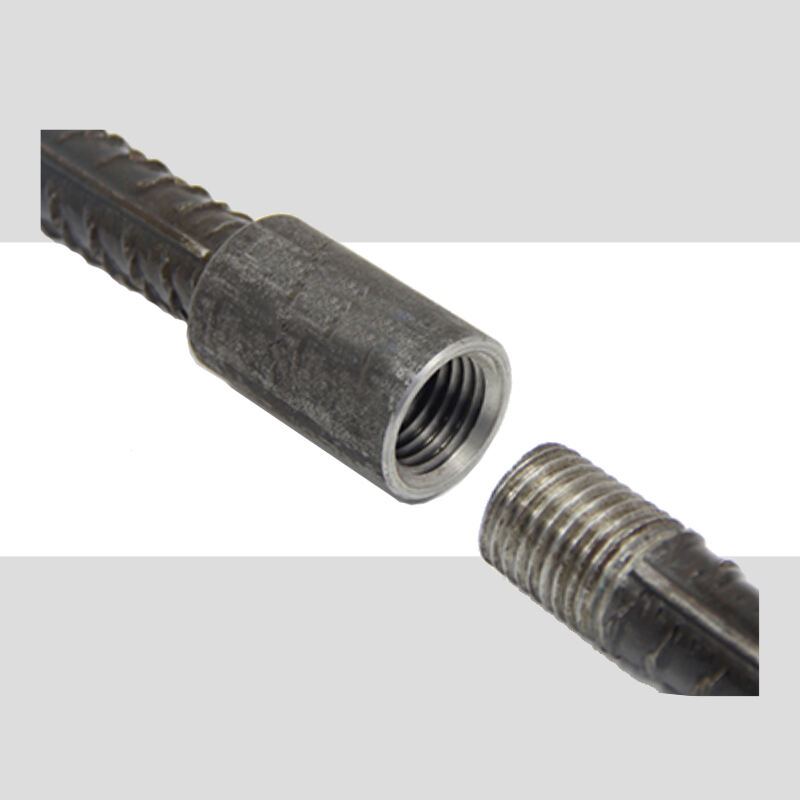
Rebar couplers ASTM A615 Grade 60 represent a critical advancement in modern construction technology, providing mechanical connections for reinforcing steel bars used in concrete structures. These precision-engineered devices serve as alternatives to traditional lap splicing methods, creating strong and reliable joints between individual reinforcement bars. The rebar couplers ASTM A615 Grade 60 comply with stringent American Society for Testing and Materials standards, ensuring compatibility with Grade 60 reinforcing steel that possesses a minimum yield strength of 60,000 pounds per square inch. The main function of these couplers involves transmitting tensile and compressive forces between connected bars while maintaining structural integrity throughout the concrete element's service life. Technologically, rebar couplers ASTM A615 Grade 60 utilize various connection mechanisms including threaded systems, sleeve compression, grout-filled designs, and swaged connections. Threading technology creates precision-cut grooves on bar ends that screw into coupler sleeves, forming mechanical interlocks capable of developing full bar strength. Compression sleeve systems employ external pressure to grip bars within steel casings, while grout-filled variants use high-strength mortars to bond bars within hollow sleeves. Manufacturing processes involve computer-controlled machining, heat treatment for optimal material properties, and rigorous quality testing including tensile strength verification and dimensional accuracy checks. Applications for rebar couplers ASTM A615 Grade 60 span numerous construction sectors including high-rise buildings, bridges, tunnels, dams, nuclear facilities, and seismic-resistant structures. These devices prove particularly valuable in situations where lap splicing becomes impractical due to congestion concerns, dimensional constraints, or specification requirements. Construction projects benefit from reduced rebar congestion at critical connection zones, improved concrete flow during placement, and enhanced structural performance. The technology addresses challenges in prefabrication scenarios, enabling modular construction approaches where structural elements require precise connections during assembly. Infrastructure rehabilitation projects utilize rebar couplers ASTM A615 Grade 60 for extending existing reinforcement systems without compromising structural capacity or requiring extensive demolition work.

New Product Recommendations

Choosing rebar couplers ASTM A615 Grade 60 delivers measurable benefits that directly impact project timelines, budgets, and structural performance. First, these couplers significantly reduce material waste compared to conventional overlapping methods. Traditional lap splicing requires extending bars past connection points by distances often exceeding forty bar diameters, consuming substantial additional steel. Mechanical couplers eliminate this overlap requirement, cutting reinforcement quantities by fifteen to twenty-five percent in many applications. This reduction translates to lower material procurement costs and decreased transportation expenses, delivering immediate financial advantages. Second, installation speed improves dramatically with rebar couplers ASTM A615 Grade 60 compared to manual tying and positioning of overlapped bars. Skilled workers connect bars in minutes rather than hours, accelerating construction schedules and reducing labor costs. The simplified connection process requires fewer workers at congested connection zones, improving site safety and workflow efficiency. Third, structural performance receives measurable enhancement through precise load transfer characteristics. Each coupler develops the full tensile strength of connected bars, ensuring predictable behavior under service loads and extreme conditions. Engineering calculations become more straightforward without accounting for variable lap splice development lengths influenced by concrete cover, bar spacing, and confinement conditions. Fourth, concrete quality improves substantially when rebar couplers ASTM A615 Grade 60 replace traditional splicing approaches. Reduced bar congestion at connection zones allows concrete to flow freely around reinforcement, eliminating voids and honeycombing that compromise structural integrity. Better consolidation results in denser, more durable concrete with superior resistance to environmental degradation. Fifth, design flexibility expands significantly with mechanical coupling technology. Architects and engineers can optimize reinforcement layouts without constraints imposed by splice length requirements, enabling innovative structural solutions previously considered impractical. Complex geometric configurations, tight column connections, and challenging reinforcement transitions become feasible with confidence in connection reliability. Sixth, quality control becomes more systematic and verifiable with rebar couplers ASTM A615 Grade 60. Visual inspection confirms proper engagement, and installation torque verification provides quantifiable evidence of correct assembly. This traceability surpasses the uncertainty inherent in assessing lap splice adequacy after concrete placement. Seventh, seismic performance benefits from the ductile behavior exhibited by properly installed mechanical couplers during cyclic loading events. Testing demonstrates that quality couplers maintain connection integrity through multiple high-intensity displacement cycles, providing life-safety protection during earthquakes. Finally, environmental considerations favor rebar couplers ASTM A615 Grade 60 through reduced material consumption and lower carbon footprints associated with steel production and transportation, aligning construction practices with sustainability objectives while maintaining uncompromised structural safety margins.

Tips And Tricks

How Rebar Couplers Strengthen Concrete Structures: Innovation and Benefits

10

Jul

How Rebar Couplers Strengthen Concrete Structures: Innovation and Benefits

View More
Advantages of Reducing coupler in Renewable Energy Storage Systems

10

Jul

Advantages of Reducing coupler in Renewable Energy Storage Systems

View More
The indispensable role of rebar couplers in offshore wind farms and marine structures

10

Jul

The indispensable role of rebar couplers in offshore wind farms and marine structures

View More
Features of rebar splices and precautions for their use

10

Jul

Features of rebar splices and precautions for their use

View More

Get a Free Quote

Our representative will contact you soon.
Email
Name
Company Name
Message
0/1000

rebar couplers astm a615grade 60

Superior Load Transfer Capability Ensuring Structural Reliability

Superior Load Transfer Capability Ensuring Structural Reliability

The load transfer capability of rebar couplers ASTM A615 Grade 60 stands as the fundamental characteristic that determines their value in demanding construction applications. These mechanical connections must reliably transmit forces between reinforcing bars under various loading conditions including tension, compression, and cyclic stresses that structures experience throughout their service lives. Engineering standards require couplers to develop minimum percentages of the connected bar's specified tensile strength, with premium systems achieving one hundred percent capacity consistently. The mechanical interlock created by threaded rebar couplers ASTM A615 Grade 60 generates bearing stresses distributed across multiple thread engagement points, creating redundancy that prevents sudden connection failure. Manufacturing precision ensures thread profiles match exactly between bar ends and coupler interiors, eliminating gaps that could permit slippage under load. Material selection for coupler bodies involves high-strength alloy steels with yield strengths exceeding those of the reinforcing bars themselves, guaranteeing the connection remains stronger than the bars it joins. Heat treatment processes optimize metallurgical properties, balancing strength with sufficient ductility to accommodate minor installation variations without brittle fracture risks. Testing protocols verify load transfer performance through destructive tensile tests where coupled bar assemblies undergo steadily increasing forces until failure occurs. Acceptable performance requires fracture to initiate in the reinforcing bar away from the coupling zone, demonstrating the connection exceeds bar capacity. Fatigue testing subjects rebar couplers ASTM A615 Grade 60 to millions of load cycles simulating service conditions in bridges and structures experiencing repetitive loading, confirming long-term durability without degradation. The absence of stress concentrations within properly designed couplers prevents premature failure initiation that could compromise structural safety. Field performance data accumulated over decades validates laboratory test results, with properly installed mechanical couplers demonstrating exceptional reliability in completed structures subjected to design loads and occasional overload events. Seismic regions particularly benefit from the ductile load transfer characteristics exhibited by quality rebar couplers ASTM A615 Grade 60 during earthquake ground motions. Connection integrity maintained through multiple displacement reversals provides the energy dissipation capacity essential for life-safety performance. Understanding these load transfer mechanisms helps construction professionals appreciate why mechanical couplers have become preferred reinforcement connection methods in critical applications where structural performance cannot be compromised under any circumstance.
Installation Efficiency Accelerating Project Completion Timelines

Installation Efficiency Accelerating Project Completion Timelines

Installation efficiency represents a compelling practical advantage that makes rebar couplers ASTM A615 Grade 60 increasingly popular across construction sectors focused on schedule optimization and cost management. The streamlined connection process contrasts sharply with labor-intensive traditional methods requiring extensive bar handling, precise positioning, and time-consuming tie wire installation. Threaded coupler systems enable workers to spin bars into position within minutes after applying couplers to prepared bar ends, dramatically reducing connection duration compared to overlapping and tying procedures. Specialized threading equipment prepares bar ends either on-site or in fabrication facilities, cutting precise threads that meet dimensional tolerances ensuring reliable engagement. Portable threading machines allow flexibility in adapting to field conditions, while centralized fabrication provides quality control advantages and weather-independent production. Installation procedures for rebar couplers ASTM A615 Grade 60 require basic training rather than highly specialized skills, broadening the available workforce and reducing dependency on limited numbers of experienced ironworkers. Visual indicators including witness marks and color coding confirm proper engagement depth, enabling quality verification without sophisticated measurement instruments. Torque wrenches provide quantifiable installation confirmation when specifications require documented tightening values, creating quality records that support construction documentation requirements. The reduced physical effort required for mechanical coupling improves worker safety by minimizing heavy lifting and awkward positioning associated with manipulating long overlapped bars in congested areas. Ergonomic benefits translate to lower injury rates and sustained productivity throughout work shifts. Modular construction approaches particularly benefit from rebar couplers ASTM A615 Grade 60 because prefabricated elements arrive on-site with prepared connection points ready for rapid assembly. This capability enables construction sequencing strategies that overlap traditionally sequential activities, compressing overall project durations significantly. High-rise building construction utilizes mechanical couplers to maintain continuous vertical reinforcement through floor-to-floor connections, eliminating delays associated with conventional starter bar installations. Column and wall reinforcement connections occur quickly as formwork and concrete placement operations proceed on lower levels, maximizing equipment utilization and crew productivity. Weather sensitivity decreases because coupler installation proceeds effectively under conditions that would halt conventional reinforcement placement, maintaining schedule momentum during marginal weather periods. The cumulative time savings across multiple connections throughout large projects adds weeks or months to schedule advantages, delivering earlier project completion, reduced financing costs, and faster return on investment for developers and owners alike.
Space Optimization Solving Congestion Challenges in Complex Details

Space Optimization Solving Congestion Challenges in Complex Details

Space optimization capabilities distinguish rebar couplers ASTM A615 Grade 60 as essential solutions for complex structural details where reinforcement congestion creates construction challenges and potential quality concerns. Modern structural designs frequently require substantial reinforcement quantities concentrated in relatively small volumes, particularly at beam-column joints, wall openings, foundation connections, and similar critical zones. Traditional lap splicing exacerbates congestion by requiring multiple bars to occupy the same space simultaneously across splice lengths that may extend several feet. This reinforcement density creates significant obstacles for concrete placement, as fluid concrete cannot flow freely between tightly spaced bars, resulting in voids, honeycombing, and incomplete consolidation that severely compromise structural integrity. Rebar couplers ASTM A615 Grade 60 eliminate overlap requirements, allowing bars to connect end-to-end with minimal additional space consumption beyond the coupler dimensions themselves. The compact connection profile dramatically reduces total reinforcement volume at critical locations, opening pathways for concrete flow and vibrator access essential for achieving proper consolidation. Structural engineers appreciate the design freedom provided by mechanical couplers, enabling reinforcement optimization without geometric constraints imposed by development length requirements. Complex three-dimensional bar arrangements become practical when couplers eliminate the need to maintain specific spacing and cover dimensions throughout extended splice zones. Precast concrete connections particularly benefit from the space efficiency of rebar couplers ASTM A615 Grade 60, as elements must align precisely during erection with limited tolerance for positional variations. Mechanical couplers accommodate minor alignment discrepancies through adjustment capabilities built into certain coupler designs, providing installation forgiveness unavailable with rigid overlap requirements. Column reinforcement continuity through floor systems represents a common application where space constraints demand compact connection solutions. Mechanical couplers installed just above finished floor elevations allow dowel bars to remain short, simplifying formwork installation and concrete placement while maintaining full structural continuity. Foundation-to-column transitions similarly benefit from reduced congestion, as concentrated loads transfer through compact connection zones without the complications introduced by overlapped bars interfering with anchor bolts, embed plates, and other elements common at these interfaces. Rehabilitation and strengthening projects face particularly acute space limitations because existing structural elements constrain available volumes for added reinforcement. Rebar couplers ASTM A615 Grade 60 enable effective capacity upgrades within tight dimensional envelopes, connecting new bars to existing reinforcement or extending bars where additional length becomes necessary without disruptive demolition of sound concrete surrounding connection zones.