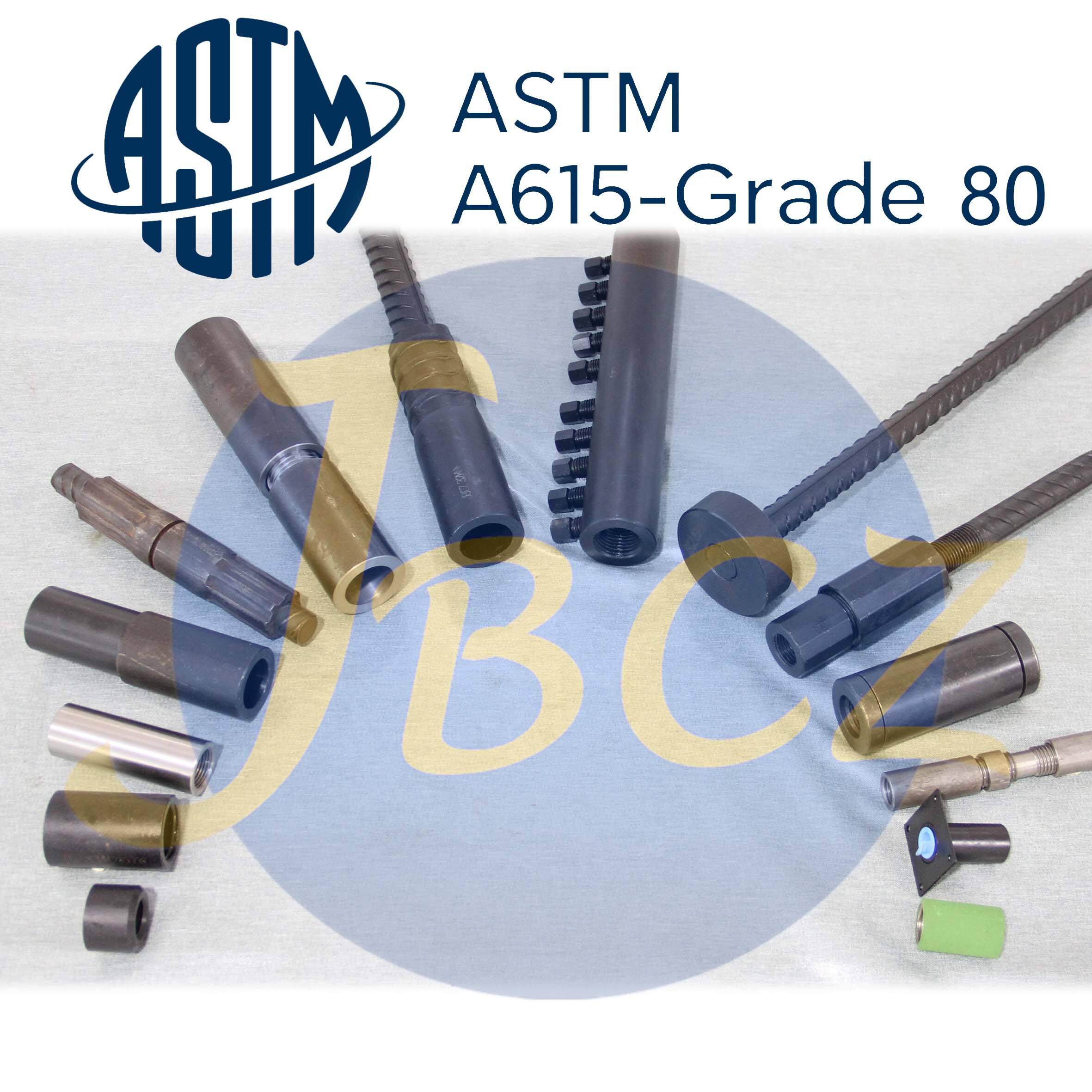
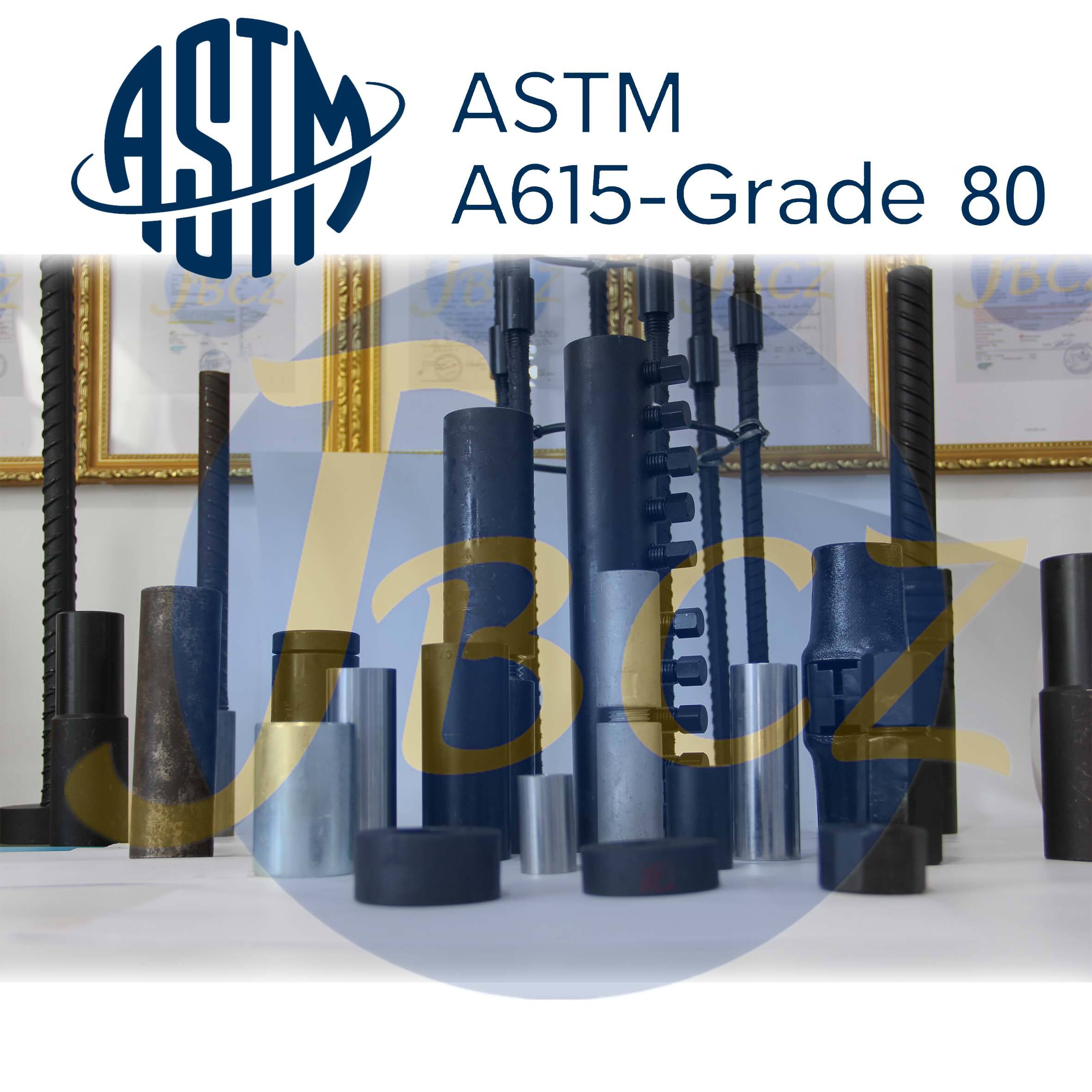
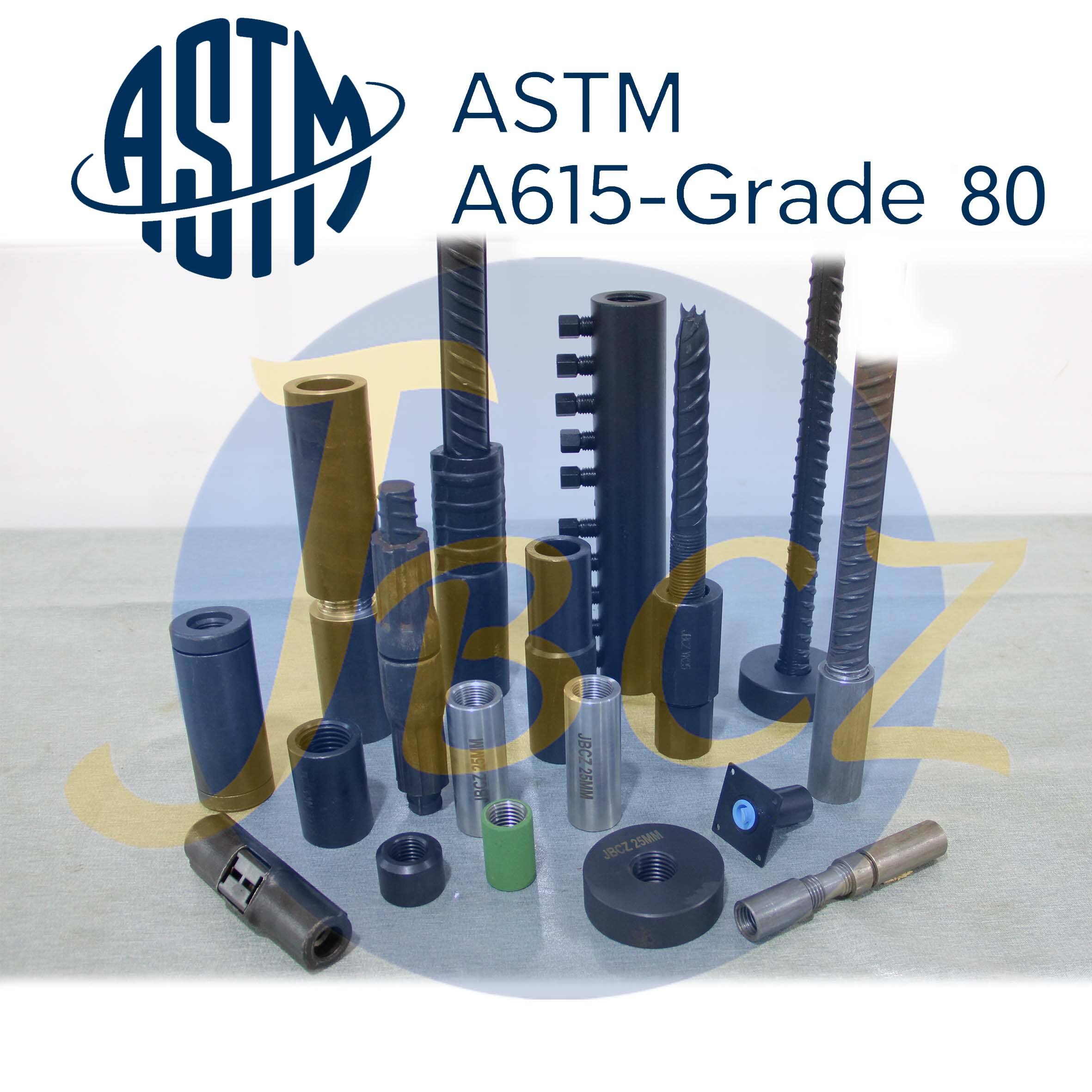
Installation Efficiency and Construction Productivity Enhancement
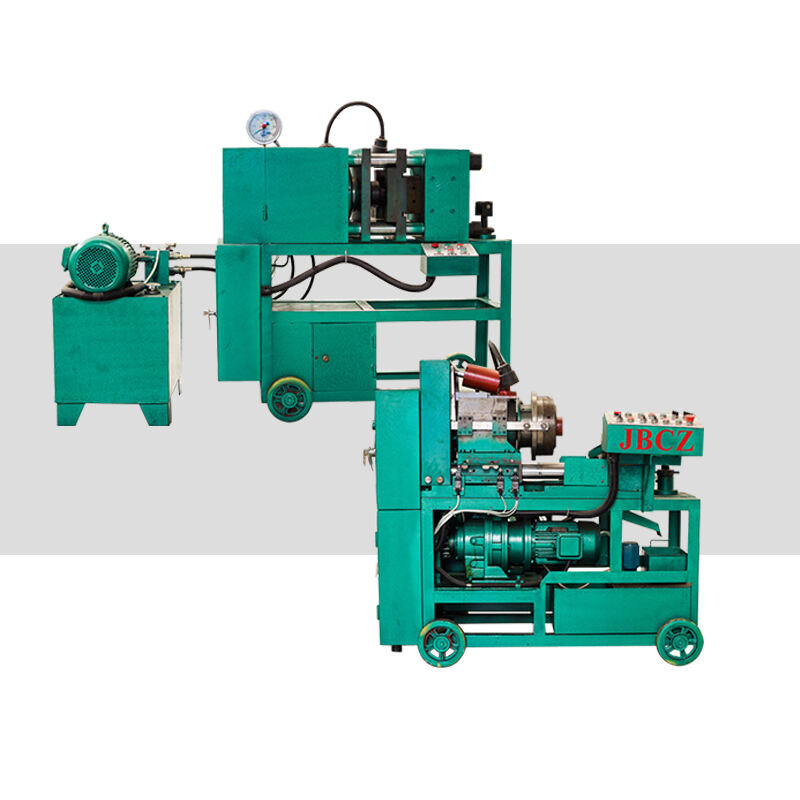
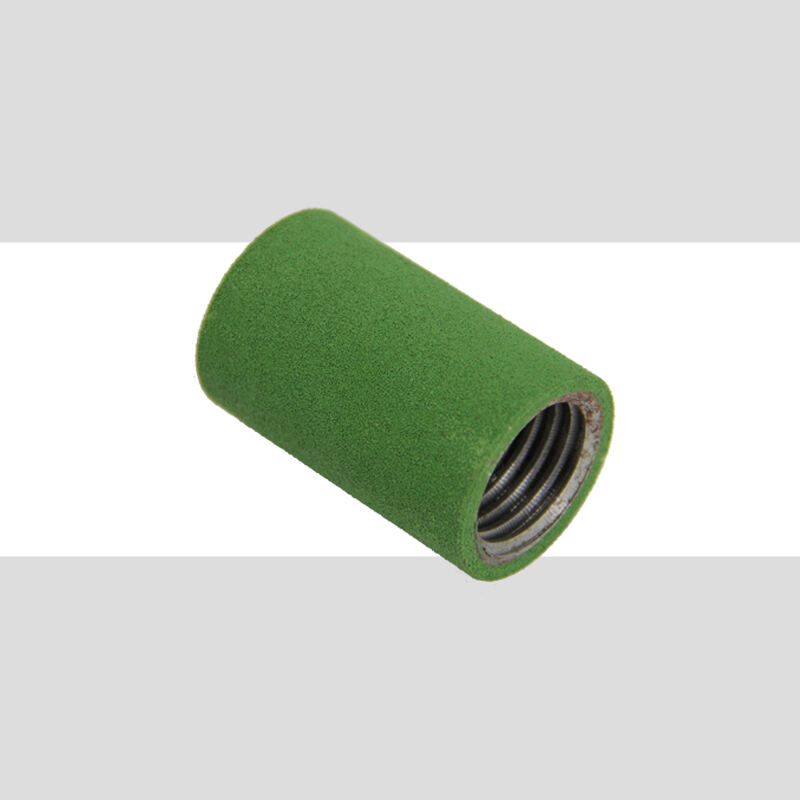
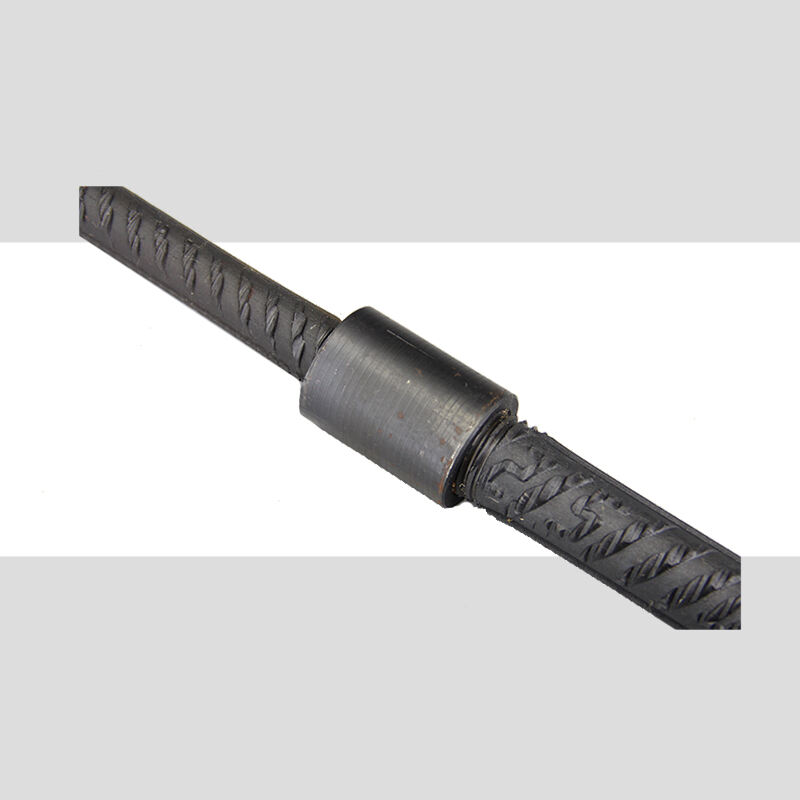
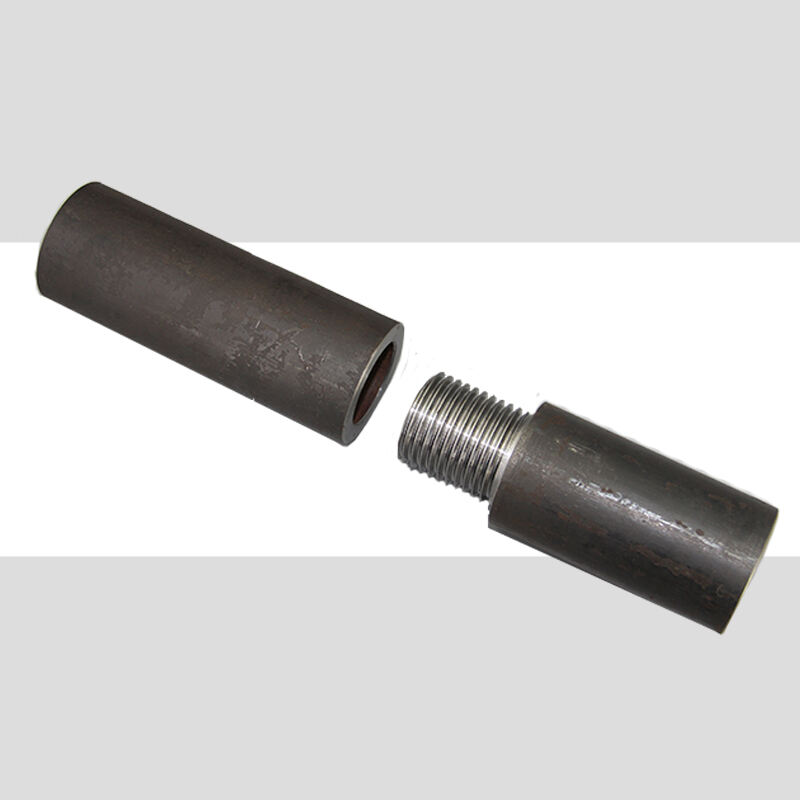
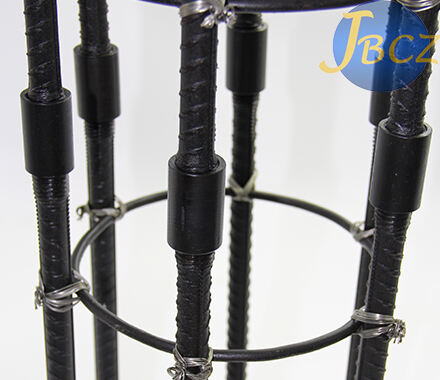
Construction projects operating under demanding schedules and budget constraints benefit tremendously from the installation efficiency that rebar couplers ASTM A615 Grade 80 deliver to reinforcement assembly operations. The installation methodology requires minimal specialized equipment, typically involving standard threading machines or pre-threaded bars and simple torque wrenches to achieve proper connection tightness. This accessibility means construction crews can learn installation procedures quickly through brief training sessions rather than extensive certification programs required for welding operations. The time required to complete each splice decreases dramatically compared to traditional lap splicing, which demands careful positioning of overlapping bars, numerous tie wire connections, and verification of proper overlap lengths. Workers equipped with rebar couplers ASTM A615 Grade 80 simply prepare bar ends according to manufacturer specifications, thread the coupler onto one bar, position the second bar, and tighten the connection to specified torque values. This streamlined process enables teams to complete hundreds of connections daily, accelerating overall construction progress and allowing projects to advance from foundation work to vertical construction more rapidly. The productivity improvements extend beyond individual connection speed to encompass broader construction sequencing advantages. Prefabrication becomes more feasible when using rebar couplers ASTM A615 Grade 80, as reinforcement cages can be assembled off-site under controlled conditions with couplers positioned at predetermined locations, then transported to the construction site for rapid installation. This approach shifts labor to more efficient prefabrication facilities while reducing congestion and safety hazards at the active construction zone. The weather-independent nature of mechanical splicing means work can continue during conditions that would halt welding operations, such as rain, wind, or extreme temperatures, maintaining schedule momentum even when environmental factors challenge other construction activities. Material handling becomes simpler because shorter bar lengths with couplers are easier to transport, position, and manipulate within formwork compared to long bars required for lap splicing. The reduced reinforcement congestion resulting from eliminated overlaps creates cleaner work zones where concrete placement crews can operate more effectively, reducing the risk of placement defects and improving overall concrete quality.