Headed Rebar Coupler: Advanced Mechanical Splicing Solution for Efficient Construction

All Categories

Get a Free Quote

Our representative will contact you soon.
Email
Name
Company Name
Message
0/1000

headed rebar coupler

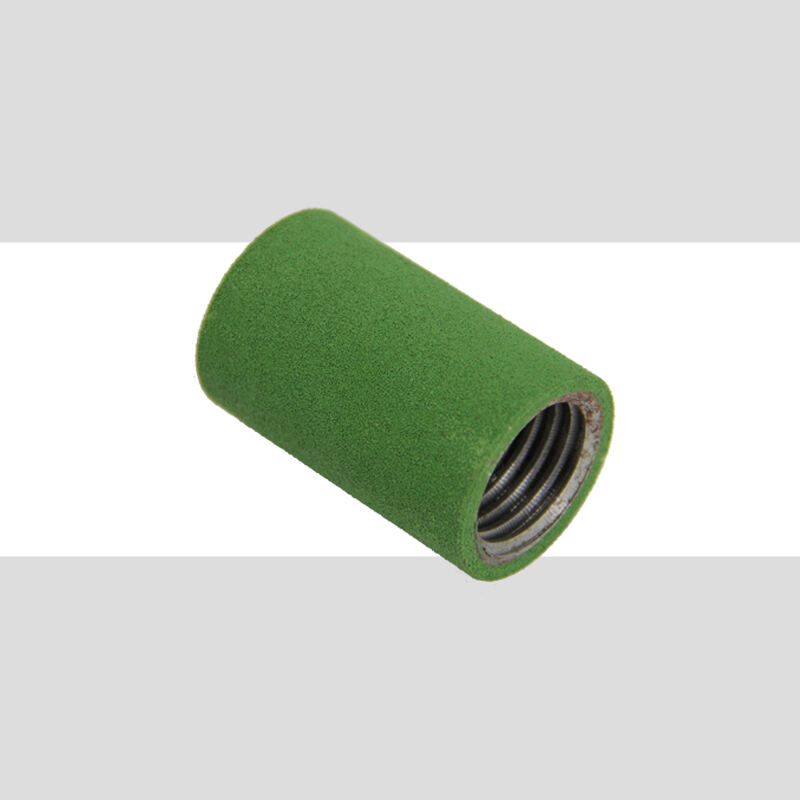
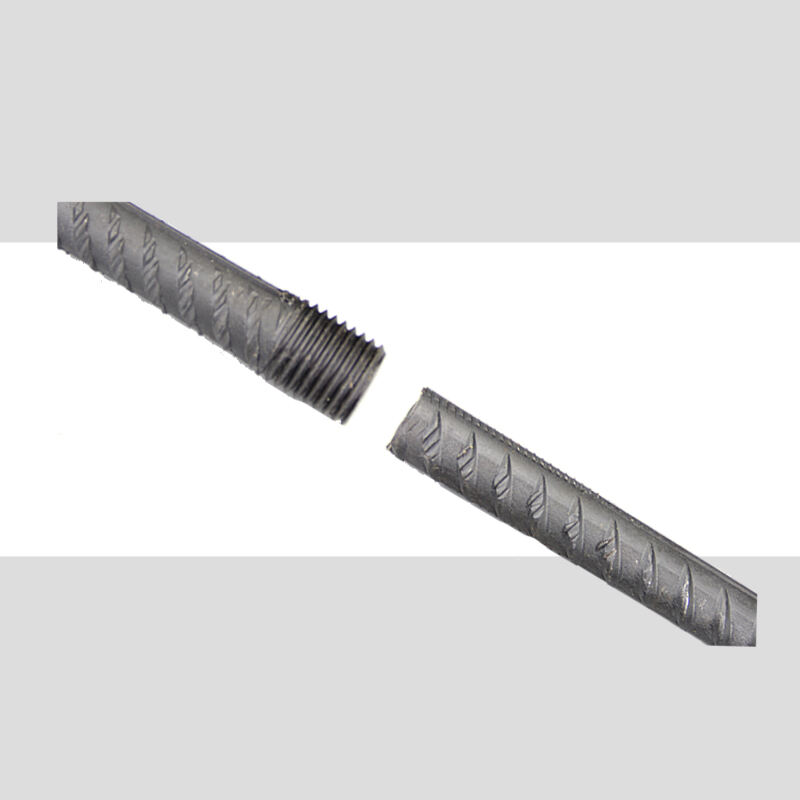
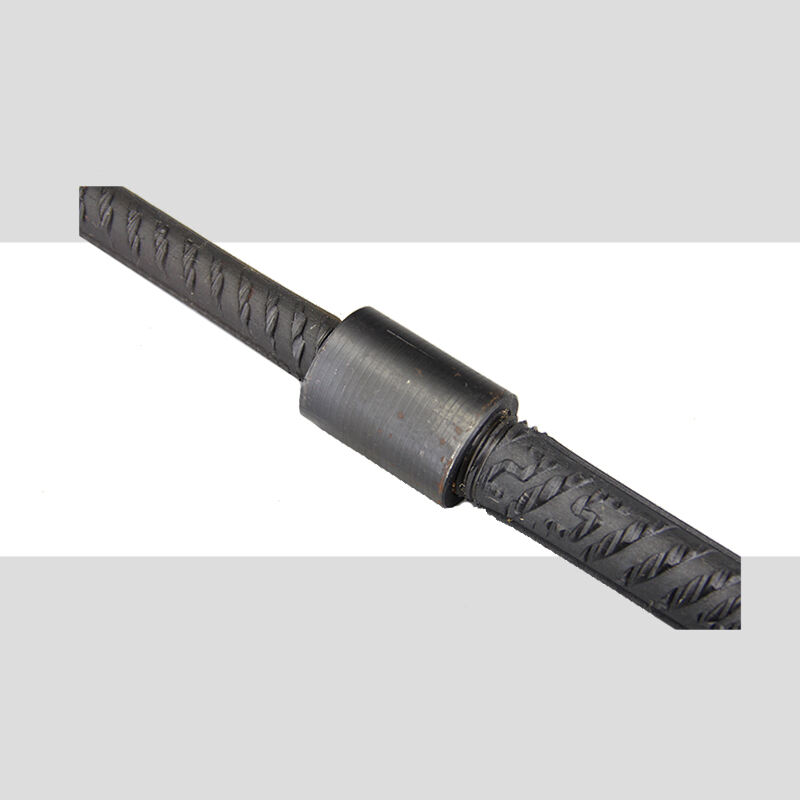
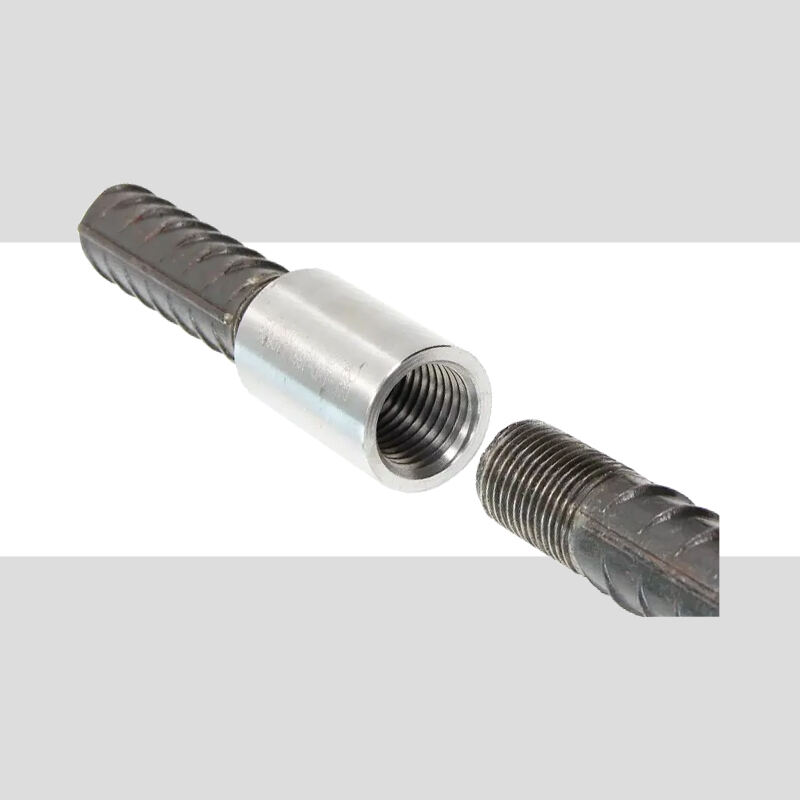
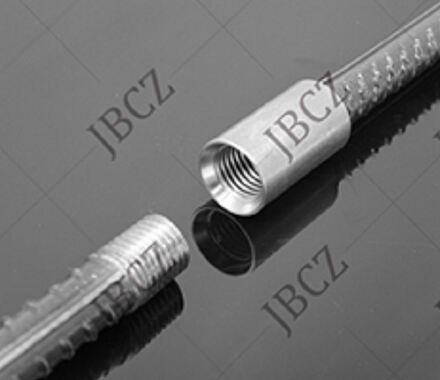
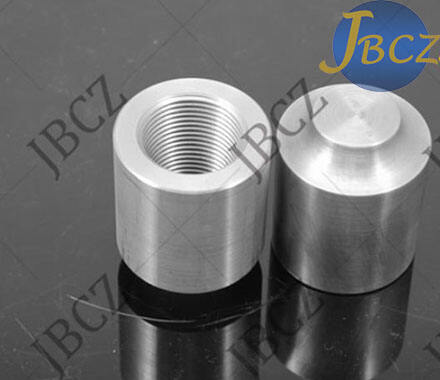
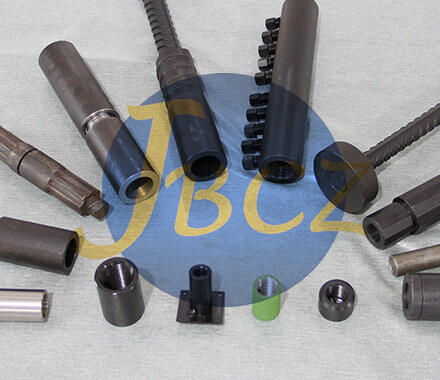
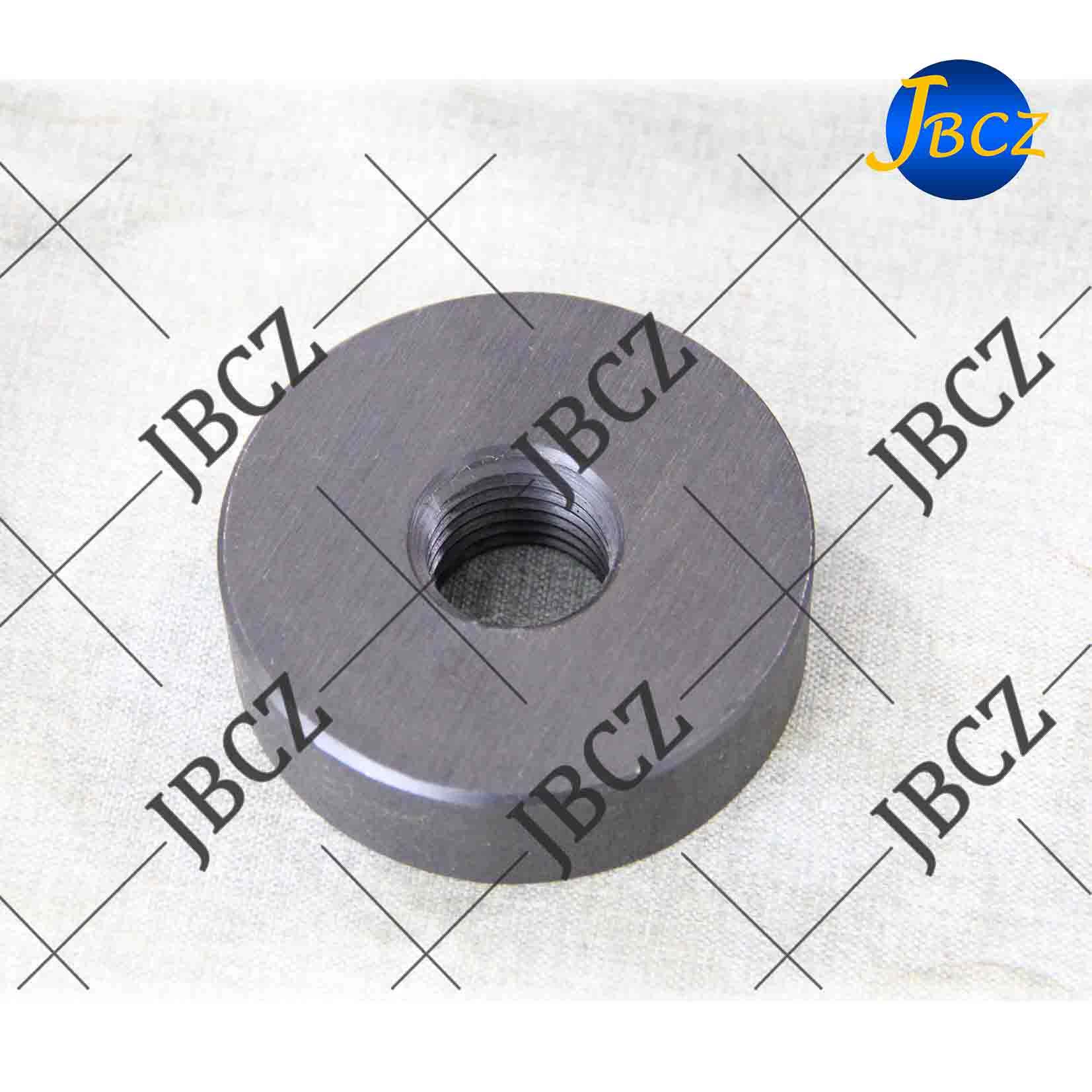
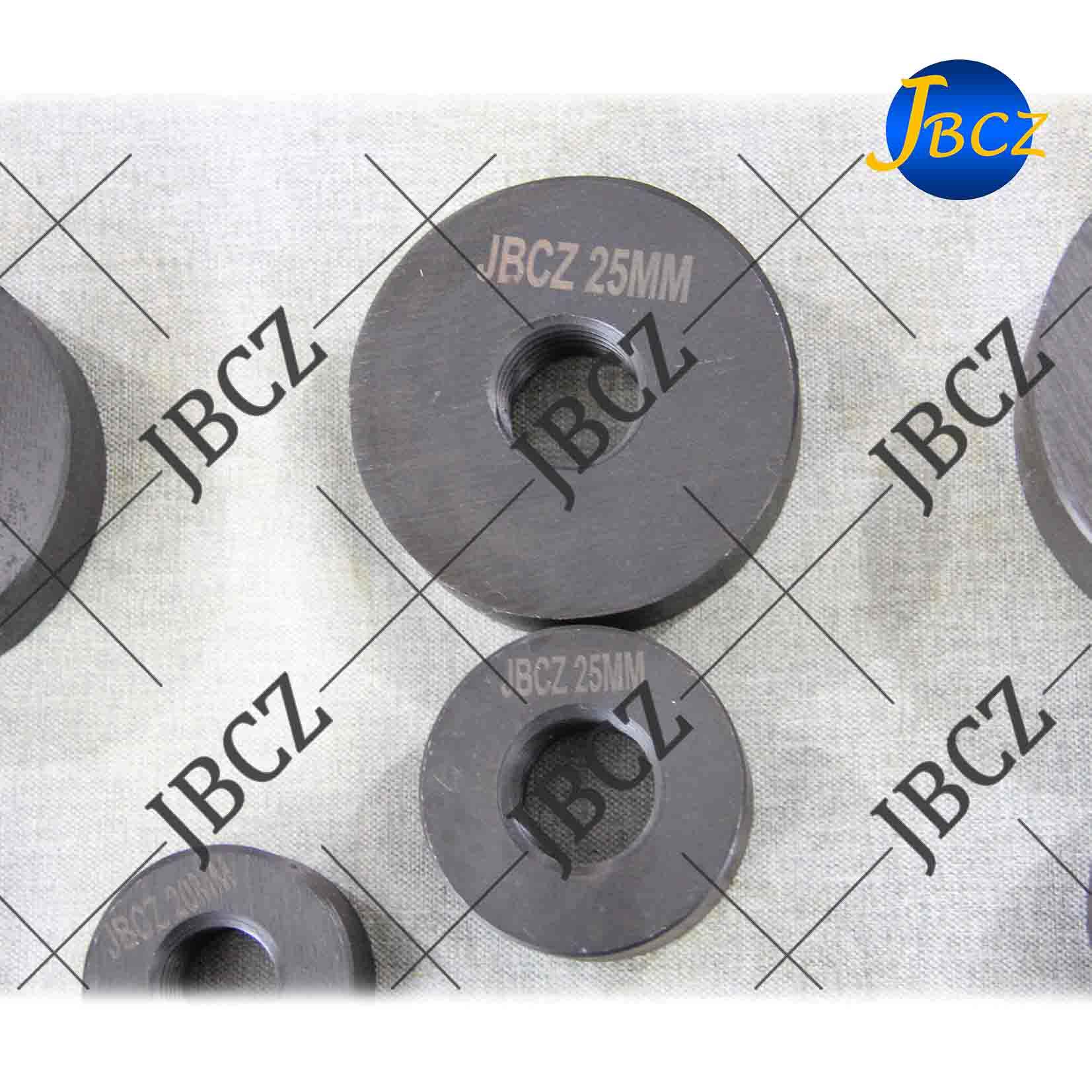
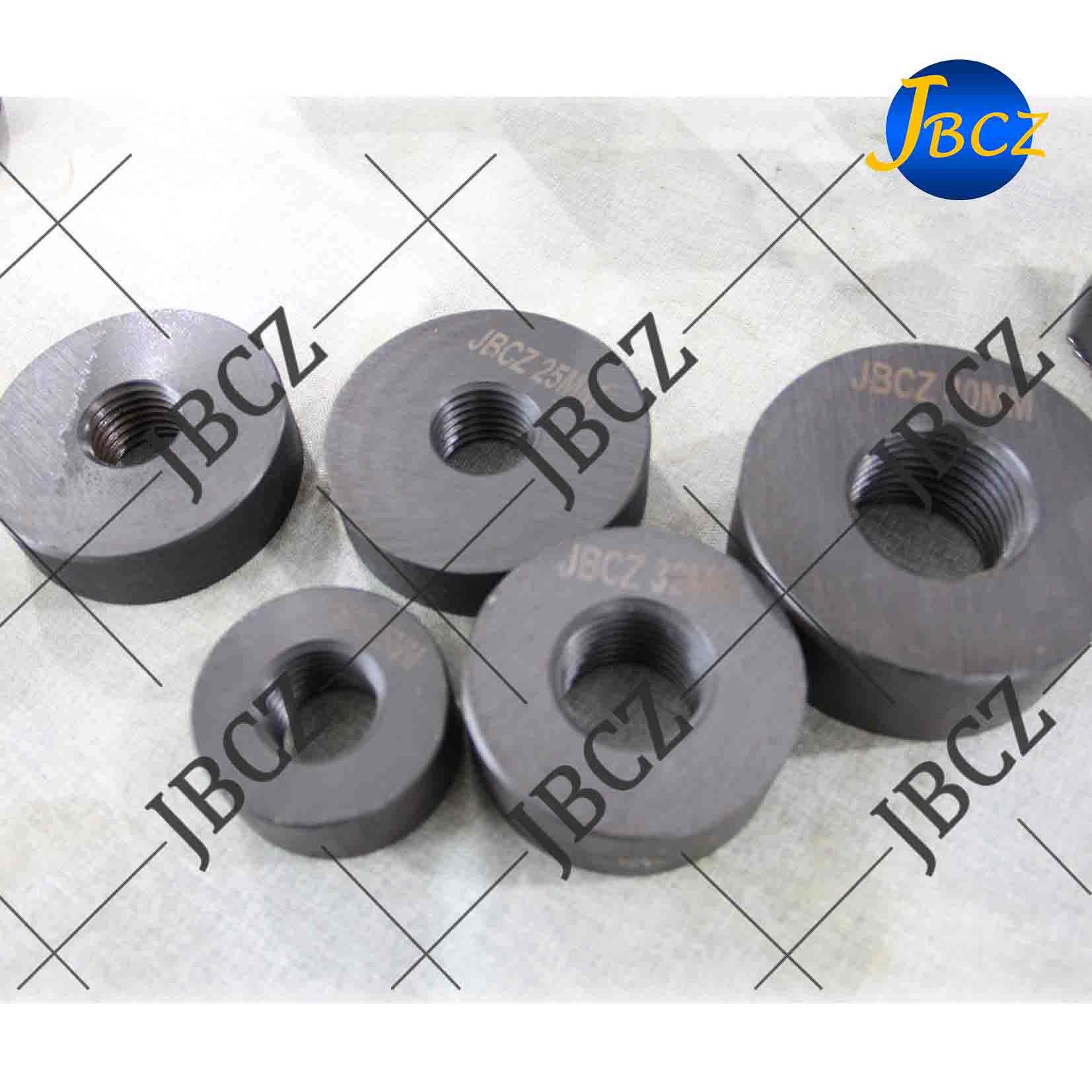
The headed rebar coupler represents an innovative mechanical splicing solution designed to connect reinforcement bars in concrete construction projects. This sophisticated connecting device features a threaded sleeve mechanism combined with a distinctive headed end configuration that enables secure joining of steel reinforcement bars without requiring traditional lapping methods. The primary function of the headed rebar coupler involves creating strong, reliable connections between individual rebar sections, facilitating continuous load transfer throughout concrete structures while maintaining structural integrity. The technology behind this coupling system incorporates precision-engineered threading patterns that ensure optimal grip and distribution of forces across joined sections. Manufacturing processes utilize high-grade steel materials that undergo rigorous quality control testing to meet international construction standards. The coupler consists of two main components: a threaded sleeve body and specially designed headed ends that accommodate various rebar diameters ranging from small to large gauge sizes. Installation procedures are straightforward, requiring workers to thread prepared rebar ends into the coupler sleeve until secure connection is achieved. This mechanical joining method eliminates the need for extensive overlap zones traditionally required in concrete reinforcement work. Applications span diverse construction sectors including high-rise buildings, bridge infrastructure, underground tunnels, parking structures, industrial facilities, and residential developments. The headed rebar coupler proves particularly valuable in scenarios where space constraints limit traditional lapping options or where maintaining precise rebar positioning is critical for structural performance. Engineers specify these couplers for projects demanding superior tensile strength, consistent quality control, and accelerated construction timelines. The technology accommodates both static and dynamic loading conditions, making it suitable for seismic-resistant designs in earthquake-prone regions. Modern construction practices increasingly favor headed rebar couplers due to their ability to reduce material waste, lower labor costs, and improve overall project efficiency while delivering connections that often exceed the strength of parent reinforcement bars themselves.

Popular Products

Cost efficiency emerges as a significant benefit when implementing headed rebar couplers in construction projects. Traditional rebar lapping methods require substantial overlap lengths, consuming additional steel material that directly increases project expenses. By contrast, these mechanical couplers eliminate overlapping requirements, reducing steel consumption by up to forty percent in some applications, translating to immediate material cost savings. Labor expenses decrease substantially because installation requires fewer worker hours compared to tying and positioning lengthy lapped sections. Workers complete connections faster, accelerating construction schedules and allowing projects to meet tight deadlines without compromising quality. The simplicity of the installation process means crews require minimal specialized training, reducing onboarding time and improving workforce flexibility. Space optimization represents another practical advantage, particularly valuable in congested reinforcement zones where multiple bars intersect. The compact nature of headed rebar couplers allows engineers to maintain design integrity even in tight quarters where traditional lapping would prove impossible or impractical. This spatial efficiency proves especially beneficial in columns, beam-column joints, and heavily reinforced structural elements. Quality assurance improves dramatically because each coupler undergoes factory testing before delivery to construction sites. This pre-verified reliability contrasts sharply with field-dependent lapping quality, which varies based on worker skill and site conditions. Consistent performance across all connections enhances structural predictability and reduces risk of weak points within reinforcement networks. Environmental benefits align with modern sustainability goals, as reduced steel consumption lowers the carbon footprint associated with material production and transportation. Less construction waste reaches landfills, and cleaner job sites result from eliminating cut-off pieces typically generated during conventional rebar preparation. Structural performance often surpasses code requirements, with properly installed couplers achieving tensile strengths equal to or greater than the connected bars themselves. This performance reliability gives engineers confidence when designing structures subject to extreme loading conditions. Flexibility in construction sequencing allows contractors to complete work in stages without compromising connection integrity. Precast concrete elements can be manufactured off-site with headed rebar couplers positioned for later connection to cast-in-place components, facilitating modular construction approaches. Weather-related delays diminish because coupler installation proceeds efficiently regardless of conditions that might complicate traditional methods. The elimination of fire-based connection methods removes safety hazards associated with welding operations, creating safer work environments. Documentation and traceability improve as each coupler batch includes certification records that support quality management systems and regulatory compliance requirements.

Tips And Tricks

Ensuring Structural Integrity: The Role of Rebar Couplers in Concrete Joints

10

Jul

Ensuring Structural Integrity: The Role of Rebar Couplers in Concrete Joints

View More
The indispensable role of rebar couplers in offshore wind farms and marine structures

10

Jul

The indispensable role of rebar couplers in offshore wind farms and marine structures

View More
Features of rebar splices and precautions for their use

10

Jul

Features of rebar splices and precautions for their use

View More
JBCZ has received the certification of UK CARES

10

Jul

JBCZ has received the certification of UK CARES

View More

Get a Free Quote

Our representative will contact you soon.
Email
Name
Company Name
Message
0/1000

headed rebar coupler

Superior Tensile Strength and Structural Reliability

Superior Tensile Strength and Structural Reliability

The headed rebar coupler delivers exceptional tensile strength that meets or exceeds the capacity of parent reinforcement bars, providing engineers with confidence in structural performance under demanding load conditions. Through precision manufacturing processes, these couplers achieve consistent mechanical properties that eliminate the variability inherent in field-performed connection methods. Laboratory testing demonstrates that properly installed headed rebar couplers maintain full bar capacity, ensuring that connected sections perform as continuous elements rather than weak points within reinforcement networks. This strength reliability proves critical in structures subject to seismic forces, wind loads, or dynamic vibrations where connection integrity directly affects occupant safety. The threaded engagement mechanism distributes stresses uniformly across contact surfaces, preventing stress concentrations that could initiate failure. Material selection involves high-strength steel alloys specifically formulated to withstand tension, compression, and shear forces simultaneously. Heat treatment processes enhance material properties, creating couplers that resist deformation under service loads while maintaining ductility necessary for energy absorption during extreme events. Quality control protocols include tensile testing of representative samples from each production batch, verifying that performance characteristics consistently meet specified requirements. Third-party certification from recognized testing laboratories provides independent validation of coupler capabilities, supporting specification by structural engineers and approval by building authorities. The headed configuration ensures positive mechanical interlock that prevents pull-out failures even when subjected to cyclic loading patterns. This feature distinguishes headed rebar couplers from alternative connection systems that rely solely on friction or adhesion. Real-world performance data from completed projects confirms theoretical predictions, with structures incorporating these couplers demonstrating excellent long-term durability. The ability to develop full bar strength within compact connection lengths enables architects to realize designs that would otherwise require compromise due to reinforcement detailing constraints. Construction projects benefit from reduced uncertainty regarding connection performance, as factory-controlled manufacturing eliminates variables that affect site-made connections. Insurance considerations favor mechanical couplers because documented performance records reduce risk assessment concerns. Post-installation inspection procedures verify proper engagement through visual confirmation and torque measurement, ensuring each connection meets specification before concrete placement.

Rapid Installation and Construction Efficiency

Rapid Installation and Construction Efficiency

Installation speed represents a transformative advantage of headed rebar couplers, dramatically reducing the time required to complete reinforcement connections compared to traditional methods. Skilled workers install these couplers in minutes rather than the extended periods necessary for preparing and positioning lapped splices. The straightforward procedure involves threading prepared rebar ends into coupler sleeves until proper engagement depth is reached, a task requiring only basic hand tools and minimal technical expertise. This simplicity allows construction crews to maintain productivity even when facing labor shortages or working with less experienced personnel. Time savings multiply across large projects containing thousands of individual connections, compressing overall construction schedules by days or weeks. Accelerated timelines translate directly to reduced financing costs, earlier occupancy dates, and improved return on investment for project stakeholders. The elimination of complex tying operations streamlines workflow, allowing ironworkers to focus on positioning and alignment rather than repetitive binding tasks. Prefabrication opportunities expand because headed rebar couplers can be attached to reinforcement cages in controlled shop environments before transportation to construction sites. This off-site preparation shifts work away from congested job sites, improving safety conditions and quality control while maintaining schedule momentum. Modular construction approaches become more feasible as precast elements with installed couplers connect seamlessly to adjacent components during assembly. Sequential construction phases proceed more efficiently because coupler-equipped rebar sections await connection without requiring simultaneous placement of overlapping bars. Cold weather conditions that complicate traditional methods pose minimal challenges to coupler installation, maintaining productivity during seasonal periods when conventional approaches slow significantly. The compact footprint of headed rebar couplers reduces congestion in densely reinforced areas, allowing multiple trades to work simultaneously without interference. Crane time decreases because lighter, shorter rebar sections replace heavy, long pieces required for lapped connections, optimizing equipment utilization. Material handling improves as standardized coupler components arrive organized and ready for installation, contrasting with the sorting and preparation required for various lap splice configurations. Training programs quickly bring new workers to proficiency, reducing the skill gap that often limits productivity with conventional reinforcement techniques. Project managers gain scheduling flexibility because coupler installation adapts to changing site conditions without requiring extensive replanning.
Space Optimization and Design Flexibility

Space Optimization and Design Flexibility

The compact design of headed rebar couplers solves critical space challenges that frequently constrain reinforcement detailing in modern construction projects. Traditional lapped splices require substantial overlap lengths, often extending forty to sixty bar diameters depending on concrete strength and bar size, consuming valuable space within structural elements. These extensive lap zones create congestion that complicates concrete placement, increases the risk of voids, and limits achievable reinforcement ratios. Headed rebar couplers eliminate these spatial demands by providing full-strength connections within minimal lengths, typically no greater than the coupler body itself. This space efficiency proves invaluable in columns where multiple vertical bars must splice at common elevations, creating intersection zones that would become impossibly crowded using conventional lapping. Beam-column joints benefit similarly, as reduced connection lengths allow proper reinforcement positioning without interference between intersecting elements. Thin structural members such as walls and slabs gain enhanced reinforcement capacity because designers specify adequate steel quantities without spatial restrictions imposed by lapping requirements. Architectural freedom expands as engineers accommodate complex geometries and tight structural dimensions previously difficult to reinforce adequately. The ability to position connections precisely at desired locations rather than planning around lap splice constraints improves structural optimization. Precast concrete applications particularly benefit from this flexibility, as connection points integrate cleanly with panel edges and embedded components. Renovation and retrofit projects leverage headed rebar couplers to connect new reinforcement to existing structures within confined spaces where conventional methods prove impractical. Underground construction in tunnels and subways utilizes these compact couplers to maximize usable cross-sectional area while maintaining structural requirements. Parking structures achieve optimal column spacing and efficient layouts because reinforcement connections accommodate tight clearances without compromise. The predictable dimensions of coupler connections simplify coordination between structural, mechanical, and electrical systems competing for limited space within building assemblies. Fabrication shops produce reinforcement cages with precisely positioned couplers, ensuring field connections align correctly without requiring adjustment that might affect structural performance. Quality concrete consolidation around connections improves because reduced congestion allows vibrator access and proper flow throughout reinforcement zones. The elimination of overlapping bars reduces shadowing effects that can trap air and create weak planes within hardened concrete. Design iterations proceed more smoothly as engineers modify reinforcement layouts without recalculating lap splice locations and verifying adequate development lengths.