Galvanized Rebar Coupler: Superior Corrosion Protection for Reliable Reinforcement Connections

All Categories

Get a Free Quote

Our representative will contact you soon.
Email
Name
Company Name
Message
0/1000

galvanized rebar coupler

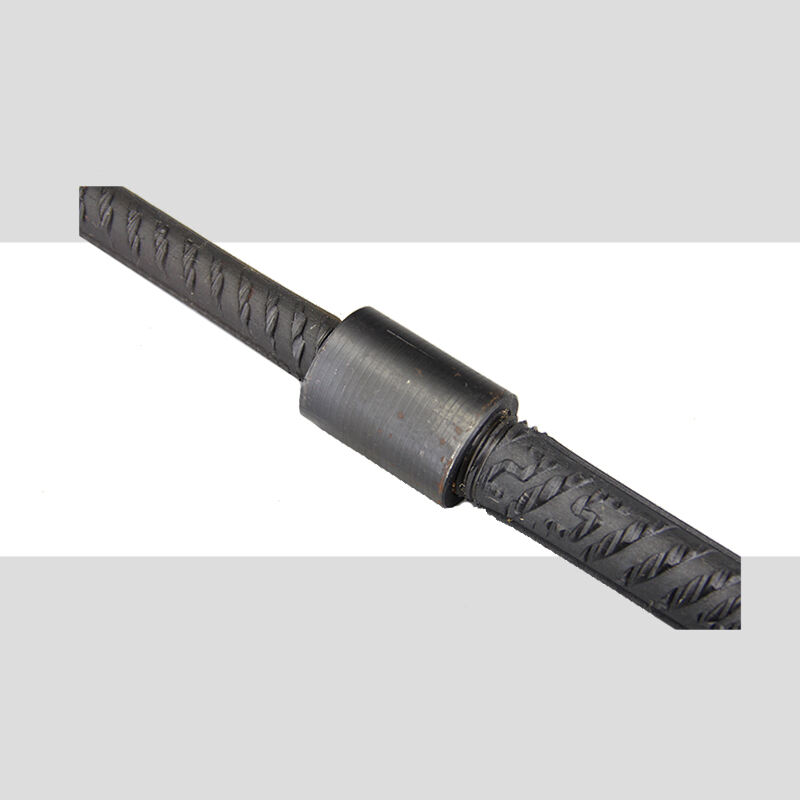
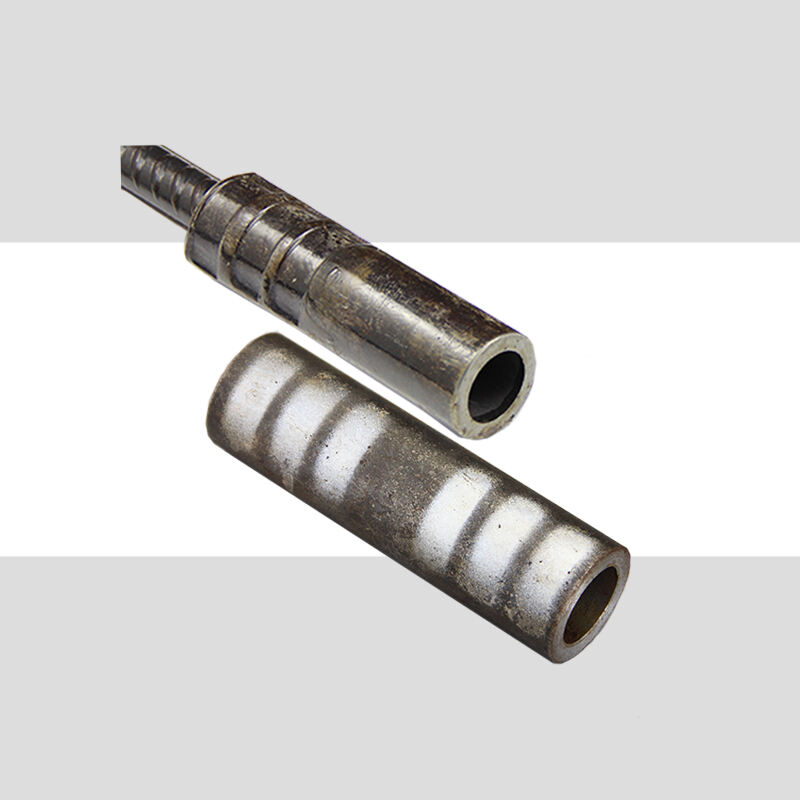
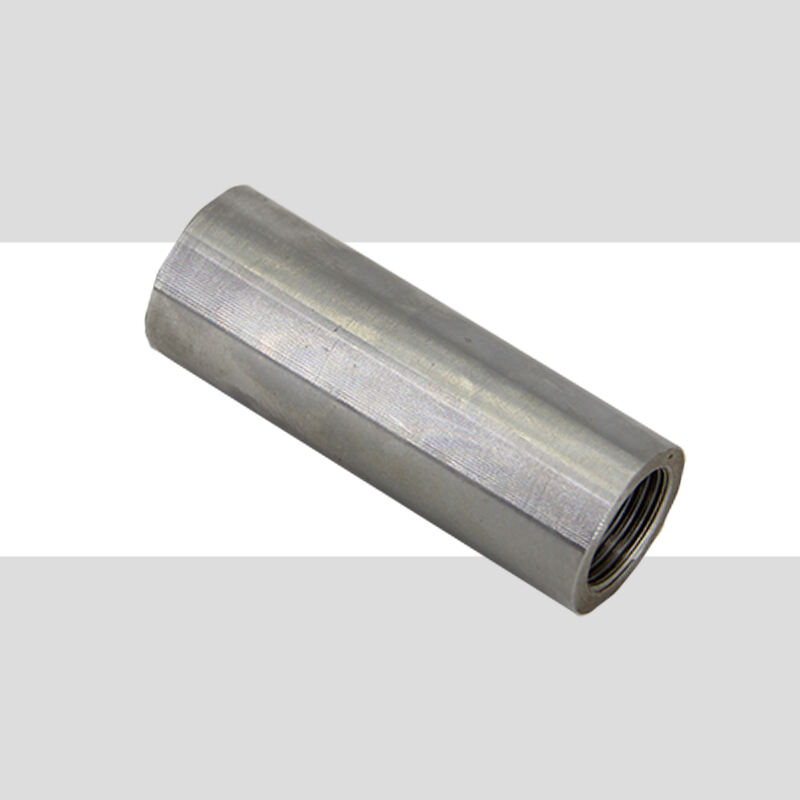
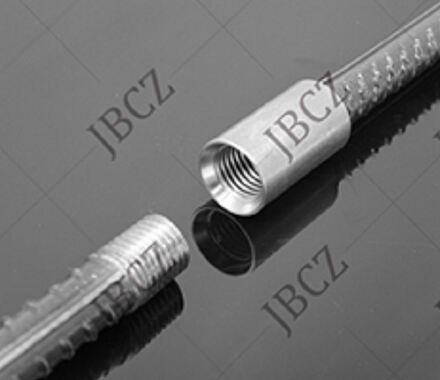
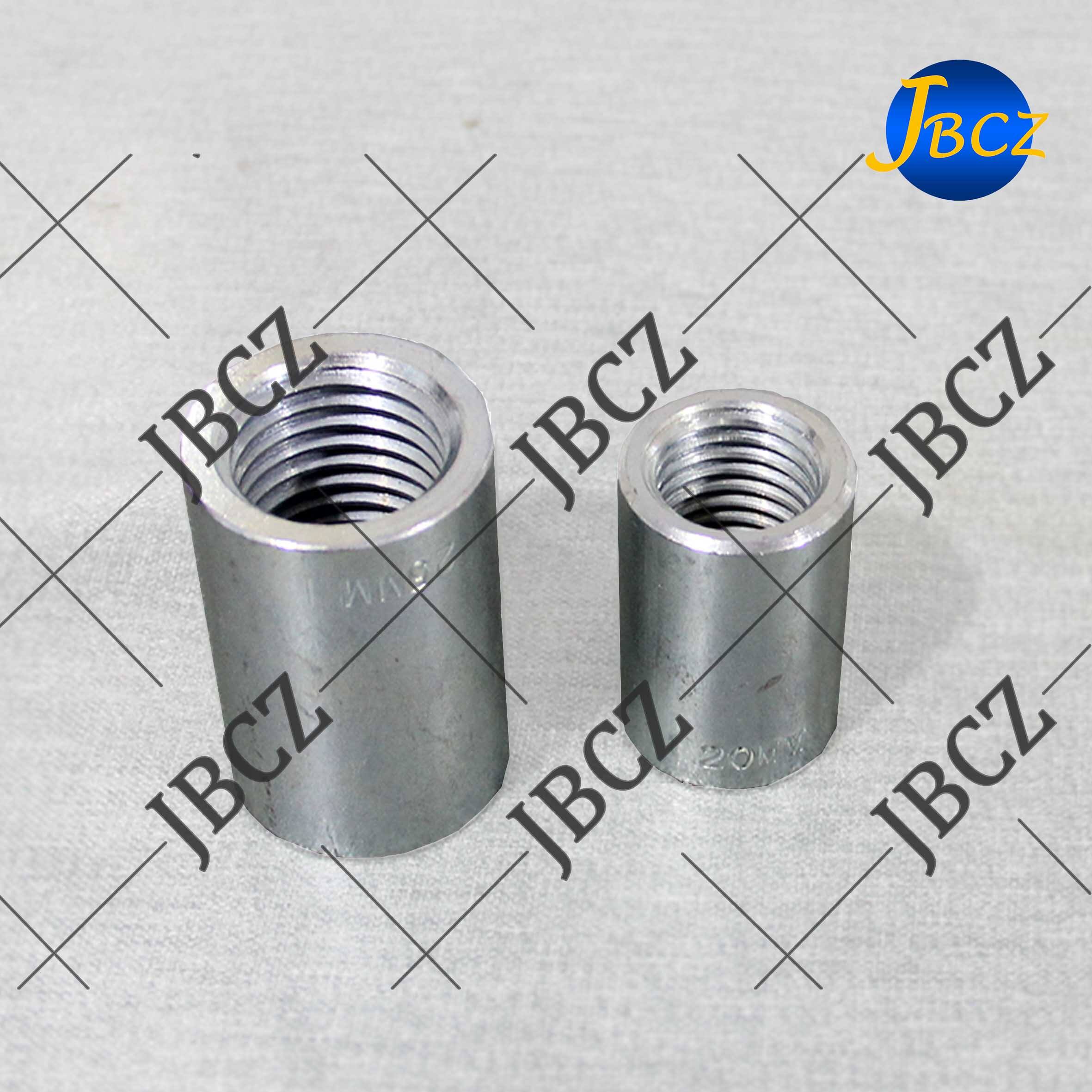
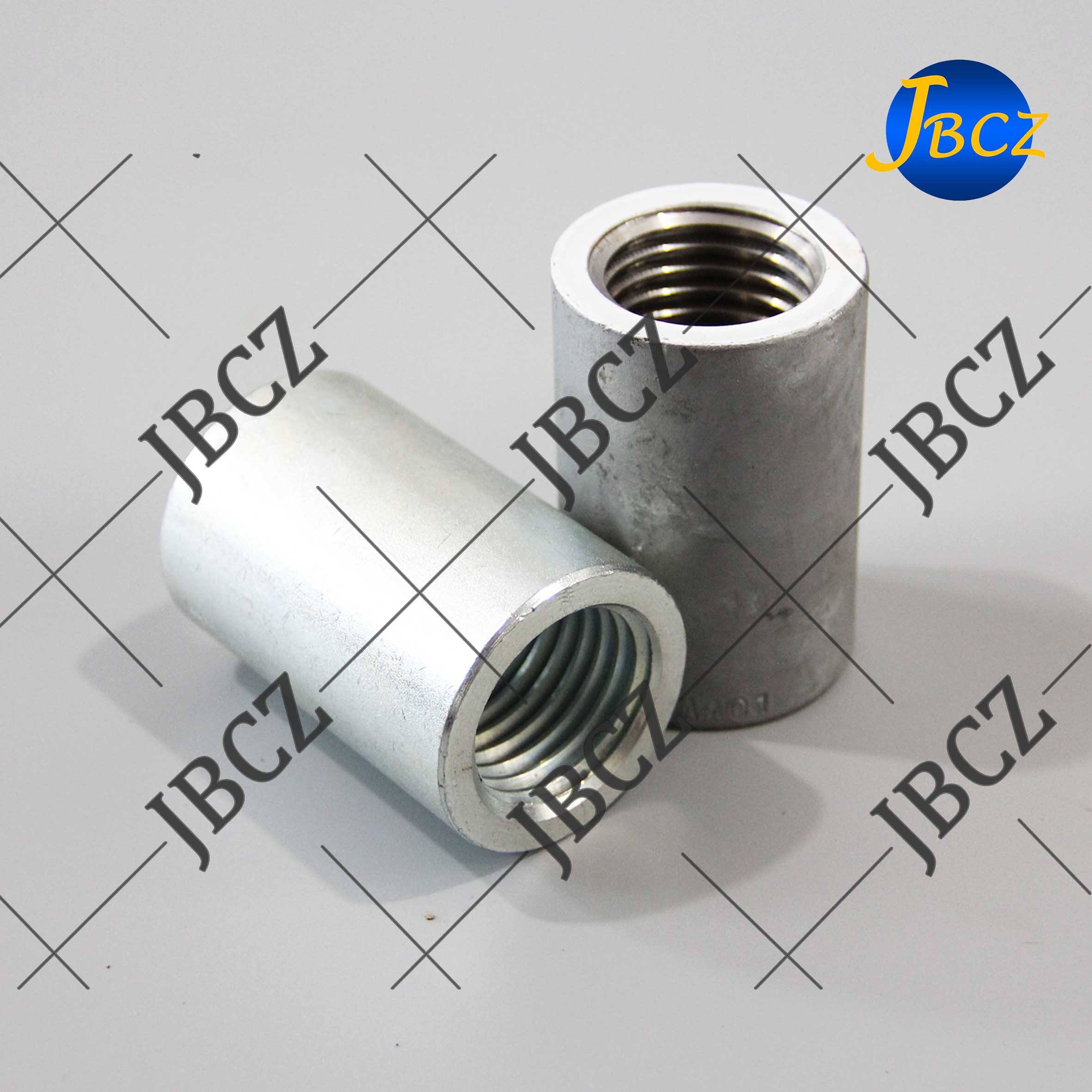
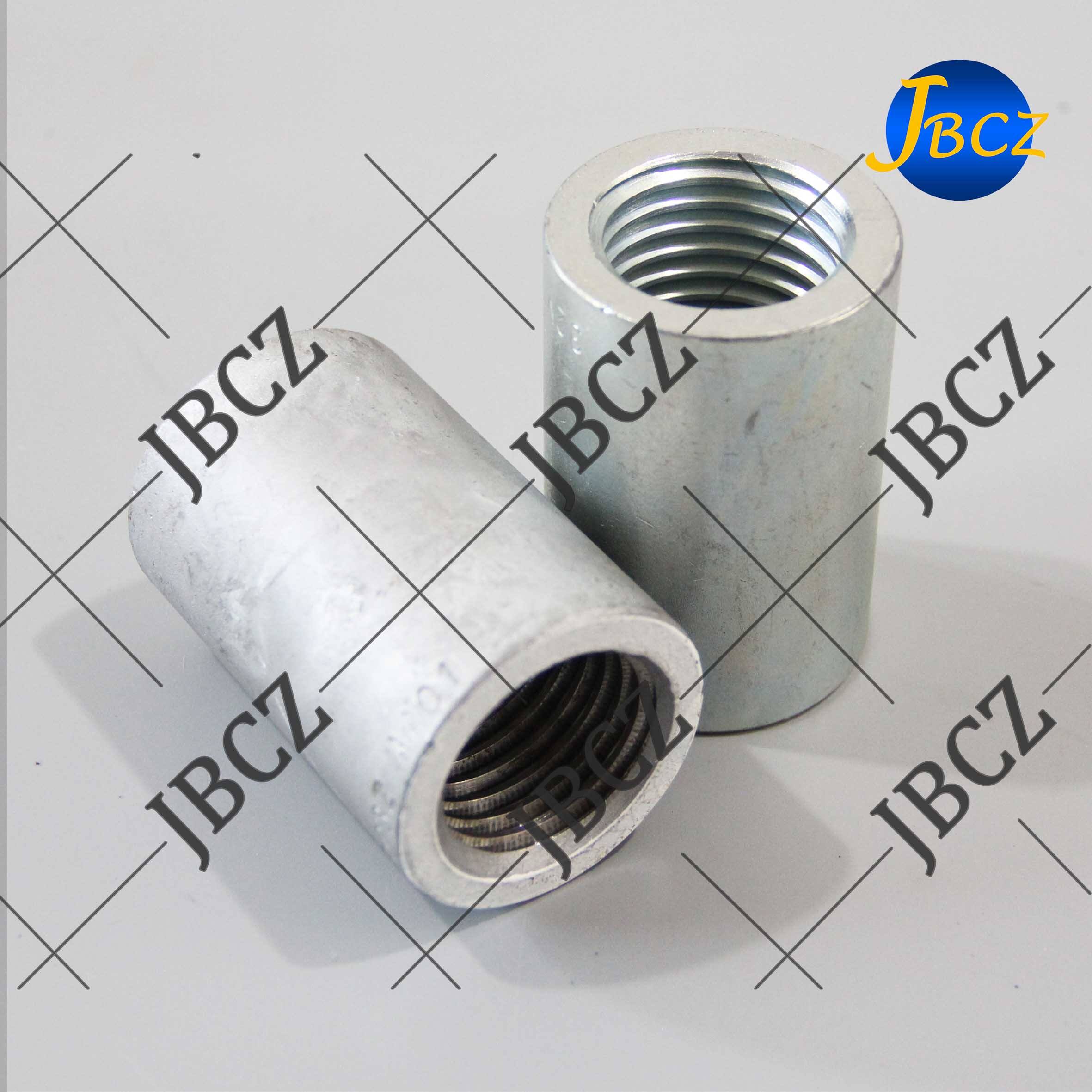
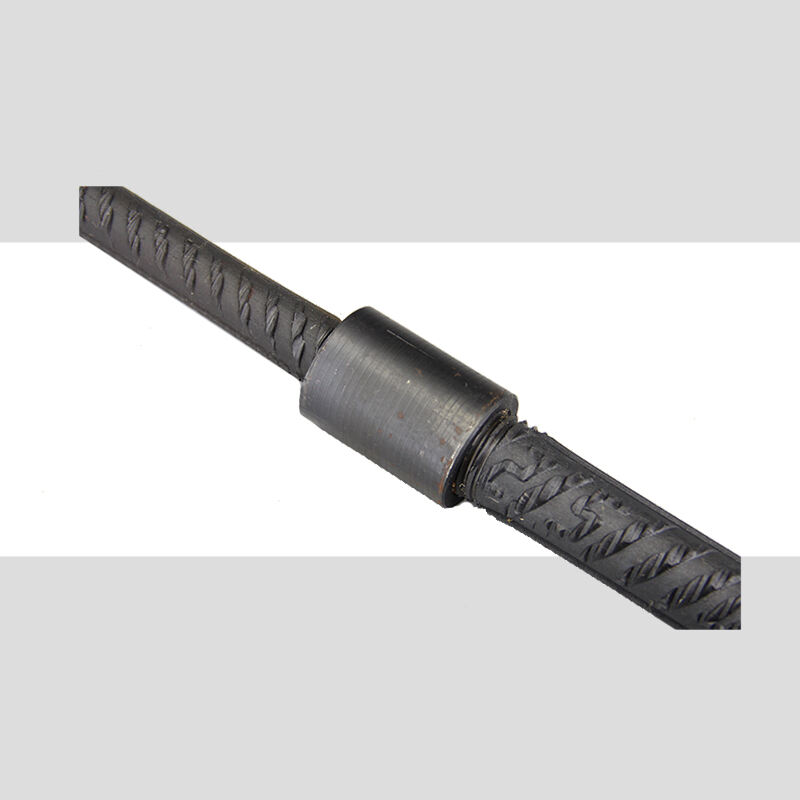
The galvanized rebar coupler represents an essential mechanical splicing solution designed to connect reinforcing steel bars in concrete construction projects. This innovative connecting device features a protective zinc coating applied through hot-dip galvanization, which significantly enhances its resistance to environmental challenges. The primary function of the galvanized rebar coupler is to create a secure, load-bearing connection between two rebar sections, effectively transferring tensile forces across the joint while maintaining structural integrity. Unlike traditional lap splicing methods that require extensive overlapping of reinforcement bars, these couplers provide a more efficient and space-saving alternative. The technological features of this product include precision-threaded internal surfaces that accommodate standard rebar threading, ensuring a tight mechanical interlock. The galvanization process involves immersing the steel coupler in molten zinc, creating a metallurgical bond that forms multiple protective layers. This zinc coating typically measures between 45 to 85 microns in thickness, providing exceptional corrosion resistance that extends the service life of the connection. The manufacturing process adheres to international quality standards, with each galvanized rebar coupler undergoing rigorous testing to verify its tensile strength, thread accuracy, and coating uniformity. Applications for this product span numerous construction sectors, including high-rise buildings, bridge infrastructure, underground parking structures, marine facilities, highway projects, and industrial complexes. The coupler proves particularly valuable in projects where construction joints are necessary, where rebar congestion must be minimized, or where prefabrication techniques are employed. Engineers and contractors favor the galvanized rebar coupler for earthquake-resistant structures because it maintains consistent performance during seismic events. The product accommodates various rebar diameters, typically ranging from 16mm to 40mm, with compatibility across different steel grades. Installation requires specialized threading equipment to prepare rebar ends, followed by simple hand-tightening or torque wrench application to achieve proper engagement. The galvanized rebar coupler has become increasingly popular in modern construction due to its reliability, ease of installation, and superior protection against rust and degradation in challenging environmental conditions.

New Products

The galvanized rebar coupler delivers substantial practical benefits that directly impact construction efficiency and long-term structural performance. First and foremost, the zinc coating provides outstanding protection against rust and corrosion, which means your reinforcement connections remain strong and reliable for decades, even in harsh environments like coastal areas, industrial zones, or regions with high humidity. This protective barrier works continuously to prevent moisture and oxygen from reaching the steel substrate, eliminating the gradual weakening that unprotected connections experience over time. You will appreciate the significant material savings this product offers compared to traditional overlapping methods. Standard lap splicing typically requires 40 to 60 times the bar diameter in overlapping length, which translates to considerable steel waste and increased material costs. By using galvanized rebar couplers, you eliminate this waste entirely, reducing your overall steel consumption by up to 15 percent on large projects. The space efficiency benefits extend beyond material savings. In heavily reinforced sections like beam-column joints or foundation pile caps, eliminating overlaps means you can fit more reinforcement in confined spaces without creating congestion that complicates concrete placement. This improvement leads to better concrete flow around reinforcement, reducing the risk of voids and ensuring optimal structural performance. Installation speed represents another major advantage. Once workers thread the rebar ends using portable threading machines, connecting bars takes only minutes per joint. This rapid assembly accelerates construction schedules, allowing you to complete projects faster and reduce labor costs. The simplicity of installation also minimizes the skill level required, though proper training remains essential for quality assurance. Quality control becomes more straightforward with galvanized rebar couplers. Visual inspection quickly confirms proper thread engagement, and torque measurements provide objective verification of connection integrity. This transparency contrasts sharply with lap splices, where inspectors must verify tie wire spacing and overlap lengths throughout congested reinforcement zones. The mechanical connection created by these couplers achieves full tensile strength of the reinforcing bar, meeting or exceeding requirements established by international building codes. Testing consistently demonstrates that properly installed couplers allow the connected rebar to reach its yield strength and ultimate capacity without premature failure at the joint. This performance reliability gives engineers confidence in designing efficient structures. Environmental benefits also deserve consideration. Reducing steel consumption through elimination of laps decreases the carbon footprint of your construction project, as steel production involves significant energy consumption and emissions. Additionally, the extended service life provided by galvanization means fewer repair and replacement cycles, further reducing environmental impact over the structure's lifespan. The galvanized rebar coupler adapts well to various construction methodologies, including prefabrication strategies where rebar cages are assembled off-site and transported to the project location. The couplers enable modular construction approaches that improve quality control and site safety by reducing on-site work complexity.

Tips And Tricks

Ensuring Structural Integrity: The Role of Rebar Couplers in Concrete Joints

10

Jul

Ensuring Structural Integrity: The Role of Rebar Couplers in Concrete Joints

View More
Features of rebar splices and precautions for their use

10

Jul

Features of rebar splices and precautions for their use

View More
Six ways to regulate rebar splices

10

Jul

Six ways to regulate rebar splices

View More
Right Hand Coupler: Enhancing Efficiency and Precision in Mechanical Systems

10

Jul

Right Hand Coupler: Enhancing Efficiency and Precision in Mechanical Systems

View More

Get a Free Quote

Our representative will contact you soon.
Email
Name
Company Name
Message
0/1000

galvanized rebar coupler

Superior Corrosion Protection Through Advanced Galvanization Technology

Superior Corrosion Protection Through Advanced Galvanization Technology

The defining characteristic that sets the galvanized rebar coupler apart from standard mechanical splicing solutions is its exceptional corrosion resistance achieved through hot-dip galvanization. This protective treatment involves a sophisticated metallurgical process where the finished steel coupler is immersed in a bath of molten zinc heated to approximately 450 degrees Celsius. During this immersion, the zinc reacts with the iron in the steel to form a series of zinc-iron alloy layers, topped with a layer of pure zinc. This multi-layered coating system provides both barrier protection and sacrificial protection, meaning the zinc corrodes preferentially to the underlying steel, extending the component's service life dramatically. In practical terms, this corrosion resistance translates to reliable performance in the most challenging construction environments. Coastal projects exposed to salt spray, wastewater treatment facilities with chemical exposure, highway structures subjected to de-icing salts, and underground construction with groundwater contact all benefit immensely from this protection. Independent testing demonstrates that properly galvanized connections can withstand decades of exposure without significant degradation, whereas unprotected steel connections may begin showing rust staining and strength reduction within months under similar conditions. The economic implications of this durability are profound. Repair and replacement of corroded reinforcement connections represents one of the most expensive maintenance challenges in concrete structures. By specifying galvanized rebar couplers, building owners and infrastructure agencies reduce life-cycle costs substantially, as the initial modest premium for galvanization is recovered many times over through eliminated maintenance expenses. The coating thickness typically ranges from 45 to 85 microns, with some specifications requiring even heavier coatings for extreme exposure conditions. This thickness is carefully controlled during manufacturing to balance protection with thread tolerance requirements. The galvanization process actually improves thread quality in some respects, as the zinc fills minor surface imperfections and creates a smoother bearing surface. Installation in the field benefits from the coating's lubricity, which reduces the torque required to achieve proper thread engagement while simultaneously preventing galling or seizing that can occur with uncoated threads. Quality assurance for the galvanization involves standardized testing methods including coating thickness measurement using magnetic or microscopic techniques, adhesion testing, and uniformity inspection. Reputable manufacturers provide certification documentation confirming that each production batch meets specified coating requirements, giving specifiers and contractors confidence in the protection level they are purchasing.
Exceptional Structural Performance and Engineering Reliability

Exceptional Structural Performance and Engineering Reliability

The galvanized rebar coupler delivers structural performance that meets or exceeds the capabilities of the reinforcing bars themselves, providing engineers with a reliable connection they can confidently incorporate into structural designs. This performance assurance stems from precision manufacturing processes that create accurate internal threads matching international rebar threading standards. When properly installed, the coupler develops the full tensile capacity of the connected reinforcement, meaning the steel bar will yield or fracture before the connection fails. This behavior is verified through extensive testing programs that subject coupled assemblies to monotonic tension, cyclic loading, and fatigue conditions that simulate real-world service demands. Testing protocols typically follow standards established by organizations such as the American Concrete Institute, International Organization for Standardization, or regional building code authorities. Results consistently demonstrate that galvanized rebar couplers achieve at least 100 percent of the specified yield strength of the rebar and 95 percent or more of the ultimate tensile strength, with failure occurring in the bar rather than the connection in properly executed tests. This performance remains consistent across the range of rebar sizes the couplers accommodate, from smaller diameter bars used in slabs and walls to large diameter bars employed in columns, beams, and foundation elements. The mechanical interlock created by mating threads distributes stresses uniformly across the engagement length, avoiding the stress concentrations that can develop in welded connections or the variable performance associated with lap splices. Engineering design using galvanized rebar couplers becomes straightforward because the connection can be treated as equivalent to continuous reinforcement. Designers need not apply reduction factors or develop special detailing to account for connection performance, simplifying calculation procedures and reducing design time. This equivalence also facilitates design modifications during construction, as engineers can authorize field changes involving couplers with confidence that structural capacity will not be compromised. Seismic performance represents a critical consideration in modern construction, and galvanized rebar couplers have demonstrated excellent behavior under earthquake simulation testing. The ductility of coupled connections matches that of continuous bars, allowing the energy dissipation and plastic hinge formation that characterizes resilient seismic design. Projects in high seismicity zones increasingly specify mechanical couplers as the preferred splicing method due to this proven performance. Quality control during installation focuses on verifying that rebar threads are properly cut and that couplers are tightened to specified torque values or until visual indicators confirm adequate engagement. These inspection procedures are simpler and more objective than those required for lap splices or welded connections, reducing the potential for installation errors that compromise structural integrity.
Construction Efficiency and Economic Value in Modern Building Projects

Construction Efficiency and Economic Value in Modern Building Projects

The galvanized rebar coupler transforms reinforcement installation from a labor-intensive, time-consuming process into a streamlined operation that accelerates construction schedules while reducing costs. This efficiency begins with material optimization, as eliminating lap splices reduces steel consumption by substantial margins on projects with extensive reinforcement. For large-scale developments such as high-rise residential towers, commercial complexes, or infrastructure projects, this material reduction translates to significant budget savings that often exceed the cost of the couplers themselves. The time savings during installation provide additional economic benefits. Traditional lap splicing requires workers to position bars with precise overlap lengths, secure them with multiple tie wires, and navigate the resulting congestion when placing subsequent reinforcement layers. This process is tedious and slow, particularly in heavily reinforced areas where maintaining proper bar spacing becomes challenging. With galvanized rebar couplers, workers simply thread the bar ends using portable hydraulic threading machines, apply the coupler, and thread the mating bar into the opposite end. This operation takes minutes per connection, and workers can prepare multiple bar ends during downtime, further optimizing labor utilization. The space efficiency gained through coupler use enables architectural and engineering design freedom that would be constrained by traditional splicing methods. Thinner structural members become feasible when reinforcement congestion is eliminated, allowing architects to maximize usable floor area in buildings or minimize structure depth in bridges. This design flexibility can increase the rentable area in commercial buildings or reduce the quantity of concrete required for foundations and substructures. Prefabrication strategies become more practical when galvanized rebar couplers are specified. Reinforcement cages can be assembled in controlled factory environments with superior quality control, then transported to the construction site with couplers installed on protruding bar ends. On-site workers simply thread the mating bars from adjacent cages into these couplers, rapidly assembling the complete reinforcement system. This approach improves workplace safety by reducing the amount of rebar handling at height and in congested site conditions. It also enhances quality outcomes by moving complex assembly tasks to factory settings where skilled workers operate with proper equipment and supervision. The logistics benefits extend to material handling and storage. Shorter bar lengths with couplers are easier to transport and maneuver than the long bars required for lap splices, reducing crane time and equipment costs. Storage space requirements on crowded urban construction sites decrease because shorter bars stack more efficiently. Risk mitigation represents an often-overlooked economic advantage of specifying galvanized rebar couplers. The predictable, verifiable performance of these mechanical connections reduces the likelihood of structural deficiencies that might require costly remediation. The corrosion protection extends structure service life, protecting the building owner's investment and reducing the total cost of ownership over the facility's lifespan.