Weldable Coupler Solutions: High-Strength Steel Connections for Modern Construction Projects

All Categories

Get a Free Quote

Our representative will contact you soon.
Email
Name
Company Name
Message
0/1000

weldable coupler

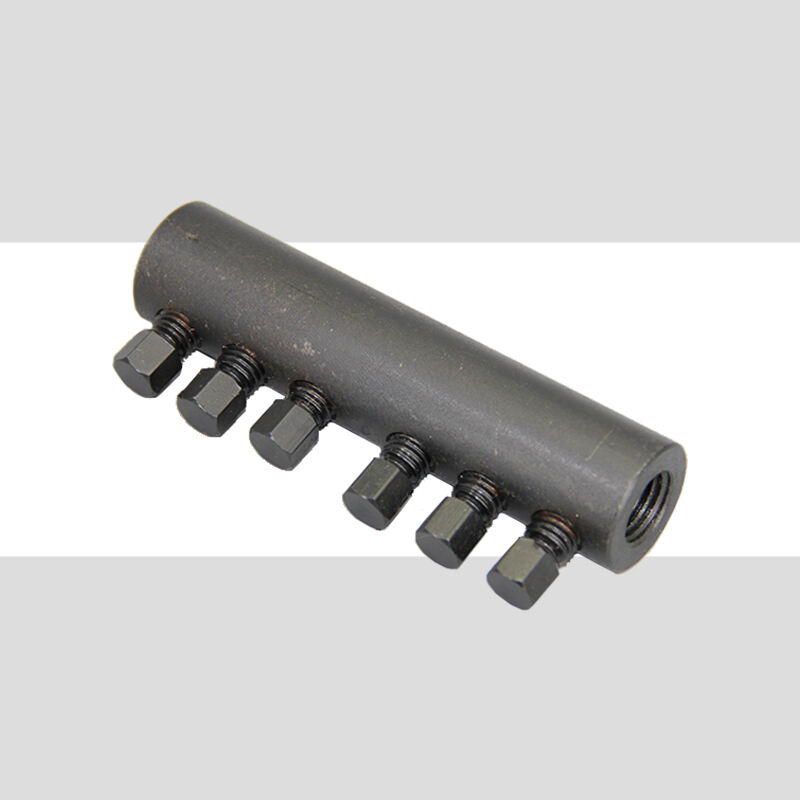
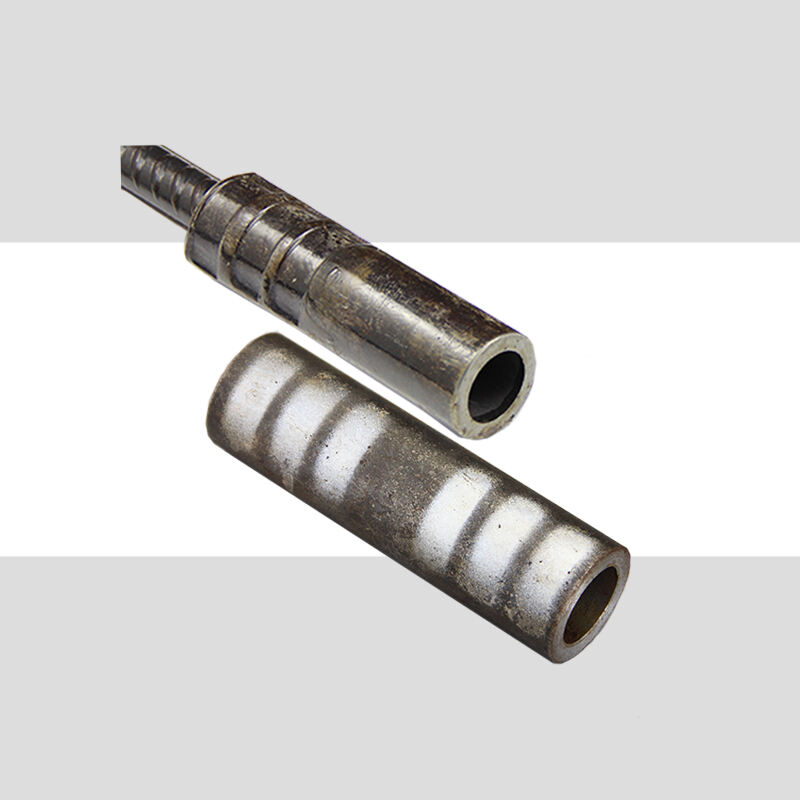
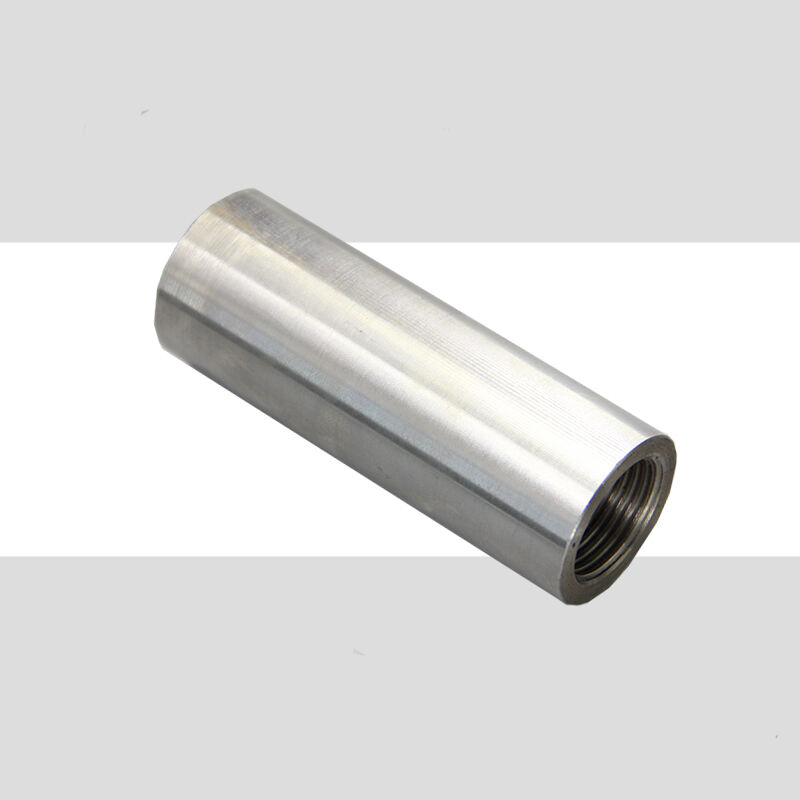
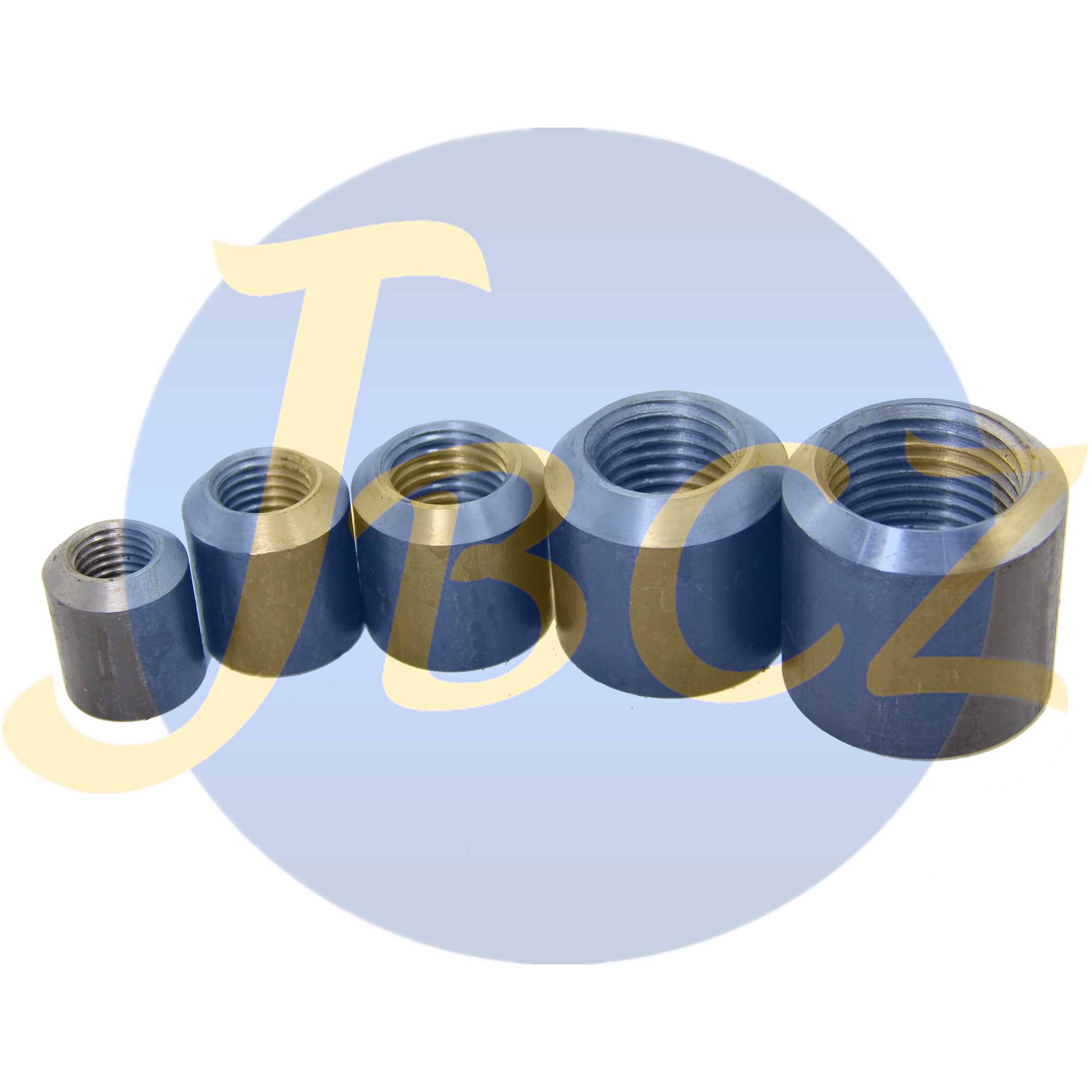
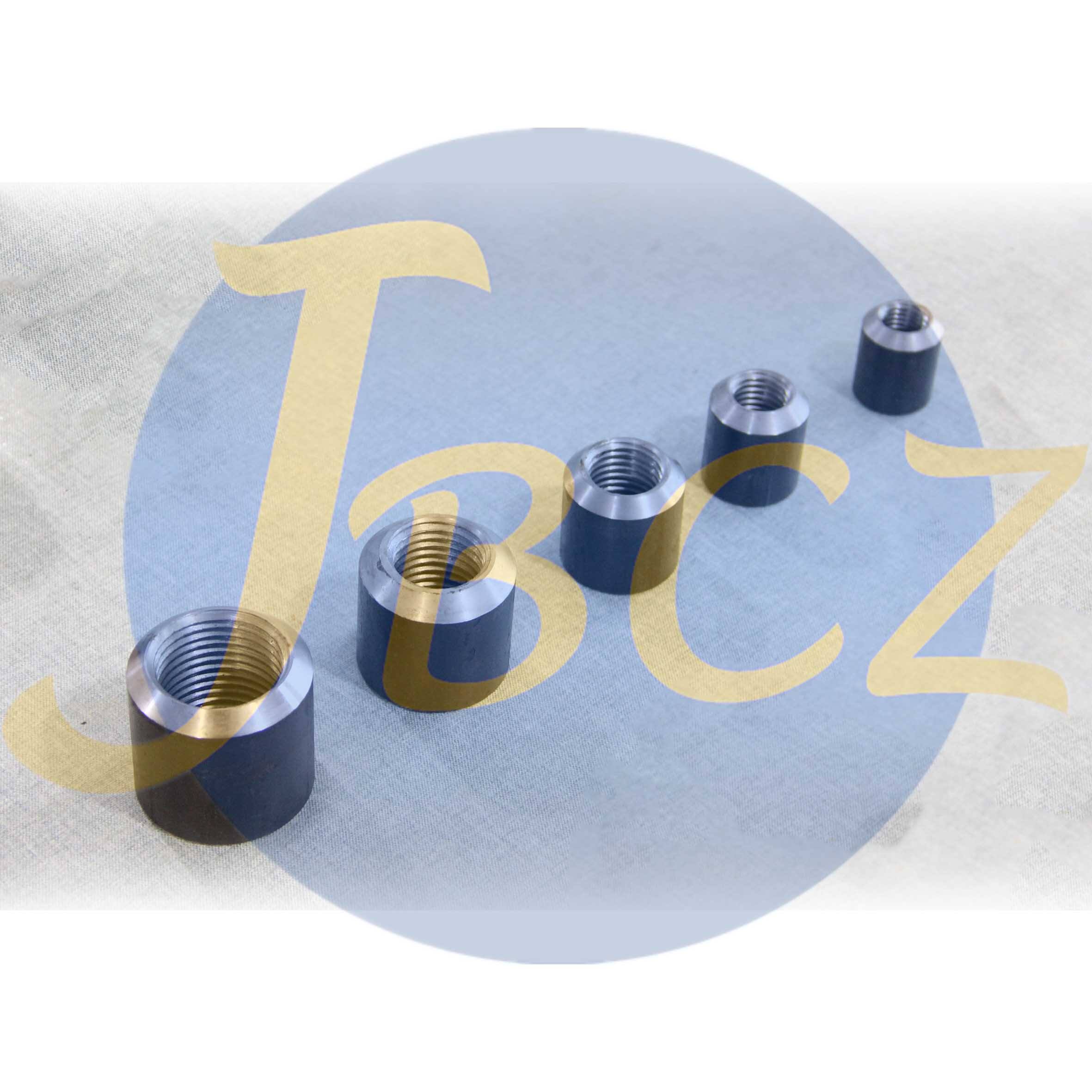
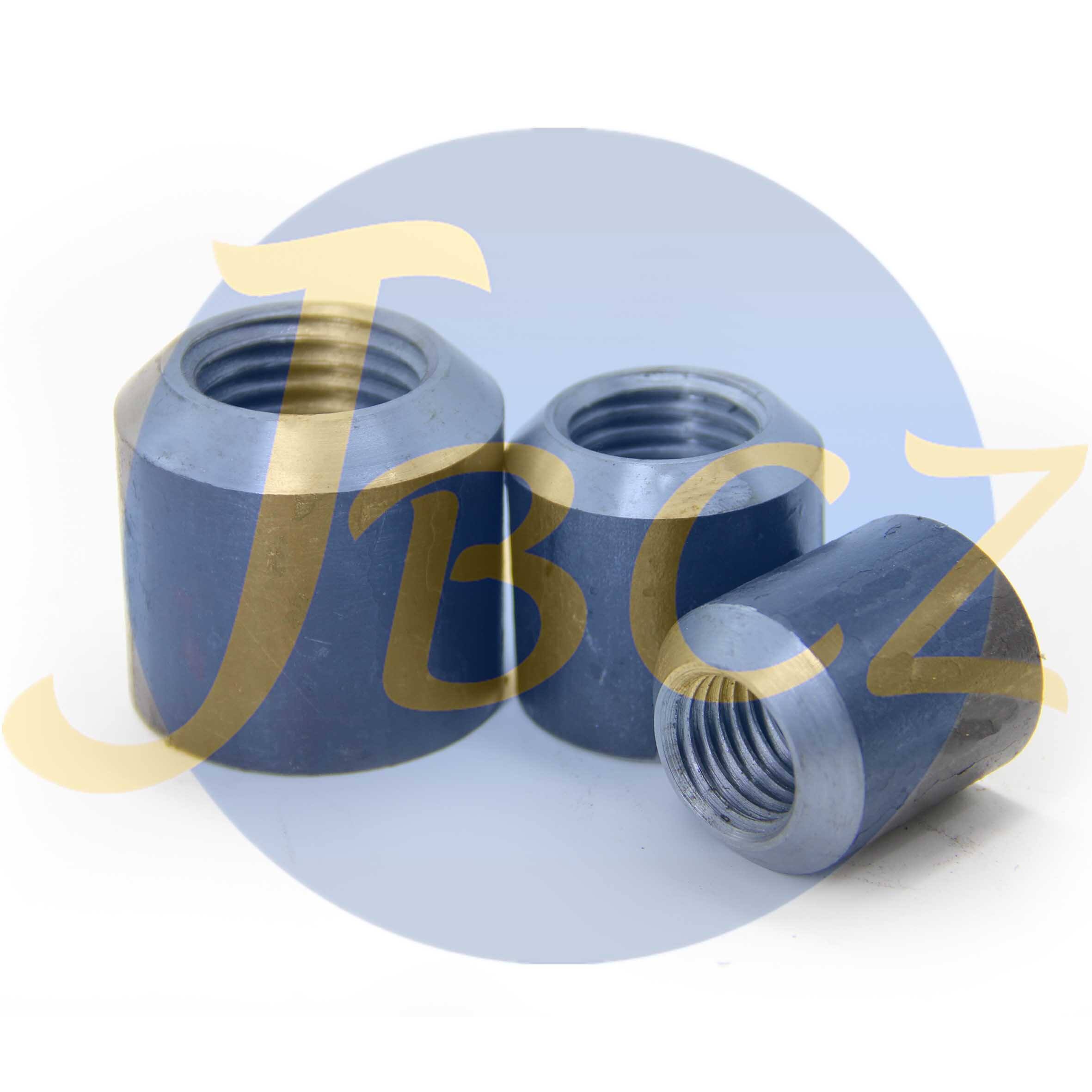
A weldable coupler represents an essential mechanical connection component designed to join reinforcing steel bars or structural elements through direct welding applications. This robust fastening solution serves as a critical element in modern construction projects, providing reliable connections that maintain structural integrity under demanding conditions. The primary function of a weldable coupler centers on creating permanent, high-strength bonds between metal components, eliminating the need for threading or mechanical fastening systems. Manufactured from high-grade carbon steel or alloy materials, the weldable coupler features specially engineered surfaces that facilitate optimal fusion during the welding process. The technological design incorporates precise dimensional tolerances, ensuring perfect alignment between connected elements while minimizing preparation time on construction sites. These couplers accommodate various bar diameters, typically ranging from 12mm to 40mm, making them versatile solutions for diverse structural requirements. The welding process creates metallurgical bonds that often exceed the tensile strength of the base materials themselves, delivering superior performance compared to traditional connection methods. Construction professionals favor weldable coupler systems for their ability to transfer loads efficiently across joints, maintaining continuity in reinforcement schemes. The component features standardized dimensions that comply with international building codes and engineering specifications, ensuring compatibility with existing construction practices. Advanced manufacturing techniques produce weldable coupler units with consistent quality characteristics, including uniform wall thickness, smooth interior surfaces, and precise length specifications. These technical features combine to create connection points that resist fatigue, corrosion, and mechanical stress throughout the service life of structures. Applications span residential buildings, commercial complexes, bridges, tunnels, and infrastructure projects where reliable steel connections prove essential for safety and longevity.

New Product Recommendations

The weldable coupler delivers significant cost savings by reducing labor hours required for bar connections compared to mechanical alternatives. Workers complete installations faster because the welding process eliminates threading operations, reducing project timelines and associated expenses. This efficiency translates directly into lower overall construction costs while maintaining superior connection quality. The permanent bond created through welding provides unmatched reliability, giving building owners and engineers confidence in long-term structural performance. Unlike threaded connections that may loosen over time, welded joints maintain their integrity indefinitely under normal service conditions. This permanence eliminates maintenance concerns and reduces lifecycle costs for building operators. The strength characteristics of welded connections often surpass the base material properties, creating joints stronger than the bars themselves. This superior load transfer capability allows engineers to optimize reinforcement designs, potentially reducing material quantities while meeting safety requirements. The weldable coupler adapts easily to various construction scenarios, including situations where access limitations make mechanical coupling impractical. Site teams appreciate the flexibility to cut couplers to custom lengths when project conditions demand non-standard configurations. The component resists environmental factors effectively, with welded connections providing excellent protection against moisture infiltration and chemical exposure. This durability proves especially valuable in marine environments, industrial facilities, and underground structures where corrosion protection becomes paramount. Quality control procedures during manufacturing ensure consistent performance across production batches, eliminating variability concerns that sometimes affect field-fabricated connections. The standardized specifications simplify procurement processes and inventory management for contractors handling multiple projects simultaneously. Installation does not require specialized tools beyond standard welding equipment already present on most construction sites, minimizing capital investment requirements. Training welders to work with these couplers proceeds quickly, leveraging existing skills rather than demanding entirely new competencies. The visual inspection of completed welds provides immediate quality verification, allowing supervisors to confirm proper installation without destructive testing. This transparency supports quality assurance programs and helps maintain rigorous construction standards. Environmental considerations favor welding processes that generate minimal waste compared to mechanical systems requiring cutting fluids and producing metal shavings. The compact profile of weldable coupler connections preserves concrete cover requirements, maintaining protective layers that prevent corrosion and ensure durability.

Practical Tips

The indispensable role of rebar couplers in offshore wind farms and marine structures

10

Jul

The indispensable role of rebar couplers in offshore wind farms and marine structures

View More
Six ways to regulate rebar splices

10

Jul

Six ways to regulate rebar splices

View More
Take a look at the rebar coupler

10

Jul

Take a look at the rebar coupler

View More
Right Hand Coupler: Enhancing Efficiency and Precision in Mechanical Systems

10

Jul

Right Hand Coupler: Enhancing Efficiency and Precision in Mechanical Systems

View More

Get a Free Quote

Our representative will contact you soon.
Email
Name
Company Name
Message
0/1000

weldable coupler

Superior Load Transfer and Structural Integrity

Superior Load Transfer and Structural Integrity

The weldable coupler excels in transmitting forces between connected reinforcement bars through metallurgical fusion that creates continuous load paths. When properly executed, the welding process generates molecular-level bonds between the coupler material and the reinforcing steel, essentially creating a unified structural element rather than a mechanical junction. This fundamental characteristic distinguishes welded connections from threaded or mechanical alternatives that rely on friction, compression, or shear resistance to transfer loads. The fusion zone develops strength properties that frequently exceed those of the parent materials, meaning the connection becomes stronger than the bars it joins. Engineers leverage this advantage when designing critical structural elements where connection reliability cannot be compromised. The continuous nature of welded joints eliminates stress concentrations that sometimes develop at threaded interfaces, distributing applied forces more uniformly across the connection zone. This stress distribution reduces fatigue susceptibility, particularly important in structures subject to dynamic loading conditions such as seismic activity or traffic vibrations. The weldable coupler maintains its load transfer capabilities across the full range of expected service temperatures, performing reliably in both extreme heat and cold environments. Material selection during manufacturing ensures compatible thermal expansion properties between the coupler and reinforcement bars, preventing differential movement that could compromise connection integrity. The absence of mechanical threads or locking mechanisms eliminates potential failure modes associated with component separation or loosening under cyclic loading. Quality welded connections demonstrate ductile behavior under extreme loading, providing warning signs through visible deformation before ultimate failure occurs. This ductility contributes to overall structural resilience, particularly important in earthquake-prone regions where energy absorption capacity saves lives. The permanent nature of welded joints prevents progressive deterioration that might occur with mechanical connections experiencing repeated loading cycles. Inspection protocols for weldable coupler installations provide clear acceptance criteria based on visual weld characteristics, allowing immediate quality verification without waiting for laboratory test results. This real-time quality assurance accelerates construction schedules while maintaining rigorous safety standards.
Enhanced Durability and Corrosion Resistance

Enhanced Durability and Corrosion Resistance

The weldable coupler provides exceptional long-term durability through complete encapsulation within structural concrete, protected by the alkaline environment that naturally resists corrosion. The welding process creates sealed connections without gaps or interfaces where moisture could accumulate, eliminating common corrosion initiation points found in mechanical coupling systems. When embedded in properly proportioned concrete, the weldable coupler benefits from the same protective mechanisms that preserve reinforcing steel throughout structure lifetimes. The continuous metallurgical bond prevents galvanic corrosion that sometimes develops at dissimilar metal interfaces in mechanical connections, particularly when stainless steel components contact carbon steel reinforcement. Material specifications for weldable coupler production ensure chemistry compatibility with standard reinforcing grades, minimizing electrochemical potential differences. The absence of threads eliminates crevices where chloride ions might concentrate in marine environments or structures exposed to deicing salts. This geometric advantage proves especially valuable for coastal construction, parking structures, and bridge decks where corrosion protection determines service life. Proper welding technique produces slag-free connections with smooth surface profiles that facilitate complete concrete consolidation around joints. This thorough encasement eliminates voids where water accumulation could initiate corrosion processes. The compact profile of welded connections maintains adequate concrete cover depths specified by design codes, preserving the protective barrier between reinforcement and external environments. Quality control testing during manufacturing verifies material compositions that resist atmospheric corrosion during storage and handling before concrete placement. Protective coatings compatible with welding processes can be applied when projects demand additional corrosion protection beyond standard concrete cover. The weldable coupler accommodates epoxy-coated reinforcement through specialized welding procedures that maintain coating integrity adjacent to connection zones. This compatibility extends the applicability of welded connections to the most demanding exposure conditions. Long-term performance data from existing structures demonstrates that properly installed weldable coupler connections maintain their integrity over decades of service without degradation. This proven durability record provides confidence for engineers specifying these components in projects designed for extended service lives.
Installation Efficiency and Site Productivity

Installation Efficiency and Site Productivity

The weldable coupler streamlines construction operations by simplifying connection procedures that traditionally consume significant labor hours on project sites. Workers position reinforcement bars, align the coupler components, and complete welding operations in a fraction of the time required for threading bars or installing mechanical splices. This efficiency multiplies across large projects containing thousands of connections, generating substantial schedule compression and cost savings. The straightforward installation process reduces skill requirements compared to precision threading operations, allowing contractors to deploy their workforce more flexibly across various tasks. Standard welding certifications qualify workers to install weldable coupler connections, leveraging widely available skills rather than requiring specialized training programs. This workforce accessibility proves particularly valuable in regions where certified mechanical coupler installers may be scarce or expensive to mobilize. The equipment requirements for weldable coupler installation align with tools already present on most construction sites, eliminating capital investments in specialized threading machines or hydraulic coupling tools. Portable welding units provide sufficient capacity for field installations, with power sources readily available from temporary construction services. The elimination of consumable components such as threading dies or hydraulic fluids reduces ongoing operational costs associated with connection installations. Quality verification proceeds through visual inspection methods familiar to construction supervisors, without requiring specialized gauges or measurement equipment. Welders can immediately assess connection quality and make corrections before moving to subsequent joints, preventing defect propagation that might require extensive rework. The flexibility to adjust coupler lengths on site accommodates as-built conditions and dimensional variations inevitable in construction environments. Workers can quickly modify component dimensions using standard cutting tools, adapting to field conditions without delays for fabrication shop corrections. This adaptability reduces coordination requirements between design teams and field personnel, empowering site crews to solve problems independently. The absence of small mechanical parts eliminates concerns about component loss or damage during handling and storage, simplifying logistics management. Weather conditions affect weldable coupler installations less severely than mechanical alternatives requiring clean, dry threads for proper engagement. Welders can work in varied environmental conditions using appropriate techniques and protective measures, maintaining productivity across seasons. The rapid installation cycle minimizes disruption to subsequent construction activities, allowing concrete placement operations to proceed promptly after reinforcement completion. This workflow continuity supports fast-track construction schedules and helps contractors meet aggressive project milestones.