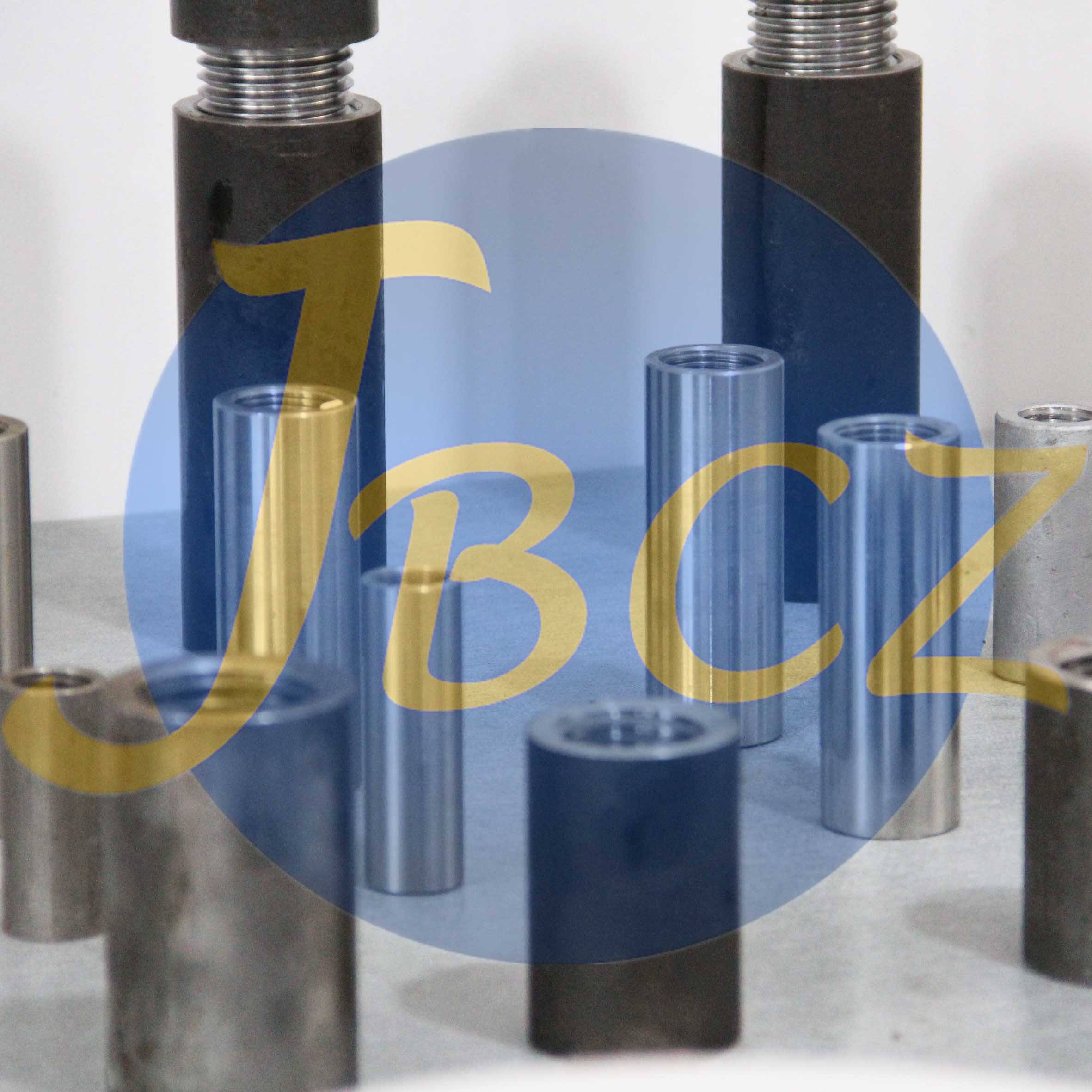
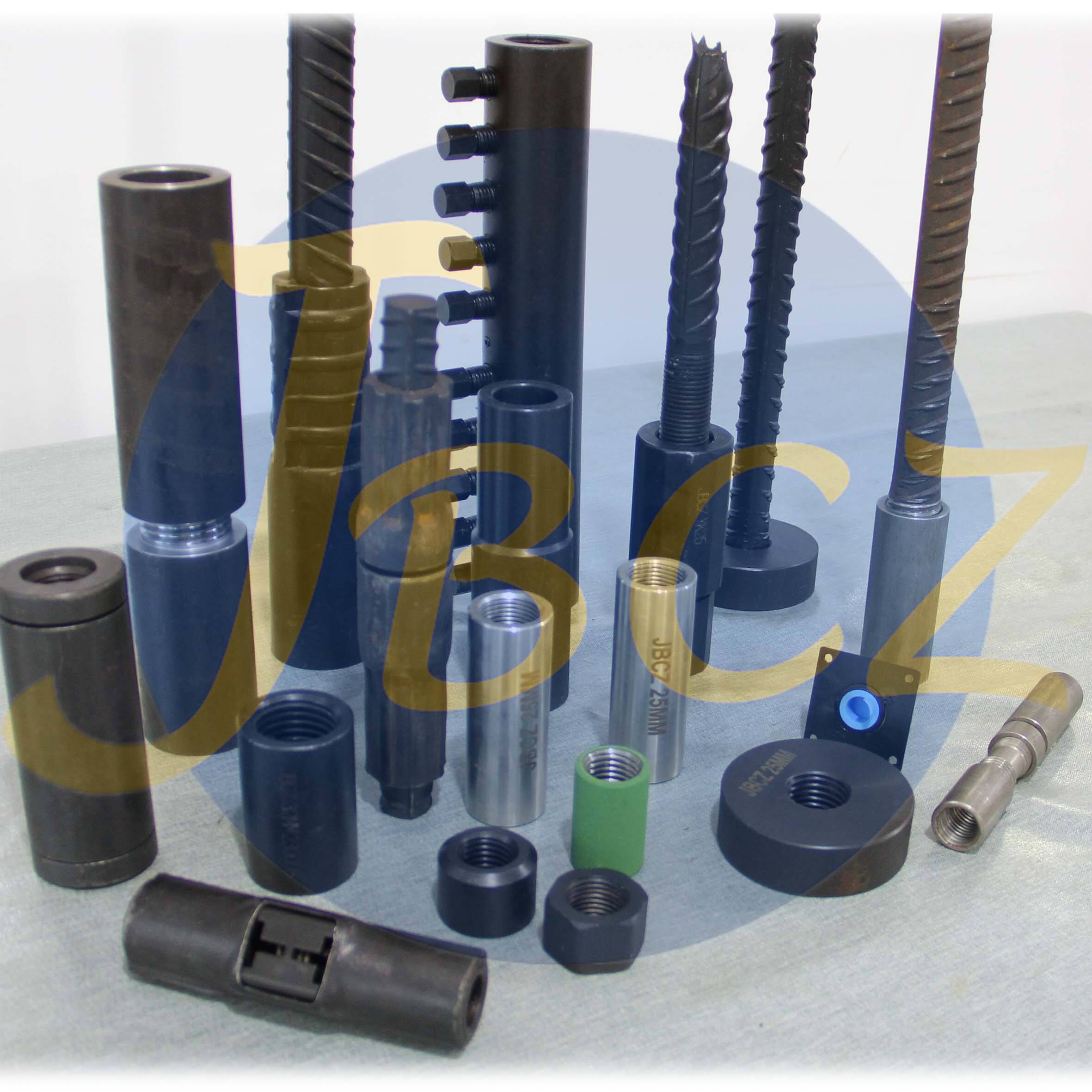
mechanical couplers for rebar
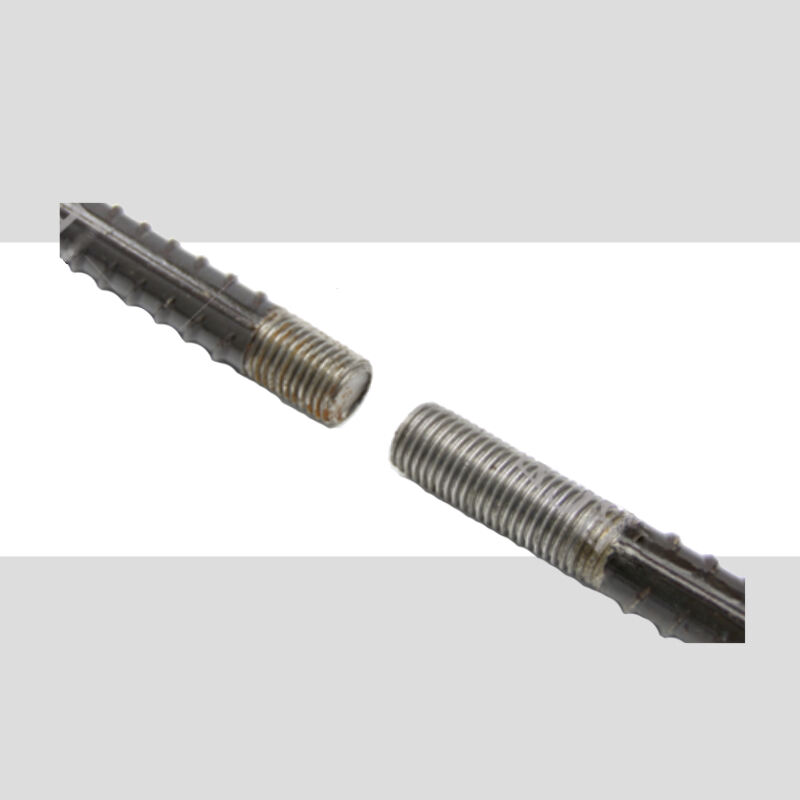
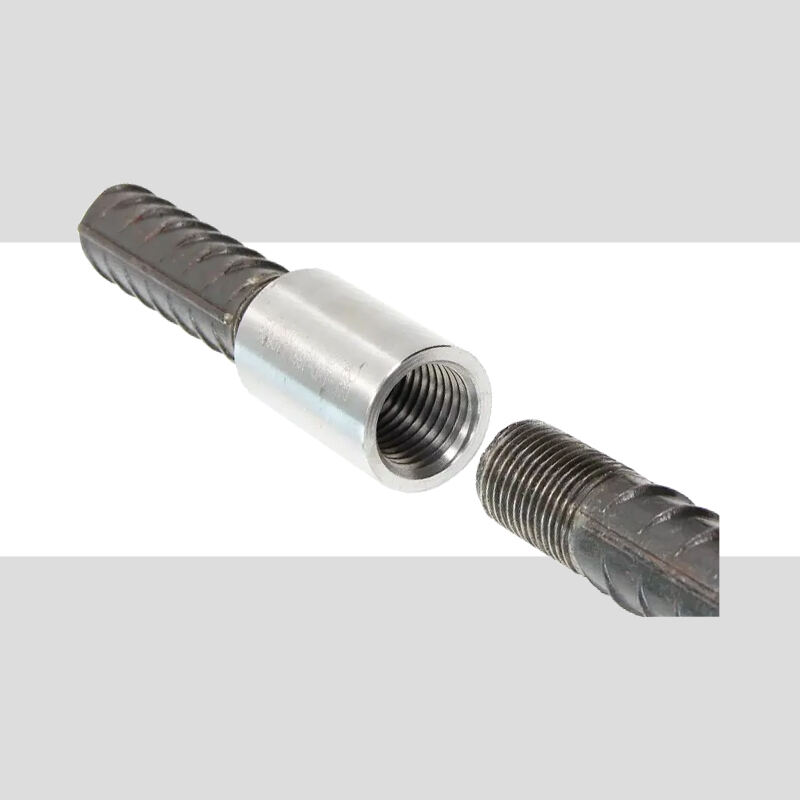
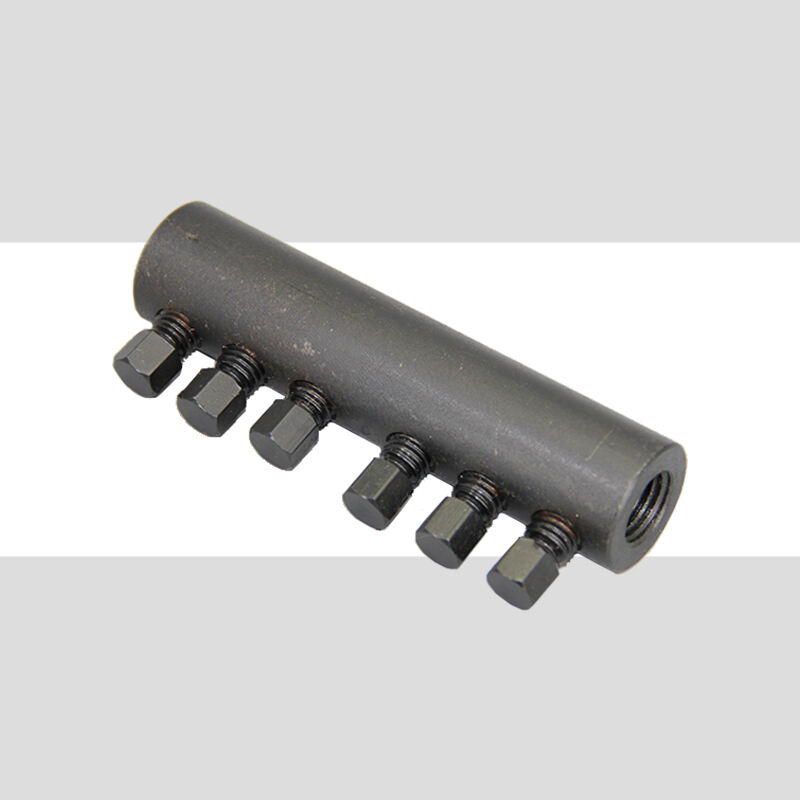
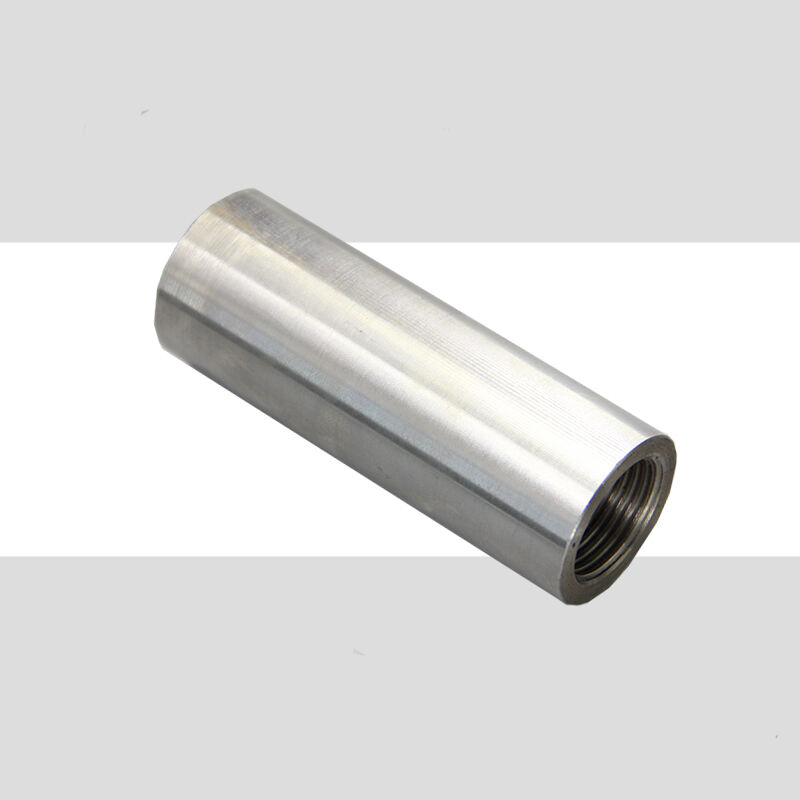
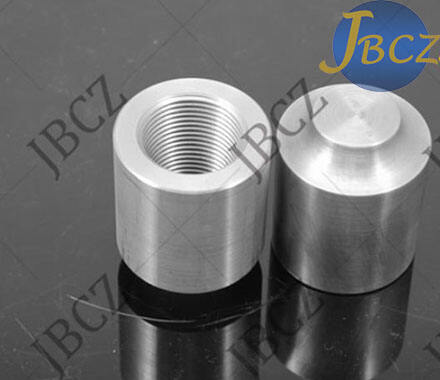
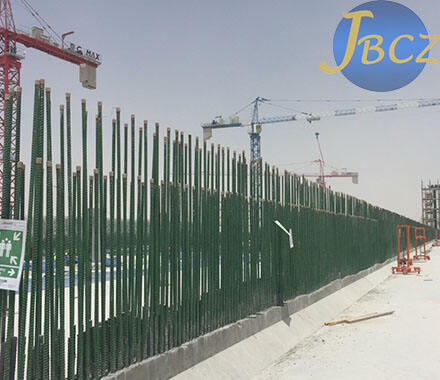
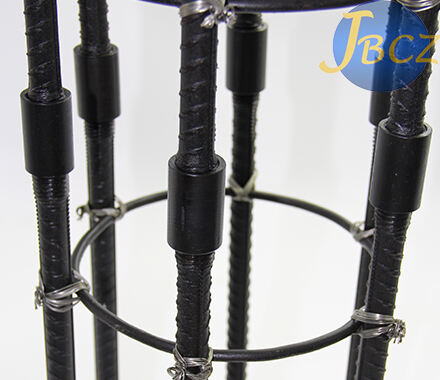
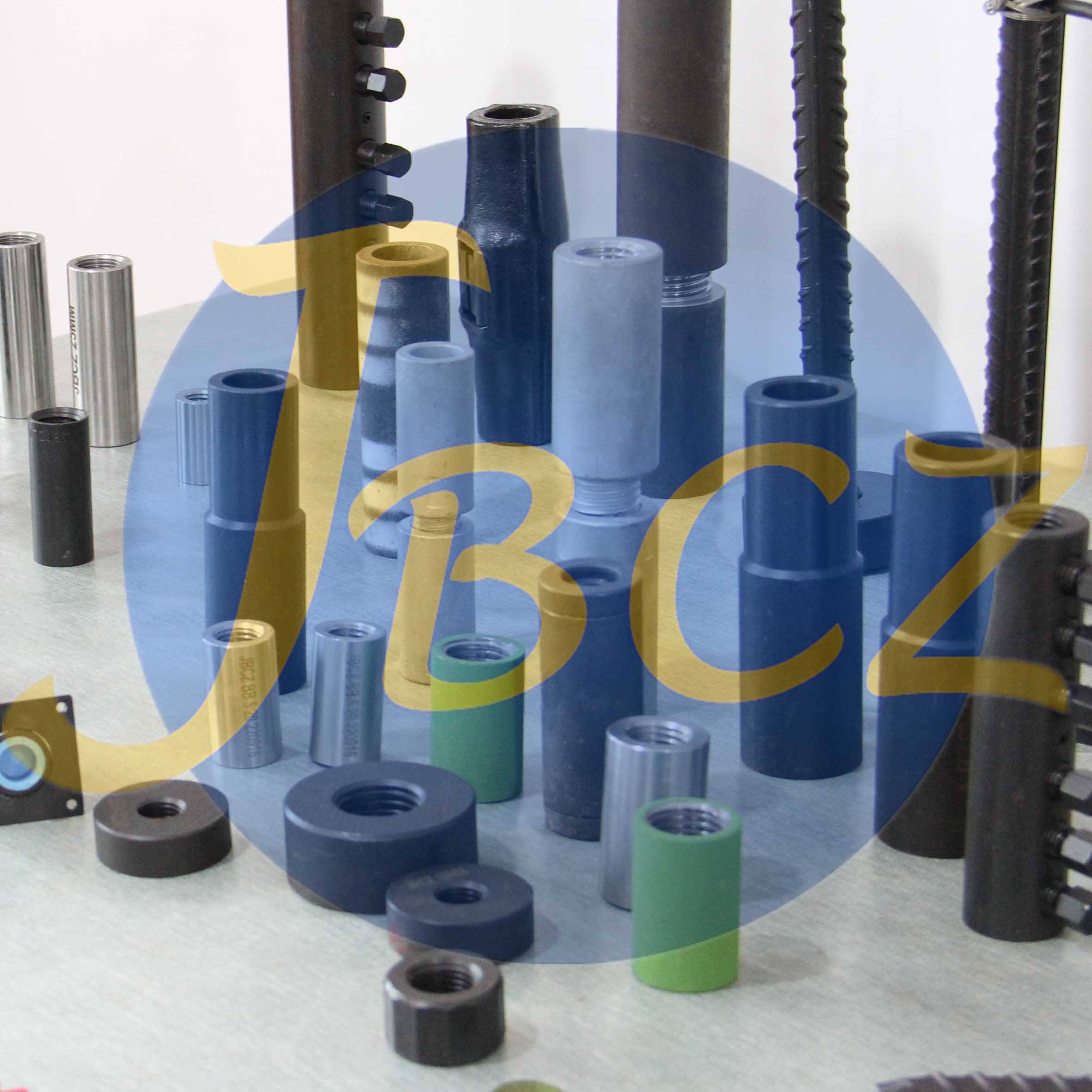
Mechanical couplers for rebar represent an innovative solution in modern construction, serving as essential components that connect reinforcing steel bars through precise threading or gripping mechanisms. These engineered devices have revolutionized how construction professionals approach rebar connection, replacing traditional lap splicing methods with more efficient and reliable alternatives. The main functions of mechanical couplers for rebar include transferring tensile and compression forces between steel reinforcement bars, maintaining structural integrity throughout concrete structures, and enabling seamless connections in various construction scenarios. These couplers utilize advanced technological features such as cold-forging manufacturing processes, high-grade steel alloys, and precision-machined threading systems that ensure perfect alignment and maximum load transfer capacity. The applications of mechanical couplers for rebar span across diverse construction projects, including high-rise buildings, bridges, tunnels, industrial facilities, seismic-resistant structures, and infrastructure developments. In tall building construction, these couplers facilitate continuous vertical reinforcement by connecting bars floor by floor without compromising structural strength. Bridge construction benefits from their ability to create strong connections in precast segments and cast-in-place applications. Underground projects like subway stations and tunnels rely on mechanical couplers for rebar to maintain reinforcement continuity in confined spaces where traditional lap splicing becomes impractical. The technological sophistication of these devices includes various types such as threaded couplers, grout-filled couplers, swaged couplers, and mechanical lock couplers, each designed for specific project requirements and installation conditions. Quality mechanical couplers for rebar undergo rigorous testing procedures, including tensile strength tests, fatigue resistance evaluations, and quality control inspections to meet international standards like ACI 318, BS 8110, and various national building codes, ensuring they perform reliably under extreme loading conditions and environmental stresses throughout the structure's lifespan.