Threaded Rebar Coupler - High-Strength Mechanical Reinforcement Connection System for Construction

All Categories

Get a Free Quote

Our representative will contact you soon.
Email
Name
Company Name
Message
0/1000

threaded rebar coupler

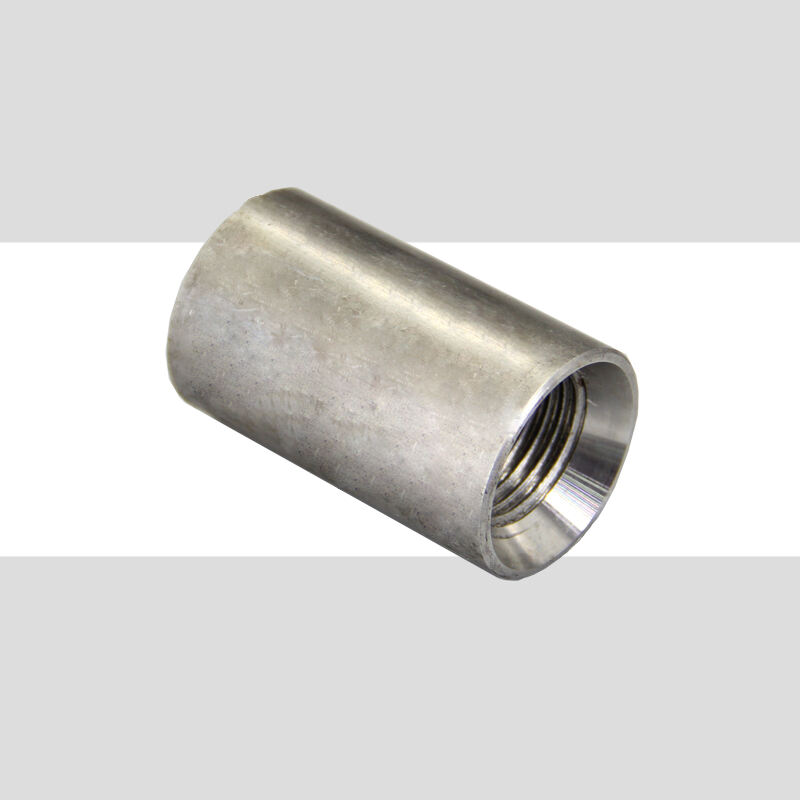
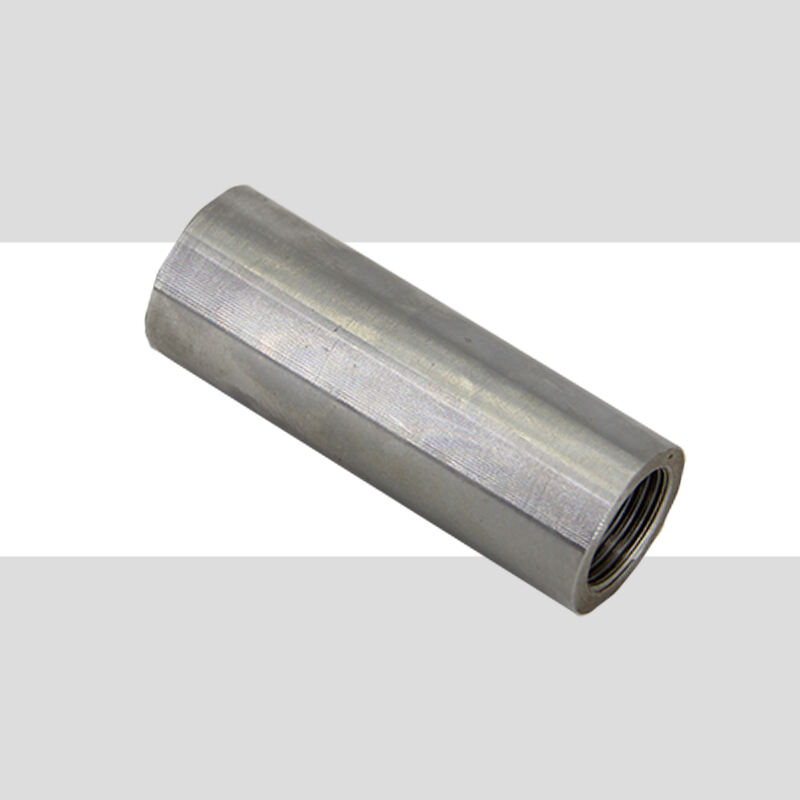
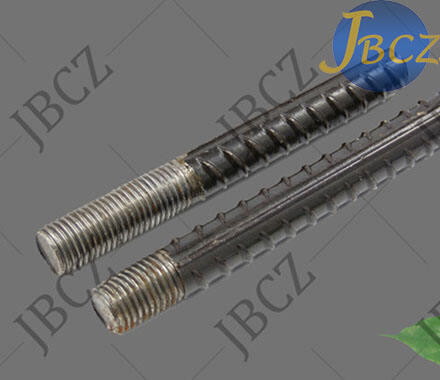
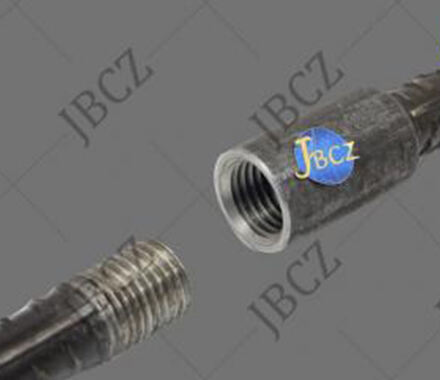
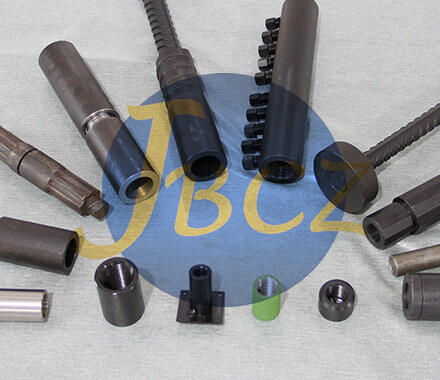
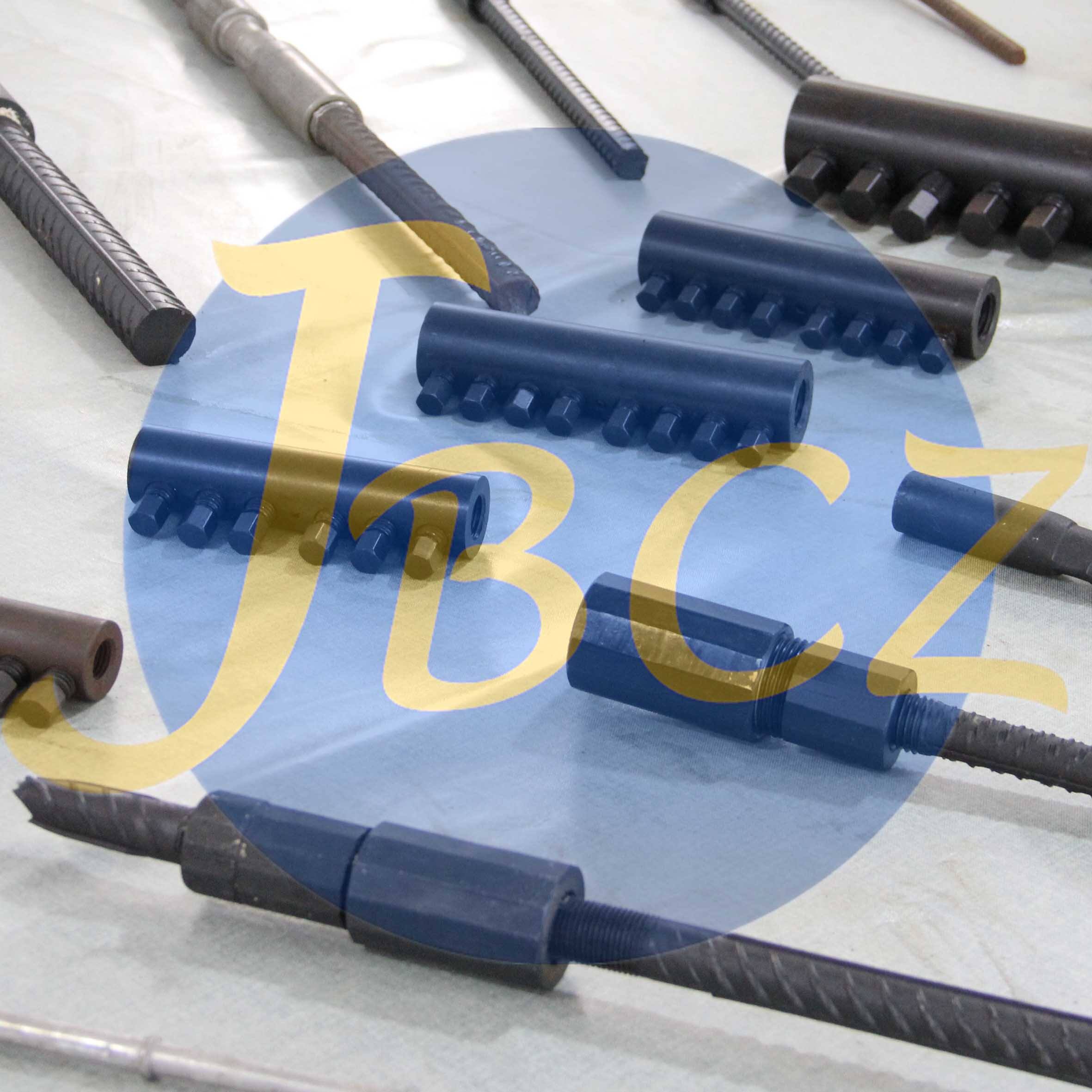
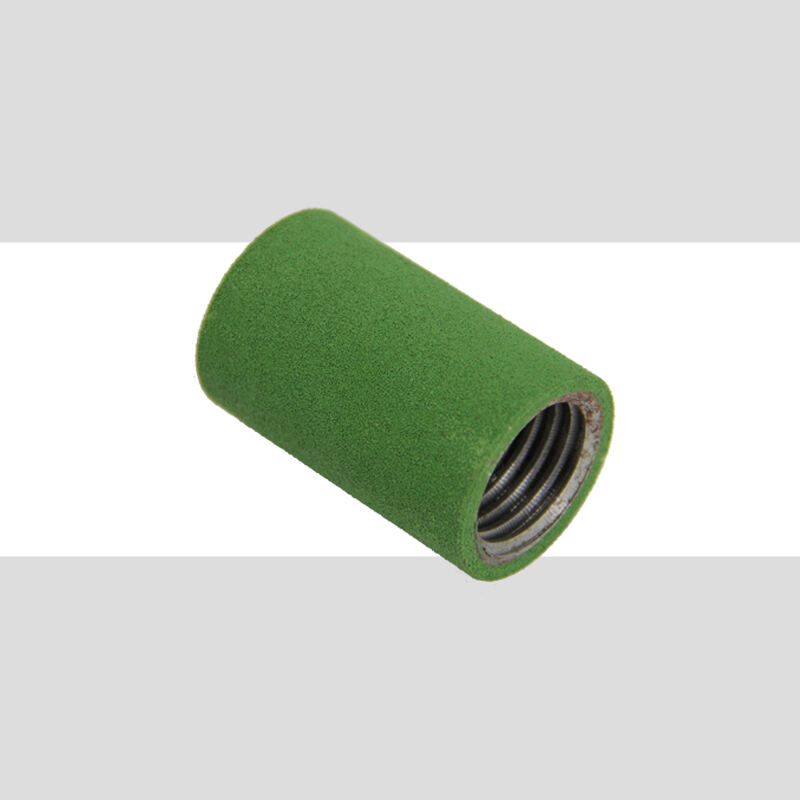
The threaded rebar coupler represents a revolutionary mechanical connection system designed to join reinforcing steel bars in concrete construction projects. This precision-engineered component serves as a critical alternative to traditional lap splicing methods, providing a robust and efficient solution for connecting rebars of various diameters. The threaded rebar coupler functions by utilizing precisely machined internal threads that engage with threaded ends of reinforcing bars, creating a mechanical interlock that transfers loads seamlessly between connected sections. The main technological features of this system include cold-forging manufacturing processes that ensure consistent material properties, heat-treated alloy steel construction for superior strength characteristics, and precision threading that guarantees accurate alignment during installation. The coupler body typically features a cylindrical or hexagonal external profile that facilitates easy handling and installation using standard wrenching tools. Applications for the threaded rebar coupler span numerous construction sectors, including high-rise buildings where vertical rebar continuity is essential, bridge construction requiring reliable connections in critical load-bearing elements, infrastructure projects such as tunnels and dams, seismic-resistant structures demanding ductile connections, and precast concrete manufacturing where efficient assembly is paramount. The system accommodates various rebar grades and sizes, typically ranging from 16mm to 50mm diameters, making it versatile across different project specifications. The threaded rebar coupler eliminates the need for extended overlap lengths required in traditional lapping, thereby reducing congestion in heavily reinforced sections and allowing for cleaner concrete placement. This mechanical splicing technology has gained widespread acceptance in international construction markets due to its ability to meet stringent quality standards and building codes, including ACI, BS, and Eurocode specifications, ensuring structural integrity and performance reliability throughout the service life of constructed facilities.

Popular Products

The threaded rebar coupler delivers substantial practical benefits that directly impact project timelines, budgets, and overall construction quality. First and foremost, this connection system dramatically reduces material waste by eliminating the need for long overlap lengths that traditional lapping requires, which can consume up to 30 percent more reinforcing steel in certain applications. This material efficiency translates directly into cost savings for project owners and contractors, making the threaded rebar coupler an economically attractive option despite its initial component cost. Installation speed represents another significant advantage, as skilled workers can complete connections in minutes rather than hours, accelerating construction schedules and reducing labor expenses. The system requires minimal site preparation and can be installed in confined spaces where traditional methods prove challenging or impossible. Quality control becomes inherently more reliable with threaded rebar couplers because each connection is a discrete, inspectable joint rather than an overlapping configuration buried within concrete. This visibility allows quality assurance personnel to verify proper installation before concrete placement, reducing the risk of structural deficiencies that might go undetected with conventional methods. The threaded rebar coupler also enhances structural performance by providing full tensile strength capacity equal to or exceeding the connected rebar, ensuring that the splice does not become a weak point in the reinforcement system. This mechanical advantage proves especially valuable in seismic zones where structures must withstand cyclic loading without degradation. From a safety perspective, the system reduces the number of protruding bars on construction sites, minimizing trip hazards and injury risks for workers navigating congested work areas. Environmental benefits emerge through reduced steel consumption and lower transportation costs associated with shorter bar lengths that are easier to handle and deliver to site. The threaded rebar coupler facilitates better concrete consolidation by reducing reinforcement congestion, particularly in columns, beam-column joints, and wall intersections where multiple bars converge. This improved concrete flow results in higher-quality finished members with fewer voids and better durability characteristics. The system also accommodates design changes more flexibly, as connections can be adjusted or reconfigured more easily than fixed lap splices, providing valuable adaptability during construction when field conditions differ from original plans. For projects requiring prefabrication or modular construction approaches, threaded rebar couplers enable efficient assembly sequences that would be impractical with traditional reinforcement methods, supporting modern industrialized construction techniques that improve productivity and quality outcomes.

Latest News

How Rebar Couplers Strengthen Concrete Structures: Innovation and Benefits

10

Jul

How Rebar Couplers Strengthen Concrete Structures: Innovation and Benefits

View More
What is a Reducing Coupler and How is it Used in Plumbing Systems?

10

Jul

What is a Reducing Coupler and How is it Used in Plumbing Systems?

View More
Advantages of Reducing coupler in Renewable Energy Storage Systems

10

Jul

Advantages of Reducing coupler in Renewable Energy Storage Systems

View More
Features of rebar splices and precautions for their use

10

Jul

Features of rebar splices and precautions for their use

View More

Get a Free Quote

Our representative will contact you soon.
Email
Name
Company Name
Message
0/1000

threaded rebar coupler

Superior Load Transfer Mechanism and Structural Integrity

Superior Load Transfer Mechanism and Structural Integrity

The threaded rebar coupler distinguishes itself through an exceptionally efficient load transfer mechanism that ensures structural integrity across joined reinforcing bars. This mechanical connection system employs precision-engineered threads that engage along substantial contact lengths, distributing forces uniformly throughout the connection zone rather than concentrating stresses at discrete points. The threading geometry follows internationally recognized standards that optimize the balance between tensile strength, ductility, and fatigue resistance, ensuring that connections perform reliably under various loading conditions including static, dynamic, and cyclic forces. The coupler manufacturing process utilizes high-grade steel alloys specifically selected for their mechanical properties, including yield strength that exceeds the connected rebar specifications by appropriate margins. Heat treatment protocols further enhance these material characteristics, producing a component capable of developing the full strength potential of the reinforcing bars it joins. Testing protocols for threaded rebar couplers include tensile tests, fatigue tests, and slip tests that verify performance against stringent acceptance criteria established by international codes and standards. Independent laboratory certifications provide project stakeholders with confidence that installed connections will perform as designed throughout the structure's service life. The threaded connection mechanism also provides important advantages in terms of ductility, allowing the reinforcement system to deform plastically under extreme loading scenarios such as earthquakes without sudden brittle failure. This ductile behavior proves critical in structures designed according to capacity design principles where controlled yielding in specific locations protects other structural elements from damage. The precision threading ensures concentricity between connected bars, maintaining proper alignment that prevents eccentric loading conditions which could compromise structural performance or accelerate degradation. Unlike welded connections which alter the metallurgical properties of steel through heat input, the threaded rebar coupler maintains the original bar characteristics including ductility and weldability if subsequent connections are required. This preservation of material properties ensures predictable structural behavior that designers can confidently incorporate into their calculations and performance expectations.
Installation Efficiency and Quality Assurance Benefits

Installation Efficiency and Quality Assurance Benefits

The threaded rebar coupler revolutionizes installation processes through a streamlined methodology that enhances both productivity and quality outcomes on construction sites. The installation procedure involves preparing rebar ends through threading operations that can be performed either off-site in controlled factory conditions or on-site using portable threading equipment, providing flexibility to match project logistics and workflow requirements. Factory threading offers the advantage of consistent quality control and eliminates weather-related delays, while site threading provides adaptability for field adjustments and modifications. Once threaded, the rebar ends simply screw into the coupler body using standard torque wrenches or specialized installation tools that ensure proper engagement without over-tightening that might damage threads. This mechanical assembly process requires no electrical power, consumables, or specialized environmental conditions, making it viable in remote locations or areas with limited infrastructure support. The installation speed achieved with threaded rebar couplers significantly outpaces traditional lapping methods, with experienced crews completing dozens of connections per hour compared to the time-consuming bar positioning, tying, and verification required for lap splices. This efficiency becomes particularly valuable in fast-track construction projects where schedule compression offers substantial value to project owners seeking earlier occupancy or revenue generation. Quality assurance procedures for threaded rebar coupler installations benefit from visual verification capabilities that allow inspectors to confirm proper engagement through witness marks, torque readings, and gauge measurements before concrete placement. This pre-pour verification eliminates uncertainties associated with concealed lap splices that cannot be inspected once concrete encapsulates the reinforcement. Documentation of installation parameters including torque values and thread engagement lengths creates traceable quality records that support project closeout requirements and provide valuable information for future maintenance or modification activities. The system also reduces the skill level required for reinforcement installation, as threading and coupling operations follow standardized procedures that are easier to teach and quality-control compared to the spatial reasoning and manual dexterity needed for complex lapping arrangements. This workforce accessibility helps contractors maintain productivity even when experienced ironworkers are scarce, supporting project continuity and budget control throughout construction phases.
Space Optimization and Design Flexibility Advantages

Space Optimization and Design Flexibility Advantages

The threaded rebar coupler delivers exceptional value through its ability to optimize reinforcement layouts in congested structural elements where traditional methods create problematic bar conflicts and concrete placement challenges. In heavily reinforced sections such as beam-column joints, wall intersections, and transfer girders, the elimination of extended lap lengths provided by mechanical couplers creates significantly more space for concrete flow and consolidation. This spatial efficiency becomes critically important in modern structural designs that push material limits to achieve architectural visions or maximize usable floor areas within building envelopes. The compact connection zones enabled by threaded rebar couplers reduce the risk of honeycomb voids and poor consolidation that compromise structural durability and load-carrying capacity. Designers gain valuable flexibility in developing reinforcement details when specifying threaded rebar couplers, as connection locations can be positioned optimally from both structural and constructability perspectives rather than being dictated by minimum lap length requirements and available straight bar lengths. This design freedom supports innovative structural solutions including sloped columns, curved walls, and complex geometries that would be prohibitively difficult with conventional reinforcement methods. The threaded rebar coupler also facilitates construction sequencing strategies that improve site logistics and workflow efficiency, such as installing lower floor reinforcement with projecting threaded bars that await connection to upper levels, eliminating the need for complex bar supports and temporary bracing. Prefabrication opportunities expand significantly when mechanical couplers are specified, as reinforcement cages can be assembled in controlled factory environments with precise quality control and then connected on-site through simple coupling operations. This industrialized approach reduces on-site labor requirements, improves safety by moving work from elevation to ground level, and accelerates construction schedules through parallel manufacturing and installation activities. The system accommodates different bar sizes at connection points through transition couplers, enabling designers to optimize member sizes along structural elements without the geometric constraints imposed by lap splice requirements. Repair and strengthening applications benefit enormously from threaded rebar coupler technology, as existing structures can be modified by drilling, installing threaded dowels, and coupling new reinforcement without the disruption and complexity of alternative connection methods. This retrofit capability extends the useful life of aging infrastructure and supports adaptive reuse projects that convert existing buildings to new functions with different structural demands.