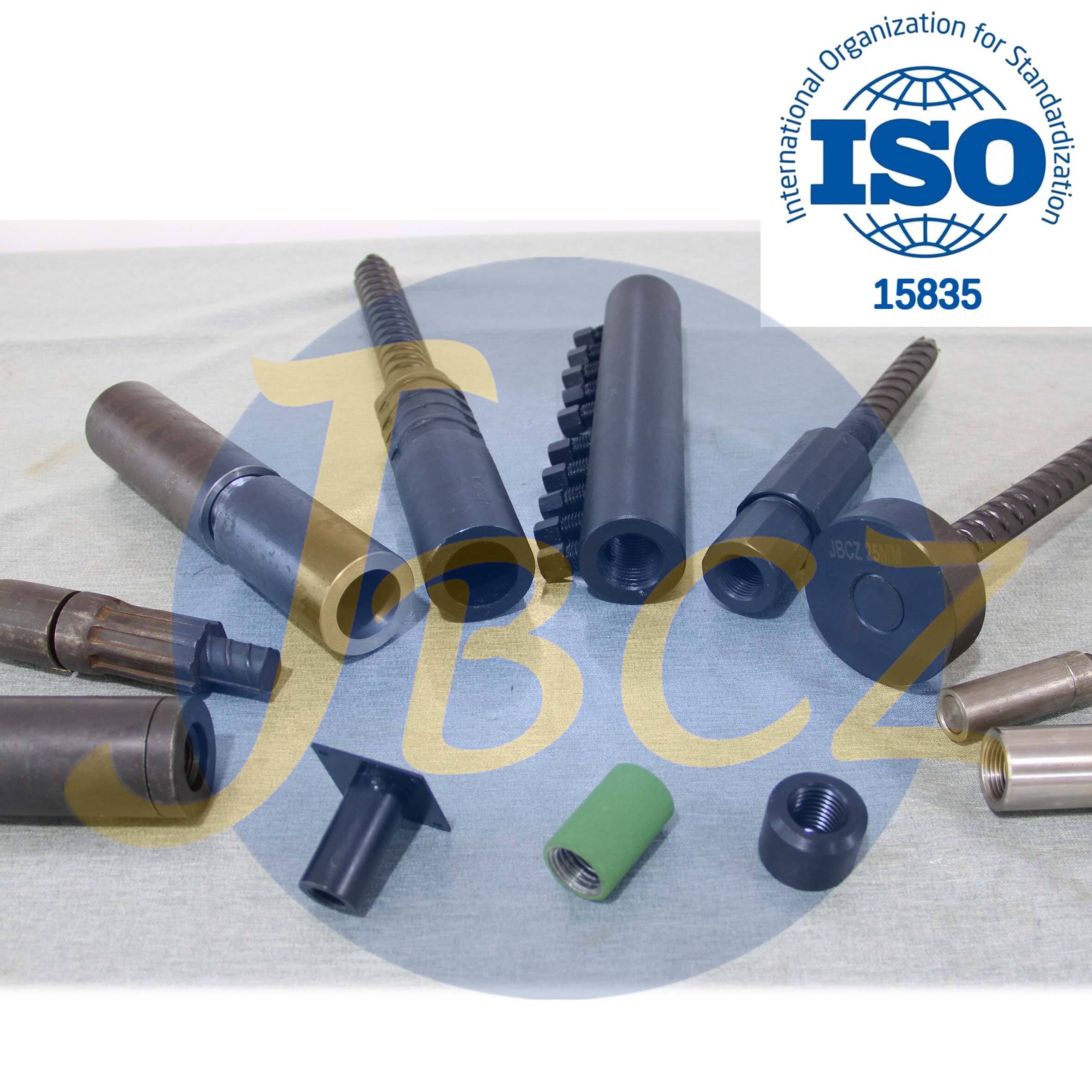
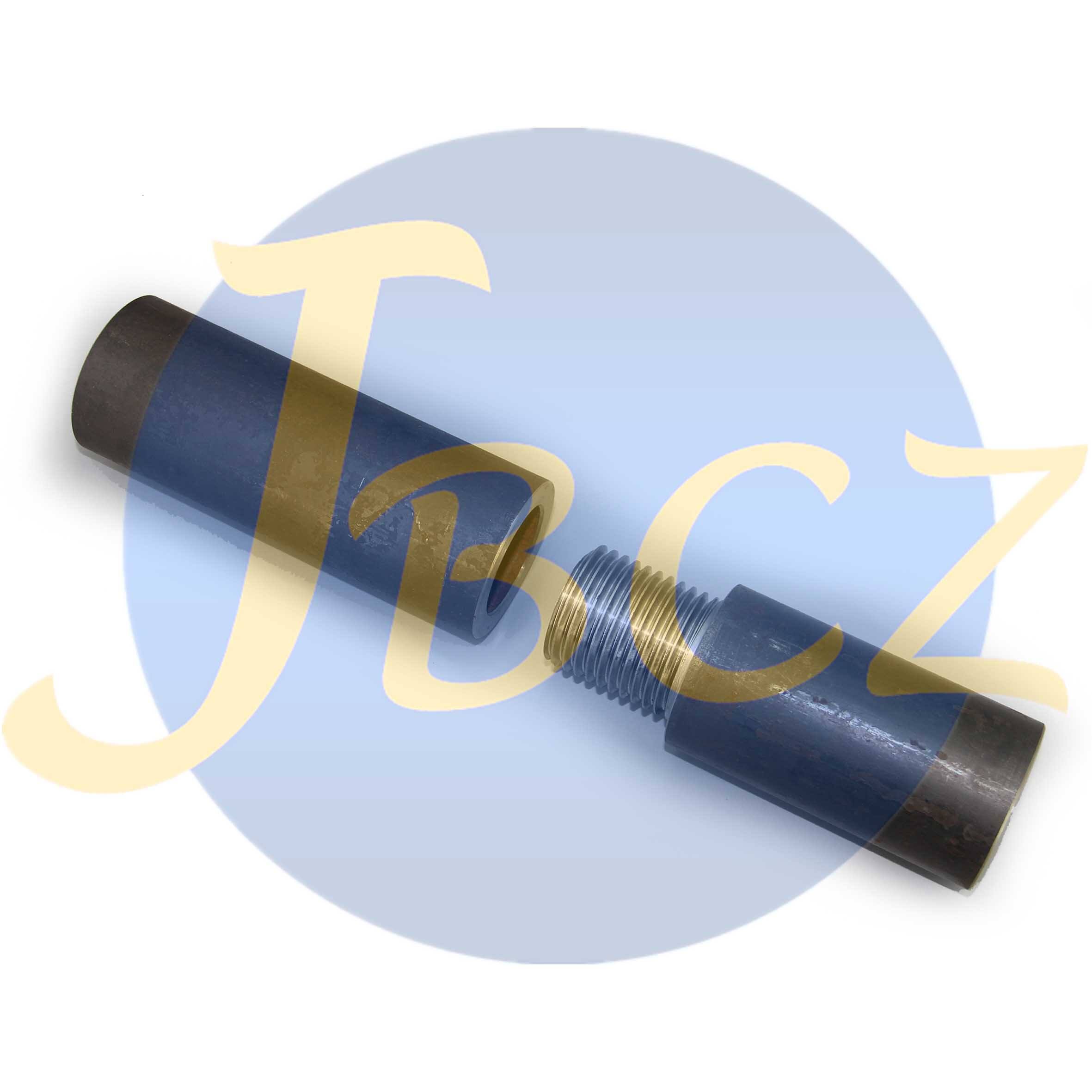
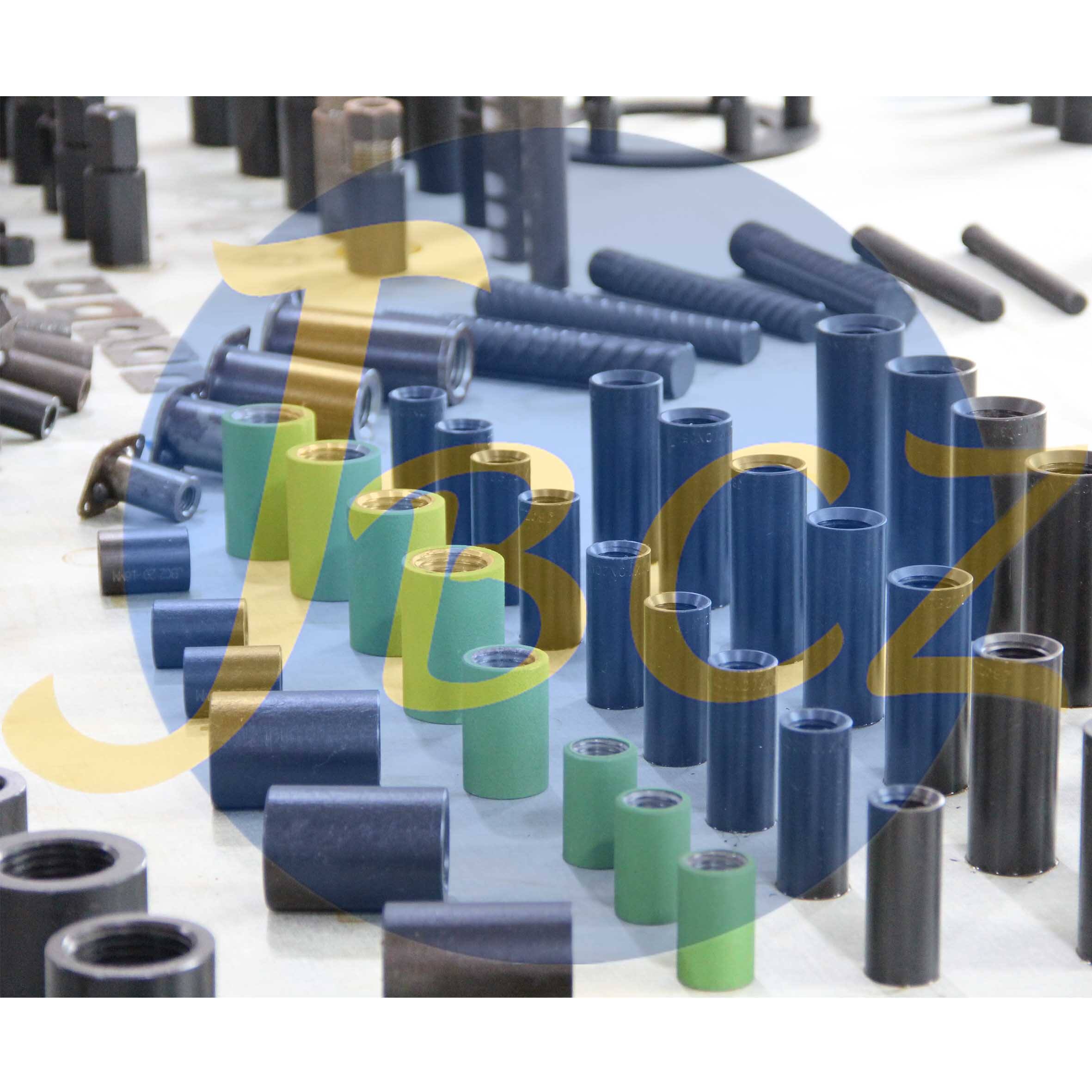
2million times fatigue test rebar coupler
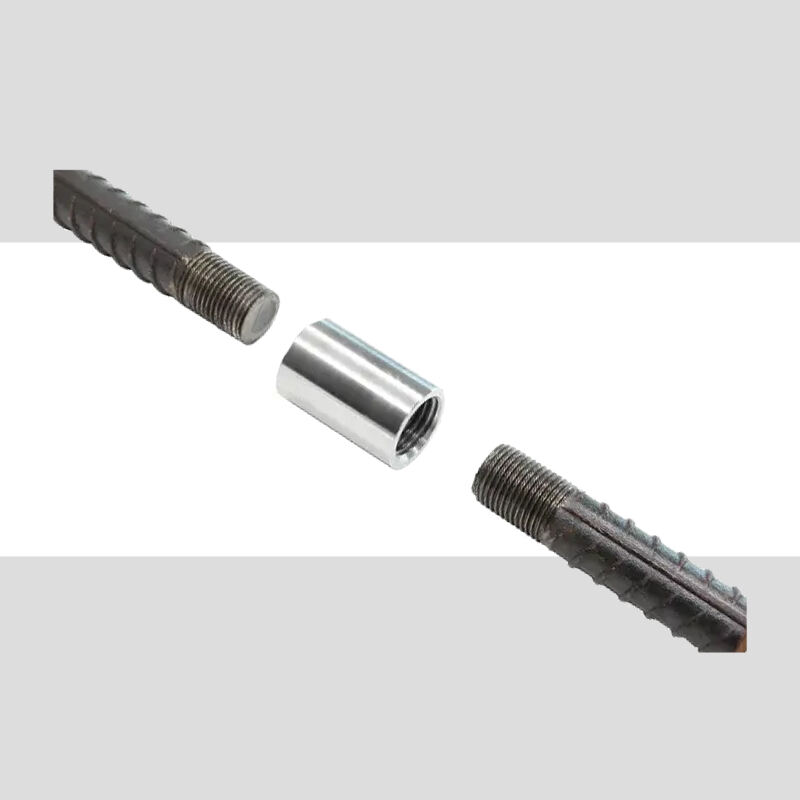
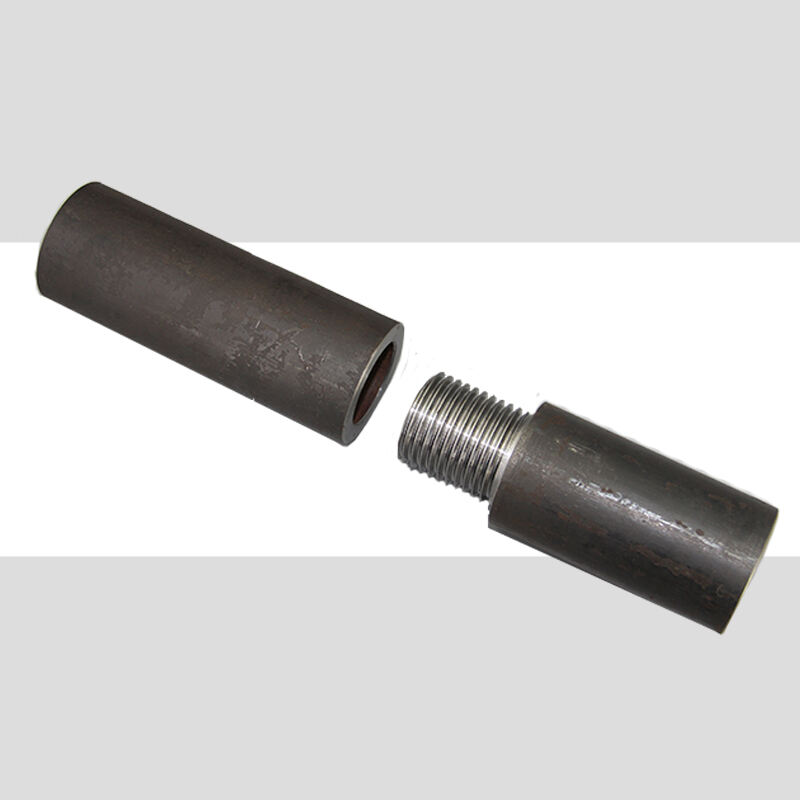
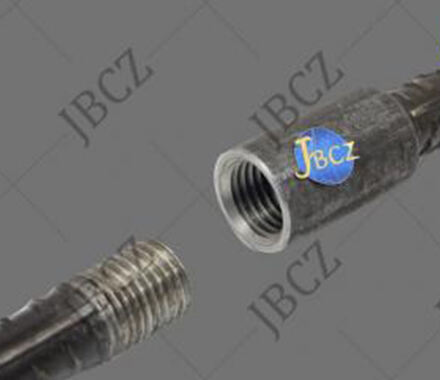
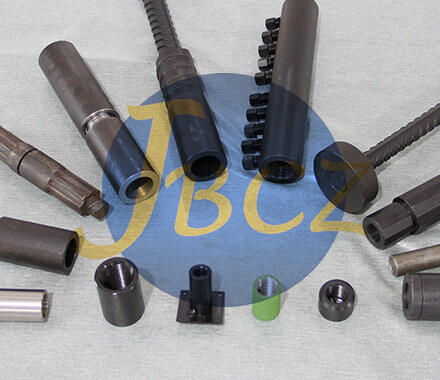
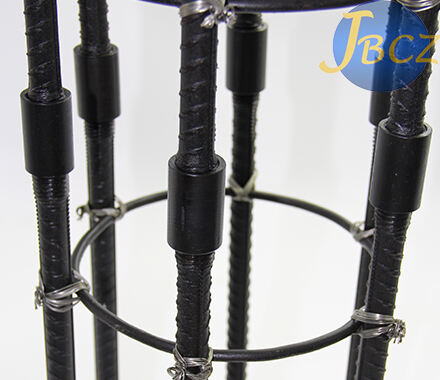
The 2million times fatigue test rebar coupler represents a revolutionary advancement in construction reinforcement technology, designed to withstand extreme cyclic loading conditions that occur in modern infrastructure projects. This specialized mechanical splicing device connects reinforcing steel bars with exceptional reliability, having undergone rigorous testing to prove its durability through two million complete loading cycles. The main function of this rebar coupler is to create a permanent, high-strength connection between concrete reinforcement bars, eliminating the need for traditional lap splicing methods while maintaining structural integrity under repeated stress conditions. The technological features of the 2million times fatigue test rebar coupler include precision-engineered threading systems, advanced metallurgical composition, and innovative grip mechanisms that ensure uniform load transfer across the connection point. Each coupler undergoes strict quality control procedures and fatigue testing protocols that simulate decades of real-world structural movement, vibration, and load variations. The manufacturing process incorporates high-grade steel alloys with specific carbon content and heat treatment procedures that optimize both strength and ductility. Applications for the 2million times fatigue test rebar coupler span numerous construction sectors, including high-rise buildings, bridges, highways, railways, seismic-resistant structures, industrial facilities, power plants, and infrastructure projects subjected to dynamic loading conditions. The coupler proves particularly valuable in earthquake-prone regions where structures experience repeated cyclic forces, as well as in buildings near railways or highways where constant vibration affects structural components. Engineers specify the 2million times fatigue test rebar coupler for critical connections where failure would compromise structural safety, such as column-to-beam joints, foundation connections, and primary load-bearing members. The device accommodates various rebar diameters and grades, providing versatile solutions for different project requirements while maintaining consistent performance standards across all applications.