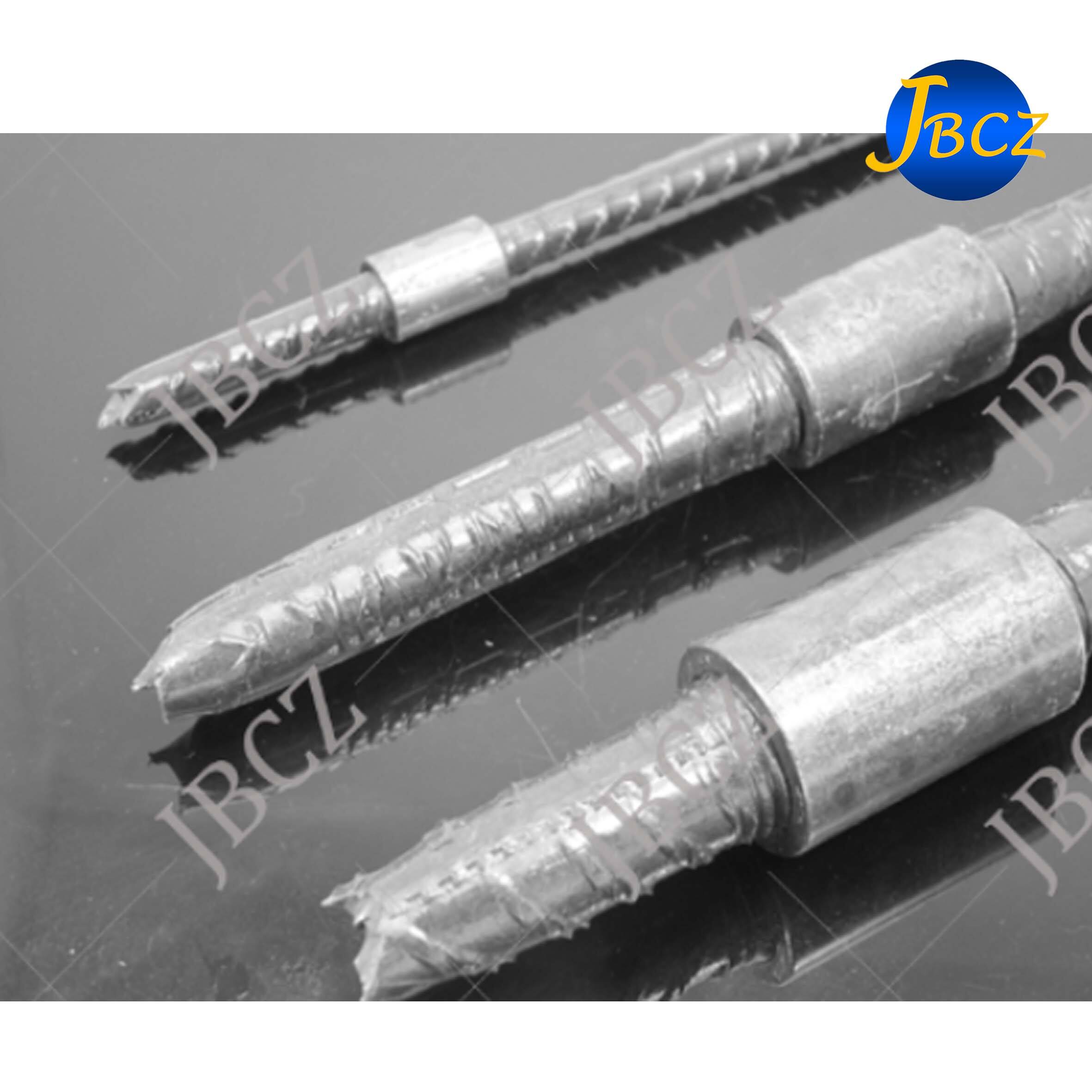
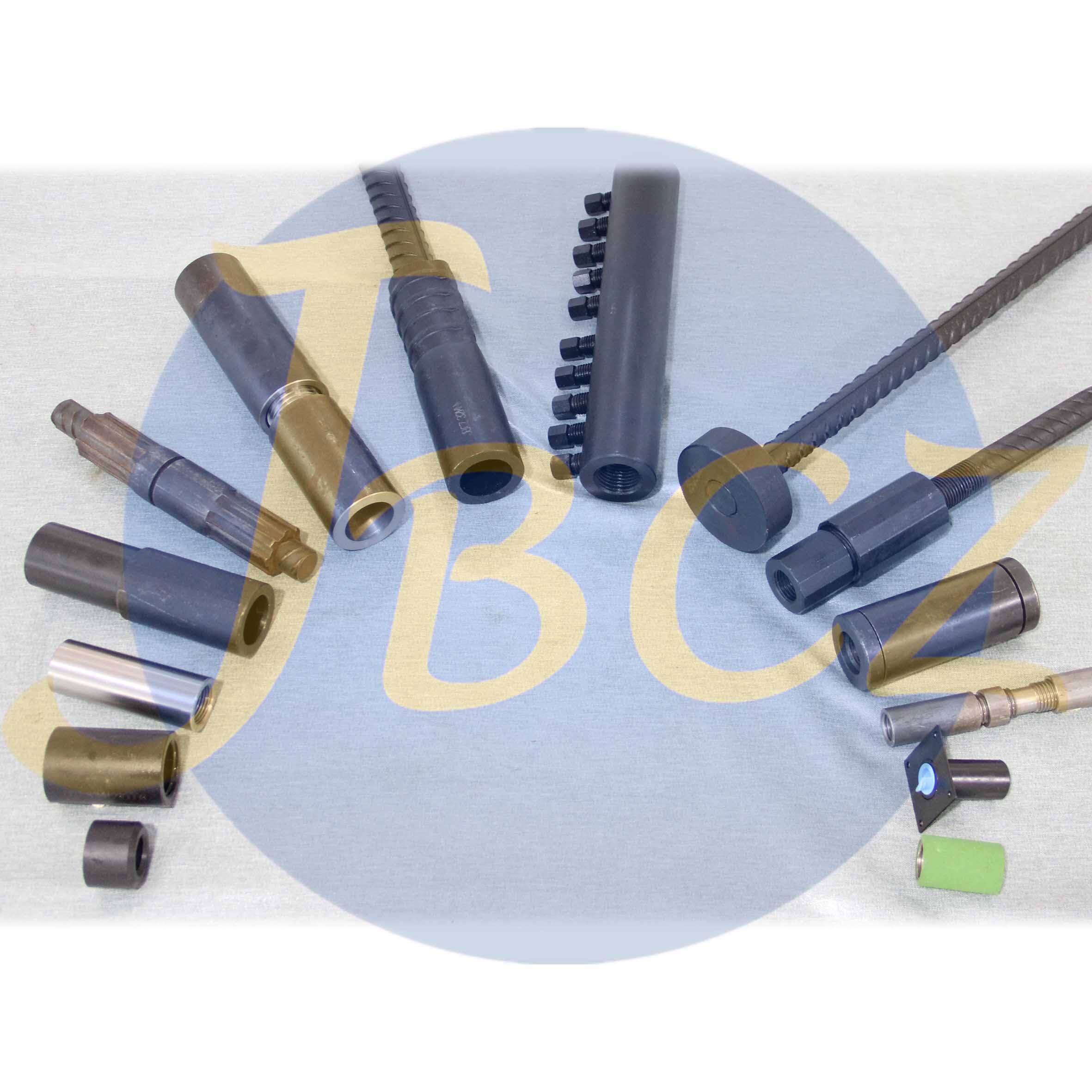
rebar coupler fatigue test
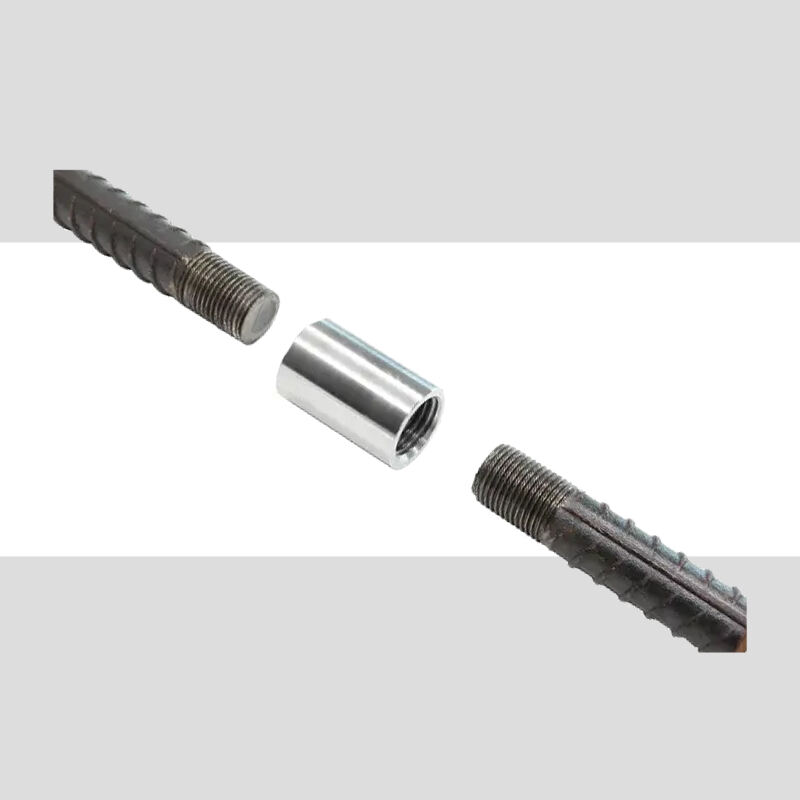
The rebar coupler fatigue test represents a critical quality assurance procedure designed to evaluate the long-term performance and structural integrity of mechanical rebar connections under repetitive loading conditions. This specialized testing method simulates real-world scenarios where reinforced concrete structures experience cyclic stress, ensuring that rebar couplers can withstand millions of load cycles without failure. The primary function of this examination is to determine whether mechanical splicing systems maintain their structural capacity when subjected to fluctuating tensile forces that mirror the actual service conditions of buildings, bridges, and infrastructure projects. During the testing process, coupled rebar assemblies are mounted in sophisticated hydraulic testing machines that apply alternating tension loads at predetermined stress ranges and frequencies. The technological features of modern rebar coupler fatigue testing equipment include precision load control systems, advanced data acquisition capabilities, and automated cycle counting mechanisms that provide comprehensive performance documentation. These systems can generate detailed stress-strain curves, measure displacement patterns, and identify potential failure modes before they occur in actual construction applications. The test typically involves subjecting samples to two million cycles or more at stress levels ranging from minimum to maximum design loads, following international standards such as ACI 318, ISO 15835, or regional building codes. Applications of rebar coupler fatigue testing span across various construction sectors including high-rise buildings, seismic-resistant structures, bridge decks, offshore platforms, and tunneling projects where connection reliability is paramount. Engineers and contractors utilize test results to make informed decisions about coupler selection, verify manufacturer claims, and ensure compliance with project specifications. The data obtained from these evaluations provides confidence that mechanical splices will perform reliably throughout the intended service life of structures, particularly in dynamic loading environments such as areas prone to earthquakes, wind-induced vibrations, or heavy traffic loads. This testing methodology has become an indispensable tool for quality control in modern construction practices, supporting the widespread adoption of mechanical rebar splicing technology as a viable alternative to traditional lap splicing or welding methods.