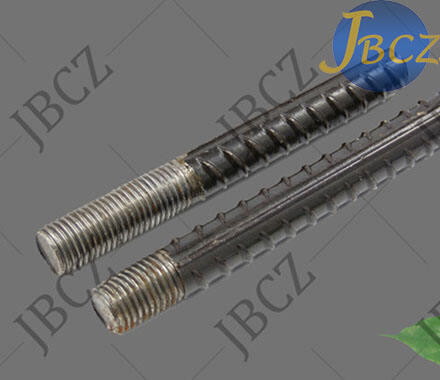
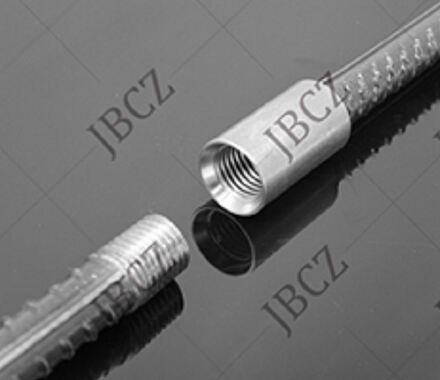
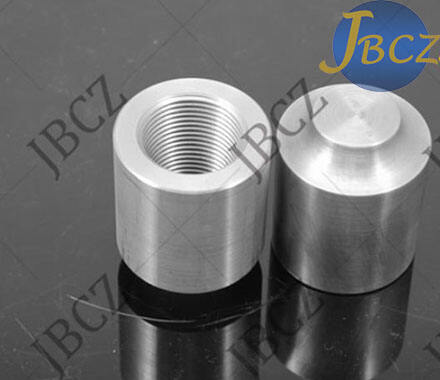
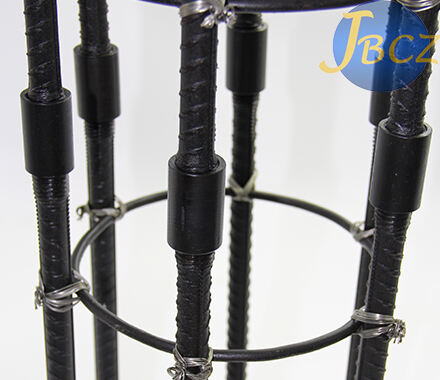
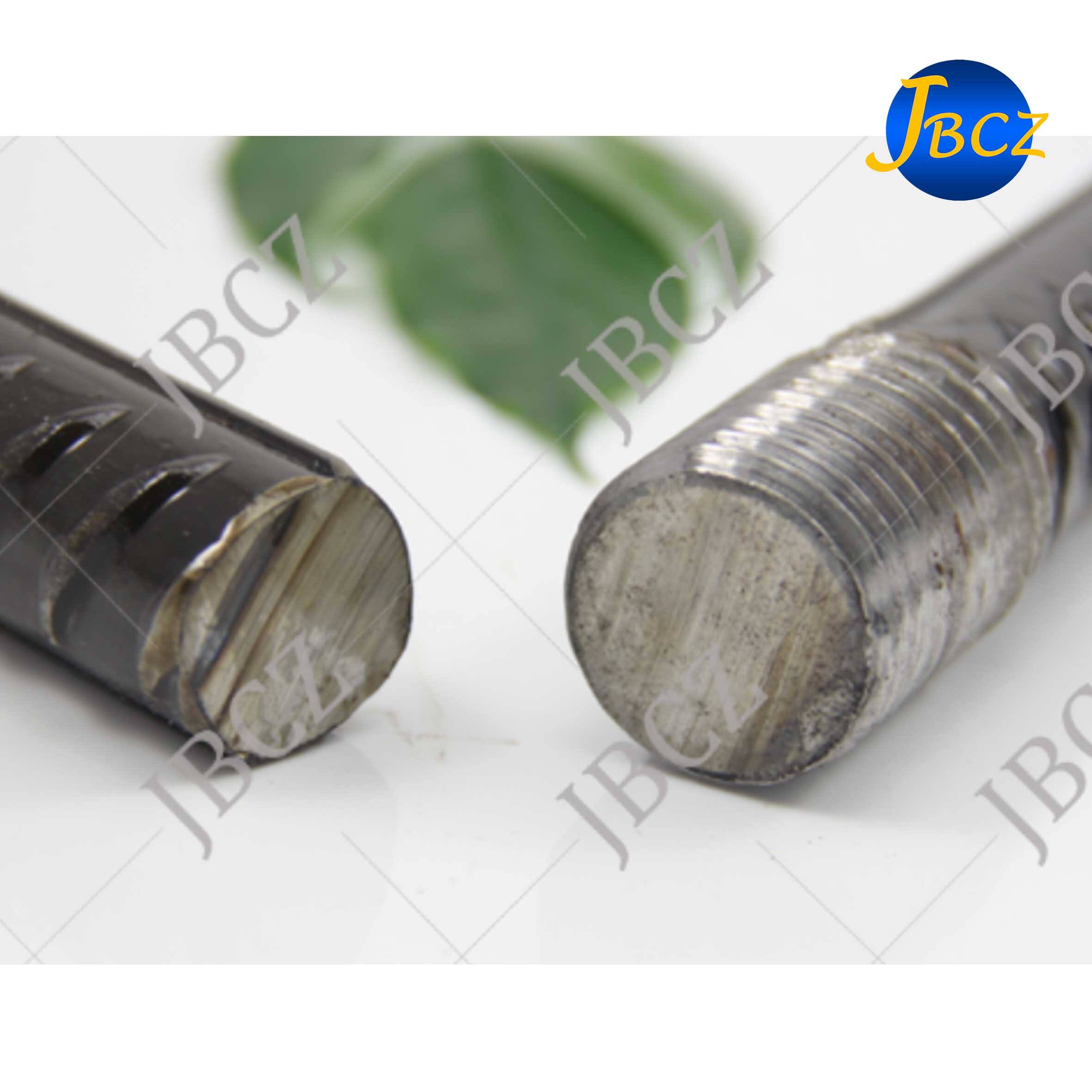
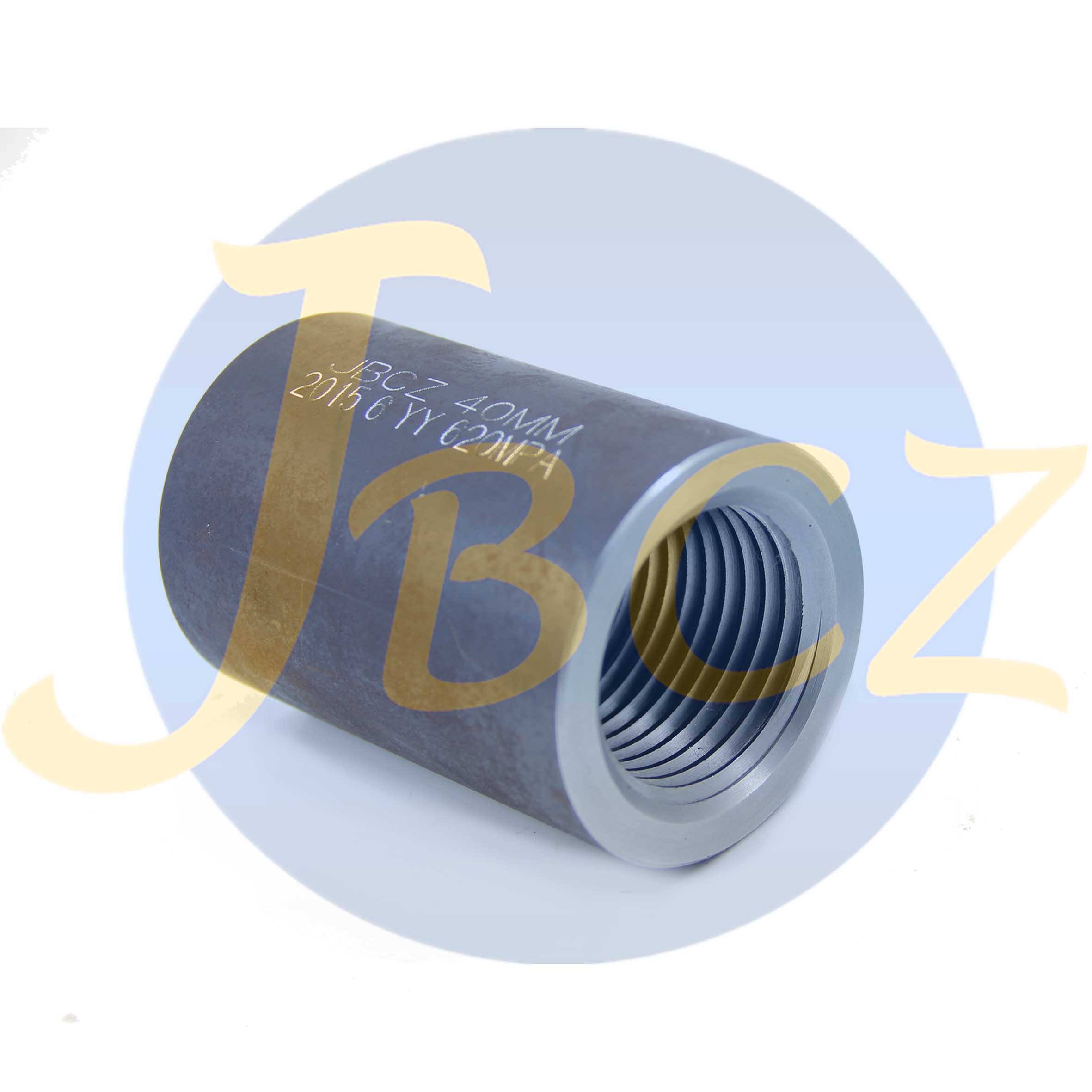
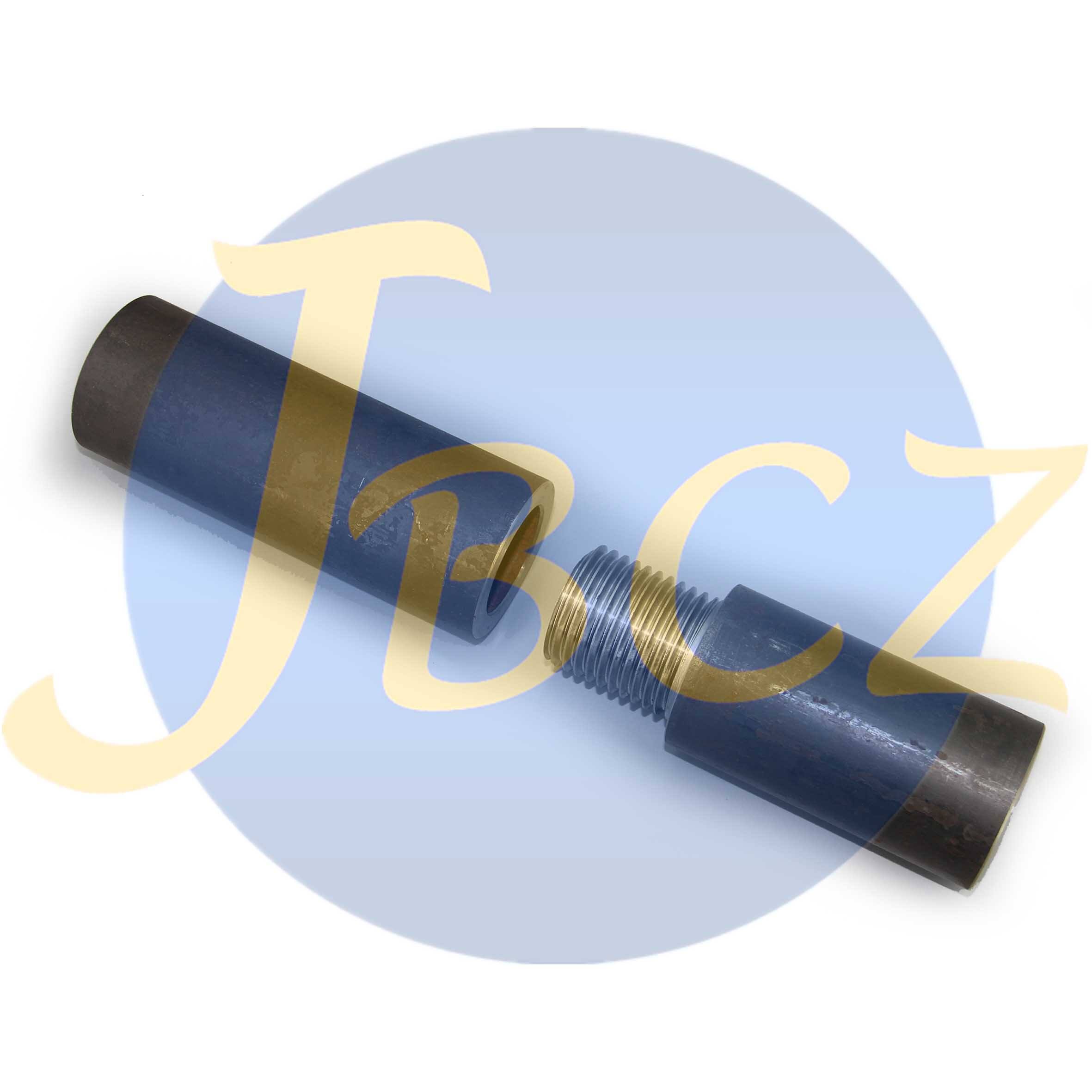
rebar coupler 01mm slip test
The rebar coupler 01mm slip test represents a critical quality control procedure in modern construction and reinforcement technology. This precision testing method evaluates the mechanical performance of rebar couplers by measuring the minimal displacement between connected reinforcing bars under applied loads. The test specifically monitors slip movements at the 0.1 millimeter threshold, which serves as an industry benchmark for connection integrity. By subjecting coupler assemblies to controlled tensile forces, this examination determines whether the joining system maintains adequate grip strength and load transfer capabilities. The main functions of the rebar coupler 01mm slip test include verifying joint efficiency, assessing the structural reliability of mechanical splicing systems, and ensuring compliance with international construction standards. Technological features encompass advanced measurement instrumentation, precise load application mechanisms, and digital monitoring systems that capture real-time displacement data. The testing apparatus typically incorporates high-resolution sensors capable of detecting movements as small as 0.01mm, hydraulic loading frames that apply gradual tensile forces, and computerized data acquisition systems that record performance metrics throughout the examination cycle. Applications span across major infrastructure projects including high-rise buildings, bridges, tunnels, seismic-resistant structures, and heavy industrial facilities where reinforcement continuity is paramount. The rebar coupler 01mm slip test provides construction professionals with quantifiable evidence of connection performance, enabling informed decisions about material selection and installation procedures. This evaluation method has become indispensable for quality assurance programs, helping contractors demonstrate compliance with engineering specifications and building codes. The test results directly influence project safety margins, structural longevity, and overall construction quality, making it an essential component of modern reinforcement engineering practices.