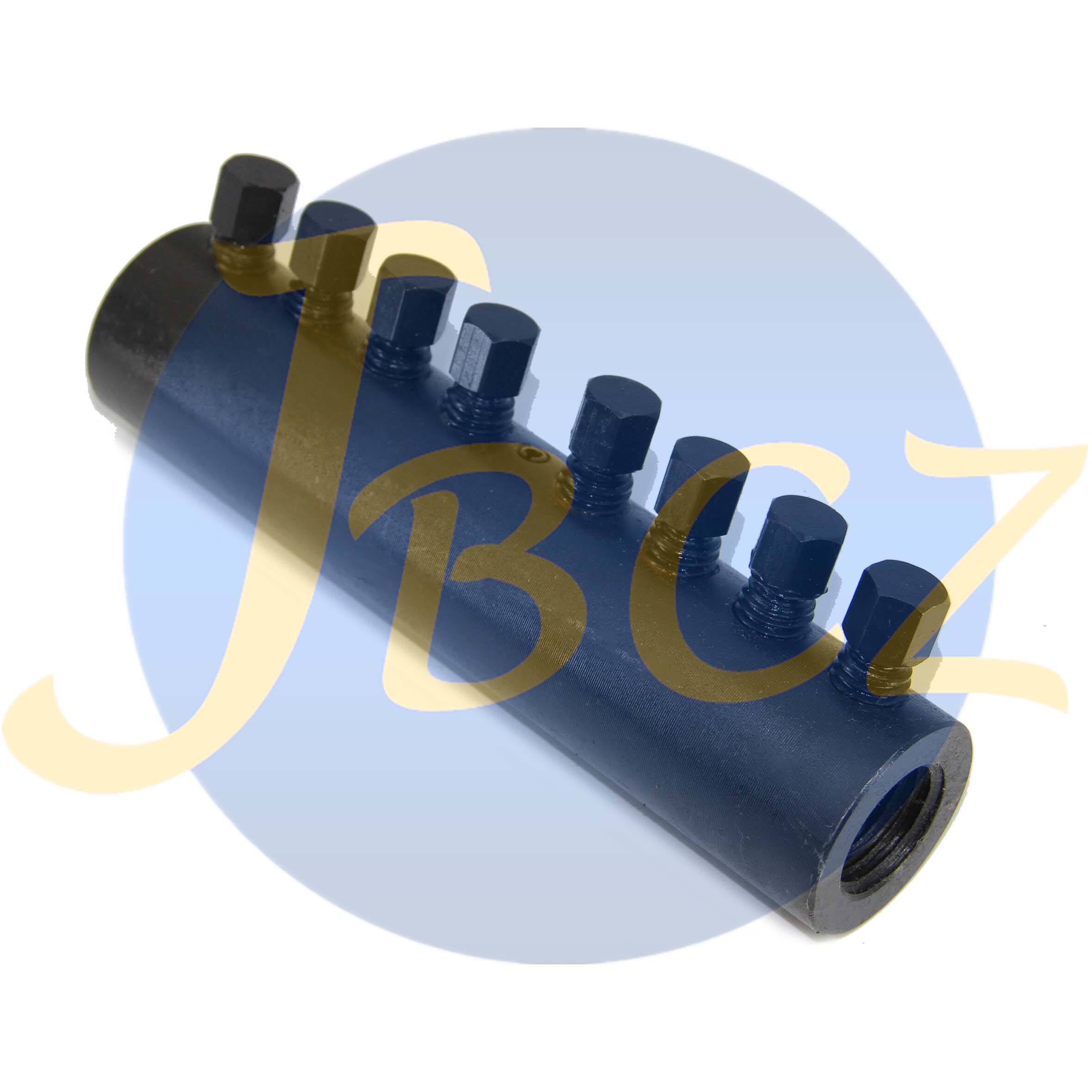
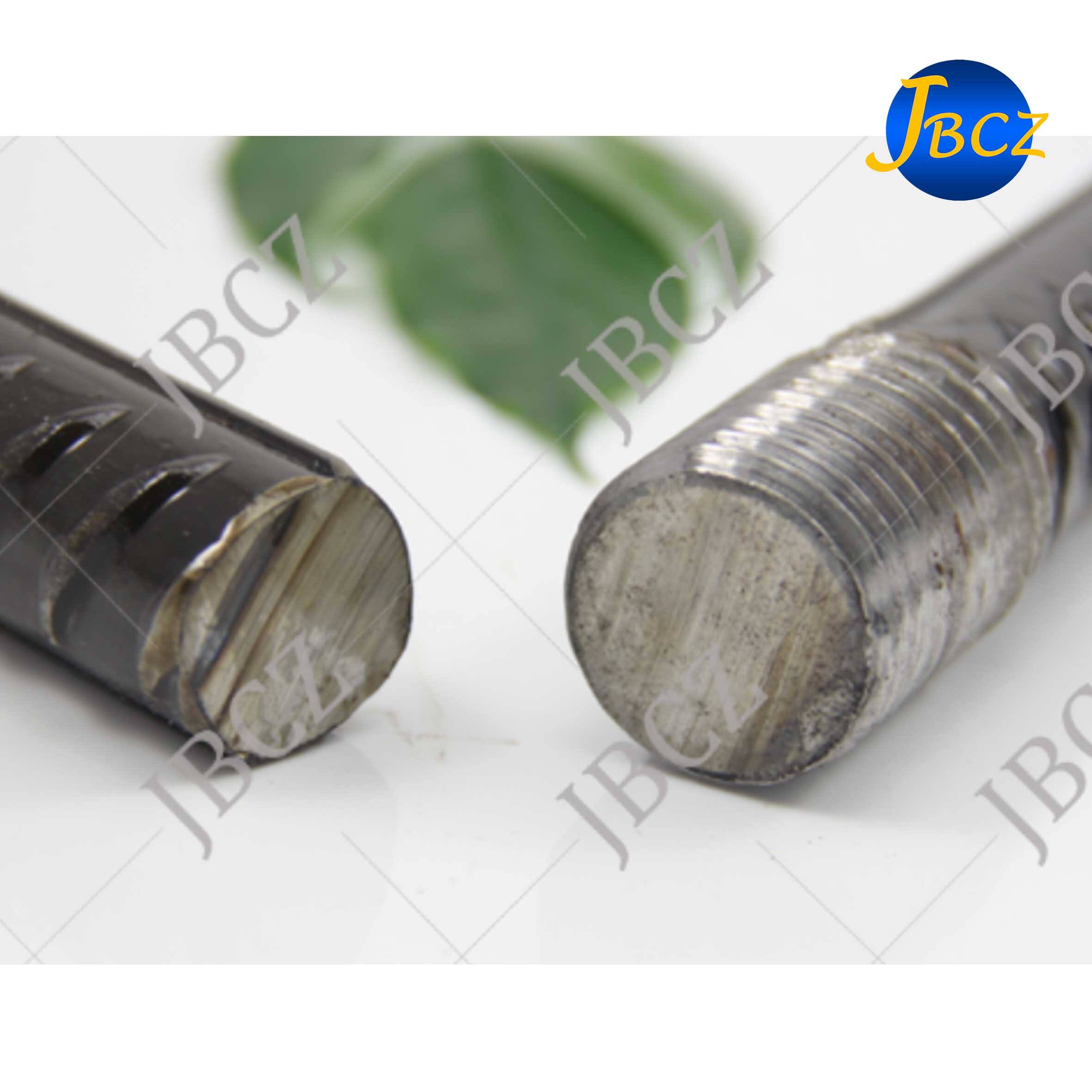
High-Strength Rebar Couplers 800-1000 MPa | Premium Mechanical Splicing Solutions for Construction

All Categories

Get a Free Quote

Our representative will contact you soon.
Email
Name
Company Name
Message
0/1000

rebar couplers with tensile strength of 800 to 1000 mpa

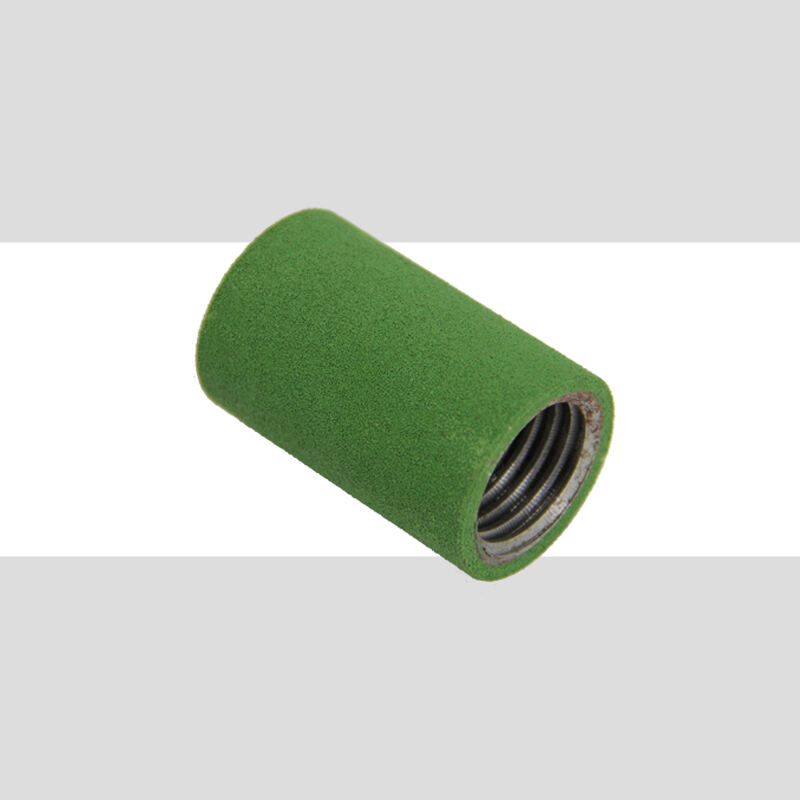
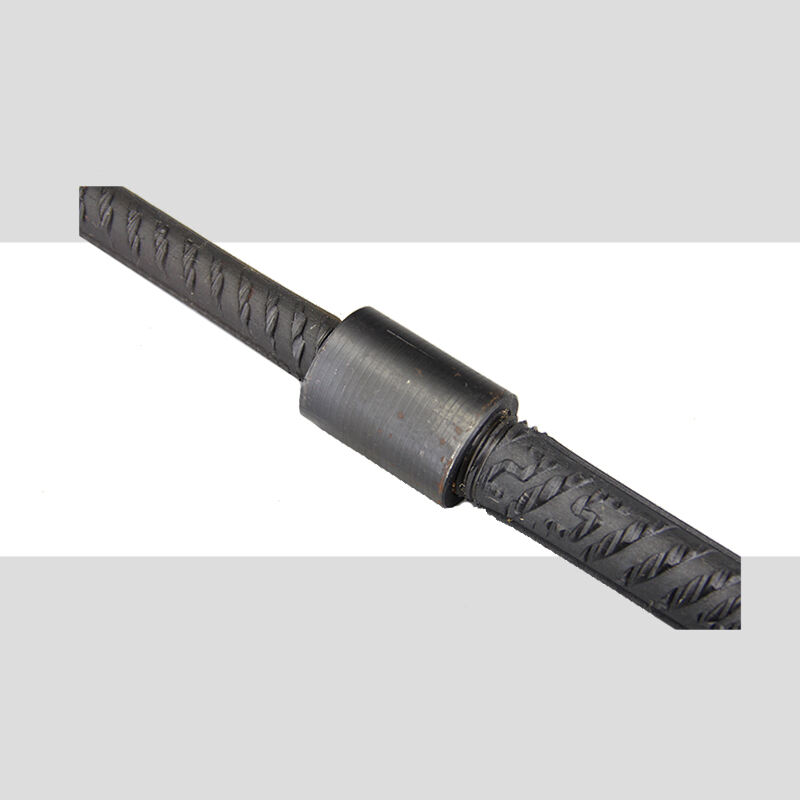
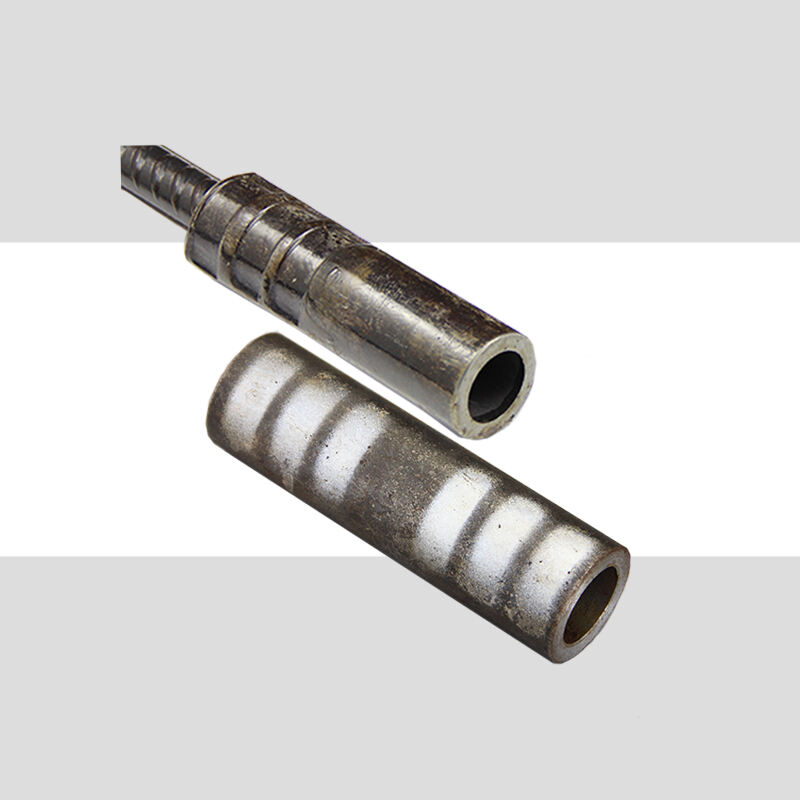
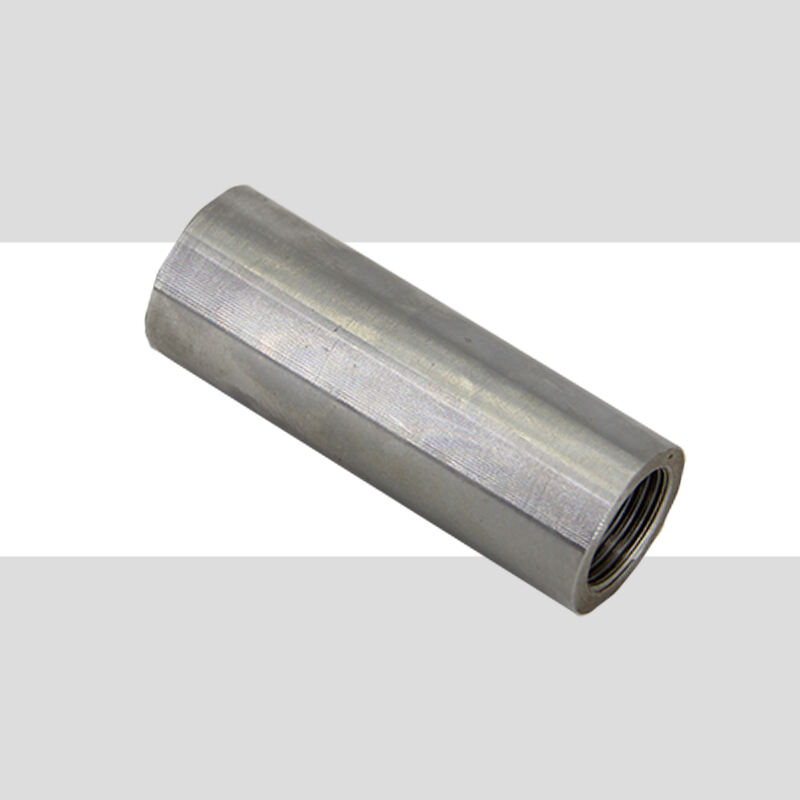
Rebar couplers with tensile strength of 800 to 1000 MPa represent a critical advancement in modern construction technology, providing robust mechanical splicing solutions for high-strength reinforcement bars. These precision-engineered connectors serve as the backbone of structural integrity in demanding construction projects worldwide. The primary function of rebar couplers with tensile strength of 800 to 1000 MPa is to create seamless connections between individual reinforcement bars, enabling continuous load transfer throughout concrete structures without compromising strength or durability. These specialized coupling systems eliminate the need for traditional lap splicing methods, which often consume excessive materials and labor hours. The technological features of rebar couplers with tensile strength of 800 to 1000 MPa include advanced threading mechanisms, precisely machined internal components, and superior material composition that ensures optimal performance under extreme conditions. Manufacturing processes incorporate stringent quality control measures, utilizing high-grade steel alloys that undergo heat treatment and surface hardening to achieve the required tensile capacity. These connectors accommodate various rebar diameters ranging from 16mm to 50mm, providing versatility across different project specifications. The applications of these high-performance couplers span numerous construction sectors, including high-rise buildings, bridges, tunnels, dams, power plants, and seismic-resistant structures. Infrastructure projects particularly benefit from rebar couplers with tensile strength of 800 to 1000 MPa due to their ability to maintain structural continuity in critical load-bearing elements. The couplers prove invaluable in congested reinforcement zones where traditional splicing becomes impractical. Additionally, these connectors facilitate prefabrication workflows, allowing off-site assembly of reinforcement cages that can be transported and installed efficiently. The connection reliability of rebar couplers with tensile strength of 800 to 1000 MPa meets international standards including ACI, BS, and JGJ specifications, ensuring compliance with rigorous engineering requirements. Their implementation contributes to sustainable construction practices by reducing material waste and minimizing on-site labor intensity, making them an environmentally conscious choice for modern building projects.

New Product Recommendations

The advantages of rebar couplers with tensile strength of 800 to 1000 MPa extend far beyond basic connection functionality, delivering tangible benefits that transform construction workflows and project outcomes. First and foremost, these couplers provide exceptional load-bearing capacity that matches or exceeds the parent rebar strength, ensuring no weak points exist in the reinforcement system. This strength equivalence gives structural engineers confidence in designing complex frameworks without safety compromises. Installation proves remarkably straightforward, requiring only basic tools and minimal training for construction crews. Workers can complete connections in minutes rather than hours, dramatically accelerating project timelines and reducing labor costs. The simplicity of installation also minimizes the risk of human error, as the mechanical threading system provides clear visual confirmation of proper engagement. Material efficiency represents another significant advantage, as rebar couplers with tensile strength of 800 to 1000 MPa eliminate the overlap lengths required in traditional lap splicing, reducing steel consumption by up to 40 percent in many applications. This reduction translates directly into cost savings while also decreasing the overall weight of reinforcement assemblies, simplifying handling and transportation logistics. Quality assurance becomes more manageable with these mechanical connections, as each coupler undergoes factory testing before delivery, and field verification requires only torque measurement or visual inspection. This contrasts sharply with welded connections that demand extensive non-destructive testing and skilled welding operators. Space optimization within concrete members improves significantly when using rebar couplers with tensile strength of 800 to 1000 MPa, particularly in heavily reinforced sections where congestion traditionally poses placement challenges. The compact profile of couplers allows tighter bar spacing while maintaining adequate concrete coverage for durability. Project flexibility increases as well, since these connectors accommodate field modifications and adjustments that would be difficult with alternative splicing methods. Temperature extremes and environmental exposure have minimal impact on coupler performance, unlike welded joints that may develop brittleness in cold climates or adhesive connections that deteriorate in moisture. The mechanical nature of rebar couplers with tensile strength of 800 to 1000 MPa ensures consistent behavior across diverse operating conditions. Long-term durability remains excellent, with properly installed couplers maintaining full strength throughout the structure's service life without degradation or maintenance requirements. Financial benefits accumulate throughout the construction process, from reduced material procurement costs to faster completion schedules that minimize financing expenses and accelerate revenue generation for building owners. Safety improvements also merit consideration, as mechanical splicing reduces hot work hazards associated with welding and decreases the heavy lifting required when handling longer overlapped bars. These practical advantages make rebar couplers with tensile strength of 800 to 1000 MPa an intelligent choice for contractors seeking to optimize performance, efficiency, and profitability on demanding construction projects.

Practical Tips

How Rebar Couplers Strengthen Concrete Structures: Innovation and Benefits

10

Jul

How Rebar Couplers Strengthen Concrete Structures: Innovation and Benefits

View More
The indispensable role of rebar couplers in offshore wind farms and marine structures

10

Jul

The indispensable role of rebar couplers in offshore wind farms and marine structures

View More
Features of rebar splices and precautions for their use

10

Jul

Features of rebar splices and precautions for their use

View More
JBCZ has received the certification of UK CARES

10

Jul

JBCZ has received the certification of UK CARES

View More

Get a Free Quote

Our representative will contact you soon.
Email
Name
Company Name
Message
0/1000

rebar couplers with tensile strength of 800 to 1000 mpa

Superior Structural Performance and Engineering Reliability

Superior Structural Performance and Engineering Reliability

The structural performance characteristics of rebar couplers with tensile strength of 800 to 1000 MPa establish new benchmarks for connection reliability in reinforced concrete construction. These advanced connectors achieve full tensile capacity that equals or surpasses the yield and ultimate strength of the parent reinforcement bars, ensuring that the connection never becomes the failure point in the structural system. Engineering testing demonstrates that properly installed rebar couplers with tensile strength of 800 to 1000 MPa consistently develop 100 percent of the rebar's specified strength, meeting the most stringent performance criteria established by international building codes. This performance consistency stems from precision manufacturing processes that maintain extremely tight tolerances on thread profiles, coupling dimensions, and material properties. The high-grade alloy steel composition undergoes specialized heat treatment protocols that optimize both strength and ductility, creating a balanced mechanical response under loading conditions. Fatigue resistance represents a critical performance parameter, particularly in structures subject to cyclic loading such as bridges and industrial facilities. Laboratory testing shows that rebar couplers with tensile strength of 800 to 1000 MPa withstand millions of load cycles without degradation, far exceeding the fatigue life requirements for typical construction applications. Seismic performance proves equally impressive, with these couplers maintaining connection integrity through severe earthquake simulations that replicate extreme ductility demands. The mechanical interlock created by precision threading provides positive engagement that resists pullout and slippage even under reversed cyclic loading protocols. Quality verification procedures ensure that every batch of rebar couplers with tensile strength of 800 to 1000 MPa meets documented performance standards before shipment. Factory testing includes destructive tensile tests, dimensional inspections, and material certification that trace the steel composition to original mill certificates. This comprehensive quality framework gives structural engineers the confidence to specify these couplers in critical applications where failure consequences are unacceptable. Field installation procedures further enhance reliability, with simple torque requirements that construction workers can verify using standard equipment. The connection develops its full strength immediately upon proper installation, eliminating curing times or special conditions required by alternative joining methods. Performance consistency across the entire range of supported rebar diameters ensures that design engineers can standardize their approach to mechanical splicing regardless of bar size. The versatility of rebar couplers with tensile strength of 800 to 1000 MPa accommodates both standard and high-strength reinforcement grades, providing solutions for conventional construction and specialized applications requiring enhanced load capacity.
Installation Efficiency and Cost-Effective Construction Solutions

Installation Efficiency and Cost-Effective Construction Solutions

Installation efficiency stands as one of the most compelling advantages of rebar couplers with tensile strength of 800 to 1000 MPa, fundamentally transforming reinforcement assembly workflows on construction sites. The straightforward installation process requires only basic threading operations that skilled workers master quickly, eliminating the need for specialized welding certifications or complex equipment setups. Typical connection time averages just three to five minutes per splice, dramatically faster than traditional lap splicing that demands careful positioning and wire tying, or welded connections requiring setup, execution, and cooling periods. This time efficiency multiplies across large projects containing thousands of individual connections, potentially reducing overall reinforcement installation schedules by several weeks. Labor cost savings accumulate proportionally, as smaller crews accomplish more work within standard shifts, and reduced installation duration minimizes the total man-hours charged to each project. The simplicity of working with rebar couplers with tensile strength of 800 to 1000 MPa also reduces training requirements and lowers the skill threshold for achieving quality connections, expanding the available workforce and improving scheduling flexibility. Material economy provides another dimension of cost effectiveness, as mechanical couplers eliminate the overlap lengths that consume substantial additional rebar in conventional splicing approaches. Projects utilizing rebar couplers with tensile strength of 800 to 1000 MPa typically reduce overall steel tonnage requirements by 30 to 40 percent compared to equivalent lap-spliced designs, generating significant procurement savings on material costs that often represent major budget line items. Transportation and handling expenses decrease correspondingly when lighter reinforcement assemblies move through the logistics chain from supplier to fabrication yard to final installation location. Storage space requirements shrink as well, since standardized coupler inventory occupies minimal area compared to the varied lengths of reinforcement bars needed to accommodate different overlap configurations. Equipment investment remains modest, with installation requiring only torque wrenches or hydraulic threading tools that cost far less than welding machines and their associated safety equipment, electrical infrastructure, and consumable supplies. The portability of tools needed for rebar couplers with tensile strength of 800 to 1000 MPa installation enhances jobsite mobility, allowing crews to work efficiently across multiple locations without extensive equipment relocation. Quality control procedures become more economical as well, with simple visual inspection and torque verification replacing expensive non-destructive testing protocols required for welded joints. Project scheduling benefits from the weather-independent nature of mechanical splicing, as installation proceeds reliably in conditions that would halt welding operations due to wind, precipitation, or temperature extremes. The elimination of hot work permits and fire watch requirements further reduces administrative overhead and compliance costs. Overall project delivery accelerates when rebar couplers with tensile strength of 800 to 1000 MPa enable prefabrication strategies, with reinforcement cages assembled off-site under controlled conditions and delivered ready for placement, compressing critical path activities and enabling earlier project completion.

Versatile Applications Across Diverse Construction Sectors

Versatile Applications Across Diverse Construction Sectors

The versatile application range of rebar couplers with tensile strength of 800 to 1000 MPa addresses diverse requirements across virtually every construction sector, from residential developments to massive infrastructure undertakings. High-rise building construction represents a primary application domain where these couplers excel in connecting vertical reinforcement between floor levels, accommodating the column and shear wall continuity essential for tall structure stability. The ability to create reliable connections in congested reinforcement zones proves particularly valuable in high-rise cores where elevator shafts, stairwells, and structural walls converge with dense bar arrangements that make traditional splicing impractical. Bridge construction leverages rebar couplers with tensile strength of 800 to 1000 MPa extensively in pier columns, deck systems, and approach structures where connection integrity directly impacts public safety and long-term durability. The fatigue resistance and seismic performance characteristics of these couplers make them ideal for bridge applications subject to repeated traffic loading and potential earthquake forces. Tunnel projects utilize mechanical couplers to join precast segmental linings and cast-in-place reinforcement systems, ensuring structural continuity while accommodating the rapid construction cycles demanded by underground excavation schedules. Dam construction applies rebar couplers with tensile strength of 800 to 1000 MPa in mass concrete placements where thermal considerations and construction joint management require careful reinforcement detailing to control cracking and maintain watertight integrity. The couplers facilitate segmented construction approaches that manage heat generation while preserving structural strength across lift interfaces. Power generation facilities including nuclear containment structures, thermal plant foundations, and renewable energy installations specify these high-strength couplers for their proven reliability in critical applications where failure consequences extend beyond structural concerns to operational safety considerations. Industrial facilities such as manufacturing plants, petrochemical complexes, and material processing operations incorporate rebar couplers with tensile strength of 800 to 1000 MPa in heavily loaded floor slabs, equipment foundations, and containment structures designed to withstand process loads, vibration, and potential impact scenarios. Seismic retrofit projects increasingly adopt mechanical couplers as the preferred method for adding supplemental reinforcement to existing structures, since installation avoids the heat and vibration associated with welding that might damage surrounding concrete or embedded systems. Marine construction environments benefit from the corrosion resistance and installation reliability of rebar couplers with tensile strength of 800 to 1000 MPa in port facilities, offshore platforms, and coastal protection structures where saltwater exposure and limited access complicate conventional construction methods. Prefabrication yards utilize these couplers to assemble complex reinforcement cages that ship to project sites as complete units, enabling sophisticated geometries and dense reinforcement patterns that would challenge field assembly. The dimensional consistency and strength reliability of rebar couplers with tensile strength of 800 to 1000 MPa make them equally suitable for architectural concrete applications where exposed finishes demand minimal surface disruption and aesthetic considerations influence connection detailing decisions. From foundation systems to rooftop structures, and from standard building frames to specialized industrial installations, these versatile connectors provide engineered solutions that enhance construction quality, efficiency, and long-term performance across the complete spectrum of reinforced concrete applications.