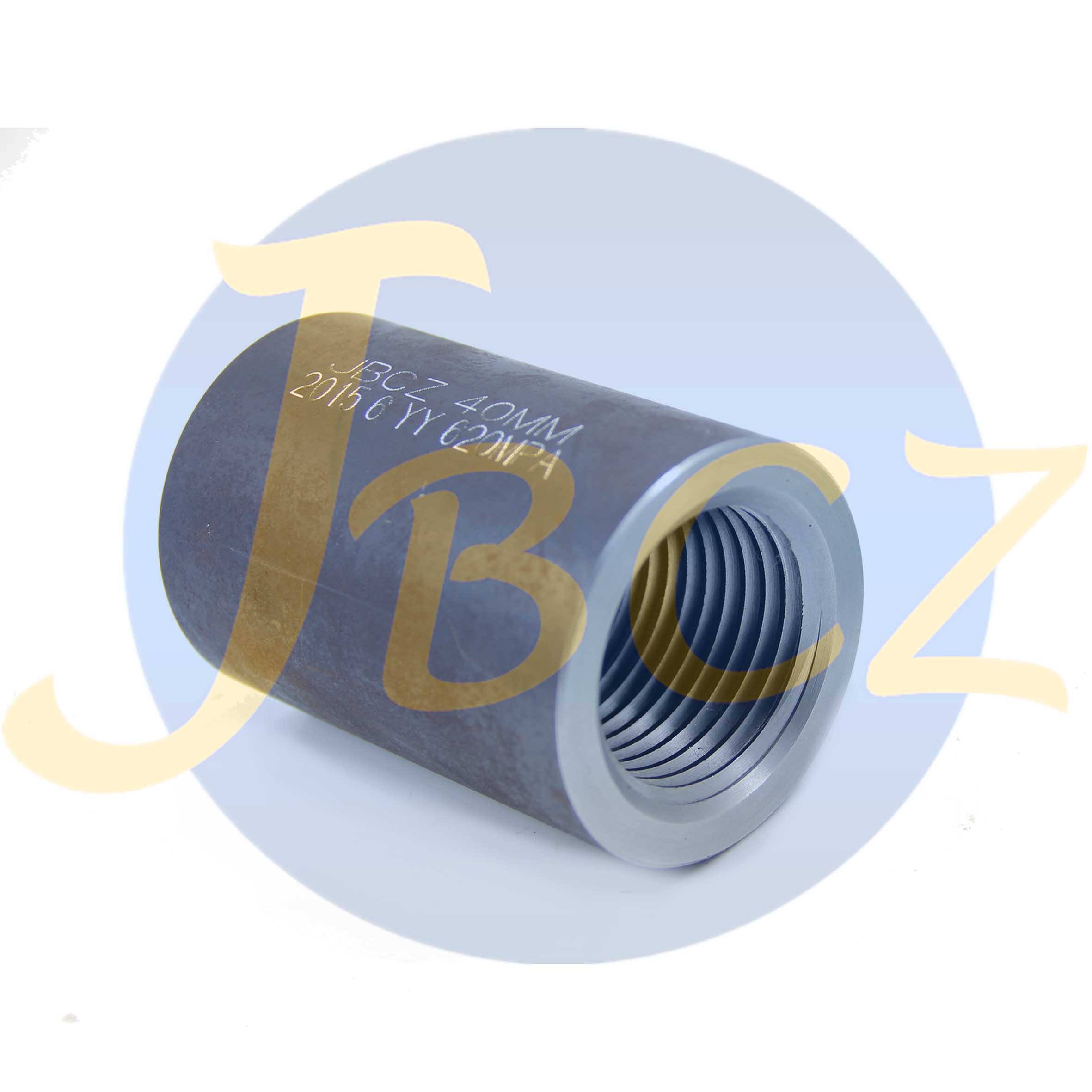
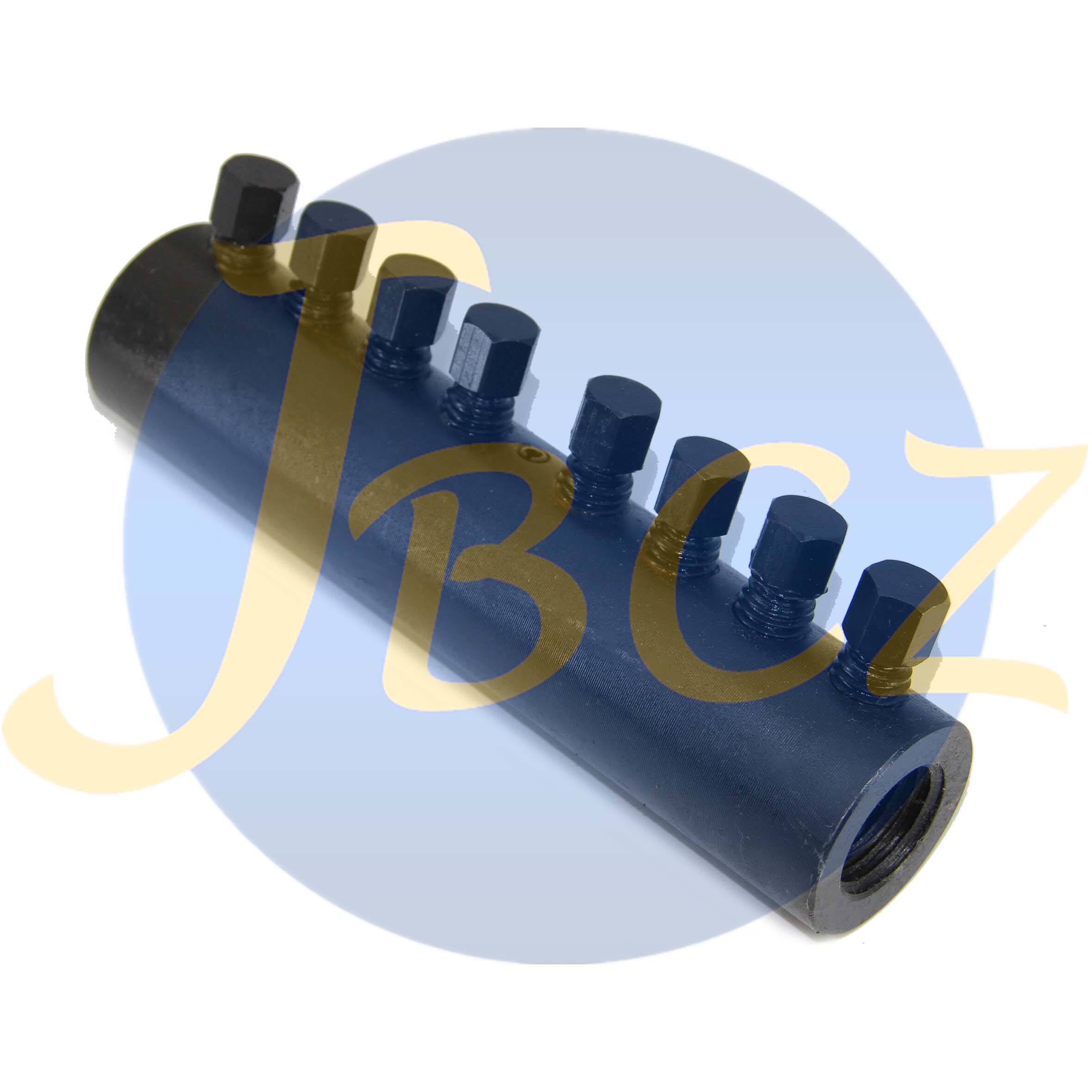
Installation Simplicity That Transforms Project Economics
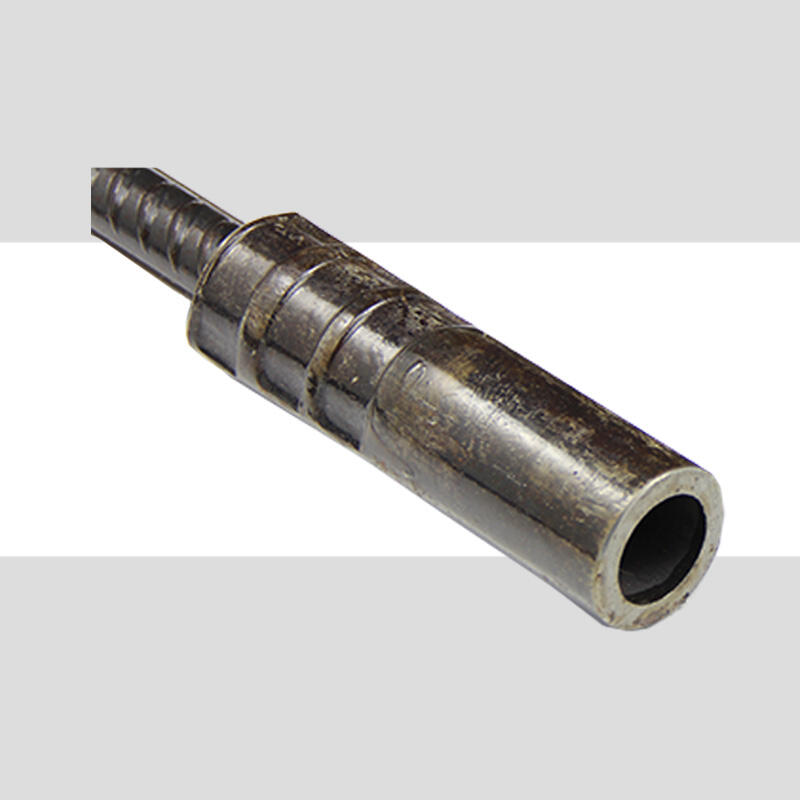
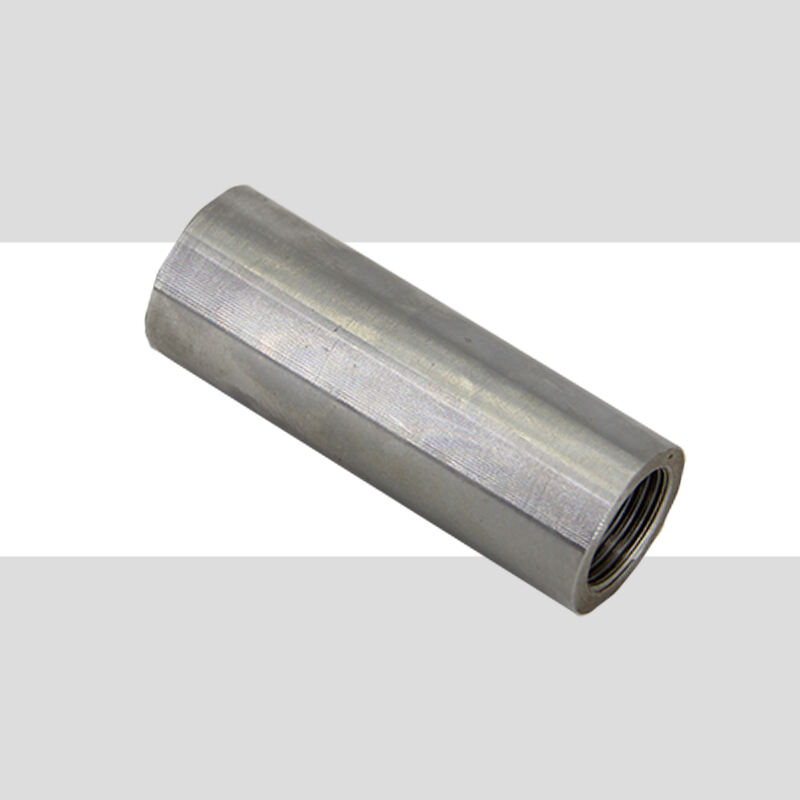
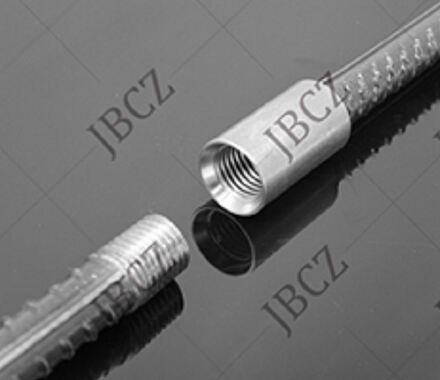
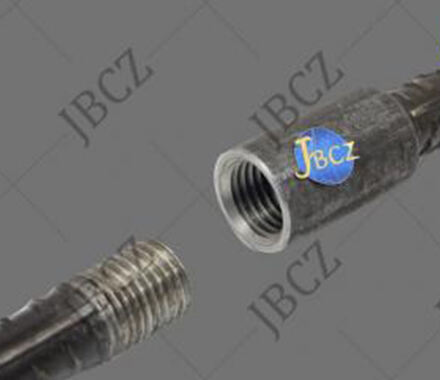
The practical installation advantages of a seismic resistant rebar coupler create profound impacts on project economics, labor management, and construction scheduling that extend throughout the entire building process. Unlike traditional lap splicing that requires careful measurement, precise bar placement, meticulous wire tying, and constant verification of overlap lengths, coupler installation follows a straightforward process that workers master quickly with minimal training. Typical installation involves threading the coupler onto one rebar end until hand-tight, positioning the second bar, and completing the connection with simple hand tools or powered wrenches that ensure proper torque. This simplicity eliminates the skilled labor bottleneck that often slows rebar installation, allowing contractors to deploy less specialized workers for connection tasks while experienced ironworkers focus on complex cage assembly and placement operations. The time savings compound across large projects, where thousands of connections must be made. What might require 15 to 30 minutes for a lap splice with multiple tie wires takes just 2 to 5 minutes with a seismic resistant rebar coupler, representing an 80 to 90 percent reduction in connection time. Across a major building project, these minutes accumulate into weeks of schedule compression, allowing earlier concrete pours, faster floor cycle times, and earlier project completion. Earlier completion translates directly into reduced financing costs, earlier revenue generation for commercial projects, and faster occupancy for residential developments. The installation simplicity also improves work safety by reducing the repetitive motions associated with wire tying that contribute to chronic injuries among ironworkers, and by minimizing time workers spend in elevated positions or congested areas. Quality consistency represents another economic benefit, as the mechanical nature of coupler installation removes variables related to worker technique, fatigue, and interpretation of splice requirements. Every connection meets the same performance standard regardless of which crew member performs the installation or what time of day the work occurs. This consistency reduces callback risks, eliminates disputes over workmanship, and provides project documentation that satisfies quality assurance requirements without extensive inspection time. For contractors, the predictable installation process enables more accurate bidding, better resource allocation, and improved project profitability through reduced labor hours and minimized rework.