Rebar Coupler Types: Comprehensive Guide to Mechanical Reinforcement Splicing Solutions

All Categories

Get a Free Quote

Our representative will contact you soon.
Email
Name
Company Name
Message
0/1000

rebar coupler types

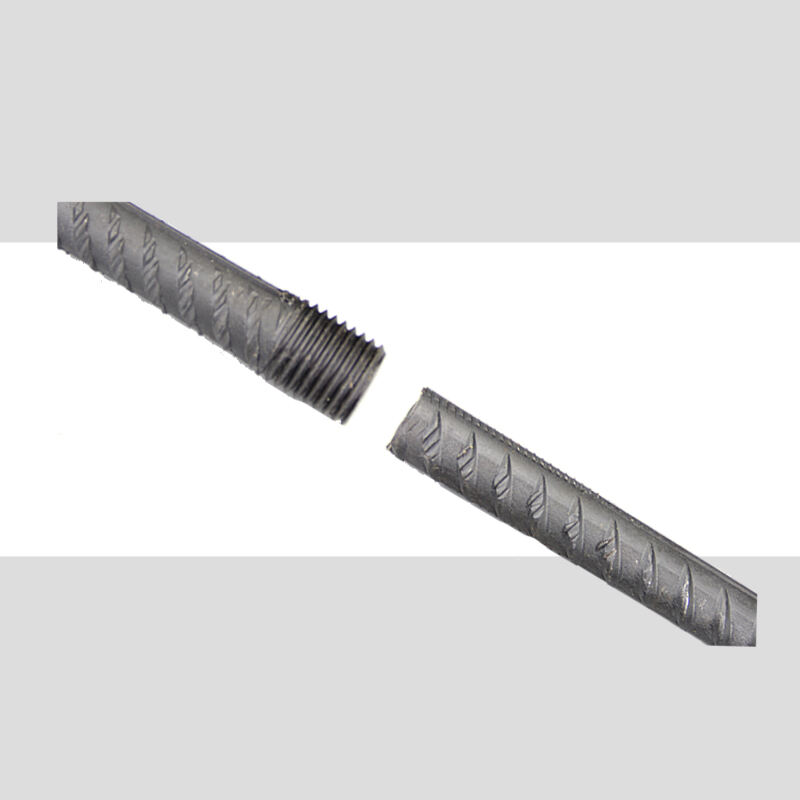
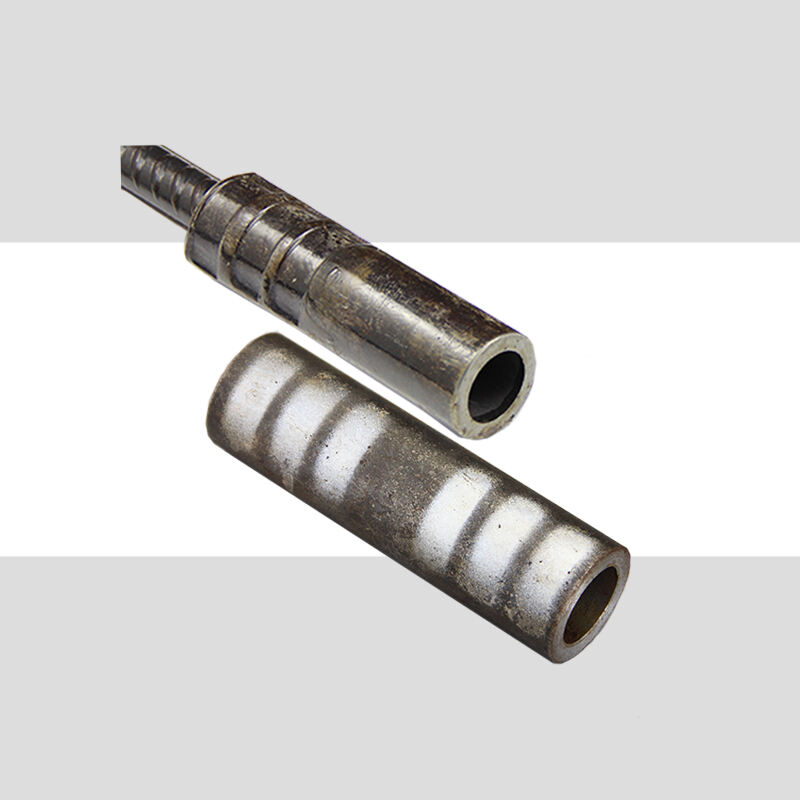
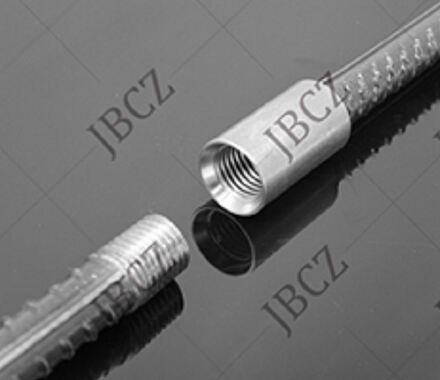
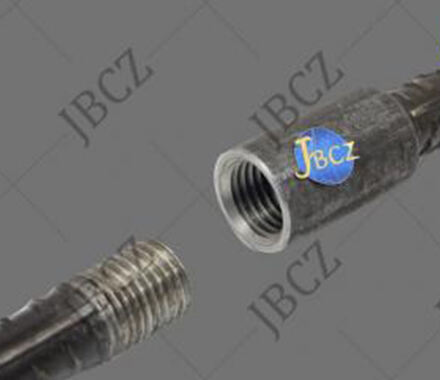
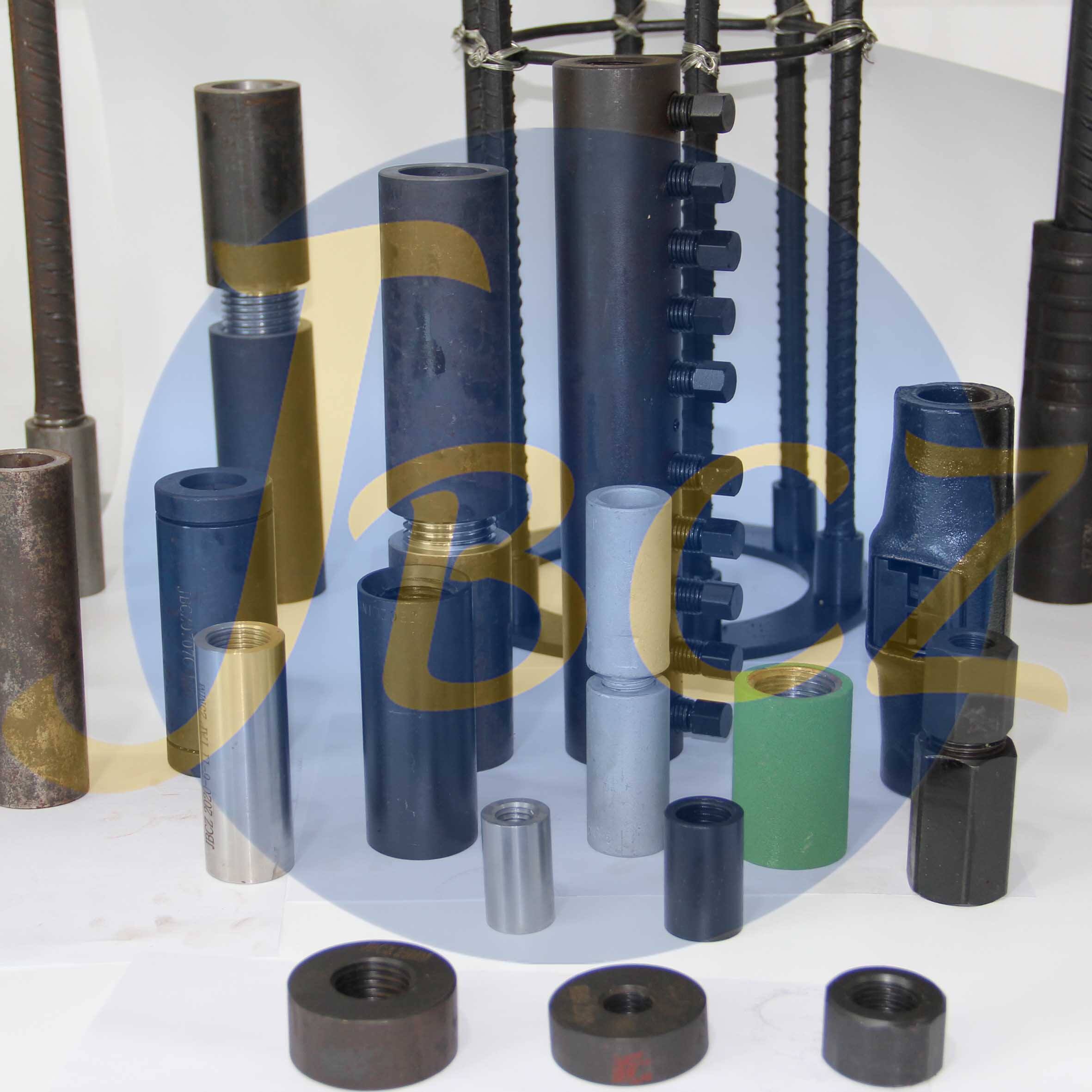
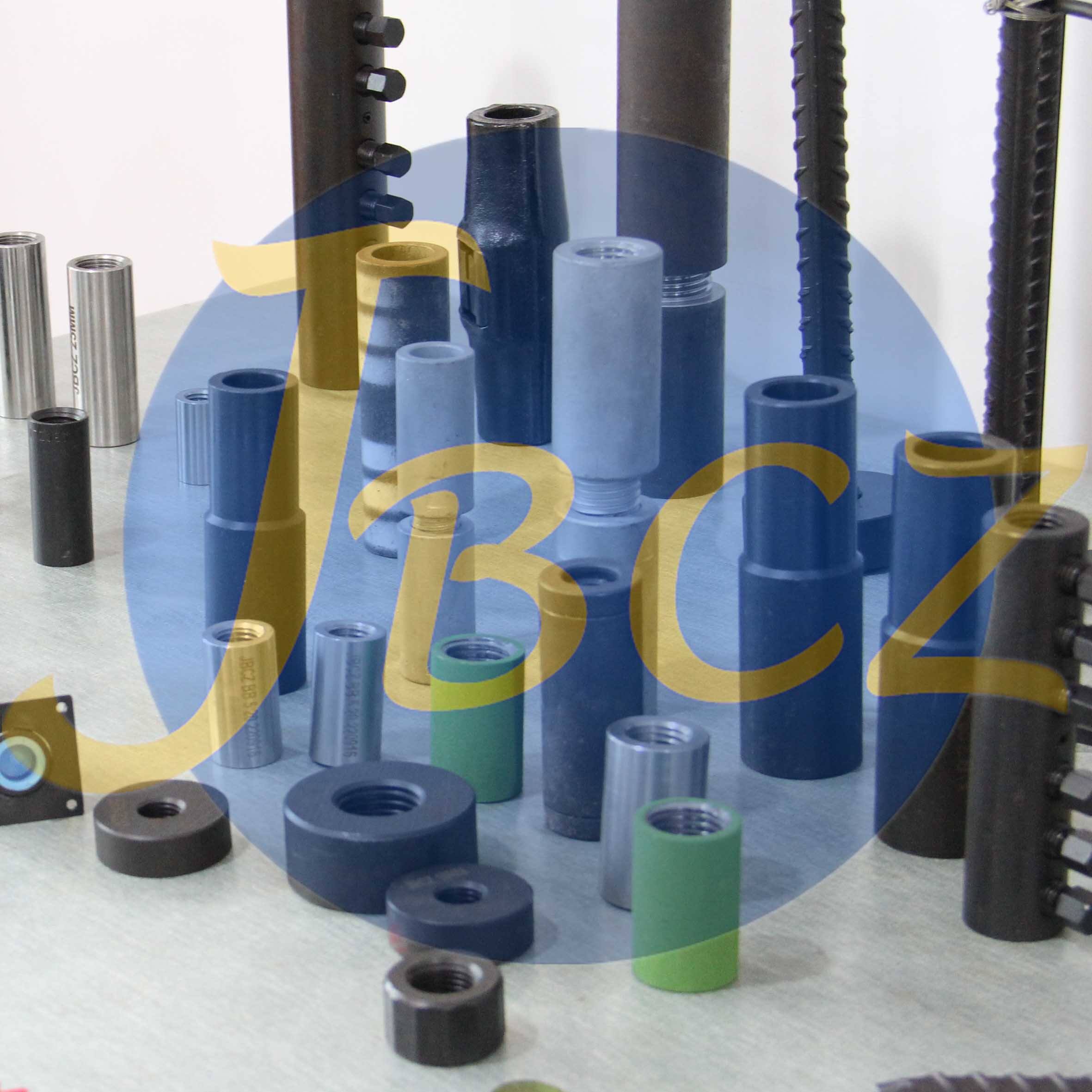
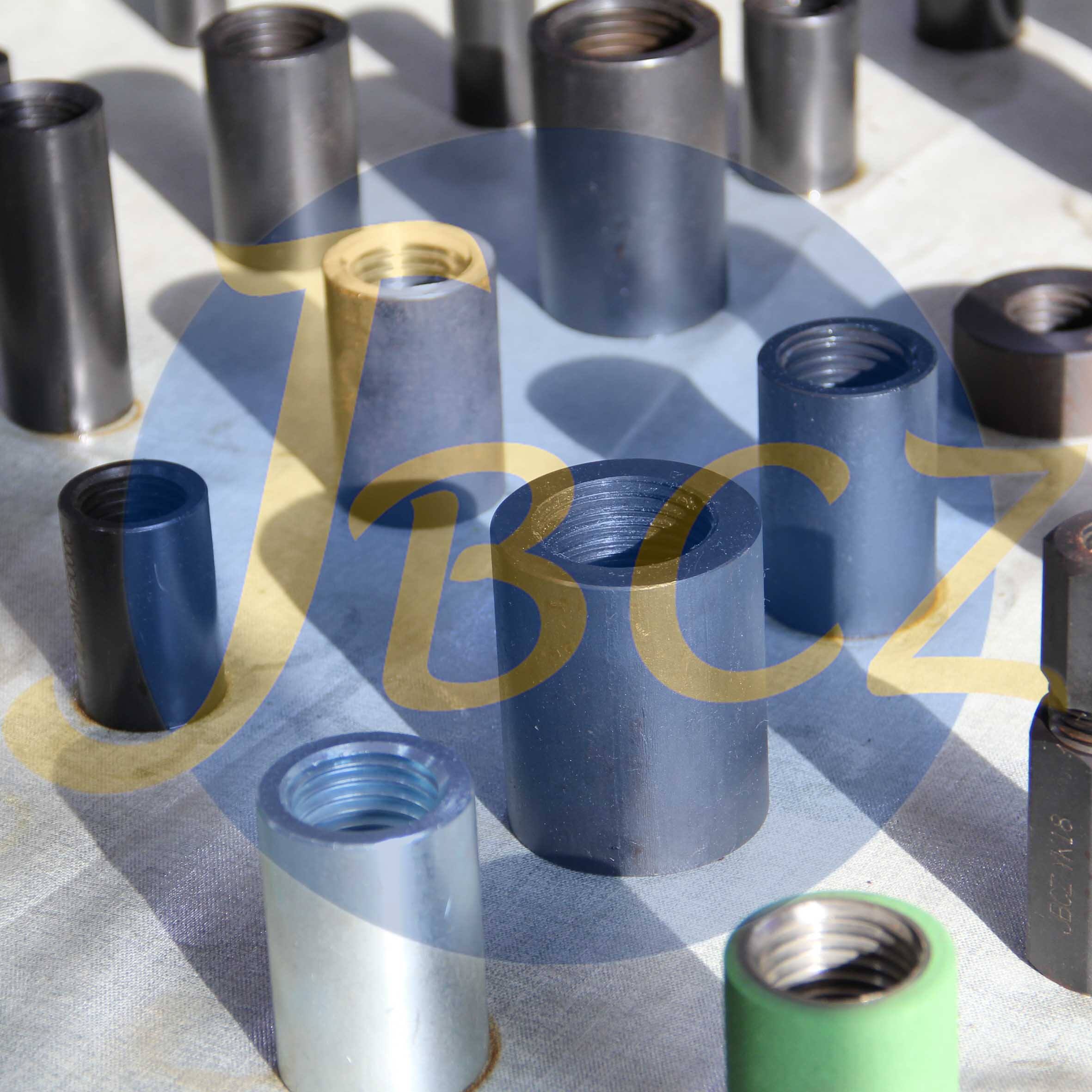
Rebar coupler types represent essential mechanical splicing solutions that connect reinforcing steel bars in concrete construction projects. These innovative connectors eliminate the need for traditional lap splicing methods, providing stronger and more reliable joints between steel reinforcement bars. The main function of rebar coupler types involves transferring tensile and compressive forces from one reinforcing bar to another, ensuring structural integrity throughout concrete frameworks. Modern construction relies heavily on these mechanical connections because they save materials, reduce congestion in heavily reinforced areas, and accelerate construction timelines. Technological features of rebar coupler types include precision-machined threads, cold-forging processes, and engineered steel compositions that match or exceed the strength of the parent reinforcement bars. These couplers come in various configurations to accommodate different job site conditions and engineering requirements. Threaded rebar coupler types use precisely cut threads on both the reinforcement bars and coupling sleeves to create secure mechanical bonds. Grout-filled systems employ non-threaded bars inserted into sleeves filled with high-strength cementitious grout that hardens to form permanent connections. Swaged coupler types utilize hydraulic pressure to compress sleeves onto reinforcement bars, creating cold-worked joints without threading requirements. Applications of rebar coupler types span across high-rise buildings, bridges, tunnels, dams, nuclear facilities, and seismic-resistant structures where connection reliability proves critical. These mechanical splices particularly benefit projects with congested reinforcement layouts, situations requiring rapid construction progress, or locations where lap splicing becomes impractical due to space limitations. Engineers specify rebar coupler types when they need certified load transfer capabilities, quality-controlled connections, and documented performance under various loading conditions including tension, compression, and cyclic stress.

New Product Recommendations

Rebar coupler types deliver significant cost savings by reducing the amount of reinforcing steel needed on construction projects. Traditional lap splicing requires overlapping bars for considerable distances, sometimes extending forty diameters or more, which consumes substantial material. Mechanical couplers eliminate this overlap, cutting steel consumption by up to fifteen percent on typical projects. Labor expenses decrease because workers spend less time handling, positioning, and tying overlapping bars. Installation teams can complete connections faster using rebar coupler types, which translates directly into shortened construction schedules and reduced overhead costs. The learning curve for installation crews remains manageable, with most workers becoming proficient after brief training sessions. Quality control improves dramatically because rebar coupler types provide consistent, verifiable connections that meet stringent engineering standards. Each coupler undergoes factory testing and certification, ensuring performance reliability that surpasses field-dependent lap splicing quality. Inspectors can visually verify proper installation without requiring destructive testing or complex evaluation procedures. Structural performance benefits include superior load transfer capabilities that often exceed the full tensile strength of connected reinforcement bars. This strength assurance allows engineers to design more efficient structures with optimized reinforcement layouts. Space efficiency represents another practical advantage, as rebar coupler types eliminate the congestion created by overlapping lap splices. Contractors working on columns, beams, and walls with dense reinforcement configurations find that mechanical couplers simplify bar placement and concrete pouring operations. The reduced congestion also improves concrete flow around reinforcement, minimizing voids and honeycomb defects that compromise structural integrity. Flexibility in construction sequencing increases because rebar coupler types enable easy connection of precast elements, allow convenient construction joints, and facilitate phased building processes. Projects can proceed without waiting for lap splice development, and changes in design or scheduling become easier to accommodate. Environmental benefits emerge from reduced material consumption and waste generation, supporting sustainable construction practices. The longevity and durability of connections made with rebar coupler types ensure lasting structural performance throughout building lifespans. Corrosion resistance features in many coupler designs protect connections in aggressive environments. Seismic performance testing confirms that properly installed rebar coupler types maintain integrity during earthquake loading, making them suitable for structures in high-risk zones.

Tips And Tricks

Ensuring Structural Integrity: The Role of Rebar Couplers in Concrete Joints

10

Jul

Ensuring Structural Integrity: The Role of Rebar Couplers in Concrete Joints

View More
Advantages of Reducing coupler in Renewable Energy Storage Systems

10

Jul

Advantages of Reducing coupler in Renewable Energy Storage Systems

View More
Take a look at the rebar coupler

10

Jul

Take a look at the rebar coupler

View More
JBCZ has received the certification of UK CARES

10

Jul

JBCZ has received the certification of UK CARES

View More

Get a Free Quote

Our representative will contact you soon.
Email
Name
Company Name
Message
0/1000

rebar coupler types

Superior Strength and Certified Performance Standards

Superior Strength and Certified Performance Standards

Rebar coupler types achieve remarkable strength characteristics through advanced engineering and rigorous quality control processes that guarantee connection reliability exceeding industry requirements. Manufacturers subject these mechanical splicing devices to extensive testing protocols including tensile strength tests, fatigue cycling, and compression load evaluations that verify performance under real-world conditions. The most sophisticated rebar coupler types consistently develop the full yield strength of connected reinforcement bars, with many systems achieving breakage of the parent bar rather than coupler failure during ultimate load testing. This strength assurance stems from precise manufacturing tolerances, premium steel alloys, and optimized thread geometries or compression mechanisms that distribute stresses evenly across connection zones. Engineers gain confidence specifying rebar coupler types because internationally recognized standards govern their performance, including certifications from organizations that evaluate construction products against stringent benchmarks. Testing documentation accompanies each batch of couplers, providing traceability and quality verification that satisfies both design professionals and regulatory authorities. The mechanical advantage of rebar coupler types becomes particularly evident in tension-critical applications where lap splices would require excessive development lengths or prove impractical due to geometric constraints. Compression performance equally impresses, with coupler systems transferring loads through direct bearing contact or interlocking threads that prevent bar slippage under high axial forces. Cyclic loading tests demonstrate that rebar coupler types maintain structural integrity through repeated stress reversals, confirming suitability for seismic applications where connections must withstand alternating tension and compression during ground motion events. Fatigue resistance testing simulates decades of service life under variable loading conditions, proving long-term durability that protects structural investments. The metallurgical properties of materials used in manufacturing rebar coupler types receive careful specification to ensure compatibility with various reinforcement steel grades while providing adequate ductility to prevent brittle failure modes. Heat treatment processes and quality inspections during production verify that mechanical properties meet design values consistently across production runs.
Versatile Installation Methods for Diverse Construction Scenarios

Versatile Installation Methods for Diverse Construction Scenarios

Rebar coupler types encompass multiple installation methodologies that address different project requirements, site conditions, and contractor preferences, making them adaptable solutions for virtually any reinforced concrete application. Threaded coupler systems offer the most widely adopted approach, featuring precision-cut threads on reinforcement bar ends that screw into internally threaded sleeves to create positive mechanical locks. Installation requires portable threading equipment or pre-threaded bars delivered to job sites, with connection completion taking mere minutes per splice. Workers appreciate the straightforward installation process that demands no specialized skills beyond basic threading techniques and torque wrench operation to ensure proper tightness. Grout-filled rebar coupler types provide excellent alternatives where threading equipment availability poses challenges or where bar end preparation proves difficult. These systems accept plain reinforcement bar ends inserted into oversized sleeves, with gaps filled using high-strength cementitious grout that cures to form monolithic connections. Installation flexibility increases because bar alignment tolerances relax compared to threaded systems, and connections develop full strength after grout curing periods. Swaged or press-type coupler variants employ hydraulic tools that compress metal sleeves onto bar ends, creating cold-worked joints through plastic deformation. This installation method eliminates threading and grouting steps, offering rapid connection completion particularly valuable during fast-track construction schedules. Mechanical interlock couplers use proprietary gripping mechanisms, wedges, or locking components that engage bar deformations to transfer loads without threads or grout. These innovative rebar coupler types often feature the fastest installation times and require minimal bar preparation, though they may carry premium costs offset by labor savings. Transition couplers within the rebar coupler types family enable connections between different bar sizes, facilitating design flexibility and simplifying reinforcement schedules. Position couplers accommodate bars meeting at angles, expanding application possibilities beyond simple linear splices. The variety within rebar coupler types ensures that contractors can select optimal solutions matching project specifications, available equipment, workforce capabilities, and schedule demands while maintaining structural performance requirements.
Enhanced Constructability and Project Efficiency Benefits

Enhanced Constructability and Project Efficiency Benefits

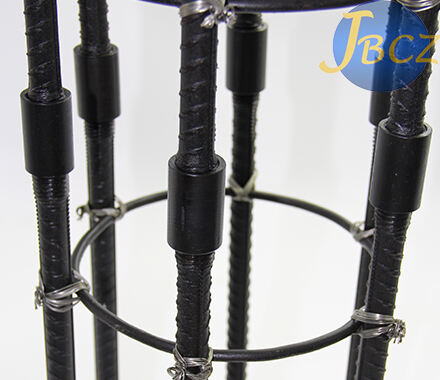
Rebar coupler types fundamentally transform construction logistics and execution by streamlining reinforcement operations, reducing congestion, and enabling construction techniques impossible with conventional lap splicing approaches. Dense reinforcement configurations in columns, shear walls, and beam-column joints create notorious placement challenges where overlapping lap splices compound congestion problems. Mechanical couplers eliminate these overlaps, opening space that facilitates bar positioning, simplifies tie wire installation, and critically improves concrete consolidation around steel frameworks. Better concrete flow reduces defects, enhances structural performance, and decreases rejection rates during quality inspections. Contractors working on complex geometries or heavily reinforced elements report dramatic productivity improvements when employing rebar coupler types compared to traditional methods. Prefabrication opportunities expand significantly because rebar coupler types enable assembly of reinforcement cages in controlled shop environments where quality, safety, and efficiency exceed field conditions. Complete cages arrive at sites ready for crane placement and rapid connection to foundation dowels or adjacent elements using mechanical splices. This industrialized approach reduces weather dependencies, improves worker safety by minimizing work at heights, and compresses construction schedules benefiting project cash flows. Vertical construction of high-rise structures particularly benefits from rebar coupler types that facilitate floor-by-floor progression without maintaining long starter bars projecting from completed levels. Each floor connects to the previous level through couplers, eliminating the safety hazards and alignment difficulties associated with extended dowels. Phased construction becomes more manageable because rebar coupler types accommodate intentional construction joints where work stops and later resumes. Designers specify these mechanical connections at planned joint locations, ensuring structural continuity without compromising load transfer capabilities. Modifications and additions to existing structures gain feasibility through rebar coupler types that enable new reinforcement connections to exposed bars from demolished concrete sections. Repair and strengthening projects utilize these mechanical splices to integrate additional reinforcement into compromised structural elements. The coordination benefits extend to mechanical, electrical, and plumbing trades because reduced reinforcement congestion from rebar coupler types creates space for conduits, pipes, and embedded components that share concrete volumes with steel frameworks.