Rolling Coupler Solutions: High-Performance Shaft Coupling for Industrial Applications

All Categories

Get a Free Quote

Our representative will contact you soon.
Email
Name
Company Name
Message
0/1000

rolling coupler

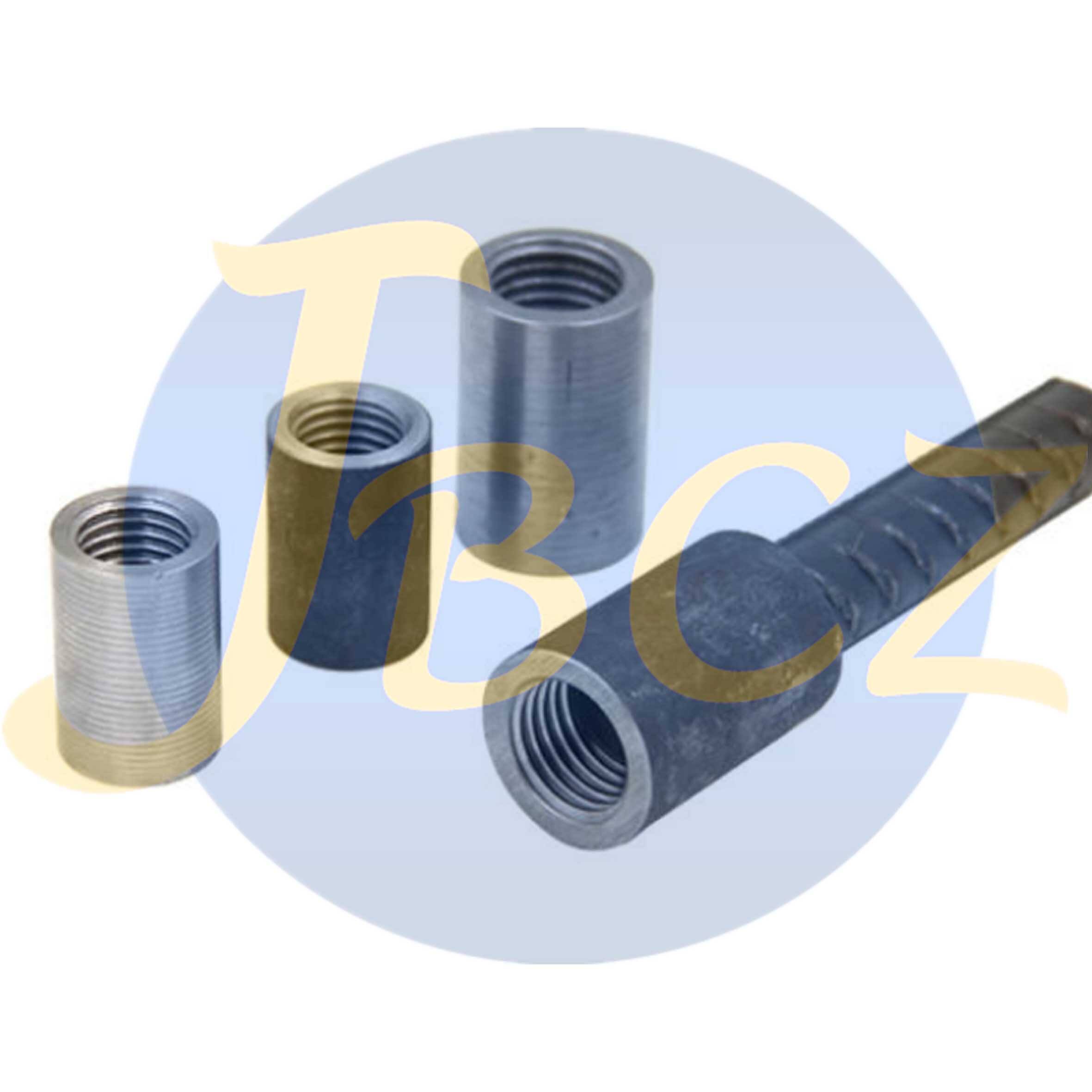
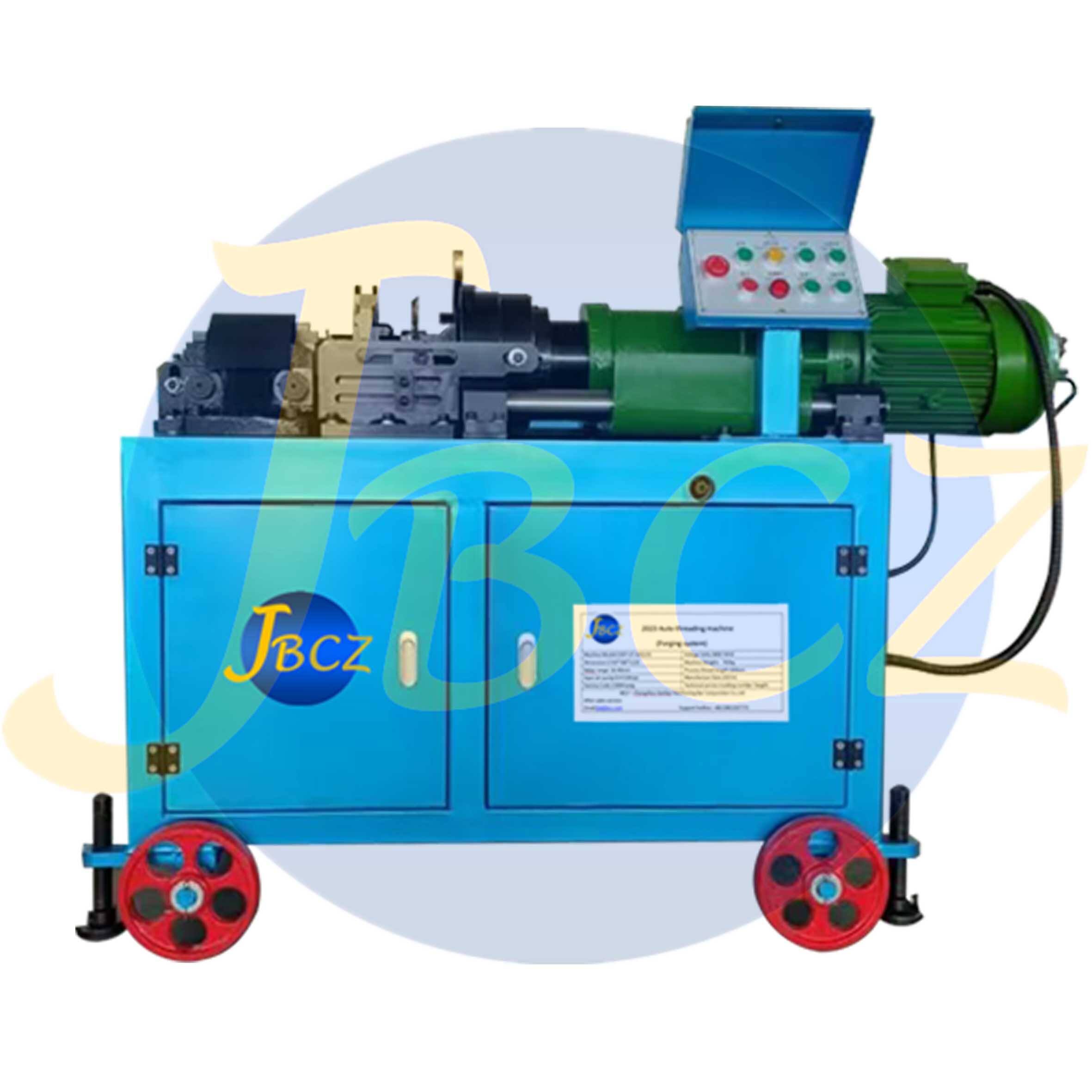
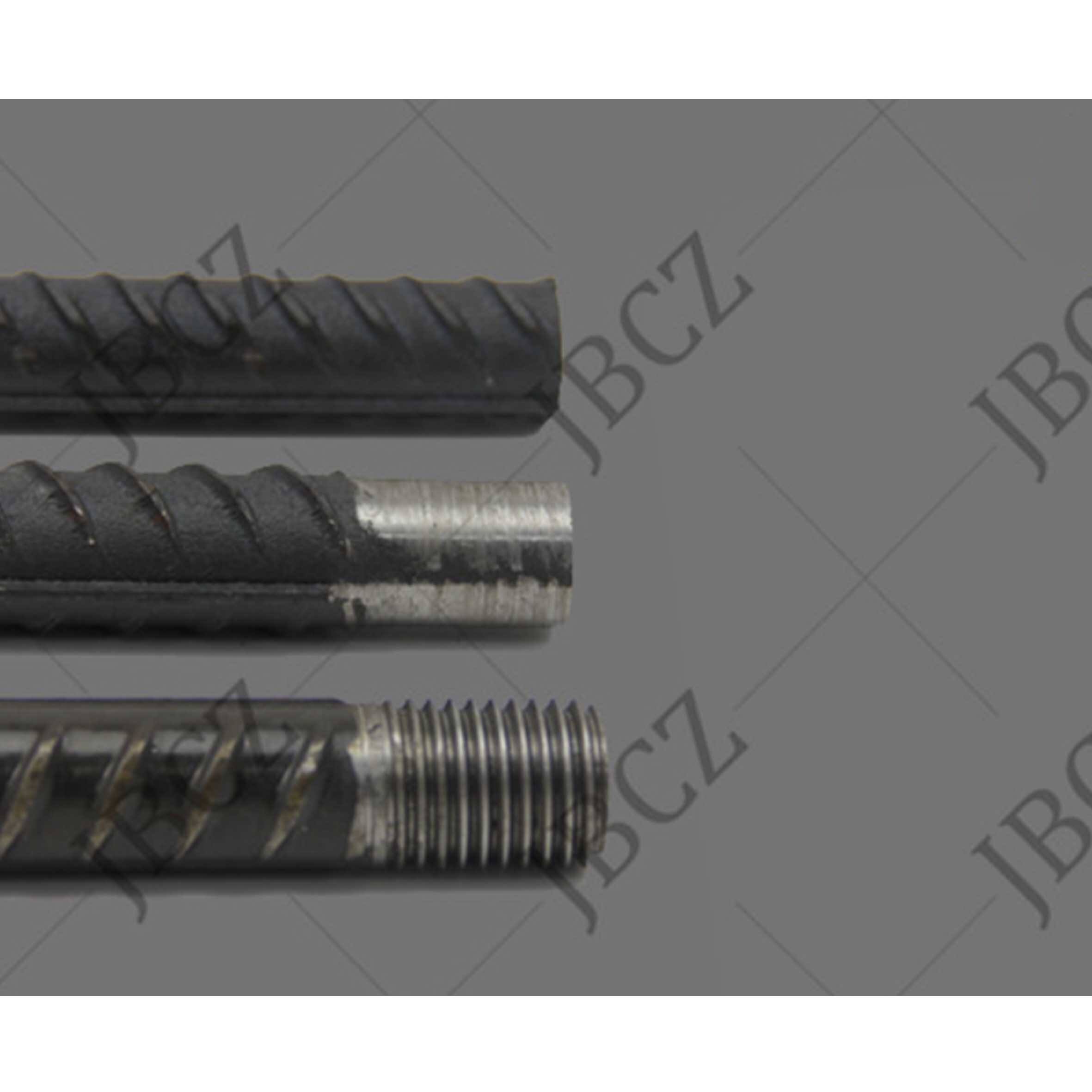
A rolling coupler represents an innovative mechanical connection device designed to join two rotating shafts while accommodating misalignment and transmitting torque efficiently. This essential component plays a crucial role in modern industrial machinery, providing reliable power transmission across various applications. The rolling coupler utilizes specialized rolling elements such as bearings or rollers positioned between the coupling halves, which facilitate smooth rotational motion while minimizing friction and wear. Unlike traditional rigid couplings, the rolling coupler offers exceptional flexibility in handling angular, parallel, and axial misalignments that commonly occur during equipment operation. The primary function of a rolling coupler involves transferring mechanical power from a driving shaft to a driven shaft while maintaining operational integrity even under challenging conditions. This coupling solution incorporates advanced engineering principles to ensure consistent performance throughout extended service periods. The technological features of the rolling coupler include precision-manufactured components that work harmoniously to deliver superior torque transmission capabilities. The design typically incorporates hardened steel elements that can withstand substantial loads while maintaining dimensional accuracy. Modern rolling coupler systems often feature modular construction, allowing for straightforward installation and maintenance procedures. The applications of rolling coupler technology span numerous industries, including manufacturing, material handling, mining operations, and heavy equipment sectors. These couplings prove particularly valuable in conveyor systems, pumps, compressors, and industrial gearboxes where reliable shaft connection is paramount. The rolling coupler demonstrates remarkable versatility in accommodating different shaft sizes and configurations, making it an adaptable solution for diverse mechanical systems. Engineers and maintenance professionals appreciate the rolling coupler for its ability to reduce vibration transmission between connected components, thereby protecting sensitive equipment from harmful oscillations. The coupling's capacity to compensate for installation imperfections and thermal expansion makes it an indispensable component in precision-critical applications where maintaining alignment presents ongoing challenges.

New Product Releases

The rolling coupler delivers numerous practical benefits that directly impact operational efficiency and cost-effectiveness for businesses across industries. First and foremost, this coupling solution significantly reduces maintenance requirements compared to alternative connection methods. The rolling elements within the coupler distribute loads evenly, which minimizes localized stress concentrations and extends component lifespan substantially. Users can expect fewer unexpected breakdowns and reduced downtime, translating directly into improved productivity and lower operational costs. The rolling coupler excels at protecting connected equipment from damaging forces. When misalignment occurs between shafts, traditional rigid connections transfer harmful stresses to bearings, seals, and other vulnerable components. The rolling coupler absorbs these misalignment forces, acting as a protective buffer that preserves the integrity of expensive machinery. This protective characteristic helps businesses avoid costly repairs and premature equipment replacement, delivering substantial savings over the equipment's operational lifetime. Installation simplicity represents another significant advantage of the rolling coupler system. The design allows technicians to complete installations quickly without requiring specialized tools or extensive training. This ease of installation reduces labor costs and minimizes production interruptions during equipment setup or replacement procedures. The modular nature of many rolling coupler designs means that maintenance teams can perform repairs or replacements efficiently, often without dismantling extensive portions of the machinery. Energy efficiency stands out as a compelling benefit of rolling coupler technology. The low-friction rolling elements require less power to maintain rotation compared to sliding-contact couplings, which means reduced energy consumption throughout the equipment's operation. This efficiency improvement may seem modest on individual machines but accumulates into significant savings when calculated across entire facilities operating multiple coupled systems continuously. The rolling coupler also provides excellent vibration damping characteristics that contribute to smoother, quieter operation. Reduced vibration levels protect sensitive components, improve worker comfort, and decrease noise pollution in industrial environments. Equipment operators appreciate the smoother performance, which often indicates healthier mechanical systems and reduces fatigue during extended operation periods. Flexibility in handling varying load conditions gives the rolling coupler a distinct advantage in applications where torque requirements fluctuate. The coupling accommodates temporary overloads without failing catastrophically, providing a margin of safety that protects investments in connected machinery. This resilience proves particularly valuable in demanding applications where unexpected load spikes occur regularly, such as in material processing or heavy-duty conveying systems.

Tips And Tricks

Ensuring Structural Integrity: The Role of Rebar Couplers in Concrete Joints

10

Jul

Ensuring Structural Integrity: The Role of Rebar Couplers in Concrete Joints

View More
The indispensable role of rebar couplers in offshore wind farms and marine structures

10

Jul

The indispensable role of rebar couplers in offshore wind farms and marine structures

View More
Take a look at the rebar coupler

10

Jul

Take a look at the rebar coupler

View More
Right Hand Coupler: Enhancing Efficiency and Precision in Mechanical Systems

10

Jul

Right Hand Coupler: Enhancing Efficiency and Precision in Mechanical Systems

View More

Get a Free Quote

Our representative will contact you soon.
Email
Name
Company Name
Message
0/1000

rolling coupler

Superior Misalignment Compensation Capabilities

Superior Misalignment Compensation Capabilities

The rolling coupler demonstrates exceptional proficiency in managing shaft misalignment, which represents one of its most valuable characteristics for industrial applications. Perfect shaft alignment remains nearly impossible to achieve and maintain in real-world installations due to factors including foundation settling, thermal expansion, manufacturing tolerances, and normal wear patterns. The rolling coupler addresses these challenges through its intelligent design that incorporates rolling elements positioned to accommodate angular, parallel, and axial misalignments simultaneously. Angular misalignment occurs when the centerlines of two shafts intersect at an angle, creating a condition that generates destructive forces in rigid coupling systems. The rolling coupler compensates for this angular deviation through its articulating design, which allows the coupling halves to operate at slight angles relative to each other without inducing harmful bearing loads. This compensation capability typically ranges from one to several degrees, depending on the specific rolling coupler model and size. Parallel misalignment, also called offset misalignment, happens when shaft centerlines remain parallel but do not coincide along the same axis. This condition creates particularly damaging radial forces that can quickly destroy bearings and seals in connected equipment. The rolling coupler neutralizes these forces through its flexible connection mechanism, which permits controlled radial displacement while maintaining smooth power transmission. The rolling elements within the coupling absorb the offset forces, preventing them from reaching sensitive machinery components. Axial misalignment involves changes in the distance between shaft ends, which occurs frequently due to thermal expansion when equipment heats during operation or when components experience thrust loads during service. The rolling coupler accommodates these axial movements through its design, which allows for controlled longitudinal displacement without compromising the coupling's integrity or power transmission capabilities. This flexibility proves essential in applications involving temperature variations or equipment subject to thrust loads. The combined misalignment compensation capabilities of the rolling coupler deliver tremendous value by protecting expensive equipment investments. Bearings, which represent costly components requiring specialized skills for replacement, benefit enormously from the reduced side loads that rolling couplers provide. Seals maintain their effectiveness longer when not subjected to excessive runout conditions, preventing contamination and lubricant loss that lead to premature failures. The rolling coupler essentially functions as mechanical insurance, safeguarding connected equipment from the inevitable alignment imperfections present in every installation.
Extended Service Life and Reduced Maintenance Demands

Extended Service Life and Reduced Maintenance Demands

The rolling coupler achieves remarkable longevity through its fundamental design principles, which minimize wear mechanisms and distribute operating stresses across multiple contact points. This extended service life translates directly into lower total cost of ownership for businesses that depend on reliable mechanical power transmission. Understanding how the rolling coupler achieves this durability helps potential customers appreciate the long-term value proposition this component offers. The rolling contact principle employed by the rolling coupler generates significantly less friction than sliding contact alternatives. When surfaces roll against each other rather than slide, the frictional resistance decreases dramatically, reducing heat generation and wear particle formation. This reduced friction means that less energy dissipates as heat, improving overall system efficiency while simultaneously decreasing the rate at which contact surfaces degrade. The rolling elements typically receive proper lubrication, which further minimizes wear and ensures smooth operation throughout the coupling's service life. Material selection plays a crucial role in the rolling coupler's durability characteristics. Manufacturers typically produce rolling elements from hardened alloy steels that undergo specialized heat treatment processes to achieve optimal surface hardness and core toughness. These materials resist deformation under heavy loads while maintaining resistance to fatigue cracking that can develop after millions of stress cycles. The coupling housings often utilize high-strength materials that provide structural rigidity while resisting environmental degradation from moisture, chemicals, or temperature extremes. Load distribution represents another factor contributing to extended rolling coupler service life. Unlike couplings that concentrate stresses on limited contact areas, the rolling coupler spreads transmitted torque across multiple rolling elements. This distribution ensures that no single component experiences excessive stress levels that would accelerate failure. Even when operating near rated capacity, each rolling element within the coupling works well within safe stress limits, providing substantial safety margins that prevent unexpected failures. Maintenance requirements for rolling coupler systems remain minimal compared to alternative coupling technologies. The sealed designs common in modern rolling couplers protect internal components from contamination while retaining lubricants effectively. Many rolling coupler installations operate for years without requiring attention beyond periodic visual inspections. When maintenance does become necessary, the modular construction of rolling couplers facilitates quick servicing procedures that minimize equipment downtime. Technicians can often replace worn components without removing the coupling entirely from the shaft arrangement, reducing labor requirements and accelerating return to service. The predictable wear patterns exhibited by rolling couplers enable effective condition monitoring and planned maintenance strategies. Unlike couplings that fail suddenly without warning, rolling couplers typically display gradual performance changes as components approach the end of their service life. Monitoring techniques such as vibration analysis or temperature measurement can detect developing issues early, allowing maintenance teams to schedule replacements during planned downtime rather than responding to emergency failures that disrupt production schedules.
Versatile Application Compatibility and Performance Reliability

Versatile Application Compatibility and Performance Reliability

The rolling coupler exhibits remarkable versatility in adapting to diverse industrial applications, making it a preferred solution for engineers specifying power transmission components across varied operational environments. This adaptability stems from the fundamental design flexibility inherent in rolling coupler technology, which allows manufacturers to produce variants optimized for specific performance requirements, load characteristics, and environmental conditions. Understanding the breadth of applications where rolling couplers excel helps potential customers recognize opportunities to improve their own systems through strategic component selection. Manufacturing environments represent a primary application area where rolling couplers deliver consistent value. Production machinery including mills, presses, and forming equipment benefit from the smooth power transmission and misalignment compensation that rolling couplers provide. These industrial settings often involve equipment subjected to shock loads, vibration, and alignment challenges resulting from heavy-duty operation. The rolling coupler handles these demanding conditions reliably, maintaining power transmission integrity even when operating parameters vary significantly throughout production cycles. Material handling systems extensively employ rolling coupler technology to connect drive motors with conveyor components, elevators, and transfer mechanisms. These applications require couplings that accommodate the frequent starts, stops, and speed variations characteristic of material movement operations. The rolling coupler meets these demands effectively while protecting drive components from the impact loads that occur when handling heavy or irregularly shaped materials. The coupling's ability to dampen vibrations improves conveyor operation smoothness, reducing product damage and enhancing worker safety in facilities where personnel interact with material handling equipment. Pumping applications across industries including water treatment, chemical processing, and petroleum refining rely on rolling couplers to connect electric motors or engines with pump shafts. Pumps present unique challenges including potential cavitation events, pressure fluctuations, and thermal cycling that affect alignment stability. The rolling coupler accommodates these dynamic conditions while maintaining seal integrity on pump assemblies, preventing costly leakage issues that compromise environmental compliance and operational efficiency. The coupling's vibration damping characteristics also reduce noise levels in pump installations, improving workplace conditions and extending bearing life within pump assemblies. Mining and aggregate processing operations subject equipment to extreme conditions including heavy shock loads, abrasive dust contamination, and continuous operation schedules. Rolling couplers designed for these demanding environments incorporate robust construction and enhanced sealing systems that withstand harsh conditions while maintaining reliable performance. Equipment including crushers, screens, and conveying systems in mining facilities depend on rolling couplers that deliver consistent power transmission despite the punishing operational environment characteristic of extraction and processing operations. Power generation facilities utilize rolling couplers in auxiliary systems including feed water pumps, fuel handling equipment, and cooling system components. These critical applications demand coupling solutions that provide exceptional reliability since failures can force expensive generation unit shutdowns. The rolling coupler's proven performance record and minimal maintenance requirements make it an ideal choice for power plant engineers who prioritize equipment availability and operational continuity.