Versatile Installation Process Adapts to Diverse Construction Scenarios
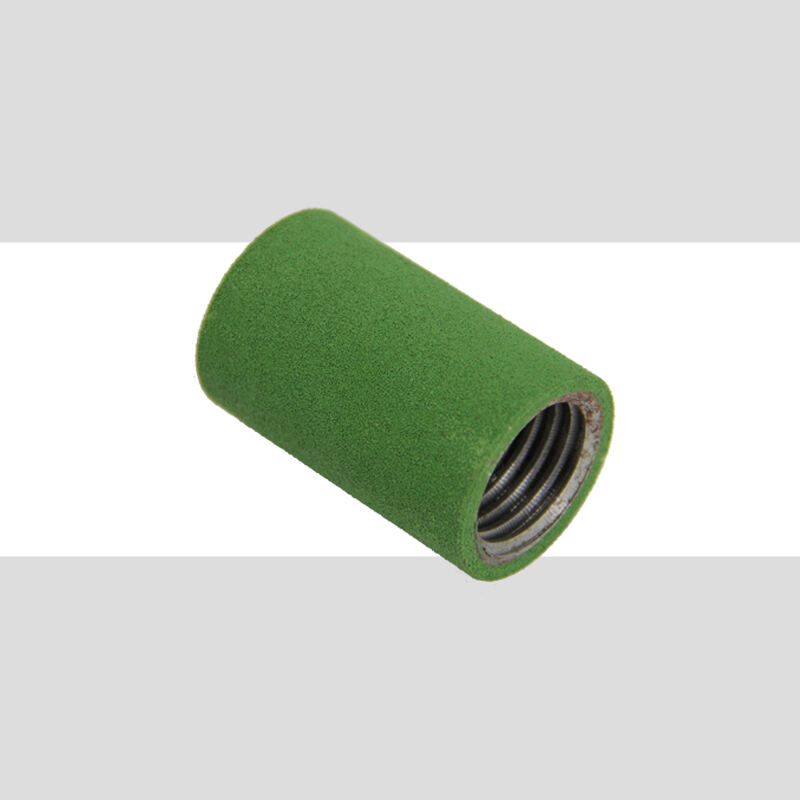
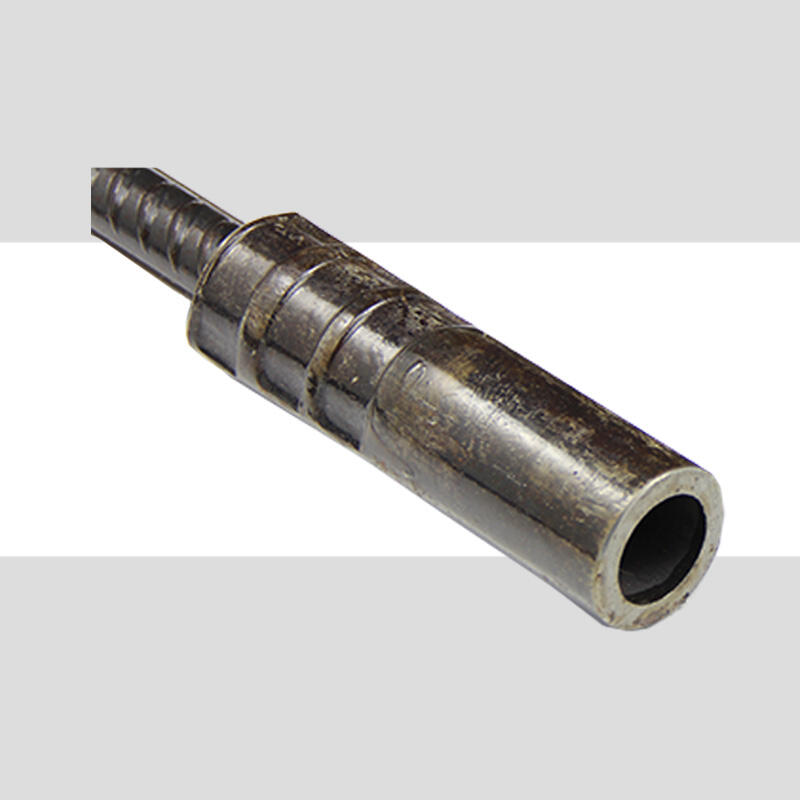
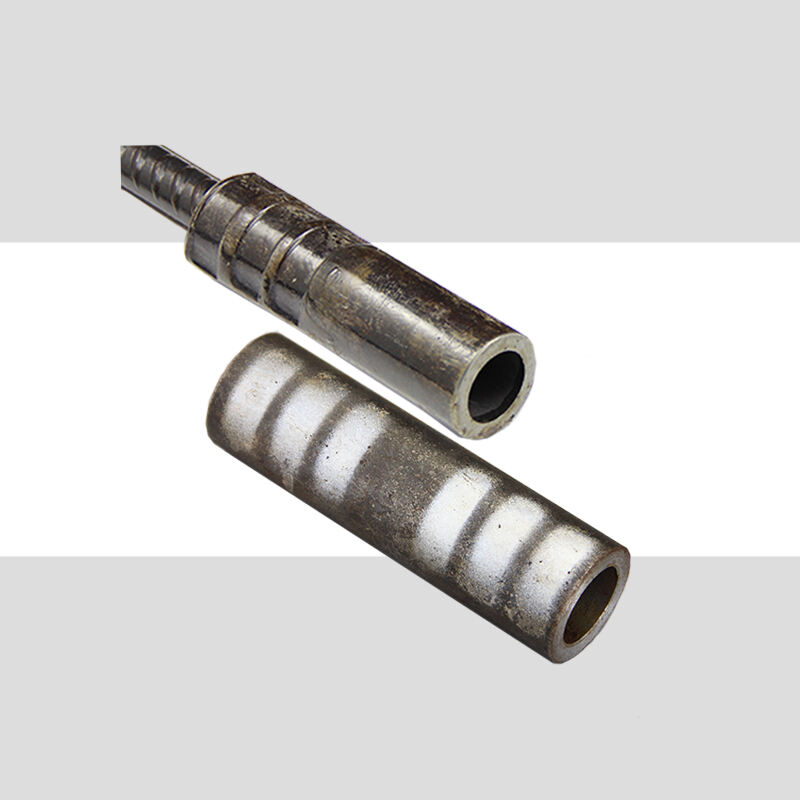
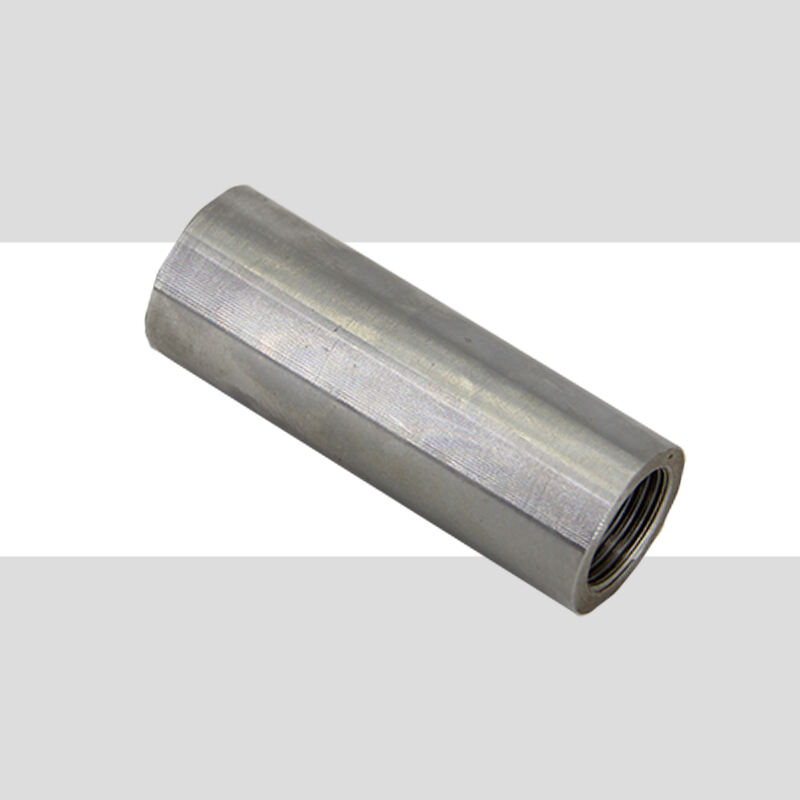
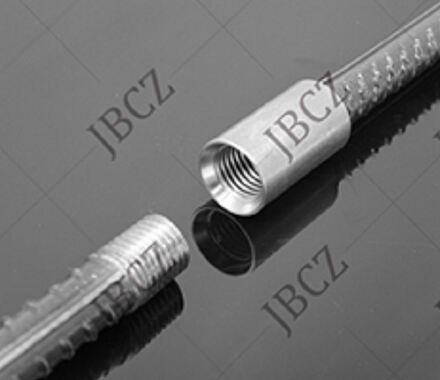
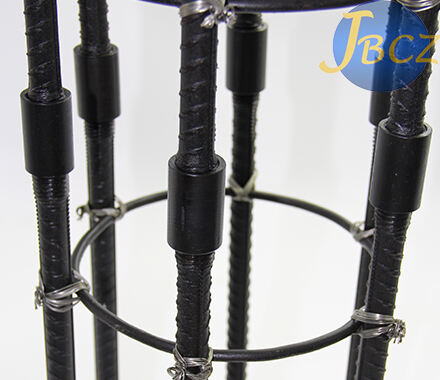
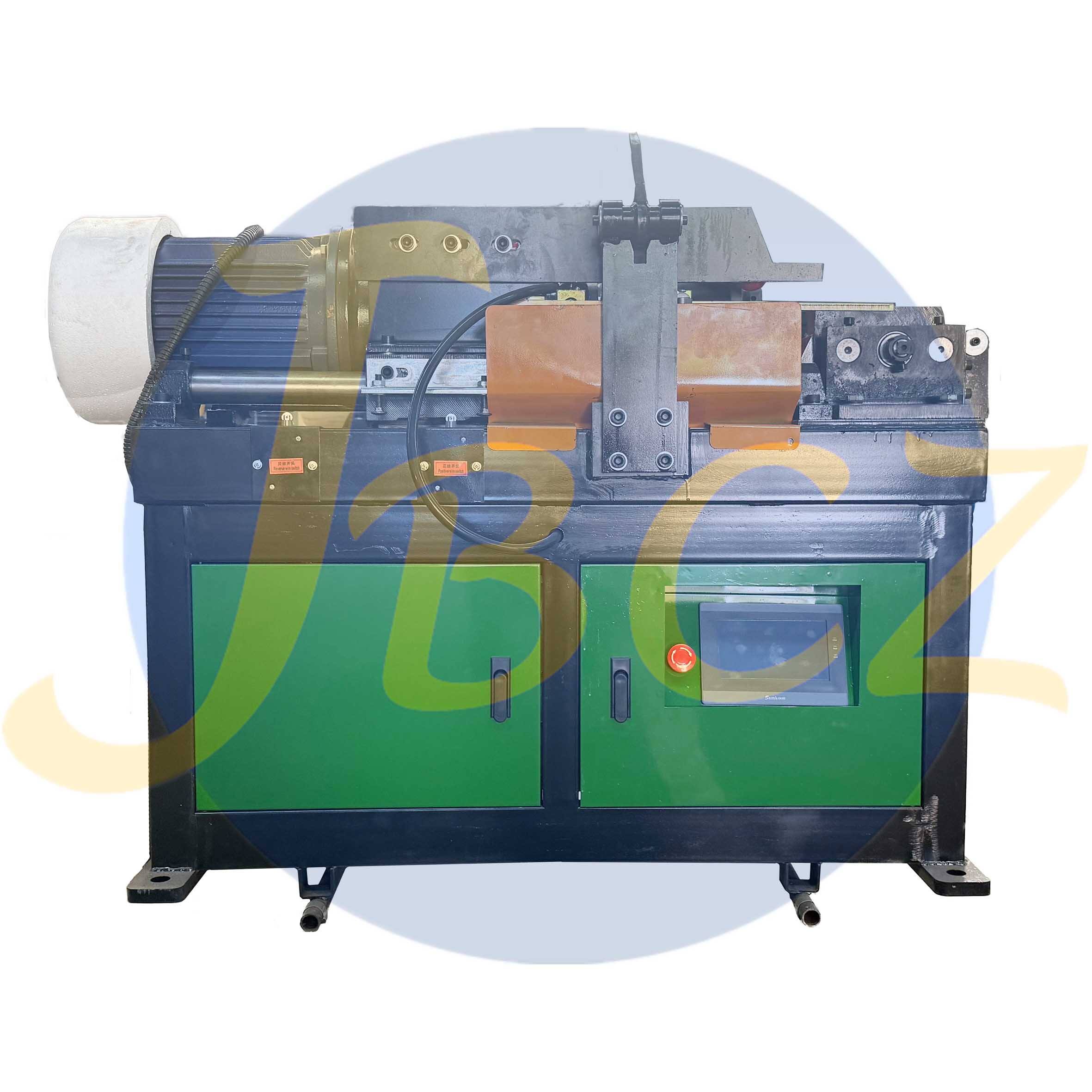
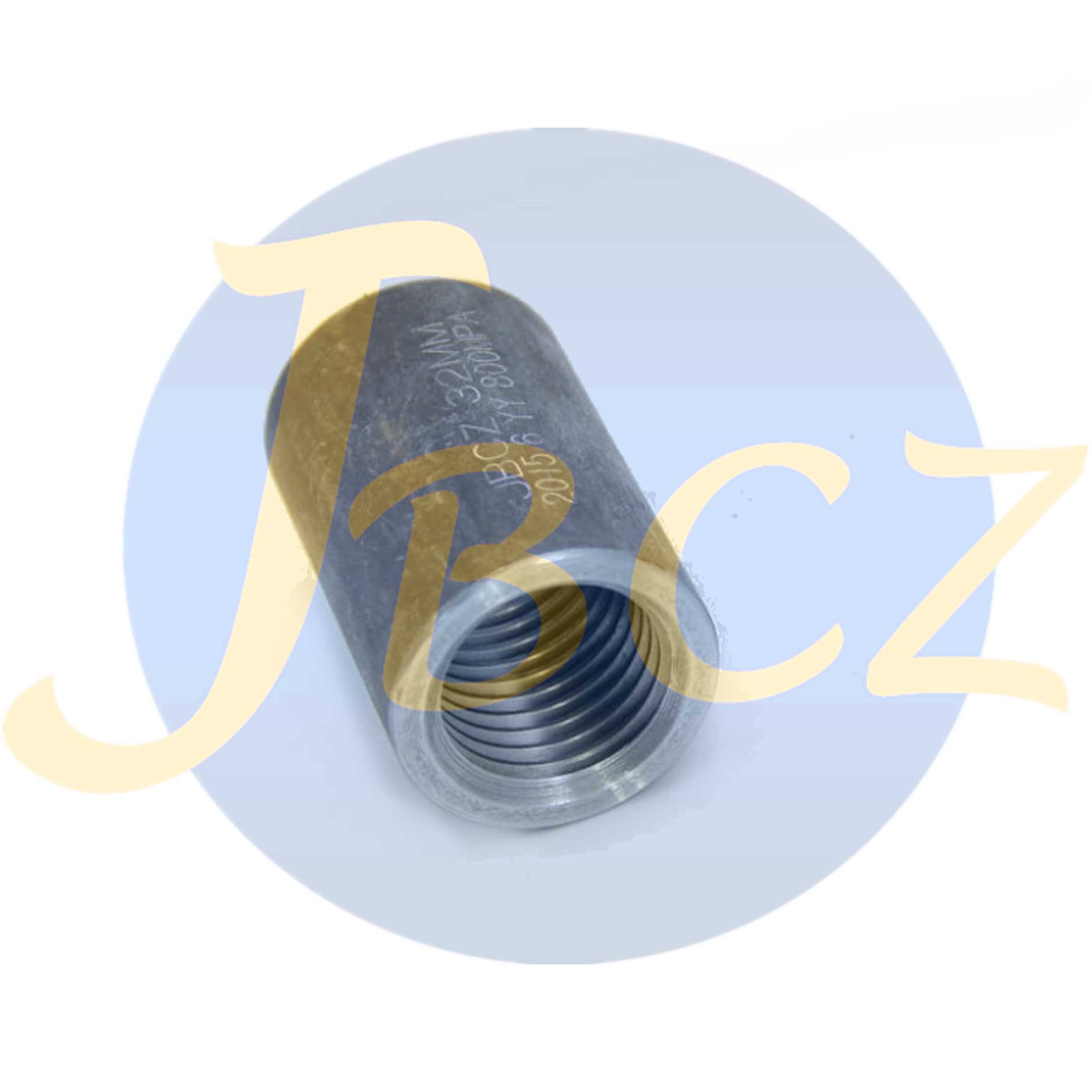
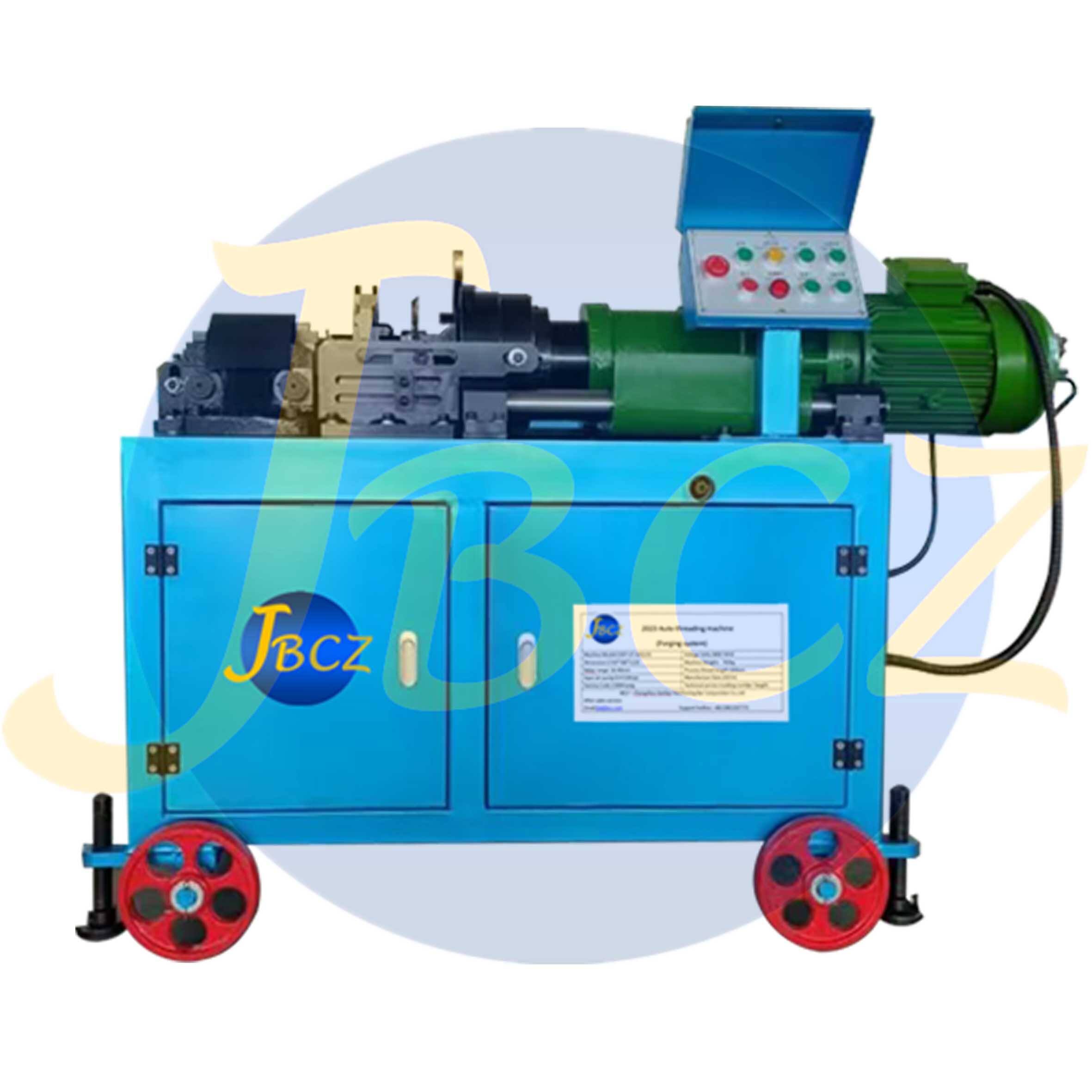
The peeling and rolling coupler demonstrates remarkable versatility through its adaptable installation process that accommodates diverse construction scenarios and site conditions. This flexibility stems from the system's fundamental design philosophy, which prioritizes practical usability without sacrificing technical performance or structural integrity. Installation equipment ranges from portable hand-held devices suitable for confined spaces and remote locations to automated stationary machines that process high volumes of connections in prefabrication facilities, giving contractors the ability to select the approach that best matches their specific project requirements and production goals. The basic installation sequence follows a logical progression that workers master quickly through brief hands-on training sessions, typically requiring only a few hours to achieve competency for standard applications. Site personnel begin by cutting the reinforcement bars to the required length using conventional equipment, then position the rebar in the peeling machine which rotates the bar while a cutting tool removes a thin, controlled layer to establish the specified diameter. This peeling operation takes approximately 30 to 60 seconds per bar end, depending on the rebar size and equipment configuration. Subsequently, the prepared bar moves to the rolling machine where rotating dies apply pressure to form the threads through material displacement rather than removal, completing the thread formation in a similar timeframe. Once both bars feature properly formed threads, workers simply screw the coupler sleeve onto one bar end, align the second bar, and rotate the components together until the connection achieves the specified engagement length, verified through visual inspection of gauge marks on the coupler exterior. This straightforward process eliminates the need for torque wrenches, special inspection equipment, or complex quality control procedures that add time and cost to other connection methods. The system functions effectively across a wide temperature range, from cold weather conditions that would make welding problematic to hot environments where worker comfort and productivity suffer during thermal joining operations. Accessibility advantages become apparent in congested reinforcement areas where multiple bars intersect at close spacing, situations where welding torch access proves difficult or impossible, yet the compact profile of the peeling and rolling coupler allows completion of necessary connections without interference.