Professional Rib Peeling and Rolling Thread Machine - Superior Rebar Threading Solutions

All Categories

Get a Free Quote

Our representative will contact you soon.
Email
Name
Company Name
Message
0/1000

rib peeling and rolling thread machine

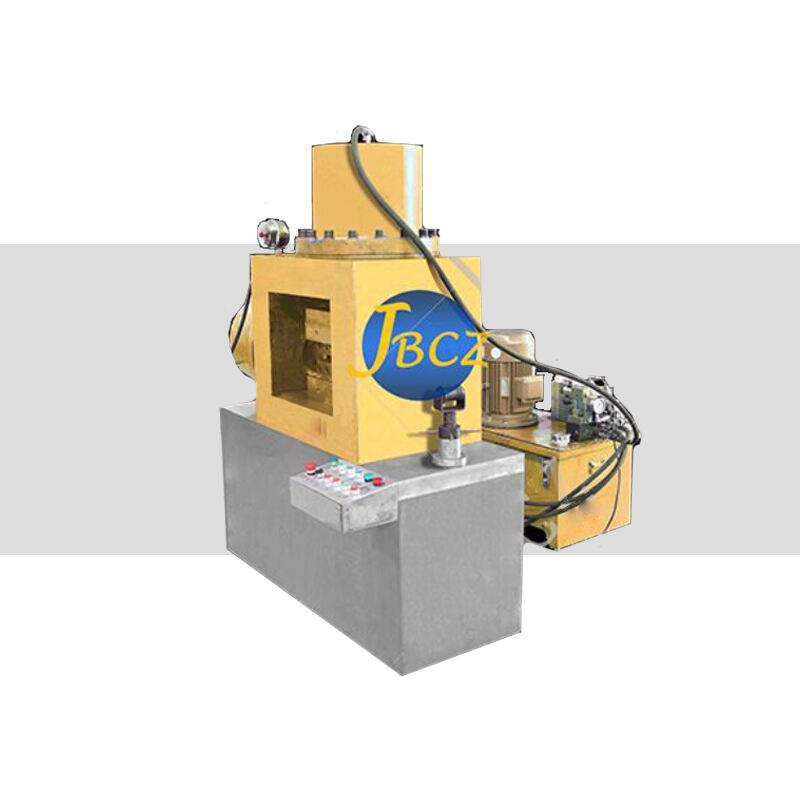
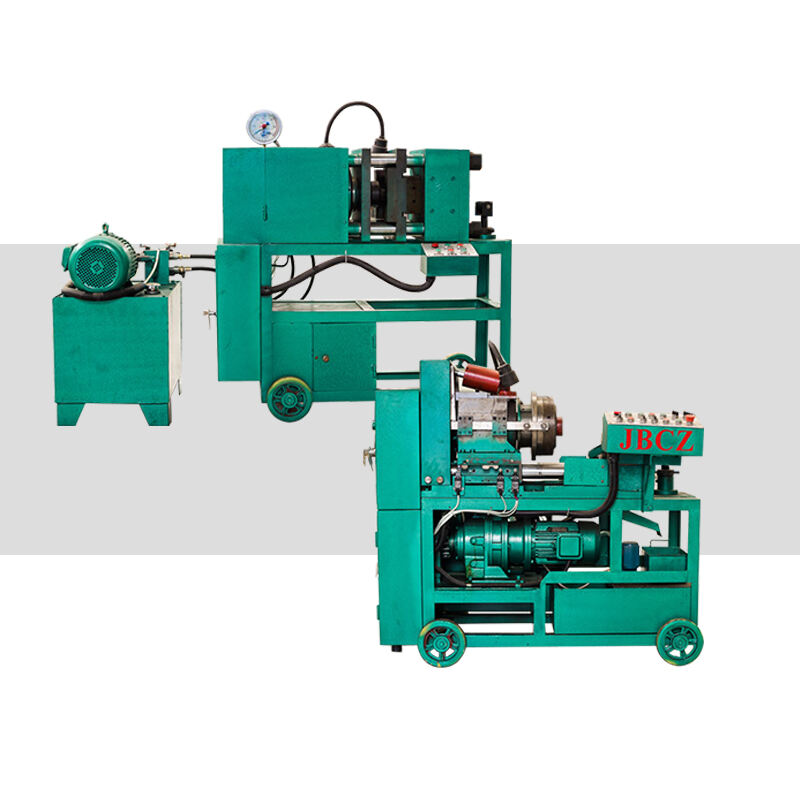
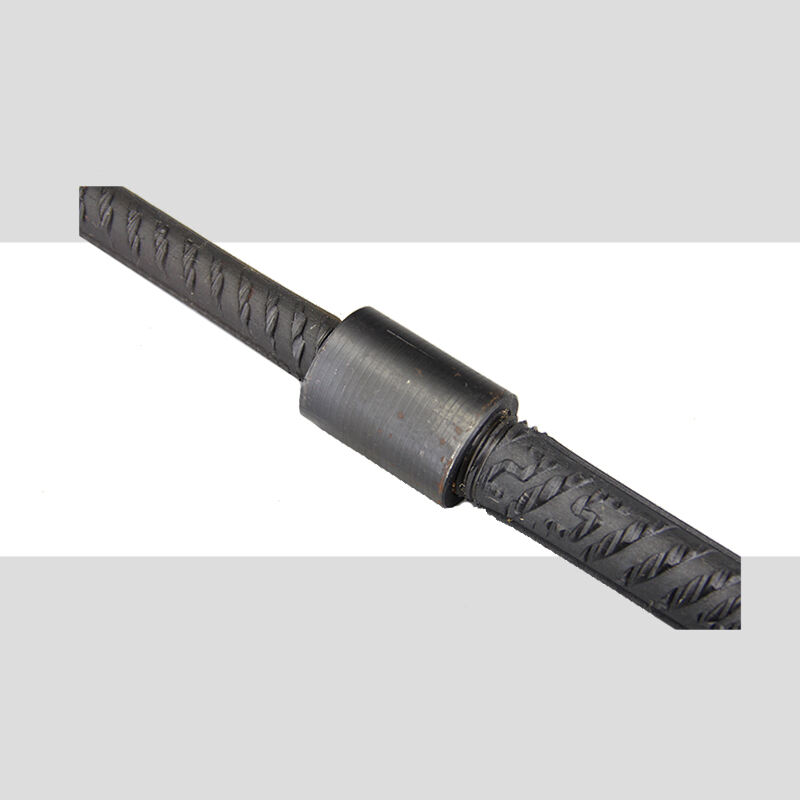
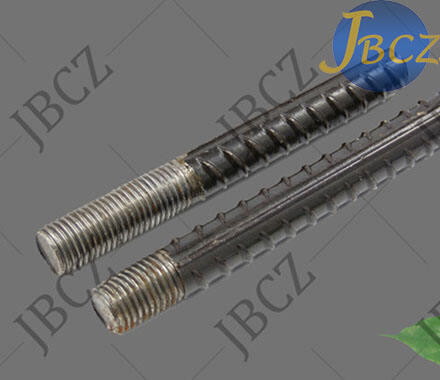
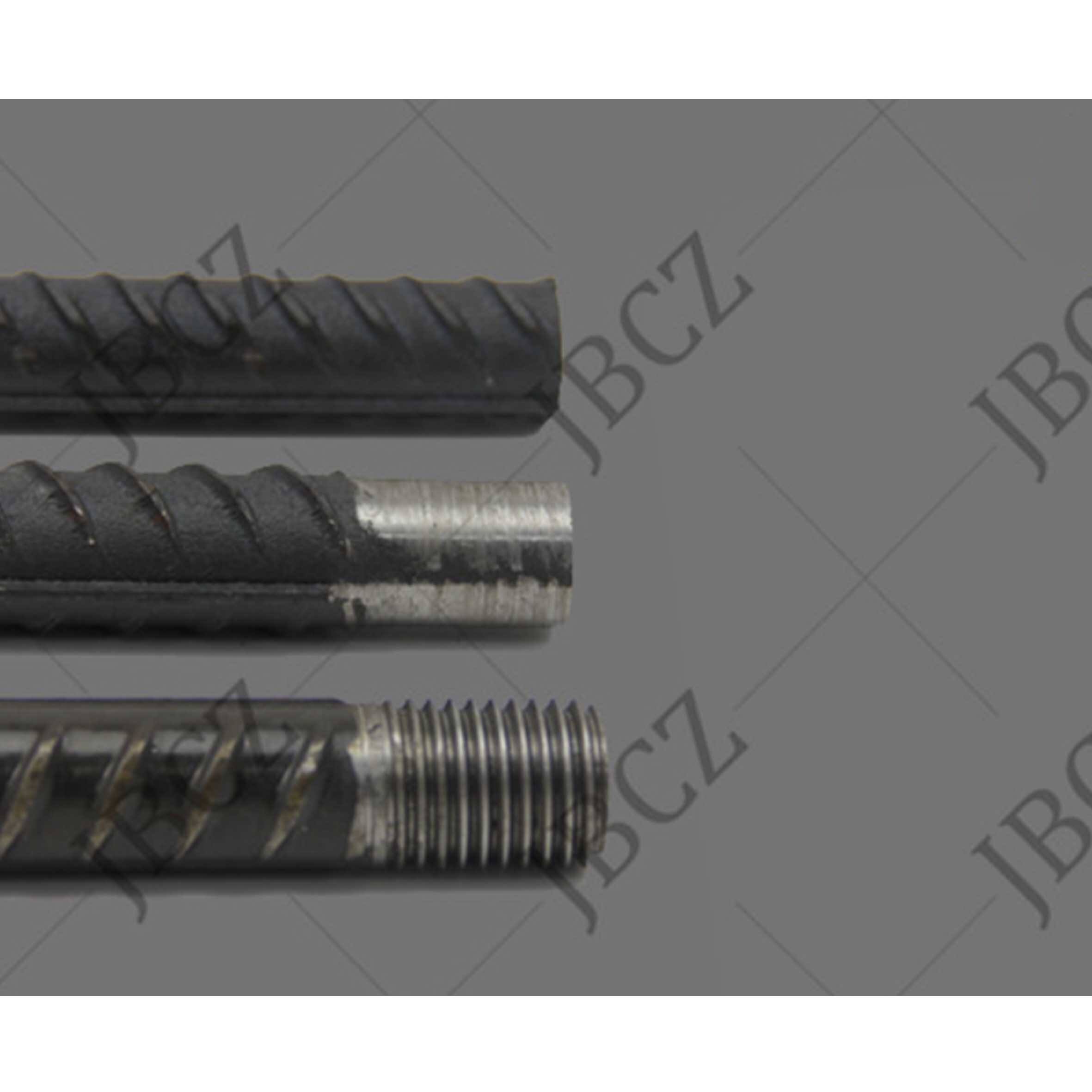
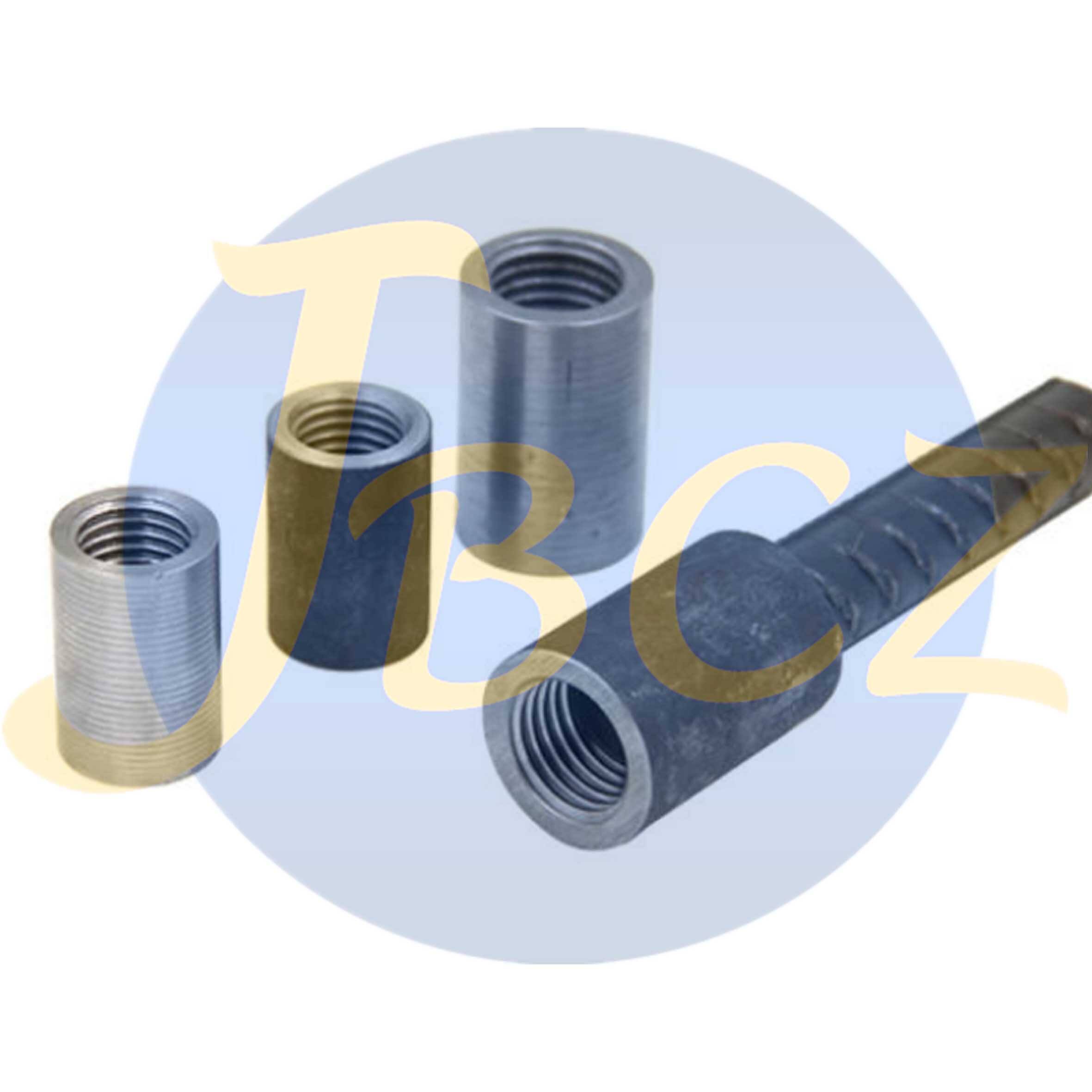
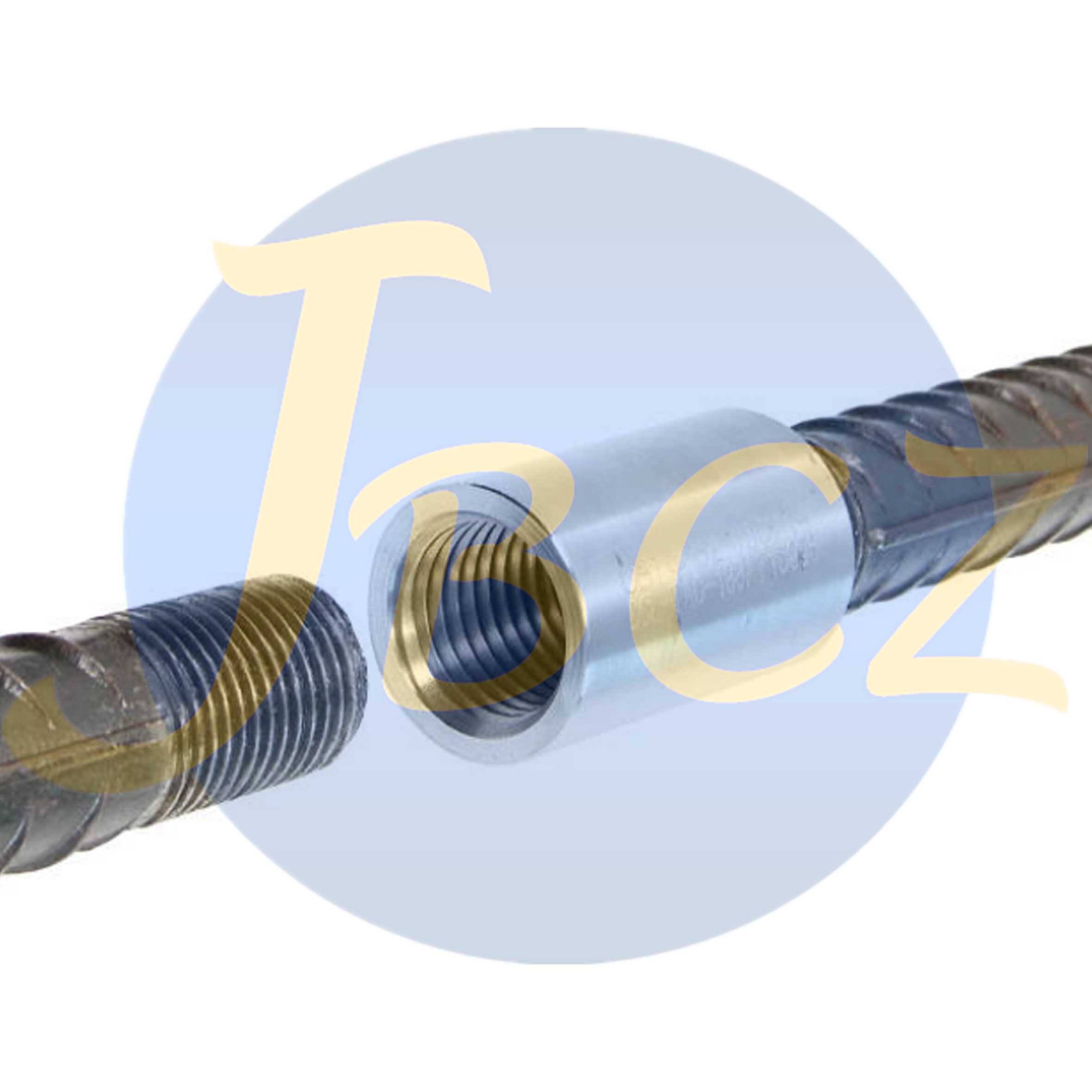
The rib peeling and rolling thread machine represents a sophisticated piece of industrial equipment designed to process reinforcing steel bars through two primary operations: peeling the ribbed surface and creating precise threads at the bar ends. This specialized machinery has become essential in modern construction and manufacturing environments where high-quality threaded connections are required for structural reinforcement applications. The machine operates by first removing the deformed ribs from the rebar surface through a peeling process, creating a smooth cylindrical section. Following this preparation stage, the equipment then employs a cold rolling method to form accurate threads on the prepared surface. This dual-function capability makes the rib peeling and rolling thread machine an invaluable asset for contractors, steel fabricators, and construction companies seeking efficient solutions for rebar connection systems. The technology behind this equipment combines mechanical precision with hydraulic power, enabling operators to process various diameter rebars ranging typically from 16mm to 40mm or larger, depending on the machine model. Unlike traditional cutting methods that remove material and weaken the bar, the rolling process actually work-hardens the steel, maintaining or even enhancing the original strength characteristics of the reinforcing bar. The machine finds extensive applications across infrastructure projects, high-rise building construction, bridge engineering, and industrial facility development where mechanical splicing of reinforcement is preferred over traditional lap splicing or welding methods. Modern rib peeling and rolling thread machines incorporate automated controls, digital displays, and safety features that streamline operations while ensuring consistent thread quality. These machines have revolutionized how construction professionals approach rebar connections, offering a mechanical alternative that meets stringent engineering standards and building codes worldwide.

Popular Products

Investing in a rib peeling and rolling thread machine delivers substantial practical benefits that directly impact your project timelines and bottom line. First and foremost, this equipment dramatically increases productivity on construction sites by processing rebars at speeds that manual methods simply cannot match. Operators can complete the peeling and threading of a single rebar in minutes rather than the extended time required by conventional approaches. This efficiency translates to faster project completion and reduced labor costs, allowing your team to accomplish more work with fewer personnel. The machine eliminates the need for skilled welders, addressing the ongoing shortage of qualified welding professionals while reducing associated labor expenses. Another significant advantage involves the superior connection quality achieved through the rolling process. Unlike cut threads that remove material and create stress concentration points, rolled threads produced by this machine compress and displace the steel, creating stronger connections that often exceed the tensile strength of the original rebar. This strength enhancement provides engineers and contractors with greater confidence in structural integrity. The cold working process also produces threads with better fatigue resistance and longer service life. Cost savings extend beyond labor to material efficiency as well. The rib peeling and rolling thread machine minimizes material waste since the threading process adds no scrap metal, and the peeling operation removes only the minimal amount necessary to create a smooth surface. Projects require fewer materials overall because mechanical splicing eliminates the need for overlap lengths required in traditional lap splicing, potentially saving significant quantities of expensive reinforcing steel on large-scale projects. Safety improvements represent another compelling advantage. The machine reduces fire hazards associated with welding operations, eliminating sparks, flames, and hot work permits that complicate construction site management. Workers face fewer burn risks and avoid exposure to welding fumes, creating a healthier work environment. The equipment operates with straightforward controls that require minimal training, enabling teams to achieve consistent results regardless of operator experience level. Versatility across different rebar sizes and grades makes the rib peeling and rolling thread machine adaptable to various project requirements, from residential buildings to major infrastructure undertakings, providing excellent return on investment for businesses serving diverse construction markets.

Tips And Tricks

What is a Reducing Coupler and How is it Used in Plumbing Systems?

10

Jul

What is a Reducing Coupler and How is it Used in Plumbing Systems?

View More
Advantages of Reducing coupler in Renewable Energy Storage Systems

10

Jul

Advantages of Reducing coupler in Renewable Energy Storage Systems

View More
Features of rebar splices and precautions for their use

10

Jul

Features of rebar splices and precautions for their use

View More
Six ways to regulate rebar splices

10

Jul

Six ways to regulate rebar splices

View More

Get a Free Quote

Our representative will contact you soon.
Email
Name
Company Name
Message
0/1000

rib peeling and rolling thread machine

Enhanced Structural Performance Through Cold Rolling Technology

Enhanced Structural Performance Through Cold Rolling Technology

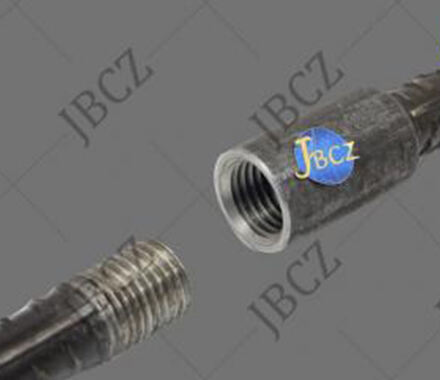
The cold rolling technology employed by the rib peeling and rolling thread machine delivers exceptional structural performance that sets it apart from alternative threading methods. This process fundamentally differs from thread cutting approaches by plastically deforming the steel rather than removing material, resulting in threads with superior mechanical properties. When the machine applies pressure through hardened rolling dies, it displaces the steel grain structure along the thread profile, creating a work-hardened surface that exhibits increased strength characteristics. This grain flow alignment along the thread contours eliminates the stress risers and discontinuities inherent in cut threads, where the machining process severs the steel grain structure and creates potential failure points. The work hardening effect generated during rolling increases the surface hardness of the threaded area, enhancing wear resistance and durability of the connection throughout the structure's service life. Engineering tests consistently demonstrate that connections produced by rib peeling and rolling thread machines achieve tensile strengths meeting or exceeding the guaranteed yield strength of the base rebar material. This performance reliability gives structural engineers confidence in designing with mechanical splices, knowing the connections will not represent weak points in the reinforcement system. The threading precision maintained by quality machines ensures proper engagement between threaded rebars and couplers, distributing loads uniformly across the connection and preventing premature failure. Furthermore, the cold rolling process creates threads with superior fatigue resistance compared to cut alternatives, an essential characteristic for structures subjected to dynamic loading, seismic activity, or vibration. The continuous grain structure throughout the threaded section resists crack initiation and propagation better than interrupted grains found in cut threads. This advantage proves particularly valuable in earthquake-prone regions where building codes mandate high-performance connections capable of withstanding cyclic loading without degradation. The enhanced structural performance extends to corrosion resistance as well, since the work-hardened surface exhibits greater density and reduced porosity, limiting moisture penetration and oxidation. For projects demanding maximum reliability and long-term structural integrity, the cold rolling technology inherent in these machines provides engineering advantages that justify their adoption over conventional methods.
Operational Efficiency and Rapid Return on Investment

Operational Efficiency and Rapid Return on Investment

The operational efficiency delivered by a rib peeling and rolling thread machine translates directly into rapid return on investment for construction businesses and fabrication facilities. These machines process rebars at remarkable speeds, with typical cycle times ranging from two to five minutes per bar depending on diameter and thread length requirements. This productivity allows a single machine operated by one worker to replace multiple manual threading stations or welding crews, fundamentally changing the economics of rebar connection operations. Consider a medium-sized construction project requiring thousands of rebar connections; the time savings accumulated across all these joints compresses project schedules by weeks or even months, reducing overhead costs, equipment rental expenses, and financing charges that accrue during extended construction periods. The machine operates continuously throughout the workday without the fatigue factors that limit human performance, maintaining consistent output from start to finish of each shift. This reliability in production capacity enables accurate project planning and scheduling, eliminating the uncertainties that plague manual processes where productivity varies with worker skill levels and fatigue. The equipment requires minimal maintenance beyond routine lubrication and periodic inspection of rolling dies, resulting in high availability rates and low downtime. When maintenance is necessary, the robust mechanical design allows quick service without specialized technicians, keeping the machine productive and revenue-generating. Energy consumption remains modest compared to welding equipment, contributing to lower operating costs and reduced environmental impact. The simplicity of operation means training new operators takes hours rather than the years required to develop skilled welders, providing workforce flexibility and eliminating dependence on scarce specialized tradespeople. Companies can redeploy existing personnel to operate the rib peeling and rolling thread machine after brief instruction, maximizing utilization of available labor resources. Financial analysis typically shows payback periods of months rather than years for businesses with steady rebar processing volumes. The combination of increased throughput, reduced labor requirements, lower material waste, and minimal operating costs creates compelling economics that improve competitive positioning. Contractors can bid more aggressively on projects knowing their processing costs are controlled, while maintaining quality standards that satisfy engineering requirements and building inspectors. The machine becomes a profit center rather than just a cost of doing business, generating margins on rebar connections that contribute meaningfully to overall project profitability.
Versatile Application Across Construction Sectors and Rebar Specifications

Versatile Application Across Construction Sectors and Rebar Specifications

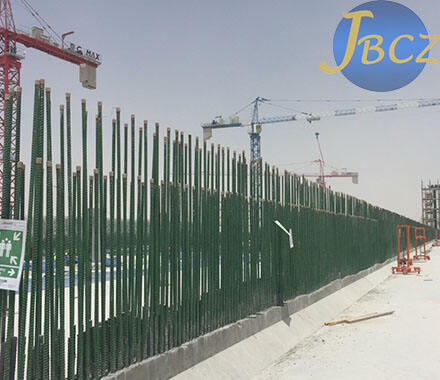
The versatility of modern rib peeling and rolling thread machines makes them valuable assets across the full spectrum of construction applications and rebar specifications. These machines accommodate a wide range of reinforcing bar diameters, typically processing sizes from 16mm through 40mm or even larger with appropriate tooling, covering the majority of commonly specified rebar grades used in construction projects worldwide. This diameter flexibility means a single machine can handle virtually all threading requirements on a typical project site, eliminating the need for multiple specialized pieces of equipment and simplifying logistics. The machines work effectively with various steel grades including standard carbon steel rebars as well as high-strength and seismic-grade materials specified for demanding structural applications. Thread profiles produced meet international standards including those specified by American, European, and Asian building codes, ensuring global applicability and acceptance by engineering professionals and regulatory authorities. This standards compliance proves essential for contractors working across different jurisdictions or international markets where building code requirements vary. Beyond diameter and grade versatility, these machines adapt to different project types ranging from residential construction to commercial high-rises, industrial facilities, bridges, tunnels, water treatment plants, and power generation infrastructure. Each application presents unique requirements regarding connection strength, environmental exposure, and installation conditions, yet the rib peeling and rolling thread machine addresses these varied demands through consistent quality output. The equipment proves equally valuable for both new construction and renovation projects where existing structures require reinforcement upgrades or seismic retrofitting. In precast concrete manufacturing facilities, these machines enable efficient production of precast elements with embedded threaded connections, expanding design possibilities and construction methodologies. The portability of many machine models allows deployment directly at construction sites or operation within dedicated fabrication shops, providing flexibility in workflow organization. Some projects benefit from centralizing threading operations in a controlled shop environment where quality monitoring is simplified, while others require on-site processing to minimize material handling and transportation. The machine accommodates both approaches equally well, adapting to the logistical preferences and constraints of different project circumstances. For steel fabricators serving multiple clients across residential, commercial, and infrastructure sectors, this versatility maximizes equipment utilization rates and return on capital investment, as the same machine profitably serves diverse customer requirements without modification or additional capital expenditure.