موصل مُزَوَّر بالتضخيم
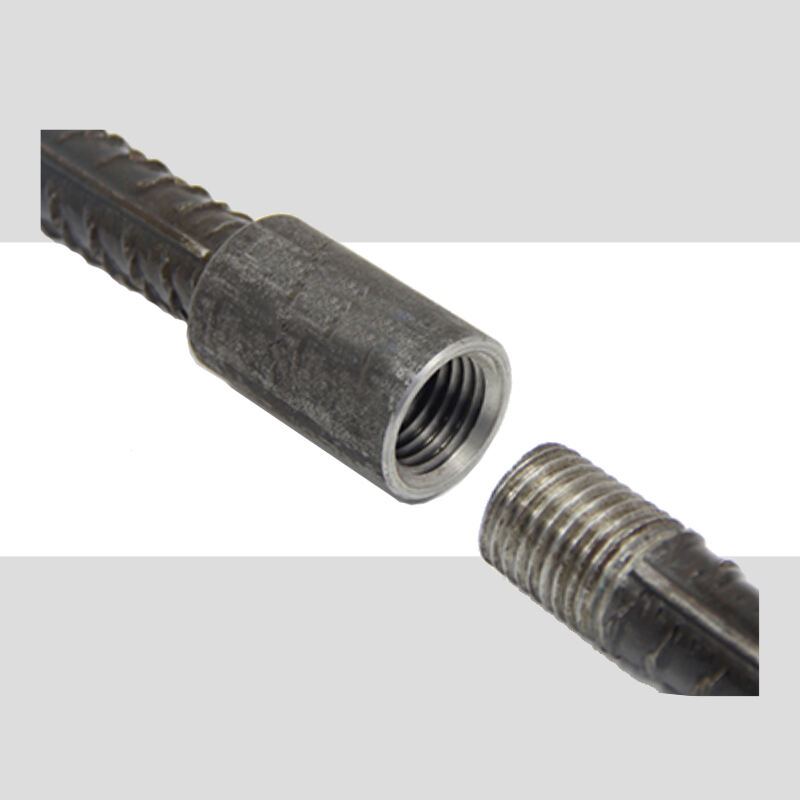
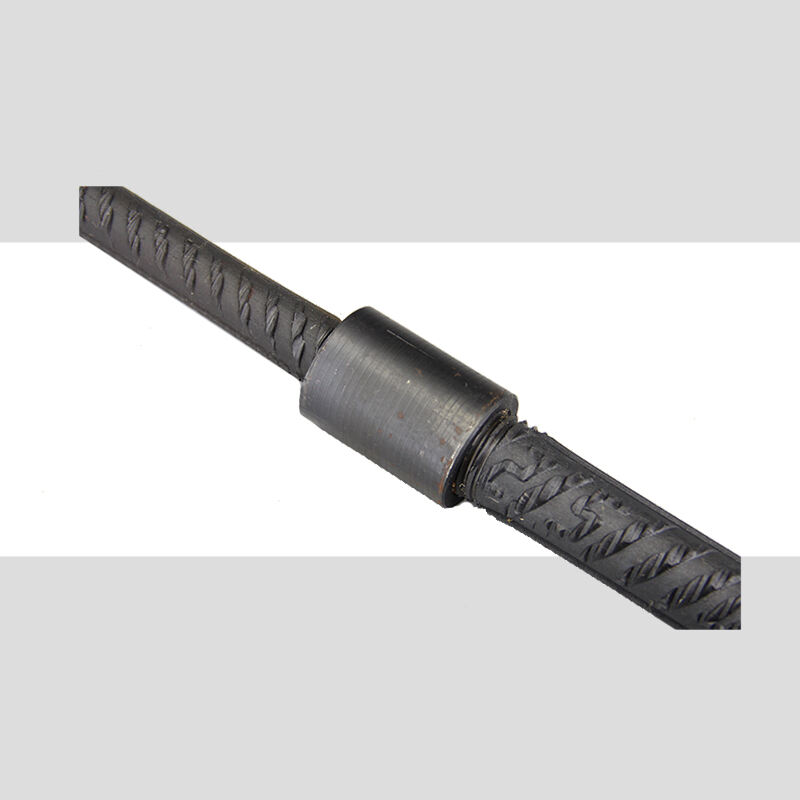
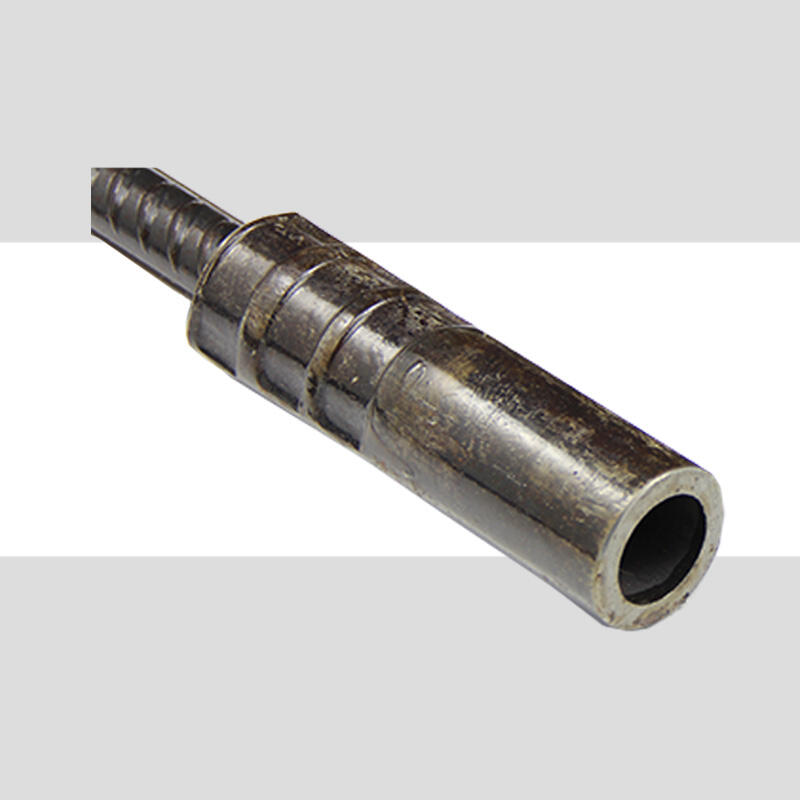
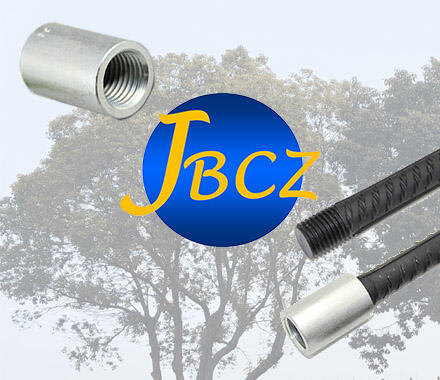
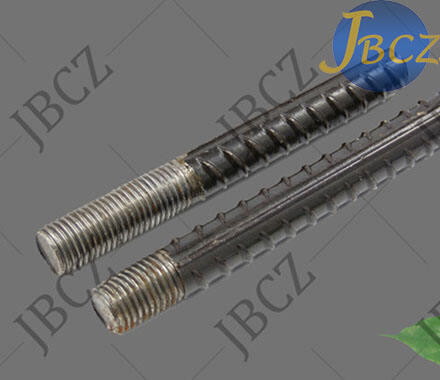
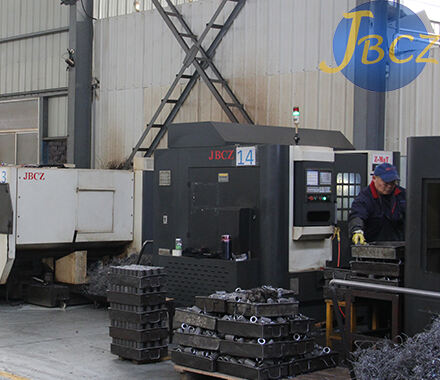
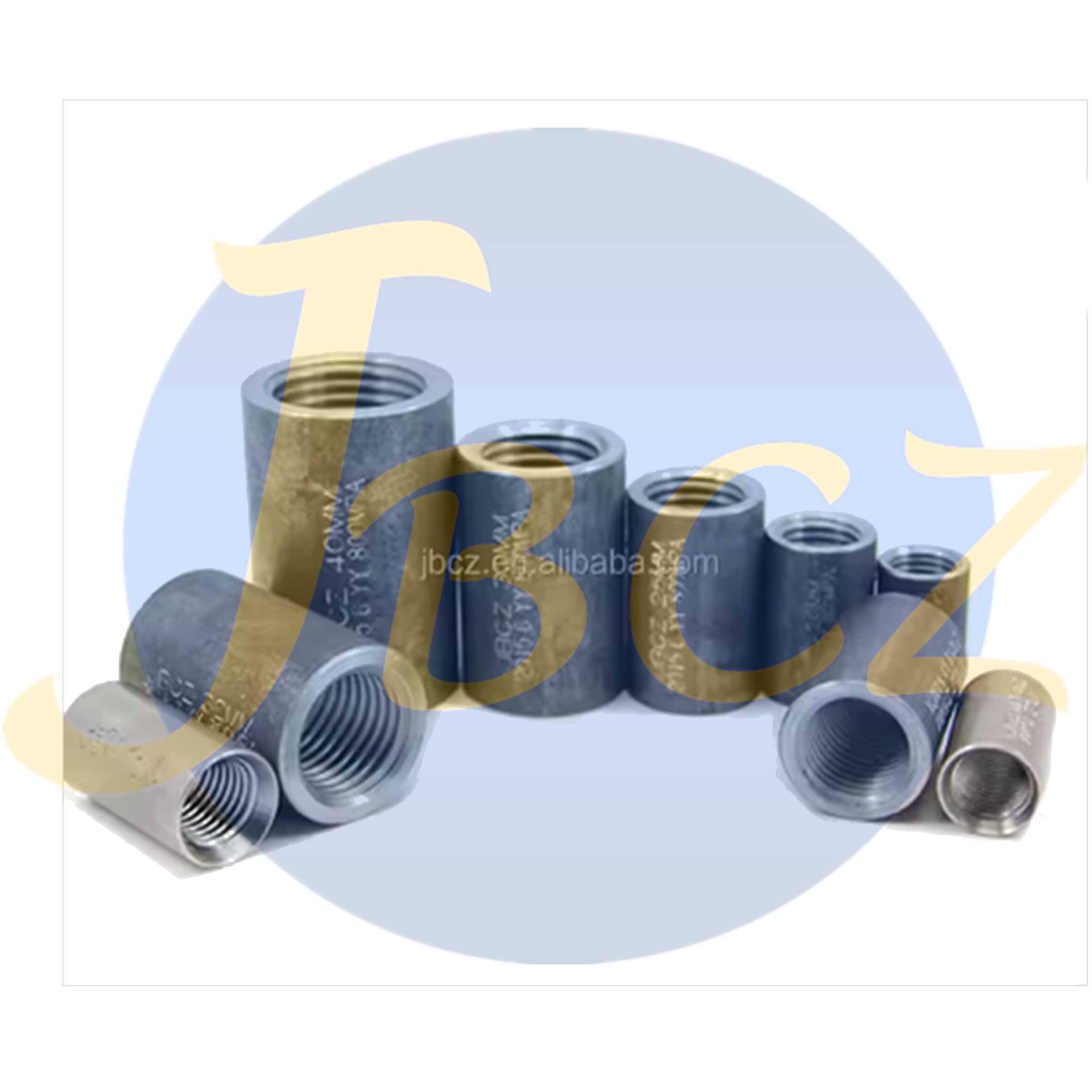
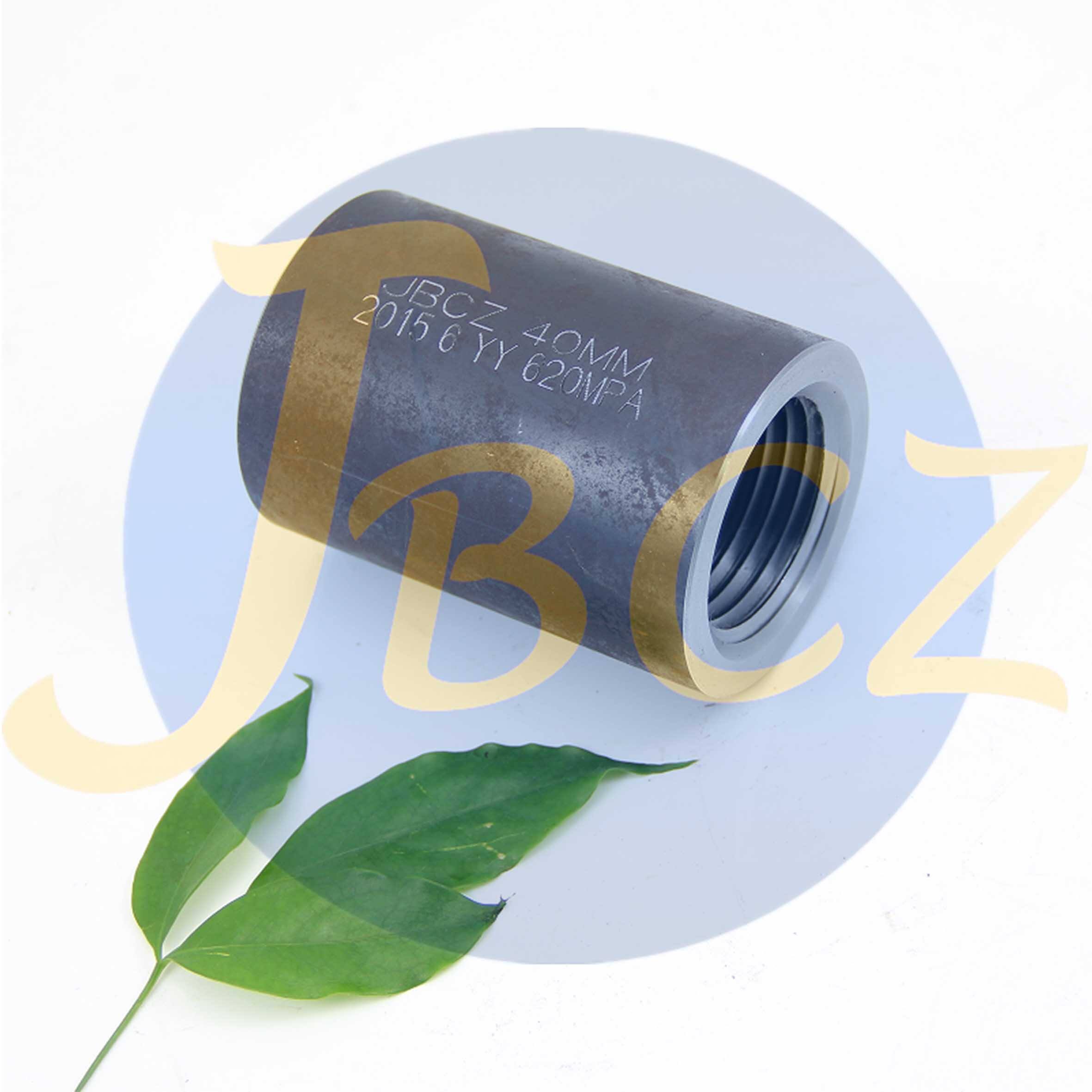
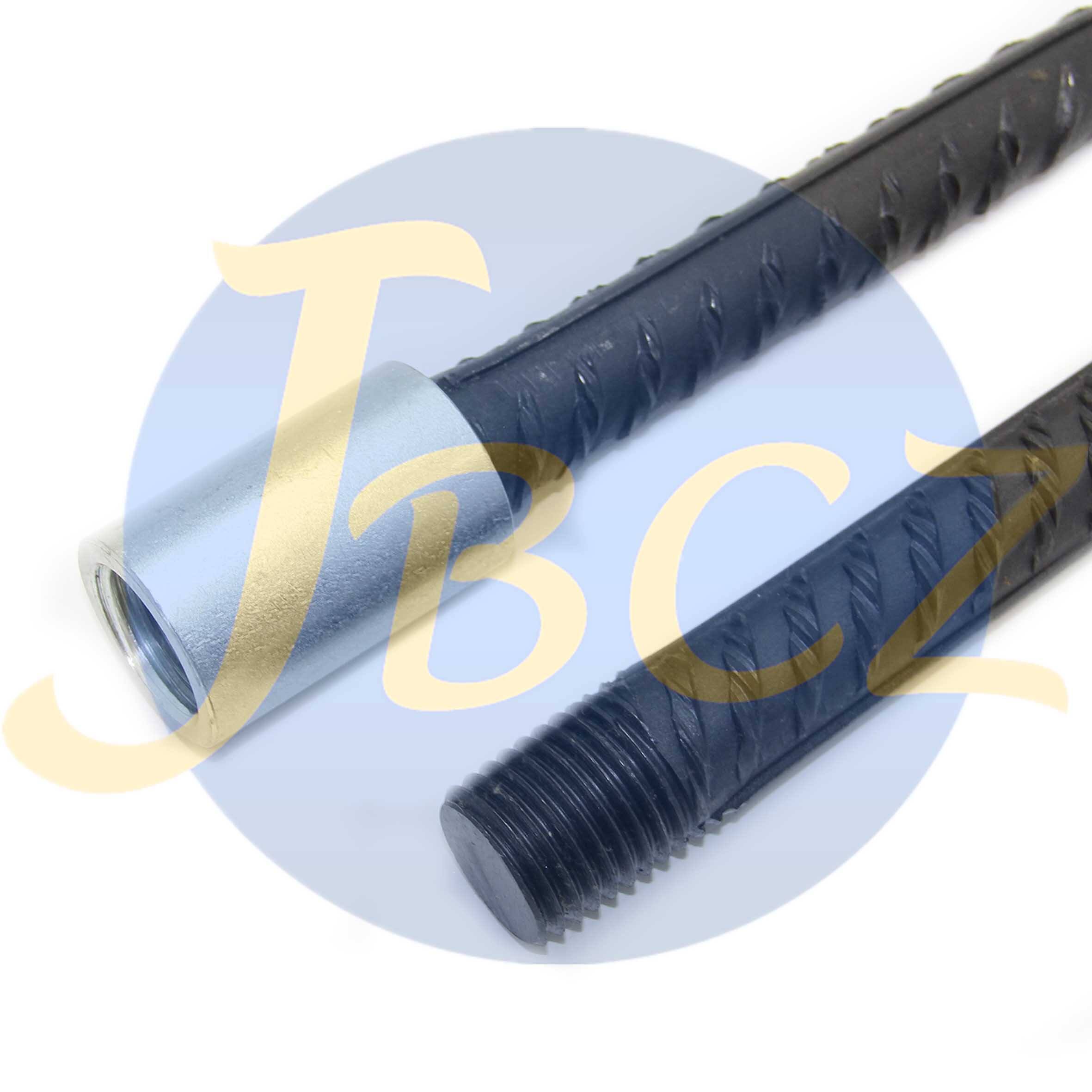
يمثل المُوصِّل المُشكَّل بالتسخين والضغط عنصرًا حيويًّا في عمليات الحفر، حيث يُستخدم كعنصر وصلٍ يربط بين قسمين من أنابيب الحفر أو الأنابيب ذات الصلة. ويُصنَّع هذا الجهاز المتخصص للوصل عبر عملية التشكيل بالتسخين والضغط، والتي تتضمَّن تسخين المعدن إلى درجات حرارة مرتفعة ثم تطبيق ضغطٍ خاضعٍ للرقابة لإعادة تشكيل أقسام معيَّنة من المادة وزيادة قطرها. ويوفِّر المُوصِّل المُشكَّل بالتسخين والضغط نقطة وصلٍ سلسةً تحافظ على السلامة الإنشائية لسلسلة الحفر مع تحمل الظروف التشغيلية القصوى. وتتمثَّل الوظيفة الأساسية لهذا العنصر في توفير اتصال آمنٍ وخالٍ من التسربات بين الأقسام الأنبوبية، مما يمكِّن من نقل العزم ويسهِّل تدوير سوائل الحفر عبر النظام بأكمله. ومن السمات التقنية للمُوصِّل المُشكَّل بالتسخين والضغط تحسُّن محاذاة بنية الحبوب المعدنية الناتجة عن عملية التشكيل، ما يحسِّن بشكلٍ كبيرٍ خواصه الميكانيكية مقارنةً بالبدائل المشغولة آليًّا أو المسبوكة. فتؤدي تقنية التشكيل بالتسخين والضغط إلى ضغط البنية الداخلية للمعدن وتنقيتها، ما يزيل نقاط الضعف المحتملة ويخلق تركيبًا ماديًّا أكثر انسجامًا. وبفضل هذه الطريقة التصنيعية، ينتج مُوصِّل يتمتَّع بمقاومة استثنائية للتآكل التعبوي، وقوة شدٍّ أعلى، ومتانة محسَّنة تحت ظروف التحميل الدوري. كما أن الدقة البُعدية التي تحقَّقها عملية التشكيل الخاضعة للرقابة تضمن إدخال الخيوط بدقةٍ عاليةٍ وتوزيعًا أمثلًا للأحمال عبر نقطة الاتصال. وتشمل مجالات تطبيق المُوصِّل المُشكَّل بالتسخين والضغط مختلف الصناعات، وأهمها استكشاف النفط والغاز، والحفر الجيولوجي الحراري، وإنشاء آبار المياه، وعمليات التعدين تحت الأرض. وفي مجال استخراج النفط، تُستخدم هذه الموصلات لتوصيل أقسام أنابيب الحفر التي قد تمتد آلاف الأقدام تحت سطح الأرض، مع الحفاظ على سلامة الاتصال تحت ضغوطٍ شديدةٍ، وتقلُّبات درجات الحرارة، والإجهادات الدورانية. كما يُستخدَم المُوصِّل المُشكَّل بالتسخين والضغط في مشاريع الحفر الاتجاهي الأفقي، حيث يجب أن تمرَّ سلسلة الحفر عبر مسارات معقَّدة مع الحفاظ على الاستمرارية الإنشائية. وبفضل قدرة هذا المكوِّن على تحمل كلٍّ من القوى الشدِّية والقوى الانضغاطية، يصبح أمرًا لا غنى عنه في العمليات التي تتطلَّب اتصالاتٍ موثوقةً في البيئات الصعبة، التي قد تؤدِّي فيها أعطال المعدات إلى تأخيرات تشغيلية كبيرة وخسائر مالية جسيمة.