Adjustable Connection Rebar: Revolutionary Flexible Reinforcement Solutions for Modern Construction

All Categories

Get a Free Quote

Our representative will contact you soon.
Email
Name
Company Name
Message
0/1000

adjustable connection rebar

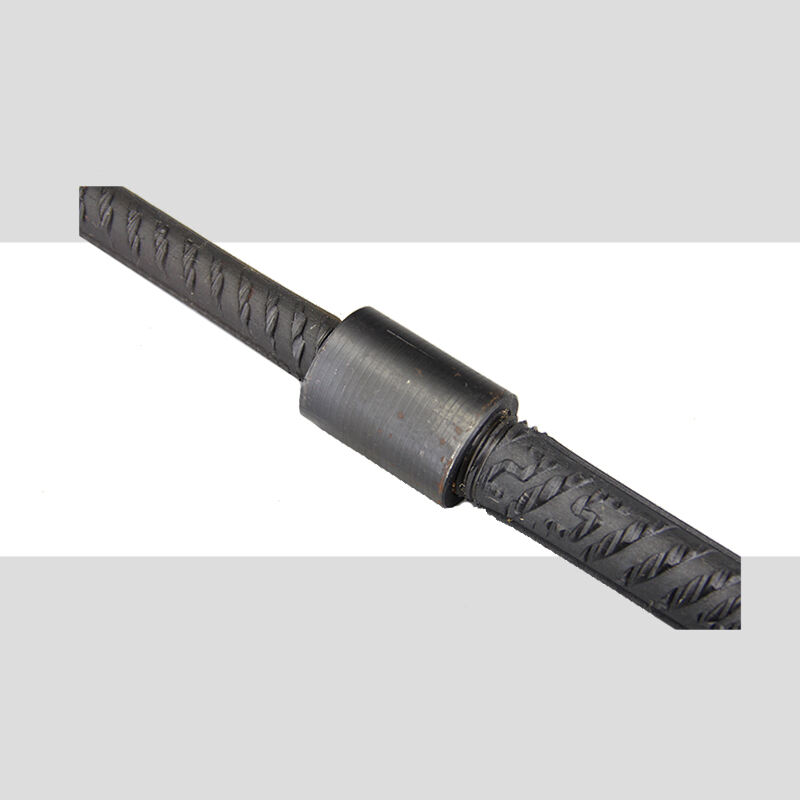
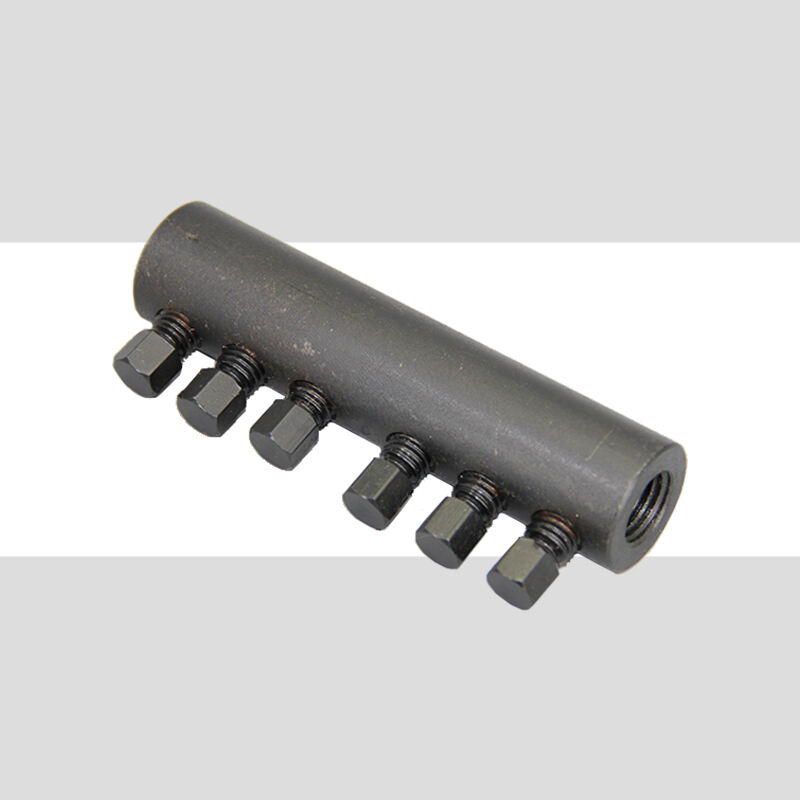
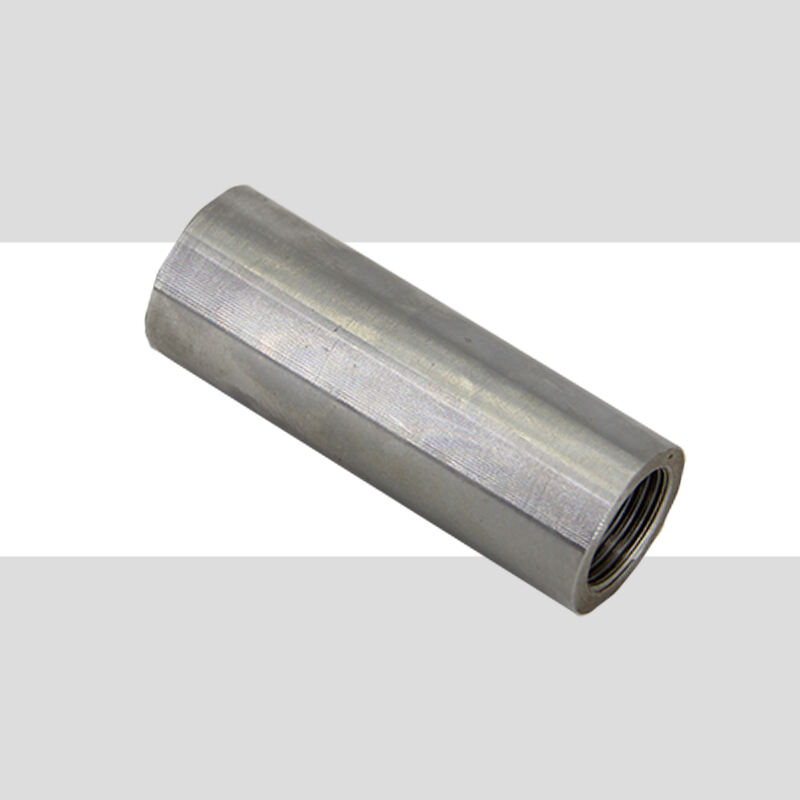
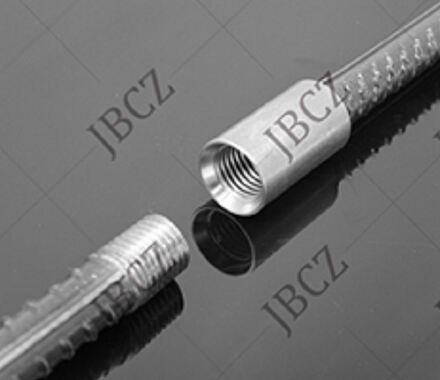
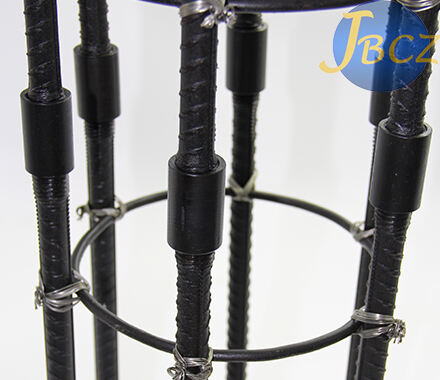
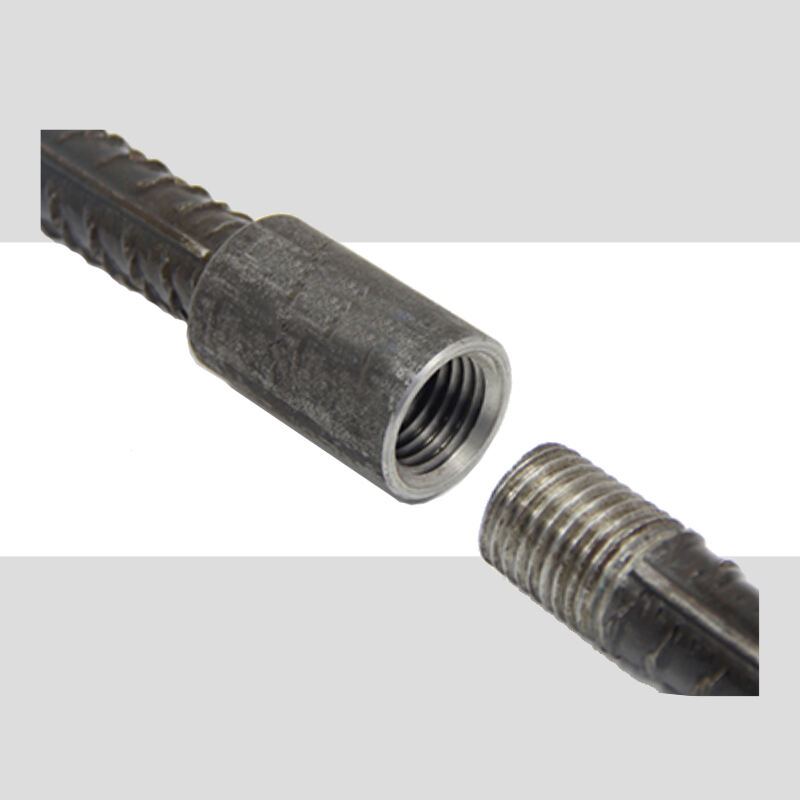
Adjustable connection rebar represents a revolutionary advancement in construction reinforcement technology, offering unprecedented flexibility and precision in structural applications. This innovative system features specially designed threaded mechanical connections that allow contractors to modify the length and positioning of reinforcement bars on-site without cutting or welding. The adjustable connection rebar consists of high-grade steel bars equipped with precision-threaded ends, coupling sleeves, and adjustable locking mechanisms that create secure, load-bearing joints. The primary function of this system is to provide construction teams with the ability to accommodate design changes, correct alignment issues, and compensate for measurement discrepancies during the building process. Unlike traditional rebar splicing methods that require specialized welding equipment and certified welders, the adjustable connection rebar utilizes mechanical threading technology that enables quick assembly and disassembly. The technological features include cold-forged threading that maintains the structural integrity of the steel, anti-corrosion coating for enhanced durability, and precision-engineered couplers that distribute stress evenly across connections. This system finds extensive applications in high-rise buildings, bridge construction, tunnel reinforcement, seismic retrofitting projects, and infrastructure development where structural flexibility is paramount. The adjustable connection rebar serves particularly well in projects requiring phased construction, where different building sections must align perfectly despite being constructed at different times. Construction professionals appreciate how this technology streamlines workflow by eliminating the need for extensive pre-planning of exact rebar lengths, reducing material waste from cutting errors, and allowing real-time adjustments based on actual field conditions rather than theoretical blueprints. The system complies with international building codes and standards, ensuring that structural integrity meets or exceeds requirements for load-bearing capacity, tensile strength, and seismic resistance.

New Products

The adjustable connection rebar delivers numerous practical benefits that directly impact project timelines, budgets, and construction quality. First and foremost, this system saves considerable time during installation because workers can quickly thread connections together without waiting for welders or specialized equipment. A typical connection takes just minutes to complete compared to traditional methods that might require hours of preparation and execution. This speed translates directly into reduced labor costs, as fewer workers can accomplish more in shorter timeframes. The financial advantages extend beyond labor savings, as the adjustable connection rebar significantly reduces material waste. Traditional methods often result in discarded rebar pieces from measurement errors or design modifications, but this adjustable system allows contractors to reuse components and make corrections without throwing away expensive materials. Project managers find that budget predictability improves dramatically because the system eliminates many unexpected costs associated with rebar installation errors and corrections. Safety improvements represent another compelling advantage, as the mechanical connection process requires no hot work, eliminating fire hazards and reducing worker exposure to welding fumes and extreme heat. Construction sites become safer environments when teams can complete reinforcement work without open flames or electrical welding equipment. The quality of connections remains consistently high because the threading mechanism ensures proper engagement every time, unlike welding which depends heavily on individual welder skill and can vary in strength. Inspectors can easily verify connection integrity through visual examination of thread engagement, making quality control faster and more reliable. The adjustable connection rebar also provides exceptional versatility in addressing unforeseen challenges during construction. When surveyors discover that foundations are slightly off-plan or when architectural modifications occur mid-project, crews can adjust reinforcement positioning without demolishing completed work or ordering entirely new materials. This adaptability proves invaluable in renovation projects where existing structures dictate irregular spacing or angles that standard rebar cannot easily accommodate. The system performs exceptionally well in environments where weather conditions might delay traditional welding operations, as mechanical connections can be completed in rain or cold that would halt welding work. Maintenance and future modifications become simpler too, since connections can be disassembled if building renovations require reinforcement reconfiguration. Building owners appreciate this long-term flexibility, knowing that structural modifications will not necessarily require complete rebar replacement.

Practical Tips

Ensuring Structural Integrity: The Role of Rebar Couplers in Concrete Joints

10

Jul

Ensuring Structural Integrity: The Role of Rebar Couplers in Concrete Joints

View More
The indispensable role of rebar couplers in offshore wind farms and marine structures

10

Jul

The indispensable role of rebar couplers in offshore wind farms and marine structures

View More
Six ways to regulate rebar splices

10

Jul

Six ways to regulate rebar splices

View More
Take a look at the rebar coupler

10

Jul

Take a look at the rebar coupler

View More

Get a Free Quote

Our representative will contact you soon.
Email
Name
Company Name
Message
0/1000

adjustable connection rebar

Superior Installation Efficiency and Time Management

Superior Installation Efficiency and Time Management

The adjustable connection rebar transforms construction scheduling through its rapid installation capabilities that fundamentally change how teams approach reinforcement work. Traditional rebar installation requires careful coordination between multiple trades, with welders, fitters, and inspectors all needing to sequence their work precisely. This coordination often creates bottlenecks, especially on large projects where different areas progress at different rates. The adjustable connection rebar eliminates these scheduling conflicts by empowering general construction workers to complete connections independently using simple hand tools. Workers receive straightforward training on the threading system, learning to achieve proper torque specifications and verify connection integrity without specialized certifications. This democratization of rebar installation means that projects no longer depend on the availability of certified welders, whose schedules might delay critical path activities. The time savings multiply across large projects where hundreds or thousands of connections are required. Each connection that takes five minutes instead of thirty minutes creates cumulative schedule compression that can shorten overall project duration by weeks or even months. Contractors can mobilize and demobilize crews more efficiently because the adjustable connection rebar requires minimal equipment setup compared to welding operations that need power supplies, gas cylinders, and safety barriers. The system proves particularly valuable in urban construction environments where fire watch requirements and hot work permits create administrative burdens and delays. By eliminating welding, projects avoid these regulatory complications entirely, allowing work to proceed continuously without waiting for permits or safety monitors. The threading mechanism itself contributes to speed by providing tactile and visual feedback during installation, so workers immediately know when connections achieve proper engagement. This intuitive operation reduces errors and the time spent on corrections, keeping productivity high throughout the workday. Fast-track construction schedules become more achievable when adjustable connection rebar is specified, giving developers confidence that aggressive timelines can be met without sacrificing quality or safety.
Enhanced Structural Performance and Reliability

Enhanced Structural Performance and Reliability

The adjustable connection rebar delivers structural performance characteristics that meet or exceed traditional reinforcement methods while providing additional reliability benefits that engineers and building owners value tremendously. The mechanical threading system creates connections with full tensile strength transfer, meaning that joined rebar sections perform as continuous elements under load conditions. Engineering tests demonstrate that properly installed threaded connections can achieve strength values equal to or greater than the base metal strength of the rebar itself, ensuring no weak points exist in the reinforcement network. This performance reliability stems from the precision manufacturing process that creates uniform threads with exact specifications, eliminating the variability inherent in field welding where human factors influence joint quality. The cold-forging process used to create threads actually work-hardens the steel at connection points, potentially increasing local strength rather than creating heat-affected zones that welding introduces. Structural engineers appreciate how the adjustable connection rebar simplifies load path analysis because connection behavior can be precisely predicted using manufacturer-provided performance data rather than making conservative assumptions about weld quality. The system excels in seismic applications where ductility and energy absorption are critical, as the threaded connections maintain their integrity through repeated loading cycles that might fatigue welded joints. Testing protocols demonstrate that adjustable connection rebar withstands the dynamic forces associated with earthquakes, wind loading, and thermal expansion without degradation. The adjustability feature itself contributes to structural performance by enabling perfect alignment of reinforcement elements, ensuring that loads transfer through intended paths rather than creating eccentric loading conditions that reduce efficiency. When contractors can fine-tune positioning to match actual conditions rather than theoretical designs, the resulting structures perform closer to engineering ideals. Quality assurance becomes more objective with adjustable connection rebar because inspectors can measure thread engagement and torque values rather than relying on visual assessment of weld appearance, which may not correlate directly with strength. This measurable verification gives all stakeholders confidence that reinforcement systems will perform as designed throughout the structure's service life.
Cost Effectiveness and Waste Reduction Benefits

Cost Effectiveness and Waste Reduction Benefits

The financial advantages of adjustable connection rebar extend far beyond initial material costs to encompass total project economics including labor, equipment, waste management, and lifecycle considerations. While the unit cost of adjustable connection rebar may initially appear higher than conventional rebar, comprehensive cost analysis reveals significant savings when all factors are considered. Labor productivity improvements alone often justify the material premium, as installation crews can complete substantially more connections per shift using the threading system compared to welding methods. The elimination of specialized welding equipment reduces mobilization costs and ongoing rental or maintenance expenses for welding machines, gas supplies, and associated tools. Projects avoid the indirect costs of maintaining hot work insurance, obtaining welding permits, and providing fire watch personnel that many jurisdictions require for welding operations. Material waste reduction creates tangible savings by minimizing the volume of scrap rebar that leaves jobsites as unusable remnants. Traditional cutting and splicing methods generate substantial waste when measurement errors occur or when designs change mid-construction, forcing contractors to discard expensive materials. The adjustable connection rebar transforms these potential waste scenarios into simple adjustment procedures that preserve material value. Contractors can stock standard lengths and configure them as needed rather than maintaining extensive inventories of pre-cut pieces that may become obsolete if designs evolve. This inventory efficiency reduces capital tied up in materials and minimizes storage space requirements on congested urban sites where real estate costs money. The reusability aspect proves valuable during construction sequencing when temporary support structures require reinforcement that later gets reconfigured for permanent applications, allowing the same adjustable connection rebar components to serve multiple purposes throughout the project lifecycle. Building owners gain long-term cost benefits because future renovation or modification work can potentially reuse existing reinforcement rather than requiring complete replacement, reducing both material costs and demolition expenses associated with removing permanently welded systems. Environmental considerations increasingly influence project costs through green building certifications and waste disposal fees, areas where adjustable connection rebar provides measurable advantages by reducing landfill-bound scrap and eliminating welding emissions. The total cost of ownership calculation, when performed honestly across complete project timelines, consistently favors adjustable connection rebar for projects valuing efficiency, quality, and sustainability alongside initial material pricing.