Assembly Error Correction Rebar Coupler - Advanced Reinforcement Connection Solution for Modern Construction

All Categories

Get a Free Quote

Our representative will contact you soon.
Email
Name
Company Name
Message
0/1000

assembly error correction rebar coupler

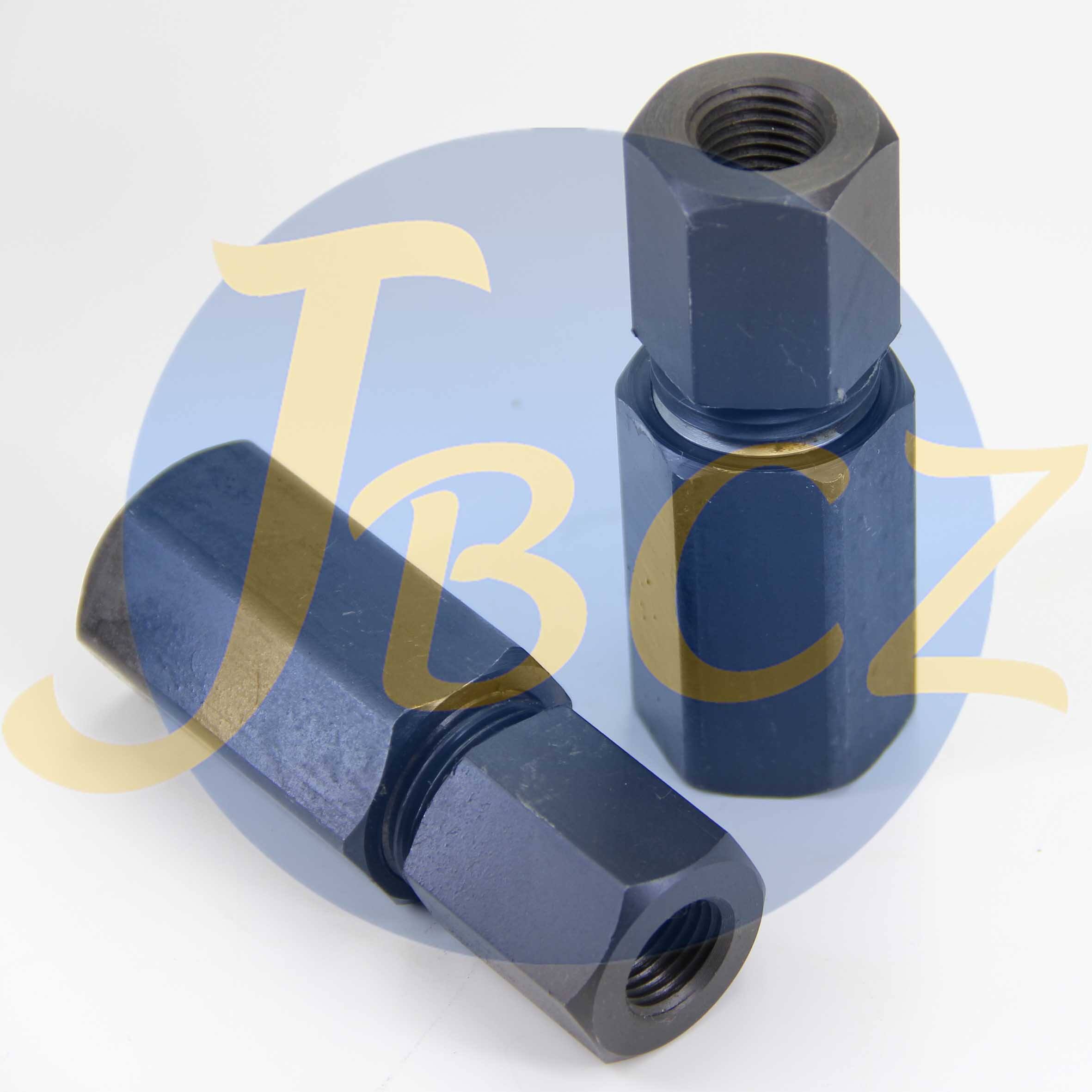
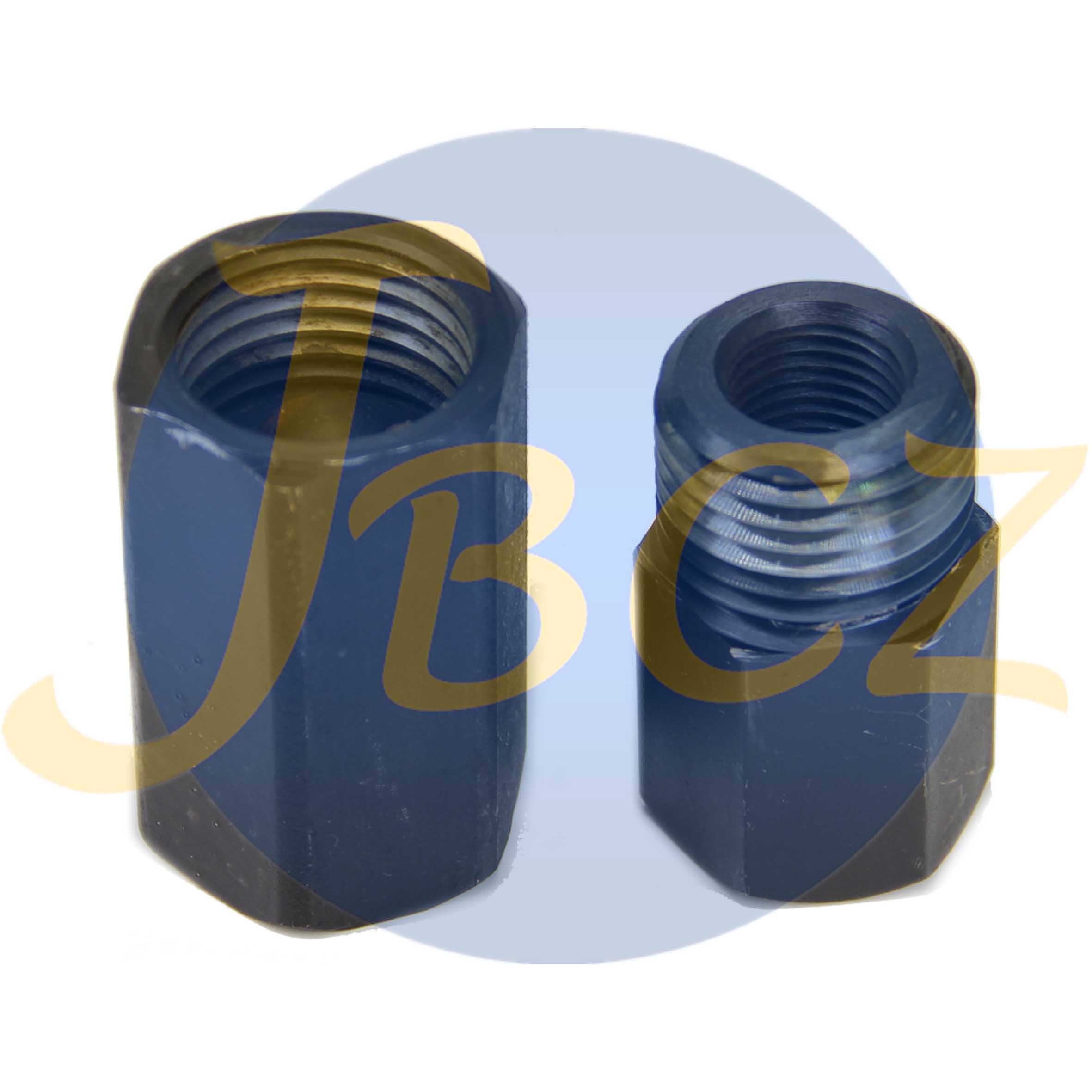
The assembly error correction rebar coupler represents a significant advancement in construction technology, designed to address one of the most persistent challenges in reinforced concrete structures: the precise alignment of reinforcing bars during assembly. This innovative mechanical connection system serves as a bridge between steel reinforcement bars, providing not only a secure join but also the flexibility to accommodate misalignments that commonly occur during construction processes. The primary function of this coupler is to create a reliable, load-bearing connection between rebars while simultaneously correcting angular and axial deviations that would otherwise compromise structural integrity or require costly rework. The assembly error correction rebar coupler incorporates sophisticated engineering principles that allow for multi-directional adjustment capabilities, making it an indispensable tool for modern construction projects. Technological features include precision-machined components that enable controlled movement in multiple planes, robust locking mechanisms that secure the connection once proper alignment is achieved, and high-grade materials that ensure durability under extreme loads and environmental conditions. The coupler typically consists of outer sleeves with specialized threading, internal adjustment mechanisms, and reinforced connection points that distribute stress evenly across the joint. Applications for this technology span virtually all concrete construction sectors, including high-rise buildings, bridge infrastructure, industrial facilities, seismic-resistant structures, and underground construction projects. The versatility of the assembly error correction rebar coupler makes it particularly valuable in complex architectural designs where traditional splicing methods prove inadequate or impractical. Construction teams benefit from reduced installation time, improved safety conditions, and enhanced quality control throughout the building process. The device effectively eliminates the need for time-consuming manual adjustments or complete rework of misaligned reinforcement layouts, thereby streamlining project schedules and reducing labor costs associated with error correction.

New Product Recommendations

Understanding the practical benefits of implementing an assembly error correction rebar coupler system reveals why forward-thinking construction companies are rapidly adopting this technology. First and foremost, this coupling solution dramatically reduces construction delays caused by reinforcement misalignment issues. Traditional methods often require workers to cut, reposition, and reweld rebars when alignment errors are discovered, a process that can halt progress for hours or even days. The assembly error correction rebar coupler eliminates these disruptions by allowing on-site adjustments without dismantling existing work, keeping projects moving forward according to schedule. Cost savings represent another compelling advantage that resonates with project managers and contractors. When you factor in labor hours, material waste, and equipment downtime associated with correcting alignment mistakes, the financial impact becomes substantial. This innovative coupler system reduces these expenses significantly by preventing waste and minimizing the need for additional materials and extended labor shifts. The ease of installation offers tremendous value for construction crews. Workers can connect rebars quickly without requiring specialized welding equipment or highly trained technicians, which means your team can maintain productivity even when facing challenging site conditions. Safety improvements cannot be overstated when discussing the benefits of using these couplers. Traditional rebar splicing often involves hot work such as welding, which introduces fire hazards, toxic fumes, and burn risks to construction sites. The assembly error correction rebar coupler provides a mechanical connection method that eliminates these dangers entirely, creating a safer working environment for everyone on site. Quality assurance becomes more manageable and reliable with this technology. The consistent performance of mechanically coupled connections removes variability associated with welder skill levels and environmental conditions that affect weld quality. Each connection meets predetermined engineering specifications, giving project supervisors confidence in structural integrity. Flexibility in design execution allows architects and engineers to pursue more ambitious structural concepts knowing that minor field adjustments can be accommodated without compromising the overall vision. This adaptability proves especially valuable in renovation projects where existing conditions may not perfectly match original plans. Environmental considerations also favor this technology, as reduced material waste and elimination of welding processes contribute to greener construction practices. The long-term durability of these connections ensures structures maintain their integrity throughout their service life, reducing maintenance requirements and extending building longevity, which translates to better return on investment for property owners and developers.

Latest News

How Rebar Couplers Strengthen Concrete Structures: Innovation and Benefits

10

Jul

How Rebar Couplers Strengthen Concrete Structures: Innovation and Benefits

View More
Ensuring Structural Integrity: The Role of Rebar Couplers in Concrete Joints

10

Jul

Ensuring Structural Integrity: The Role of Rebar Couplers in Concrete Joints

View More
Take a look at the rebar coupler

10

Jul

Take a look at the rebar coupler

View More
JBCZ has received the certification of UK CARES

10

Jul

JBCZ has received the certification of UK CARES

View More

Get a Free Quote

Our representative will contact you soon.
Email
Name
Company Name
Message
0/1000

assembly error correction rebar coupler

Multi-Directional Adjustment Capability for Complex Construction Scenarios

Multi-Directional Adjustment Capability for Complex Construction Scenarios

The most distinguishing feature of the assembly error correction rebar coupler lies in its sophisticated multi-directional adjustment capability, which addresses real-world construction challenges that simpler connection methods cannot resolve. This capability stems from an ingenious mechanical design that permits controlled movement along multiple axes simultaneously, allowing construction teams to correct angular deviations, axial misalignments, and rotational discrepancies without disconnecting or replacing any components. In practical terms, this means that when reinforcing bars do not align perfectly due to variations in formwork placement, concrete pouring irregularities, or cumulative tolerance stack-up across large structures, workers can manipulate the coupler to bridge these gaps effectively. The adjustment mechanism typically incorporates ball-and-socket joints, telescoping sleeves, or articulated segments that provide freedom of movement while maintaining structural strength. Engineering testing has demonstrated that these couplers can accommodate angular deviations ranging from several degrees to more extreme misalignments, depending on the specific product design, all while preserving the load-carrying capacity required by building codes and engineering specifications. The importance of this feature becomes particularly evident in large-scale infrastructure projects where construction tolerances accumulate across vast distances, making perfect alignment virtually impossible through conventional means. Bridge construction exemplifies this challenge perfectly, where pier placements may vary slightly from design specifications due to subsurface conditions, yet the deck reinforcement must connect seamlessly across these variations. The assembly error correction rebar coupler handles these situations elegantly, eliminating the need for expensive custom fabrication or engineering workarounds. Furthermore, this adjustment capability proves invaluable during seismic retrofitting projects where new reinforcement must integrate with existing structural elements that may have shifted or settled over decades of service. The value proposition extends beyond mere convenience; it fundamentally changes project risk profiles by removing alignment precision as a critical path concern, allowing construction schedules to remain aggressive while maintaining quality standards. Contractors report significant reductions in field engineering requests and change orders when utilizing these couplers, as on-site teams can resolve most alignment issues independently without escalating problems to design professionals for resolution.
Superior Load Transfer and Structural Performance Characteristics

Superior Load Transfer and Structural Performance Characteristics

The assembly error correction rebar coupler delivers exceptional structural performance that meets or exceeds the load transfer capabilities of continuous reinforcing bars, a critical consideration for engineers and building officials evaluating connection methods. This performance stems from meticulously engineered load paths within the coupler body that ensure forces transmit efficiently from one rebar to another without creating stress concentrations that could lead to premature failure. Advanced finite element analysis during the design phase optimizes the internal geometry of these couplers, resulting in stress distributions that mirror those found in monolithic reinforcement. Laboratory testing conducted according to international standards consistently demonstrates that properly installed assembly error correction rebar couplers achieve tensile strengths equal to the specified yield strength of the connected bars, and in many cases, failure occurs in the base metal of the rebar rather than at the connection itself, which represents the gold standard for mechanical splicing systems. The fatigue performance of these connections proves equally impressive, with cyclic loading tests showing that couplers maintain their integrity through millions of load cycles, making them suitable for structures subject to repeated stresses such as bridges with heavy traffic or buildings in seismically active regions. This reliability stems from the absence of heat-affected zones that weaken welded connections and the elimination of stress risers that plague threaded connections with inadequate thread engagement. Quality control during manufacturing ensures consistent performance across every unit, with precision machining tolerances measured in thousandths of an inch guaranteeing proper fit and function. The materials selected for coupler construction typically include high-strength steel alloys with superior mechanical properties, often enhanced through heat treatment processes that optimize hardness and toughness simultaneously. Corrosion resistance receives special attention in coupler design, with protective coatings or stainless steel construction options available for aggressive environments where reinforcement durability concerns are paramount. The practical implication of this superior performance is straightforward: engineers can specify these couplers with complete confidence that structural calculations based on continuous reinforcement remain valid, eliminating the need for connection-specific design adjustments or safety factor increases. Building officials and third-party inspectors recognize couplers that have achieved certification from recognized testing agencies, streamlining the approval process and avoiding project delays associated with non-standard construction methods. For building owners, this performance translates into structures that maintain their safety margins throughout their design life, protecting occupants and preserving property values over decades of service.
Installation Efficiency and Workforce Accessibility Benefits

Installation Efficiency and Workforce Accessibility Benefits

The installation efficiency of the assembly error correction rebar coupler represents a transformative advantage that directly impacts project economics and workforce management strategies. Unlike traditional reinforcement connection methods that require specialized skills, expensive equipment, or time-consuming procedures, these couplers feature user-friendly installation protocols that enable general ironworkers to complete connections quickly and correctly without extensive additional training. The typical installation sequence involves simple, intuitive steps: position the rebars within the coupler's adjustment range, manipulate the alignment mechanism to achieve proper orientation, and secure the locking components using standard hand tools that construction workers already carry. This simplicity eliminates dependencies on certified welders or specialized crews, providing project managers with greater scheduling flexibility and reducing vulnerability to craft labor shortages that plague many construction markets. Time studies comparing installation methods reveal that workers can complete coupler installations in a fraction of the time required for equivalent welded splices, particularly when factoring in the preparation, execution, cooling, and inspection phases associated with welding operations. This speed advantage compounds across large projects involving thousands of connections, potentially compressing construction schedules by weeks or months, which translates directly into earlier project completion, reduced financing costs, and faster return on investment for developers. The elimination of hot work permits and fire watch requirements further accelerates installation while reducing administrative burdens and compliance costs. Weather independence represents another practical benefit, as mechanical coupler installation proceeds effectively under conditions that would halt welding operations, including wind, precipitation, and cold temperatures that compromise weld quality or create hazardous working conditions. This all-weather capability proves especially valuable in regions with challenging climates or during seasons when weather windows are limited. Quality assurance becomes more straightforward with coupler installations, as visual inspection supplemented by simple mechanical checks confirms proper installation, whereas welding quality requires destructive testing, radiographic examination, or ultrasonic inspection performed by certified technicians using expensive equipment. The reduced skill threshold also addresses workforce development challenges facing the construction industry, as companies can deploy newer workers on coupler installation tasks while reserving experienced craftspeople for more complex activities, thereby maximizing human resource utilization across project portfolios. Economic modeling demonstrates that when all factors are considered including labor rates, productivity, equipment costs, quality assurance expenses, and schedule impacts, the assembly error correction rebar coupler delivers substantial cost advantages compared to traditional methods, making it an intelligent choice for cost-conscious contractors and value-focused building owners seeking optimal project outcomes.