Adjustable Rebar Coupling: Advanced Reinforcement Connection Solutions for Modern Construction

All Categories

Get a Free Quote

Our representative will contact you soon.
Email
Name
Company Name
Message
0/1000

adjustable rebar coupling

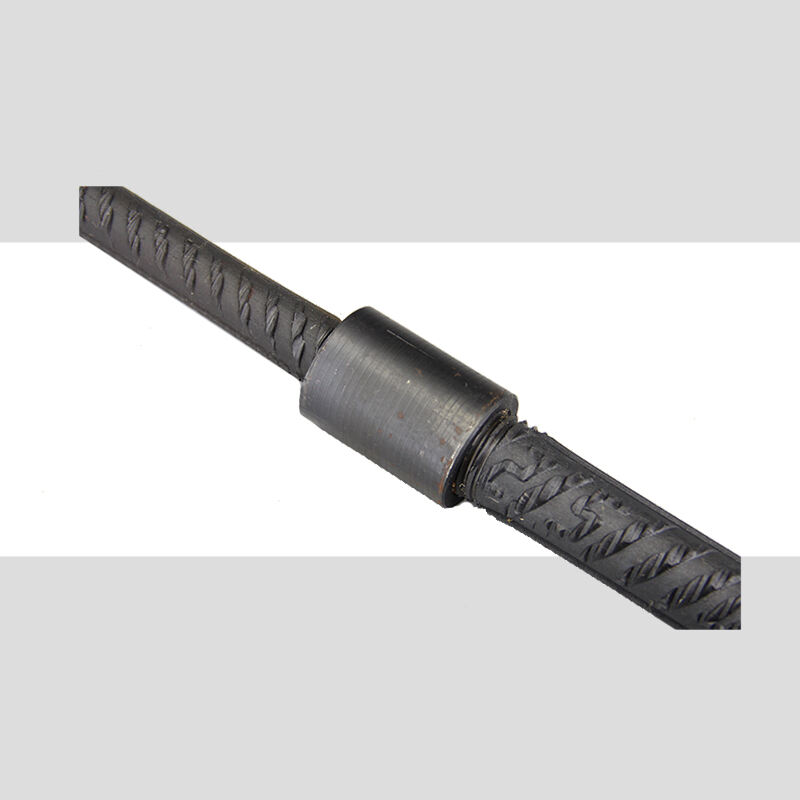
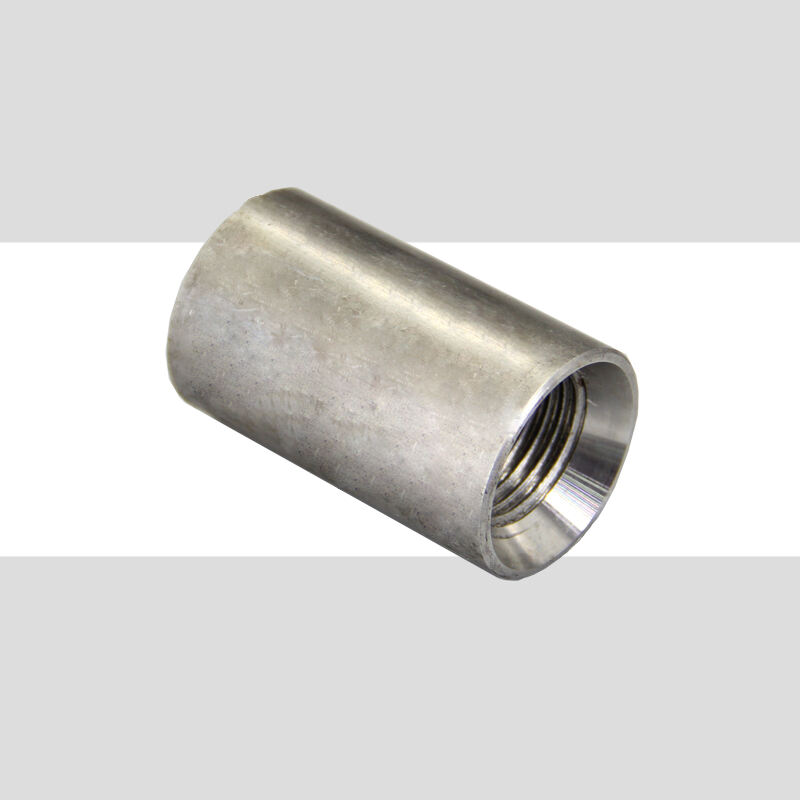
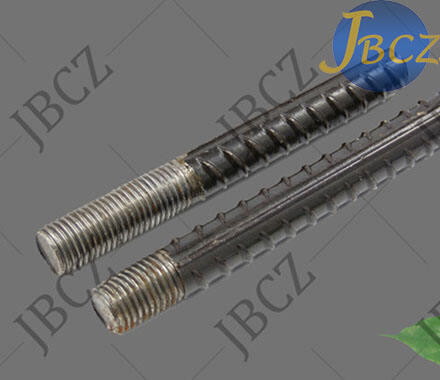
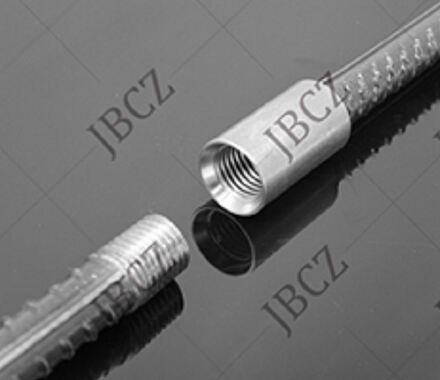
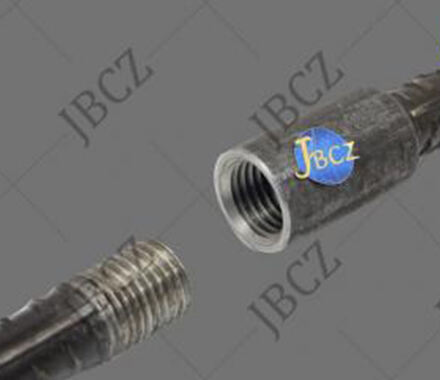
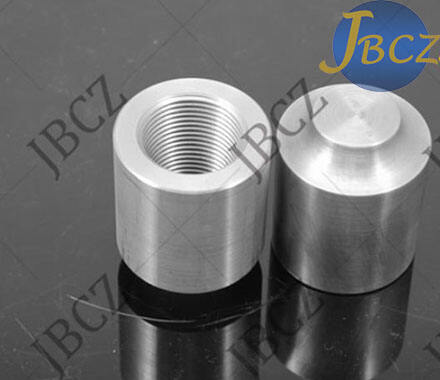
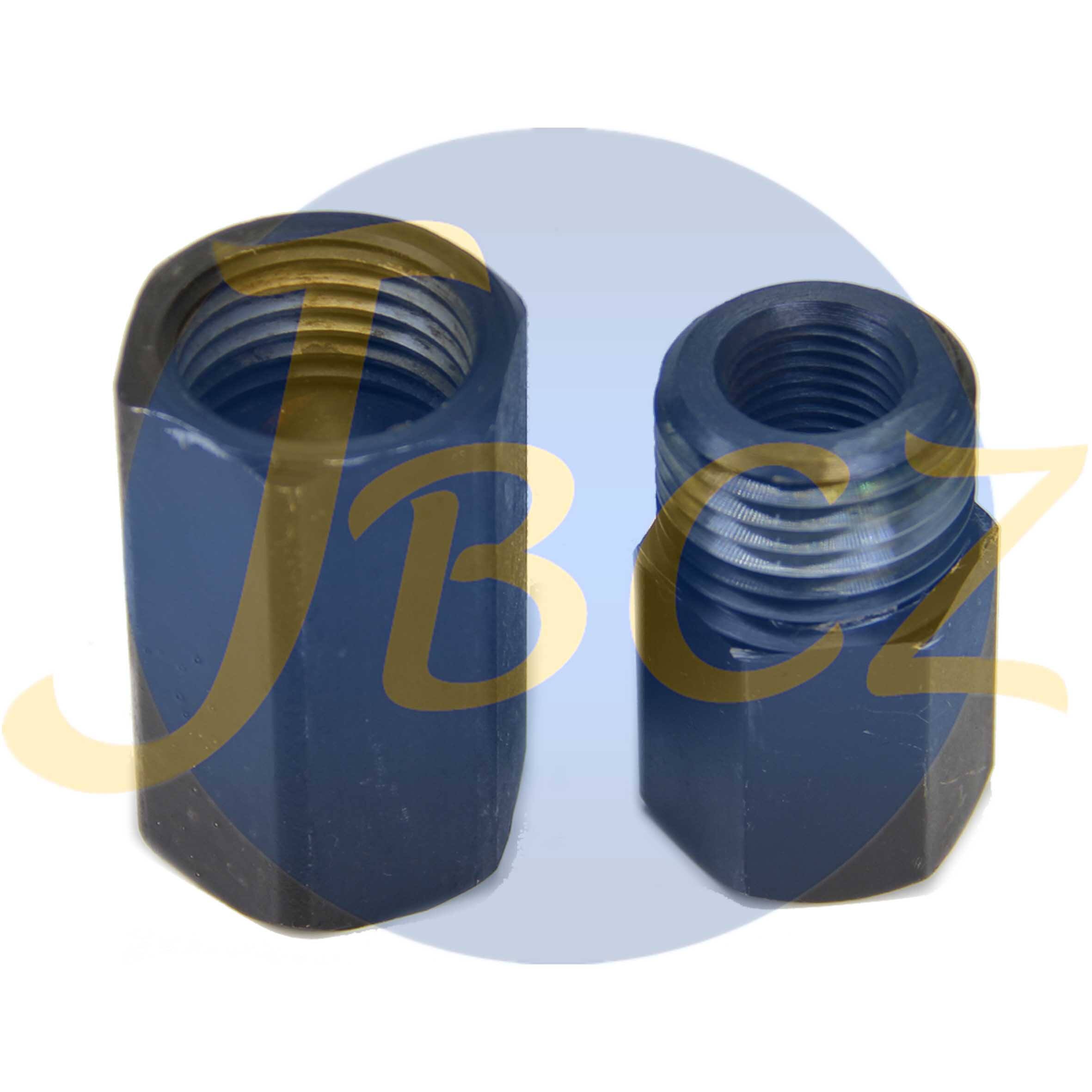
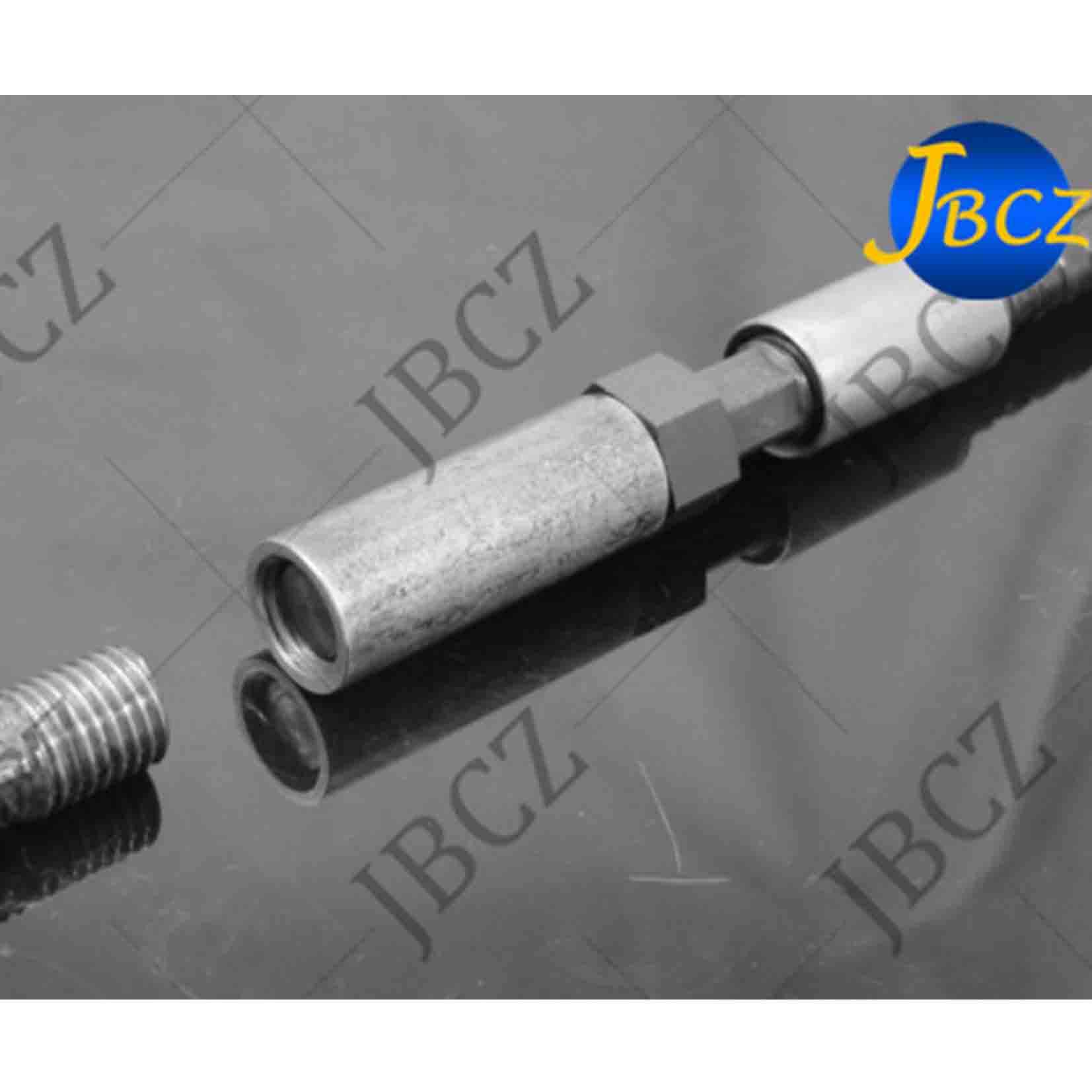
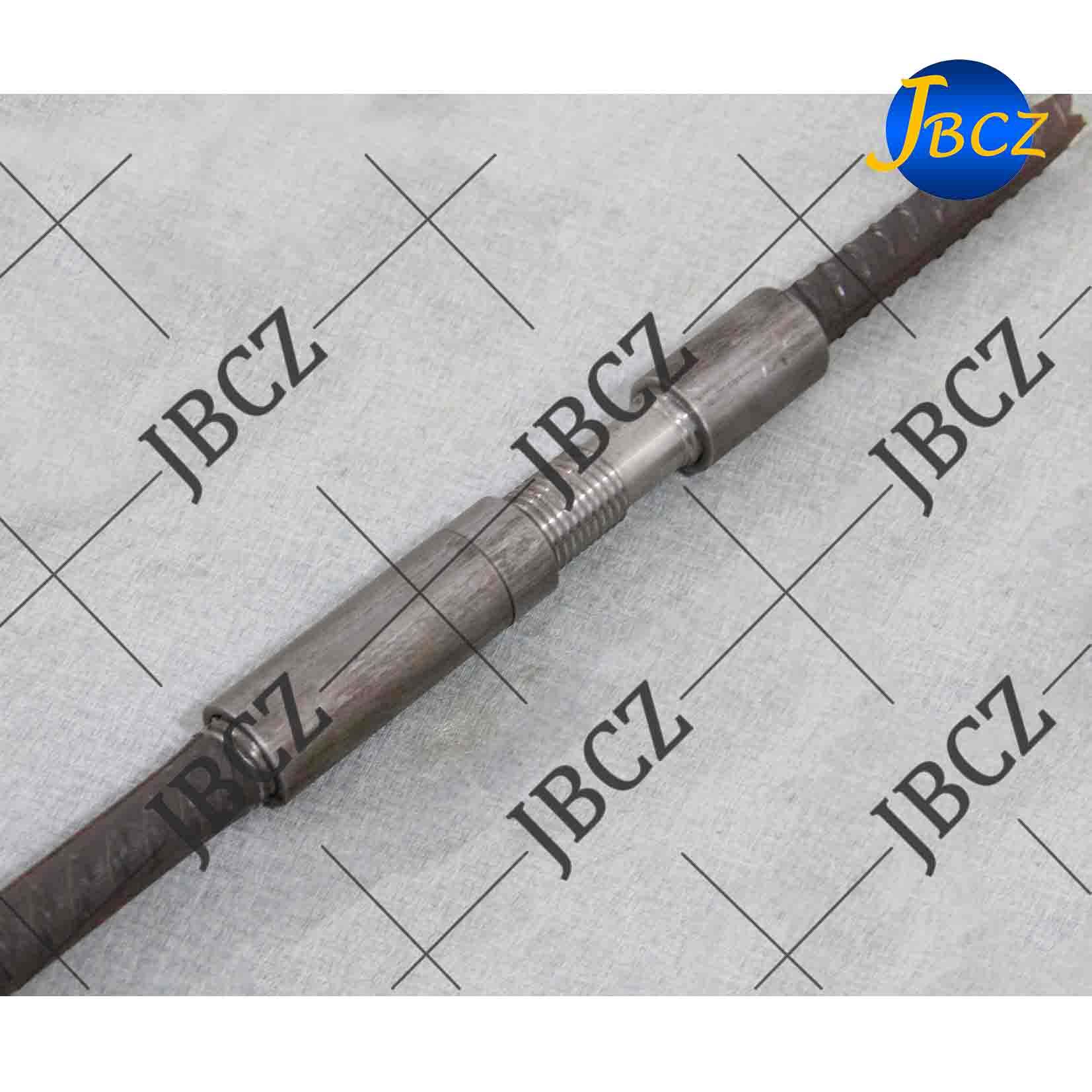
The adjustable rebar coupling represents a revolutionary advancement in construction connection technology, designed specifically to join reinforcing steel bars with precision and flexibility. This innovative mechanical splicing device serves as a critical component in modern concrete reinforcement systems, allowing construction professionals to create secure, reliable connections between rebar sections of various diameters and lengths. The adjustable rebar coupling eliminates the traditional limitations of fixed splicing methods by incorporating a variable-length mechanism that accommodates dimensional variations and tolerance issues commonly encountered on construction sites. The primary function of this coupling system involves creating a continuous load path between two reinforcement bars, ensuring structural integrity while providing the flexibility to adjust connection lengths according to specific project requirements. Unlike conventional rebar splicing methods such as lapping or welding, the adjustable rebar coupling offers superior mechanical performance through its precision-engineered threading system and robust steel construction. The technological features of this coupling include high-strength alloy steel materials, precise thread manufacturing, and a specialized adjustment mechanism that enables length modification without compromising connection strength. The coupling design typically incorporates external threads that match standard rebar threading specifications, internal locking mechanisms to prevent loosening under load, and corrosion-resistant surface treatments to ensure long-term durability in harsh construction environments. Applications for the adjustable rebar coupling span across diverse construction sectors, including high-rise buildings, bridge construction, infrastructure development, seismic retrofitting projects, and foundation work. The coupling proves particularly valuable in situations requiring precise dimensional control, such as column-to-beam connections, precast concrete element assembly, and structural repair applications where existing reinforcement must be extended or modified. The adjustable rebar coupling has become an indispensable tool for contractors seeking to improve construction efficiency, reduce material waste, and maintain the highest standards of structural safety in reinforced concrete construction projects worldwide.

New Product Releases

The adjustable rebar coupling delivers substantial practical benefits that directly impact project timelines, construction quality, and overall cost efficiency. First and foremost, this coupling system dramatically reduces installation time compared to traditional rebar connection methods. Workers can complete connections in minutes rather than hours, eliminating the need for time-consuming lapping arrangements or specialized welding equipment. This speed advantage translates directly into labor cost savings and accelerated project schedules, allowing contractors to complete more work within tight deadlines. The flexibility offered by the adjustable rebar coupling proves invaluable when dealing with real-world construction challenges. Site conditions rarely match theoretical plans perfectly, and dimensional variations frequently occur due to formwork tolerances, concrete placement inconsistencies, or design modifications. The adjustable rebar coupling absorbs these variations effortlessly, with its length-adjustment capability accommodating discrepancies without requiring material waste or time-consuming corrections. This adaptability significantly reduces frustration on job sites and eliminates costly delays caused by dimensional mismatches. Quality control becomes substantially easier with the adjustable rebar coupling system. Unlike welded connections that require certified welders and quality inspections to verify weld integrity, or lapped joints that demand precise positioning and adequate development length, the adjustable rebar coupling provides consistent, predictable performance through simple mechanical installation. The coupling creates a full-strength connection that meets or exceeds the tensile capacity of the parent rebar, giving engineers and inspectors confidence in structural performance. Material efficiency represents another compelling advantage, as the adjustable rebar coupling minimizes waste by eliminating the need for excessive overlap lengths required in traditional lapping methods. This reduction in material consumption not only lowers direct material costs but also contributes to more sustainable construction practices by reducing the carbon footprint associated with steel production and transportation. Safety improvements constitute a critical benefit that should not be overlooked. The adjustable rebar coupling eliminates hot work hazards associated with welding, reducing fire risks and eliminating exposure to welding fumes and UV radiation. Installation requires only basic hand tools, making the process safer for workers while reducing insurance costs and liability concerns for contractors. The coupling system also performs exceptionally well in seismic applications, providing ductile connections that can absorb energy during earthquake events without catastrophic failure. This seismic resilience makes the adjustable rebar coupling particularly valuable in regions with high seismic activity, where structural connections must maintain integrity under extreme dynamic loading conditions. Finally, the versatility of the adjustable rebar coupling allows it to work with various rebar sizes and grades, reducing inventory complexity and simplifying logistics for construction companies managing multiple projects simultaneously.

Practical Tips

What is a Reducing Coupler and How is it Used in Plumbing Systems?

10

Jul

What is a Reducing Coupler and How is it Used in Plumbing Systems?

View More
Ensuring Structural Integrity: The Role of Rebar Couplers in Concrete Joints

10

Jul

Ensuring Structural Integrity: The Role of Rebar Couplers in Concrete Joints

View More
Advantages of Reducing coupler in Renewable Energy Storage Systems

10

Jul

Advantages of Reducing coupler in Renewable Energy Storage Systems

View More
The indispensable role of rebar couplers in offshore wind farms and marine structures

10

Jul

The indispensable role of rebar couplers in offshore wind farms and marine structures

View More

Get a Free Quote

Our representative will contact you soon.
Email
Name
Company Name
Message
0/1000

adjustable rebar coupling

Superior Engineering Design and Load Transfer Mechanism

Superior Engineering Design and Load Transfer Mechanism

The adjustable rebar coupling distinguishes itself through an exceptionally sophisticated engineering design that optimizes load transfer efficiency between connected reinforcement bars. At the core of this design lies a precision-manufactured threading system that creates intimate contact between the coupling and rebar surfaces, distributing tensile and compressive forces uniformly across the connection interface. The threading geometry follows exacting specifications, with thread pitch, depth, and profile carefully calculated to maximize engagement strength while maintaining ease of installation. The coupling body consists of high-grade alloy steel that undergoes specialized heat treatment processes to achieve optimal mechanical properties, including high tensile strength, superior fatigue resistance, and excellent ductility characteristics that mirror or exceed those of the connected reinforcement bars. The adjustment mechanism represents a breakthrough in connection technology, incorporating a telescoping design or dual-component system that allows length modification within a specified range, typically between 20 and 100 millimeters depending on the coupling model. This adjustment capability operates through a precisely engineered thread interface that maintains full load capacity throughout its adjustment range, ensuring that structural performance remains constant regardless of the selected connection length. The internal components feature anti-rotation devices and positive locking mechanisms that prevent inadvertent loosening during concrete placement or subsequent loading events. Surface treatments applied to the adjustable rebar coupling include galvanization, epoxy coating, or specialized corrosion inhibitors that protect against environmental degradation in aggressive exposure conditions such as coastal environments, chemical processing facilities, or wastewater treatment plants. The coupling design accommodates both same-diameter connections and transitions between different rebar sizes, with reducer models available to join bars of varying diameters while maintaining full structural capacity. Quality manufacturing processes ensure dimensional consistency across production batches, with strict tolerances maintained for all critical dimensions including thread specifications, overall length, and internal bore diameter. This manufacturing precision guarantees interchangeability between components from different production lots, simplifying inventory management and eliminating compatibility concerns on construction sites. The adjustable rebar coupling undergoes rigorous testing protocols including tensile testing to verify ultimate strength, fatigue testing to confirm long-term performance under cyclic loading, and slip testing to ensure adequate engagement between coupling and rebar threads, providing comprehensive performance validation that gives engineers confidence in specifying this connection method for critical structural applications.
Installation Simplicity and Field Application Efficiency

Installation Simplicity and Field Application Efficiency

The adjustable rebar coupling revolutionizes construction site productivity through its remarkably straightforward installation process that requires minimal training and basic hand tools, making it accessible to workers of varying skill levels while maintaining consistent quality outcomes. The installation sequence begins with rebar preparation, where the bar ends receive threading either through on-site threading equipment or prefabricated threaded rebar delivered to the project site. The threading process creates precise external threads on the rebar that match the coupling's internal thread specifications, establishing the foundation for a secure mechanical connection. Once threading is complete, workers simply hand-thread the adjustable rebar coupling onto one rebar end until it reaches the desired position, a process that typically requires less than one minute per connection. The adjustment feature then allows workers to modify the exposed thread length to accommodate actual field dimensions, compensating for the inevitable variations that occur in real construction scenarios. This adjustment occurs through a simple rotation or sliding mechanism, depending on the coupling model, with clear visual indicators or measurement scales built into the coupling body to ensure accurate positioning. Workers then position the second rebar end and thread it into the opposite side of the adjustable rebar coupling, rotating the coupling body or adjustment collar until both rebar ends achieve proper engagement depth. The installation process requires no specialized skills beyond basic wrench operation, eliminating the certification requirements and skill premiums associated with welded connections. No electrical power, fuel sources, or hot work permits are necessary, allowing installation to proceed in any location without fire watch requirements or ventilation concerns. The adjustable rebar coupling installs successfully in all weather conditions, including rain, cold temperatures, or high winds that would prohibit welding operations or compromise the quality of other connection methods. This all-weather capability prevents weather-related delays and maintains project momentum regardless of environmental conditions. Quality verification occurs through simple visual inspection and torque checking, with workers using standard torque wrenches to confirm that connections achieve specified tightness levels, a process far simpler than welding inspection protocols or lap splice positioning verification. The speed advantage becomes particularly apparent in large-scale projects involving hundreds or thousands of connections, where the cumulative time savings from using the adjustable rebar coupling can compress project schedules by weeks or months. The system also reduces crew size requirements, as fewer workers can accomplish more connections per shift compared to traditional methods, optimizing labor allocation and reducing overall project costs while maintaining or improving quality standards.
Cost-Effectiveness and Long-Term Value Proposition

Cost-Effectiveness and Long-Term Value Proposition

The adjustable rebar coupling delivers exceptional economic value through multiple cost-saving mechanisms that extend far beyond the initial purchase price, creating a compelling total cost of ownership advantage that benefits contractors, developers, and building owners throughout the project lifecycle. Direct material cost savings emerge from the elimination of lap splice requirements, which typically demand 40 to 60 rebar diameters of overlap length to achieve adequate load transfer. By replacing these overlaps with compact adjustable rebar coupling connections, projects reduce total rebar consumption by 15 to 25 percent in typical applications, generating substantial material savings that quickly offset the coupling purchase cost. This material reduction also decreases transportation expenses, as less total steel weight requires shipment to project sites, and reduces concrete volume requirements in congested reinforcement zones where lap splices would otherwise create steel congestion that necessitates larger structural members. Labor cost advantages prove equally significant, with installation speed improvements reducing the man-hours required per connection by 60 to 75 percent compared to welding methods and 40 to 50 percent compared to carefully positioned lap splices. These labor savings accumulate rapidly across projects involving extensive rebar networks, with the adjustable rebar coupling enabling smaller crews to maintain aggressive production schedules without overtime expenses. The elimination of specialized labor requirements further enhances cost-effectiveness, as contractors need not employ certified welders or maintain welding equipment, consumables, and related infrastructure. Equipment cost savings extend beyond welding apparatus to include the elimination of power generation equipment, welding cable, electrode management systems, and hot work safety equipment, reducing both capital investment and ongoing operational expenses. The adjustable rebar coupling also minimizes waste disposal costs by reducing scrap generation and eliminating welding slag, electrode stubs, and damaged rebar sections that typically result from welding errors or dimensional mismatches. Quality-related cost benefits emerge from the reduced inspection requirements and lower rejection rates associated with mechanical connections compared to welded or lapped alternatives, decreasing the expense of quality control personnel and eliminating costly correction work for failed connections. Insurance and liability cost reductions result from improved site safety profiles, with the elimination of hot work hazards reducing workers' compensation premiums and general liability insurance expenses. Long-term performance advantages contribute to lifecycle cost optimization, as the adjustable rebar coupling maintains its structural capacity throughout the building's service life without the degradation concerns associated with corroded welded connections or inadequately developed lap splices. The coupling's superior seismic performance reduces potential earthquake damage and associated repair costs in seismic regions, providing valuable risk mitigation that protects building owners' investments. Schedule acceleration enabled by the adjustable rebar coupling generates indirect cost savings through earlier project completion and revenue generation, reduced financing costs, and decreased general conditions expenses that accrue on a time basis, making the coupling system an investment that pays dividends through multiple financial mechanisms simultaneously.