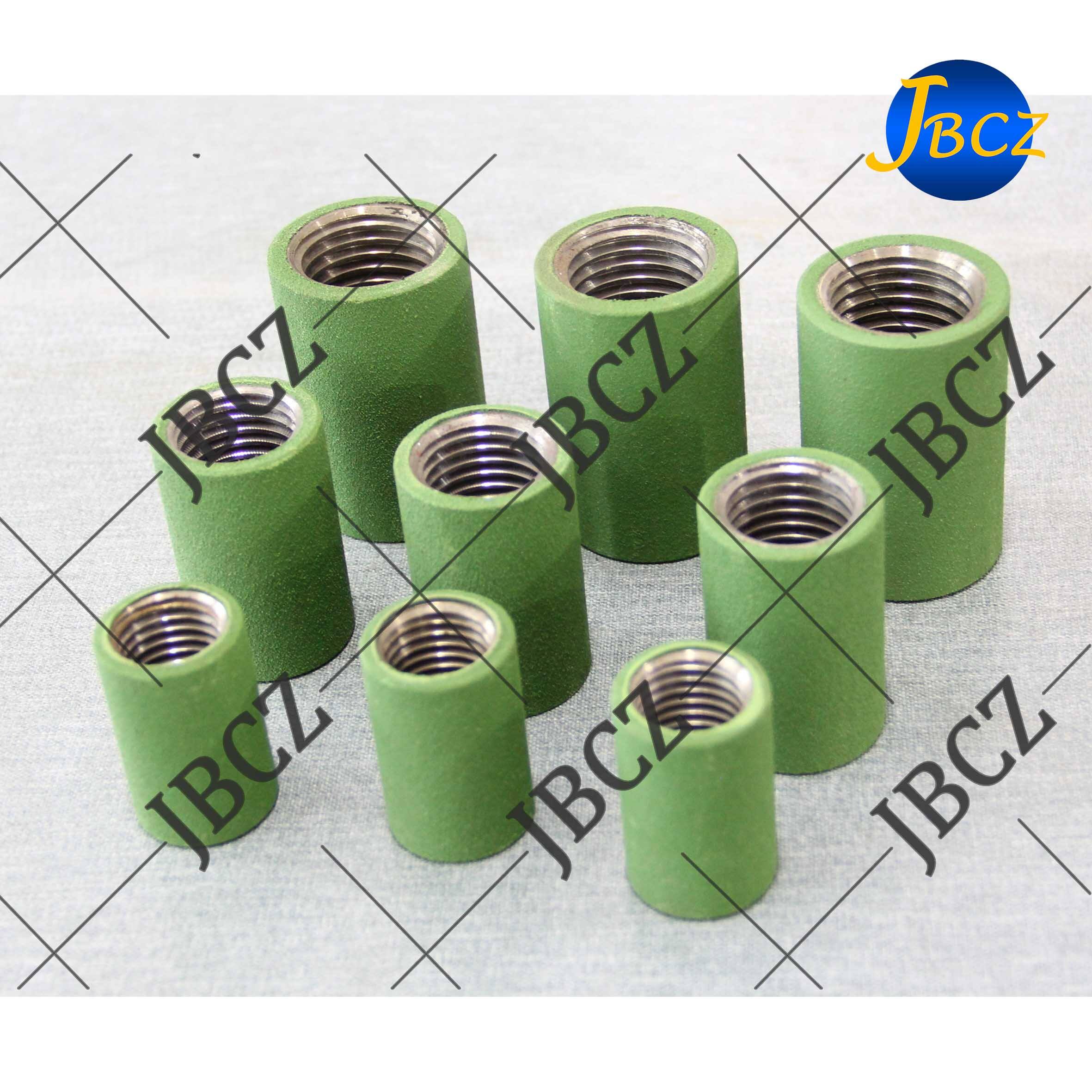
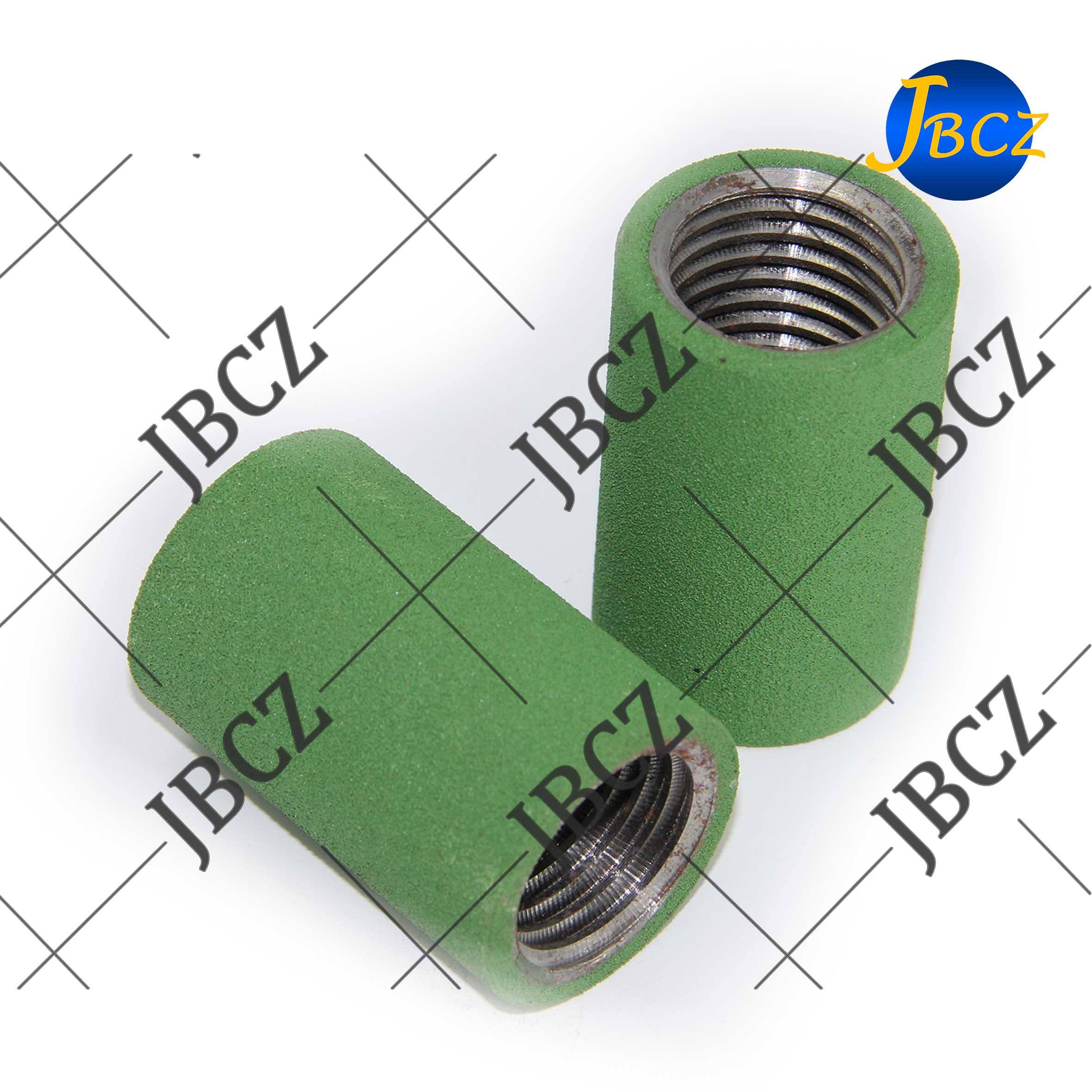
Epoxy Coated Rebar Coupler: Corrosion-Resistant Steel Reinforcement Connections for Durable Construction

All Categories

Get a Free Quote

Our representative will contact you soon.
Email
Name
Company Name
Message
0/1000

epoxy coated rebar coupler

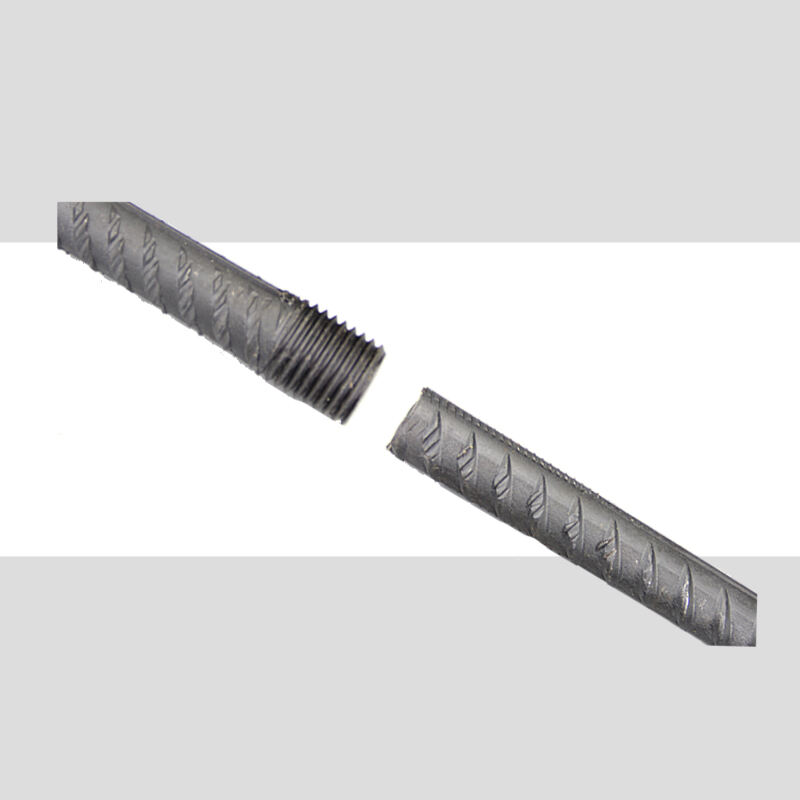
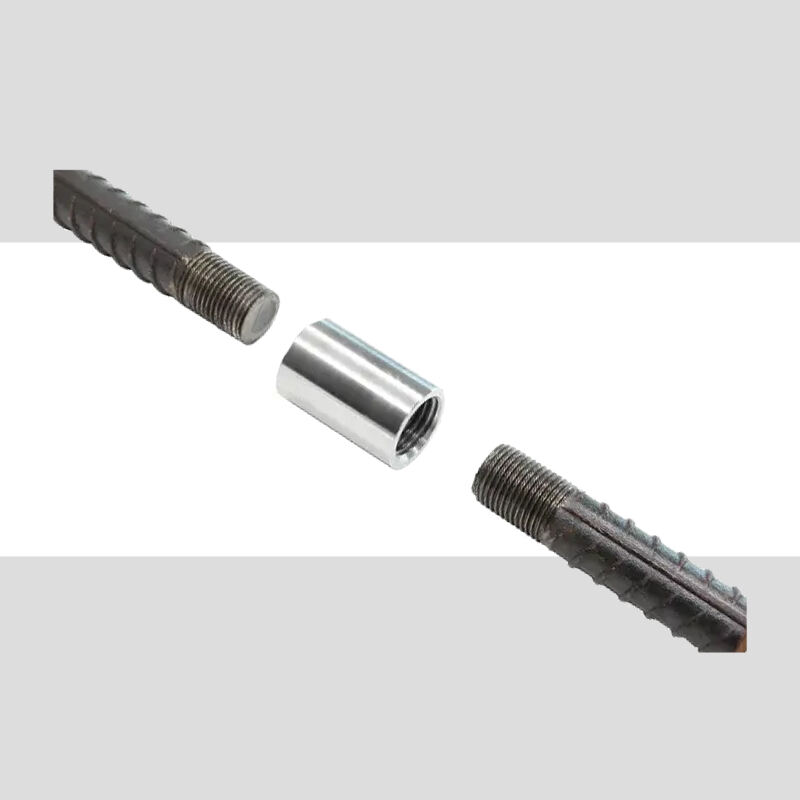
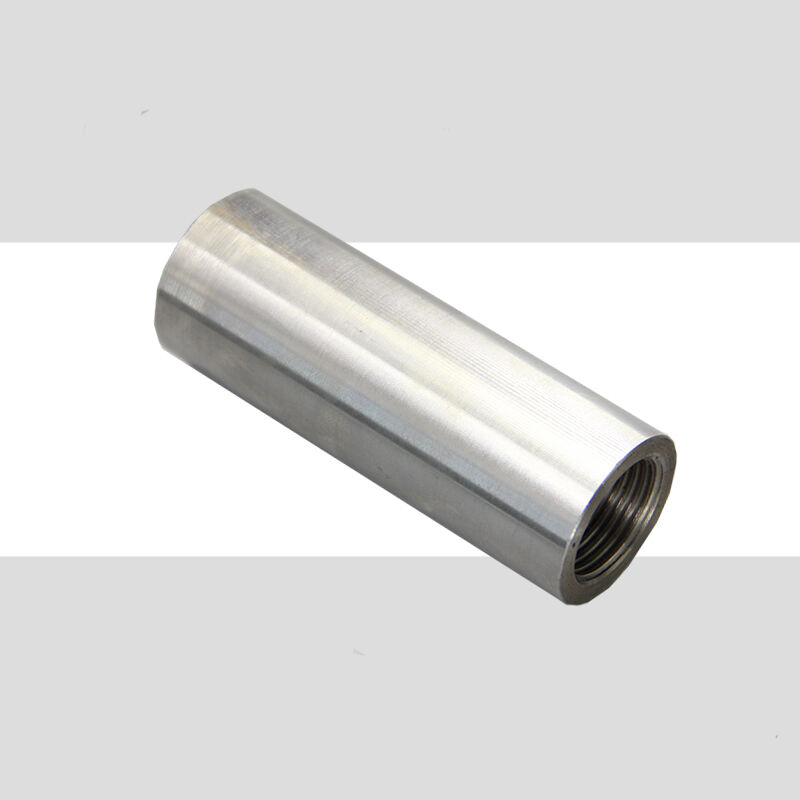
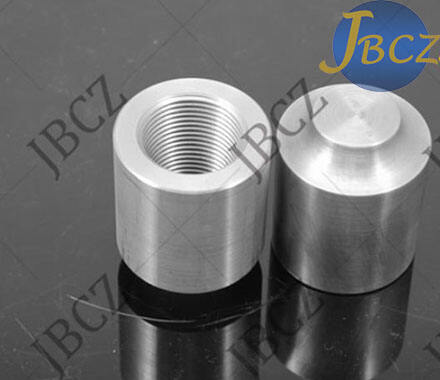
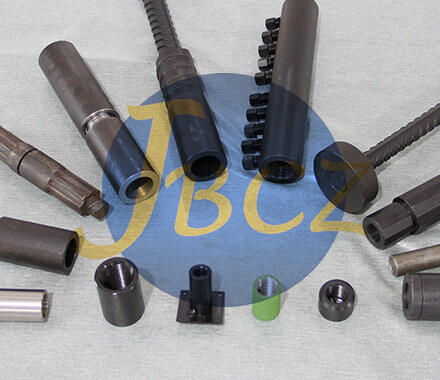
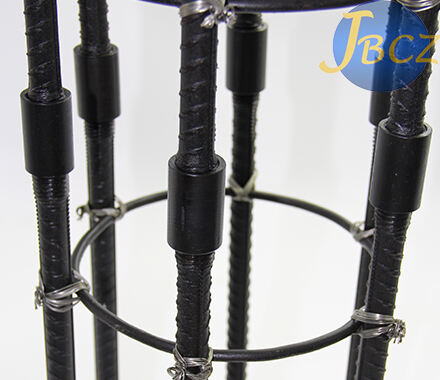
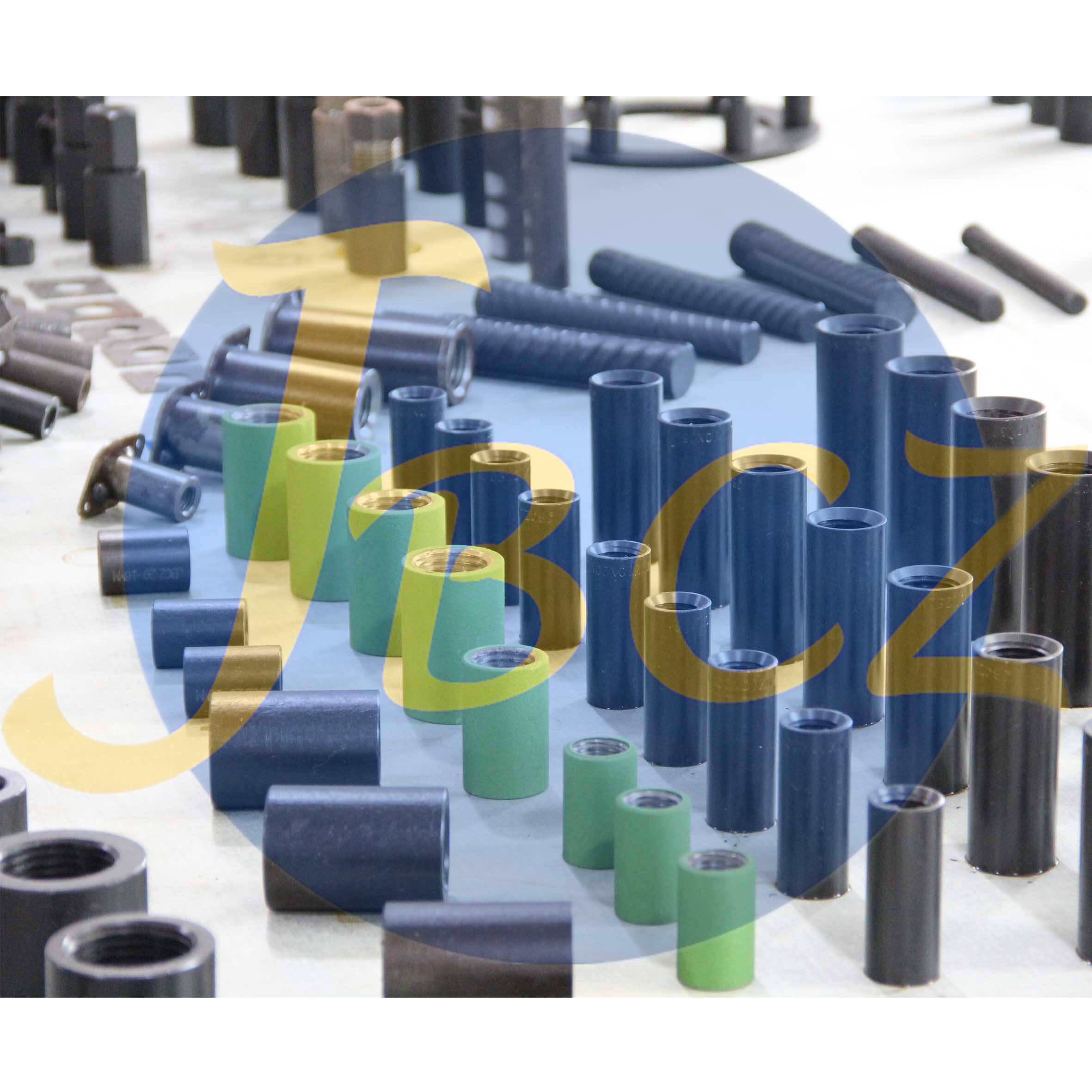
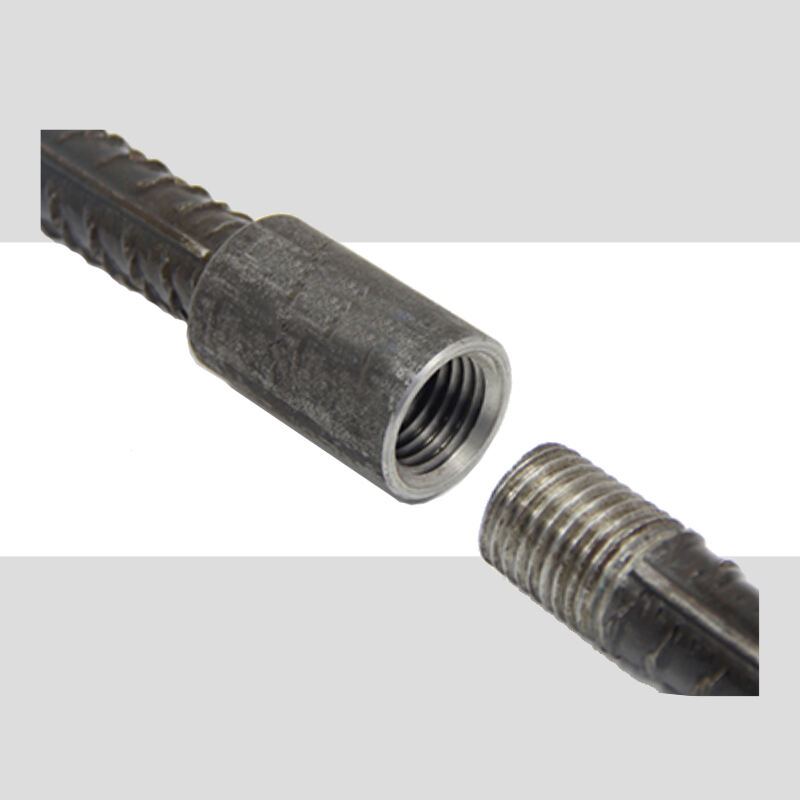
An epoxy coated rebar coupler represents a sophisticated mechanical connection device designed to join reinforcing steel bars in concrete construction projects. This specialized component combines the structural integrity of traditional mechanical couplers with the exceptional corrosion protection offered by epoxy coating technology. The epoxy coated rebar coupler serves as a critical element in modern construction, providing reliable connections between reinforcement bars while maintaining durability in challenging environmental conditions. The primary function of this coupling system involves creating continuous load transfer paths between adjacent reinforcement bars, eliminating the need for traditional lap splicing methods that consume additional materials and labor. The technological advancement of the epoxy coated rebar coupler lies in its dual-layer protection system, where a precisely machined steel sleeve receives a factory-applied epoxy coating that meets stringent industry standards for thickness, adhesion, and chemical resistance. This protective barrier shields the underlying metal from moisture penetration, chloride ion attack, and other corrosive elements commonly found in marine environments, industrial facilities, and infrastructure exposed to deicing salts. Applications for the epoxy coated rebar coupler span numerous construction sectors, including bridge decks, parking structures, coastal developments, wastewater treatment plants, and any concrete structure requiring enhanced corrosion resistance. The coupling mechanism typically employs threaded connections, cold swaging, or grout-filled sleeves to achieve full-strength joints that meet or exceed the tensile capacity of the parent reinforcing bars. Installation procedures for the epoxy coated rebar coupler follow established protocols that ensure proper alignment, torque specifications, and coating integrity throughout the connection process, making it suitable for both horizontal and vertical reinforcement applications in diverse structural configurations.

Popular Products

The epoxy coated rebar coupler delivers substantial benefits that directly impact project outcomes, cost efficiency, and long-term structural performance. First and foremost, this connection system significantly extends the service life of reinforced concrete structures by preventing rust formation at critical joint locations where traditional splicing methods create vulnerability points. When you choose an epoxy coated rebar coupler for your construction project, you protect your investment against premature deterioration that leads to expensive repairs and structural maintenance. The protective coating acts as a barrier that stops harmful chemicals and moisture from reaching the steel surface, maintaining the structural integrity for decades beyond what uncoated connections can achieve. Another practical advantage involves the reduction of congestion in heavily reinforced concrete sections. Traditional lap splicing requires overlapping bars for considerable distances, creating dense reinforcement zones that make concrete placement difficult and increase the risk of voids. The epoxy coated rebar coupler eliminates this congestion by creating compact connections that allow concrete to flow freely around reinforcement, resulting in superior concrete consolidation and stronger structural elements. Construction teams also benefit from increased productivity when using these couplers, as workers can complete connections faster than tying overlapping bars, reducing labor hours and accelerating project schedules. The space-saving characteristic of the epoxy coated rebar coupler proves especially valuable in columns, beams, and walls where design requirements demand high reinforcement ratios. Material savings represent another compelling advantage, as couplers eliminate the need for extra bar length required in lap splices, reducing steel consumption by up to twenty percent in some applications. Quality control becomes more manageable with mechanical connections because each joint undergoes verification through torque testing or visual inspection, providing documented assurance that connections meet specification requirements. The epoxy coated rebar coupler also facilitates construction sequencing by allowing crews to prepare reinforcement cages in advance and connect them efficiently on-site, improving workflow coordination. Environmental considerations favor these couplers as well, since reduced material consumption lowers the carbon footprint associated with steel production and transportation. Projects in aggressive environments particularly benefit from the superior protection offered by epoxy coating technology, which outperforms bare steel connections in resisting chloride penetration and maintaining alkaline protection.

Tips And Tricks

How Rebar Couplers Strengthen Concrete Structures: Innovation and Benefits

10

Jul

How Rebar Couplers Strengthen Concrete Structures: Innovation and Benefits

View More
The indispensable role of rebar couplers in offshore wind farms and marine structures

10

Jul

The indispensable role of rebar couplers in offshore wind farms and marine structures

View More
Features of rebar splices and precautions for their use

10

Jul

Features of rebar splices and precautions for their use

View More
Take a look at the rebar coupler

10

Jul

Take a look at the rebar coupler

View More

Get a Free Quote

Our representative will contact you soon.
Email
Name
Company Name
Message
0/1000

epoxy coated rebar coupler

Superior Corrosion Protection for Extended Structure Longevity

Superior Corrosion Protection for Extended Structure Longevity

The most distinguishing characteristic of the epoxy coated rebar coupler centers on its exceptional ability to resist corrosion in harsh environmental conditions that would quickly compromise conventional steel connections. This protective capability stems from a carefully engineered epoxy coating system applied under controlled factory conditions, ensuring uniform coverage and optimal adhesion to the underlying metal substrate. The coating material consists of fusion-bonded epoxy powder that melts and flows across the heated steel surface, creating a seamless protective barrier typically ranging from ten to sixteen mils in thickness. This thickness specification provides robust protection while maintaining the precise dimensional tolerances required for proper coupler function. The chemical composition of the epoxy coating resists penetration by chloride ions, sulfates, and acidic compounds that commonly attack unprotected steel in marine structures, industrial facilities, and transportation infrastructure exposed to deicing chemicals. When concrete structures experience cracking or carbonation that allows moisture and contaminants to reach embedded reinforcement, the epoxy coated rebar coupler maintains its protective barrier at the critical connection point where stress concentrations make corrosion particularly damaging. The importance of this corrosion resistance cannot be overstated for owners and engineers concerned with life-cycle costs, as corrosion-related deterioration represents the leading cause of premature concrete structure failure worldwide. Rehabilitation and repair of corroded reinforcement connections often requires extensive concrete removal, temporary structural support, and extended service disruptions that cost many times the initial construction investment. By specifying the epoxy coated rebar coupler for new construction or rehabilitation projects, design professionals provide their clients with a proactive defense against this costly degradation mechanism. The value proposition extends beyond mere cost avoidance, encompassing enhanced safety margins, reduced maintenance requirements, and preserved structural capacity throughout the intended service life. Testing protocols verify that properly applied epoxy coatings maintain their protective properties even when subjected to the mechanical stresses of installation, including threading operations and torque application that might damage inferior coating systems.
Streamlined Installation Process That Accelerates Construction Schedules

Streamlined Installation Process That Accelerates Construction Schedules

The practical installation advantages of the epoxy coated rebar coupler translate directly into measurable time savings and improved productivity on construction sites of all scales. Unlike traditional lap splicing that requires workers to carefully position and tie numerous overlapping bars while maintaining specified spacing and concrete cover requirements, the mechanical connection process using couplers follows a straightforward procedure that crews master quickly with minimal training. Installation typically begins with threading or preparing the rebar ends according to manufacturer specifications, a process that can occur off-site in fabrication facilities or on-site using portable equipment. This preparation flexibility allows project managers to optimize workflows based on site conditions, equipment availability, and crew capabilities. Once prepared, workers simply position the bars in alignment and rotate the epoxy coated rebar coupler onto the threaded ends until achieving the specified engagement length and torque value, a process taking minutes compared to the extended time required for lapping and tying multiple bars. The speed advantage becomes particularly significant in vertical construction applications such as columns and walls, where crews must connect reinforcement between floor levels. Traditional splicing in these locations requires careful measurement and positioning of starter bars projecting from completed concrete, followed by tedious lapping and tying of continuing bars. The coupler method eliminates this complexity, allowing workers to make secure connections rapidly and proceed with cage installation and concrete placement without delay. Quality assurance processes also become more efficient with mechanical connections, as inspection personnel can verify proper installation through straightforward visual examination and torque verification rather than measuring numerous lap lengths and tie patterns. The epoxy coated rebar coupler proves especially valuable when construction schedules demand rapid turnaround between concrete pours, enabling fast-track construction sequences that compress project durations. Prefabrication opportunities further enhance productivity, as reinforcement suppliers can deliver cage assemblies with couplers already attached to specific bars, reducing on-site labor requirements and improving dimensional accuracy. The combination of faster installation, simpler quality control, and prefabrication compatibility makes the epoxy coated rebar coupler an essential tool for contractors focused on efficiency, schedule compliance, and competitive advantage in the construction marketplace.
Space Optimization That Solves Reinforcement Congestion Challenges

Space Optimization That Solves Reinforcement Congestion Challenges

Reinforcement congestion represents a persistent challenge in modern concrete construction, particularly as structural designs push performance boundaries with higher load capacities and more compact member dimensions. The epoxy coated rebar coupler addresses this challenge by enabling efficient connections that occupy minimal space compared to traditional splicing methods. Understanding the spatial requirements of different connection approaches reveals the significant advantage offered by mechanical couplers. A typical lap splice requires overlapping bars for a distance of thirty to sixty times the bar diameter, depending on concrete strength, bar size, and development length requirements. This overlap creates zones of doubled reinforcement density that obstruct concrete flow during placement, increasing the risk of honeycombing and voids that compromise structural integrity. In columns and beams with high reinforcement ratios approaching code limits, lap splicing may become physically impossible without increasing member dimensions or reducing bar sizes, both of which negatively impact structural efficiency. The epoxy coated rebar coupler eliminates this spatial burden by creating a connection point only slightly larger than the bar diameter, typically adding just two to four inches to the overall length. This compact profile allows designers to maintain intended reinforcement quantities without the geometric constraints imposed by lapping requirements. The practical implications extend throughout the design and construction process, beginning with more efficient structural layouts that minimize material consumption while achieving required strength and stiffness. Architectural coordination improves as well, since reduced member sizes provide additional space for mechanical, electrical, and plumbing systems that compete for limited clearances in modern buildings. Construction quality benefits substantially from the improved concrete placement conditions enabled by the epoxy coated rebar coupler, as concrete can flow freely around properly spaced bars without encountering impenetrable reinforcement barriers. This improved consolidation reduces the need for excessive vibration that can cause segregation and enhances the bond between concrete and reinforcement throughout the member. The spatial efficiency also facilitates construction of complex reinforcement geometries such as beam-column joints, where multiple bar groups converge in limited space. Engineers gain flexibility to optimize these critical regions for strength and ductility without compromising constructability, resulting in structures that perform as intended under service loads and extreme events.