Stainless Steel Threaded Coupler - Durable Corrosion-Resistant Pipe Connectors for Industrial Applications

All Categories

Get a Free Quote

Our representative will contact you soon.
Email
Name
Company Name
Message
0/1000

stainless steel threaded coupler

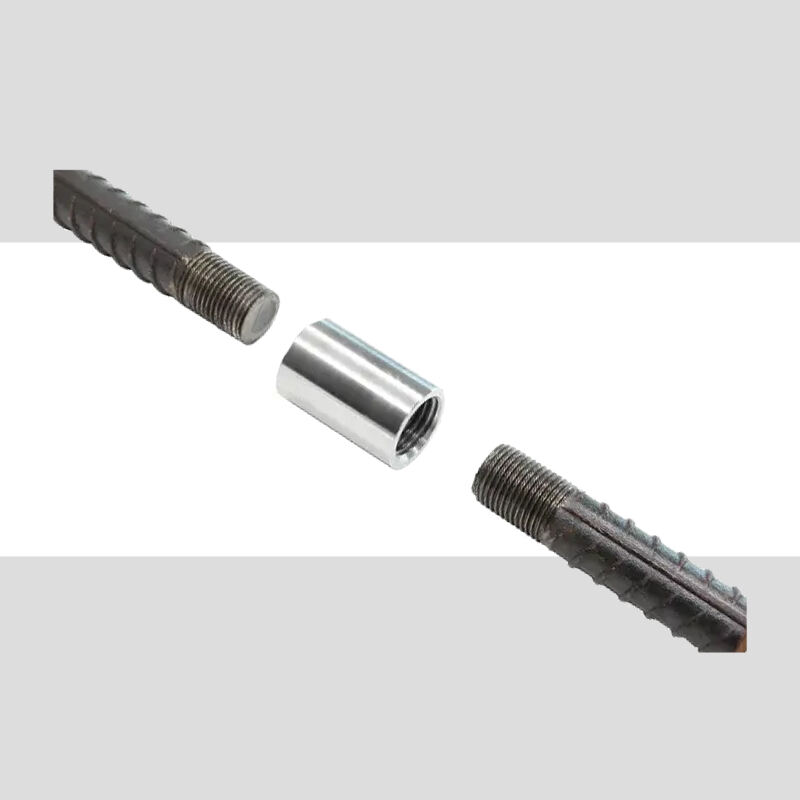
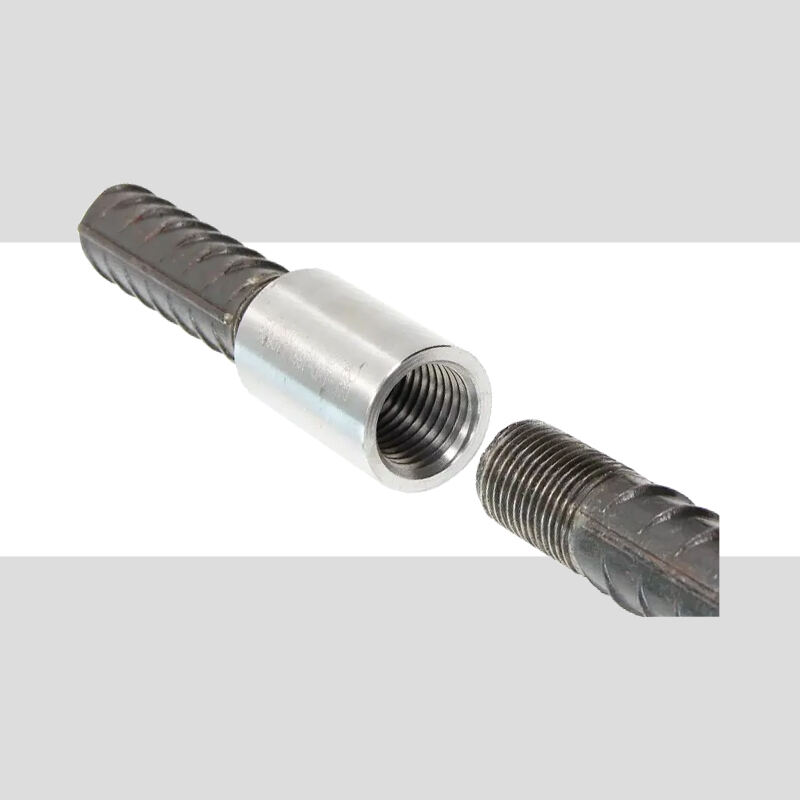
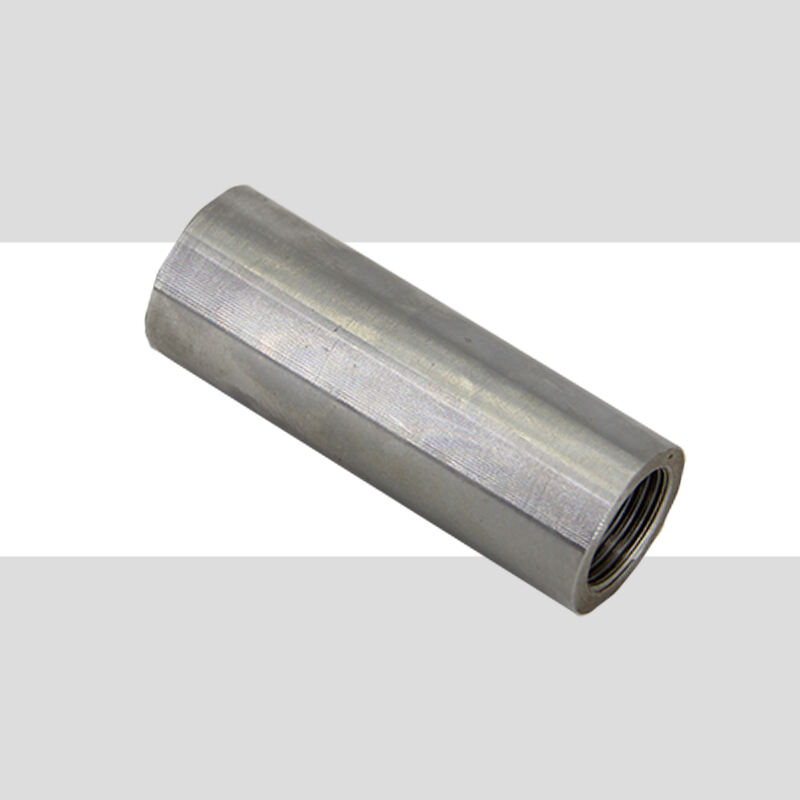
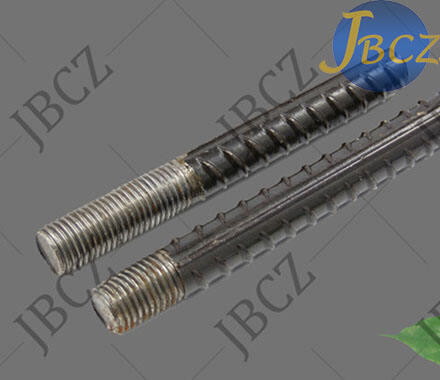
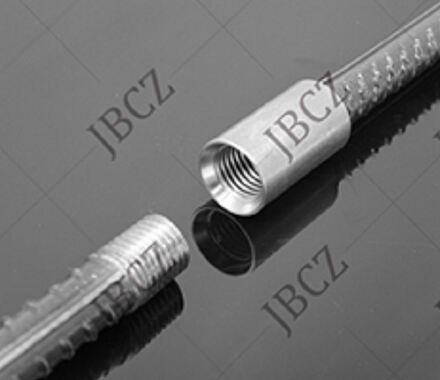
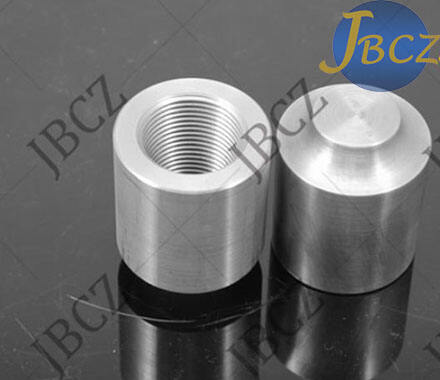
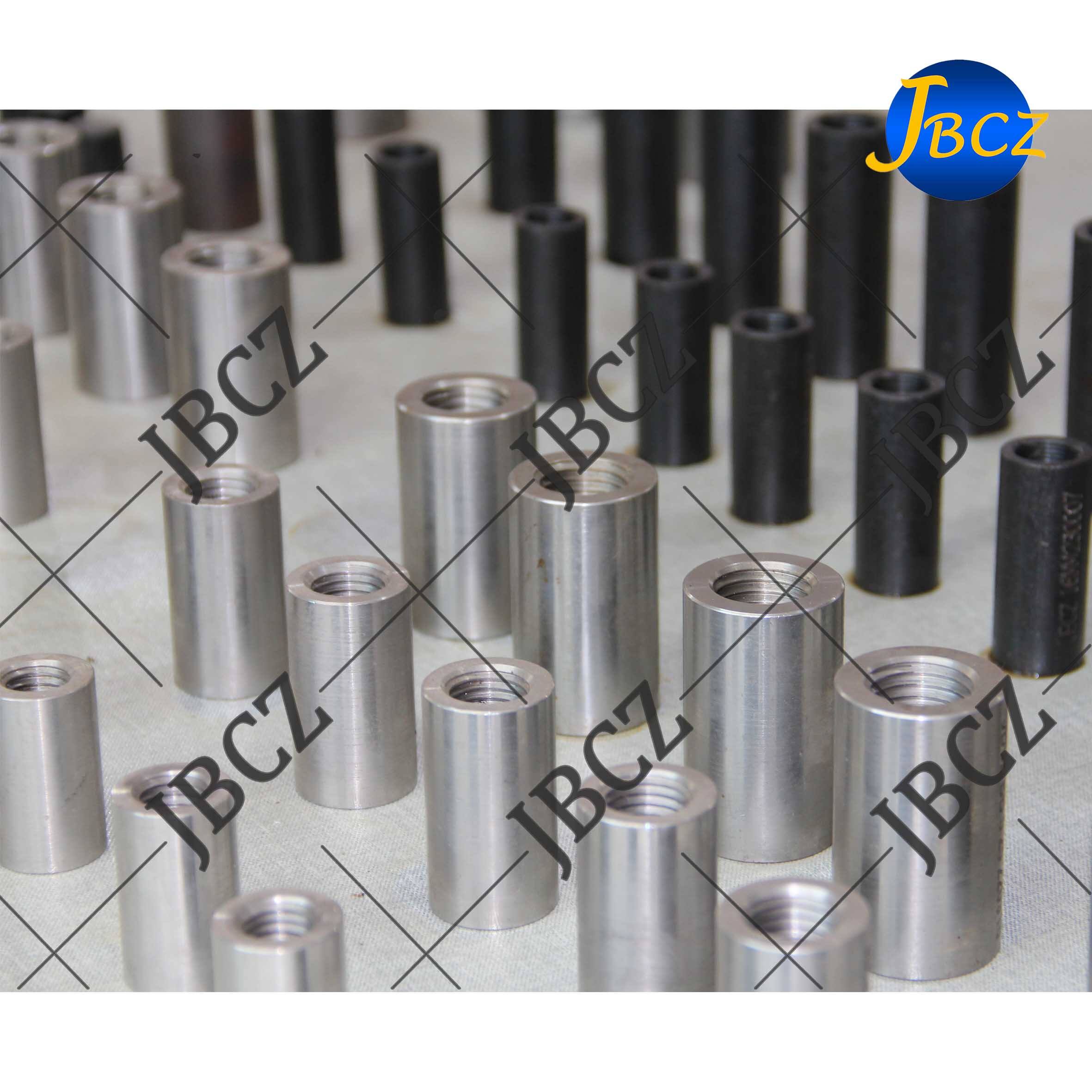
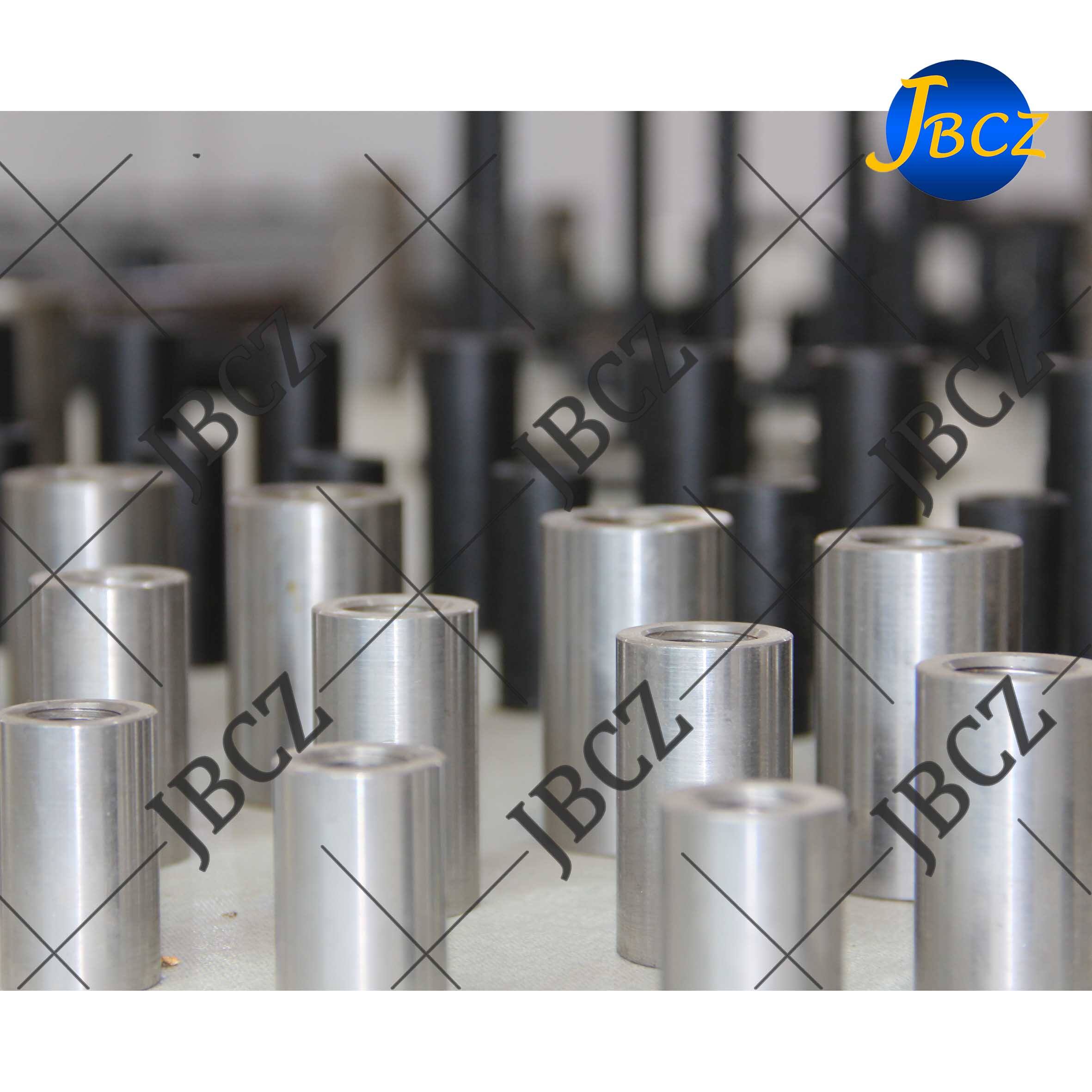
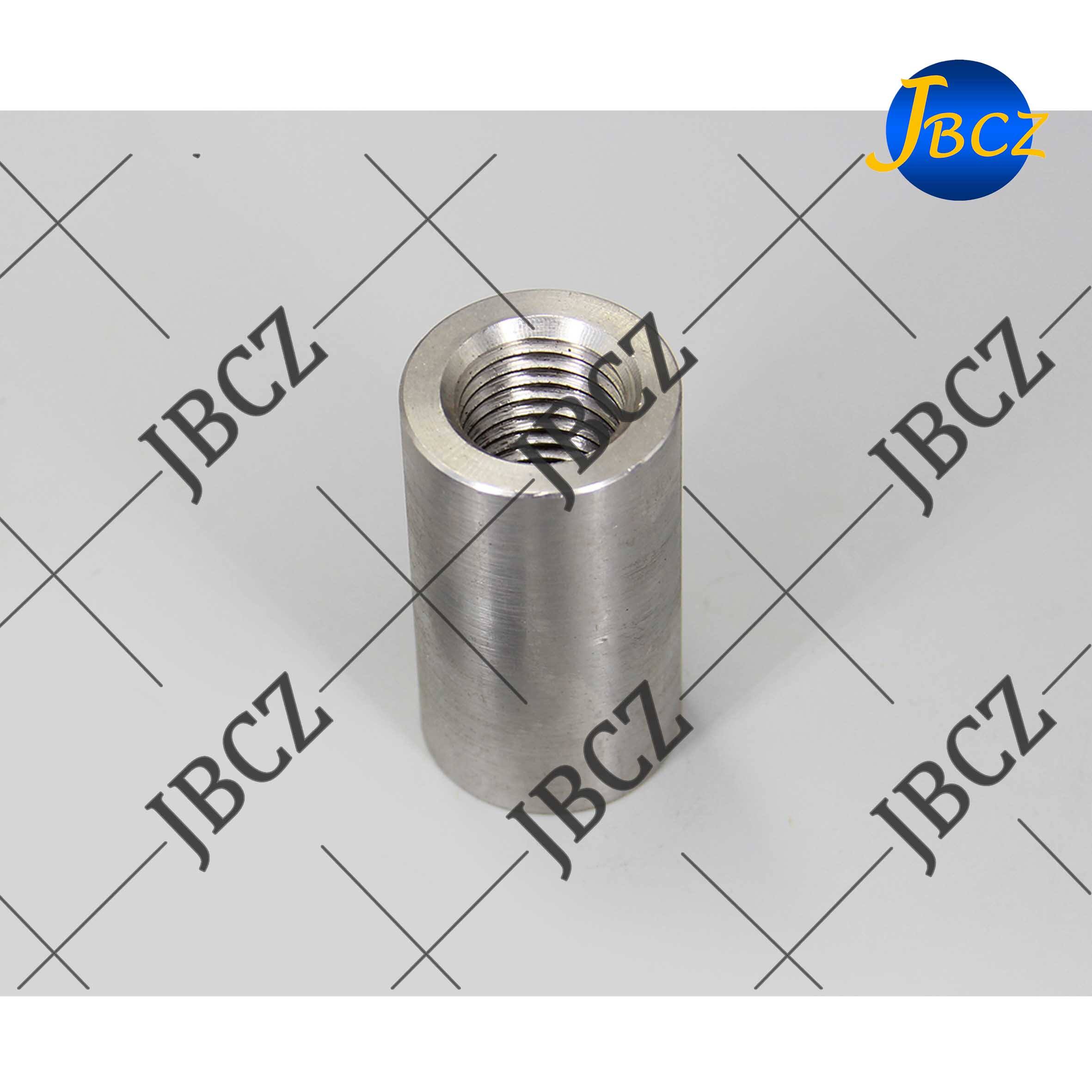
A stainless steel threaded coupler is a fundamental mechanical connector designed to join two threaded components together, creating a secure and reliable connection in various piping and structural systems. This essential fitting component features internal threads on both ends, allowing it to connect two externally threaded pipes, rods, or fittings of compatible sizes. Manufactured from high-quality stainless steel alloys, typically grades 304 or 316, these couplers provide exceptional resistance to corrosion, rust, and chemical degradation. The main function of a stainless steel threaded coupler is to extend pipe lengths, repair damaged threaded sections, or connect separate components without requiring welding or specialized tools. The technological features of these couplers include precision-machined threads that conform to international standards such as NPT, BSP, or metric specifications, ensuring compatibility across different systems. The manufacturing process involves cold forging or machining from solid stainless steel bar stock, followed by thread cutting or rolling operations that create accurate, clean threads with proper tolerances. Many couplers feature hexagonal exterior surfaces that facilitate easy installation using standard wrenches or pipe tools. Applications for stainless steel threaded couplers span numerous industries and environments. In plumbing systems, they connect water supply lines, drainage pipes, and fixture connections. Chemical processing facilities utilize these couplers for their resistance to aggressive substances and high-temperature stability. Food and beverage industries rely on stainless steel threaded couplers because they meet sanitary standards and resist contamination. Marine applications benefit from their saltwater corrosion resistance. Oil and gas operations employ these fittings in instrumentation lines and process piping. HVAC systems incorporate them for refrigerant lines and condensate drainage. The construction industry uses stainless steel threaded couplers in structural applications, handrail systems, and architectural elements. Pharmaceutical manufacturing requires these couplers for their cleanability and compliance with strict hygiene regulations. Agricultural irrigation systems, water treatment plants, and municipal infrastructure also depend on these versatile connectors for long-lasting, maintenance-free performance in demanding conditions.

New Product Recommendations

Choosing a stainless steel threaded coupler for your projects brings numerous practical benefits that directly impact performance, longevity, and cost-effectiveness. The foremost advantage lies in superior corrosion resistance, which means your connections remain intact and functional for decades, even when exposed to moisture, chemicals, or harsh outdoor environments. Unlike iron or carbon steel alternatives that rust and deteriorate quickly, stainless steel maintains its structural integrity and appearance throughout its service life, eliminating frequent replacement costs and system downtime. Installation simplicity represents another significant benefit, as these couplers require no special equipment, welding skills, or electrical power. You can complete connections using basic hand tools, reducing labor costs and allowing for quick repairs or modifications in the field. This ease of use makes stainless steel threaded couplers ideal for maintenance teams, contractors, and do-it-yourself applications. The strength and durability of stainless steel construction ensure that connections withstand high pressures, vibrations, and mechanical stress without failing or leaking. This reliability translates to fewer emergency repairs, reduced maintenance schedules, and greater system uptime. Temperature stability offers practical advantages across extreme conditions, as these couplers perform consistently from freezing temperatures to elevated heat levels without losing their mechanical properties or dimensional accuracy. Hygiene and cleanliness benefits make stainless steel threaded couplers perfect for applications involving drinking water, food products, or pharmaceutical substances. The non-porous surface resists bacterial growth and cleans easily, meeting health and safety standards without special treatments or coatings. Versatility in application means you can use the same type of fitting across multiple projects and industries, simplifying inventory management and reducing procurement complexity. The cost-benefit analysis favors stainless steel threaded couplers when considering total lifecycle expenses rather than initial purchase price alone. While they may cost more upfront than coated steel or plastic alternatives, the elimination of replacement cycles, reduced maintenance requirements, and extended service life create substantial long-term savings. Environmental benefits include full recyclability at end of life and elimination of toxic coatings or treatments that might contaminate soil or water. Aesthetic advantages matter in visible installations, as stainless steel maintains an attractive, professional appearance that enhances property value and brand image. The material resists staining, discoloration, and weathering that affects other materials. Compatibility with existing systems using standard thread specifications ensures these couplers integrate seamlessly into current infrastructure without requiring adapters or custom modifications. Mechanical reliability under stress conditions provides peace of mind for critical applications where failure could cause safety hazards, production losses, or environmental incidents. The predictable performance characteristics of stainless steel allow engineers to design systems with confidence, knowing the connections will function as specified throughout the intended service period.

Latest News

What is a Reducing Coupler and How is it Used in Plumbing Systems?

10

Jul

What is a Reducing Coupler and How is it Used in Plumbing Systems?

View More
Ensuring Structural Integrity: The Role of Rebar Couplers in Concrete Joints

10

Jul

Ensuring Structural Integrity: The Role of Rebar Couplers in Concrete Joints

View More
The indispensable role of rebar couplers in offshore wind farms and marine structures

10

Jul

The indispensable role of rebar couplers in offshore wind farms and marine structures

View More
Right Hand Coupler: Enhancing Efficiency and Precision in Mechanical Systems

10

Jul

Right Hand Coupler: Enhancing Efficiency and Precision in Mechanical Systems

View More

Get a Free Quote

Our representative will contact you soon.
Email
Name
Company Name
Message
0/1000

stainless steel threaded coupler

Exceptional Corrosion Resistance for Long-Term Performance

Exceptional Corrosion Resistance for Long-Term Performance

The outstanding corrosion resistance of stainless steel threaded couplers stands as their most valuable characteristic, directly impacting system reliability and operational costs over extended periods. This resistance stems from the chromium content in stainless steel alloys, which forms a passive oxide layer on the surface that continuously self-repairs when scratched or damaged. In practical terms, this means your piping connections remain leak-free and structurally sound for twenty years or more, even in challenging environments that would destroy ordinary steel fittings within months. Consider installations in coastal regions where salt spray constantly attacks metal components, or chemical plants where acidic vapors permeate the atmosphere. A stainless steel threaded coupler withstands these harsh conditions without pitting, crevice corrosion, or general deterioration that leads to connection failure. This durability eliminates the cycle of inspection, replacement, and downtime that plagues systems using inferior materials. The economic implications extend beyond simple part replacement costs. When a coupler fails in a pressurized system, the resulting leak can damage surrounding equipment, create safety hazards, halt production, and require emergency response from maintenance crews working overtime rates. By preventing these failures, stainless steel threaded couplers protect your investment in the entire system while maintaining continuous operations. The corrosion resistance also ensures that the threads remain clean and functional throughout the service life, meaning you can disassemble and reassemble connections years later during renovations or reconfigurations without encountering seized or damaged threads. This serviceability adds flexibility to facility management and reduces waste by allowing component reuse. Environmental benefits accompany this corrosion resistance, as stainless steel threaded couplers do not require protective coatings containing zinc, cadmium, or other materials that eventually flake off and contaminate surrounding areas. The material itself remains inert and safe for contact with drinking water, food products, and sensitive environments. In marine applications, where regulations increasingly restrict materials that leach harmful substances into waterways, stainless steel provides a compliant solution. The long-term cost analysis strongly favors stainless steel when accounting for replacement frequency, maintenance labor, system downtime, and disposal costs associated with failed components. Organizations focused on sustainability appreciate that durability directly reduces resource consumption and waste generation over decades of facility operation.
Universal Compatibility and Installation Convenience

Universal Compatibility and Installation Convenience

The universal compatibility and straightforward installation process of stainless steel threaded couplers deliver practical advantages that save time, reduce errors, and lower project costs across diverse applications. These fittings conform to internationally recognized thread standards, ensuring they mate properly with pipes, fittings, and equipment from manufacturers worldwide. Whether your system uses National Pipe Thread, British Standard Pipe, or metric specifications, appropriate stainless steel threaded couplers integrate seamlessly without adapters or custom fabrication. This standardization simplifies procurement, as purchasing teams can source compatible components from multiple suppliers, maintaining competitive pricing and reliable availability. Installation requires only basic mechanical skills and common hand tools found in any maintenance shop or contractor's toolkit. A pipe wrench, adjustable wrench, or channellock pliers provide sufficient leverage to achieve proper tightening without specialized equipment. This accessibility means repairs can proceed immediately when issues arise, rather than waiting for specialized technicians or equipment rental. Field personnel appreciate the ability to complete connections quickly, whether working on new construction or emergency repairs. The installation process itself involves simple, foolproof steps that minimize potential for errors. Workers thread the coupler onto the first pipe until hand-tight, then use a wrench to tighten further, typically one to two additional turns depending on thread type and sealant used. The hexagonal exterior of most couplers provides positive wrench engagement without slipping or rounding, even when applying significant torque. This mechanical advantage reduces installer fatigue during projects involving numerous connections. Thread compatibility extends to sealant options, as stainless steel threaded couplers work effectively with PTFE tape, pipe dope, anaerobic thread sealants, or hemp and paste combinations depending on application requirements and local practices. This flexibility allows installers to use familiar materials and techniques rather than learning new procedures. The material properties of stainless steel facilitate proper installation by providing sufficient hardness to maintain thread form under load while offering enough ductility to accommodate minor thread imperfections without galling or seizing. Proper lubrication during assembly, typically provided by the thread sealant itself, ensures smooth threading and appropriate torque development. Disassembly for maintenance or modification remains straightforward even after years of service, as the corrosion resistance prevents thread damage and seizure common with dissimilar metals or carbon steel components. This serviceability extends system life and provides operational flexibility. Training requirements for personnel installing stainless steel threaded couplers remain minimal, reducing onboarding time for new employees and allowing experienced workers to maintain productivity across different projects without specialized certification or lengthy preparation.
Versatile Application Across Multiple Industries and Environments

Versatile Application Across Multiple Industries and Environments

The remarkable versatility of stainless steel threaded couplers enables their successful deployment across an extraordinary range of industries, applications, and environmental conditions, making them a universal solution for connection challenges. In municipal water systems, these couplers join distribution pipes carrying drinking water from treatment plants to homes and businesses, where their corrosion resistance ensures water quality remains uncontaminated by rust or metal leaching. The material's approval for potable water contact by health authorities worldwide provides assurance that public safety standards are met without special certifications or treatments. Chemical processing facilities rely on stainless steel threaded couplers throughout their operations, from raw material handling to finished product transfer, because the material withstands exposure to acids, alkalis, solvents, and aggressive compounds that rapidly destroy conventional fittings. This chemical compatibility eliminates concerns about material degradation causing leaks, contamination, or safety incidents. Food and beverage production environments demand sanitary conditions where bacterial growth must be prevented, making stainless steel threaded couplers ideal for connecting processing equipment, transfer lines, and cleaning systems. The smooth, non-porous surface resists harboring microorganisms and withstands repeated cleaning with hot water, steam, and sanitizing chemicals without degradation. Pharmaceutical manufacturing imposes even stricter requirements for material purity and cleanability, which stainless steel meets through its inert composition and ability to achieve highly polished surface finishes. Marine applications present extreme corrosion challenges from saltwater immersion and spray, yet stainless steel threaded couplers, particularly those manufactured from grade 316 alloy with molybdenum content, provide reliable service on boats, ships, offshore platforms, and coastal infrastructure. The material resists both general corrosion and localized pitting that causes unexpected failures in critical systems. Oil and gas operations utilize these couplers in instrumentation lines, sampling systems, and auxiliary piping where reliability directly impacts production efficiency and safety. The ability to maintain integrity under pressure fluctuations and temperature variations makes them suitable for demanding hydrocarbon service. HVAC systems in commercial buildings incorporate stainless steel threaded couplers for refrigerant lines, condensate drainage, and humidification systems where longevity and leak prevention are essential for operational efficiency. Agricultural irrigation systems benefit from corrosion resistance when pumping water containing fertilizers, minerals, or biological matter that corrodes ordinary steel. The fittings maintain flow capacity without internal corrosion buildup that reduces efficiency. Architectural applications leverage the attractive appearance of stainless steel for handrail systems, decorative water features, and visible piping in modern designs where aesthetics matter alongside function. Construction projects ranging from residential plumbing to industrial facilities specify stainless steel threaded couplers when durability justifies the investment, particularly in applications where replacement would be difficult or costly.