Rebar Coupler for Reinforcement Cages - High-Performance Mechanical Connection Solutions for Modern Construction

All Categories

Get a Free Quote

Our representative will contact you soon.
Email
Name
Company Name
Message
0/1000

rebar coupler for reinforcement cages

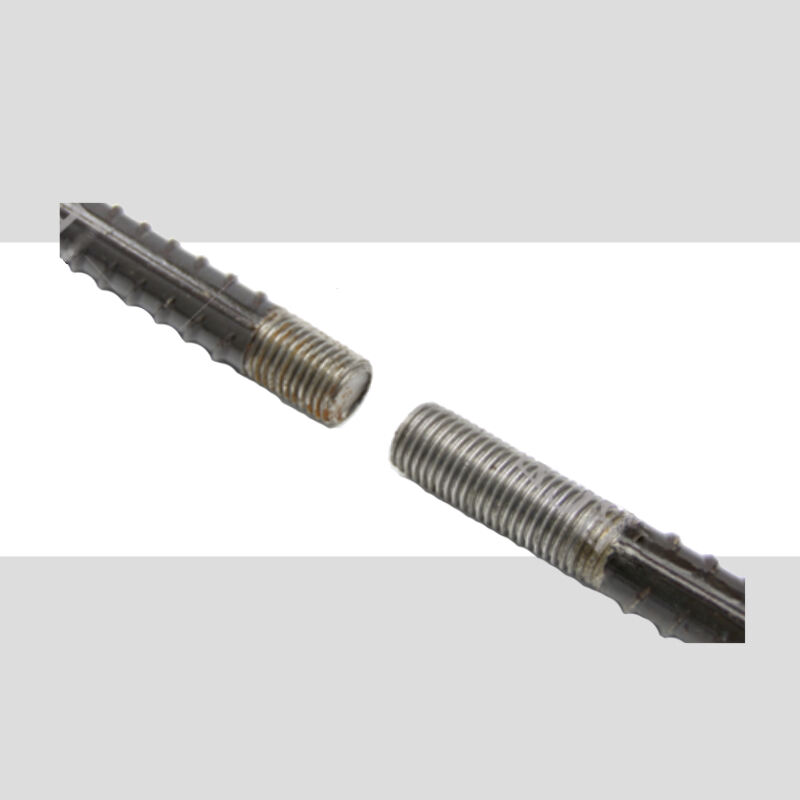
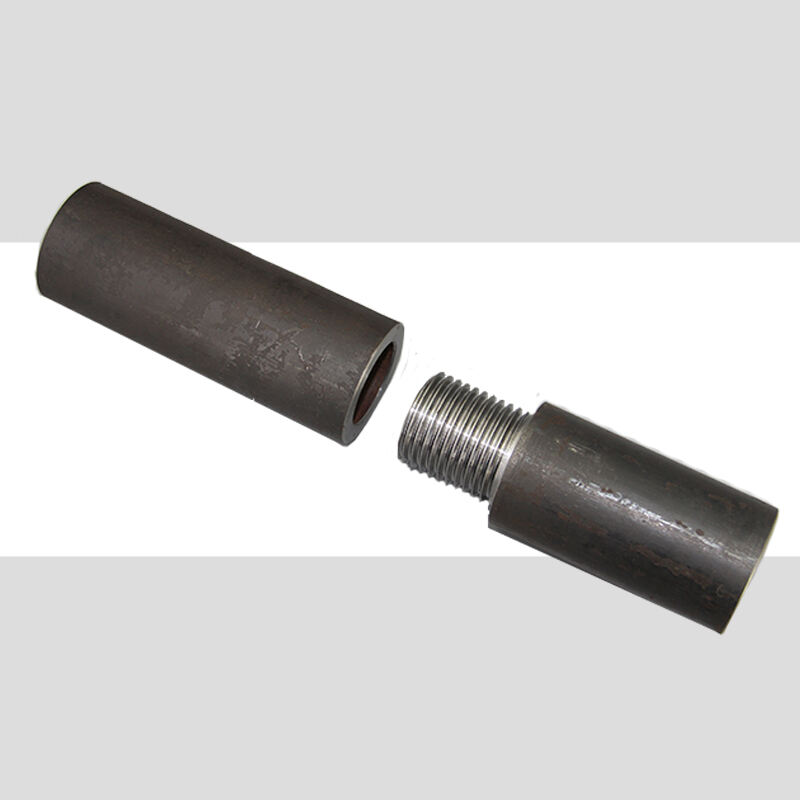
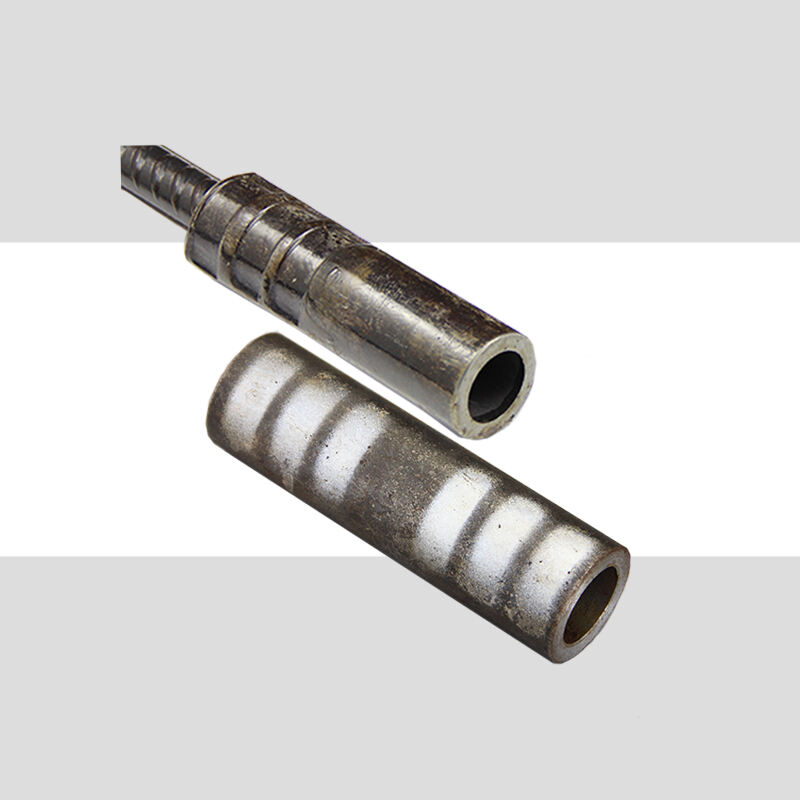
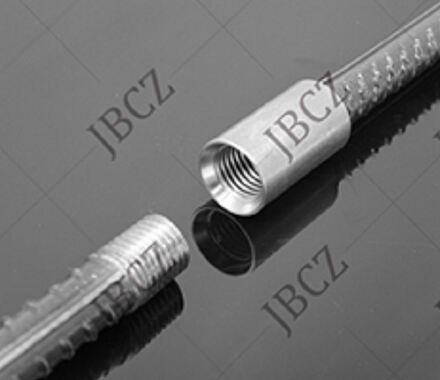
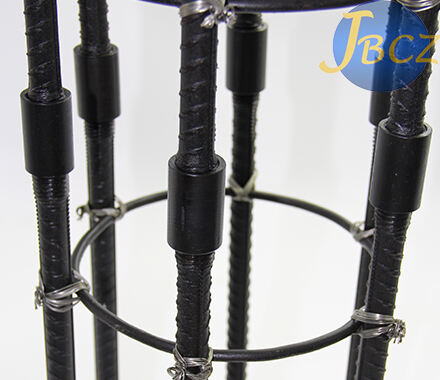
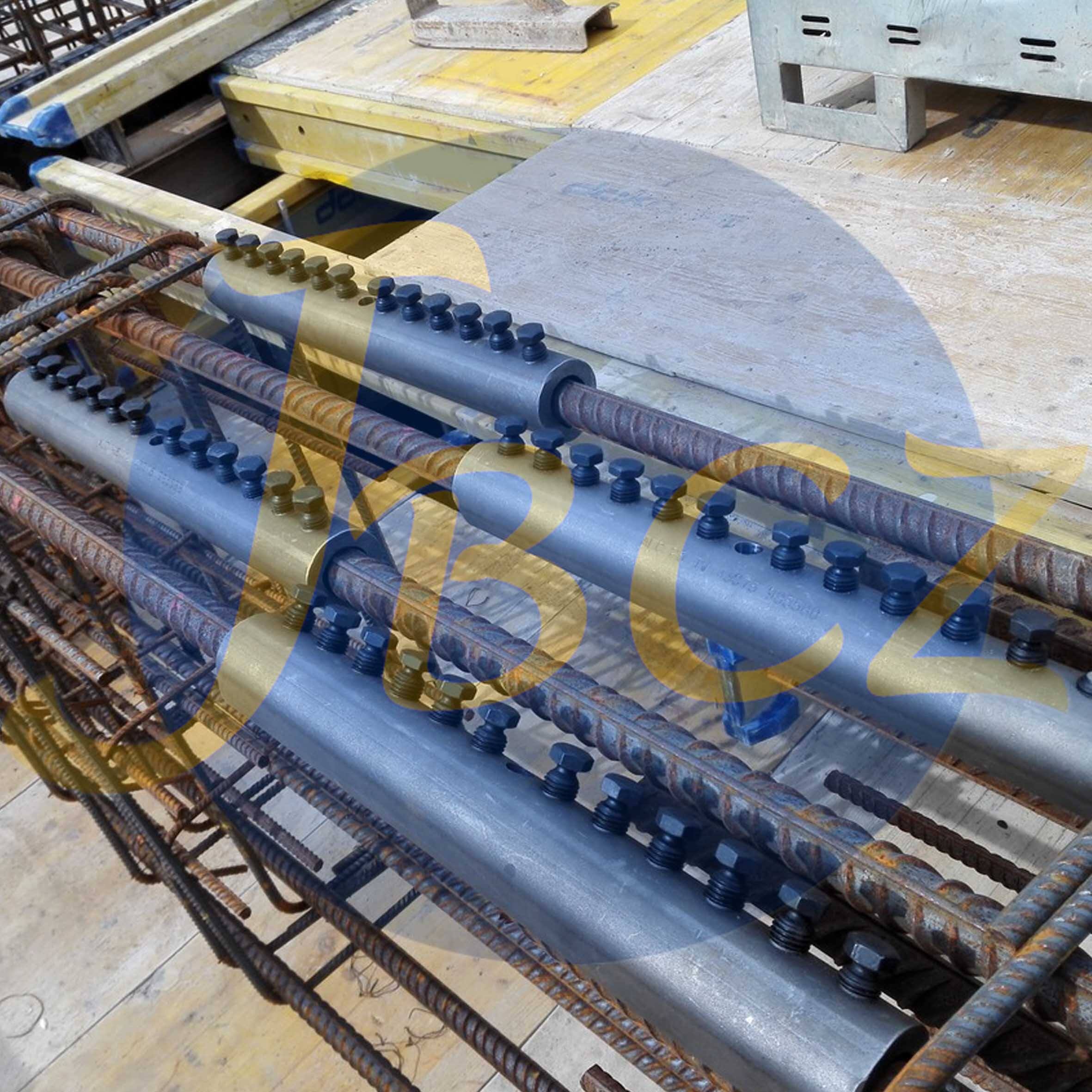
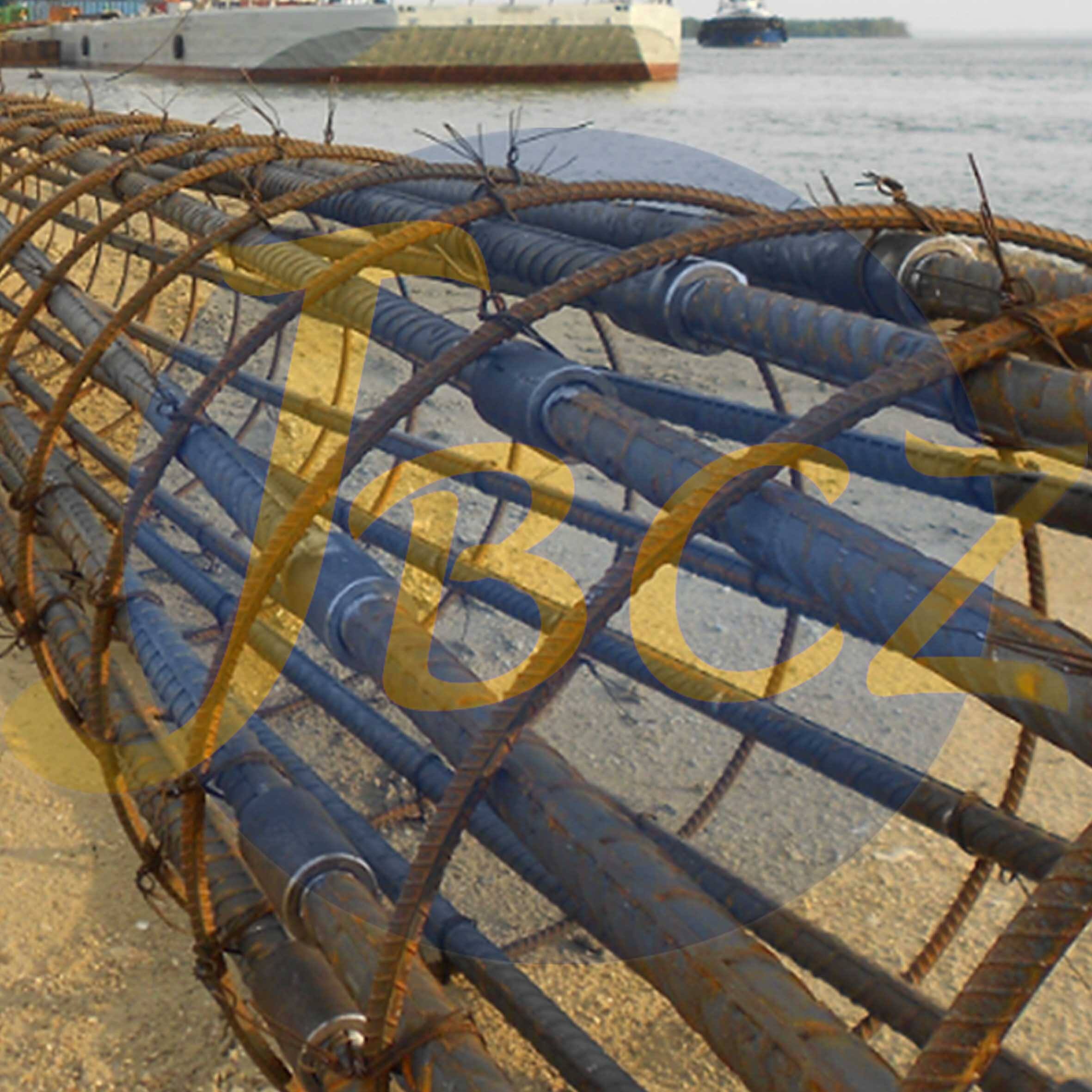
A rebar coupler for reinforcement cages represents an essential mechanical connection solution designed to join steel reinforcing bars within concrete structures efficiently and reliably. This specialized connector serves as a critical component in modern construction projects, enabling seamless integration of reinforcement cages used in columns, beams, foundations, and other structural elements. The primary function of a rebar coupler for reinforcement cages involves creating strong, permanent connections between individual reinforcement bars, eliminating the need for traditional lap splicing methods that consume additional materials and labor hours. These couplers work by threading, gripping, or mechanically interlocking rebar ends, ensuring that tensile and compressive forces transfer smoothly across the connection point without compromising structural integrity. Technological features of these couplers include precision-engineered threading systems, high-grade steel construction, and designs that meet or exceed international standards for strength and durability. The rebar coupler for reinforcement cages typically accommodates various bar diameters, ranging from smaller sizes used in residential construction to larger diameters required for heavy infrastructure projects. Advanced manufacturing processes ensure consistent quality, dimensional accuracy, and performance reliability across different installation conditions. Applications span diverse construction sectors, including high-rise buildings, bridges, tunnels, water treatment facilities, nuclear power plants, and seismic-resistant structures. The versatility of a rebar coupler for reinforcement cages makes it indispensable for projects requiring complex reinforcement layouts, congested rebar arrangements, or situations where conventional lap splicing proves impractical. Engineers and contractors increasingly specify these couplers for projects demanding enhanced quality control, accelerated construction schedules, and optimized material usage. The adoption of rebar couplers for reinforcement cages continues growing globally as construction standards evolve and the industry prioritizes efficiency, safety, and sustainability in reinforced concrete construction methodologies.

Popular Products

The rebar coupler for reinforcement cages delivers substantial practical benefits that directly impact project timelines, costs, and quality outcomes. First and foremost, these couplers dramatically reduce material waste by eliminating the extensive overlap required in traditional lap splicing, where bars must extend considerable distances to achieve adequate bond strength. This material efficiency translates into immediate cost savings, particularly on large-scale projects where thousands of connections occur throughout the structure. Installation speed represents another compelling advantage, as workers can prepare and connect reinforcement bars much faster than arranging and tying overlapping splices. The simplified process reduces labor hours significantly, allowing construction teams to complete reinforcement cage assembly in a fraction of the time conventional methods require. This acceleration benefits project schedules, enabling earlier concrete placement and faster overall construction progress. Quality consistency stands out as a major benefit, since a rebar coupler for reinforcement cages provides predictable, testable connections that meet stringent engineering specifications every time. Unlike lap splices, which depend on concrete bond development and can vary with installation conditions, mechanical couplers create immediate full-strength connections that inspectors can verify before concrete placement. This reliability gives engineers greater confidence in structural performance and reduces the risk of field corrections or reinforcement failures. Space optimization becomes particularly valuable in congested reinforcement zones where multiple bars converge or where design constraints limit available room for long lap splices. The compact nature of a rebar coupler for reinforcement cages allows designers to maintain required reinforcement ratios without creating impossibly crowded conditions that complicate concrete placement. Safety improvements arise from reduced manual handling of long, overlapping bars and decreased exposure to hazards associated with managing complicated reinforcement layouts. Workers appreciate the straightforward connection process that minimizes awkward positioning and repetitive motions. Environmental considerations favor these couplers as well, since reduced steel consumption lowers the carbon footprint of construction projects and supports sustainability goals. The precision manufacturing of rebar couplers for reinforcement cages ensures compatibility across different bar sizes and grades, providing flexibility for engineers to optimize designs without worrying about connection limitations. Projects benefit from improved concrete flow around reinforcement, as the absence of bulky lap splices eliminates potential blockage points that could create voids or weak zones in the finished structure. Long-term structural performance remains excellent, with properly installed couplers maintaining their integrity throughout the service life of the building or infrastructure element.

Tips And Tricks

Ensuring Structural Integrity: The Role of Rebar Couplers in Concrete Joints

10

Jul

Ensuring Structural Integrity: The Role of Rebar Couplers in Concrete Joints

View More
Features of rebar splices and precautions for their use

10

Jul

Features of rebar splices and precautions for their use

View More
Take a look at the rebar coupler

10

Jul

Take a look at the rebar coupler

View More
Right Hand Coupler: Enhancing Efficiency and Precision in Mechanical Systems

10

Jul

Right Hand Coupler: Enhancing Efficiency and Precision in Mechanical Systems

View More

Get a Free Quote

Our representative will contact you soon.
Email
Name
Company Name
Message
0/1000

rebar coupler for reinforcement cages

Superior Load Transfer Capability and Structural Performance

Superior Load Transfer Capability and Structural Performance

The rebar coupler for reinforcement cages excels in transmitting forces between connected bars with exceptional efficiency, a characteristic that fundamentally distinguishes it from alternative joining methods. This superior load transfer capability stems from precision-engineered contact surfaces and mechanical interlocking mechanisms that ensure continuous stress flow across the connection interface. When structural loads create tension or compression in reinforcement bars, the coupler acts as a seamless conduit, maintaining the full strength capacity of the connected reinforcement without introducing weak points or discontinuities. Engineers value this performance because it allows them to design structures with confidence that reinforcement will perform exactly as calculated, without applying conservative safety factors to compensate for uncertain connection behavior. The mechanical advantage becomes particularly critical in seismic zones, where cyclic loading subjects connections to repeated stress reversals that could fatigue inferior joining methods. A properly specified rebar coupler for reinforcement cages withstands these demanding conditions, maintaining its grip and alignment even after thousands of load cycles that would degrade lap splices or welded connections. Testing protocols verify that these couplers achieve tensile strength equal to or exceeding the minimum specified yield strength of the connected bars, often reaching the ultimate tensile strength before failure occurs at the connection point. This performance guarantee enables structural designers to utilize reinforcement capacity fully, optimizing material usage while maintaining required safety margins. The load transfer efficiency also benefits projects requiring moment-resisting frames or continuous reinforcement through construction joints, where reliable force transmission proves essential for structural continuity. Construction quality improves because installers can visually confirm proper coupler engagement, eliminating uncertainty about whether connections will perform adequately once concrete encases the reinforcement. The consistent mechanical properties of a rebar coupler for reinforcement cages mean that performance remains uniform across all connections in a project, regardless of which crew member performs the installation or what environmental conditions exist during assembly. This consistency contrasts sharply with lap splices, where bond strength varies with concrete quality, bar surface condition, and confinement provided by surrounding reinforcement and concrete cover.
Accelerated Construction Schedules Through Simplified Assembly

Accelerated Construction Schedules Through Simplified Assembly

Time savings achieved through the use of a rebar coupler for reinforcement cages fundamentally transform project timelines, enabling contractors to compress schedules without sacrificing quality or safety standards. The simplified assembly process eliminates numerous time-consuming steps associated with traditional reinforcement connection methods, starting with the reduction in bar cutting and preparation work. Instead of measuring and cutting bars to include lengthy overlap zones, fabricators produce shorter, more manageable pieces that workers can handle easily and position precisely within formwork. This streamlined approach reduces fabrication time in the shop and simplifies logistics for transporting reinforcement to the site. On-site assembly becomes dramatically faster as workers connect prefabricated reinforcement cage segments using couplers rather than threading long, unwieldy bars through complex arrangements and tying hundreds of wire connections to maintain alignment. The speed advantage multiplies on projects with repetitive elements like multi-story buildings, where crews establish efficient rhythms connecting identical reinforcement patterns floor after floor. A rebar coupler for reinforcement cages enables modular construction strategies, allowing fabricators to assemble complete cage sections off-site in controlled environments, then transport and install these prefabricated units rapidly once they arrive at the construction location. This modular approach minimizes weather-related delays and reduces the number of workers required in congested work areas. The quick connection process also facilitates faster formwork cycles, since teams can complete reinforcement installation and proceed to concrete placement without waiting for extensive lap splice verification or adjustment periods. Quality control inspections proceed more rapidly because inspectors can quickly verify coupler installation completeness rather than measuring numerous lap splice lengths and checking tie wire spacing throughout complex reinforcement assemblies. The time efficiency extends beyond initial installation to include scenarios requiring reinforcement modifications or repairs, where couplers allow quick disconnection and reconnection without cutting bars or disrupting adjacent reinforcement. Projects with phased construction particularly benefit from a rebar coupler for reinforcement cages, as crews can terminate reinforcement at construction joints with exposed threaded ends, then quickly connect continuation bars when work resumes, avoiding the complications of leaving long starter bars projecting from completed sections.
Enhanced Flexibility for Complex Reinforcement Configurations

Enhanced Flexibility for Complex Reinforcement Configurations

The design flexibility enabled by a rebar coupler for reinforcement cages empowers engineers and contractors to tackle challenging reinforcement layouts that would prove difficult or impossible using conventional splicing techniques. This flexibility manifests in multiple dimensions, beginning with the ability to accommodate congested reinforcement zones where space constraints prohibit the use of extended lap splices. In heavily reinforced columns, beam-column joints, or foundation elements where multiple layers of bars converge, couplers allow designers to maintain required reinforcement ratios without creating impenetrable steel jungles that prevent proper concrete placement and consolidation. The compact connection footprint of a rebar coupler for reinforcement cages means that engineers can position bars exactly where structural analysis indicates they provide maximum benefit, rather than compromising bar placement to accommodate lap splice length requirements. This precision placement capability becomes invaluable in structures with complex geometries, architectural features that limit reinforcement space, or infrastructure elements with curved or varying cross-sections. The flexibility extends to accommodating different bar sizes within reinforcement cages, as transition couplers allow smooth connections between bars of different diameters, enabling engineers to optimize reinforcement schedules by using appropriately sized bars for specific stress levels rather than maintaining constant bar sizes throughout a member simply to avoid splicing complications. Construction sequencing benefits significantly from the flexibility a rebar coupler for reinforcement cages provides, particularly when project conditions require reinforcement installation in stages or when designs call for connecting new construction to existing structures. The ability to terminate bars cleanly at any desired location and connect continuation bars later gives contractors strategic options for managing workflow, coordinating trades, and adapting to unforeseen site conditions without redesigning reinforcement layouts. This adaptability proves especially valuable during renovation projects where workers must connect new reinforcement to existing bars in confined spaces or awkward positions that make traditional splicing methods impractical. The flexibility also supports value engineering efforts, as project teams can explore alternative reinforcement schemes knowing that couplers will accommodate various configurations without introducing constructability concerns. Engineers appreciate the freedom to specify optimal reinforcement patterns based purely on structural requirements rather than being constrained by connection method limitations that compromise design efficiency.