Rebar Coupler for Airport Projects - High-Strength Mechanical Connection Solutions for Aviation Infrastructure

All Categories

Get a Free Quote

Our representative will contact you soon.
Email
Name
Company Name
Message
0/1000

rebar coupler for airport projects

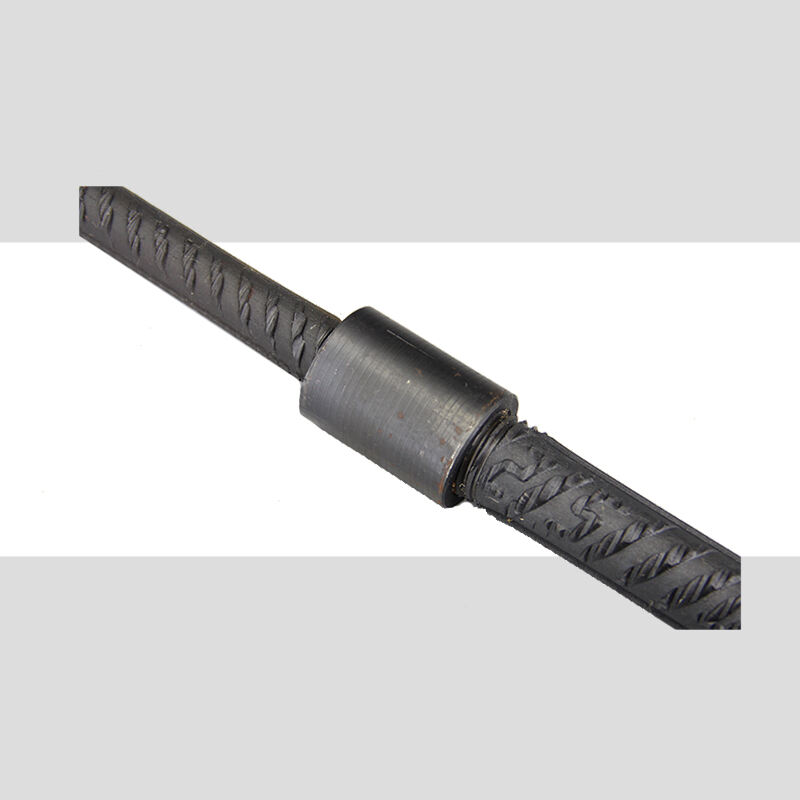
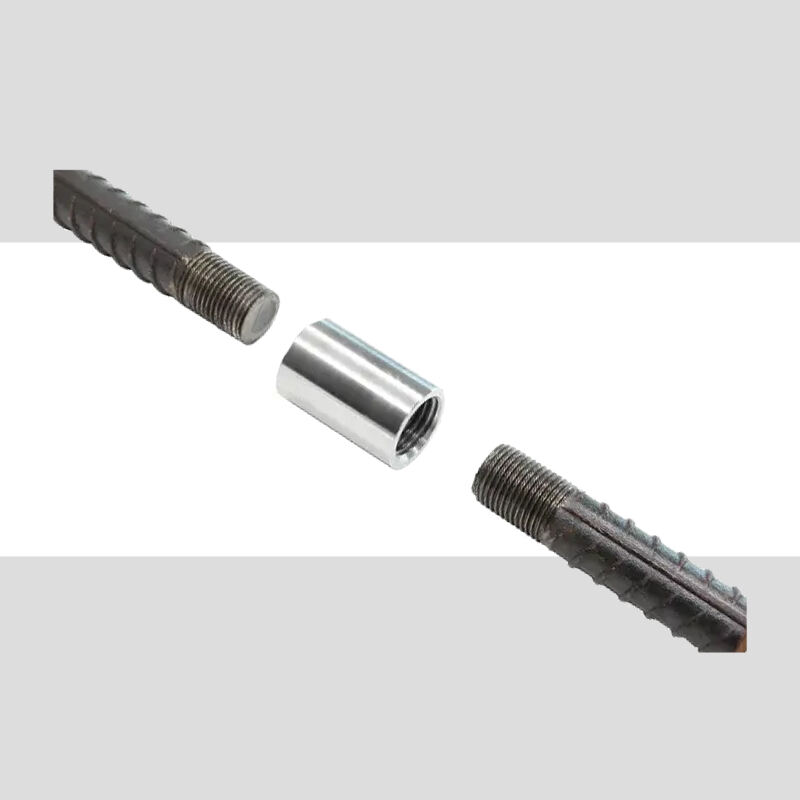
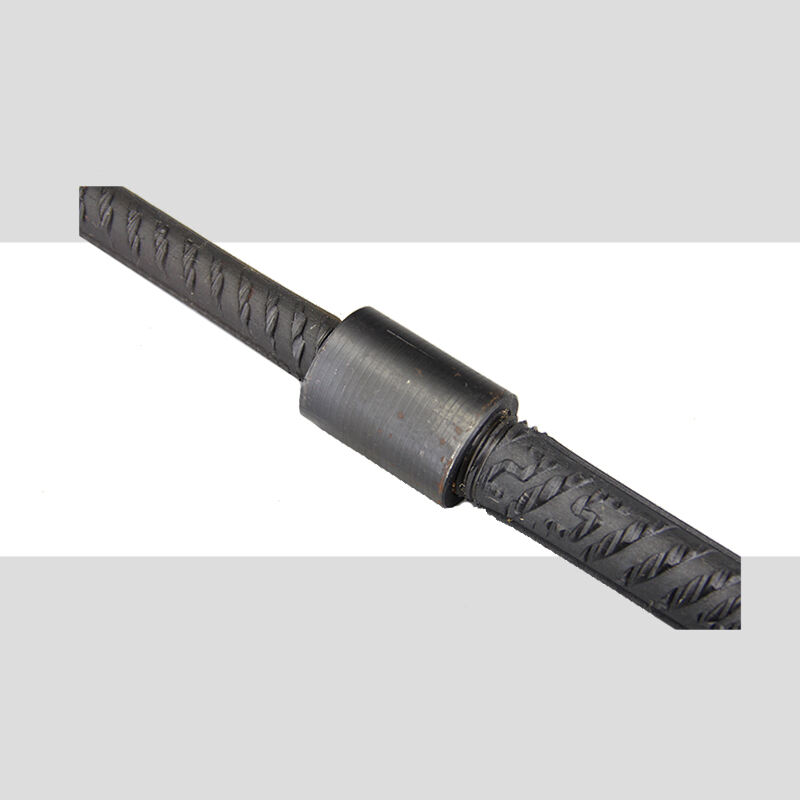
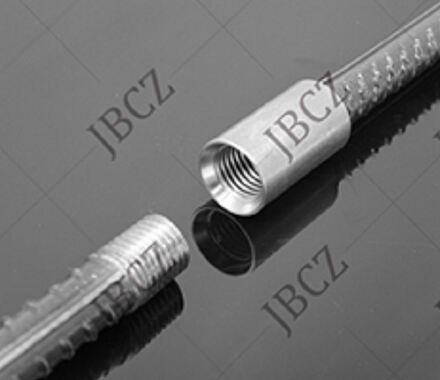
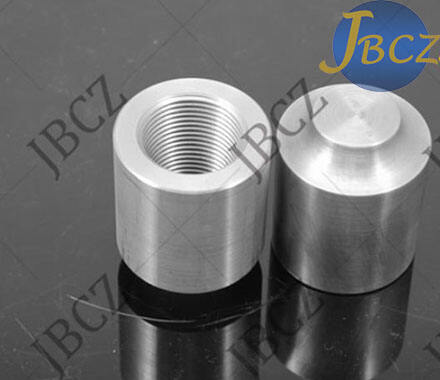
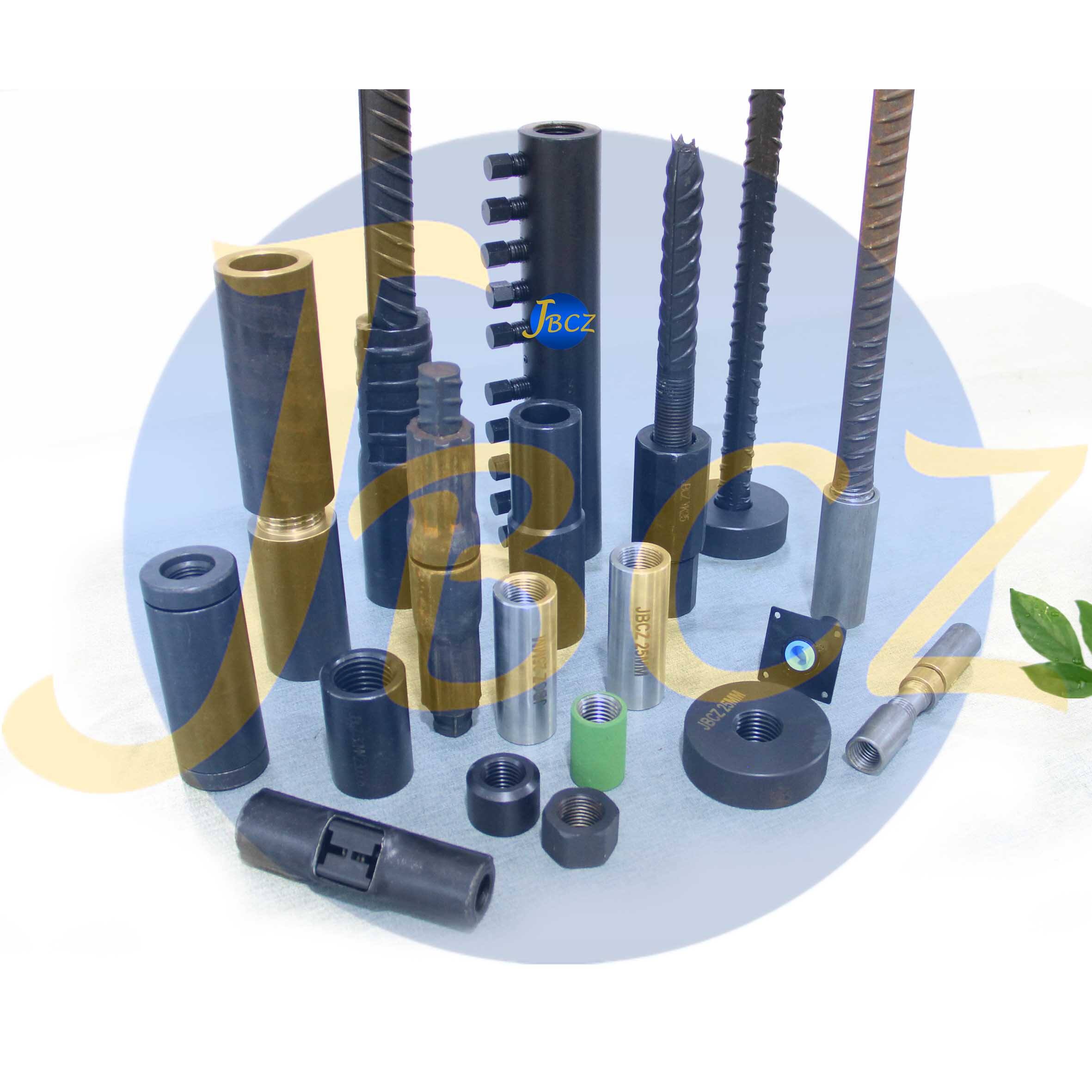
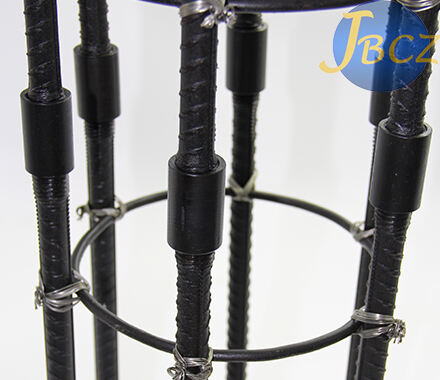
The rebar coupler for airport projects represents a critical mechanical connection solution designed specifically to meet the demanding requirements of aviation infrastructure construction. This precision-engineered component serves as a reliable joining mechanism for reinforcing steel bars, creating continuous load paths throughout concrete structures that must withstand extraordinary operational stresses. Airport facilities demand exceptional structural integrity due to constant heavy aircraft loads, ground vibrations, seismic considerations, and long-term durability expectations spanning decades of service. The rebar coupler for airport projects addresses these challenges through advanced metallurgical composition and precise threading technology that ensures full tensile strength transfer between connected reinforcement bars. These couplers function by creating mechanically interlocking connections that eliminate the need for traditional lap splicing methods, which consume excessive materials and create congestion in heavily reinforced sections. The technological features of the rebar coupler for airport projects include high-strength alloy steel construction, precision-machined internal threading compatible with various rebar grades, and corrosion-resistant surface treatments suitable for diverse environmental conditions. Application areas within airport construction encompass runway foundations, taxiway structures, apron slabs, terminal building columns and beams, control tower construction, hangar frameworks, and underground utility corridors. The design accommodates bars ranging from small diameters to large structural reinforcement, providing versatility across different project phases. Installation procedures remain straightforward, requiring only standard torque wrenches and minimal specialized training, which accelerates construction schedules. Quality assurance protocols embedded in manufacturing processes ensure each rebar coupler for airport projects meets international standards including ACI, ASTM, and aviation-specific structural codes. The component's compact profile minimizes concrete cover requirements while maintaining superior bond characteristics within the surrounding matrix, optimizing both structural performance and material efficiency throughout airport construction projects.

New Product Releases

The rebar coupler for airport projects delivers significant practical benefits that directly impact construction efficiency, structural performance, and long-term operational costs. First, these couplers dramatically reduce material consumption by eliminating wasteful lap splicing overlap zones that traditionally require 40 to 60 times the bar diameter in additional length. This material efficiency translates to immediate cost savings, particularly valuable in large-scale airport projects where thousands of connections are required. Second, the installation speed advantages cannot be overstated. Workers can complete connections in minutes rather than hours, as the rebar coupler for airport projects requires simple threading and tightening rather than complex wire tying and positioning of overlapping bars. This acceleration becomes critical when working within tight airport construction schedules that must accommodate ongoing operations and minimize disruption to flight activities. Third, the space-saving characteristics prove invaluable in congested reinforcement zones such as beam-column joints and foundation tie-ins where traditional lap splices create impractical steel congestion. The compact nature of the rebar coupler for airport projects allows designers to maintain proper concrete flow and consolidation, preventing weak spots and honeycombing that compromise structural integrity. Fourth, quality consistency reaches superior levels because factory-manufactured couplers eliminate the variability inherent in field lap splicing, where bar positioning, concrete cover, and splice length often deviate from specifications. Fifth, the full tensile strength transmission capability ensures structural calculations remain accurate and conservative, providing airport authorities with confidence in their infrastructure investments. Environmental benefits also emerge, as reduced steel consumption lowers the carbon footprint associated with airport construction projects. Inspection procedures become simplified because visible mechanical connections allow quality verification without concrete removal or destructive testing. Worker safety improves substantially since the rebar coupler for airport projects reduces manual handling of long, overlapping bars that create ergonomic hazards and increase injury risks on crowded construction sites. Financial planning becomes more predictable as coupler costs remain stable compared to fluctuating labor expenses associated with traditional splicing methods. Long-term maintenance advantages appear as these connections resist fatigue loading better than lap splices, reducing the likelihood of structural repairs during the airport's operational lifetime. These combined practical benefits make the rebar coupler for airport projects an intelligent investment that delivers returns throughout design, construction, and service life phases.
Practical Tips

How Rebar Couplers Strengthen Concrete Structures: Innovation and Benefits

10

Jul

How Rebar Couplers Strengthen Concrete Structures: Innovation and Benefits

View More
Ensuring Structural Integrity: The Role of Rebar Couplers in Concrete Joints

10

Jul

Ensuring Structural Integrity: The Role of Rebar Couplers in Concrete Joints

View More
The indispensable role of rebar couplers in offshore wind farms and marine structures

10

Jul

The indispensable role of rebar couplers in offshore wind farms and marine structures

View More
Take a look at the rebar coupler

10

Jul

Take a look at the rebar coupler

View More

Get a Free Quote

Our representative will contact you soon.
Email
Name
Company Name
Message
0/1000

rebar coupler for airport projects

Superior Load Transfer Capacity for Critical Aviation Structures

Superior Load Transfer Capacity for Critical Aviation Structures

The rebar coupler for airport projects achieves exceptional load transfer capacity through precision engineering that creates full-strength mechanical connections between reinforcing bars. This capability holds paramount importance in aviation infrastructure where structural failures carry catastrophic consequences for passenger safety and operational continuity. Traditional lap splicing relies on bond stress development over extended lengths, creating vulnerabilities when concrete quality varies or when dynamic loading conditions exceed design assumptions. In contrast, the rebar coupler for airport projects establishes direct mechanical interlock that functions independently of surrounding concrete conditions, providing reliable performance even under unexpected stress scenarios. The threading geometry incorporates optimized pitch and depth calculations that distribute tensile forces uniformly across engagement zones, preventing stress concentrations that could initiate fatigue cracks. Metallurgical composition utilizes high-grade alloy steels with yield strengths exceeding connected reinforcement, ensuring the coupler never becomes the weak link in structural load paths. This strength superiority proves essential in airport terminal columns supporting massive roof structures, runway edge beams resisting aircraft impact loads, and foundation elements transferring concentrated loads into soil substrates. Testing protocols verify that each rebar coupler for airport projects maintains performance through millions of load cycles, simulating decades of aircraft movements and environmental stress fluctuations. The connection system eliminates slip and elongation issues common in alternative joining methods, maintaining tight displacement tolerances critical for sensitive aviation equipment and passenger comfort. Seismic resistance receives particular attention in coupler design, with energy dissipation characteristics that complement ductile structural behavior during earthquake events. Airport projects in high-seismic zones depend on the rebar coupler for airport projects to maintain structural continuity when ground motions impose extreme deformation demands. Quality documentation accompanies every batch, providing traceability and certification that satisfy rigorous aviation authority inspections. The combination of proven tensile capacity, fatigue endurance, seismic performance, and quality assurance creates a connection solution that airport engineers specify with confidence, knowing their structures will perform reliably throughout extended service lives while protecting substantial infrastructure investments and countless passenger lives.
Accelerated Construction Schedules with Simplified Installation

Accelerated Construction Schedules with Simplified Installation

The rebar coupler for airport projects revolutionizes construction timelines through installation simplicity that eliminates traditional bottlenecks associated with reinforcement splicing operations. Airport construction schedules operate under intense pressure due to phased delivery requirements, weather constraints, and coordination with ongoing flight operations that limit work windows. Every day saved in construction translates to earlier revenue generation and reduced financing costs, making schedule acceleration a top priority for airport authorities and contractors. The rebar coupler for airport projects addresses this need by reducing splice installation time by approximately 70 percent compared to conventional lap splicing methods. Workers require minimal specialized training since installation involves straightforward threading procedures using standard torque wrenches available on any construction site. This accessibility contrasts sharply with alternative systems requiring hydraulic equipment, specialized crimping tools, or complex positioning jigs that create logistical challenges and equipment dependencies. The threading process proceeds quickly because precision manufacturing ensures consistent fit-up without field adjustments or rework cycles that consume valuable time. Productivity gains multiply across large airport projects involving thousands of connections, compressing overall schedules by weeks or months depending on project scale. Labor allocation becomes more efficient as smaller crews accomplish more work, freeing experienced ironworkers for other critical tasks that advance project completion. The rebar coupler for airport projects also eliminates weather-related delays common with lap splicing, where wet conditions complicate bar positioning and concrete placement around congested reinforcement zones. Quality inspections proceed rapidly because mechanical connections offer clear visual verification points without requiring concrete removal or waiting for cure strength development. Construction sequencing flexibility increases substantially since couplers allow convenient breaking points between pours without compromising structural continuity, accommodating equipment access needs and logistical staging requirements unique to airport sites. Prefabrication opportunities emerge as reinforcement cages can be assembled off-site with couplers attached, then transported and quickly connected in final positions, further compressing field installation durations. Night work becomes more practical since the rebar coupler for airport projects installation generates minimal noise compared to power tool operations, respecting noise restrictions near active terminals and residential areas. These schedule advantages compound throughout project duration, enabling airport authorities to open facilities earlier, accommodate growing passenger volumes sooner, and realize returns on infrastructure investments faster while maintaining uncompromising quality standards that ensure long-term structural performance and safety.
Enhanced Structural Integrity Through Congestion Reduction

Enhanced Structural Integrity Through Congestion Reduction

The rebar coupler for airport projects delivers critical structural integrity improvements by eliminating reinforcement congestion that compromises concrete quality and long-term durability. Congested reinforcement zones represent one of the most persistent challenges in modern airport construction, particularly in heavily loaded structural elements such as foundation mats, transfer beams, and column-beam connections where multiple reinforcement layers intersect. Traditional lap splicing exacerbates this congestion by requiring 40 to 60 bar diameters of overlap, creating dense steel meshes that obstruct concrete flow during placement operations. This obstruction leads to honeycombing, voids, and incomplete consolidation that weaken structural capacity and create pathways for moisture intrusion and corrosion initiation. The rebar coupler for airport projects solves this fundamental problem by creating compact connections that maintain bar continuity without overlapping lengths. This congestion reduction allows concrete to flow freely around reinforcement, achieving complete encasement and optimal bond development throughout structural members. Proper concrete consolidation becomes achievable even in complex geometries where vibrator access proves limited, ensuring airport structures develop their full design strength and durability characteristics. The benefits extend beyond initial construction quality to long-term performance, as properly consolidated concrete resists freeze-thaw cycling, chemical attack from deicing agents, and chloride penetration that threatens reinforcement corrosion. Airport pavements and structures face particularly aggressive exposure conditions due to deicing chemicals, jet fuel residues, hydraulic fluids, and thermal cycling between heated interiors and cold exterior environments. The rebar coupler for airport projects contributes to durability by enabling adequate concrete cover maintenance without excessive member dimensions that increase dead loads and foundation requirements. Structural designers gain freedom to optimize reinforcement layouts, positioning bars for maximum efficiency rather than compromising arrangements to accommodate lap splice requirements. This optimization reduces overall steel quantities while maintaining or improving structural capacity, delivering cost savings that offset coupler expenses. Construction quality control improves substantially because inspectors can verify proper concrete placement and consolidation, issues that remain hidden within congested lap splice zones until deterioration becomes visible years later. The rebar coupler for airport projects also facilitates repair and modification work, as future structural alterations can connect to existing reinforcement without demolishing excessive concrete volumes to access lap splice zones. These integrity enhancements prove particularly valuable for airport infrastructure expected to serve reliably for 50 to 100 years while supporting evolving aircraft sizes, operational patterns, and passenger volumes that continuously test structural capacity limits.