Premium Rebar Coupler for Stadium Buildings - Superior Structural Connections for Sports Facilities

All Categories

Get a Free Quote

Our representative will contact you soon.
Email
Name
Company Name
Message
0/1000

rebar coupler for stadium buildings

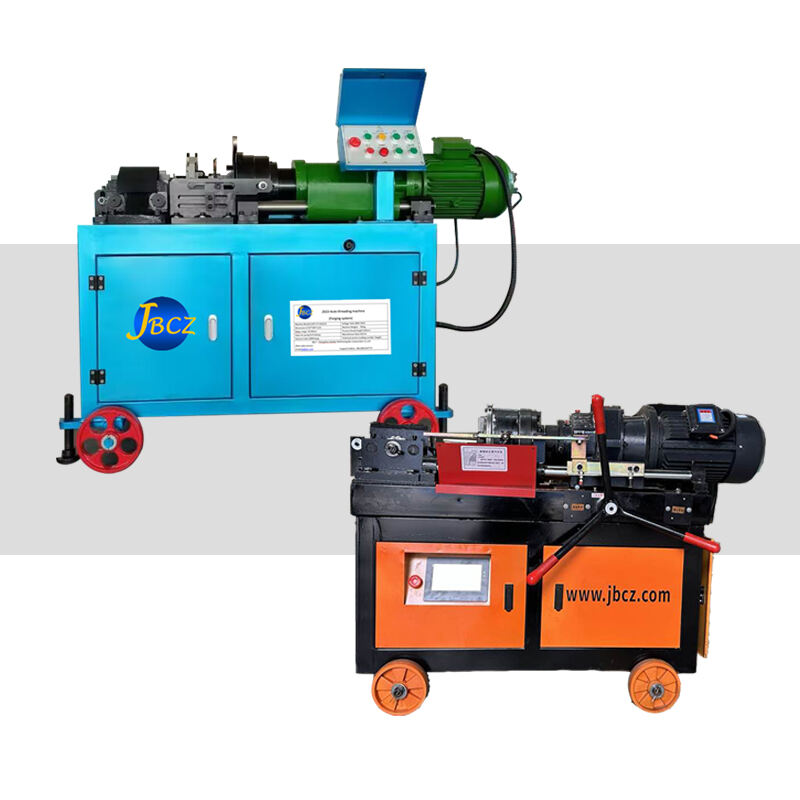
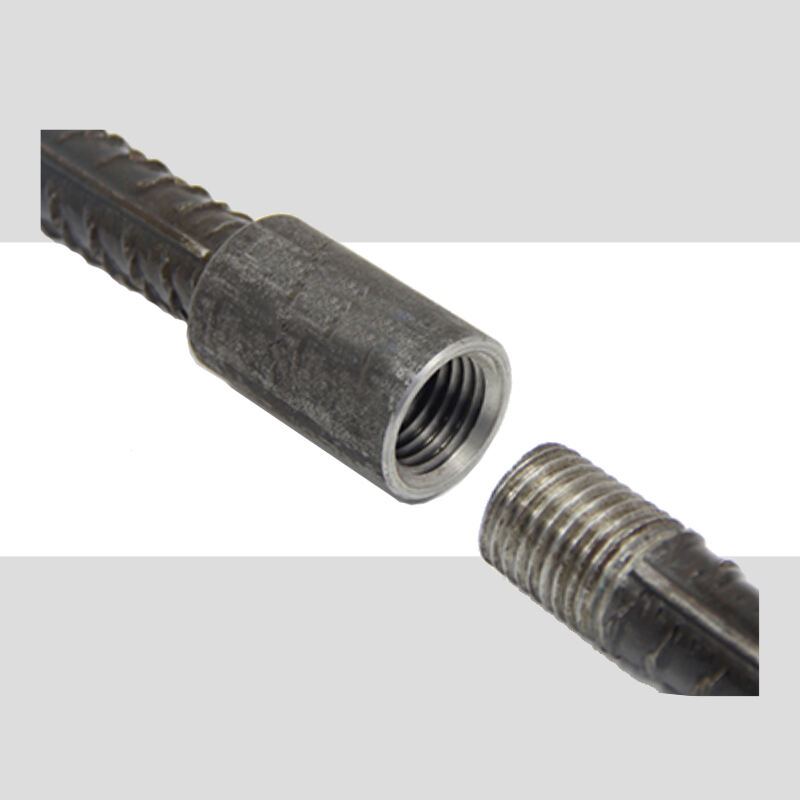
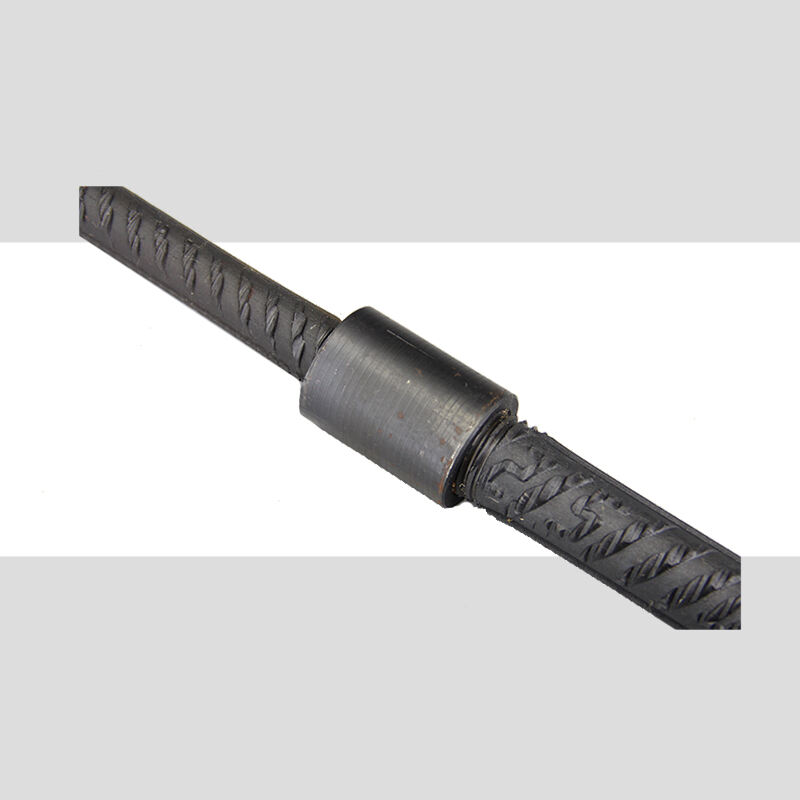
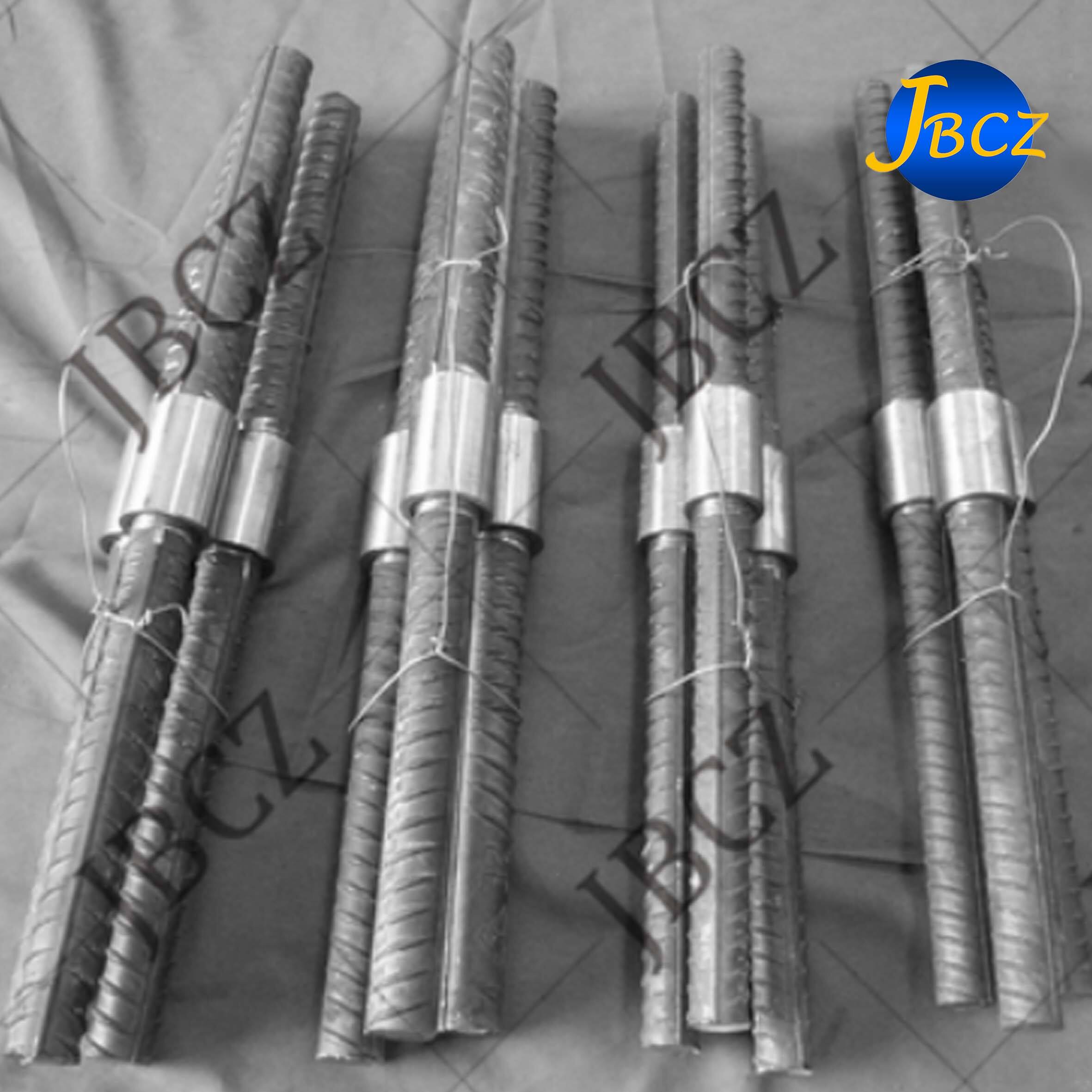
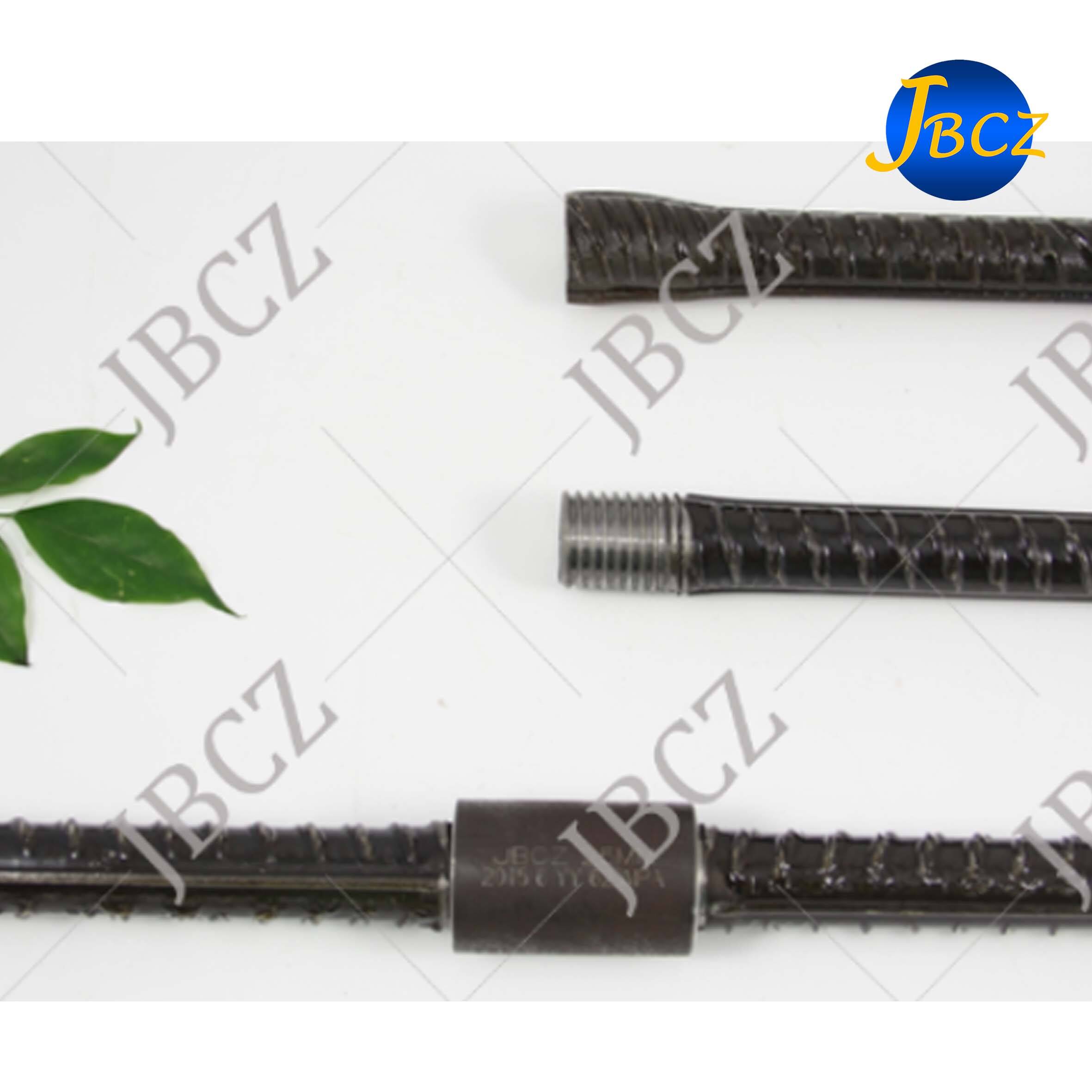
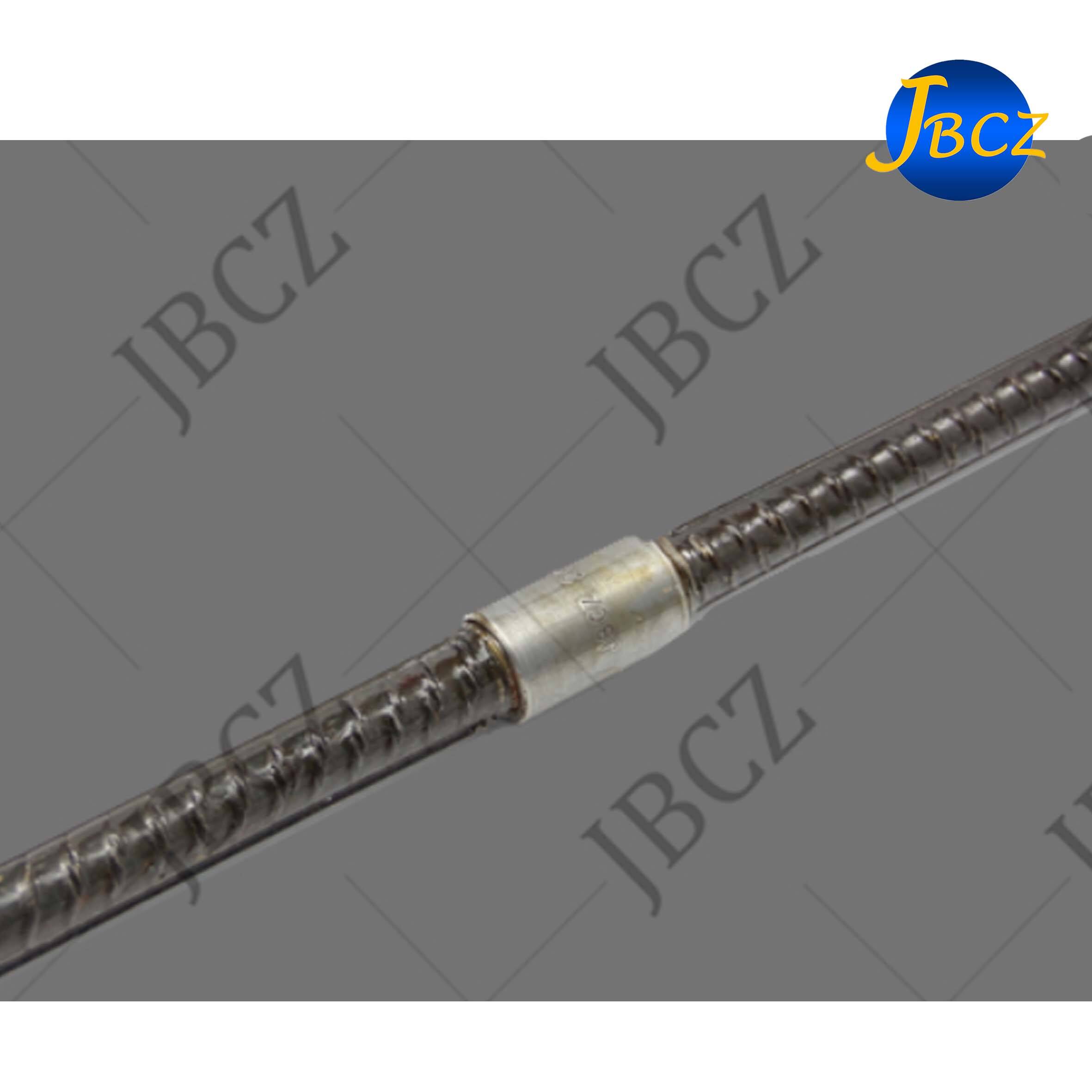
The rebar coupler for stadium buildings represents a critical advancement in modern construction technology, specifically engineered to meet the demanding structural requirements of large-scale sports facilities. This mechanical connection system serves as an essential component in joining reinforcing steel bars together, creating continuous load paths throughout stadium structures where traditional lap splicing methods prove impractical or inefficient. Stadium construction projects face unique challenges including massive cantilever sections, long-span roof systems, complex geometric configurations, and zones of high seismic activity that require superior connection reliability. The rebar coupler for stadium buildings addresses these challenges by providing a mechanically superior alternative that ensures structural integrity while optimizing construction schedules. These precision-manufactured devices work by threading or cold-forging the ends of reinforcement bars, then connecting them through threaded sleeves or compression mechanisms that develop full tensile strength of the parent reinforcement. Modern stadium projects increasingly specify rebar couplers for critical applications such as foundation connections where vertical bars transition from piles to superstructure, column-to-beam interfaces in moment-resisting frames, precast element connections that require field assembly, and congested reinforcement zones where overlapping bars would create placement difficulties. The technological evolution of rebar couplers has produced various types including parallel-threaded systems, taper-threaded variants, grout-filled sleeve couplers, and cold-swaged connections, each offering distinct advantages for specific stadium construction scenarios. Quality assurance protocols for rebar coupler applications in stadium buildings involve rigorous testing procedures including tensile strength verification, fatigue resistance evaluation, and performance validation under cyclic loading conditions that simulate seismic events or dynamic crowd loads. Installation procedures require specialized equipment and trained personnel who understand torque specifications, alignment tolerances, and inspection criteria that guarantee connection performance. The adoption of rebar couplers in stadium construction has revolutionized project delivery by enabling faster construction cycles, reducing reinforcement congestion, minimizing material waste, and providing verifiable connection quality that satisfies stringent building codes and engineering standards applicable to public assembly structures.

Popular Products

Stadium construction projects benefit tremendously from implementing rebar couplers throughout their structural systems, delivering measurable improvements across multiple performance dimensions that directly impact project success. The primary advantage lies in superior structural performance, as these mechanical connections develop full tensile strength of the reinforcing bars they join, ensuring that load transfer occurs efficiently without creating weak points in the reinforcement network. This capability proves especially valuable in stadium applications where structural elements experience complex stress patterns from asymmetric roof loads, wind pressures on large exposed surfaces, and dynamic forces generated by thousands of spectators moving simultaneously. Construction speed increases dramatically when teams utilize rebar couplers instead of traditional lap splicing methods, because workers can prefabricate reinforcement cages to exact dimensions, transport them to site, and connect them quickly using mechanical couplers rather than struggling with overlapping bar arrangements in congested work zones. This acceleration becomes particularly important in stadium projects operating under tight completion schedules driven by sporting event calendars or seasonal weather constraints. Space optimization represents another significant benefit, as rebar couplers eliminate the need for lengthy lap splice zones that consume valuable concrete cross-sectional area and create reinforcement congestion that complicates concrete placement. In stadium columns supporting massive roof structures or transfer girders carrying concentrated loads, this space efficiency allows designers to minimize member sizes while maintaining structural capacity, resulting in material savings and improved architectural flexibility. Quality assurance improves substantially because coupler installation follows standardized procedures with measurable acceptance criteria such as torque values or visual thread engagement indicators, contrasting with lap splices where adequacy depends on maintaining proper overlap length and tie wire spacing throughout concrete placement operations. Economic benefits extend beyond direct material costs to encompass labor productivity gains, reduced rework from reinforcement placement errors, and avoidance of construction delays caused by reinforcement conflicts discovered during bar installation. Environmental sustainability considerations favor rebar couplers because they reduce overall steel consumption through elimination of lap splice overlaps, minimize construction waste from cutting and fitting operations, and support modular construction approaches that decrease site disruption and carbon emissions associated with extended construction durations. Structural resilience in seismic zones improves when stadium buildings incorporate rebar couplers designed specifically for earthquake resistance, as these connections maintain ductility and energy dissipation capacity during cyclic loading events that would stress traditional splices. The flexibility to modify reinforcement layouts during construction provides project teams with valuable adaptability when field conditions differ from design assumptions or when design refinements become necessary to accommodate late-stage engineering optimizations. Long-term durability benefits emerge from the protected connection zone within coupler sleeves that shields bar threads from corrosion exposure, particularly important in stadium environments where de-icing salts, moisture infiltration, or atmospheric pollutants might compromise reinforcement longevity over decades of service life.

Latest News

What is a Reducing Coupler and How is it Used in Plumbing Systems?

10

Jul

What is a Reducing Coupler and How is it Used in Plumbing Systems?

View More
Features of rebar splices and precautions for their use

10

Jul

Features of rebar splices and precautions for their use

View More
Six ways to regulate rebar splices

10

Jul

Six ways to regulate rebar splices

View More
Take a look at the rebar coupler

10

Jul

Take a look at the rebar coupler

View More

Get a Free Quote

Our representative will contact you soon.
Email
Name
Company Name
Message
0/1000

rebar coupler for stadium buildings

Enhanced Structural Integrity for Critical Stadium Load Paths

Enhanced Structural Integrity for Critical Stadium Load Paths

The rebar coupler for stadium buildings delivers exceptional structural integrity through engineered mechanical connections that outperform conventional joining methods in critical load-bearing applications throughout sports facility construction. Stadium structures present unique engineering challenges that demand absolute reliability in reinforcement connections, as failure consequences could affect thousands of occupants simultaneously while these buildings remain in service for generations. The mechanical advantage of rebar couplers stems from their ability to develop the full specified yield strength and ultimate tensile capacity of the reinforcing bars they connect, achieving connection efficiency ratings of 100 percent or greater in certified systems. This performance level surpasses code-minimum requirements for lap splices, which typically achieve only the necessary strength under ideal conditions but may underperform when installation tolerances, concrete consolidation, or bar positioning deviate from specifications. Stadium applications particularly benefit from this reliability in cantilever roof sections where reinforcement must transfer substantial bending moments without any compromise in tensile capacity, as even minor strength reductions could precipitate progressive failure scenarios. The precision manufacturing processes used to produce threaded rebar couplers ensure dimensional consistency and material properties that meet exacting tolerances, with quality control testing verifying performance batch by batch before components reach construction sites. Installation procedures for these mechanical connections follow documented protocols that trained workers can execute consistently, with verification steps including torque measurement or thread engagement confirmation that provide objective evidence of proper assembly. This systematic approach contrasts sharply with lap splice construction where adequacy depends on maintaining proper overlap dimensions, adequate concrete cover, appropriate tie wire spacing, and effective concrete consolidation around congested bar groups throughout placement operations subject to numerous variables. The fatigue resistance of properly installed rebar couplers proves essential in stadium environments where dynamic loading from crowd movement, wind-induced vibrations, and thermal expansion cycles impose repeated stress fluctuations throughout the structure's operational life. Laboratory testing demonstrates that quality rebar coupler systems withstand millions of load cycles without degradation, maintaining connection strength and stiffness over time periods that exceed typical stadium design life expectations. Seismic performance represents another critical dimension where rebar couplers excel, as modern systems specifically designed for earthquake-resistant construction maintain ductility and energy dissipation capacity during extreme loading events that could compromise structures using inferior connection methods.
Accelerated Construction Schedules with Prefabrication Capabilities

Accelerated Construction Schedules with Prefabrication Capabilities

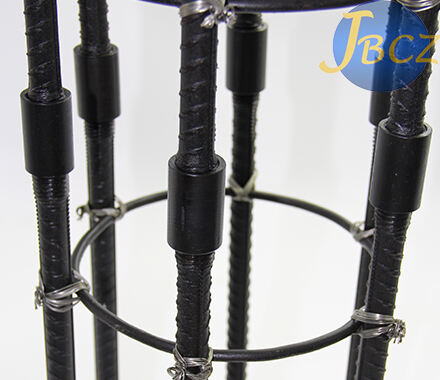
Time efficiency stands as a compelling advantage when stadium construction teams deploy rebar couplers throughout their projects, enabling prefabrication strategies and installation sequences that compress schedules significantly compared to traditional reinforcement methods. Modern stadium projects operate under intense schedule pressures driven by fixed sporting event dates, seasonal weather windows, and financing considerations that make early completion highly valuable to project stakeholders. The rebar coupler for stadium buildings supports accelerated delivery by allowing reinforcement fabrication to occur off-site in controlled factory environments where quality, productivity, and working conditions surpass field conditions substantially. Fabricators can produce complete reinforcement assemblies including columns, beams, and complex nodal zones to precise dimensions with coupler hardware pre-installed, then deliver these prefabricated elements to construction sites ready for rapid installation and connection. This approach eliminates time-consuming field operations including bar cutting, threading, bending to complex shapes, and assembling cages within formwork where space constraints and simultaneous trades create productivity challenges. The connection process itself proceeds rapidly as workers simply align prefabricated reinforcement sections and rotate coupler sleeves to engage threads or activate compression mechanisms, completing connections in minutes compared to hours required for tying lap splices with proper overlap maintenance and adequate tie wire spacing throughout congested zones. Schedule compression becomes particularly significant in vertical construction sequences where rebar couplers enable story-to-story connections that support jump-form operations or climbing formwork systems moving continuously without waiting for extended lap splice zones to clear floor slab elevations. Stadium roof structures benefit enormously from coupler-enabled prefabrication, as massive trusses or long-span girders can arrive at site with reinforcement cages completely assembled, requiring only final field connections rather than piece-by-piece bar installation at elevation where access, safety considerations, and coordination with other trades slow progress substantially. The predictability of coupler installation supports reliable schedule planning because connection durations depend primarily on the number of bars being joined rather than congestion-dependent variables that make lap splice productivity difficult to forecast accurately. Weather resilience improves with coupler-based construction approaches because workers can complete mechanical connections during temperature extremes or precipitation events that would compromise concrete placement around lap splices requiring simultaneous bar positioning and pour operations. The quality control advantages of standardized coupler installation procedures reduce rework and schedule disruptions caused by reinforcement conflicts discovered during concrete placement when traditional methods create unexpected congestion that prevents proper consolidation or creates formwork pressure concerns.
Space Optimization and Reinforcement Congestion Relief

Space Optimization and Reinforcement Congestion Relief

The rebar coupler for stadium buildings provides transformative space optimization benefits by eliminating lengthy lap splice zones that consume cross-sectional area, create reinforcement congestion, and complicate concrete placement in structural members already challenged by heavy reinforcement requirements. Stadium structural elements frequently incorporate substantial reinforcement quantities to resist gravity loads from roofs covering vast column-free areas, lateral forces from wind or seismic events acting on large exposed surfaces, and complex stress patterns at connections between members with dramatically different stiffness characteristics. Traditional lap splicing approaches require overlap lengths typically extending 40 to 60 bar diameters depending on concrete strength, bar size, and stress conditions, meaning that large diameter bars used in heavily loaded stadium columns or transfer girders require lap zones exceeding three feet in length where double reinforcement quantities occupy already limited space. This doubling effect creates severe congestion that interferes with concrete flow during placement, increases interference with transverse reinforcement required for shear and confinement, and generates conflicts with embedded items including mechanical sleeves, electrical conduits, and architectural features that must penetrate structural members. Rebar couplers solve these geometric challenges by joining bars end-to-end with compact connection hardware that adds minimal length beyond the reinforcement diameter, effectively eliminating the lap zone entirely and freeing valuable space for other design requirements. The congestion relief enables designers to optimize member proportions for architectural, functional, or structural efficiency rather than allowing reinforcement detailing constraints to dictate oversized sections. Stadium columns supporting concentrated roof loads particularly benefit from this space efficiency, as compact coupler connections allow vertical reinforcement to transition through floor levels without requiring enlarged column dimensions solely to accommodate lap splice zones that would otherwise interfere with floor slab reinforcement or create unusable thickened sections. Transfer girders that collect loads from multiple columns above and redistribute them to fewer supports below represent another critical application where space optimization through rebar couplers provides enormous value by maintaining compact cross-sections despite extreme reinforcement quantities required for strength and serviceability performance. The concrete placement advantages of congestion-free reinforcement arrangements extend beyond simply providing flow paths for fresh concrete, as reduced bar density improves consolidation effectiveness around remaining reinforcement, decreases entrapped air and honeycomb risk, and allows vibrator access throughout the pour volume rather than limiting penetration to narrow gaps between congested bar groups. Quality outcomes improve substantially when concrete can flow freely and consolidate properly around reinforcement, as strength development, durability, and long-term performance all depend fundamentally on achieving dense, well-consolidated concrete without voids or segregation that compromise structural capacity and expose reinforcement to accelerated corrosion. Inspection and construction verification procedures become more practical with open reinforcement arrangements enabled by coupler technology, as inspectors can visually confirm bar positioning, cover dimensions, and concrete consolidation quality rather than attempting to verify conditions within congested lap zones where visibility and access remain severely limited throughout construction operations.