Rebar Coupler for Viaduct Projects - High-Strength Steel Connection Solutions for Bridge Construction

All Categories

Get a Free Quote

Our representative will contact you soon.
Email
Name
Company Name
Message
0/1000

rebar coupler for viaduct projects

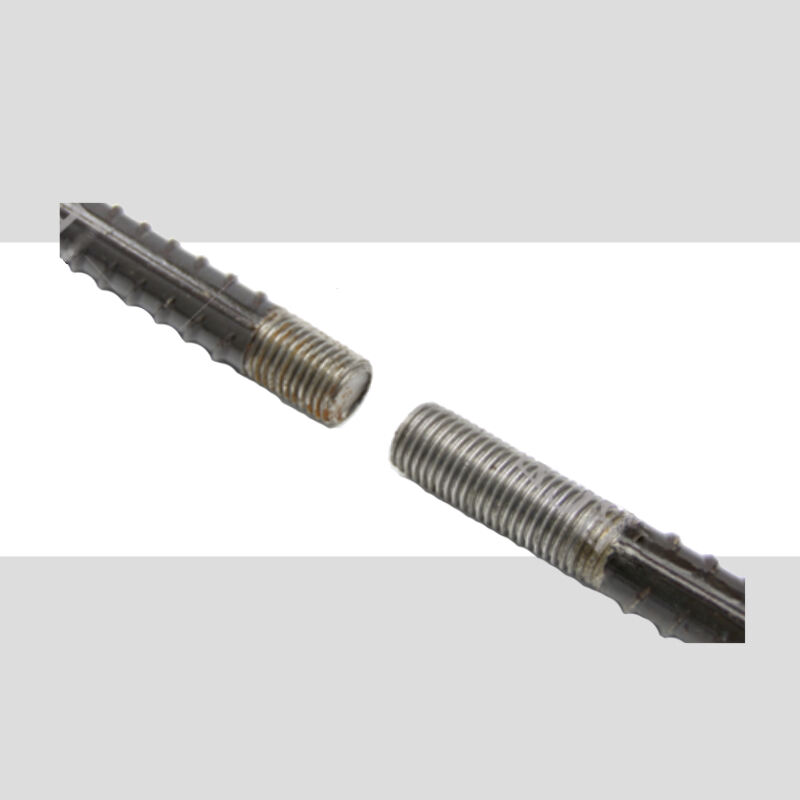
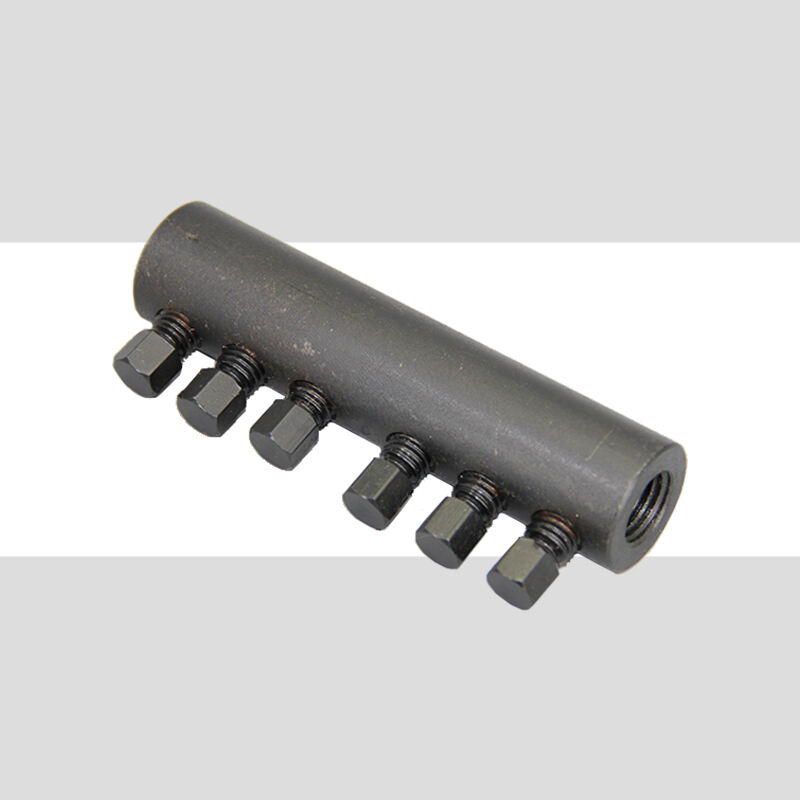
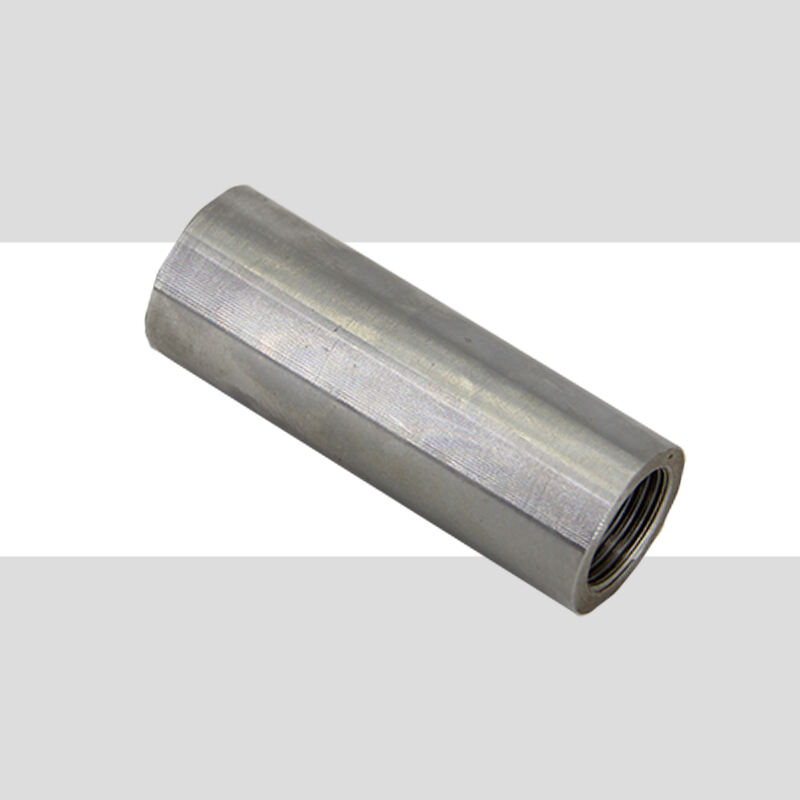
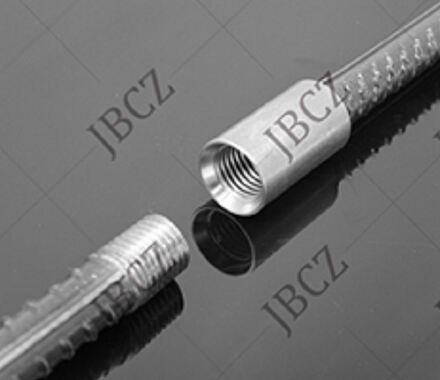
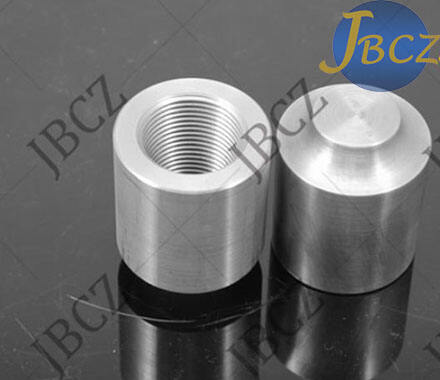
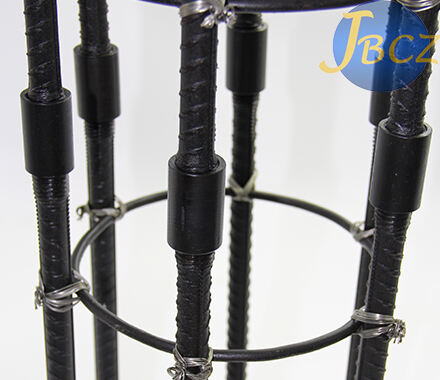
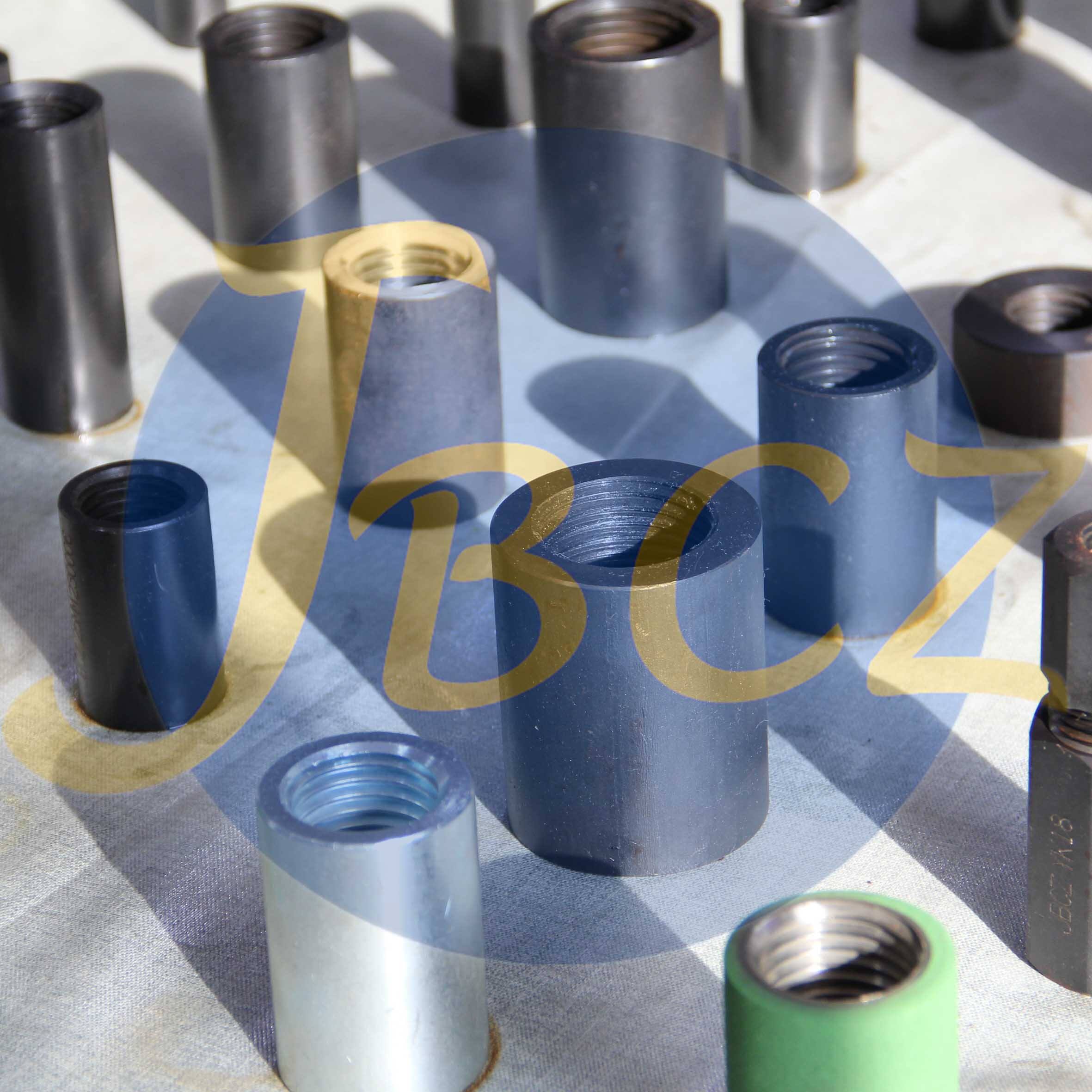
The rebar coupler for viaduct projects represents a critical mechanical connection solution designed specifically for joining reinforcing steel bars in elevated bridge construction. This specialized coupling system serves as an essential component in modern infrastructure development, particularly in complex viaduct structures where traditional lap splicing methods prove impractical or inefficient. The primary function of a rebar coupler for viaduct projects involves creating secure, high-strength connections between steel reinforcement bars, enabling continuous load transfer throughout the concrete structure. These couplers eliminate the need for overlapping rebar sections, thereby reducing steel consumption and construction complexity. The technological features of rebar couplers for viaduct projects include precision-engineered threading systems, high-grade alloy steel construction, and advanced surface treatments that ensure maximum grip and durability. Modern rebar couplers utilize either parallel threading or taper threading mechanisms, both designed to achieve full tensile strength transfer between connected bars. The application scope encompasses various viaduct components including piers, pier caps, deck slabs, and expansion joints where space constraints make conventional splicing challenging. These couplers accommodate different rebar diameters ranging from 16mm to 40mm or larger, providing flexibility across diverse project requirements. The installation process involves threading the coupler onto prepared rebar ends, requiring minimal specialized labor while maintaining construction schedule efficiency. Quality control measures ensure each rebar coupler for viaduct projects meets international standards such as ACI 318, BS 8110, and local building codes. The mechanical properties guarantee tensile strength equal to or exceeding the parent rebar material, typically achieving 110 percent of the nominal yield strength. Environmental considerations include corrosion-resistant coatings that protect connections in harsh coastal or industrial atmospheres common in viaduct locations. This connection technology has revolutionized viaduct construction by enabling faster assembly, reducing material waste, and improving structural integrity across elevated transportation infrastructure worldwide.

New Product Recommendations

Choosing a rebar coupler for viaduct projects delivers substantial practical benefits that directly impact construction efficiency and project economics. First, these couplers significantly reduce construction time by eliminating lengthy lap splice requirements that traditionally consume valuable space and labor hours. Workers can quickly connect rebar sections using simple mechanical threading, allowing construction teams to maintain aggressive schedules without compromising connection quality. The space-saving advantage proves particularly valuable in congested reinforcement zones where multiple bars converge, such as pier-to-beam connections in viaduct structures. By removing the need for overlapping bars, contractors gain more room for concrete placement and vibration, resulting in superior finished quality with fewer voids or honeycombing defects. Material cost savings represent another compelling benefit, as the rebar coupler for viaduct projects eliminates excess steel required for traditional lap splices, often reducing total reinforcement weight by 15 to 20 percent on large projects. This reduction translates directly to lower procurement costs and decreased transportation expenses for hauling materials to elevated work sites. The consistent, predictable performance of mechanical couplers enhances structural reliability compared to variable-quality lap splices that depend heavily on workmanship and inspection oversight. Engineers appreciate the ability to specify exact connection strengths and locations, knowing that factory-manufactured couplers deliver uniform performance across thousands of connections. Installation simplicity means that less-specialized workers can achieve professional results after brief training, addressing labor shortage challenges facing many construction markets. The rebar coupler for viaduct projects also improves workplace safety by reducing the quantity of protruding bars that create hazards on congested bridge decks and platforms. Quality assurance becomes more straightforward since visual inspection easily confirms proper coupler installation, whereas lap splice adequacy requires more intensive examination. Environmental benefits include reduced carbon footprint through lower steel consumption and decreased construction vehicle trips for material delivery. Project managers value the scheduling flexibility that couplers provide, enabling work in confined areas where long rebar sections cannot be maneuvered or positioned effectively. The ability to prefabricate rebar cages with couplers attached allows off-site assembly in controlled conditions, then quick installation at the viaduct location regardless of weather constraints. Long-term durability matches or exceeds conventional connections when properly specified, giving infrastructure owners confidence in decades of service life. For projects requiring seismic resistance, specialized rebar couplers for viaduct projects can accommodate the ductility demands of earthquake-prone regions through engineered slip mechanisms or energy dissipation features. The return on investment calculation consistently favors mechanical couplers when factoring combined savings in materials, labor, schedule acceleration, and quality improvements across the complete viaduct construction process.

Practical Tips

Ensuring Structural Integrity: The Role of Rebar Couplers in Concrete Joints

10

Jul

Ensuring Structural Integrity: The Role of Rebar Couplers in Concrete Joints

View More
The indispensable role of rebar couplers in offshore wind farms and marine structures

10

Jul

The indispensable role of rebar couplers in offshore wind farms and marine structures

View More
Take a look at the rebar coupler

10

Jul

Take a look at the rebar coupler

View More
JBCZ has received the certification of UK CARES

10

Jul

JBCZ has received the certification of UK CARES

View More

Get a Free Quote

Our representative will contact you soon.
Email
Name
Company Name
Message
0/1000

rebar coupler for viaduct projects

Superior Strength Transfer and Structural Integrity

Superior Strength Transfer and Structural Integrity

The rebar coupler for viaduct projects excels in delivering exceptional strength transfer capabilities that meet or exceed the performance of parent reinforcing bars, a critical requirement for elevated bridge structures subjected to complex loading conditions. This superior strength characteristic stems from precision manufacturing processes that create threaded interfaces with exact tolerances, ensuring full contact between coupler sleeves and rebar surfaces across the entire engagement length. Engineering testing confirms that properly installed rebar couplers for viaduct projects consistently achieve tensile strengths reaching 110 to 125 percent of the specified yield strength of connected bars, providing a safety margin that exceeds most building code requirements. The coupling mechanism distributes stress uniformly along the threaded connection zone, preventing the stress concentrations that sometimes occur in welded or lap spliced joints where load transfer depends on bond development over extended lengths. For viaduct applications where structural members experience bending moments, shear forces, and dynamic traffic loads simultaneously, this reliable strength transfer proves essential for long-term performance. The fatigue resistance of mechanical couplers addresses the cyclic loading patterns characteristic of bridge structures, with laboratory testing demonstrating millions of load cycles without degradation in connection capacity. Material selection plays a crucial role, as manufacturers produce rebar couplers for viaduct projects from high-grade alloy steels with yield strengths substantially higher than standard reinforcing bars, creating a connection stronger than the bars themselves. This strength differential ensures that any potential failure occurs in the rebar rather than the coupling, a preferred failure mode that provides visible warning through bar yielding before catastrophic collapse. The compression strength characteristics prove equally important for viaduct piers and columns where axial loads dominate, with couplers providing positive mechanical bearing that transfers compressive forces directly through metal-to-metal contact rather than relying solely on concrete confinement. Quality control protocols verify dimensional accuracy and mechanical properties through statistical sampling, giving structural engineers confidence that specified performance will be delivered consistently across hundreds or thousands of connections in a single viaduct project. Installation verification procedures confirm proper engagement through visual inspection or torque measurement, eliminating the uncertainty associated with lap splice inspection where bond quality remains hidden within concrete. This combination of proven strength, predictable performance, and verifiable installation makes the rebar coupler for viaduct projects an indispensable component in modern infrastructure engineering where structural integrity cannot be compromised.
Enhanced Construction Efficiency and Schedule Acceleration

Enhanced Construction Efficiency and Schedule Acceleration

Implementing rebar couplers for viaduct projects transforms construction workflows by dramatically improving installation speed and operational efficiency compared to conventional reinforcement connection methods. The time-saving advantage begins during the prefabrication phase, where rebar fabrication shops can attach couplers to cage assemblies in controlled environments, creating complete structural frames ready for rapid field installation. This prefabrication capability proves especially valuable for repetitive viaduct spans where standardized pier and beam configurations allow mass production of reinforcement packages that arrive at the construction site ready for immediate placement. Field crews benefit from simplified installation procedures that require only basic threading equipment and minimal specialized training, enabling general ironworkers to achieve professional-quality connections without extensive apprenticeship in advanced rebar techniques. The compact nature of rebar couplers for viaduct projects eliminates the congested reinforcement conditions created by overlapping lap splices, giving concrete placement crews better access for pump hoses and vibration equipment that ensures thorough consolidation around embedded steel. Schedule compression becomes achievable when multiple work crews can simultaneously prepare separate structural elements with couplers, then quickly join these components during sequential construction stages without waiting for lap development or weld curing periods. The elimination of extensive tying work reduces labor hours substantially, as workers spend less time securing overlapping bars with wire ties that add minimal structural value but consume significant installation effort. For viaduct projects in urban environments where night work windows or traffic closure periods limit construction time, the speed advantage of mechanical couplers can mean the difference between completing critical connections within allowed work hours or facing costly schedule delays and traffic disruption penalties. The rebar coupler for viaduct projects also facilitates modular construction approaches where bridge segments are fabricated off-site, transported to the alignment, and connected through strategically located couplers that join precast elements into continuous structures. Weather independence represents another efficiency benefit, as coupler installation proceeds effectively in rain or cold conditions that would compromise lap splice bond or welding quality, keeping construction progress on track despite seasonal weather challenges. Material handling becomes simpler when shorter rebar sections with couplers replace unwieldy long bars that require special transport equipment and create logistical complications on congested urban job sites with limited laydown areas. The predictable installation pace allows more accurate schedule forecasting and resource planning, helping project managers optimize crew sizing and equipment allocation across multiple work fronts simultaneously. These combined efficiency improvements translate directly to reduced overhead costs, faster project delivery, and earlier return on investment for infrastructure owners, making the rebar coupler for viaduct projects a strategic choice for schedule-sensitive bridge construction programs.
Proven Durability and Long-Term Performance Reliability

Proven Durability and Long-Term Performance Reliability

The rebar coupler for viaduct projects delivers exceptional long-term durability that ensures structural integrity throughout decades of service exposure to environmental conditions and traffic loads that challenge bridge infrastructure. Corrosion resistance forms a cornerstone of this durability advantage, with modern couplers featuring advanced surface treatments including epoxy coatings, galvanization, or stainless steel construction that protect connections from moisture infiltration and chloride attack in coastal or de-icing salt environments. The sealed interface between coupler and rebar creates a protected zone that excludes water and oxygen, the essential elements required for steel corrosion, thereby preserving connection capacity even when surface concrete experiences cracking or spalling over extended service periods. Field performance data from viaduct structures constructed with rebar couplers decades ago confirms that properly specified connections maintain full structural capacity with no degradation, validating the technology for critical infrastructure applications where replacement costs far exceed initial material premiums. The mechanical nature of couplers eliminates concerns about heat-affected zones and metallurgical changes associated with welded connections that can create brittle regions susceptible to crack initiation under cyclic loading. Quality assurance testing protocols examine fatigue performance through millions of load cycles that simulate decades of traffic exposure, with results demonstrating that rebar couplers for viaduct projects retain strength and ductility characteristics equivalent to virgin reinforcing bars. Material traceability systems track each production batch from raw steel through final threading and coating operations, creating documentation that satisfies quality management requirements for infrastructure projects where accountability and long-term warranty obligations demand comprehensive manufacturing records. Installation inspection procedures verify proper engagement through documented torque values or visual confirmation of alignment marks, creating permanent records that demonstrate connection adequacy for future maintenance planning and structural assessment activities. The dimensional stability of precision-threaded couplers ensures that connections remain tight throughout concrete curing and long-term service, avoiding the loosening or slippage that can occur with inferior mechanical systems lacking proper engineering design. Seismic performance testing confirms that ductile coupler designs accommodate the inelastic deformations required in earthquake-resistant structures, allowing controlled yielding without brittle fracture that would compromise post-earthquake structural integrity. The rebar coupler for viaduct projects has earned approval from transportation agencies and building authorities worldwide through extensive laboratory testing and field validation programs that demonstrate compliance with performance standards for critical infrastructure connections. This proven track record gives structural engineers, contractors, and infrastructure owners confidence that mechanical couplers represent a permanent, reliable solution rather than an expedient shortcut, making them the preferred choice for viaduct construction where long service life and minimal maintenance define project success criteria.