Rebar Coupler for High Tower Projects - Superior Connection Solutions for Elevated Construction

All Categories

Get a Free Quote

Our representative will contact you soon.
Email
Name
Company Name
Message
0/1000

rebar coupler for high tower projects

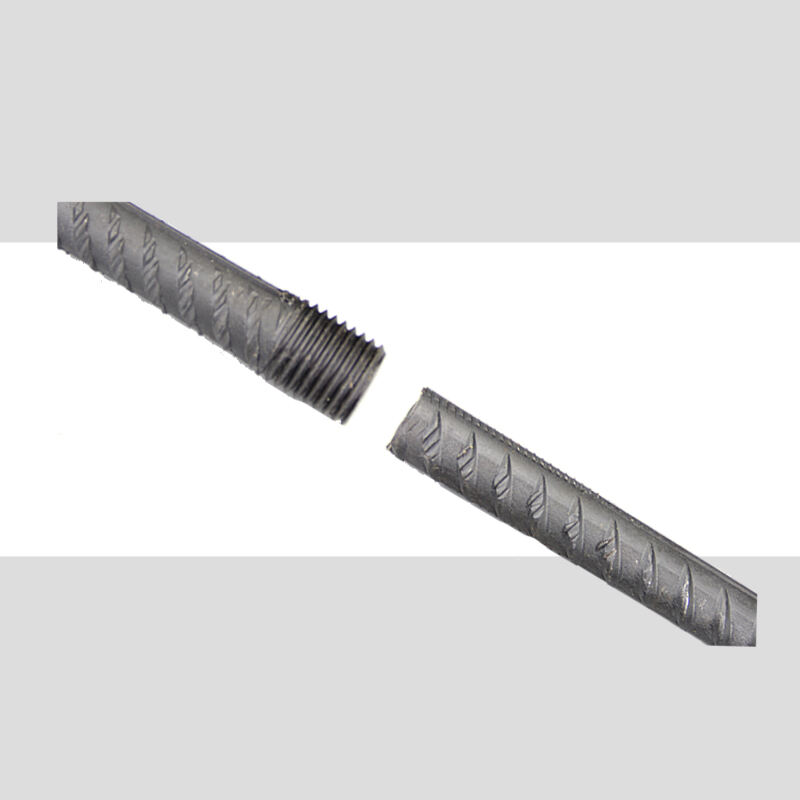
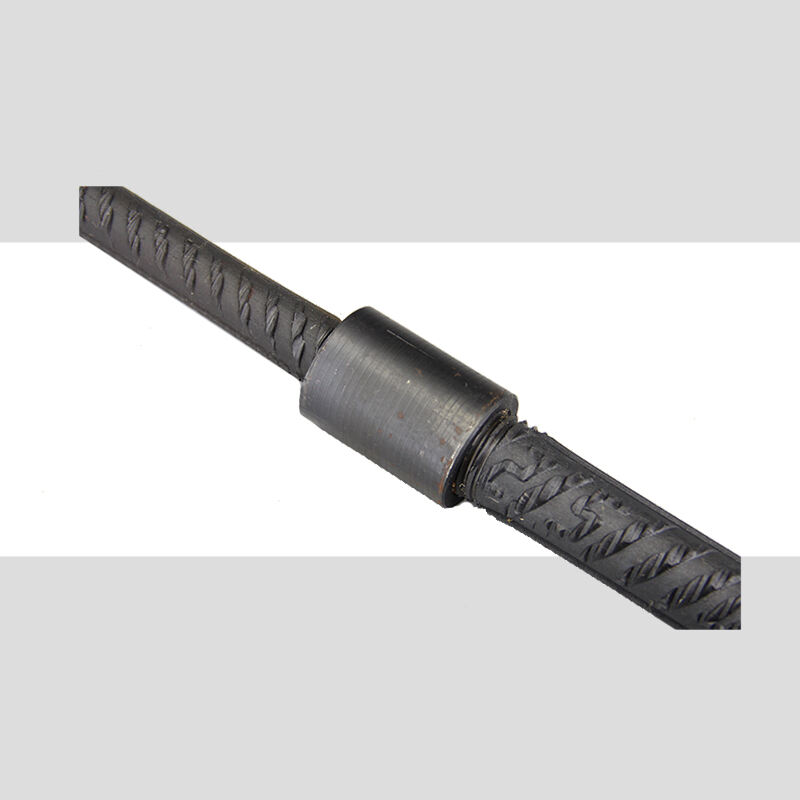
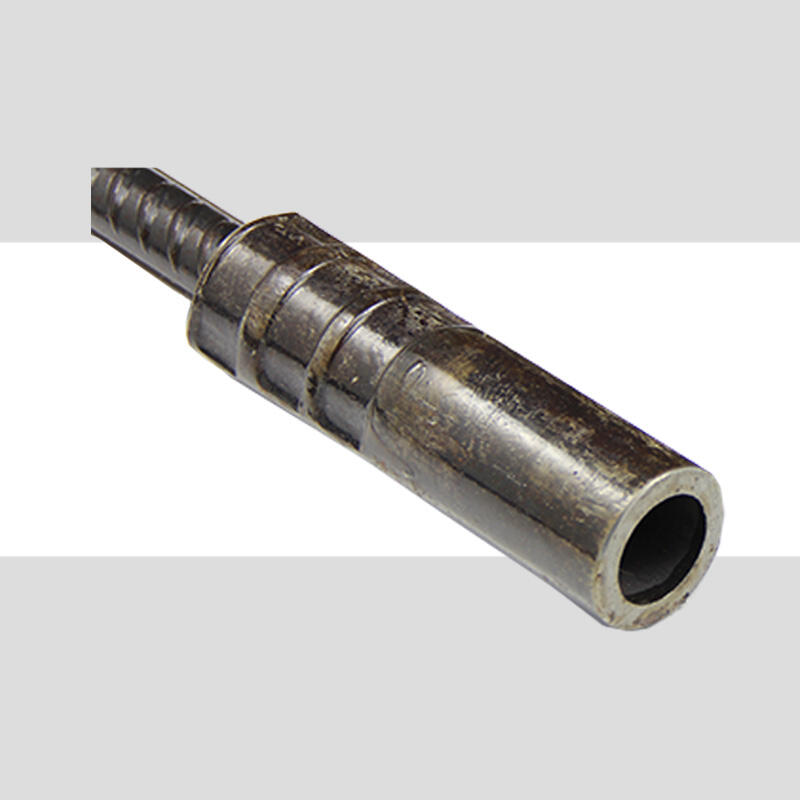
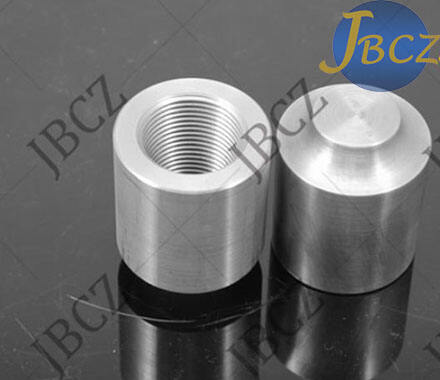
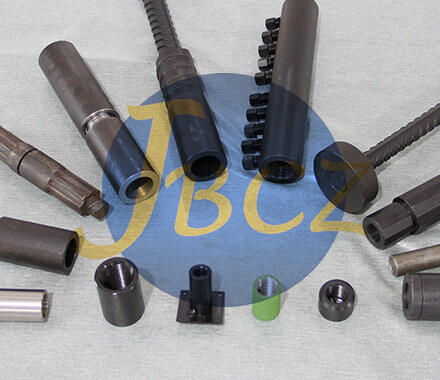
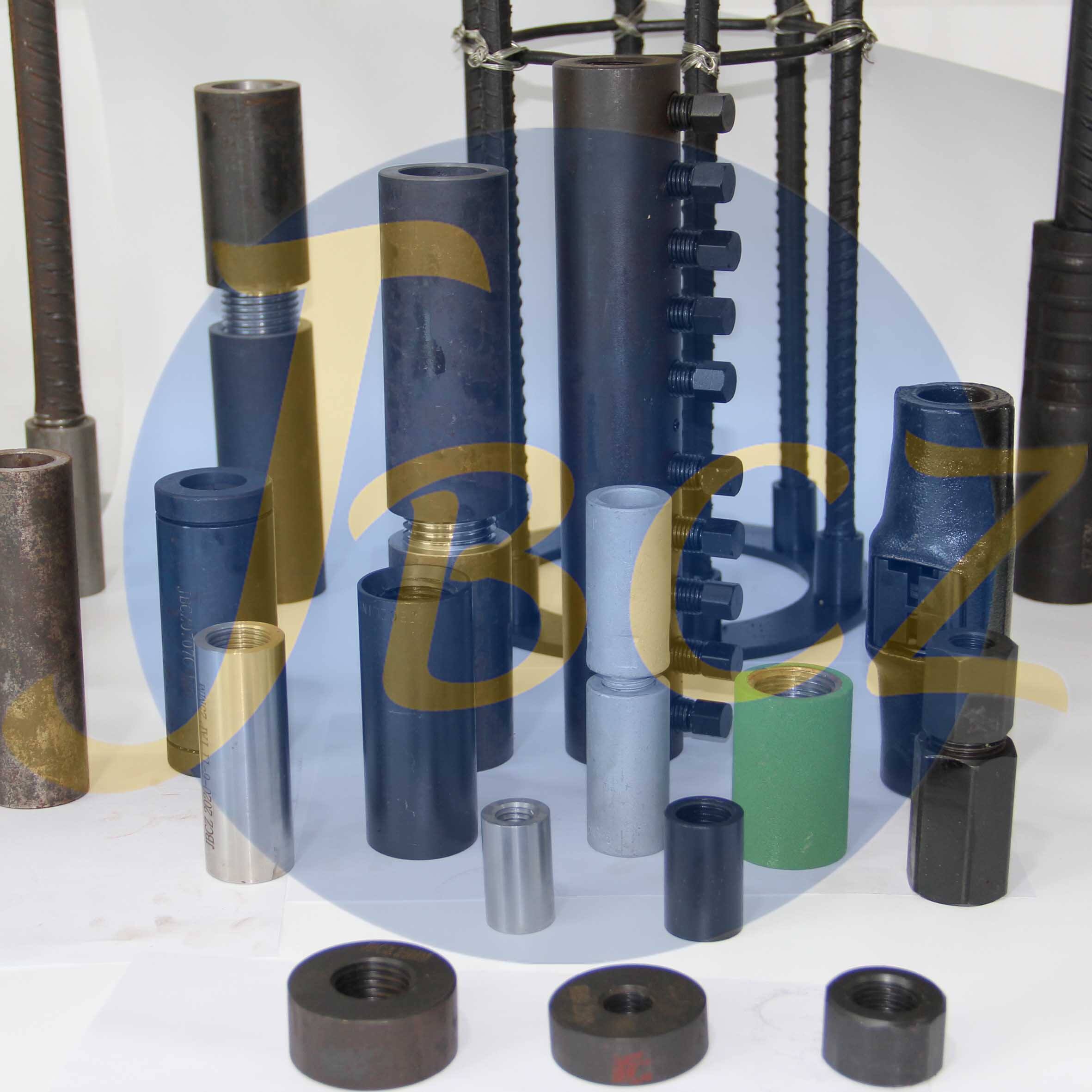
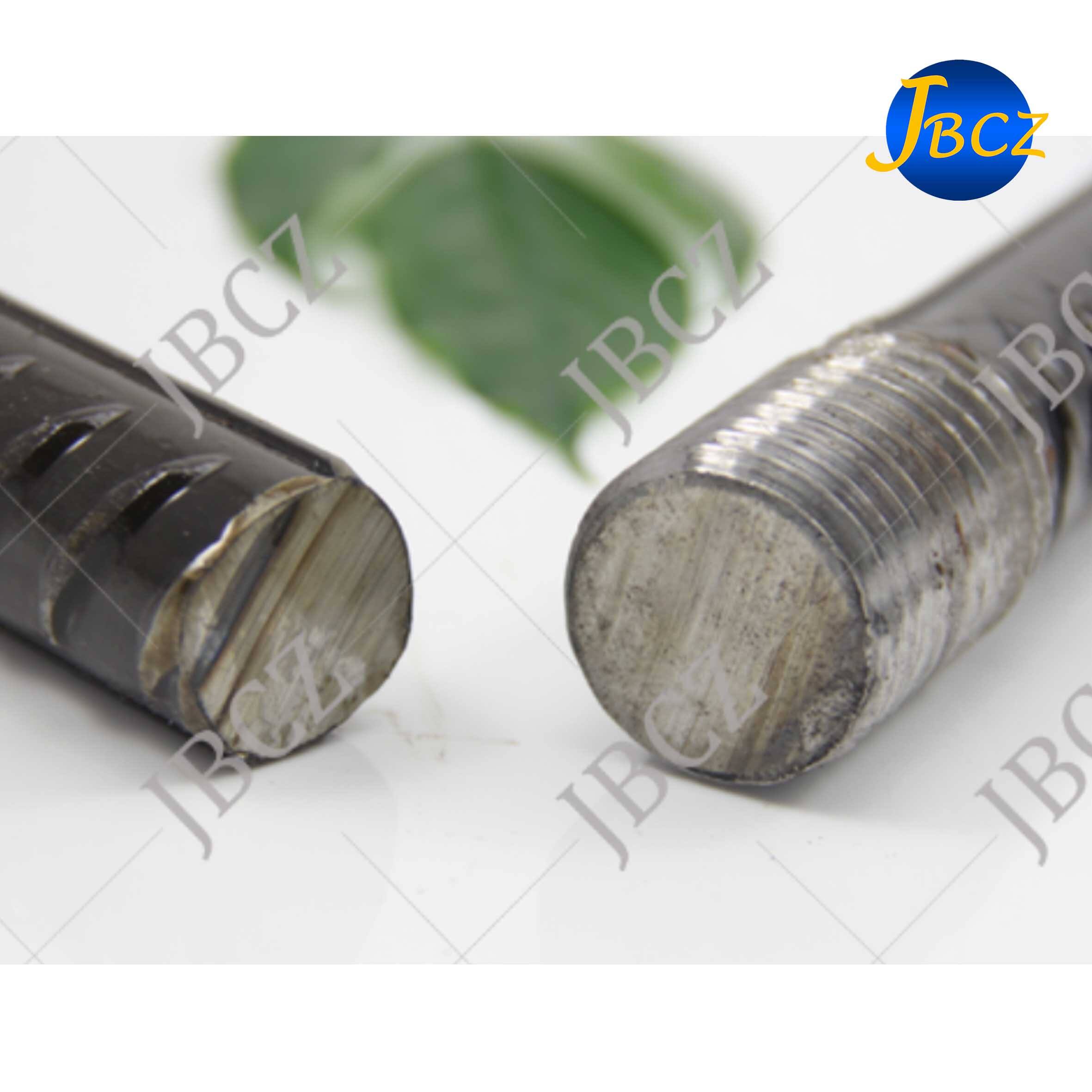
The rebar coupler for high tower projects represents a critical mechanical splicing solution designed specifically to connect reinforcing steel bars in vertical construction applications where traditional lapping methods prove impractical or inefficient. This specialized connection system serves as an essential component in the construction of telecommunications towers, wind turbine structures, observation towers, transmission towers, and other elevated infrastructure requiring exceptional structural integrity. The primary function of the rebar coupler for high tower projects involves creating continuous load paths through reinforcement systems, ensuring that tensile and compressive forces transfer seamlessly between connected bars without compromising structural performance. These couplers employ precision-engineered threading mechanisms or mechanical gripping systems that establish full-strength connections capable of developing the ultimate tensile strength of the reinforcing bars themselves. Technological features include high-grade alloy steel construction with specialized heat treatment processes that enhance durability and resistance to environmental stressors such as wind-induced vibration, temperature fluctuations, and corrosive atmospheric conditions commonly encountered at elevation. The application scope extends across various tower configurations, from monopole structures requiring longitudinal reinforcement continuity to lattice tower designs demanding reliable connections at critical node points. Installation methodology involves either threading pre-cut reinforcing bars into threaded sleeve couplers or utilizing compression-based systems that mechanically grip the rebar surface. Quality assurance protocols for the rebar coupler for high tower projects typically include rigorous testing procedures verifying tensile strength, fatigue resistance, and dimensional accuracy to meet international standards governing reinforced concrete construction. The versatility of these connection systems accommodates different bar diameters ranging from smaller reinforcement sizes to large-diameter bars exceeding 40 millimeters, providing engineers with flexible design solutions for projects with varying load requirements and geometric constraints inherent to tower construction methodologies.

Popular Products

Selecting the rebar coupler for high tower projects delivers numerous practical benefits that directly impact construction efficiency, structural performance, and overall project economics. First, these couplers eliminate the need for extended lap splices that consume valuable concrete cross-sectional area and add unnecessary weight to tower structures where minimizing dead load proves critical for foundation design and overall stability. By creating compact connections, the rebar coupler for high tower projects allows engineers to optimize structural sections, reducing concrete volumes and associated material costs while maintaining required strength capacities. Second, installation speed increases dramatically compared to traditional lapping methods, as workers can quickly connect reinforcement sections without the complex tying and positioning work that lap splices demand, particularly challenging when working at significant heights where access restrictions and safety considerations slow conventional construction processes. Third, the mechanical connection quality remains consistent regardless of weather conditions or installer skill level variations, whereas lap splice effectiveness depends heavily on proper execution of tying work and adequate concrete consolidation around overlapped bars. Fourth, the rebar coupler for high tower projects facilitates prefabrication strategies that allow reinforcement cage assembly at ground level in controlled environments before hoisting to final positions, dramatically improving safety outcomes by reducing the duration workers must spend at elevation performing detailed assembly tasks. Fifth, these couplers accommodate design changes and construction sequencing adjustments more readily than cast-in-place lapping, providing flexibility when unforeseen site conditions or revised engineering requirements emerge during project execution. Sixth, material waste decreases substantially because bars can be cut to precise lengths without the excess material required for overlap zones, contributing to more sustainable construction practices and reducing transportation costs associated with delivering reinforcement to project sites. Seventh, the connection strength reliability proves superior in seismic conditions and under dynamic loading scenarios common in tall tower applications, where wind-induced oscillations and potential earthquake forces demand ductile, predictable performance from every structural connection point. Eighth, inspection and quality verification processes become more straightforward, as visible coupler installation can be checked systematically compared to buried lap splices requiring more extensive concrete investigation to confirm proper placement and adequate cover dimensions throughout splice zones.

Practical Tips

The indispensable role of rebar couplers in offshore wind farms and marine structures

10

Jul

The indispensable role of rebar couplers in offshore wind farms and marine structures

View More
Features of rebar splices and precautions for their use

10

Jul

Features of rebar splices and precautions for their use

View More
Six ways to regulate rebar splices

10

Jul

Six ways to regulate rebar splices

View More
JBCZ has received the certification of UK CARES

10

Jul

JBCZ has received the certification of UK CARES

View More

Get a Free Quote

Our representative will contact you soon.
Email
Name
Company Name
Message
0/1000

rebar coupler for high tower projects

Superior Structural Performance Under Extreme Loading Conditions

Superior Structural Performance Under Extreme Loading Conditions

The rebar coupler for high tower projects delivers exceptional structural performance characteristics specifically engineered to withstand the unique loading conditions that elevated structures experience throughout their service life. Unlike conventional connection methods that may exhibit strength reductions or unpredictable behavior under cyclic loading, these mechanical splicing systems maintain consistent performance across the full range of anticipated load scenarios. The engineering behind the rebar coupler for high tower projects incorporates advanced metallurgical principles, utilizing high-strength steel alloys processed through controlled heat treatment cycles that optimize both hardness and ductility properties essential for reliable performance. When properly installed, these couplers develop the full ultimate tensile strength of the connected reinforcing bars, effectively creating continuous reinforcement elements that behave as single uninterrupted bars rather than spliced sections with potential weakness zones. This capability proves particularly valuable in tower applications where tensile forces from wind loading, temperature-induced movements, and potential seismic events create demanding stress conditions that connections must reliably transfer without progressive deterioration. The fatigue resistance of the rebar coupler for high tower projects exceeds that of traditional lapping connections because mechanical gripping or threaded engagement distributes stress concentrations more uniformly compared to the abrupt force transfer mechanisms inherent in lap splices dependent on concrete bond strength. Testing protocols demonstrate that these couplers withstand millions of loading cycles without significant strength degradation, addressing the critical concern of wind-induced vibration that subjects tower structures to continuous low-amplitude stress fluctuations throughout decades of service. Furthermore, the ductility characteristics ensure that connections exhibit appropriate deformation capacity before failure, providing structural redundancy and preventing sudden collapse scenarios. The precision manufacturing tolerances maintained during coupler production guarantee dimensional consistency that eliminates the variability associated with field-dependent lapping quality, where inconsistent bar spacing, inadequate concrete cover, or improper tie wire application can compromise connection integrity in ways not immediately apparent during construction but potentially consequential under ultimate load conditions.
Accelerated Construction Schedule and Enhanced Jobsite Safety

Accelerated Construction Schedule and Enhanced Jobsite Safety

Implementing the rebar coupler for high tower projects fundamentally transforms construction methodology by enabling faster project completion timelines while simultaneously improving worker safety outcomes compared to conventional reinforcement connection approaches. The time savings begin during the prefabrication phase, where reinforcement cages can be assembled in controlled ground-level facilities with couplers already attached to bar terminations, creating ready-to-install assemblies that simply require connection completion after positioning at elevation. This prefabrication capability reduces the total labor hours required at height by substantial margins, addressing one of the most significant safety concerns in tower construction where extended duration aloft increases accident risk exposure and fatigue-related errors. The rebar coupler for high tower projects allows sequential construction staging where foundation and lower tower sections proceed while upper level reinforcement assemblies undergo parallel preparation, compressing overall schedule duration through concurrent activity execution impossible with traditional sequential bar installation and lapping methods. Installation procedures prove remarkably straightforward, typically requiring only basic hand tools or simple hydraulic equipment to complete connections, contrasting sharply with the labor-intensive tying work and precise positioning demanded by lap splice execution at height where workspace constraints and safety harness restrictions impede worker mobility and task efficiency. Training requirements decrease because coupler installation follows standardized procedures with clear acceptance criteria, whereas proper lap splice construction requires experienced ironworkers capable of maintaining proper bar spacing and tie patterns despite challenging working conditions and ergonomic limitations. The rebar coupler for high tower projects also eliminates congestion issues that plague lap splice zones where multiple overlapping bars create dense reinforcement concentrations difficult to navigate during subsequent concrete placement operations, potentially causing consolidation problems that compromise structural integrity. Quality control verification occurs rapidly through visual inspection and simple dimensional checks rather than requiring extensive testing or concrete removal to confirm that lap lengths and positioning meet specification requirements, accelerating approval processes that might otherwise delay formwork removal and construction sequence advancement to subsequent tower levels.
Economic Value Through Material Optimization and Long-Term Durability

Economic Value Through Material Optimization and Long-Term Durability

The financial advantages of specifying the rebar coupler for high tower projects extend well beyond initial material costs to encompass comprehensive economic benefits spanning procurement, construction execution, and lifecycle performance considerations. Material quantity optimization represents the most immediate economic impact, as eliminating lap splice lengths reduces total reinforcing steel requirements by margins that become particularly significant in large-diameter bars where overlap zones consume substantial material volumes and add considerable weight to structures where minimizing dead load directly correlates with foundation cost reductions. The rebar coupler for high tower projects enables engineers to specify exact bar lengths needed for structural adequacy without adding excess material for connection purposes, translating reduced tonnage into lower procurement costs, decreased transportation expenses, and simplified logistics management throughout project delivery. Waste reduction contributes additional savings because precision cutting for coupler connections generates minimal scrap compared to field adjustment of lap splice configurations where dimensional coordination challenges often result in discarded reinforcement segments and reordering delays. Labor productivity improvements create substantial cost advantages through reduced crew hours required for reinforcement installation, with the straightforward mechanical connection process requiring significantly less time than positioning and securing overlapping bars while maintaining proper spacing and alignment throughout extended lap zones. The rebar coupler for high tower projects reduces indirect costs associated with tower crane rental duration, temporary work platform requirements, and extended schedule exposure to weather-related delays that interrupt conventional construction sequences dependent on extensive at-height assembly work. Long-term durability characteristics provide economic value through enhanced structure longevity and reduced maintenance intervention requirements over operational life spans measured in decades. The corrosion resistance inherent in properly specified coupler materials and protective coatings exceeds that of lap splice zones where multiple bar interfaces and potential concrete consolidation inadequacies create vulnerability to chloride penetration and moisture infiltration that initiate reinforcement deterioration. Structural reliability throughout service life minimizes costly repair interventions and extends intervals between major maintenance campaigns, contributing to superior lifecycle cost performance that justifies initial investment in quality connection systems. The predictable performance characteristics of the rebar coupler for high tower projects also reduce engineering contingency factors and structural overdesign margins, allowing optimization that balances safety requirements against unnecessary material expenditure while maintaining appropriate reliability levels for critical infrastructure applications serving essential communication, energy generation, and transmission functions.